
No products in the cart.
AI SEO Automated Rank Tracking: The Complete Guide to Smarter Search Visibility
10
Aug
Aug
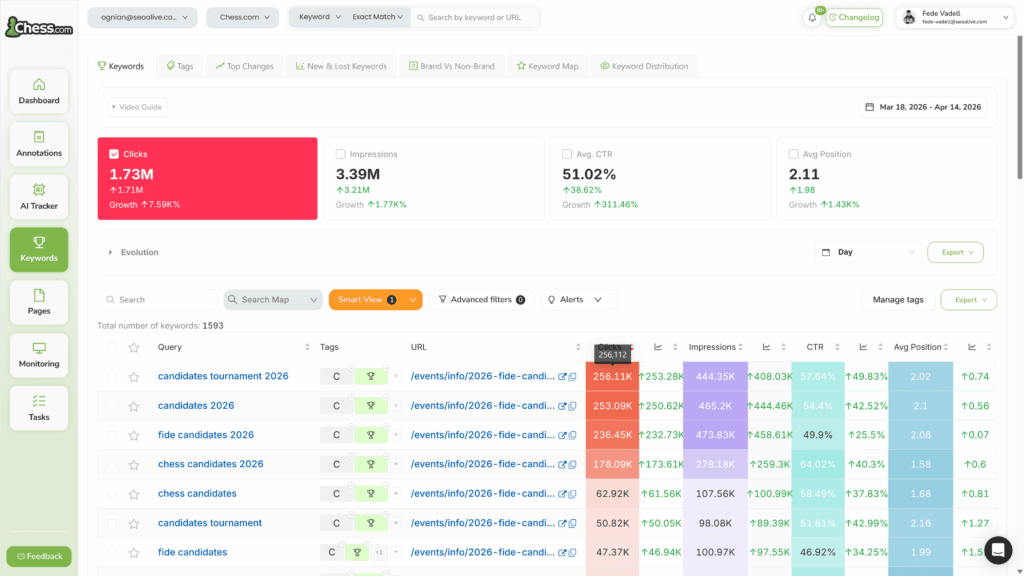
AI SEO automated rank tracking has transformed how businesses monitor their search engine performance. Instead of manually checking positions daily, modern systems use artificial intelligence to track keywords, analyze competitors, and predict ranking fluctuations. This technology saves hours of work while providing deeper insights than traditional tools. For digital marketers and website owners, understanding AI-powered rank tracking is no longer optional—it is essential for staying competitive in search results.
What Is AI SEO Automated Rank Tracking?
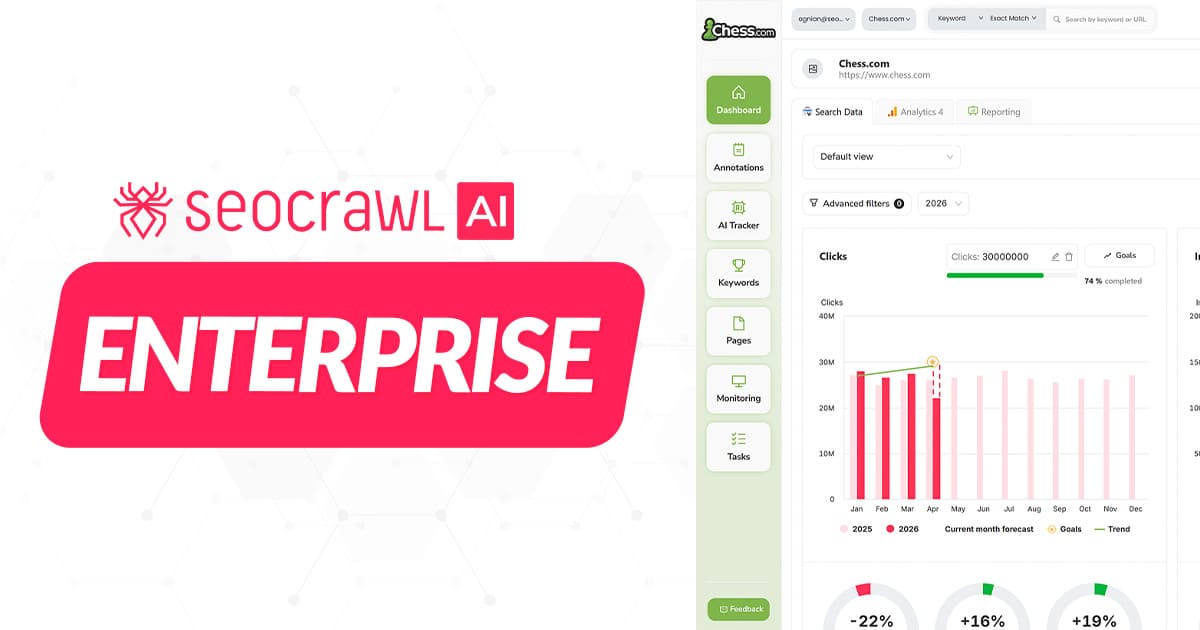
AI SEO automated rank tracking refers to software systems that use machine learning algorithms to monitor keyword positions across search engines automatically. These platforms collect data on where your website appears for specific search queries, then apply AI models to interpret patterns, detect anomalies, and forecast future performance.
Traditional rank tracking simply records positions. AI-powered systems go further by analyzing the context behind those positions. They consider factors like search intent shifts, algorithm updates, competitor movements, and seasonal trends. This approach turns raw position data into actionable intelligence.
How AI Enhances Traditional Rank Tracking
Standard rank checkers provide snapshots. AI systems provide narratives. The artificial intelligence layer processes millions of data points to identify why rankings changed, not just when they changed. For example, if your page drops from position 3 to position 8, an AI system can correlate that shift with a Google core update, a competitor’s new backlink campaign, or changes in user behavior patterns.
Machine learning models also improve accuracy by filtering out noise. Search results vary by location, device, and personalization. AI algorithms normalize these variations to show true performance trends rather than misleading daily fluctuations.
Why AI SEO Automated Rank Tracking Matters in 2025
Search engines have become increasingly complex. Google processes billions of queries daily, with results shaped by hundreds of ranking factors. Manual tracking cannot keep pace with this complexity. AI systems process vast datasets in seconds, identifying opportunities and threats that human analysts would miss.
The competitive landscape demands faster response times. When rankings shift, the first business to react often captures the most value. AI automated rank tracking provides real-time alerts, allowing teams to adjust content, technical elements, or link strategies immediately.
Additionally, AI tools integrate with other SEO platforms. They feed data into dashboards, connect with Google Search Console, and synchronize with content management systems. This creates a unified workflow where rank data informs every optimization decision.
Core Features of AI SEO Automated Rank Tracking Tools
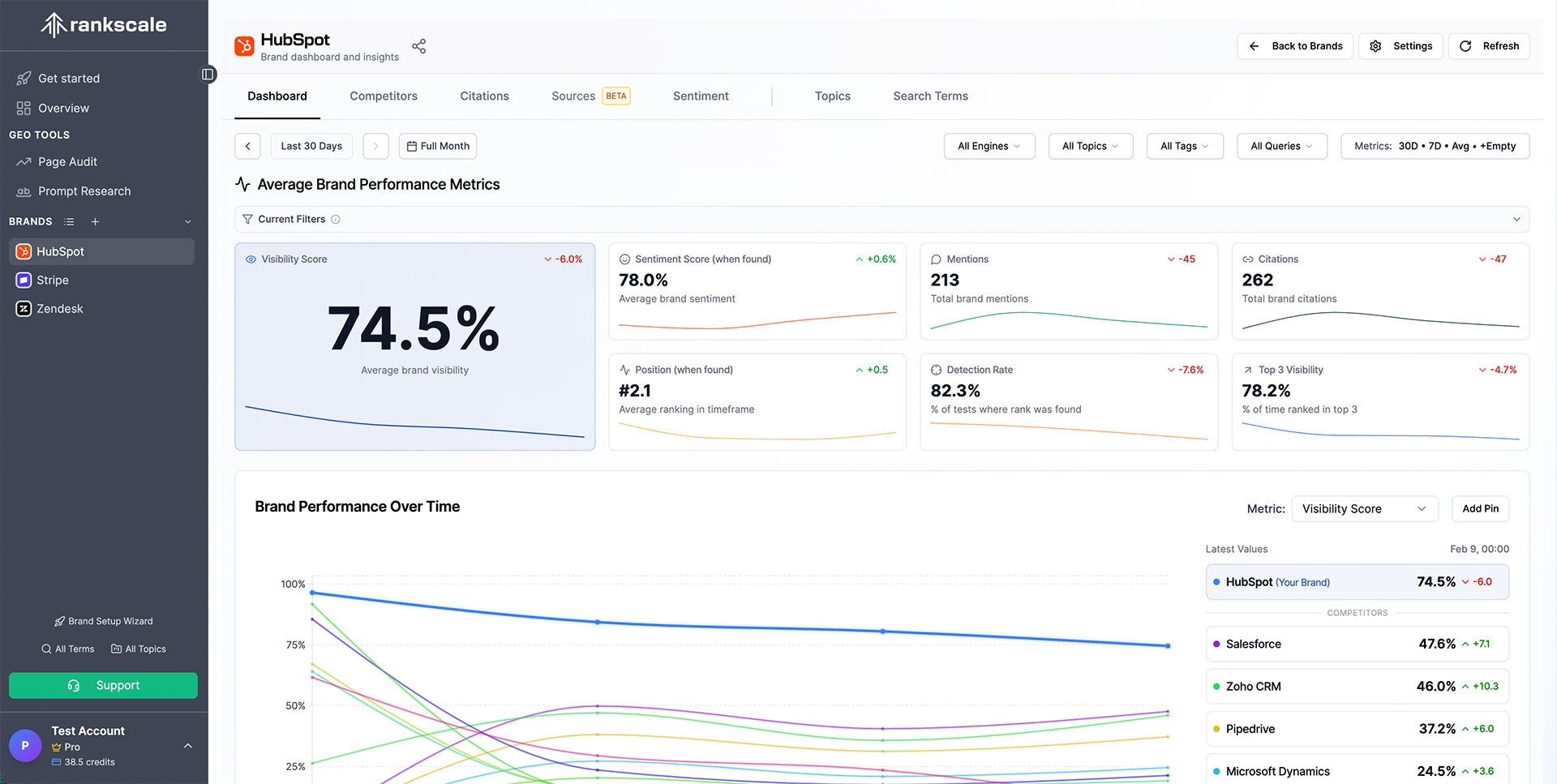
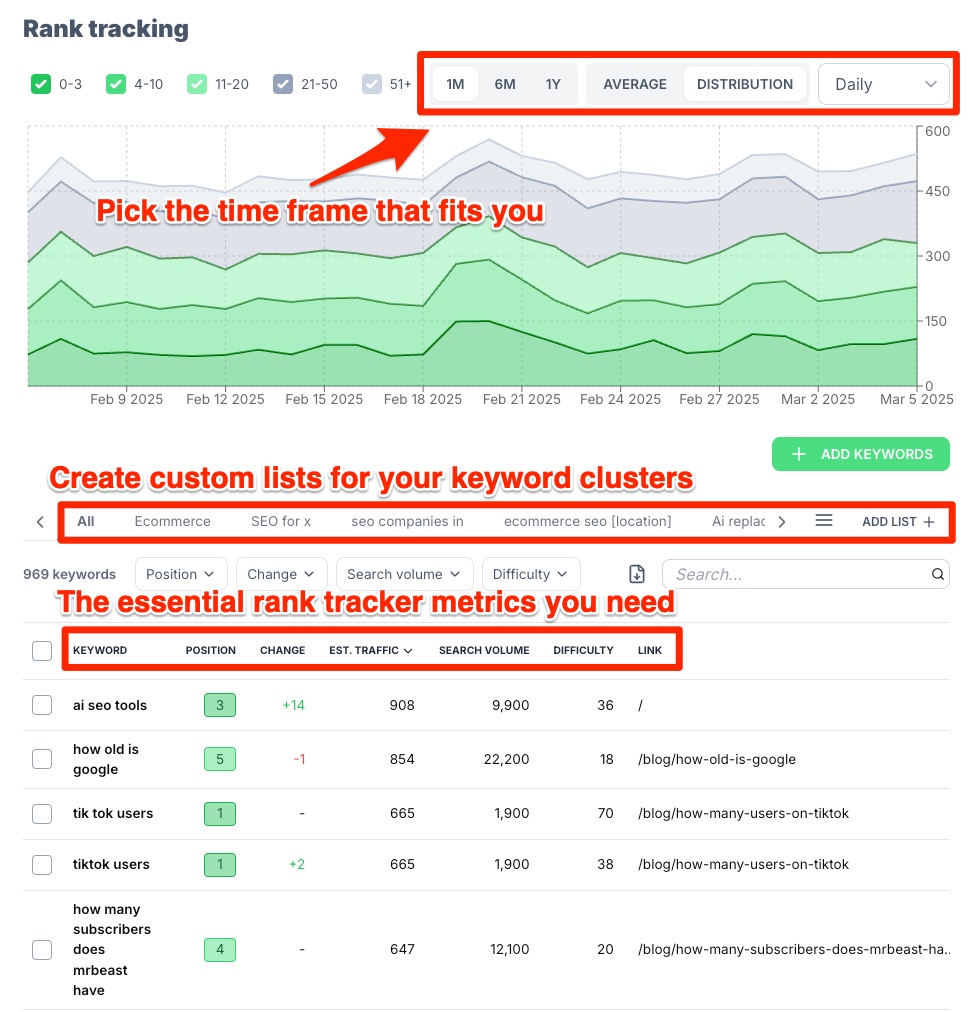
Modern AI rank tracking platforms offer a range of sophisticated features. Understanding these capabilities helps you select the right tool and maximize its value.
Real-Time Position Monitoring
AI systems check keyword positions continuously, not just on scheduled intervals. This real-time monitoring captures fleeting ranking opportunities and provides immediate feedback on optimization efforts.
Predictive Analytics
Machine learning models analyze historical data to forecast future ranking movements. These predictions help prioritize SEO tasks. If the AI predicts a page will drop in two weeks, you can take preventive action early.
Competitor Intelligence
AI tools track your competitors’ rankings alongside your own. They identify which keywords competitors are gaining on, what content they publish, and how their backlink profiles evolve. This intelligence informs your content strategy and gap analysis.
Anomaly Detection
Sudden ranking drops or spikes often indicate underlying issues. AI algorithms detect these anomalies and flag them for investigation. The system might correlate a drop with a site speed problem, a crawl error, or a penalty.
Search Intent Analysis
AI models classify keywords by search intent—informational, navigational, transactional, or commercial. This classification helps you understand whether your content matches what users actually want, improving relevance and engagement metrics.
Automated Reporting
AI systems generate comprehensive reports automatically. These reports highlight key changes, visualize trends, and provide plain-language explanations of ranking movements. Stakeholders receive clear updates without needing technical SEO expertise.
Benefits of Using AI for Automated Rank Tracking
The advantages of AI-powered rank tracking extend beyond simple time savings. Businesses that adopt this technology gain strategic advantages across multiple dimensions.
Time Efficiency
Manual rank checking for hundreds of keywords takes hours daily. AI systems complete the same task in minutes. This frees up SEO professionals to focus on strategy, content creation, and link building rather than data collection.
Accuracy and Consistency
Human error affects manual tracking. AI systems collect data consistently, using the same methodology every time. This consistency produces reliable trend data that supports confident decision-making.
Scalability
Tracking 50 keywords manually is feasible. Tracking 5,000 is not. AI platforms scale effortlessly, handling thousands of keywords across multiple search engines and geographic regions simultaneously.
Deeper Insights
AI reveals patterns invisible to the human eye. It identifies correlations between ranking changes and external factors, uncovers keyword clusters that perform well together, and highlights content gaps in your portfolio.
Proactive Strategy
Rather than reacting to ranking losses, AI tools help you anticipate them. Predictive analytics enable proactive optimization, keeping your site ahead of algorithm changes and competitor moves.
Limitations and Challenges of AI Rank Tracking
While powerful, AI SEO automated rank tracking has limitations. Being aware of these helps you use the tools effectively without over-relying on them.
Data Interpretation Requires Human Judgment
AI provides data and predictions, but it cannot make strategic decisions. A human SEO expert must interpret the insights, weigh trade-offs, and choose the right actions. The technology augments expertise; it does not replace it.
Search Result Personalization
Search engines personalize results based on user history, location, and device. No tracking tool can capture every personalized variation. AI systems use statistical models to estimate average positions, but these estimates may differ from what individual users see.
Cost Considerations
Advanced AI rank tracking platforms cost more than basic tools. Subscription fees scale with keyword volume and feature access. Small businesses may find the investment significant, though the ROI often justifies the expense.
Algorithm Limitations
AI models are only as good as their training data. If a search engine changes its algorithm dramatically, AI predictions may be temporarily inaccurate until the models adapt. Regular monitoring and model updates are necessary.
AI SEO Automated Rank Tracking vs. Traditional Methods
| Feature | Traditional Rank Tracking | AI Automated Rank Tracking |
|---|---|---|
| Data Collection | Manual or scheduled checks | Continuous, real-time monitoring |
| Analysis Depth | Basic position recording | Pattern recognition and predictive insights |
| Competitor Tracking | Limited, manual comparison | Automated, comprehensive competitor intelligence |
| Reporting | Static spreadsheets | Dynamic dashboards with AI-generated summaries |
| Scalability | Limited by human capacity | Handles thousands of keywords effortlessly |
| Error Rate | Higher due to manual processes | Lower due to standardized algorithms |
| Cost | Lower upfront, higher labor costs | Higher subscription, lower labor costs |
Traditional methods still work for small websites with minimal keyword portfolios. However, as your SEO efforts expand, the efficiency and depth of AI systems become indispensable.
How to Implement AI SEO Automated Rank Tracking
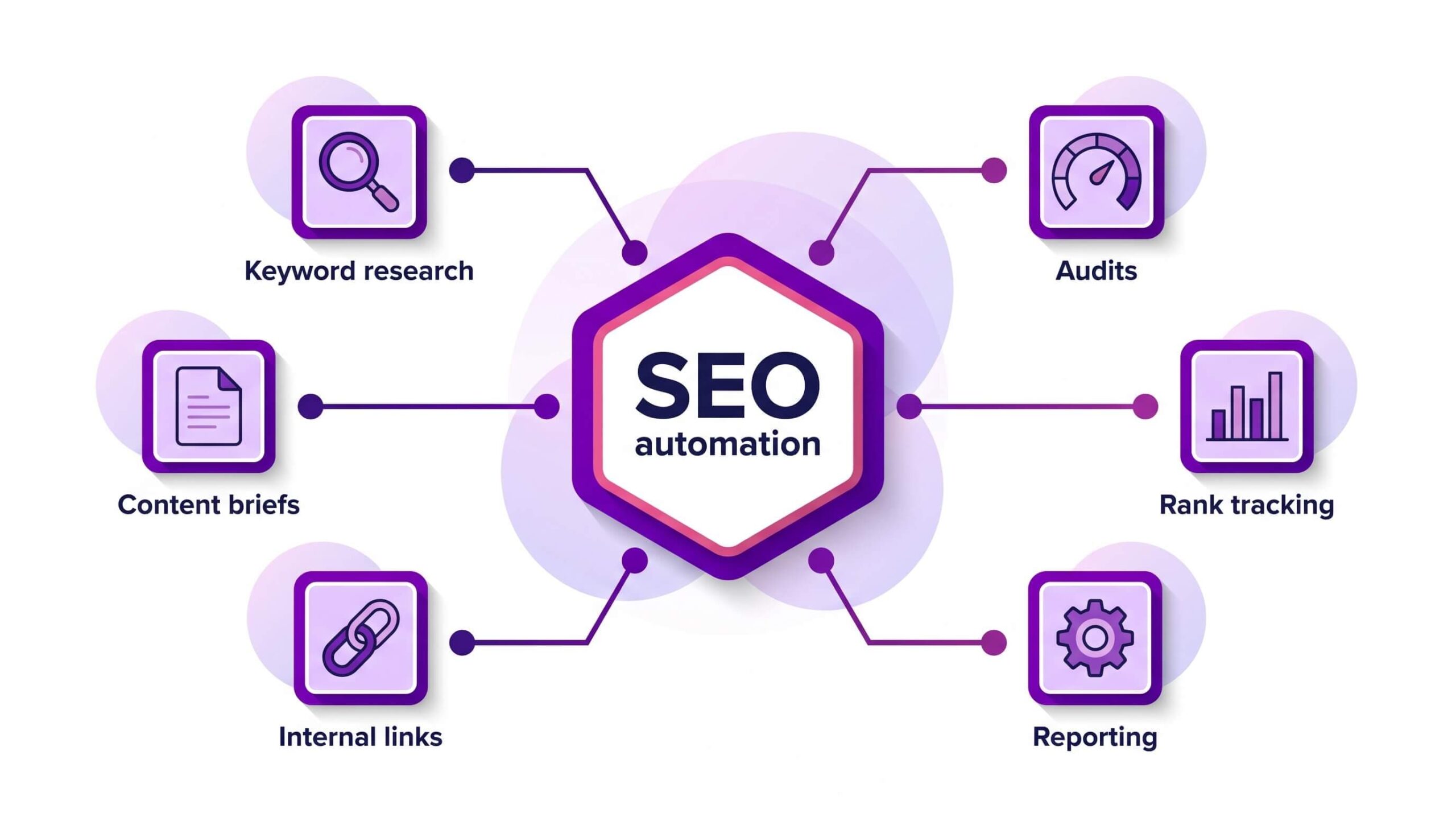
Implementing AI rank tracking requires a structured approach. Follow these steps to integrate the technology into your SEO workflow successfully.
Step 1: Define Your Keyword Universe
Start by identifying the keywords that matter most to your business. Include head terms, long-tail variations, and question-based queries. Group keywords by topic cluster and search intent. This organization helps the AI system provide more meaningful insights.
Step 2: Select the Right Tool
Evaluate AI rank tracking platforms based on your needs. Consider factors like keyword capacity, search engine coverage, integration options, and budget. Popular options include Semrush, Ahrefs, and specialized AI tools like Ranktracker or Pro Rank Tracker. Request demos and trial periods to test usability.
Step 3: Configure Tracking Parameters
Set up your tracking locations, devices, and languages. Decide whether you need mobile and desktop tracking separately. Configure alert thresholds so the system notifies you when significant ranking changes occur.
Step 4: Connect Data Sources
Integrate your rank tracking tool with Google Search Console, Google Analytics, and your CMS. This integration provides a complete picture of how rankings translate into traffic, engagement, and conversions.
Step 5: Establish Baselines
Allow the AI system to collect data for several weeks before making major decisions. This baseline period helps the algorithms understand your site’s normal performance patterns and seasonal variations.
Step 6: Review and Act on Insights
Schedule regular reviews of your rank tracking data. Focus on the AI-generated insights, not just the raw positions. Identify pages that need optimization, keywords with rising potential, and threats from competitors.
Practical Applications of AI Rank Tracking Data
The data from AI rank tracking supports numerous SEO activities. Here are the most impactful applications.
Content Optimization Prioritization
AI tools identify pages ranking on page two of search results. These pages have the highest potential for improvement. Optimize them by updating content, improving internal links, or enhancing meta tags to push them onto page one.
Keyword Gap Analysis
Compare your rankings with competitors to find keywords they rank for that you do not. These gaps represent content opportunities. Create new pages or expand existing content to target these untapped queries.
Algorithm Update Response
When Google releases a core update, AI rank tracking shows which pages were affected. Analyze the patterns to understand what the algorithm values. Adjust your content strategy accordingly to recover lost rankings.
Local SEO Monitoring
For businesses with physical locations, AI tools track rankings across different geographic areas. This data reveals which regions need more local SEO effort, such as building local citations or creating location-specific content.
ROI Measurement
Connect rank tracking data with conversion data to measure the ROI of your SEO efforts. If rankings improve but conversions do not, the issue lies in your content or user experience, not your visibility.
Common Mistakes in AI Rank Tracking and How to Avoid Them
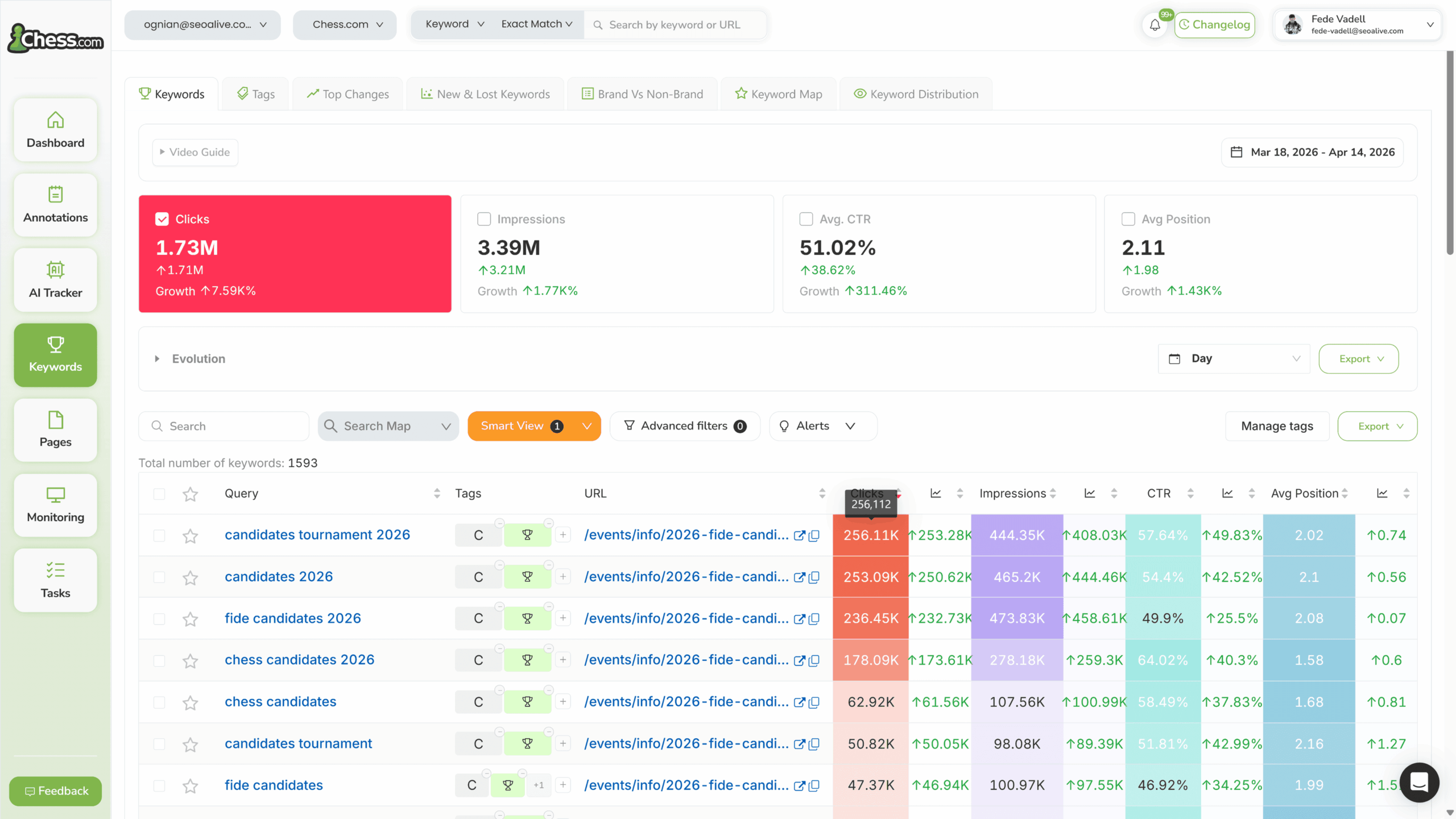
Many businesses misuse AI rank tracking tools, limiting their effectiveness. Avoid these common pitfalls.
Mistake 1: Obsessing Over Daily Fluctuations
Search results fluctuate naturally. Checking rankings daily and panicking over small changes leads to hasty, counterproductive actions. Focus on weekly or monthly trends instead of daily noise.
Mistake 2: Ignoring Search Intent
Ranking for a keyword means nothing if the searcher does not find what they want. Ensure your content matches the intent behind each keyword. Use AI intent analysis to align your pages with user expectations.
Mistake 3: Tracking Too Many Irrelevant Keywords
More keywords do not equal better insights. Tracking thousands of irrelevant terms dilutes your focus. Curate your keyword list to include only terms that relate to your products, services, or expertise.
Mistake 4: Neglecting Competitor Data
Rank tracking is not just about your positions. Competitor data provides context. If your rankings stay flat but competitors surge, your relative visibility declines. Monitor both sides of the equation.
Mistake 5: Failing to Act on Data
Collecting data without taking action wastes resources. Establish a workflow that converts insights into tasks. Assign responsibility for acting on rank tracking alerts and schedule regular optimization sprints.
Important Notes for Maximizing AI Rank Tracking Value
To get the most from AI SEO automated rank tracking, keep these principles in mind.
- Combine rank data with user behavior metrics like click-through rate and bounce rate for a complete picture.
- Use AI predictions as guidance, not absolute truth. Always validate major decisions with additional research.
- Keep your keyword list updated. Remove obsolete terms and add new ones as your business evolves.
- Share insights across your team. Content writers, developers, and marketers all benefit from understanding ranking trends.
- Review your tool’s accuracy periodically. Compare its data with manual checks to ensure reliability.
Frequently Asked Questions
What is the difference between AI rank tracking and regular rank tracking?
Regular rank tracking records keyword positions at scheduled intervals. AI rank tracking uses machine learning to analyze patterns, predict future movements, detect anomalies, and provide actionable insights beyond simple position data.
How often should I check my keyword rankings?
For most businesses, weekly checks provide sufficient data without creating noise. High-competition industries or sites undergoing major changes may benefit from daily monitoring. AI tools make frequent checks effortless, but focus on trends rather than daily fluctuations.
Can AI rank tracking predict Google algorithm updates?
AI tools cannot predict algorithm updates directly, but they can detect early signs of ranking shifts that may indicate an update. The predictive models identify unusual patterns and alert you to investigate potential causes.
Do AI rank tracking tools work for local SEO?
Yes, most AI rank tracking platforms support local SEO monitoring. They track rankings for location-specific keywords, map pack positions, and Google Business Profile performance across different geographic areas.
How much does AI SEO automated rank tracking cost?
Pricing varies widely based on features and keyword volume. Basic plans start around $50 per month, while enterprise solutions can cost $500 or more monthly. Most tools offer tiered pricing to accommodate different business sizes.
Will AI replace SEO professionals?
No, AI enhances SEO professionals rather than replacing them. The technology handles data collection and pattern recognition, freeing experts to focus on strategy, creative content, relationship building, and complex problem-solving that requires human judgment.
Conclusion
AI SEO automated rank tracking represents a fundamental shift in how businesses monitor and improve their search visibility. The technology transforms raw position data into strategic intelligence, enabling faster responses, deeper insights, and more efficient resource allocation. While traditional tracking methods still serve basic needs, the competitive advantages of AI-powered systems make them essential for serious SEO programs.
Successful implementation requires more than just purchasing a tool. Define clear objectives, curate your keyword portfolio, integrate data sources, and commit to acting on the insights. Avoid the common mistakes of over-monitoring and under-analyzing. When used correctly, AI rank tracking becomes the backbone of a data-driven SEO strategy that consistently delivers measurable results.
The search landscape will only grow more complex. Businesses that embrace AI automation today position themselves to adapt quickly to future changes. Those that rely on manual methods risk falling behind competitors who leverage machine intelligence. The choice is clear—adopt AI SEO automated rank tracking and turn your search visibility into a predictable, scalable growth channel.
Xem thêm:
- LLM Optimization: The Complete Guide to Boosting Speed, Accuracy, and Cost Efficiency
- AI SEO Content Repository: The Ultimate Guide to Building a Smarter Content Engine in 2025
- AI SEO Documentation: The Complete Guide to Building Smarter Search Strategies
- AI SEO for Agencies: The Complete Blueprint to Scale, Automate, and Dominate Search Rankings
- AI SEO Podcasts: Master the Future of Search With Every Episode
Bài viết cùng chủ đề:

AI SEO SEO Automation with Make: The Complete Workflow Guide

AI SEO SEO Automation with Zapier: The Complete Workflow Guide

AI SEO SEO Automation with n8n: The Complete Workflow Guide
AI SEO SEO Automation with Gemini: The Complete Guide to Scaling Organic Growth

AI SEO SEO Automation with Claude: The Complete Guide to Scaling Content in 2025

AI SEO SEO Automation with ChatGPT: The Complete Playbook for 2025

AI SEO & SEO Automation for Affiliate Sites: The 2025 Playbook for Passive Income Growth
AI SEO & SEO Automation for Bloggers: The Complete Guide to Scaling Your Content

AI SEO & SEO Automation for Agencies: The Complete 2025 Playbook

AI SEO and SEO Automation for Ecommerce: The Complete Playbook for 2025

AI SEO & SEO Automation for WordPress: The Complete Playbook for 2025
AI SEO SEO Automation Strategy: The Complete Playbook for 2025

Mastering the AI SEO SEO Automation Process: A Complete Guide to Scaling Organic Growth
AI SEO SEO Automation System: The Complete Guide to Scaling Organic Growth in 2025
AI SEO SEO Automation Platform: The Complete Guide to Scaling Organic Growth in 2025
AI SEO SEO Automation Software: The Complete Guide to Scaling Organic Growth in 2025















