No products in the cart.
AI SEO SEO Automation Platform: The Complete Guide to Scaling Organic Growth in 2025

10
Aug
Aug
The digital marketing landscape has shifted dramatically. What once required a team of specialists manually auditing websites, researching keywords, and crafting meta descriptions can now be executed by an AI SEO SEO Automation Platform. These platforms combine machine learning, natural language processing, and robotic process automation to handle repetitive, data-heavy SEO tasks at scale. For businesses aiming to maintain a competitive edge, understanding how these tools work and where they fit into a broader strategy is no longer optional—it is essential.
This guide explores the core mechanics of AI-driven SEO automation, its practical applications, and the critical factors to consider before integrating one into your workflow. The focus remains on actionable insights and verified capabilities, not hype.
What is an AI SEO SEO Automation Platform?
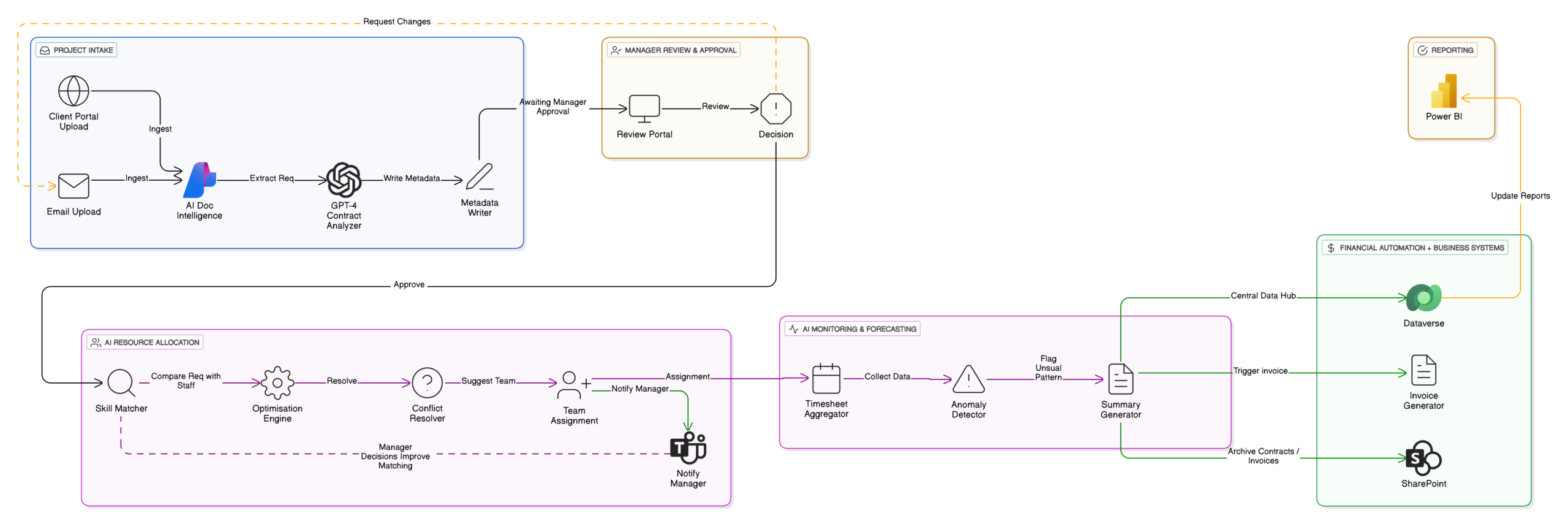
An AI SEO SEO Automation Platform is a software solution that uses artificial intelligence to execute, manage, and optimize search engine optimization tasks without constant human intervention. Unlike traditional SEO tools that provide data for a human to analyze, these platforms actively make changes, generate content, and adjust strategies based on algorithmic predictions.
The core distinction lies in the automation loop. A standard tool might tell you that your page load time is slow. An AI automation platform will identify the cause, suggest a fix, and in some cases, implement the fix through integrations with your CMS or CDN. This shift from passive reporting to active execution is the defining characteristic of modern SEO automation.
Core Components of AI SEO Automation
To understand the value, it helps to break down the typical architecture of these platforms:
- Data Aggregation Layer: Pulls data from Google Search Console, Google Analytics, CRM systems, and server logs to create a unified dataset.
- Predictive Analytics Engine: Uses historical data to forecast traffic trends, keyword difficulty, and the potential ROI of specific content pieces.
- Content Generation Module: Produces drafts, meta tags, and structured data using large language models, then optimizes them for specific search intents.
- Automated Workflow Triggers: Sets up rules that initiate actions when certain conditions are met, such as dropping rankings or a competitor publishing new content.
- Reporting and Alerting System: Delivers real-time notifications and automated performance reports to stakeholders.
- Ensure the platform stores data in a region compliant with your local laws.
- Verify that the platform does not share your proprietary data with other clients.
- Check if the AI models used for content generation are trained on your data or on public data. This affects intellectual property rights.
- Maintain a record of automated decisions for audit purposes, especially if your SEO actions impact user data collection.
Why the Shift Toward Automated SEO is Accelerating
The volume of data involved in SEO has exceeded human capacity. Search engines process billions of queries daily, and the factors influencing rankings number in the hundreds. Manually tracking keyword movements, backlink profiles, and algorithm updates across a large website is inefficient and prone to error.
Automation addresses this by handling the “grunt work” of SEO. It allows human experts to focus on strategy, creative direction, and complex problem-solving. The speed of execution is another driver. An AI system can audit a 10,000-page website and generate a prioritized action plan in minutes—a task that would take a human team weeks.
Key Features of a High-Performing AI SEO Automation Platform
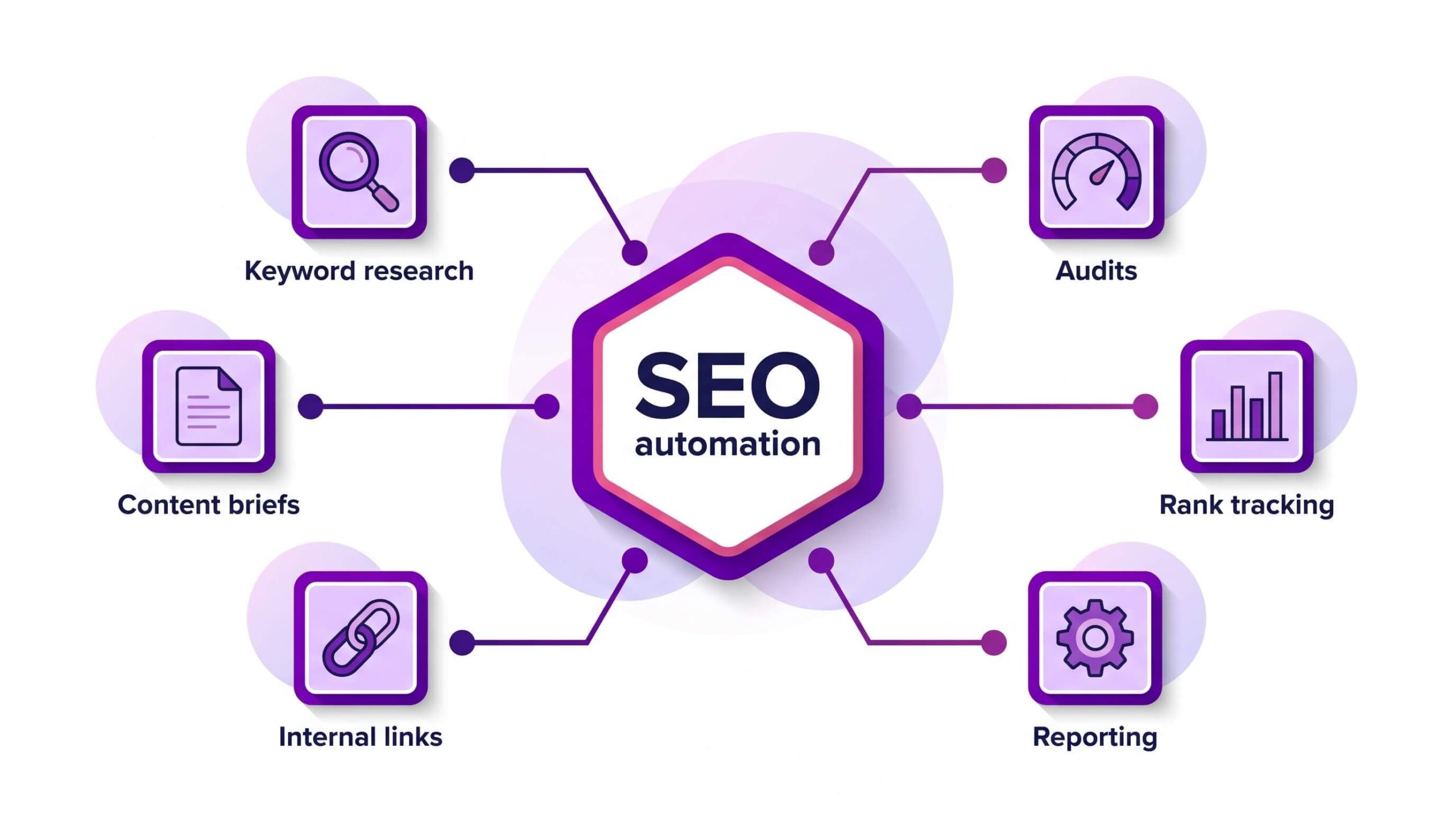
Not all platforms are created equal. When evaluating options, look for these specific capabilities that separate enterprise-grade solutions from basic scripts.
1. Automated Keyword Clustering and Mapping
Instead of listing thousands of keywords, the platform uses semantic analysis to group them into topical clusters. It then maps these clusters to specific pages on your site, identifying gaps where new content is needed or where existing pages cannibalize each other. This process is continuous, adapting to shifts in search behavior.
2. Dynamic Content Optimization
This goes beyond simple keyword insertion. The AI analyzes top-ranking pages for a query, identifies content depth, readability, and entity usage, and then provides recommendations to match or exceed those standards. Some platforms can rewrite sections of content in real-time to improve relevance scores.
3. Automated Internal Linking
Internal links are a critical ranking factor, yet they are often neglected. An automation platform scans your entire site, identifies contextual relevance between pages, and automatically inserts links with optimized anchor text. This improves crawlability and distributes page authority more effectively.
4. Predictive Rank Tracking
Traditional rank tracking shows where you are today. AI-driven tracking predicts where you will be next week or next month based on current trends. This allows for proactive adjustments rather than reactive damage control.
5. Self-Healing Technical SEO
Technical issues like broken links, missing alt tags, and duplicate content are automatically detected and fixed. The platform integrates with popular CMS platforms like WordPress or Shopify to apply fixes directly, without requiring a developer.
Benefits of Using an AI SEO SEO Automation Platform
The advantages of adopting these systems are measurable across several dimensions of digital marketing.
Scalability Without Proportional Headcount
Growing organic traffic usually requires hiring more content writers, link builders, and technical SEOs. Automation breaks this linear relationship. A single marketing manager can oversee the output of an AI system that produces and optimizes hundreds of pages per month. This is particularly valuable for e-commerce sites with massive product catalogs or news sites with high publishing frequency.
Consistency in Execution
Human teams suffer from fatigue and inconsistency. An AI platform applies the same standards to every page, every time. This ensures that meta descriptions are always within character limits, headings follow a logical hierarchy, and image compression is always applied.
Faster Time-to-Market for Content
Research that takes days can be compressed into hours. The platform can analyze search intent, outline an article, and generate a first draft in minutes. While human editing is still required for quality and brand voice, the initial heavy lifting is eliminated.
Data-Driven Prioritization
Not all SEO tasks have equal impact. The platform uses machine learning to score tasks based on their potential to affect revenue. It tells you which broken links to fix first, which pages to update, and which keywords to target next, based on projected ROI.
Limitations and Risks to Consider
Despite the clear benefits, there are significant limitations that require careful management.
The Risk of Generic Content
AI-generated content can sometimes lack the nuance, personal experience, and unique insights that differentiate a brand. Search engines are increasingly sophisticated at detecting low-value, mass-produced content. Using automation to generate content without a strong editorial review process can lead to penalties and loss of trust.
Dependence on Data Quality
Automation is only as good as the data it ingests. If your analytics tracking is broken or your CRM data is outdated, the A Regular data hygiene audits are mandatory.
Lack of Creative Strategy
AI can optimize for existing search demand, but it struggles to identify untapped market opportunities or create a disruptive brand narrative. Strategic direction still requires human intuition and market understanding.
Cost of Implementation
Enterprise-level automation platforms are expensive. They often require annual contracts, integration fees, and training costs. For small businesses, the ROI may not justify the expense compared to using a mix of cheaper, manual tools.
AI SEO Automation Platform vs. Traditional SEO Tools
Understanding the difference between these two categories is crucial for budget allocation and workflow design.
| Feature | Traditional SEO Tools | AI SEO Automation Platform |
|---|---|---|
| Primary Function | Data reporting and analysis | Action execution and optimization |
| User Role | Analyst interprets data | Manager oversees automated workflows |
| Content Creation | Manual writing required | AI-assisted drafting and rewriting |
| Speed of Execution | Depends on human workload | Real-time, 24/7 operation |
| Error Handling | Manual detection and fixing | Automated detection and self-correction |
| Cost | Lower monthly fees | Higher subscription costs |
| Best For | Small sites, specific tasks | Large sites, enterprise scaling |
The choice is not necessarily binary. Many organizations use a hybrid approach, employing traditional tools for deep-dive analysis and an automation platform for repetitive tasks like reporting and technical audits.
Practical Implementation: How to Integrate an AI SEO Automation Platform
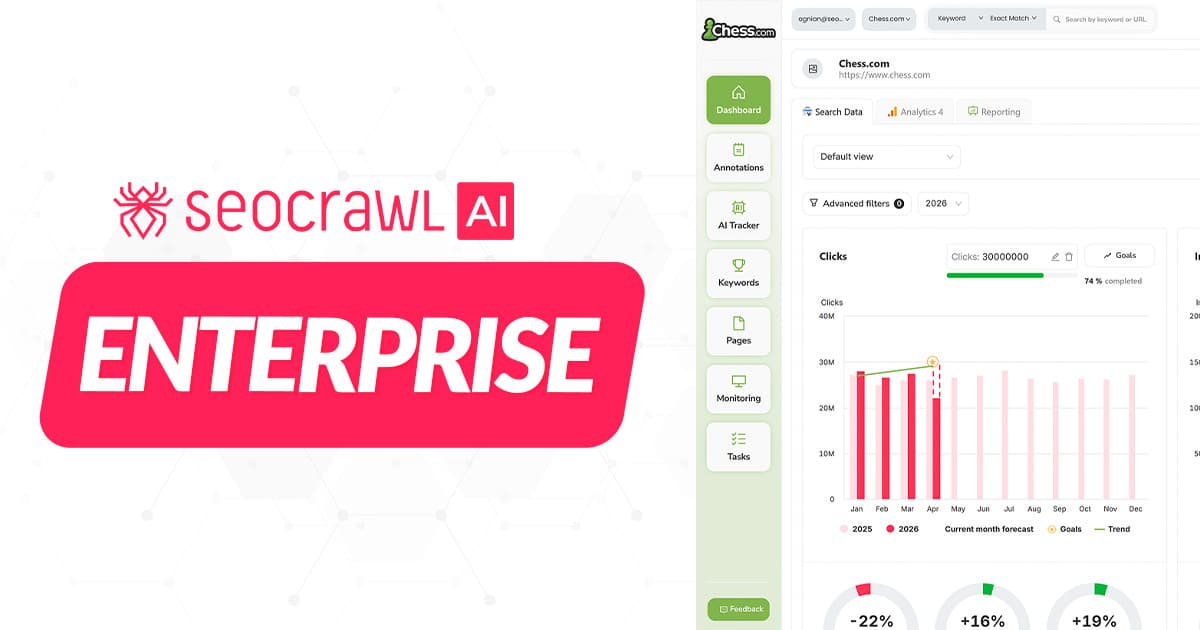
Successful adoption requires a structured rollout plan.
Step 1: Audit Your Current Stack
Identify which tasks consume the most time. Is it weekly reporting? Meta description writing? Finding broken links? List these tasks and quantify the hours spent. This provides the baseline for calculating ROI.
Step 2: Define Clear Objectives
Set specific, measurable goals. Examples include reducing time spent on technical audits by 50%, increasing organic traffic to product pages by 20% in six months, or publishing 100 optimized blog posts per month. The platform should be configured to track these specific KPIs.
Step 3: Start with a Pilot Project
Do not automate your entire SEO strategy on day one. Choose a single, low-risk area, such as automated meta description generation for a specific blog category. Monitor the results for two to four weeks, comparing click-through rates and rankings against the control group.
Step 4: Establish Human Review Checkpoints
Even with automation, a human must review content for factual accuracy, brand alignment, and legal compliance. Set up a workflow where AI generates drafts and a human editor approves them before publishing. This is non-negotiable for maintaining quality.
Step 5: Integrate with Communication Tools
Connect the platform to Slack, Teams, or email. Set up alerts for critical events, such as a sudden drop in rankings for a money page or a competitor gaining significant visibility. This ensures that the human team is alerted to anomalies that require strategic judgment.
Common Mistakes to Avoid When Using SEO Automation
Adopting this technology without proper governance leads to wasted budget and potential penalties.
Mistake 1: Automating Without a Strategy
Using AI to generate thousands of pages of content without a clear topical strategy creates a website full of thin, irrelevant pages. This dilutes your site’s authority and can trigger algorithmic filters like Google’s helpful content update.
How to Avoid: Develop a content pillar and cluster strategy first. Use the AI to execute the plan, not to create the plan from scratch.
Mistake 2: Ignoring the Human Element
Publishing AI-generated content without adding original data, expert quotes, or unique insights results in a generic user experience. Users can detect a lack of depth, leading to high bounce rates.
How to Avoid: Use AI for the first draft, but always inject personal experience, case studies, or proprietary research before publishing.
Mistake 3: Over-Automating Link Building
Some platforms offer automated link outreach. This often results in spammy, low-quality backlinks that harm your site. Search engines are adept at identifying unnatural link patterns.
How to Avoid: Use automation for prospecting and initial contact, but manually vet every domain before pursuing a link.
Mistake 4: Neglecting Log File Analysis
Automation platforms often rely on Google Search Console data, which is a sample. For a complete picture of how search engines crawl your site, you need server log files. Failing to integrate this data leads to blind spots.
How to Avoid: Ensure your platform can ingest and analyze raw server logs, or use a separate tool for this purpose.
Important Notes on Data Privacy and Compliance
Automation involves processing large amounts of data, some of which may be personal data. Compliance with regulations like GDPR and CCPA is critical.
Frequently Asked Questions
Will an AI SEO Automation Platform replace SEO professionals?
No. These platforms replace repetitive tasks, not strategic thinking. SEO professionals are needed to interpret data, set strategy, and ensure brand quality. The role shifts from manual executor to strategic manager. The demand for skilled SEOs who can manage these platforms is increasing, not decreasing.
How much does an AI SEO Automation Platform cost?
Pricing varies widely based on features and website size. Entry-level tools with limited automation start around $100 to $300 per month. Enterprise platforms with full content generation and technical self-healing capabilities can cost $2,000 to $10,000 per month or more. Most vendors offer custom quotes based on the number of pages and API calls.
Can automation help with local SEO?
Yes. Platforms can automate the creation of location-specific content, manage citations across directories, and monitor reviews. They can also ensure that NAP (Name, Address, Phone) data is consistent across all platforms, which is a key local ranking factor.
Is AI-generated content penalized by Google?
Google’s guidelines state that automation is acceptable if it is used to produce helpful, original content, not to manipulate search rankings. Content that is primarily for search engines and lacks value is penalized, regardless of whether it is written by a human or an AI. The focus must remain on user value.
How long does it take to see results from SEO automation?
Technical fixes like broken links can show impact within days. Content optimization and new page indexing typically take four to eight weeks to reflect in rankings. Significant traffic growth from a comprehensive automation strategy usually takes three to six months, depending on the competitiveness of your niche.
Conclusion
The AI SEO SEO Automation Platform represents a fundamental shift in how digital marketing operates. It moves the industry from manual, reactive processes to proactive, data-driven systems that operate at machine speed. The benefits of scalability, consistency, and efficiency are undeniable for organizations managing large websites or aggressive growth targets.
However, the technology is not a silver bullet. It requires careful implementation, continuous human oversight, and a clear strategic direction. The most successful organizations will treat these platforms as powerful assistants that handle the heavy lifting, while human experts focus on creativity, brand building, and strategic innovation. By understanding both the capabilities and the limitations, you can leverage automation to achieve sustainable organic growth without sacrificing quality or trust.
Xem thêm:
- AI SEO Link Juice: The Complete Guide to Automating Authority Transfer in 2025
- AI SEO Smart Search: The Complete Guide to Future-Proofing Your Organic Traffic
- AI YouTube SEO: The Complete Guide to Dominating Video Search with Artificial Intelligence
- AI SEO Keyword Insights: The Complete Guide to Data-Driven Search Optimization
- AI Ecommerce Content: The Complete Guide to Scaling Product Copy, SEO, and Sales
Bài viết cùng chủ đề:

AI SEO SEO Automation with Make: The Complete Workflow Guide

AI SEO SEO Automation with Zapier: The Complete Workflow Guide

AI SEO SEO Automation with n8n: The Complete Workflow Guide
AI SEO SEO Automation with Gemini: The Complete Guide to Scaling Organic Growth

AI SEO SEO Automation with Claude: The Complete Guide to Scaling Content in 2025

AI SEO SEO Automation with ChatGPT: The Complete Playbook for 2025

AI SEO & SEO Automation for Affiliate Sites: The 2025 Playbook for Passive Income Growth
AI SEO & SEO Automation for Bloggers: The Complete Guide to Scaling Your Content

AI SEO & SEO Automation for Agencies: The Complete 2025 Playbook

AI SEO and SEO Automation for Ecommerce: The Complete Playbook for 2025

AI SEO & SEO Automation for WordPress: The Complete Playbook for 2025
AI SEO SEO Automation Strategy: The Complete Playbook for 2025

Mastering the AI SEO SEO Automation Process: A Complete Guide to Scaling Organic Growth
AI SEO SEO Automation System: The Complete Guide to Scaling Organic Growth in 2025
AI SEO SEO Automation Software: The Complete Guide to Scaling Organic Growth in 2025
AI SEO SEO Automation Workflow: The Complete Guide to Scaling Organic Growth in 2025