No products in the cart.
AI SEO SEO Automation System: The Complete Guide to Scaling Organic Growth in 2025

10
Aug
Aug
The digital marketing landscape has shifted dramatically. What once required a team of specialists manually auditing websites, researching keywords, and crafting meta descriptions can now be executed by sophisticated software. This is where the concept of an AI SEO SEO Automation System comes into play. This guide provides a deep dive into how these systems function, why they are essential for modern businesses, and how you can implement one to achieve sustainable, scalable growth.
What is an AI SEO Automation System?

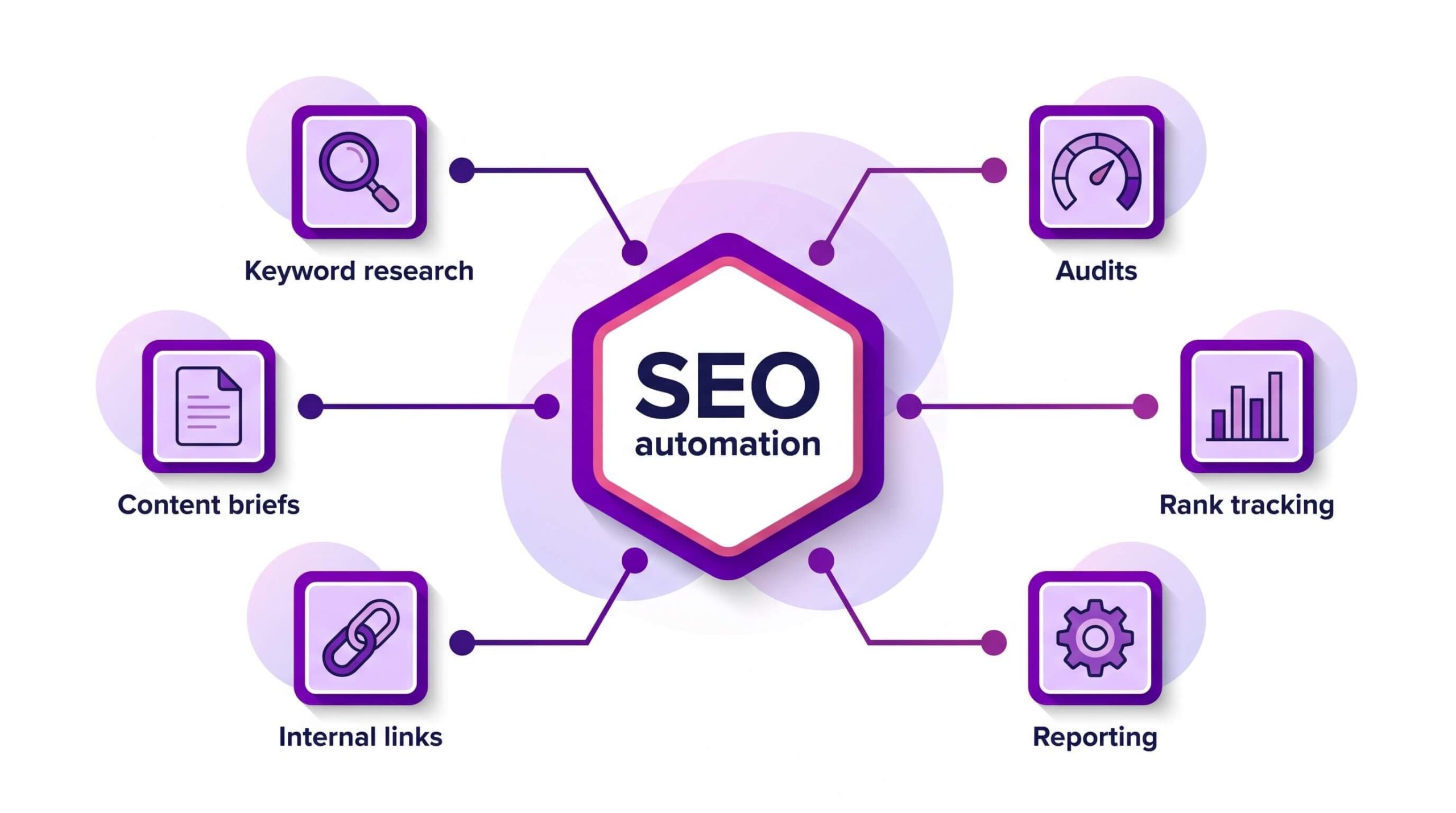
An AI SEO Automation System is a technological framework that combines artificial intelligence, machine learning, and robotic process automation to handle repetitive and complex SEO tasks. Unlike traditional tools that simply provide data, these systems analyze patterns, predict outcomes, and execute changes without constant human intervention. The goal is to move from a reactive approach—where you fix issues after they appear—to a proactive model where the system anticipates algorithm updates and user behavior shifts.
This system encompasses everything from content generation and on-page optimization to technical audits and link building. It does not replace the strategic thinking of an SEO professional but rather amplifies their efficiency. By automating the “grunt work,” teams can focus on high-level strategy, creative content, and user experience improvements that machines cannot fully replicate.
The Core Components of a Modern Automation Stack
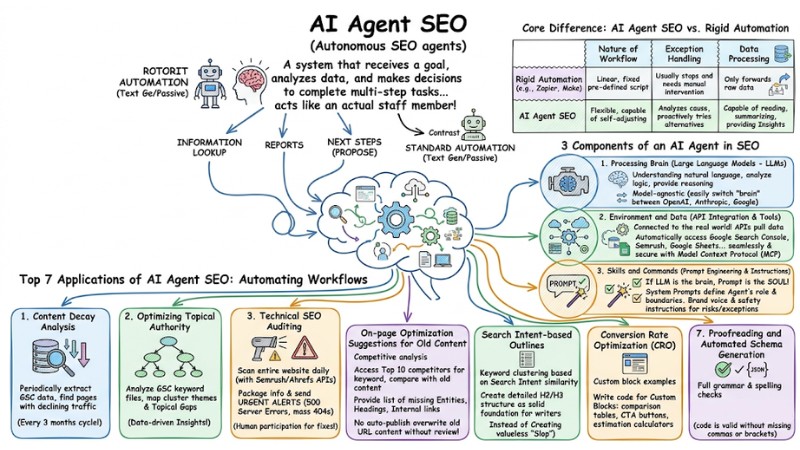
To understand the power of this system, it is necessary to break down its core components. A robust setup typically integrates several distinct technologies that work in harmony.
- Data Aggregation Layer: This involves pulling data from Google Search Console, Google Analytics, and third-party rank trackers. The system centralizes this information to create a single source of truth.
- AI-Powered Analysis Engine: This is the “brain” of the operation. It uses natural language processing (NLP) to understand content relevance and machine learning to identify ranking patterns.
- Workflow Automation Tools: These are the triggers and actions. For example, if the system detects a drop in rankings, it automatically creates a task for a human editor or generates a new internal link suggestion.
- Content Generation Modules: These use large language models to draft briefs, generate FAQs, or rewrite outdated paragraphs, always with a human-in-the-loop for quality control.
- Technical Crawler: A bot that continuously scans the website for broken links, slow pages, and schema markup errors, automatically generating fix tickets.
- Reduction in Human Error: Manual data entry and repetitive coding are prone to mistakes. Automation ensures that every meta tag is correctly formatted and every image has alt text.
- Resource Allocation: By automating mundane tasks, you free up your best talent to work on creative ideation and relationship building, which are crucial for high-authority backlinks.
- Real-Time Reporting: Stakeholders no longer need to wait for monthly reports. Dashboards update in real-time, showing the direct impact of SEO efforts on revenue and leads.
- Consistency: Automation ensures that SEO best practices are applied uniformly across every page, eliminating the “orphan page” problem that plagues many large sites.
- Over-Automation: Trying to automate the creative writing process entirely leads to bland, duplicate content that fails to engage users. Always keep a human editor in the loop.
- Ignoring Data Quality: If your analytics tracking is broken, the A Ensure your tracking codes are correctly installed before relying on automation.
- Lack of Strategy: Automation cannot create a strategy. If you do not know your target audience or your business goals, the system will simply automate the wrong tasks.
- Neglecting Mobile: An automated system might optimize for desktop metrics while ignoring mobile usability. Ensure your system checks for Core Web Vitals across all device types.
Why Your Business Needs an AI SEO Automation System
The volume of data involved in SEO is overwhelming. A website with 10,000 pages generates millions of data points regarding crawlability, indexation, and user engagement. Manually analyzing this is impossible. An AI SEO Automation System provides the scalability required to compete in saturated markets. It allows small teams to operate with the efficiency of a large enterprise.
Furthermore, search engines are increasingly using AI to rank content. Google’s algorithms, such as RankBrain and BERT, prioritize user intent and semantic relevance. Automation tools that utilize AI are better equipped to optimize for these factors because they can process language at a scale that humans cannot. This alignment between the tool and the search engine creates a significant competitive advantage.
Speed and Agility in Algorithm Updates
When Google rolls out a core update, the immediate reaction is often panic. Manual audits take days or weeks. An automated system, however, can run a full site audit within hours. It can compare pre-update and post-update performance metrics, identify which pages were hit hardest, and suggest immediate remediation steps. This agility minimizes traffic loss and allows for a faster recovery than competitors who are still compiling spreadsheets.
Key Benefits of Implementing Automation
The advantages of adopting this technology extend beyond just saving time. They impact the bottom line directly through improved efficiency and accuracy.
Limitations and Human Oversight
Despite the hype, an AI SEO Automation System is not a “set it and forget it” solution. AI models can produce generic content that lacks the nuance of human writing. They can also misinterpret brand voice or cultural context. Therefore, the system must be governed by clear guidelines and human oversight. The best results come from a symbiotic relationship where AI handles the data processing and humans handle the emotional intelligence and strategic direction.
AI SEO vs. Traditional SEO: A Comparative Analysis
Understanding the difference between traditional methods and automated systems is critical for setting expectations. The table below highlights the key distinctions.
| Feature | Traditional SEO | AI SEO Automation System |
|---|---|---|
| Keyword Research | Manual analysis of spreadsheets and tools | Predictive clustering and intent mapping |
| Content Updates | Quarterly manual refreshes | Continuous optimization based on live data |
| Technical Audits | Monthly scheduled crawls | Continuous crawling with instant alerts |
| Reporting | Static PDF reports | Dynamic, interactive dashboards |
| Scalability | Limited by team size | Unlimited by software capacity |
Traditional SEO relies heavily on experience and intuition. While this is still valuable, it is not scalable. The automation system provides the data-driven evidence needed to make decisions quickly, reducing the guesswork involved in ranking fluctuations.
Practical Implementation: How to Build Your System
Implementing an AI SEO Automation System requires a strategic approach. It is not about buying the most expensive software; it is about integrating the right tools to solve specific problems.
Step 1: Audit Your Current Workflow
Before introducing new technology, map out your current processes. Identify the tasks that consume the most time. Is it writing meta descriptions? Generating monthly reports? Checking for broken links? These are the prime candidates for automation. Create a list of repetitive tasks that follow a clear set of rules.
Step 2: Select the Right Tools
T You will likely need a combination of software. For technical audits, tools like Screaming Frog or Sitebulb offer API access for automation. For content optimization, platforms like Surfer SEO or Frase use AI to analyze SERPs. For workflow automation, Zapier or Make can connect these tools to your CRM and email systems.
Step 3: Define Your Triggers and Actions
Automation is driven by “if-then” logic. For example: If a page drops from position 5 to position 15, then send a notification to the content manager. If a new blog post is published, then automatically generate internal links from related articles. Defining these workflows is the most critical part of the setup process.
Step 4: Integrate and Test
Once the tools are selected, integrate them via APIs. Start with a small test group of pages to ensure the automation does not cause any unintended issues. Monitor the system closely for the first few weeks to validate that the AI is making accurate predictions and that the workflows are firing correctly.
Common Mistakes to Avoid When Using Automation
Many businesses fail to see results from automation because they fall into specific traps. Being aware of these pitfalls can save you time and money.
Important Notes on Data Privacy and Compliance
When using AI to scrape data or generate content, you must be aware of legal boundaries. Scraping competitor websites for content is against Google’s Webmaster Guidelines and can lead to penalties. Additionally, ensure that any data collected from users complies with GDPR or CCPA regulations. The automation system should have built-in safeguards to prevent the collection of personally identifiable information without consent.
Frequently Asked Questions
Will an AI SEO Automation System replace SEO professionals?
No. The system replaces tasks, not jobs. It eliminates repetitive manual labor, allowing professionals to focus on strategy, creative content, and user experience. The demand for strategic thinkers who can interpret AI data and make high-level decisions is increasing, not decreasing.
How much does an AI SEO Automation System cost?
Costs vary significantly based on the complexity of the stack. A basic setup using SaaS tools might cost a few hundred dollars per month. An enterprise-level custom-built system with dedicated servers and custom machine learning models can cost tens of thousands of dollars. It is advisable to start small and scale as you see a return on investment.
Can automation help with link building?
Yes, but with limitations. Automation can help identify potential link prospects by analyzing competitor backlinks and filtering for relevance. It can also automate outreach emails. However, the actual acquisition of high-quality links often requires human relationship building and personalized communication that AI cannot replicate.
How long does it take to see results from automation?
Automation speeds up the process, but it does not change the fundamental timeline of SEO. It may take 3 to 6 months to see significant ranking improvements for new content. However, the efficiency gains in reporting and technical maintenance are immediate.
Is it suitable for small businesses?
Yes. Small businesses can benefit from automating simple tasks like local citation management and review generation. Tools like Semrush or Ahrefs offer automation features that are affordable for small teams. The key is to focus on high-impact, low-complexity tasks first.
Conclusion
The adoption of an AI SEO Automation System is no longer a luxury; it is a necessity for staying competitive. The sheer volume of data and the speed of algorithm changes demand a technological response. By integrating AI for analysis and automation for execution, businesses can achieve a level of efficiency and accuracy that is impossible to match manually. The future of SEO lies not in replacing human intelligence but in augmenting it with machine speed. Start by auditing your workflows, selecting the right tools, and building a system that allows your team to focus on what truly matters: creating value for your users.
Xem thêm:
- AI SEO Information Architecture: The Complete Guide to Future-Proofing Your Website
- AI SEO Semrush: The Complete Guide to Automating Your Search Rankings in 2025
- AI SEO Content Intelligence: The Complete Guide to Data-Driven Content That Ranks
- AI Proofreading: The Complete Guide to Flawless, Professional Writing at Scale
- AI SEO Ecommerce Keyword Research: The Complete Playbook for 2025
Bài viết cùng chủ đề:

AI SEO SEO Automation with Make: The Complete Workflow Guide

AI SEO SEO Automation with Zapier: The Complete Workflow Guide

AI SEO SEO Automation with n8n: The Complete Workflow Guide
AI SEO SEO Automation with Gemini: The Complete Guide to Scaling Organic Growth

AI SEO SEO Automation with Claude: The Complete Guide to Scaling Content in 2025

AI SEO SEO Automation with ChatGPT: The Complete Playbook for 2025

AI SEO & SEO Automation for Affiliate Sites: The 2025 Playbook for Passive Income Growth
AI SEO & SEO Automation for Bloggers: The Complete Guide to Scaling Your Content

AI SEO & SEO Automation for Agencies: The Complete 2025 Playbook

AI SEO and SEO Automation for Ecommerce: The Complete Playbook for 2025

AI SEO & SEO Automation for WordPress: The Complete Playbook for 2025
AI SEO SEO Automation Strategy: The Complete Playbook for 2025

Mastering the AI SEO SEO Automation Process: A Complete Guide to Scaling Organic Growth
AI SEO SEO Automation Platform: The Complete Guide to Scaling Organic Growth in 2025
AI SEO SEO Automation Software: The Complete Guide to Scaling Organic Growth in 2025
AI SEO SEO Automation Workflow: The Complete Guide to Scaling Organic Growth in 2025