
No products in the cart.
AI SEO Server Logs: The Complete Guide to Unlocking Hidden Search Insights
31
Jul
Jul
Search engine optimization has evolved far beyond keyword density and meta descriptions. While tools like Google Search Console and Ahrefs provide surface-level data, the true goldmine of SEO intelligence lies within your own infrastructure. AI SEO server logs represent the intersection of machine learning and raw server data, offering unprecedented visibility into how search engines crawl, interpret, and rank your website. This comprehensive guide explores how artificial intelligence transforms raw log files into actionable SEO strategies, helping you uncover crawl anomalies, identify content gaps, and optimize your technical foundation with precision.
What Are AI SEO Server Logs?
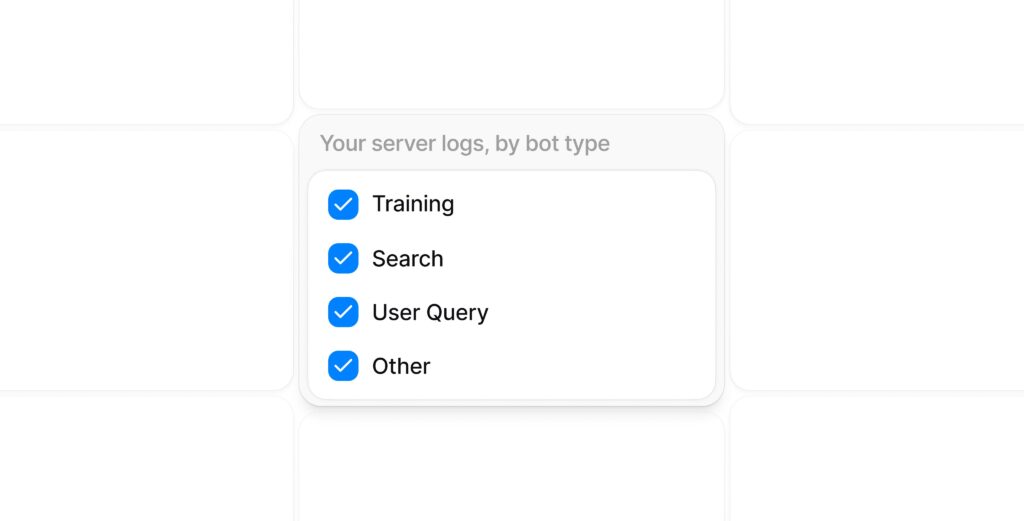
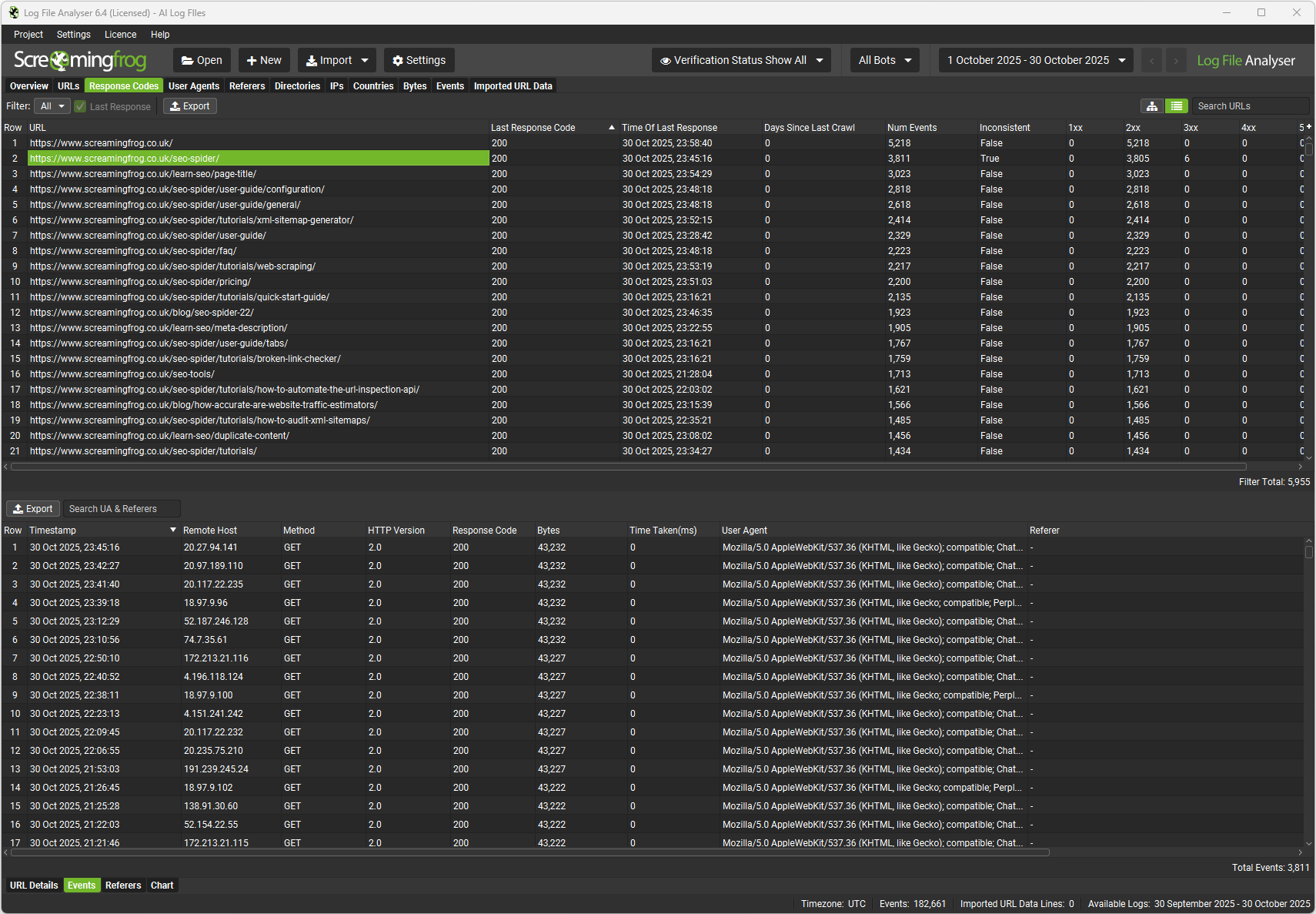
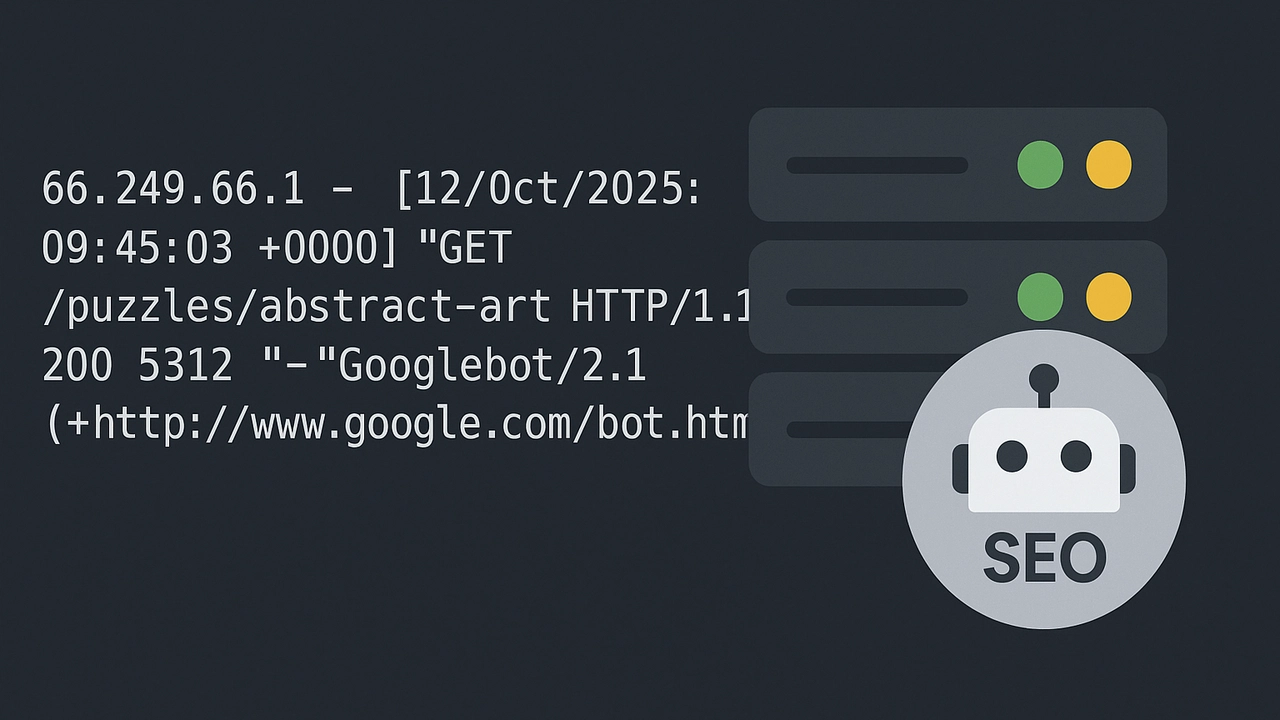
Server logs are automatically generated files that record every request made to your web server. Each entry captures critical metadata including the user agent (Googlebot, Bingbot, or human visitors), IP address, requested URL, HTTP status code, response time, and timestamp. When artificial intelligence processes these logs, it transforms massive datasets into meaningful patterns, revealing exactly how search engine crawlers interact with your site.
AI SEO server logs combine traditional log analysis with machine learning algorithms. Instead of manually sifting through millions of lines of text, AI systems detect anomalies, predict crawl patterns, and prioritize actionable insights. This approach moves beyond basic metrics like “crawl frequency” to understand the intent behind each crawler request, the relationship between crawl patterns and ranking fluctuations, and the technical barriers preventing optimal indexation.
The Evolution from Traditional Log Analysis to AI-Powered Insights
Traditional log analysis required exporting raw files, importing them into spreadsheet software, and manually filtering for user agents. This process consumed hours and often produced static reports that were outdated by the time they were analyzed. AI-powered systems process logs in real-time, continuously learning from new data and adapting to changes in crawler behavior.
Machine learning models can identify subtle patterns that human analysts miss. For example, an AI system might detect that Googlebot increases crawl frequency on your site every Tuesday at 3 AM, correlating this with a specific content update schedule. It might also flag unusual crawl patterns that indicate a potential algorithm penalty or a technical issue like a crawl loop.
Why Server Logs Matter for Modern SEO Strategies
Search engines operate as black boxes, revealing only fragments of their decision-making process through tools like Search Console. Server logs provide the raw, unfiltered truth about crawler behavior. This data answers fundamental questions that other tools cannot address.
For instance, Google Search Console shows indexed pages but not the complete crawl history. Server logs reveal which pages Googlebot actually visited, how often, at what depth, and with what frequency. This information helps you understand crawl budget allocation, identify wasted crawl activity on low-value pages, and optimize your internal linking structure to guide crawlers toward priority content.
AI SEO server logs also bridge the gap between correlation and causation. When rankings drop, you can examine log data to determine whether Googlebot stopped crawling specific sections, whether response times increased, or whether new parameters created crawl traps. This diagnostic capability transforms SEO from reactive guesswork into proactive engineering.
Key Data Points Extracted from Server Logs
- Crawl frequency: How often each bot visits specific URLs
- Crawl depth: How many clicks from the homepage the crawler reaches
- HTTP status codes: 200 (success), 301 (redirect), 404 (not found), 500 (server error)
- Response time: Milliseconds taken to serve each request
- User agent: Which specific crawler (Googlebot Desktop, Googlebot Mobile, Bingbot)
- Request patterns: Time of day, day of week, seasonal variations
- Parameter usage: How crawlers handle URL parameters and filters
- Resource requests: CSS, JavaScript, and image files fetched during rendering
How AI Enhances Server Log Analysis
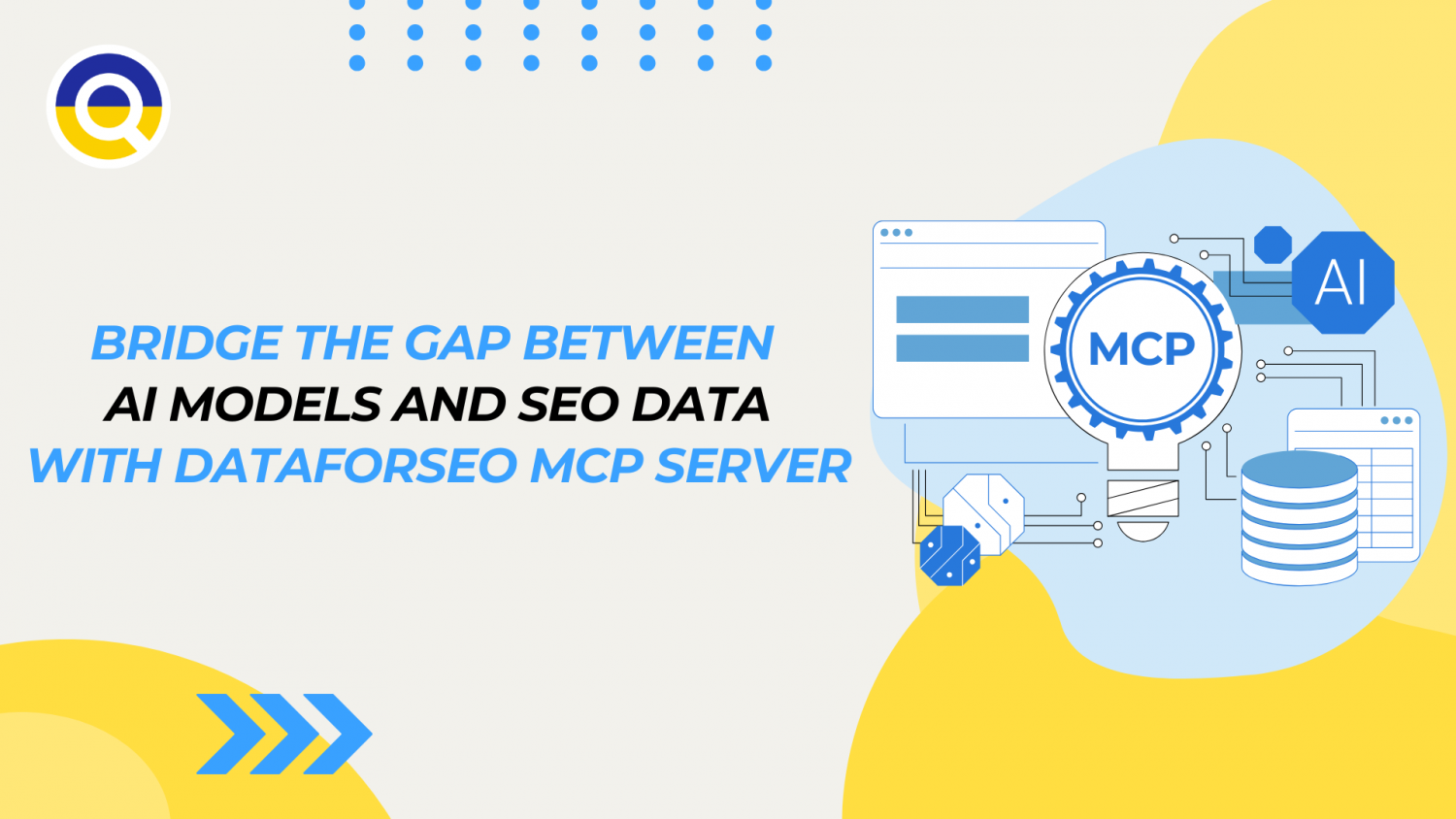
Artificial intelligence brings several distinct capabilities to server log analysis that traditional methods cannot match. Pattern recognition stands as the most significant advantage. AI algorithms identify recurring sequences in crawl behavior, distinguishing between normal fluctuations and meaningful anomalies.
Predictive modeling represents another powerful application. By analyzing historical log data alongside ranking changes, AI systems forecast future crawl behavior and alert you to potential issues before they impact performance. For example, if the system detects a gradual decline in crawl frequency for your money pages, it flags this trend early, allowing you to investigate and correct the underlying cause.
Natural language processing (NLP) enables AI systems to interpret the semantic context of URLs and content. This allows the system to group pages by topic, intent, or content type, providing granular analysis of how crawlers treat different segments of your site. An AI system might discover that Googlebot crawls your blog posts more frequently than product pages, suggesting a content relevance issue or internal linking imbalance.
Machine Learning Models Used in Log Analysis
Clustering algorithms group similar crawl events, helping you understand behavioral segments. Anomaly detection models flag unusual patterns that deviate from established baselines. Regression analysis correlates crawl metrics with organic traffic and rankings. Time-series forecasting predicts future crawl volumes based on historical trends.
These models work together to provide a comprehensive view. Clustering might reveal that Googlebot treats your /blog/ section differently from /products/. Anomaly detection then flags a sudden spike in 404 errors within the /blog/ section. Regression analysis shows a correlation between these 404s and a drop in blog traffic. Time-series forecasting predicts continued decline if the issue remains unaddressed.
Practical Applications of AI SEO Server Logs
The practical applications of AI-driven log analysis span every aspect of technical SEO. Crawl budget optimization stands as the most immediate benefit. By identifying which pages receive excessive crawl attention and which are ignored, you can adjust internal linking, update sitemaps, and consolidate low-value content to redirect crawl resources toward pages that matter.
Indexation troubleshooting becomes significantly easier with AI log analysis. When pages fail to appear in search results, log data reveals whether Googlebot ever requested them. If the crawler never visited, the issue lies in discoverability. If the crawler visited but returned a 404 or redirect, the issue lies in technical configuration. If the crawler visited and received a 200 status but the page still isn’t indexed, the issue lies in content quality or duplicate detection.
Detecting Crawl Anomalies and Algorithm Penalties
Sudden changes in crawl behavior often signal algorithmic actions. A dramatic drop in crawl frequency across your entire domain might indicate a manual penalty or a core algorithm update. AI systems detect these shifts immediately, comparing current patterns against historical baselines and alerting you to investigate.
Conversely, an unexpected surge in crawl activity might indicate a crawl loop, where the crawler becomes trapped in a cycle of dynamic URLs or infinite pagination. AI identifies these loops by analyzing URL patterns and request sequences, preventing wasted crawl budget and potential server overload.
Optimizing Internal Linking Based on Crawl Data
Server logs reveal exactly which paths crawlers follow through your site. By analyzing these paths, AI systems identify pages that receive high crawl frequency but low organic traffic, suggesting a mismatch between crawler interest and user value. This insight guides internal linking decisions, helping you funnel crawl authority toward pages that convert.
Log analysis also reveals orphan pages that receive no crawl visits at all. These pages remain invisible to search engines, wasting any optimization effort. AI systems automatically identify orphans and recommend internal linking strategies to bring them into the crawlable architecture.
Benefits of Implementing AI-Powered Log Analysis
The benefits extend beyond technical improvements to impact overall business outcomes. Enhanced crawl efficiency directly correlates with faster indexation of new content. When Googlebot discovers and crawls your new pages quickly, they enter the ranking process sooner, accelerating time-to-visibility for fresh content.
Server log analysis provides a competitive advantage by revealing how search engines treat your site compared to competitors. While you cannot access competitor logs, you can benchmark your crawl metrics against industry standards and identify areas where your technical setup underperforms.
Cost reduction represents another significant benefit. By identifying and eliminating crawl traps, redundant pages, and server resource waste, you reduce bandwidth consumption and server load. This optimization translates into lower hosting costs and improved site speed for human visitors.
Improved Security and Bot Management
AI log analysis distinguishes between legitimate search engine crawlers and malicious bots. While Googlebot and Bingbot follow predictable patterns, scrapers and hacking tools exhibit different behaviors. AI systems identify these threats in real-time, allowing you to block malicious traffic while preserving crawl access for legitimate search engines.
This security dimension protects your content from theft and your server from resource exhaustion. It also ensures that your log data remains clean, providing accurate insights without noise from non-search-engine traffic.
Limitations and Challenges of AI SEO Server Logs
Despite the powerful capabilities, AI-driven log analysis presents several challenges. Data volume represents the primary obstacle. Large websites generate gigabytes of log data daily, requiring significant storage and processing infrastructure. Cloud-based solutions mitigate this issue but introduce ongoing costs.
Log format inconsistency complicates analysis. Different servers (Apache, Nginx, IIS) use different log formats, and custom logging configurations add further variation. AI systems must normalize this data before analysis, requiring robust preprocessing pipelines.
Privacy regulations like GDPR and CCPA impose constraints on log data retention. IP addresses constitute personal data in many jurisdictions, requiring anonymization or limited retention periods. This restriction can reduce the historical depth available for AI training and pattern detection.
Distinguishing Between Human and Bot Traffic
While user agents identify most bots, sophisticated crawlers can spoof legitimate user agents. AI systems must employ additional verification methods, such as reverse DNS lookups and IP range validation, to confirm that requests genuinely originate from search engines. This verification adds complexity but ensures data accuracy.
JavaScript-rendered content presents another challenge. Modern crawlers execute JavaScript, generating additional requests that appear in logs. AI systems must distinguish between initial HTML requests and subsequent resource requests to accurately measure crawl depth and page-level behavior.
Comparison: AI Log Analysis vs. Traditional SEO Tools
| Feature | AI Server Log Analysis | Google Search Console | Third-Party SEO Tools |
|---|---|---|---|
| Data granularity | Every single request | Aggregated summaries | Sampled data |
| Crawl frequency accuracy | Exact counts | Relative ranges | Estimates |
| Real-time monitoring | Yes, immediate | Delayed (2-3 days) | Varies by tool |
| Custom bot detection | Full visibility | Limited to known bots | Limited |
| Historical depth | Unlimited (subject to storage) | 16 months | Varies |
| Actionable recommendations | AI-generated, prioritized | Manual interpretation | Generic suggestions |
Google Search Console provides valuable indexation data but lacks the granularity of server logs. It reports crawl statistics in aggregate, showing total crawl requests without specifying which URLs received attention. Third-party tools often rely on sampled data or partnerships with ISPs, providing estimates rather than exact figures.
AI server log analysis stands alone in offering complete, accurate, real-time data. The trade-off involves technical complexity and infrastructure requirements. Most organizations benefit from combining all three data sources, using Search Console for high-level trends, third-party tools for competitive analysis, and server logs for precise technical optimization.
Step-by-Step Guide to Implementing AI Server Log Analysis
Implementing AI-powered log analysis requires a systematic approach. Begin by enabling comprehensive logging on your web server. Most servers log by default, but you may need to adjust configuration to capture all relevant fields including user agent, referrer, and response time.
Next, select an AI-powered log analysis tool. Options range from enterprise platforms like Splunk and Elastic Stack to specialized SEO tools like Screaming Frog Log File Analyser and JetOctopus. Evaluate each based on your technical expertise, budget, and data volume requirements.
Configure your tool to ingest logs automatically. Cloud-based solutions offer plug-and-play integration, while self-hosted options require more setup. Ensure your solution handles log rotation and compression to manage storage efficiently.
Step 1: Define Your Objectives and KPIs
Before analyzing data, establish clear goals. Are you optimizing crawl budget, diagnosing indexation issues, or monitoring algorithm updates? Define specific KPIs such as crawl-to-index ratio, average crawl frequency per page, or percentage of crawl requests returning 404 errors.
These objectives guide your analysis and help you focus on relevant metrics. Without clear goals, AI systems generate overwhelming amounts of information without actionable direction.
Step 2: Segment Your Data for Meaningful Analysis
Segment log data by page type, content category, or URL pattern. This segmentation reveals how crawlers treat different sections of your site. For example, compare crawl frequency between blog posts, product pages, and category pages to identify imbalances.
Also segment by crawler type. Googlebot Desktop and Googlebot Mobile may exhibit different behaviors, especially with mobile-first indexing. Bingbot and other crawlers provide additional context but should be analyzed separately.
Step 3: Establish Baselines and Monitor Trends
AI systems require historical data to establish normal behavior patterns. Allow your system to collect and learn from data for at least 30 days before relying on anomaly detection. This baseline period enables accurate identification of deviations.
After establishing baselines, monitor trends continuously. Set up automated alerts for significant deviations, such as a 50% drop in crawl frequency or a spike in 500 errors. These alerts enable rapid response to emerging issues.
Step 4: Translate Insights into Actionable Changes
Log analysis produces insights, but value comes from implementation. When AI identifies pages with excessive crawl frequency and low rankings, investigate content quality and internal linking. When it flags crawl traps, fix the underlying URL structure or pagination issues.
Prioritize changes based on potential impact. Fix critical issues like server errors and crawl traps first, then address optimization opportunities like internal linking improvements and content consolidation.
Common Mistakes in AI Server Log Analysis
Several pitfalls undermine the effectiveness of log analysis. Ignoring mobile crawler data represents a significant error, especially with mobile-first indexing. Many sites analyze only Googlebot Desktop, missing critical insights about mobile crawl behavior.
Focusing exclusively on crawl frequency without considering crawl quality leads to misguided optimization. A page crawled 100 times with poor rankings indicates a content or relevance problem, not a crawl frequency problem. AI systems must correlate crawl data with performance metrics to provide meaningful guidance.
Mistake 1: Neglecting Log Rotation and Retention Policies
Server logs grow rapidly, consuming disk space and slowing analysis. Without proper rotation policies, logs may overwrite before analysis occurs, losing valuable data. Implement daily or weekly rotation with compression, and establish retention periods aligned with your analysis needs and privacy obligations.
Mistake 2: Treating All 404 Errors Equally
Not all 404 errors require immediate action. A 404 for a deleted product page with no internal links and no external backlinks has minimal impact. A 404 for a high-authority page with many backlinks requires a redirect strategy. AI systems should prioritize 404s based on link equity and traffic history.
Mistake 3: Overlooking Crawl Budget on Large Sites
Small sites rarely worry about crawl budget, but large e-commerce and news sites face significant constraints. If Googlebot cannot crawl all your important pages within its allocated budget, some pages remain undiscovered. AI log analysis identifies which pages receive insufficient crawl attention, guiding prioritization efforts.
Important Notes for Maximizing Value from AI SEO Server Logs
Regular monitoring is essential. Log analysis is not a one-time project but an ongoing process. Search engine algorithms change, your site evolves, and crawler behavior shifts. Continuous monitoring ensures you catch issues early and adapt to changing conditions.
Combine log data with other analytics sources. Merge log insights with Google Analytics for user behavior, Search Console for indexation status, and rank tracking tools for keyword performance. This holistic view provides context that any single data source lacks.
Document your findings and actions. Maintain a changelog of technical modifications and their impact on crawl metrics. This documentation builds institutional knowledge and helps future troubleshooting efforts.
Understanding the Limitations of AI Predictions
AI systems provide probabilistic predictions, not certainties. A predicted crawl decline might not materialize, or an identified anomaly might have a benign explanation. Always validate AI insights against manual investigation before implementing major changes.
Search engines continuously update their crawling algorithms. Patterns that hold true today may change tomorrow. AI systems must adapt to these changes, requiring ongoing model retraining and threshold adjustments.
Frequently Asked Questions
What exactly are AI SEO server logs?
AI SEO server logs are raw server log files processed through artificial intelligence algorithms to extract actionable insights about search engine crawler behavior. These logs record every request made to your server, including the user agent, requested URL, status code, and timestamp. AI systems analyze this data to identify crawl patterns, anomalies, and optimization opportunities that would be impossible to detect manually.
How do I access my server logs?
Server logs are typically stored on your web server in directories like /var/log/ (Linux) or C:inetpublogs (Windows). Access requires server-level credentials via SSH or your hosting control panel. Managed hosting providers often offer log download interfaces. Alternatively, configure your server to stream logs to a cloud-based analysis platform.
What is crawl budget and why does it matter?
Crawl budget refers to the number of requests a search engine allocates to your site within a given timeframe. This budget depends on your site’s authority, server speed, and content freshness. If your crawl budget is exhausted on low-value pages, important pages may go undiscovered or recrawled infrequently. AI log analysis helps you optimize crawl budget allocation by identifying wasteful crawl activity.
Can AI log analysis detect Google penalties?
AI log analysis can detect behavioral changes consistent with algorithmic penalties. A sudden, sustained drop in crawl frequency across your entire domain often accompanies a core algorithm update or manual action. However, log data alone cannot confirm a penalty. Combine log insights with Search Console messages, ranking data, and traffic patterns for a complete diagnosis.
How often should I analyze my server logs?
Continuous analysis provides the most value, with automated alerts for anomalies. At minimum, perform a comprehensive review weekly. For large sites or sites experiencing ranking fluctuations, daily monitoring is recommended. The frequency should match your site’s update cadence and the volatility of your competitive landscape.
What is the difference between log analysis and log file analysis?
These terms are often used interchangeably. Log file analysis traditionally refers to manual or rule-based processing of log files. Log analysis with AI represents an advanced approach that incorporates machine learning for pattern detection, anomaly identification, and predictive insights. The distinction lies in the analytical methodology rather than the data source.
Conclusion
AI SEO server logs represent the most underutilized data source in modern search optimization. While marketers focus on keywords, backlinks, and content quality, the raw technical interaction between search engine crawlers and your website holds answers to persistent SEO challenges. Artificial intelligence transforms this raw data into strategic intelligence, revealing crawl patterns, technical barriers, and optimization opportunities with unprecedented clarity.
The implementation journey requires technical investment and ongoing commitment. You must configure proper logging, select appropriate AI tools, establish baselines, and translate insights into action. The rewards justify this effort: faster indexation, optimized crawl budget, early detection of algorithmic issues, and a technical foundation that supports all other SEO activities.
Start small by analyzing a week of log data, focusing on your most important pages. Identify one actionable insight and implement it. Measure the impact and expand your analysis scope. This iterative approach builds expertise and demonstrates value without overwhelming your team or infrastructure.
The future of SEO lies in understanding the machines that rank your content. AI SEO server logs provide the clearest window into that understanding, turning invisible crawler behavior into visible, actionable intelligence. Organizations that embrace this technology gain a significant competitive advantage in the ongoing pursuit of search visibility.
Xem thêm:
- AI SEO Content Writer: The Complete Guide to Automated SEO Copywriting
- AI SEO Resource Page Links: The Complete Guide to Building High-Quality Backlinks in 2025
- AI SEO Long Tail Keyword Research: The Complete Guide to Smarter Rankings
- The Rise of AI SEO Experts: Redefining Search Engine Strategy in the Age of Artificial Intelligence
- AI SEO Documentation: The Complete Guide to Building Smarter Search Strategies
Bài viết cùng chủ đề:

AI SEO SEO Automation with Make: The Complete Workflow Guide

AI SEO SEO Automation with Zapier: The Complete Workflow Guide

AI SEO SEO Automation with n8n: The Complete Workflow Guide
AI SEO SEO Automation with Gemini: The Complete Guide to Scaling Organic Growth

AI SEO SEO Automation with Claude: The Complete Guide to Scaling Content in 2025

AI SEO SEO Automation with ChatGPT: The Complete Playbook for 2025

AI SEO & SEO Automation for Affiliate Sites: The 2025 Playbook for Passive Income Growth
AI SEO & SEO Automation for Bloggers: The Complete Guide to Scaling Your Content

AI SEO & SEO Automation for Agencies: The Complete 2025 Playbook

AI SEO and SEO Automation for Ecommerce: The Complete Playbook for 2025

AI SEO & SEO Automation for WordPress: The Complete Playbook for 2025
AI SEO SEO Automation Strategy: The Complete Playbook for 2025

Mastering the AI SEO SEO Automation Process: A Complete Guide to Scaling Organic Growth
AI SEO SEO Automation System: The Complete Guide to Scaling Organic Growth in 2025
AI SEO SEO Automation Platform: The Complete Guide to Scaling Organic Growth in 2025
AI SEO SEO Automation Software: The Complete Guide to Scaling Organic Growth in 2025















