
No products in the cart.
AI SEO Long Tail Keyword Research: The Complete Guide to Smarter Rankings
10
Aug
Aug
AI SEO long tail keyword research has transformed how websites attract qualified traffic. Traditional keyword tools often miss the nuanced phrases that buyers actually type into search engines. Artificial intelligence now analyzes search patterns, user intent, and semantic relationships at scale, uncovering opportunities that manual research would take weeks to find. This guide explains exactly how AI-powered research works, why long tail keywords matter more than ever, and how to implement a winning strategy that drives measurable results.
What Is AI SEO Long Tail Keyword Research?
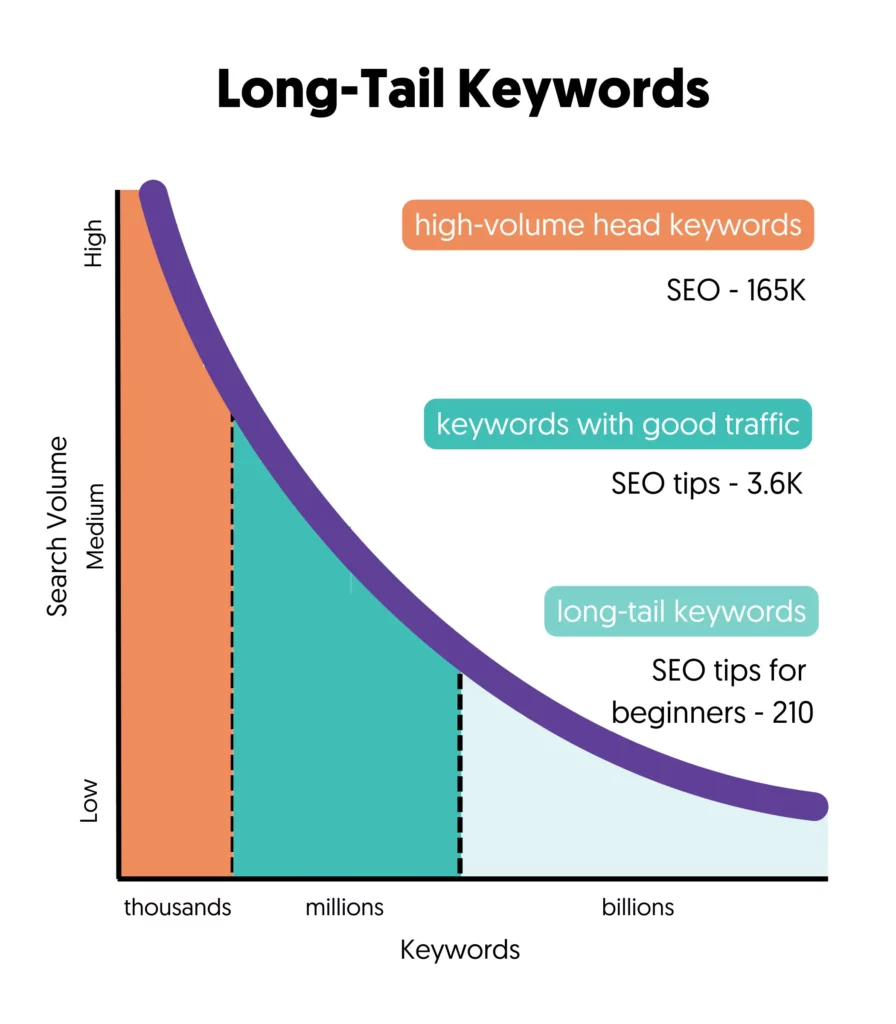
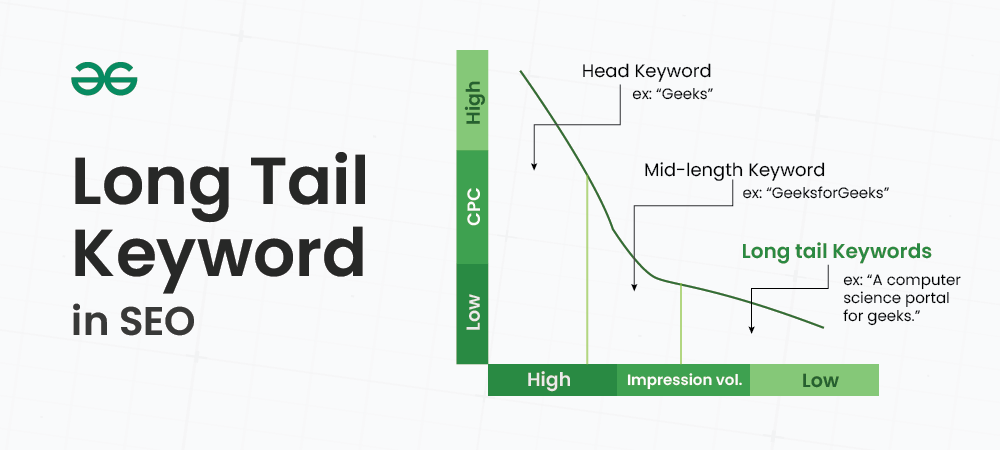
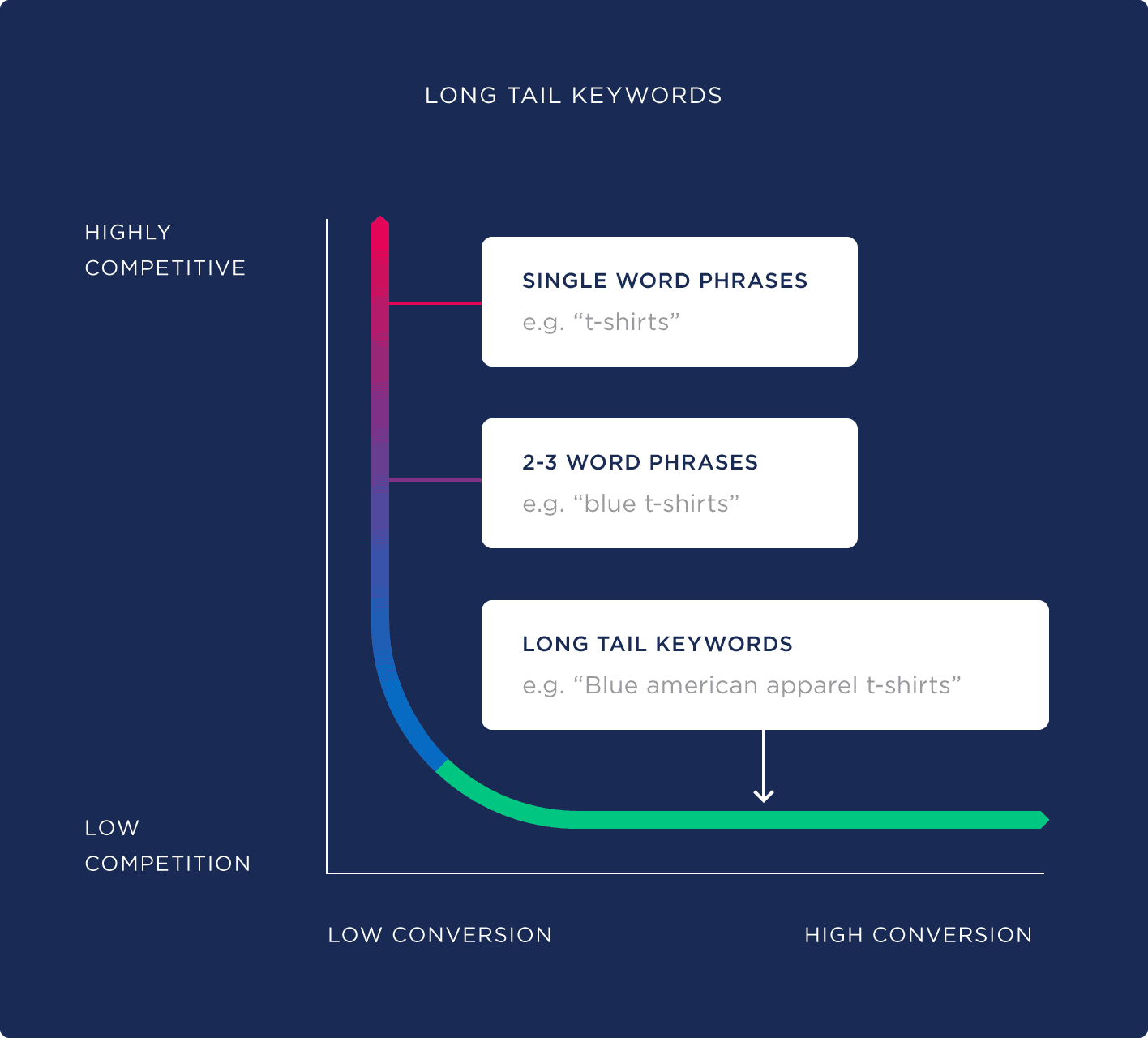
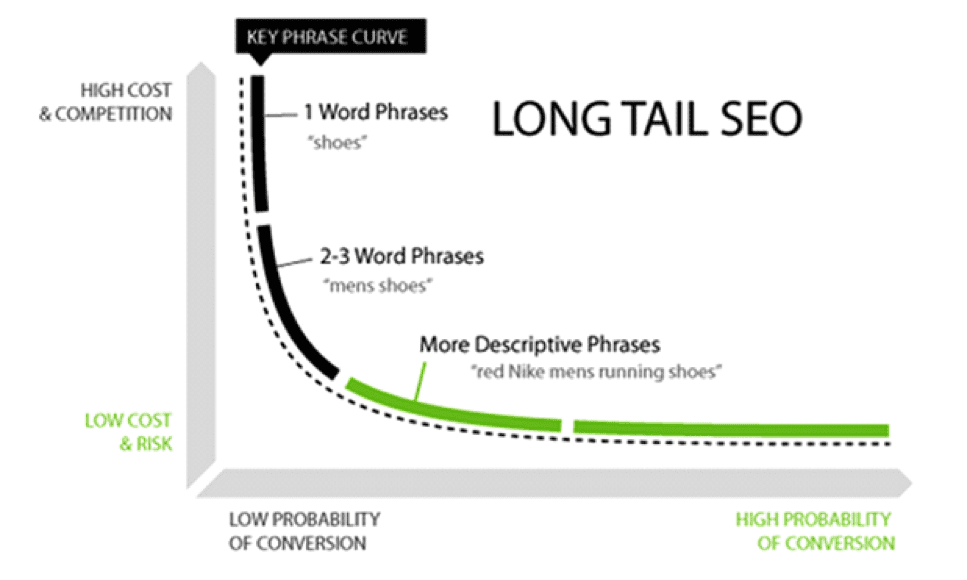
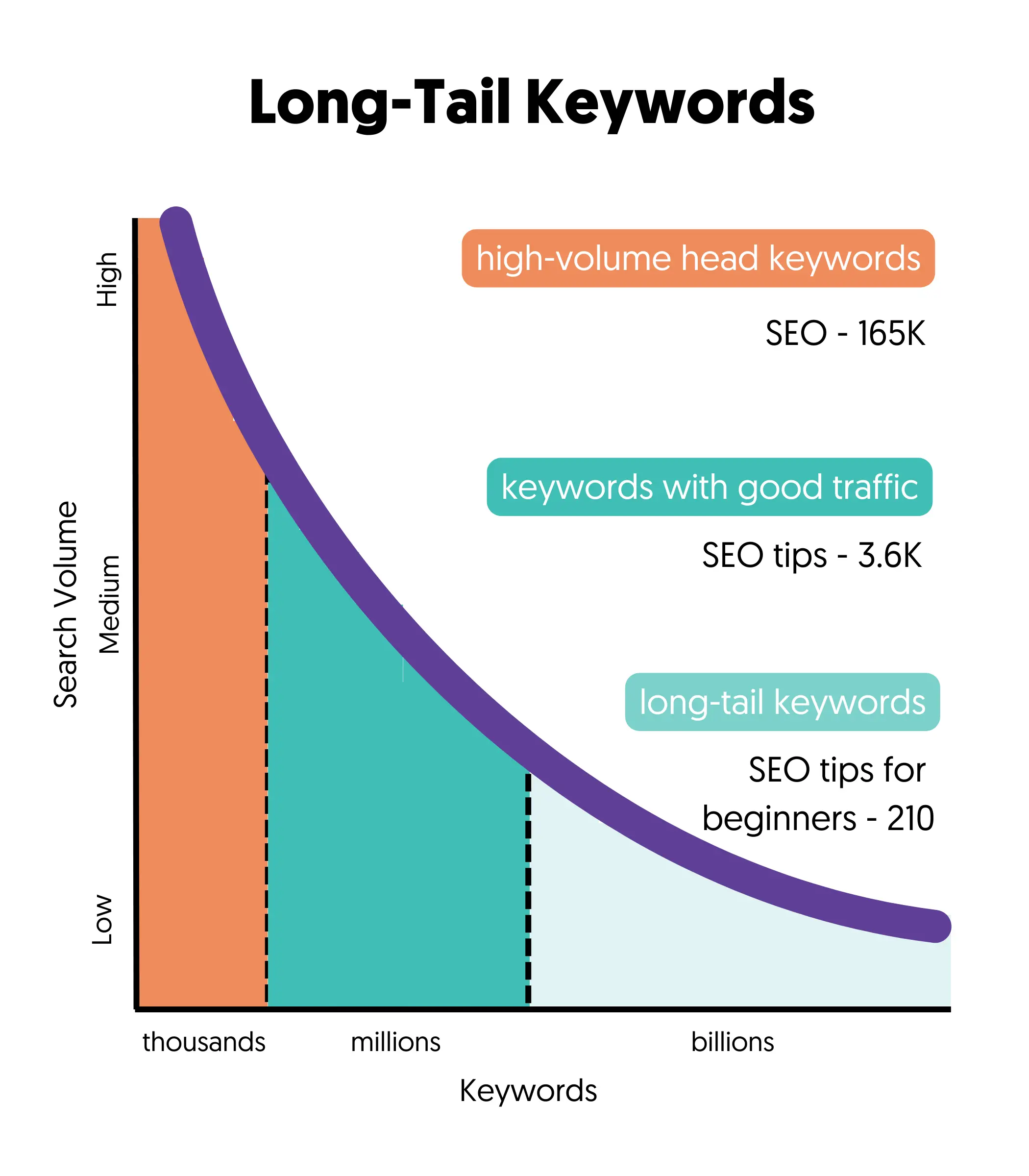
AI SEO long tail keyword research uses machine learning algorithms to identify highly specific, multi-word search queries that have lower competition but higher conversion potential. Unlike short head terms like “shoes” or “marketing,” long tail keywords contain three or more words, such as “best running shoes for flat feet women” or “local SEO services for dental clinics.”
Artificial intelligence processes massive datasets from search engines, social platforms, and competitor websites to predict which long tail phrases will generate traffic. The technology understands context, search intent, and even seasonal trends, making it far more accurate than manual guesswork or basic keyword tools.
How AI Differs from Traditional Keyword Research
Traditional research relies on exact-match data from tools like Google Keyword Planner or SEMrush. These tools show search volume and difficulty scores, but they fail to capture the conversational language people use in voice searches or mobile queries. AI systems, however, analyze natural language processing (NLP) patterns, examine user behavior signals, and cluster semantically related terms.
For example, a traditional tool might show “content marketing” as a keyword with high volume. An AI system would break this down into hundreds of long tail variations like “content marketing strategy for small business budget” or “content marketing ROI calculation spreadsheet.” These specific phrases attract users who are further along in the buying journey.
Why Long Tail Keywords Are Critical for SEO Success
Long tail keywords account for approximately 70% of all web searches. While individual queries have low volume, the cumulative traffic potential is enormous. More importantly, these searches convert at significantly higher rates because they match user intent precisely.
Consider a user searching “best CRM software for real estate agents with email automation.” This person has a clear need, knows what features they want, and is likely comparing options. Ranking for this phrase brings highly qualified leads compared to ranking for the generic term “CRM software.”
The Competitive Advantage of AI-Driven Research
AI SEO long tail keyword research gives smaller websites a fighting chance against established domains. Large brands dominate head terms, but long tail opportunities remain open. AI identifies gaps in competitor content, finds questions that lack comprehensive answers, and reveals niche subtopics that authoritative sites overlook.
Data from recent SEO studies shows that pages targeting long tail keywords achieve top-three rankings 2.5 times faster than pages targeting head terms. The reason is simple: less competition means search engines can quickly determine relevance and authority.
How AI Algorithms Find Hidden Long Tail Keywords
AI systems use several sophisticated methods to discover long tail opportunities that humans would miss. Understanding these mechanisms helps you appreciate the power of AI-driven research.
Semantic Clustering and Topic Modeling
AI analyzes the relationship between words and concepts across millions of web pages. It groups keywords into topical clusters based on meaning, not just exact phrasing. For instance, the AI understands that “cheap flights to Tokyo” relates to “budget airlines Japan” and “low-cost travel Japan deals.” This clustering reveals long tail variations you might never consider.
Search Intent Classification
Machine learning models classify searches into four main intent categories: informational, navigational, commercial, and transactional. AI SEO long tail keyword research prioritizes phrases with commercial or transactional intent because these drive revenue. The system examines click-through rates, bounce rates, and conversion data to determine which long tail keywords actually lead to purchases or sign-ups.
Predictive Trend Analysis
AI can forecast which long tail keywords will gain popularity before they peak. By analyzing social media mentions, news trends, and search pattern shifts, the system identifies emerging topics. This predictive capability allows you to create content early and dominate a niche before competitors catch on.
Top AI Tools for Long Tail Keyword Research
Several powerful platforms leverage AI for keyword discovery. Each tool has unique strengths, and the best strategy often involves combining multiple sources.
| Tool | AI Capabilities | Best For |
|---|---|---|
| Surfer SEO | Content optimization, SERP analysis, semantic keyword suggestions | On-page optimization and content briefs |
| Clearscope | NLP-based content scoring, related term extraction | Comprehensive content creation |
| Ahrefs | Machine learning keyword difficulty, parent topic identification | Competitor gap analysis |
| Frase.io | AI-generated content briefs, question extraction from SERPs | Answering user questions directly |
| MarketMuse | Content intelligence, topic authority scoring | Building topical authority |
How to Use These Tools Effectively
Start with a seed keyword related to your business. Input this into your chosen AI tool and examine the long tail suggestions it generates. Look for phrases with moderate search volume (50-500 monthly searches) and low keyword difficulty scores. These represent sweet spots where ranking is achievable and traffic is meaningful.
Cross-reference suggestions across multiple tools to validate demand. If two independent AI systems suggest the same long tail keyword, confidence in its value increases significantly.
Step-by-Step Process for AI SEO Long Tail Keyword Research
Implementing a systematic workflow ensures you capture the full value of AI-driven research. Follow these steps to build a robust long tail keyword strategy.
Step 1: Define Your Core Topics
List the main categories of products, services, or information your website offers. For a fitness blog, core topics might include “home workouts,” “nutrition plans,” and “supplement reviews.” These broad areas serve as the foundation for long tail exploration.
Step 2: Generate Seed Keywords
For each core topic, brainstorm 5-10 seed keywords. Use your own expertise, customer feedback, and sales team input. These seeds should represent the primary ways users might search for your content.
Step 3: Feed Seeds into AI Tools
Input your seed keywords into AI research platforms. Allow the algorithms to expand each seed into hundreds of long tail variations. Do not filter results during this stage; capture everything the AI suggests, even if some phrases seem unusual.
Step 4: Analyze Search Intent
Review the expanded list and categorize each keyword by intent. Informational keywords target users seeking knowledge. Commercial keywords target users comparing options. Transactional keywords target users ready to buy. Prioritize commercial and transactional phrases for product pages, while using informational phrases for blog content.
Step 5: Assess Competition and Difficulty
Use AI tools to evaluate the current top-ranking pages for each long tail keyword. Examine their domain authority, content quality, and backlink profiles. If the top results are weak or outdated, you have a strong opportunity to outrank them with better content.
Step 6: Map Keywords to Content
Group related long tail keywords into content clusters. Each cluster should target a specific user need. Create a content calendar that addresses these clusters systematically, ensuring comprehensive coverage of each topic.
Practical Applications of AI Long Tail Research
AI SEO long tail keyword research applies across various content types and business models. Understanding these applications helps you maximize your return on research efforts.
Blog Content That Captures Traffic
Informational long tail keywords drive organic traffic to blog posts. For example, a personal finance site might target “how to negotiate medical bills without bankruptcy” or “best high yield savings account for emergency fund 2025.” These articles attract readers who later convert through affiliate links or newsletter signups.
Product Page Optimization
E-commerce sites use long tail keywords to optimize product descriptions. Instead of targeting “men’s jacket,” a retailer targets “waterproof men’s jacket with removable hood for hiking.” This specificity improves conversion rates because the product matches exactly what the searcher wants.
Local SEO Targeting
Local businesses benefit enormously from AI-driven long tail research. Phrases like “emergency plumber open Sunday in Austin” or “best vegan restaurant with outdoor seating in Portland” capture users with immediate needs. AI tools identify these hyper-local queries that traditional research often misses.
Benefits of AI-Powered Long Tail Research
The advantages of using AI for long tail keyword discovery extend beyond simple traffic gains. These benefits compound over time, creating sustainable SEO growth.
- Time efficiency: AI processes millions of data points in minutes, completing research that would take weeks manually.
- Cost effectiveness: Reducing reliance on expensive PPC campaigns by capturing organic traffic from specific, high-intent queries.
- Higher conversion rates: Long tail keywords match user intent precisely, leading to better engagement and sales.
- Faster ranking results: Lower competition means quicker wins in search engine results pages.
- Content inspiration: AI suggestions reveal subtopics and questions you never considered, fueling your editorial calendar.
- Competitive intelligence: AI reveals which long tail keywords your competitors rank for, exposing their strategy gaps.
Limitations and Challenges to Consider
While AI SEO long tail keyword research is powerful, it has limitations that require human oversight. Recognizing these challenges prevents costly mistakes.
Data Accuracy Issues
AI tools rely on third-party data that may not perfectly reflect actual search volumes. Google does not share exact data, so all tools provide estimates. Always validate high-priority keywords with real-world testing and analytics.
Over-Reliance on Automation
AI can suggest keywords that lack genuine business value. A phrase might have search volume but attract users who never convert. Human judgment remains essential for evaluating whether a keyword aligns with your business goals.
Rapid Market Changes
Search trends shift quickly, especially in industries like technology or fashion. AI predictions based on historical data may miss sudden changes. Regular research refreshes, at least quarterly, keep your strategy current.
Common Mistakes in AI Long Tail Keyword Research
Even experienced SEO professionals make errors when using AI tools. Avoiding these pitfalls improves your results dramatically.
Ignoring Search Intent Nuances
Many marketers focus solely on volume and difficulty scores, ignoring why users search. A keyword like “best laptop” has high volume but unclear intent. The user might want reviews, comparisons, or buying guides. AI tools classify intent, but you must verify that the intent matches your content type.
Targeting Keywords with Zero Commercial Value
Some long tail keywords attract curiosity seekers, not buyers. Phrases like “what is SEO” or “history of algorithms” generate traffic but rarely lead to sales. Balance informational content with commercial keywords that drive revenue.
Creating Thin Content for Every Keyword
Publishing a separate article for every long tail keyword leads to content cannibalization and low-quality pages. Instead, group related keywords into comprehensive, authoritative guides that satisfy multiple search queries.
Neglecting Keyword Difficulty Validation
AI tools provide difficulty scores, but these are estimates. A keyword might show low difficulty yet have strong competitors with high domain authority. Manually review the top 10 results for any keyword before investing in content creation.
Important Notes for Successful Implementation
Several best practices ensure your AI SEO long tail keyword research translates into actual rankings and traffic.
First, integrate long tail keywords naturally into your content. Do not force phrases into awkward positions. Search engines penalize keyword stuffing, and users reject unnatural writing. Place keywords in title tags, meta descriptions, header tags, and the first paragraph, but prioritize readability.
Second, monitor your results continuously. Use Google Search Console to track which long tail keywords generate impressions and clicks. Double down on phrases that perform well and revise content for phrases that underperform.
Third, combine AI research with human creativity. AI provides data-driven suggestions, but your industry expertise identifies opportunities that algorithms miss. Talk to customers, read industry forums, and monitor social media discussions to find long tail phrases that AI tools have not yet indexed.
Frequently Asked Questions
How many long tail keywords should I target per page?
Focus on one primary long tail keyword per page, supported by 3-5 related secondary keywords. This approach creates focused content that fully addresses a specific user need. Trying to target too many keywords dilutes your message and confuses search engines about your page’s main topic.
What is the ideal length for a long tail keyword?
Long tail keywords typically contain 3-5 words, though some effective phrases extend to 7-8 words. The key is specificity, not length. A phrase like “best CRM for small real estate team” works well because it clearly defines the user and the need.
Can AI replace human keyword researchers entirely?
No. AI excels at data processing and pattern recognition, but humans provide strategic direction, industry context, and creative judgment. The best results come from combining AI efficiency with human expertise. AI suggests possibilities; humans decide which possibilities align with business objectives.
How often should I conduct AI long tail keyword research?
Conduct comprehensive research quarterly, with lighter monthly updates. Search trends evolve, competitors change strategies, and new technologies emerge. Regular research keeps your content relevant and your rankings stable.
Do long tail keywords work for voice search optimization?
Yes, long tail keywords align perfectly with voice search behavior. People speak in full sentences and questions when using voice assistants. Phrases like “w
Conclusion
AI SEO long tail keyword research represents a fundamental shift in how websites attract organic traffic. The technology uncovers specific, high-intent phrases that traditional methods miss, enabling smaller sites to compete effectively against established brands. By understanding how AI algorithms work, using the right tools, and following a systematic process, you can build a keyword strategy that drives qualified traffic and measurable conversions.
The future of SEO belongs to those who embrace AI-powered insights while maintaining human judgment. Start implementing these techniques today, monitor your results, and refine your approach continuously. The long tail opportunities are vast, and the tools to capture them are more accessible than ever before.
Xem thêm:
- AI Multilingual SEO: The Complete Guide to Dominating Global Search in the Age of Machine Translation
- AI SEO Influencers: The New Architects of Search Visibility in an Era of Machine Intelligence
- Does AI Content Rank in Google? The Real Truth About AI-Generated SEO (2025 Update)
- AI Video SEO: The Ultimate Guide to Ranking AI-Generated Videos in 2025
- AI SEO Keyword Clusters: The Complete Guide to Building Topical Authority in 2025
Bài viết cùng chủ đề:

AI SEO SEO Automation with Make: The Complete Workflow Guide

AI SEO SEO Automation with Zapier: The Complete Workflow Guide

AI SEO SEO Automation with n8n: The Complete Workflow Guide
AI SEO SEO Automation with Gemini: The Complete Guide to Scaling Organic Growth

AI SEO SEO Automation with Claude: The Complete Guide to Scaling Content in 2025

AI SEO SEO Automation with ChatGPT: The Complete Playbook for 2025

AI SEO & SEO Automation for Affiliate Sites: The 2025 Playbook for Passive Income Growth
AI SEO & SEO Automation for Bloggers: The Complete Guide to Scaling Your Content

AI SEO & SEO Automation for Agencies: The Complete 2025 Playbook

AI SEO and SEO Automation for Ecommerce: The Complete Playbook for 2025

AI SEO & SEO Automation for WordPress: The Complete Playbook for 2025
AI SEO SEO Automation Strategy: The Complete Playbook for 2025

Mastering the AI SEO SEO Automation Process: A Complete Guide to Scaling Organic Growth
AI SEO SEO Automation System: The Complete Guide to Scaling Organic Growth in 2025
AI SEO SEO Automation Platform: The Complete Guide to Scaling Organic Growth in 2025
AI SEO SEO Automation Software: The Complete Guide to Scaling Organic Growth in 2025















