
No products in the cart.
AI SEO Site Structure: The Complete Guide to Building an AI-Ready Website Architecture
10
Aug
Aug
AI SEO site structure is transforming how search engines crawl, interpret, and rank websites. As Google’s algorithms increasingly rely on machine learning and neural matching, the traditional approach to website architecture no longer suffices. An AI-optimized site structure helps search engines understand semantic relationships between pages, improves crawl efficiency, and aligns with how RankBrain and BERT process content. This comprehensive guide explores what AI SEO site structure means, why it matters for rankings, and how to implement it effectively across your website.
What Is AI SEO Site Structure?
AI SEO site structure refers to the deliberate organization of a website’s pages, categories, and internal links designed to be easily interpreted by artificial intelligence systems used in search engine ranking. Unlike conventional site architecture that focuses primarily on user navigation, AI SEO site structure optimizes for how machine learning models understand content relevance, entity relationships, and topical authority.
Search engines like Google use AI models including RankBrain, BERT, and MUM to process billions of pages. These systems analyze the relationship between pages, the semantic meaning of anchor text, and the contextual relevance of content clusters. An AI-ready site structure provides clear signals about what your website covers, how topics relate to each other, and which pages deserve priority in search results.
How AI Algorithms Interpret Site Structure
AI algorithms process site structure through several mechanisms. First, they analyze the URL hierarchy to understand content organization. Second, they evaluate internal linking patterns to determine page importance and topic relationships. Third, they assess content silos and thematic clusters to establish topical authority.
Machine learning models also examine user interaction patterns with your site structure. When users navigate from a blog post to a related product page, AI systems note this behavioral signal. Similarly, when users bounce quickly from a page, the algorithm interprets this as a potential mismatch between the page content and the search query.
Why AI SEO Site Structure Matters for Rankings
The shift toward AI-driven search has made site structure more critical than ever. Google’s 2023 and 2024 algorithm updates have consistently rewarded websites with clear, logical architecture that AI systems can easily parse. Sites with messy structures, orphan pages, and unclear topic hierarchies struggle to rank even with high-quality content.
AI SEO site structure directly impacts three core ranking factors. Crawl budget optimization ensures search engine bots efficiently discover and index your important pages. Semantic relevance helps AI understand the depth and breadth of your content. Internal link equity distribution determines which pages receive the most ranking power from your domain authority.
The Role of Entity-Based SEO in Site Architecture
Modern AI search relies heavily on entities – people, places, things, and concepts. Your site structure should reflect a clear entity hierarchy. For example, a health website should have a clear structure separating conditions, treatments, medications, and lifestyle factors. Each entity type gets its own section, with supporting content linking back to the main entity pages.
This entity-based approach helps AI systems build a knowledge graph of your website. When your structure clearly defines what entities you cover and how they relate, search engines can more confidently rank your pages for relevant queries.
Core Components of an AI-Optimized Site Structure
Building an AI SEO site structure requires attention to several interconnected components. Each element works together to create a coherent architecture that both users and AI systems can navigate effectively.
URL Hierarchy and Naming Conventions
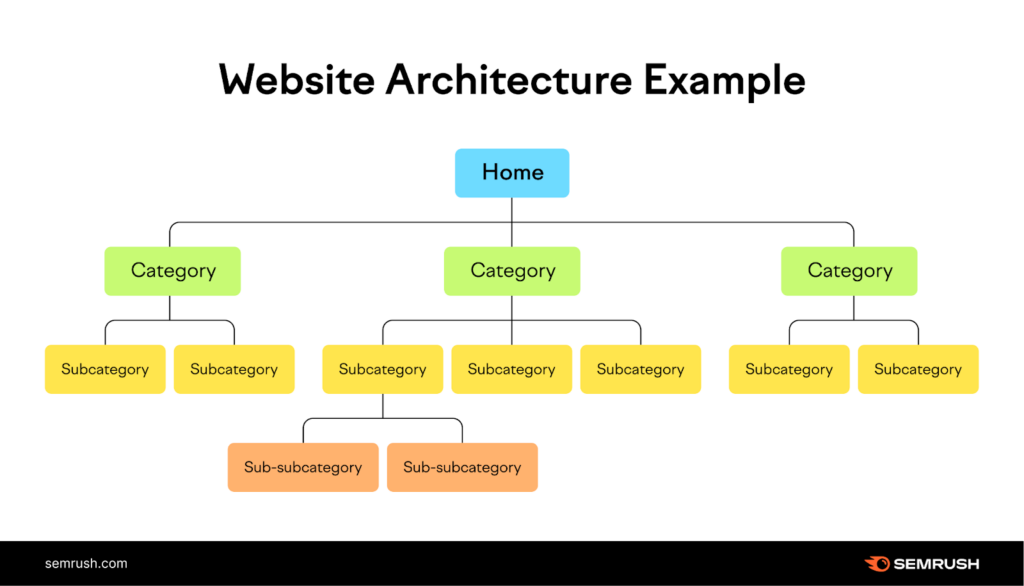
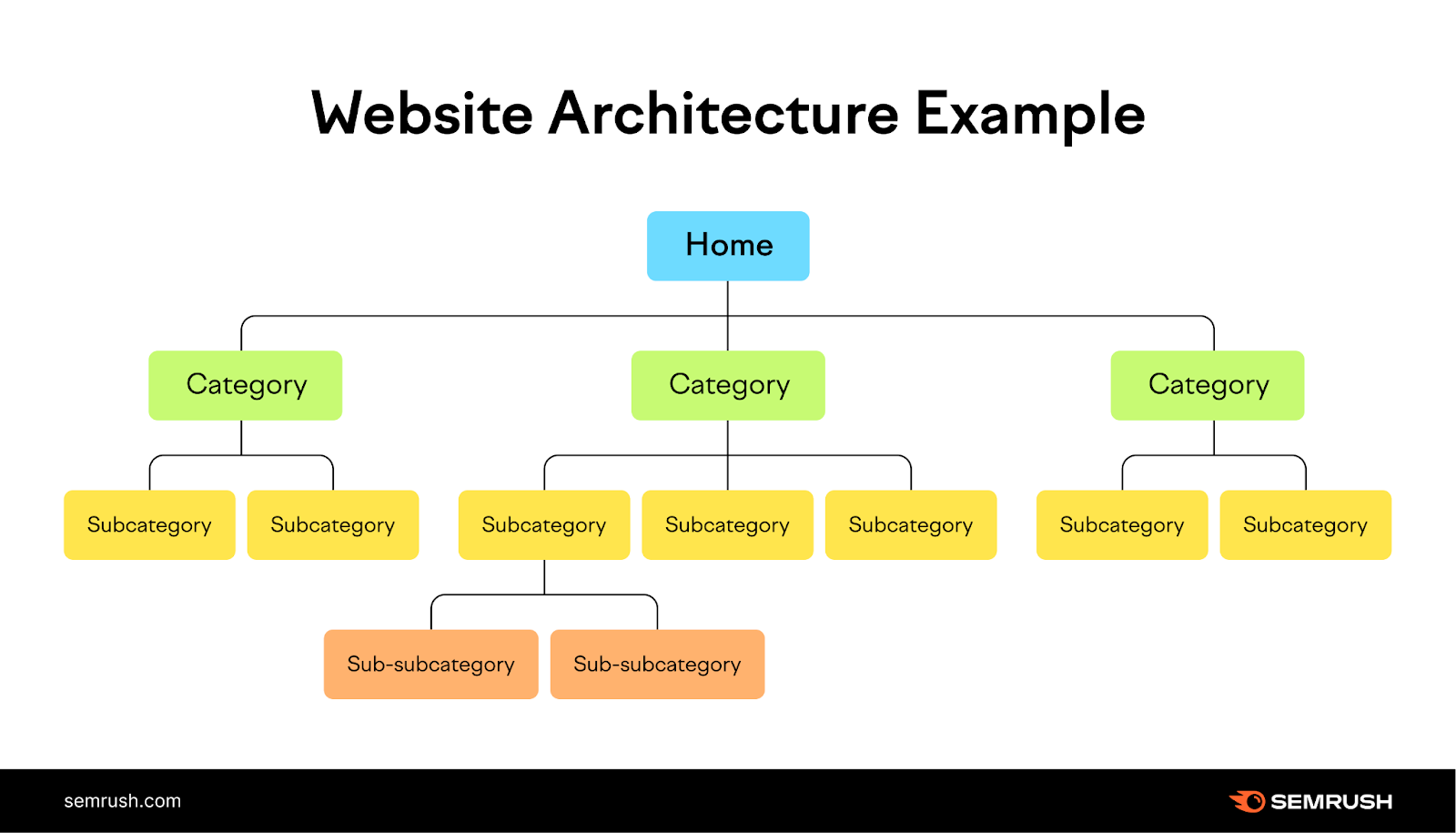
Your URL structure provides the first signal to AI about your site’s organization. A flat, logical hierarchy works best. Use descriptive, keyword-rich slugs that clearly indicate page content. Avoid deep nesting beyond three levels from the homepage.
Consider this example of an AI-optimized URL structure for an e-commerce site:
- example.com/electronics/ (main category)
- example.com/electronics/laptops/ (subcategory)
- example.com/electronics/laptops/gaming-laptops/ (sub-subcategory)
- example.com/electronics/laptops/gaming-laptops/razer-blade-15/ (product page)
This structure clearly communicates the relationship between pages. AI systems can quickly understand that the Razer Blade 15 belongs to the gaming laptops category, which falls under laptops, which is part of electronics.
Content Silos and Topic Clusters
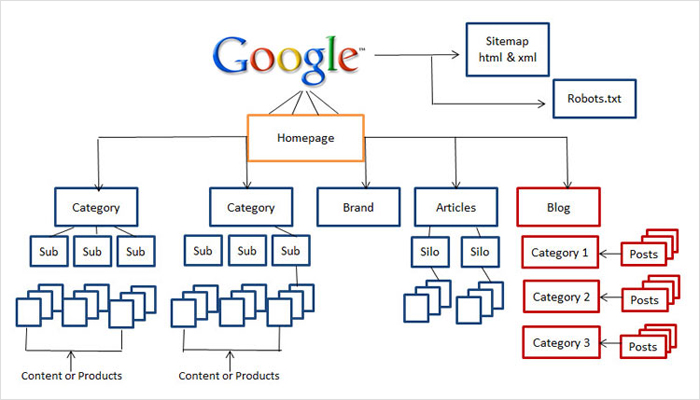
Content silos group related pages together to establish topical authority. A pillar page serves as the central hub for a broad topic, with cluster content linking up to it. This structure mirrors how AI systems organize knowledge – broad concepts with supporting details underneath.
For example, a digital marketing site might have a pillar page on “SEO” with cluster pages covering “keyword research,” “link building,” “technical SEO,” and “content optimization.” Each cluster page links back to the pillar, and the pillar links out to all clusters. This creates a clear topical map that AI systems can follow.
Internal Linking Architecture
Internal links are the pathways that AI crawlers follow through your site. An effective internal linking strategy distributes link equity and establishes page importance. Use descriptive anchor text that includes relevant keywords and clearly indicates the destination page’s topic.
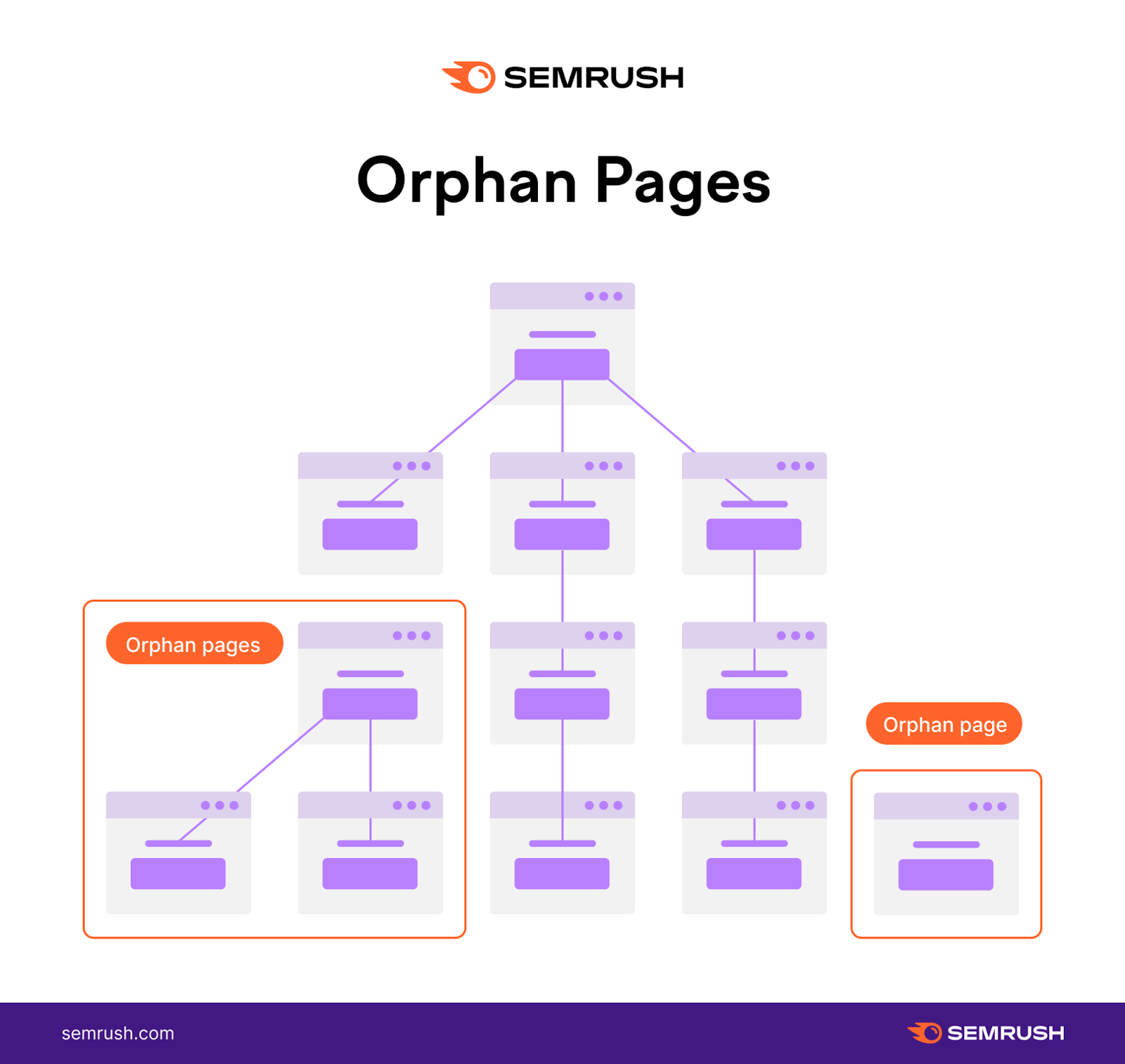
Prioritize linking from high-authority pages to pages you want to rank. Your homepage and pillar pages carry the most link equity, so link from these to your most important cluster pages. Avoid orphan pages – pages with no internal links pointing to them – as AI systems may not discover them.
How to Implement AI SEO Site Structure
Implementing an AI-optimized site structure requires a systematic approach. Start by auditing your current architecture, then plan your new structure, and finally execute the changes methodically.
Step 1: Conduct a Site Structure Audit
Begin by mapping your current site structure. Use tools like Screaming Frog or Sitebulb to crawl your website and identify all pages. Look for orphan pages, duplicate content, shallow pages with thin content, and unclear categorization.
Analyze your internal linking patterns. Identify which pages receive the most internal links and which are neglected. Check your URL hierarchy for unnecessary depth or confusing naming conventions. This audit provides the foundation for your restructuring plan.
Step 2: Plan Your Ideal Architecture
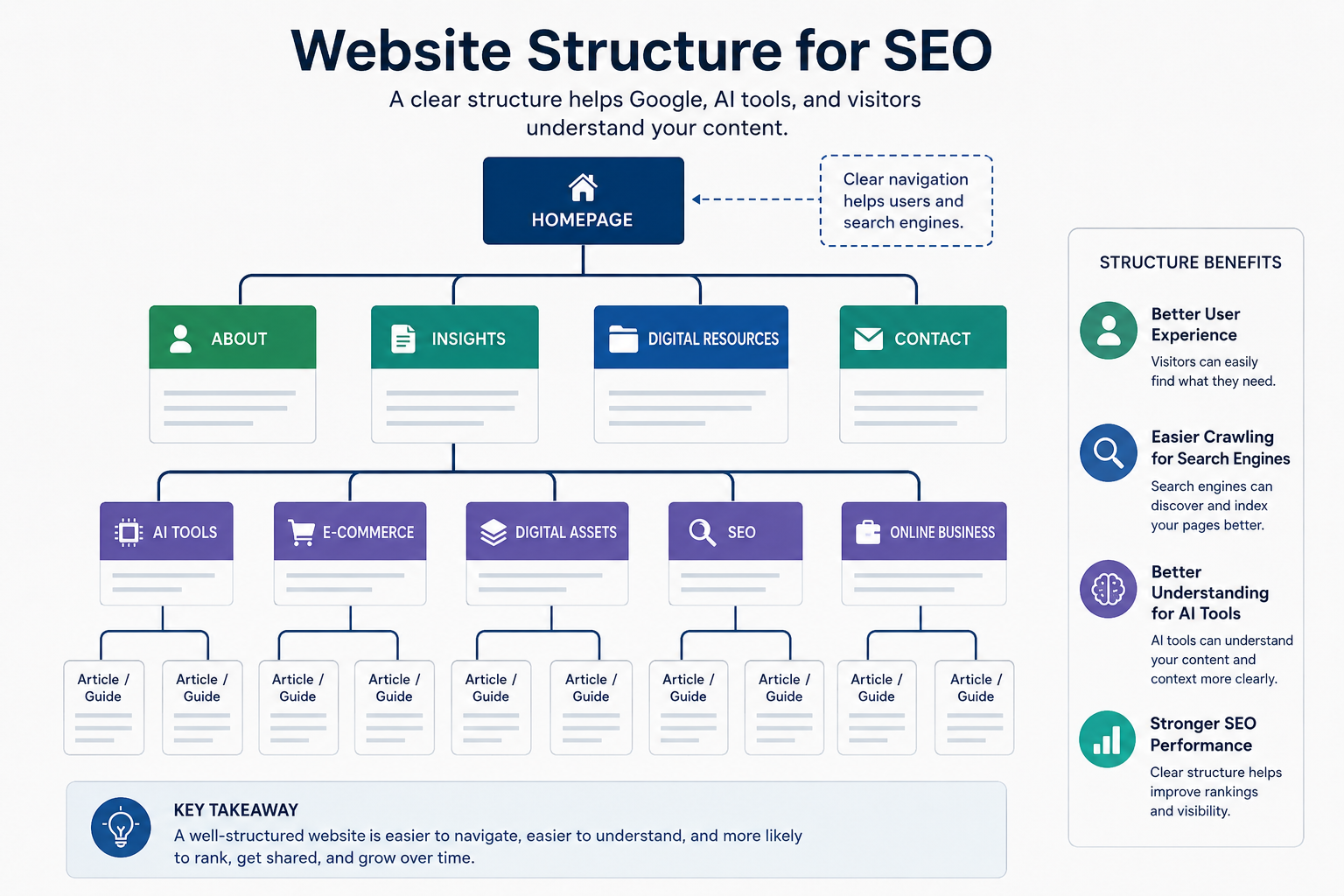
Based on your audit, design your target site structure. Start with your homepage as the top level. Identify your main categories – these should represent your primary topics or product lines. Under each category, define subcategories and individual pages.
Create a visual sitemap that shows the relationship between all pages. Ensure every page fits logically into your hierarchy. If a page doesn’t fit, consider whether it should be merged with another page or removed entirely.
Step 3: Implement Redirects and URL Changes
When restructuring, you’ll likely change URLs. Implement 301 redirects from old URLs to new ones to preserve link equity and avoid broken links. Update your internal links to point to the new URLs. Submit your updated XML sitemap to Google Search Console.
Monitor your site’s crawl activity after implementation. Watch for any crawl errors or unexpected drops in indexing. Give Google time to recrawl and reprocess your site – significant structural changes can take several weeks to fully reflect in rankings.
AI SEO Site Structure Best Practices
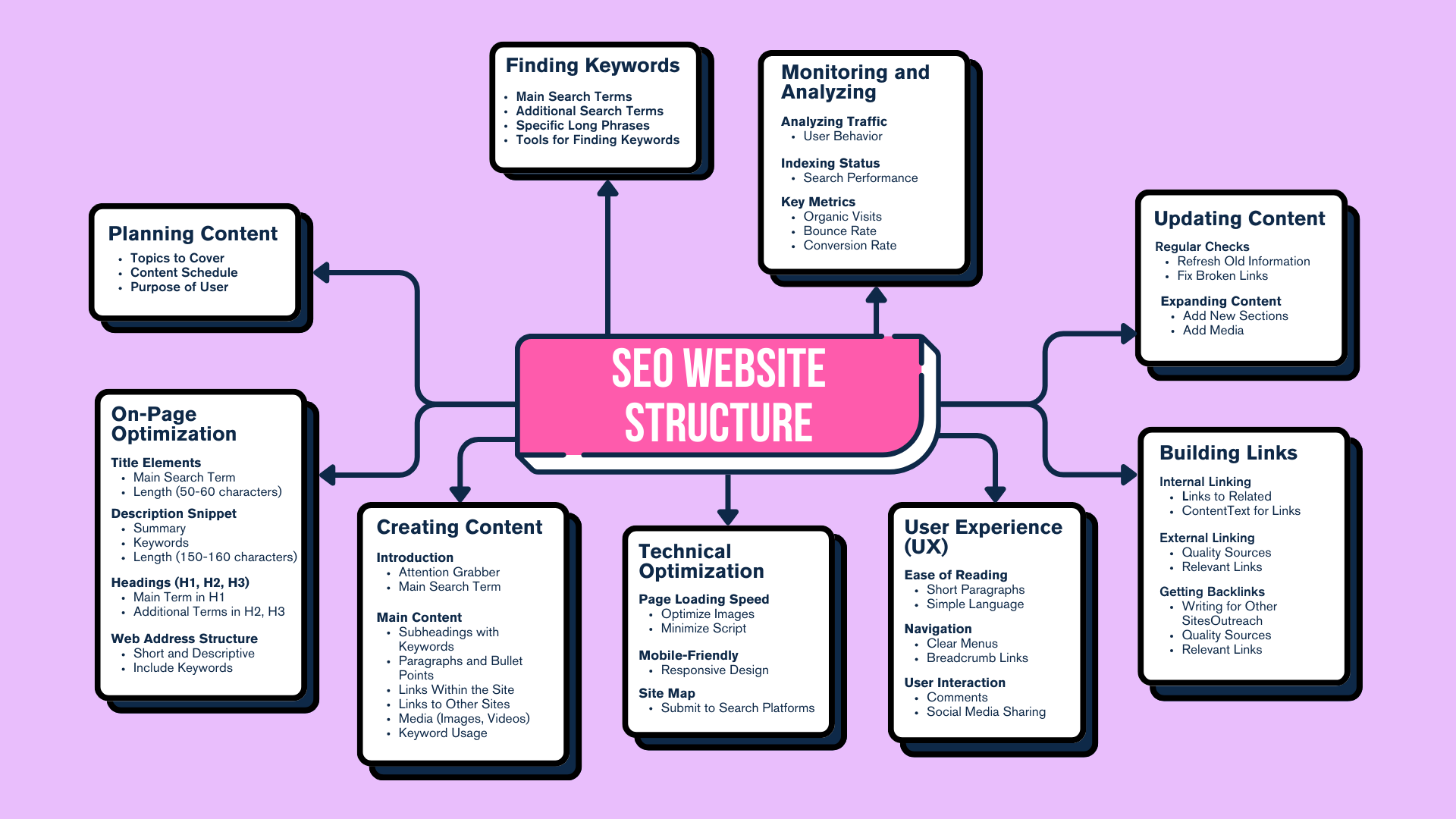
Following established best practices ensures your site structure aligns with how AI systems evaluate websites. These practices have been validated through numerous case studies and algorithm updates.
Maintain a Shallow Depth
Keep important pages within three clicks of the homepage. Deep pages buried in your site hierarchy receive less crawl attention and less link equity. If a page is important enough to rank, it should be accessible within a few clicks.
For large sites with thousands of pages, prioritize your most commercially valuable or high-traffic pages for shallow placement. Less important pages can sit deeper in the hierarchy without significant ranking impact.
Use Descriptive Anchor Text
Anchor text provides context to AI systems about the linked page’s content. Use descriptive, keyword-rich anchor text rather than generic phrases like “click here” or “read more.” This helps AI understand the relationship between the linking page and the target page.
However, avoid over-optimizing anchor text with exact-match keywords. Natural, varied anchor text that includes partial matches and related terms appears more authentic to AI systems.
Create Comprehensive Pillar Content
Your pillar pages should be the most comprehensive resource on their topic. Aim for 2000-5000 words covering all aspects of the subject. Include internal links to all related cluster pages. Update pillar content regularly to maintain freshness and accuracy.
Pillar pages serve as the authoritative hub for your topic cluster. When AI systems evaluate your topical authority, they look at the quality and comprehensiveness of your pillar content as a primary signal.
Common Mistakes in AI SEO Site Structure
Many websites make avoidable mistakes that undermine their AI SEO site structure. Recognizing these errors helps you avoid them in your own implementation.
Ignoring Semantic Relationships
Some sites organize content purely by product type or date, ignoring semantic relationships between topics. For example, a cooking site might organize recipes by date published rather than by cuisine type or ingredient. This makes it difficult for AI to understand the site’s topical coverage.
Organize your content by topic and meaning, not by chronology. Group related content together and create clear pathways between semantically connected pages.
Creating Orphan Pages
Orphan pages have no internal links pointing to them. AI crawlers may never discover these pages, or if they do, they receive no link equity and struggle to rank. Common causes of orphan pages include forgotten blog posts, old product pages, and pages created without adding internal links.
Regularly audit your site for orphan pages. Use tools that identify pages with zero internal links. Either add internal links to these pages or remove them if they no longer serve a purpose.
Overcomplicating Navigation
Some sites create overly complex navigation menus with dozens of links. This dilutes link equity and confuses AI systems about your site’s priorities. A cluttered navigation also hurts user experience, leading to higher bounce rates.
Keep your main navigation simple with 5-7 primary links. Use dropdown menus sparingly. Place less important links in the footer or in contextual in-content links.
Measuring the Success of Your AI SEO Site Structure
Tracking the impact of your structural changes helps you refine your approach. Several metrics indicate whether your AI SEO site structure is working effectively.
Key Performance Indicators
Monitor your crawl rate in Google Search Console. An increase in crawl frequency suggests AI systems are discovering more of your pages. Track your indexation rate – the percentage of your pages that appear in Google’s index. A high indexation rate indicates your structure is crawlable and understandable.
Watch your organic traffic trends, particularly for your pillar pages and important cluster pages. Improved rankings for target keywords suggest your structure is helping AI understand your topical authority. Also monitor your internal link equity distribution – pages that receive more internal links should see corresponding ranking improvements.
Tools for Monitoring Site Structure
Several tools help you monitor and analyze your site structure. Google Search Console provides crawl statistics and indexation data. Screaming Frog offers detailed internal linking analysis. Ahrefs and SEMrush provide site audit features that identify structural issues.
Use these tools regularly to catch problems early. Set up alerts for crawl errors, broken links, and sudden drops in indexed pages. Regular monitoring ensures your site structure remains optimized as your site grows and evolves.
AI SEO Site Structure vs Traditional Site Architecture
Understanding the differences between AI-optimized and traditional site architecture helps clarify what makes AI SEO site structure unique.
| Aspect | Traditional Site Architecture | AI SEO Site Structure |
|---|---|---|
| Primary Focus | User navigation and UX | Machine readability and semantic clarity |
| Content Organization | By product type or department | By topic clusters and entity relationships |
| Internal Linking | Navigation menus and footer links | Contextual in-content links with descriptive anchor text |
| URL Structure | Often arbitrary or date-based | Logical hierarchy with keyword-rich slugs |
| Content Depth | Shallow pages targeting individual keywords | Comprehensive pillar pages with supporting clusters |
| Update Frequency | Static structure | Dynamic structure that evolves with content |
Traditional architecture prioritizes human navigation above all else. AI SEO site structure balances human needs with machine requirements. The best structures serve both audiences effectively.
Future Trends in AI SEO Site Structure
AI technology continues to evolve, and site structure best practices will evolve alongside it. Staying ahead of these trends helps future-proof your website.
Generative Engine Optimization
With the rise of AI-powered search engines like ChatGPT and Google’s Search Generative Experience, site structure must accommodate how these systems extract and synthesize information. Clear, well-structured content that AI can easily parse becomes increasingly valuable.
Structured data markup plays a growing role in helping AI systems understand your content. Implement schema markup for articles, products, FAQs, and other content types. This provides explicit signals about your content’s meaning and relationships.
Voice Search and Conversational Queries
Voice search generates more conversational, long-tail queries. Your site structure should support content that answers these natural language questions. Create dedicated FAQ sections and question-based content that aligns with how people speak.
Organize content to address user intent at different stages of the buying journey. AI systems increasingly evaluate whether your content satisfies the full range of user needs, not just individual keyword matches.
Frequently Asked Questions About AI SEO Site Structure
What is the ideal number of pages for an AI-optimized site structure?
T The right page count depends on your industry, content depth, and business goals. Focus on creating comprehensive, valuable content rather than hitting a specific page count. A site with 50 high-quality, well-structured pages often outperforms a site with 500 thin, poorly organized pages.
How often should I update my site structure?
Review your site structure quarterly and conduct a comprehensive audit annually. Update your structure when you add new product lines, enter new markets, or notice declining rankings. Significant algorithm updates may also warrant structural adjustments.
Can I change my site structure without losing rankings?
Yes, if you implement changes carefully. Use 301 redirects for all URL changes, update internal links, and submit updated sitemaps. Monitor your rankings closely during and after the transition. Temporary fluctuations are normal, but sustained improvements should follow a well-executed restructuring.
Does site structure affect page speed?
Site structure itself does not directly affect page speed, but the implementation can. Deeply nested URLs, excessive redirects, and bloated navigation menus can slow down page loading. Keep your structure clean and efficient to support both crawlability and user experience.
How does AI SEO site structure differ for e-commerce vs informational sites?
E-commerce sites typically need category and product hierarchies with faceted navigation considerations. Informational sites benefit more from topic clusters and pillar content. Both types need clear internal linking and logical URL structures, but the specific organization differs based on content types and user intent.
Conclusion
AI SEO site structure represents the evolution of website architecture in response to machine learning-driven search algorithms. By organizing your site around semantic relationships, topic clusters, and clear hierarchies, you help AI systems understand your content and rank it appropriately. The implementation requires careful planning, systematic execution, and ongoing monitoring.
Start by auditing your current structure, then design your target architecture, and implement changes methodically. Avoid common mistakes like orphan pages and unclear categorization. Track your progress using crawl data, indexation rates, and organic traffic trends.
As AI continues to shape search, sites with well-structured, semantically clear architectures will maintain a competitive advantage. The effort invested in optimizing your site structure pays dividends through improved rankings, better crawl efficiency, and enhanced user experience. Begin your AI SEO site structure optimization today to position your website for success in the AI-driven search landscape.
Xem thêm:
- AI SEO Google Gemini SEO: The Complete Playbook for 2025
- AI Zero Search Volume Keywords: The Hidden Traffic Strategy Smart SEOs Use to Dominate Niche Markets
- AI SEO SEO Automation with ChatGPT: The Complete Playbook for 2025
- AI SEO for Digital Agencies: The Complete Playbook for Scaling Client Results
- AI SEO for Travel Websites: The Complete Guide to Dominating Search in 2025
Bài viết cùng chủ đề:

AI SEO SEO Automation with Make: The Complete Workflow Guide

AI SEO SEO Automation with Zapier: The Complete Workflow Guide

AI SEO SEO Automation with n8n: The Complete Workflow Guide
AI SEO SEO Automation with Gemini: The Complete Guide to Scaling Organic Growth

AI SEO SEO Automation with Claude: The Complete Guide to Scaling Content in 2025

AI SEO SEO Automation with ChatGPT: The Complete Playbook for 2025

AI SEO & SEO Automation for Affiliate Sites: The 2025 Playbook for Passive Income Growth
AI SEO & SEO Automation for Bloggers: The Complete Guide to Scaling Your Content

AI SEO & SEO Automation for Agencies: The Complete 2025 Playbook

AI SEO and SEO Automation for Ecommerce: The Complete Playbook for 2025

AI SEO & SEO Automation for WordPress: The Complete Playbook for 2025
AI SEO SEO Automation Strategy: The Complete Playbook for 2025

Mastering the AI SEO SEO Automation Process: A Complete Guide to Scaling Organic Growth
AI SEO SEO Automation System: The Complete Guide to Scaling Organic Growth in 2025
AI SEO SEO Automation Platform: The Complete Guide to Scaling Organic Growth in 2025
AI SEO SEO Automation Software: The Complete Guide to Scaling Organic Growth in 2025















