
No products in the cart.
AI SEO AI Assistants: The Complete Guide to Automating Your Search Rankings in 2025
31
Jul
Jul
The digital marketing landscape has shifted dramatically. Search engines now prioritize helpful, authoritative content, and the tools to create it have evolved. Enter the era of AI SEO AI assistants—sophisticated software that uses machine learning and natural language processing to automate, optimize, and scale your search engine optimization efforts. These aren’t just simple chatbots; they are comprehensive platforms that analyze data, generate content, audit technical health, and predict ranking fluctuations. For marketers and business owners, understanding how to leverage these digital teammates is no longer optional; it is a competitive necessity. This guide dives deep into what these assistants are, how they work, and how you can use them to dominate search results without burning out your human team.
What Exactly Are AI SEO AI Assistants?
At its core, an AI SEO AI assistant is a software application that applies artificial intelligence to automate and enhance search engine optimization tasks. Unlike traditional SEO tools that provide raw data and require manual interpretation, these assistants use algorithms to analyze that data, draw conclusions, and even execute actions. They bridge the gap between data collection and strategic implementation.
These systems are built on large language models (LLMs) and predictive analytics. They can understand search intent, generate human-like text, identify topical gaps, and even suggest internal linking structures. The primary goal is to reduce the repetitive, time-consuming aspects of SEO, allowing human experts to focus on strategy, creativity, and brand building. Whether you are a solo entrepreneur or part of a large enterprise team, these tools act as a force multiplier for your content pipeline and technical audits.
The Core Difference Between Standard Tools and AI Assistants
Traditional SEO platforms like Google Analytics or Ahrefs are diagnostic. They tell you what is happening—your page speed, your backlink profile, your keyword rankings. An AI assistant, however, is prescriptive and generative. It doesn’t just tell you that your page is slow; it suggests specific code changes. It doesn’t just list keywords; it writes a complete article draft optimized for those keywords. This shift from “analysis” to “execution” is the defining characteristic of the modern AI SEO AI assistant.
The Evolution of Search Optimization: From Manual to Machine Learning
To appreciate the power of AI SEO AI assistants, one must look at the history of SEO. In the early 2000s, optimization was about keyword stuffing and link buying. It was a game of volume and technical tricks. Then, Google’s Panda and Penguin updates shifted the focus to quality and relevance. This made SEO more complex, requiring deep research and high-quality writing.
Today, with the introduction of AI-driven search engines like Google’s Search Generative Experience (SGE) and Bing Chat, the rules have changed again. Search engines now understand context and conversational queries better than ever. This is where AI SEO AI assistants shine. They are designed to optimize for these new, intelligent algorithms. They can analyze the “why” behind a search query and produce content that satisfies that specific need, rather than just matching keywords.
Key Components of a High-Performing AI SEO Assistant
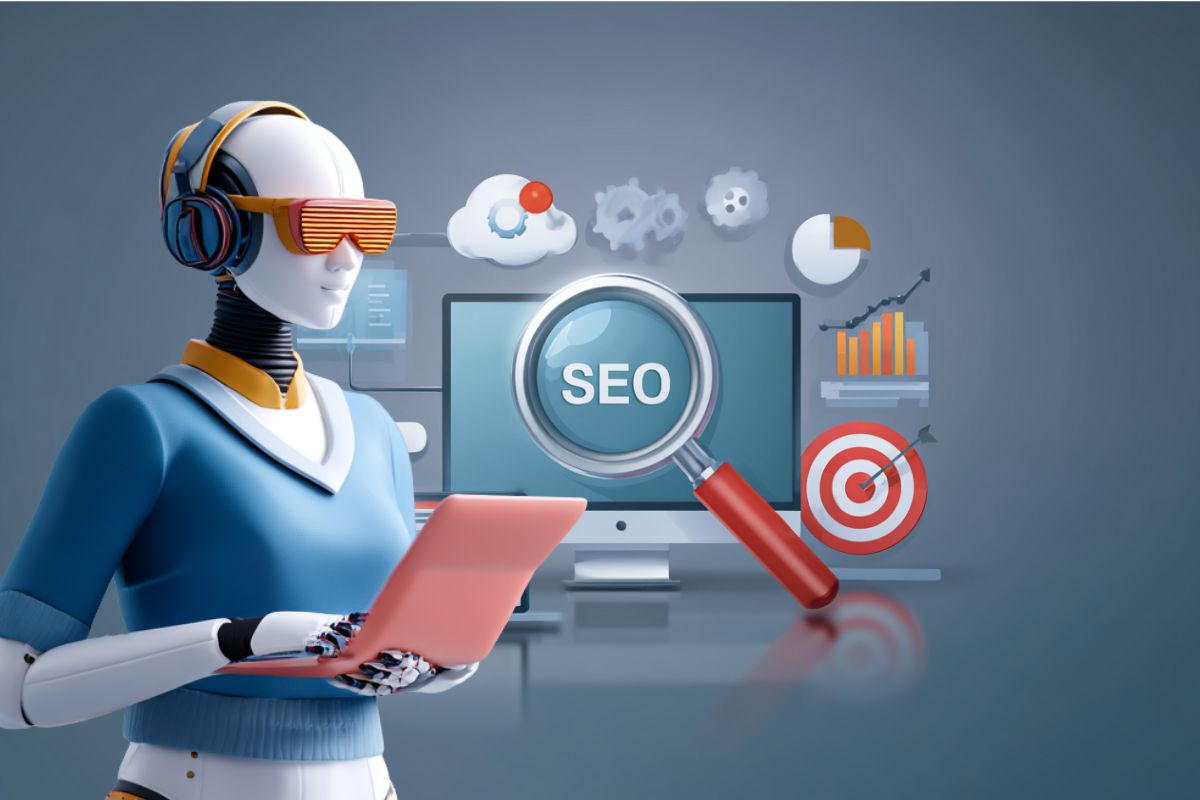
Not all AI tools are created equal. A robust AI SEO AI assistant typically comprises several integrated modules that work together seamlessly. Understanding these components helps you evaluate which tool is right for your business.
1. Semantic Search and Topic Clustering
Modern assistants go beyond single keywords. They use semantic analysis to understand the entities and concepts related to your topic. They build topic clusters, mapping out a web of interconnected articles that establish your authority on a subject. This helps search engines see you as a comprehensive resource, not just a page with a few keywords.
2. Generative Content Creation
This is the most visible feature. The assistant can generate full-length articles, meta descriptions, and product descriptions. However, the best tools don’t just write; they write with a specific tone, structure, and readability level. They can adapt to your brand voice and ensure the content passes AI-detection tests by mimicking human writing patterns, including varied sentence length and colloquialisms.
3. Technical SEO Auditing
AI assistants can crawl your website like a search engine bot. They identify broken links, missing alt text, duplicate content, and schema markup errors. More importantly, they prioritize these issues based on their impact on your rankings, giving you a clear roadmap for fixes.
4. Predictive Performance Analytics
Using historical data, these tools can predict how a piece of content will perform before you even publish it. They can forecast traffic volume, keyword ranking potential, and even engagement metrics. This allows you to allocate resources to high-potential topics and avoid wasting time on dead ends.
How AI SEO AI Assistants Transform Your Workflow
Implementing an AI SEO AI assistant changes the daily rhythm of your marketing team. The workflow shifts from a linear process (research, write, optimize, publish) to a parallel, automated one.
Step 1: Automated Keyword and Intent Discovery
Instead of spending hours in keyword research tools, you input a seed topic. The AI assistant generates a list of long-tail keywords, questions, and related entities. It groups these by search intent—informational, transactional, or navigational. This ensures you are targeting keywords that actually convert, not just those with high volume.
Step 2: Content Brief Generation
Once you select a keyword cluster, the assistant creates a detailed content brief. This brief includes the target word count, suggested headings (H2s and H3s), relevant entities to mention, and even the reading level required. It acts as a blueprint for your human writers, ensuring they cover all the necessary ground to rank.
Step 3: Drafting and Optimization
The AI writes the first draft. You then edit and refine it to add personal experience and unique insights. The assistant simultaneously checks the draft for SEO best practices—keyword density, internal linking opportunities, and image optimization. It provides real-time feedback as you edit, ensuring the final piece is fully optimized.
Step 4: Continuous Learning and Updating
After publishing, the AI monitors performance. If a page drops in rankings, the assistant analyzes the SERP (Search Engine Results Page) to see what competitors are doing differently. It then suggests updates to your content—new sections, updated statistics, or improved meta tags—to help you regain your position.
Benefits and Limitations of Using AI in SEO
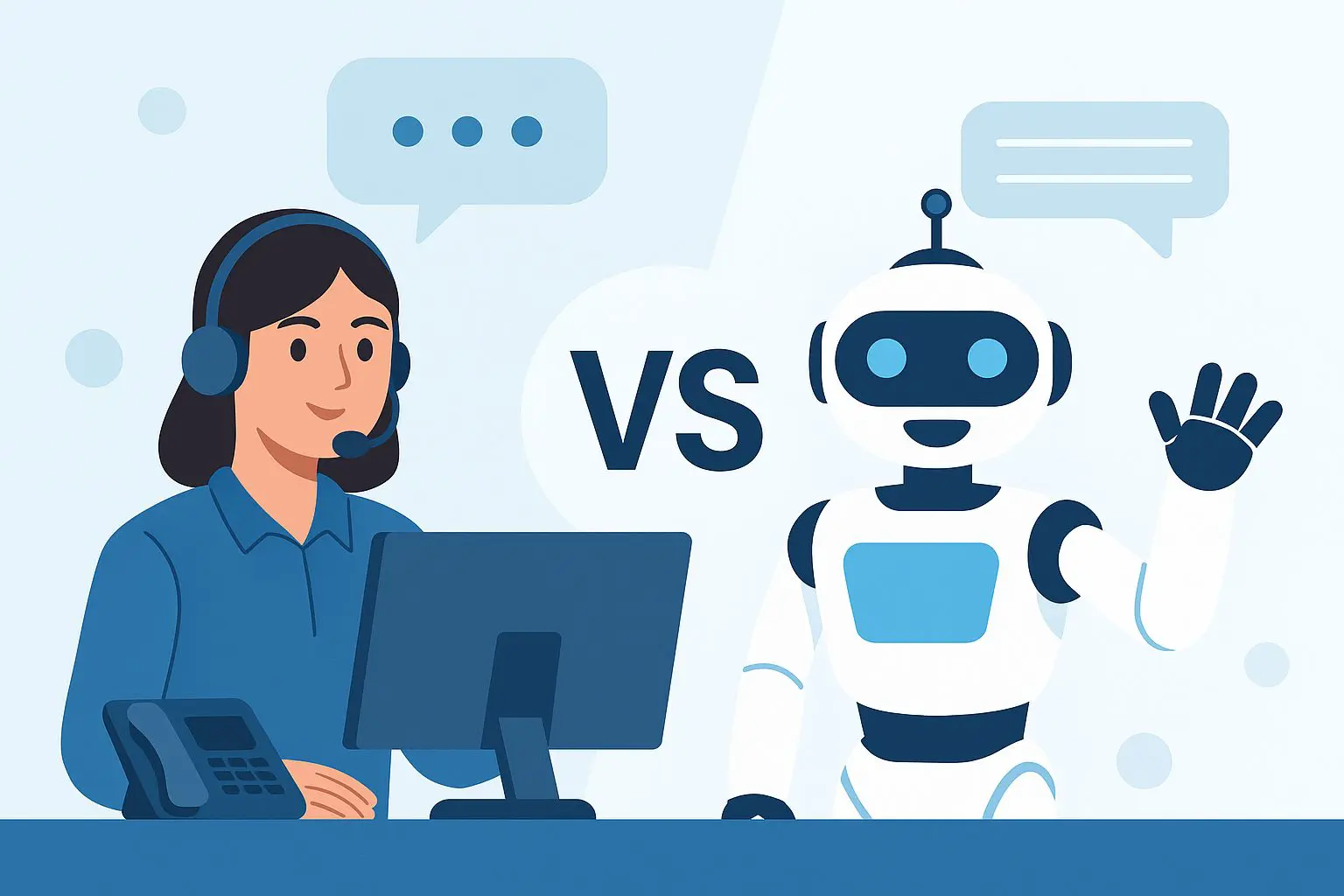
While the hype is real, it is crucial to have a balanced view. AI SEO AI assistants offer incredible advantages, but they also come with limitations that you must manage.
The Undeniable Benefits
- Scalability: You can produce 10x more content without increasing your headcount. AI handles the heavy lifting of research and drafting.
- Speed: Tasks that took days, like technical audits or competitor analysis, now take minutes. This agility allows you to react to market changes instantly.
- Data-Driven Decisions: AI removes guesswork. Every recommendation is backed by data analysis, reducing the risk of failed strategies.
- Cost Efficiency: While t
- Lack of True Creativity: AI can mimic style but struggles with genuine innovation or out-of-the-box thinking. It relies on existing data, so it cannot predict truly novel trends.
- Need for Human Oversight: AI can produce factual errors or “hallucinations.” You need a human editor to verify facts, especially for YMYL (Your Money or Your Life) topics like health or finance.
- Generic Voice: Without careful prompting, AI content can sound bland and similar to every other AI-generated piece on the internet. This can hurt your brand differentiation.
- Input the Seed Keyword: Type “best home workout equipment” into the assistant.
- Analyze the SERP: The AI pulls up the top 10 ranking pages. It analyzes their word count, headings, and the entities they mention (e.g., dumbbells, resistance bands, kettlebells).
- Generate a Brief: The assistant creates a brief suggesting you write a 2,500-word article with sections on “Budget Options,” “Space-Saving Equipment,” and “Equipment for Cardio.”
- Draft the Content: The AI writes a draft. You then add your personal experience—perhaps you test the equipment yourself and include unique photos. This human touch is vital for E-E-A-T.
- Optimize and Publish: The tool checks your final draft for keyword usage and internal links. You publish it and monitor the results.
The Realistic Limitations
Comparing Top AI SEO AI Assistants in the Market
The market is flooded with options, each with unique strengths. To help you choose,
| Tool Category | Primary Function | Best Use Case | Key Differentiator |
|---|---|---|---|
| Content Generation (e.g., Jasper, Copy.ai) | Writing articles, ads, and emails | High-volume content production | Brand voice customization and long-form writing capabilities |
| All-in-One SEO Platforms (e.g., Semrush, Ahrefs) | Keyword research, backlink analysis, site audit | Comprehensive SEO strategy management | Massive databases and accurate rank tracking |
| AI-Powered Content Optimization (e.g., Surfer SEO, Frase) | Content scoring and SERP analysis | Optimizing existing content to outrank competitors | Real-time content scoring against top-ranking pages |
| Specialized AI Assistants (e.g., MarketMuse) | Topical authority and content strategy | Building comprehensive topic clusters | Advanced NLP for understanding content depth and relevance |
When selecting a tool, consider your specific pain points. If you struggle with writer’s block, a generative tool is best. If you have a large existing site that is underperforming, an optimization tool like Surfer SEO might be more valuable. Many teams use a combination of these AI SEO AI assistants to cover all bases.
Practical Application: A Step-by-Step Guide to Using an AI Assistant
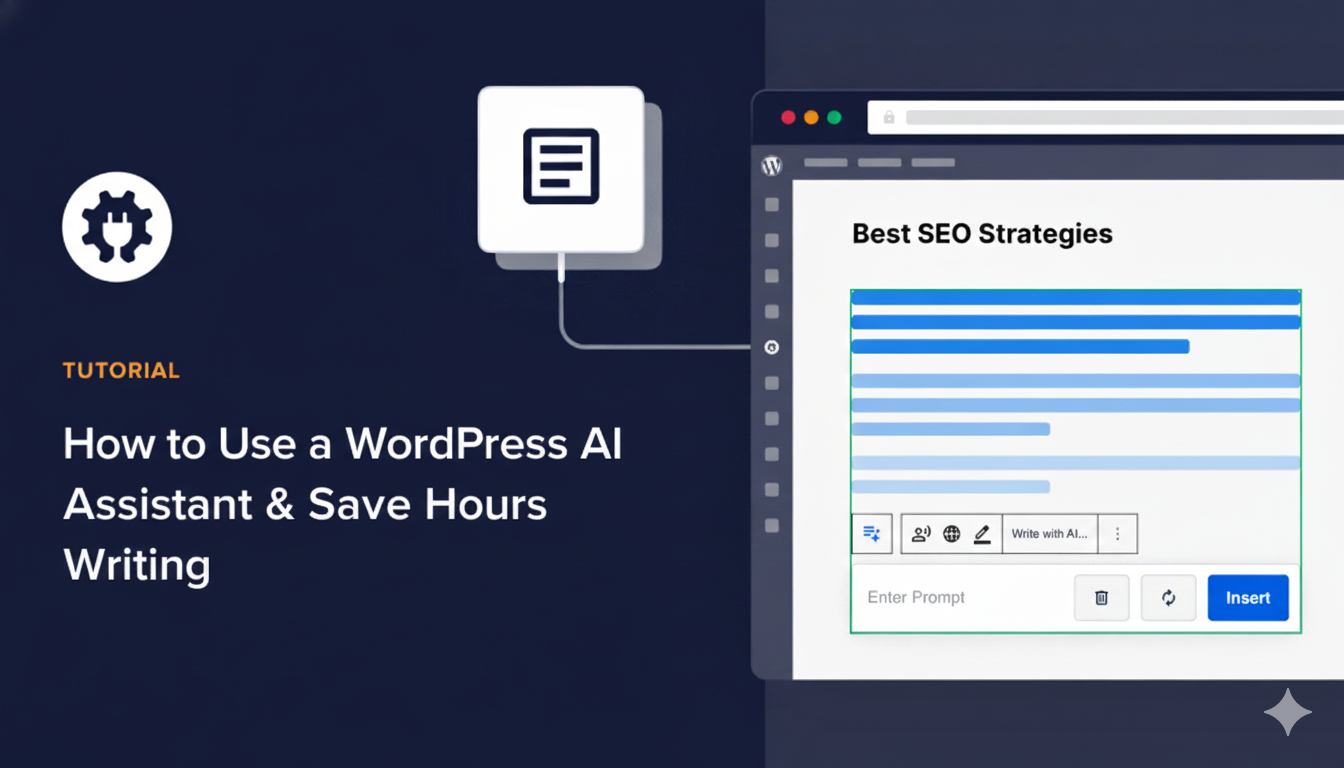
Let’s walk through a practical scenario. Suppose you run a fitness blog and want to rank for “best home workout equipment.”
Common Mistakes to Avoid When Using AI SEO AI Assistants
Many businesses fail to see results because they misuse the technology. Here are the most common pitfalls and how to avoid them.
Mistake 1: Publishing Unedited AI Content
This is the fastest way to get penalized. Search engines are getting better at detecting unhelpful, mass-produced content. Always edit the AI output. Add your personal anecdotes, expert quotes, and unique data. The AI should be a starting point, not the final product.
Mistake 2: Ignoring Search Intent
Just because an AI writes a grammatically correct article doesn’t mean it answers the user’s question. If the search intent is “best equipment,” the user wants a listicle with comparisons. If the AI writes a guide on “how to use equipment,” it will fail. Always review the AI’s output against the actual search query to ensure it matches intent.
Mistake 3: Relying Solely on AI for Technical SEO
While AI can identify broken links, it cannot fix complex server-side issues like page speed optimization or Core Web Vitals. You still need a skilled developer to implement the AI’s recommendations. The AI is a diagnostician, not a surgeon.
Mistake 4: Neglecting Brand Voice
AI tends to write in a neutral, corporate tone. If your brand is quirky and informal, you must rework the content significantly. Failing to do so will alienate your audience and dilute your brand identity.
Important Notes on E-E-A-T and AI Content
Google’s Quality Rater Guidelines emphasize Experience, Expertise, Authoritativeness, and Trustworthiness (E-E-A-T). AI SEO AI assistants can help you optimize for these factors, but they cannot replace them.
To build E-E-A-T with AI, you must layer human expertise on top of the generated content. Include original research, case studies, and first-hand experiences. Ensure the content is factually accurate and cites credible sources. The AI can help you structure the content to cover all aspects of a topic, but the “lived experience” must come from you. This is the only way to build long-term trust with both users and search engines.
Frequently Asked Questions (FAQ)
Will AI SEO AI assistants replace human SEO experts?
No. These tools replace the manual labor of SEO, but they cannot replace strategic thinking, relationship building, or creative problem-solving. Human experts are needed to interpret AI data, make final decisions, and inject brand personality. The role of the SEO expert shifts from “doer” to “strategist and editor.”
Can Google detect AI-generated content?
Google’s official stance is that it penalizes spammy, unhelpful content regardless of whether it is written by a human or AI. If the AI content is high-quality, accurate, and provides value, it can rank. However, purely automated, spun, or low-value content will be flagged. The key is to use AI as a tool to enhance quality, not to mass-produce garbage.
How much does an AI SEO assistant cost?
Pricing varies widely. Basic content generation tools start around $20-$50 per month. Comprehensive all-in-one platforms like Semrush or Ahrefs can cost $100-$500+ per month depending on the features and usage limits. Enterprise-level custom AI solutions can cost thousands. It is best to start with a free trial or a lower-tier plan to test the waters.
What is the best AI SEO AI assistant for beginners?
For beginners, user-friendly platforms like Semrush with its “ContentShake” AI feature or Jasper are excellent starting points. They have intuitive interfaces and provide guided prompts. As you become more advanced, you can graduate to more technical tools like MarketMuse or Surfer SEO for granular control.
How do I ensure my AI content ranks on Google?
Focus on three things: relevance, depth, and user experience. Use the AI to ensure your content covers the topic comprehensively. Edit it to add unique insights and data. Then, ensure your page loads fast and is easy to navigate. Finally, build backlinks to the page. AI helps with the first part, but you must handle the rest.
Conclusion: The Future of SEO is a Partnership
The integration of AI SEO AI assistants into your marketing stack is not about replacing your team; it is about empowering them. These tools handle the heavy lifting of data analysis and content generation, freeing up human capital for the nuanced tasks that require empathy and creativity. The future of search optimization belongs to those who can effectively partner with AI—using its computational power to inform strategy while leveraging human insight to build genuine connections with the audience.
As search algorithms continue to evolve, the adaptability of A The businesses that thrive will be those that view AI not as a magic bullet, but as a powerful collaborator. Start small, experiment with different tools, and focus on maintaining the human touch in your content. By doing so, you will not only improve your rankings but also build a sustainable, resilient brand that stands the test of algorithmic changes.
Xem thêm:
- AI SEO Blueprint: The Complete Guide to Ranking in the Age of Machine Learning
- WP Trove Content AI Review: The Ultimate WordPress Content Creation Tool in 2025
- AI SEO Behavioral Analytics: The Complete Guide to Understanding User Intent
- AI SEO Thin Content: Why Google Penalizes It and How to Create Content That Ranks
- AI SEO Geo Targeting: The Complete Guide to Local Search Dominance in 2025
Bài viết cùng chủ đề:

AI SEO SEO Automation with Make: The Complete Workflow Guide

AI SEO SEO Automation with Zapier: The Complete Workflow Guide

AI SEO SEO Automation with n8n: The Complete Workflow Guide
AI SEO SEO Automation with Gemini: The Complete Guide to Scaling Organic Growth

AI SEO SEO Automation with Claude: The Complete Guide to Scaling Content in 2025

AI SEO SEO Automation with ChatGPT: The Complete Playbook for 2025

AI SEO & SEO Automation for Affiliate Sites: The 2025 Playbook for Passive Income Growth
AI SEO & SEO Automation for Bloggers: The Complete Guide to Scaling Your Content

AI SEO & SEO Automation for Agencies: The Complete 2025 Playbook

AI SEO and SEO Automation for Ecommerce: The Complete Playbook for 2025

AI SEO & SEO Automation for WordPress: The Complete Playbook for 2025
AI SEO SEO Automation Strategy: The Complete Playbook for 2025

Mastering the AI SEO SEO Automation Process: A Complete Guide to Scaling Organic Growth
AI SEO SEO Automation System: The Complete Guide to Scaling Organic Growth in 2025
AI SEO SEO Automation Platform: The Complete Guide to Scaling Organic Growth in 2025
AI SEO SEO Automation Software: The Complete Guide to Scaling Organic Growth in 2025















