
No products in the cart.
AI SEO Keyword Grouping Tool: The Complete Guide to Smarter Content Clusters
10
Aug
Aug
Search engine optimization has evolved far beyond simple keyword matching. Modern SEO requires a deep understanding of search intent, semantic relevance, and topical authority. This is where an AI SEO Keyword Grouping Tool becomes indispensable. These intelligent platforms analyze thousands of keywords, identify patterns, and automatically organize them into logical clusters. This process transforms raw keyword lists into structured content strategies that search engines and users both love. This guide explores everything about these tools, from core functionality to practical implementation strategies.
What is an AI SEO Keyword Grouping Tool?
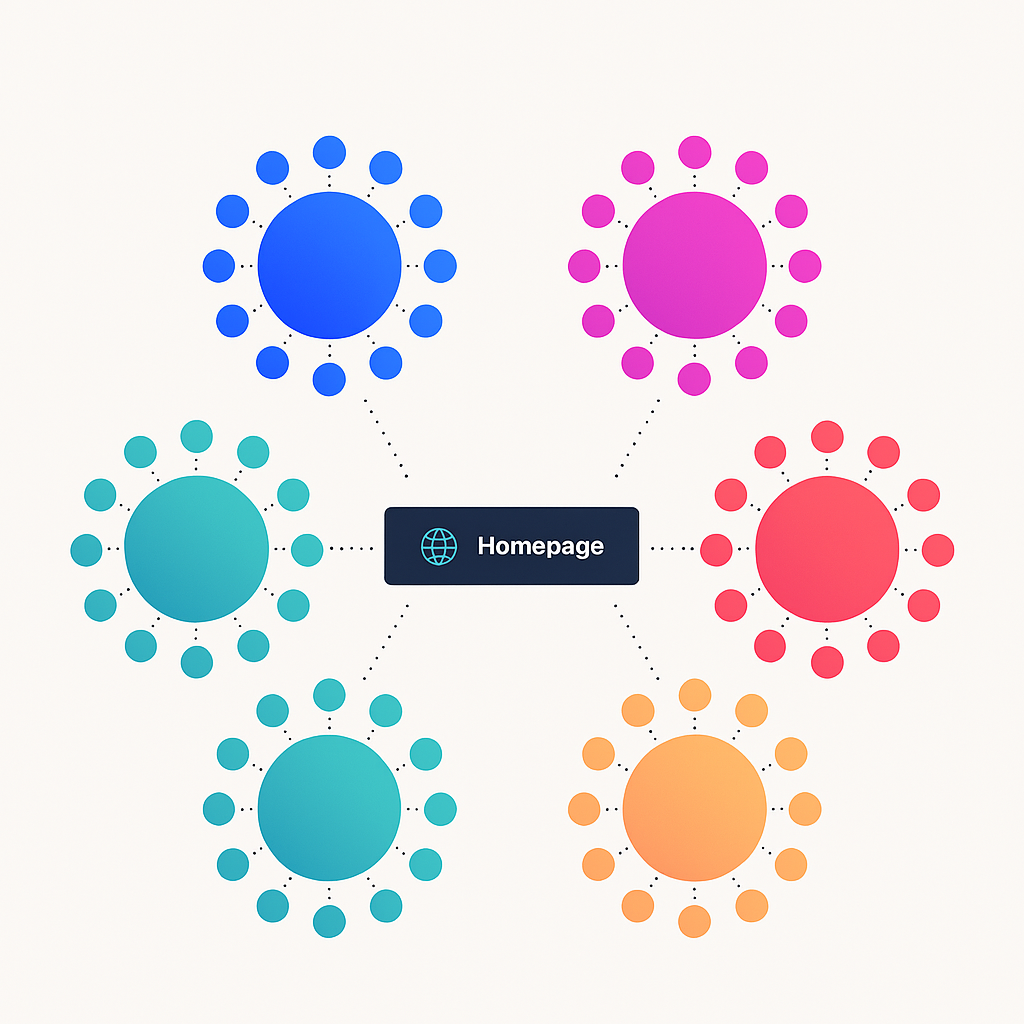
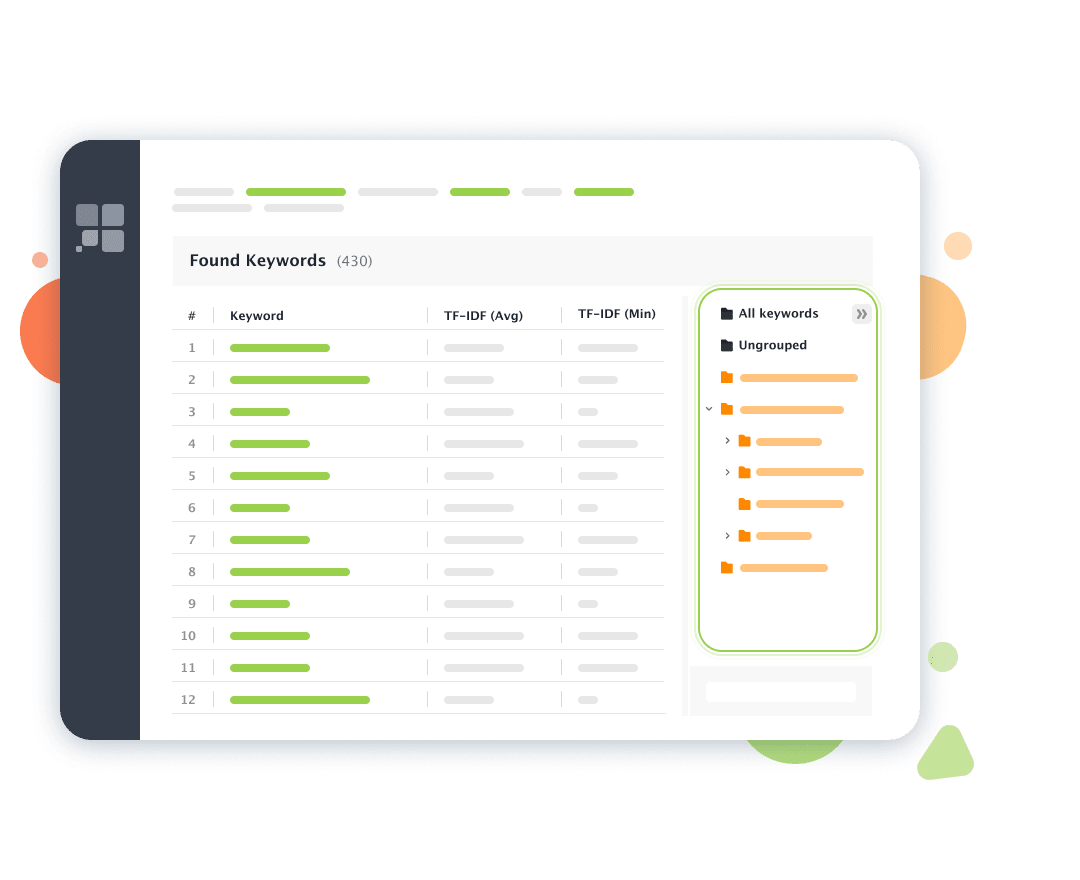
An AI SEO Keyword Grouping Tool is a software solution that uses machine learning algorithms and natural language processing to automatically categorize keywords into thematic groups. Unlike traditional manual grouping, which relies on spreadsheets and human judgment, these tools analyze semantic relationships, search intent, and user behavior patterns. The result is a set of tightly themed keyword clusters that form the foundation for effective content architecture.
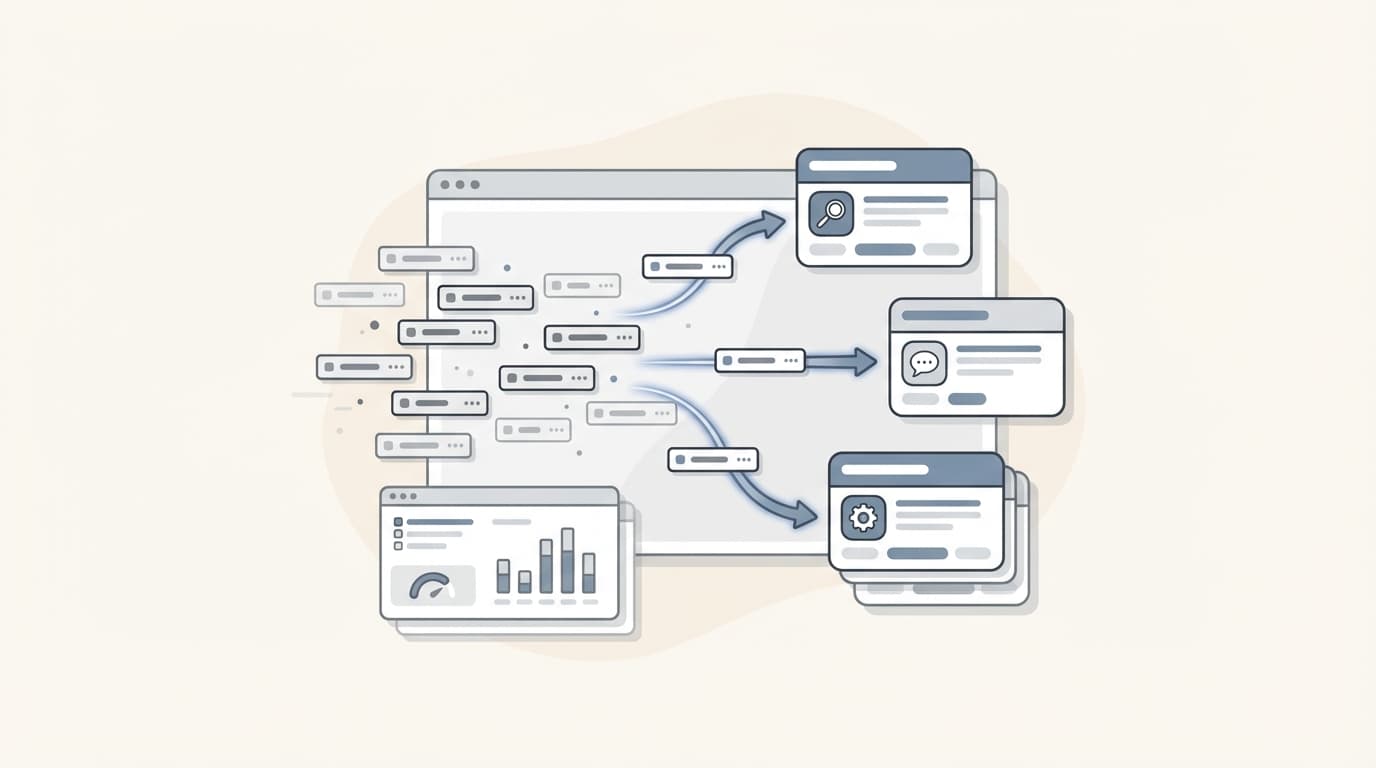
The core value proposition lies in speed and accuracy. A human SEO specialist might spend days grouping 5,000 keywords. An AI tool accomplishes the same task in minutes, while often uncovering connections that humans might miss. These tools examine multiple dimensions of each keyword, including lexical similarity, SERP feature overlap, and co-occurrence patterns across search results.
How Does AI Keyword Grouping Work?
Understanding the underlying technology helps you appreciate the power of these tools. The process typically involves several sophisticated steps that work together to produce meaningful groupings.
Semantic Analysis and Natural Language Processing
AI tools break down each keyword into its component parts, analyzing the meaning of individual words and their relationships. For example, the tool recognizes that “best running shoes for flat feet” and “top running sneakers for overpronation” share semantic intent, even though they use different vocabulary. This goes beyond simple synonym matching to understand the underlying user need.
Search Intent Classification
Modern grouping tools classify keywords by search intent categories: informational, navigational, commercial, and transactional. This classification ensures that keywords with different intents do not get mixed into the same cluster. A cluster for “buy running shoes” would not include “how to tie running shoes” because the user journeys are fundamentally different.
SERP Feature Analysis
Advanced tools examine the search engine results pages for each keyword. If two keywords trigger similar SERP features, such as featured snippets or video carousels, they likely share search intent. This data-driven approach adds another layer of accuracy to the grouping process.
Machine Learning Clustering Algorithms
The heart of the tool is the clustering algorithm. Techniques like k-means clustering, hierarchical clustering, and DBSCAN are commonly used. These algorithms calculate the distance between keywords based on multiple features and then group them accordingly. The AI continuously refines these groupings based on feedback and new data.
Key Benefits of Using an AI SEO Keyword Grouping Tool
The advantages of adopting AI-powered grouping extend across the entire SEO workflow. Here are the primary benefits that justify the investment.
- Massive Time Savings: What takes days manually gets completed in minutes. This frees up SEO teams to focus on strategy and content creation rather than tedious data organization.
- Improved Content Relevance: Clusters based on semantic meaning produce more coherent content pillars. Each piece of content naturally covers a complete subtopic, improving topical authority.
- Better Internal Linking Structure: When keywords are grouped logically, creating internal links between related articles becomes intuitive. This distributes link equity effectively and helps search engines understand site structure.
- Elimination of Keyword Cannibalization: By clearly separating keywords into distinct clusters, you avoid creating multiple pages targeting the same intent. This preserves your ranking power.
- Scalability: Whether you manage 100 keywords or 100,000, AI tools handle the volume effortlessly. This scalability is crucial for enterprise-level SEO campaigns.
- Data-Driven Decisions: Instead of relying on gut feeling, you base your content strategy on algorithmic analysis of search patterns and user behavior.
- Blindly Trusting the AI Output: Never assume the AI is perfect. Always review the clusters manually. The AI might miss nuances of your specific industry or audience that you understand better.
- Ignoring Search Intent: While AI classifies intent, you must verify it aligns with your business goals. A cluster might be technically accurate but contain keywords that do not match your conversion funnel.
- Creating Too Many Clusters: Over-segmentation leads to thin content. If you have 50 clusters for a small website, you will struggle to create authoritative content for each. Consolidate where possible.
- Neglecting Keyword Difficulty: Grouping tools organize by theme, not by difficulty. You still need to assess the competitiveness of each cluster and prioritize those where you have a realistic chance of ranking.
- Forgetting About User Experience: Clusters should guide content creation, but never sacrifice readability for keyword optimization. Write for humans first, then optimize for search engines.
- Not Updating Clusters Regularly: Search trends change. Keywords that were once related may drift apart. Re-run your grouping analysis periodically to keep your strategy current.
Comparison: AI Grouping Tools vs. Manual Grouping
To fully appreciate the value of AI tools, it helps to compare them directly with traditional manual methods. The differences are stark across several dimensions.
| Feature | AI Keyword Grouping Tool | Manual Grouping |
|---|---|---|
| Processing Speed | Minutes for thousands of keywords | Days or weeks for the same volume |
| Accuracy | High, based on semantic algorithms | Variable, depends on human expertise |
| Scalability | Handles massive datasets easily | Breaks down with large keyword lists |
| Subjectivity | Objective, data-driven decisions | Prone to personal bias and oversight |
| Cost Efficiency | Subscription cost, but high ROI | High labor cost, opportunity cost |
| Insight Depth | Uncovers hidden semantic connections | Limited to obvious lexical similarities |
| Consistency | Uniform methodology across all data | Inconsistent, varies by individual |
The comparison clearly shows that for any serious SEO operation, AI grouping tools offer superior efficiency and accuracy. The initial cost of the software is quickly offset by the labor savings and improved organic performance.
Practical Applications: How to Use an AI SEO Keyword Grouping Tool

Knowing how to use these tools effectively maximizes their value. The following workflow outlines a proven approach to integrating AI grouping into your SEO strategy.
Step 1: Keyword Collection and Preparation
Start by compiling a comprehensive list of potential keywords. Sources include Google Search Console, competitor analysis tools, keyword research platforms, and customer feedback. Clean the data by removing duplicates, irrelevant terms, and branded keywords that do not fit your current campaign goals. Most AI tools accept CSV or Excel file uploads for easy import.
Step 2: Configure Grouping Parameters
Set your preferences before running the analysis. Decide on the granularity of clusters. Do you want broad topic groups or tightly focused subtopics? Some tools allow you to specify the number of clusters or set a similarity threshold. Adjust these settings based on your content capacity and site architecture.
Step 3: Run the AI Analysis
Initiate the grouping process. The A This usually takes a few minutes, even for large datasets. Review the initial output to understand the tool’s logic and see the proposed groupings.
Step 4: Review and Refine Clusters
AI is powerful, but human oversight remains essential. Review each cluster for coherence. Merge clusters that are too similar, split ones that are too broad, and move misplaced keywords. This human-AI collaboration produces the best results. Most tools allow drag-and-drop editing for easy refinement.
Step 5: Map Clusters to Content Strategy
Each refined cluster becomes the basis for a content pillar. The primary keyword in the cluster targets the main page, while secondary keywords inform supporting blog posts or subpages. This creates a hub-and-spoke content model that search engines favor. Plan your content calendar around these clusters to ensure comprehensive coverage.
Step 6: Implement and Monitor
Create content based on the clusters and publish it according to your plan. Monitor performance using analytics tools. Track rankings, organic traffic, and engagement metrics for each cluster. Use this data to refine your strategy and feed new keywords back into the AI tool for continuous optimization.
Common Mistakes to Avoid When Using AI Grouping Tools
Even with advanced technology, certain pitfalls can undermine your efforts. Being aware of these mistakes helps you avoid them and get the most from your tool.
Important Notes on Data Quality and Tool Selection
The output quality of an AI SEO Keyword Grouping Tool depends heavily on the input data and the specific tool you choose. Consider these factors carefully.
First, the quality of your keyword list matters more than the tool itself. Garbage in, garbage out. Ensure your keyword data comes from reliable sources and is up to date. Remove any keywords that are irrelevant to your business before running the analysis.
Second, different tools use different algorithms and data sources. Some tools focus purely on lexical similarity, while others incorporate SERP analysis and clickstream data. Research the methodology of each tool to find one that aligns with your needs. Look for tools that offer free trials so you can test their output on your own data.
Third, consider the integration capabilities. Does the tool integrate with your existing SEO stack, such as Google Search Console, content management systems, or rank tracking software? Seamless integration streamlines your workflow and reduces manual data transfer.
Finally, evaluate the user interface and reporting features. A tool with excellent grouping capabilities but a confusing interface will hinder adoption. Look for clear visualizations, export options, and collaborative features if you work in a team.
Frequently Asked Questions
What is the difference between keyword clustering and keyword grouping?
These terms are often used interchangeably, but t Keyword grouping typically refers to the basic organization of keywords into thematic buckets based on similarity. Keyword clustering is a more advanced process that uses algorithmic analysis to identify semantic relationships and search intent patterns. In practice, AI SEO Keyword Grouping Tools perform both functions, with clustering being the more sophisticated outcome.
How many keywords should be in a single cluster?
T This range provides enough depth to create comprehensive content without overwhelming the scope. Smaller clusters of 3 to 5 keywords work well for highly specific niche topics, while larger clusters of 20 or more might indicate that the topic is too broad and should be split into subtopics.
Can AI grouping tools help with content creation directly?
Most AI grouping tools focus on organization and strategy, not direct content generation. However, the output of these tools feeds directly into content creation workflows. The clusters provide the outline and subtopics for your articles. Some advanced platforms integrate with AI writing assistants, allowing you to generate drafts based on the keyword clusters, but this is a separate function.
How often should I re-run keyword grouping analysis?
Search behavior evolves constantly. A quarterly review is a good baseline for most industries. If you operate in a fast-moving niche, such as technology or fashion, consider monthly analysis. Also, re-run the analysis whenever you add a significant number of new keywords to your list or when your website undergoes major structural changes.
Are free AI keyword grouping tools effective?
Free tools can handle basic grouping tasks for small keyword sets. They often have limitations on the number of keywords you can process and may lack advanced features like SERP analysis. For serious SEO campaigns, investing in a premium tool is recommended. The time savings and improved accuracy typically justify the cost.
What is the role of human expertise in AI keyword grouping?
Human expertise is crucial for interpreting the AI output and making strategic decisions. The AI provides the data structure, but humans understand the business context, audience nuances, and competitive landscape. The best results come from a collaborative approach where AI handles the heavy lifting and humans provide the strategic direction.
Conclusion
An AI SEO Keyword Grouping Tool represents a significant advancement in how we approach search engine optimization. These tools automate the tedious process of keyword organization, allowing SEO professionals to focus on high-level strategy and creative content development. The benefits are clear: massive time savings, improved content relevance, better site architecture, and a stronger competitive position in search results.
The key to success lies in understanding that AI is a powerful assistant, not a replacement for human judgment. By combining the analytical power of AI with your industry expertise, you create a content strategy that is both data-driven and deeply human. Start by selecting a tool that fits your needs, feed it quality data, and refine its output with your knowledge. This partnership between human and machine will elevate your SEO efforts to new levels of effectiveness.
The future of SEO is undoubtedly AI-driven, and keyword grouping is just the beginning. As these technologies continue to evolve, they will offer even deeper insights into user behavior and search patterns. Adopting an AI SEO Keyword Grouping Tool today positions your business to leverage these future advancements. The investment in this technology is an investment in the sustainable growth of your organic search presence.
Xem thêm:
- AI SEO Rich Result Testing: The Complete Guide to Automated SERP Validation
- AI SEO for Finance: The Complete Guide to Dominating Financial Search in 2025
- AI SEO CDN Optimization: The Complete Guide to Faster Rankings in 2025
- AI SEO Organic Rankings: The Complete Guide to Dominating Search in 2025
- AI SEO Answer Generator: The Complete Guide to Automated Content Intelligence
Bài viết cùng chủ đề:

AI SEO SEO Automation with Make: The Complete Workflow Guide

AI SEO SEO Automation with Zapier: The Complete Workflow Guide

AI SEO SEO Automation with n8n: The Complete Workflow Guide
AI SEO SEO Automation with Gemini: The Complete Guide to Scaling Organic Growth

AI SEO SEO Automation with Claude: The Complete Guide to Scaling Content in 2025

AI SEO SEO Automation with ChatGPT: The Complete Playbook for 2025

AI SEO & SEO Automation for Affiliate Sites: The 2025 Playbook for Passive Income Growth
AI SEO & SEO Automation for Bloggers: The Complete Guide to Scaling Your Content

AI SEO & SEO Automation for Agencies: The Complete 2025 Playbook

AI SEO and SEO Automation for Ecommerce: The Complete Playbook for 2025

AI SEO & SEO Automation for WordPress: The Complete Playbook for 2025
AI SEO SEO Automation Strategy: The Complete Playbook for 2025

Mastering the AI SEO SEO Automation Process: A Complete Guide to Scaling Organic Growth
AI SEO SEO Automation System: The Complete Guide to Scaling Organic Growth in 2025
AI SEO SEO Automation Platform: The Complete Guide to Scaling Organic Growth in 2025
AI SEO SEO Automation Software: The Complete Guide to Scaling Organic Growth in 2025















