
No products in the cart.
AI SEO Organic Rankings: The Complete Guide to Dominating Search in 2025
10
Aug
Aug
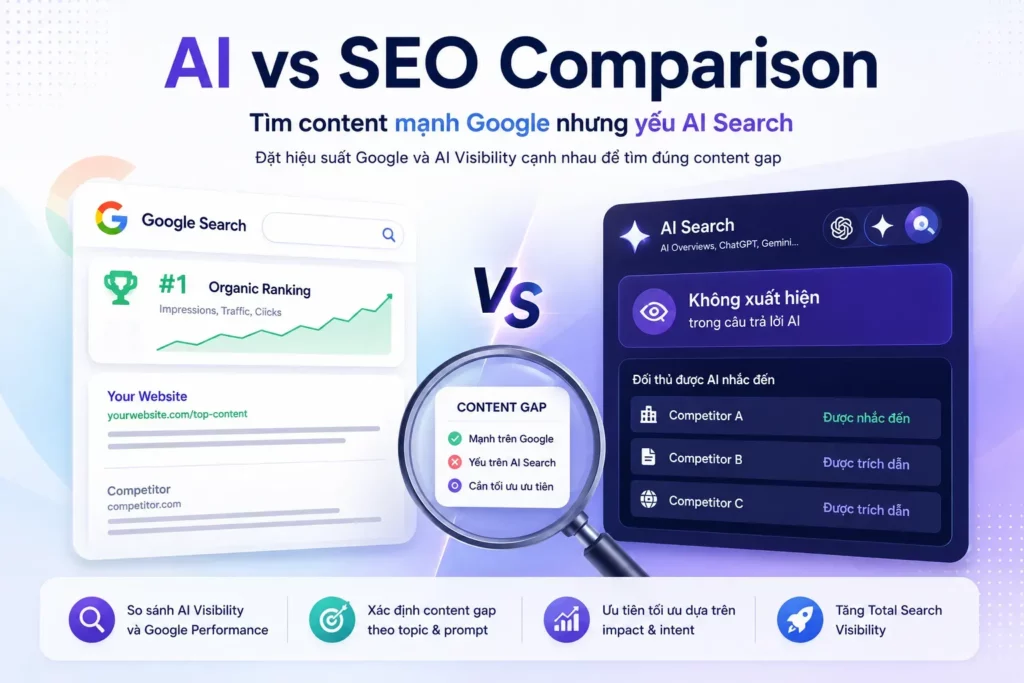
The landscape of search engine optimization has undergone a seismic shift. Gone are the days when stuffing keywords and building spammy backlinks could guarantee top positions. Today, AI SEO organic rankings represent the new frontier, where machine learning algorithms and advanced content strategies converge. This comprehensive guide explores how artificial intelligence is reshaping the way websites achieve and maintain visibility in search results, offering a practical roadmap for marketers, business owners, and content creators navigating this new reality.
Understanding AI SEO Organic Rankings: A New Paradigm
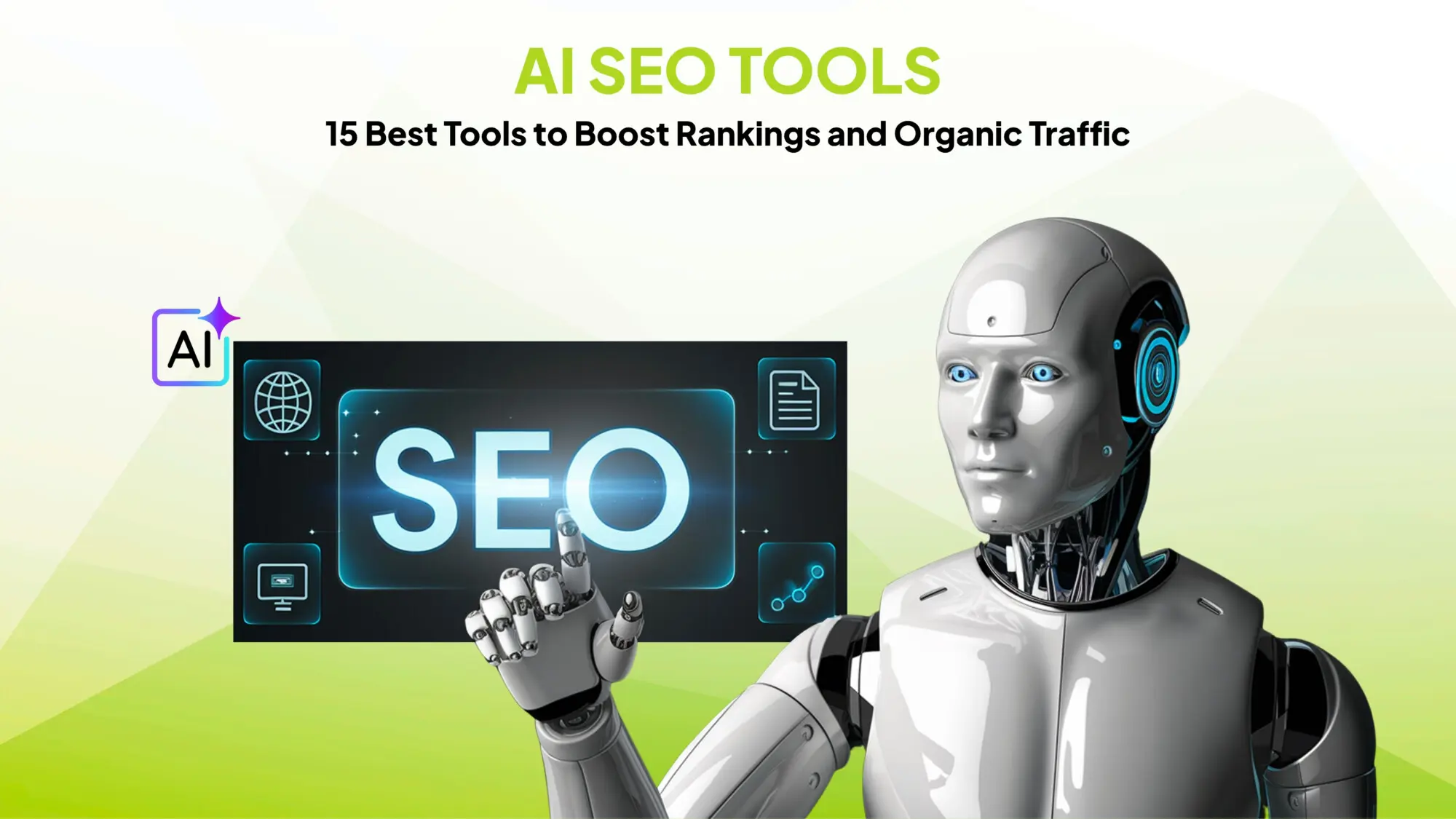
AI SEO organic rankings refer to the practice of leveraging artificial intelligence tools and strategies to improve a website’s position in unpaid search engine results. This approach goes beyond traditional SEO tactics, incorporating predictive analytics, natural language processing, and automated content optimization to align with how modern search engines like Google evaluate and rank pages.
The core principle revolves around understanding that search engines now use sophisticated AI models, such as Google’s RankBrain and MUM (Multitask Unified Model), to interpret user intent and content relevance. These systems analyze billions of data points to determine which pages deserve top placement, making traditional optimization methods less effective and AI-driven approaches essential.
The Evolution from Traditional SEO to AI-Powered Optimization
Traditional SEO focused on technical elements like meta tags, exact-match keywords, and link quantity. The AI era demands a holistic approach that prioritizes semantic relevance, user experience, and content depth. Search engines now evaluate whether content genuinely answers user queries, considers context, and provides comprehensive value rather than simply matching keywords.
This evolution means that achieving high AI SEO organic rankings requires a fundamental shift in mindset. Websites must become authoritative sources that demonstrate expertise, experience, authoritativeness, and trustworthiness (E-E-A-T). The algorithms are designed to reward content that mirrors human expertise and genuine helpfulness, penalizing thin, superficial, or manipulative content.
How AI Algorithms Determine Organic Rankings
Modern search engines employ multiple AI systems that work in tandem to evaluate and rank content. Understanding these systems is crucial for developing effective optimization strategies.
Natural Language Processing and Semantic Understanding
Google’s BERT (Bidirectional Encoder Representations from Transformers) and its successors enable search engines to understand the nuances of human language. These models analyze the relationships between words in a sentence, grasping context, sentiment, and intent. For AI SEO organic rankings, this means content must be written naturally, addressing topics comprehensively rather than targeting isolated keywords.
The semantic understanding extends to recognizing related concepts and entities. When a user searches for “best running shoes,” the algorithm understands related concepts like cushioning, arch support, durability, and pronation. Content that naturally incorporates these related topics signals expertise and relevance, improving ranking potential.
User Experience Signals and Behavioral Data
AI algorithms heavily weigh user interaction metrics when determining rankings. Click-through rates, dwell time, bounce rates, and pages per session provide signals about content quality and relevance. If users consistently engage with a page, spending time reading and exploring, the algorithm interprets this as a positive signal, boosting the page’s position.
Core Web Vitals, including loading speed, visual stability, and interactivity, also factor into AI-driven ranking decisions. These technical metrics directly impact user experience, and search engines prioritize pages that load quickly and function smoothly across all devices.
Essential AI Tools for Improving Organic Rankings
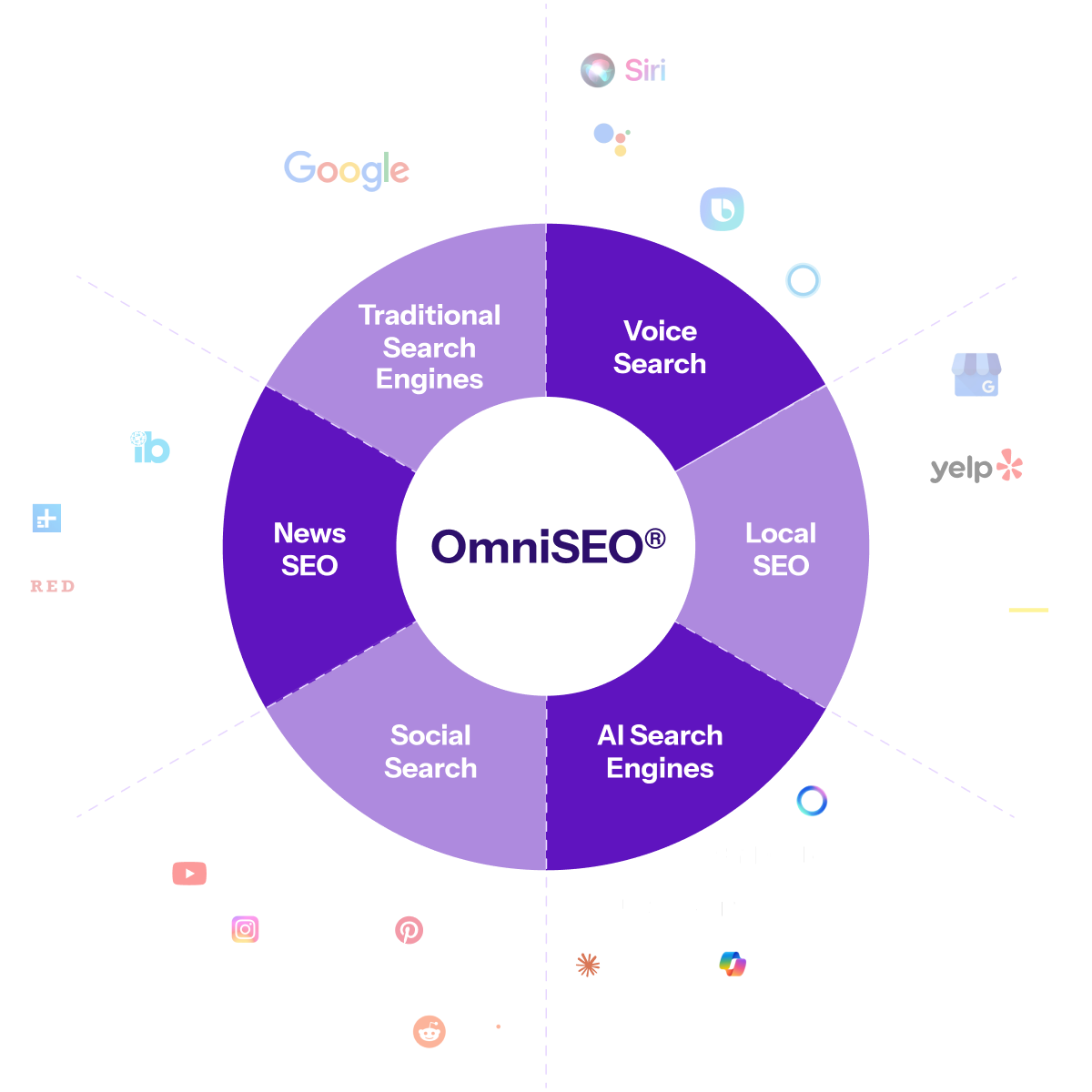
Leveraging the right AI tools can significantly accelerate your path to better organic visibility. These technologies automate analysis, provide actionable insights, and help create content that aligns with algorithmic preferences.
AI-Powered Keyword Research and Topic Clustering
Traditional keyword tools provide search volume data, but AI-powered platforms go further by analyzing search intent, identifying topic clusters, and predicting content performance. Tools like Clearscope, MarketMuse, and Surfer SEO use machine learning to analyze top-ranking pages and recommend content structures, related terms, and semantic variations that can improve relevance.
These platforms examine thousands of ranking pages to identify patterns in content length, heading structure, and term usage. By following these data-driven recommendations, content creators can develop pages that comprehensively cover topics, increasing the likelihood of achieving high AI SEO organic rankings.
Content Optimization and Generation Platforms
AI writing assistants like Jasper, Copy.ai, and ChatGPT can accelerate content production while maintaining quality. These tools generate drafts, suggest improvements, and help overcome writer’s block. However, human oversight remains essential to ensure accuracy, add unique insights, and maintain brand voice.
More advanced platforms integrate directly with search data, providing real-time optimization suggestions as you write. They analyze your content against top competitors, flagging missing topics, suggesting heading improvements, and ensuring optimal keyword density without unnatural stuffing.
Content Strategies That Drive AI SEO Organic Rankings
Creating content that resonates with both AI algorithms and human readers requires a strategic approach. The following methodologies have proven effective in improving organic visibility.
Comprehensive Topic Coverage and Entity Optimization
Search engines increasingly reward content that demonstrates complete topic mastery. Instead of creating multiple thin pages targeting variations of a keyword, successful strategies involve creating comprehensive pillar pages that cover all aspects of a subject. These pages naturally incorporate related entities, answer follow-up questions, and provide genuine value.
For example, a page targeting “Mediterranean diet” should cover not just the basic principles but also meal plans, scientific research, potential health benefits, common misconceptions, and practical shopping lists. This comprehensive approach signals expertise and improves the page’s authority in the eyes of AI algorithms.
Structured Data and Schema Markup
Implementing structured data helps AI systems understand your content’s context and relationships. Schema markup provides explicit signals about content type, authorship, publication dates, and key entities. This structured information enables search engines to display rich snippets, featured snippets, and enhanced results that improve visibility and click-through rates.
Common schema types that positively impact AI SEO organic rankings include Article, FAQ, HowTo, Product, and Review markup. These structured data implementations help search engines extract and display your content in formats that attract user attention and engagement.
Technical SEO Considerations for AI-Driven Search
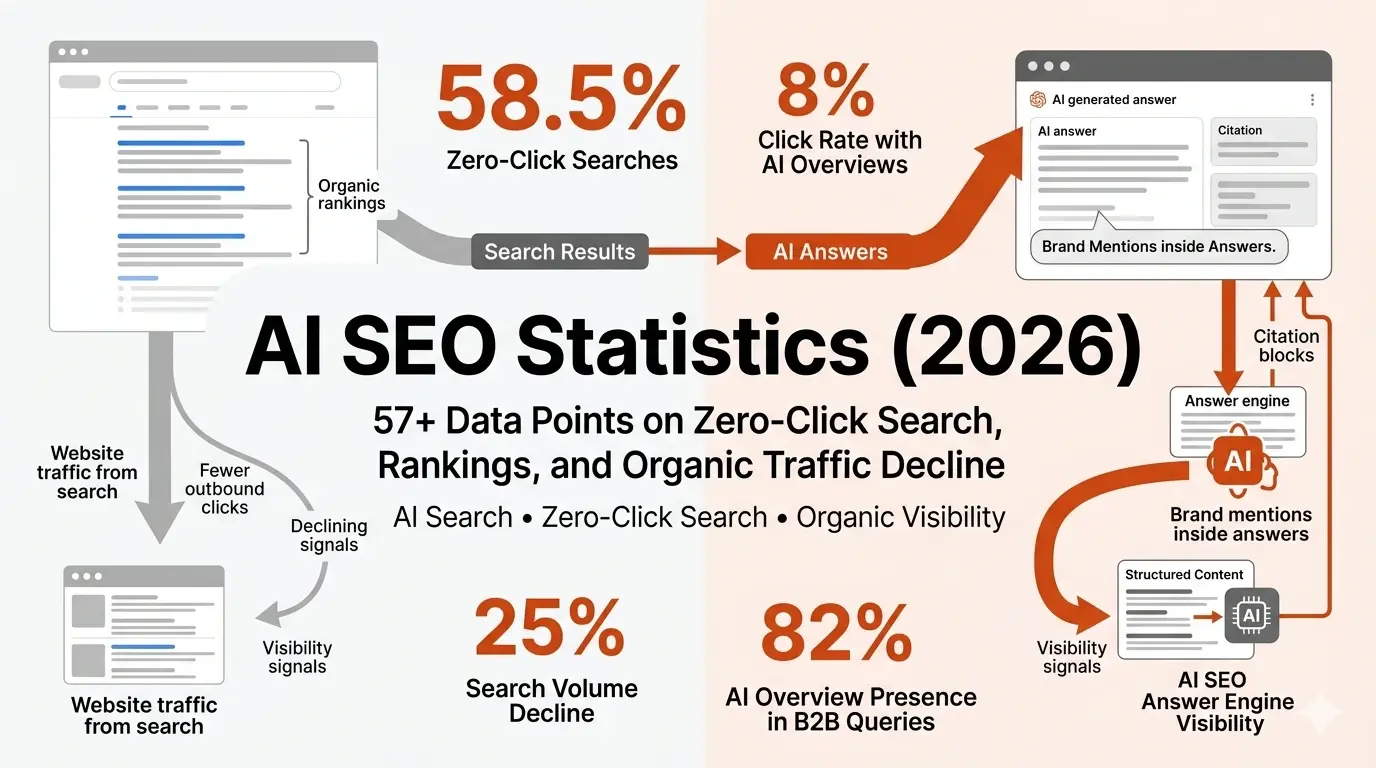
While content quality remains paramount, technical factors significantly influence how AI systems crawl, index, and rank your pages. Addressing these technical elements creates a solid foundation for organic success.
Site Architecture and Crawl Efficiency
AI crawlers need to efficiently discover and process your content. A logical site structure with clear hierarchies, internal linking, and XML sitemaps ensures that important pages receive adequate crawl attention. Orphaned pages, broken links, and excessive redirects confuse crawlers and dilute ranking signals.
Implementing a flat architecture where important pages are accessible within a few clicks from the homepage improves crawl efficiency. Regular technical audits using tools like Screaming Frog or Ahrefs help identify and resolve crawlability issues that could hinder AI SEO organic rankings.
Page Speed and Mobile Optimization
With mobile devices accounting for the majority of web traffic, search engines prioritize mobile-friendly experiences. AI algorithms evaluate page speed on both desktop and mobile, with slower pages receiving ranking penalties. Implementing responsive design, compressing images, leveraging browser caching, and minimizing JavaScript are essential optimization steps.
Google’s mobile-first indexing means the mobile version of your site serves as the primary basis for ranking decisions. Ensuring that mobile pages contain the same high-quality content as desktop versions, with fast loading times and intuitive navigation, directly impacts organic performance.
Measuring and Analyzing AI SEO Performance
Tracking the effectiveness of your AI-driven SEO efforts requires monitoring specific metrics and using advanced analytics tools to gain insights into algorithmic behavior.
Key Performance Indicators for Organic Success
Beyond traditional metrics like keyword rankings and organic traffic, AI-focused SEO requires monitoring engagement indicators that signal content quality to algorithms. These include:
- Average time on page and scroll depth
- Return visitor rate and brand search growth
- Featured snippet and People Also Ask appearances
- Core Web Vitals scores and mobile usability metrics
- Share of voice for target topic clusters
Regular analysis of these metrics reveals patterns that indicate whether your content aligns with AI ranking preferences. Declining engagement metrics signal the need for content refresh or structural improvements.
Using AI Analytics for Continuous Improvement
Advanced analytics platforms now incorporate AI to provide predictive insights and automated recommendations. These tools identify content decay, suggest internal linking opportunities, and predict which topics will gain traction. By leveraging these insights, marketers can proactively optimize content before rankings decline.
AI-powered analytics also help identify user intent shifts, enabling content adaptation to match evolving search behavior. This proactive approach maintains relevance and sustains AI SEO organic rankings over time.
Common Mistakes That Hurt AI SEO Organic Rankings
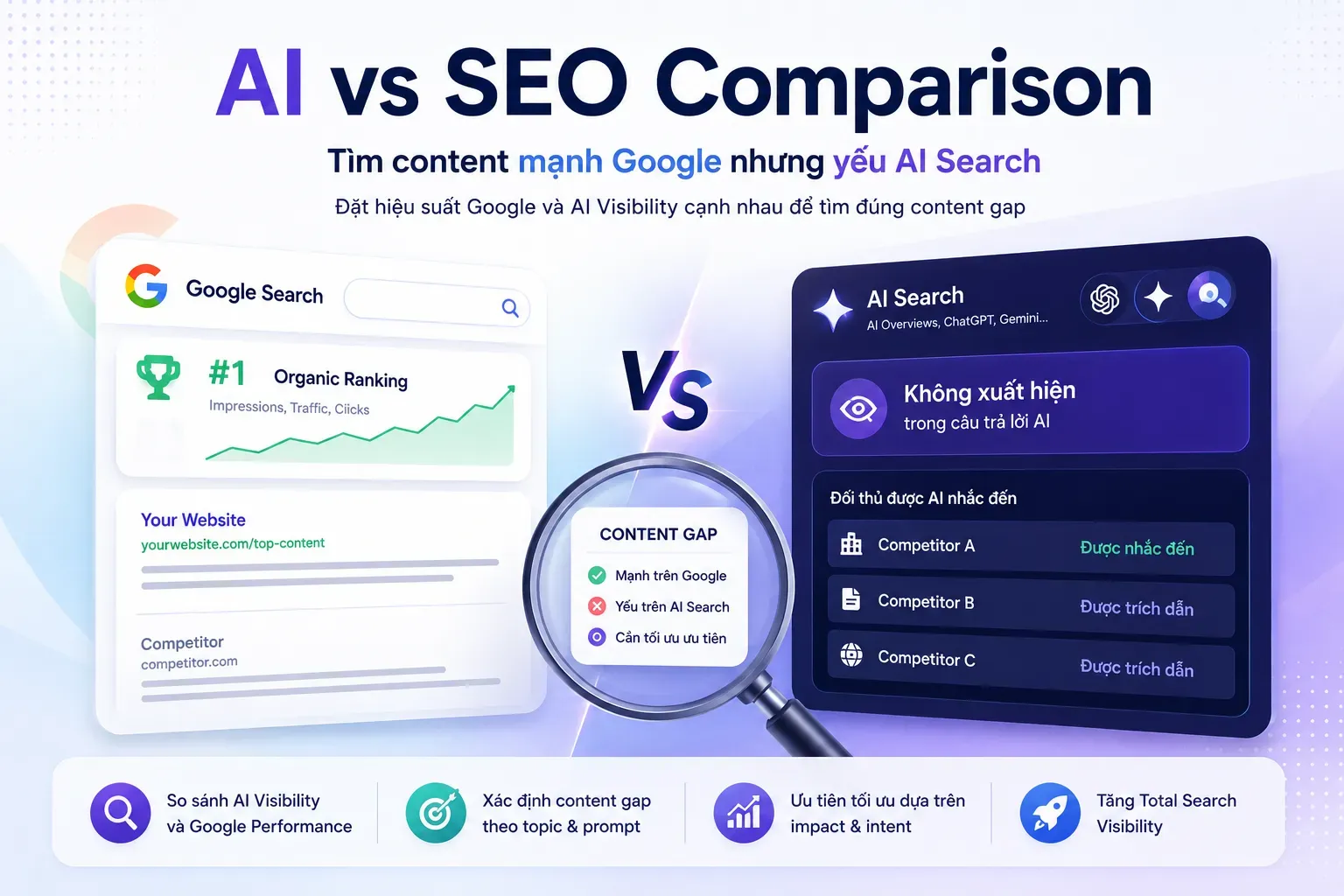
Understanding what not to do is equally important as knowing best practices. Several common errors can undermine your organic visibility efforts.
Over-Optimization and Keyword Cannibalization
In the AI era, excessive optimization signals manipulation. Stuffing keywords, overusing exact-match anchors, and creating multiple pages targeting the same keyword confuse algorithms and dilute authority. Search engines now penalize these practices, preferring natural language and consolidated content.
Keyword cannibalization occurs when multiple pages compete for the same search term, causing search engines to choose which page to rank. This internal competition weakens overall visibility. Consolidating similar content into comprehensive guides and using canonical tags resolves this issue.
Neglecting Content Freshness and Updates
AI algorithms favor current, accurate information. Content that becomes outdated loses relevance and rankings decline. Regular content audits, updating statistics, adding new sections, and refreshing examples signal to search engines that your content remains valuable and trustworthy.
Implementing a content refresh schedule ensures that your pages maintain competitive positioning. Pages that consistently provide up-to-date information build sustained authority and achieve long-term AI SEO organic rankings success.
Comparison: AI-Driven SEO vs Traditional SEO Approaches
| Aspect | Traditional SEO | AI-Driven SEO |
|---|---|---|
| Keyword Focus | Exact match, high volume | Semantic relevance, user intent |
| Content Creation | Volume-based, template-driven | Comprehensive, entity-rich, expert-level |
| Link Building | Quantity-focused, directory submissions | Authority-focused, digital PR, earned links |
| Technical Optimization | Meta tags, basic speed | Core Web Vitals, structured data, mobile-first |
| Measurement | Rankings, traffic volume | Engagement metrics, brand search, featured snippets |
| Adaptability | Slow, reactive to updates | Predictive, proactive optimization |
This comparison illustrates the fundamental shift in how organic visibility is achieved. AI-driven approaches require deeper investment in content quality and user experience but yield more sustainable and resilient rankings.
Practical Implementation Guide for AI SEO Organic Rankings
Implementing an effective AI-focused SEO strategy requires a systematic approach. The following framework provides actionable steps for improving organic performance.
Step-by-Step Strategy Development
Begin by conducting an AI-powered content gap analysis. Use tools to identify topics where competitors rank but your site lacks coverage. Prioritize these opportunities based on search volume, commercial value, and alignment with your expertise.
Develop comprehensive content briefs that include semantic terms, related questions, and structural recommendations from AI tools. Create content that thoroughly addresses the topic, incorporating data, examples, and unique insights that demonstrate genuine expertise.
Implement structured data markup and ensure technical excellence across all pages. Monitor performance using AI analytics, identifying pages that underperform and refreshing them with updated information and improved user experience elements.
Building Authority Through Digital PR and Brand Signals
AI algorithms increasingly consider brand authority when determining rankings. Building a strong brand presence through consistent messaging, positive reviews, and mentions across reputable platforms signals trustworthiness. Digital PR campaigns that earn coverage from authoritative publications create powerful backlinks and brand recognition.
Engaging with your audience through social media, forums, and community platforms reinforces your position as an industry expert. These off-site signals complement on-page optimization, creating a comprehensive authority profile that AI systems recognize.
Important Notes for Long-Term Success
Achieving and maintaining high AI SEO organic rankings requires patience and consistent effort. Algorithms continuously evolve, and strategies that work today may require adjustment tomorrow. Staying informed about search engine updates and industry trends is essential.
Focus on creating genuinely helpful content that serves user needs. When content provides real value, algorithms naturally recognize its quality. Avoid shortcuts and manipulative tactics that may provide temporary gains but risk long-term penalties.
Invest in building a team or partnerships with expertise in both content creation and technical SEO. The intersection of these skills creates the foundation for sustainable organic growth in the AI-driven search landscape.
Frequently Asked Questions
How long does it take to see results from AI SEO strategies?
AI SEO organic rankings improvements typically manifest within 3 to 6 months of consistent implementation. However, this timeline varies based on competition, content quality, and the current state of your website. Comprehensive content that addresses user intent can see faster gains, while highly competitive niches require longer timeframes and sustained effort.
Can AI tools completely replace human SEO experts?
AI tools significantly enhance efficiency and provide data-driven insights, but they cannot fully replace human expertise. Strategic thinking, creative content development, relationship building for digital PR, and nuanced understanding of brand voice require human judgment. The most effective approach combines AI capabilities with human oversight and strategic direction.
What is the role of backlinks in AI-driven rankings?
Backlinks remain an important ranking factor, but AI algorithms now evaluate link quality more sophisticatedly. Links from authoritative, relevant sources carry significant weight, while low-quality or spammy links provide minimal benefit and can trigger penalties. Focus on earning links through valuable content, original research, and genuine digital PR efforts.
How often should I update my content for optimal rankings?
Content freshness signals matter, but the frequency depends on your industry. Fast-moving topics like technology or finance may require quarterly updates, while evergreen topics can maintain relevance for years with annual reviews. Monitor your analytics for declining engagement or rankings as indicators that content refresh is needed.
Does AI SEO work for local businesses?
AI-driven optimization principles apply to local search as well. Local businesses benefit from comprehensive content about their services, positive reviews, consistent business information across directories, and locally relevant topics. AI algorithms evaluate local relevance and prominence, rewarding businesses that demonstrate strong local authority.
Conclusion
AI SEO organic rankings represent the present and future of search engine optimization. The algorithms that determine search results have become sophisticated enough to understand human language, evaluate content quality, and reward genuine expertise. Success in this environment requires embracing AI tools while maintaining a focus on creating exceptional content that serves user needs.
The strategies outlined in this guide provide a comprehensive framework for improving organic visibility. By understanding how AI algorithms work, leveraging advanced tools, creating comprehensive content, and maintaining technical excellence, websites can achieve sustainable rankings that withstand algorithm updates and evolving user expectations. The journey requires dedication and continuous learning, but the rewards of dominant organic visibility are substantial for those who commit to excellence in AI-driven optimization.
Xem thêm:
- AI SEO AI Overview Optimization Strategy: The Complete Playbook for 2025
- AI SEO Content Decay: The Hidden Threat to Your Search Rankings and How to Fix It
- Free AI SEO Tools: Supercharge Your Rankings Without Paying a Cent
- AI Content Pruning: The Complete Strategy to Remove Weak Pages and Skyrocket SEO Performance
- WP Trove AI Tutorials: The Complete Guide to Mastering AI-Powered WordPress Workflows
Bài viết cùng chủ đề:

AI SEO SEO Automation with Make: The Complete Workflow Guide

AI SEO SEO Automation with Zapier: The Complete Workflow Guide

AI SEO SEO Automation with n8n: The Complete Workflow Guide
AI SEO SEO Automation with Gemini: The Complete Guide to Scaling Organic Growth

AI SEO SEO Automation with Claude: The Complete Guide to Scaling Content in 2025

AI SEO SEO Automation with ChatGPT: The Complete Playbook for 2025

AI SEO & SEO Automation for Affiliate Sites: The 2025 Playbook for Passive Income Growth
AI SEO & SEO Automation for Bloggers: The Complete Guide to Scaling Your Content

AI SEO & SEO Automation for Agencies: The Complete 2025 Playbook

AI SEO and SEO Automation for Ecommerce: The Complete Playbook for 2025

AI SEO & SEO Automation for WordPress: The Complete Playbook for 2025
AI SEO SEO Automation Strategy: The Complete Playbook for 2025

Mastering the AI SEO SEO Automation Process: A Complete Guide to Scaling Organic Growth
AI SEO SEO Automation System: The Complete Guide to Scaling Organic Growth in 2025
AI SEO SEO Automation Platform: The Complete Guide to Scaling Organic Growth in 2025
AI SEO SEO Automation Software: The Complete Guide to Scaling Organic Growth in 2025















