
No products in the cart.
AI SEO Rich Result Testing: The Complete Guide to Automated SERP Validation
10
Aug
Aug
AI SEO Rich Result Testing has become the cornerstone of modern search visibility strategies. As artificial intelligence reshapes how Google interprets structured data, marketers must adapt their validation processes. This comprehensive guide explores how AI-powered testing tools transform the way websites earn enhanced search listings. From schema markup validation to predictive performance analysis, understanding these automated systems separates top-ranking sites from those left behind.
What Is AI SEO Rich Result Testing?
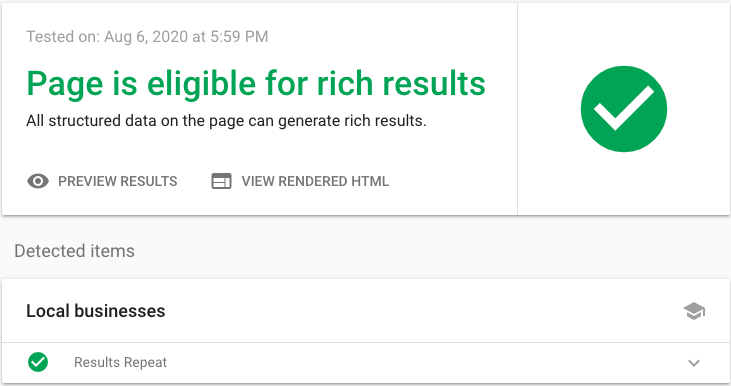
AI SEO Rich Result Testing refers to the automated process of validating and optimizing structured data markup to ensure eligibility for enhanced search engine results. These enhanced results include star ratings, product prices, recipe details, FAQ sections, and event information displayed directly in search pages. Traditional testing methods required manual schema inspection and Google’s Rich Results Test tool. AI-powered systems now automate this process with machine learning algorithms that predict how search engines will interpret markup.
The core function involves analyzing JSON-LD, Microdata, and RDFa formats against current search engine guidelines. AI systems continuously learn from algorithm updates, making them more accurate than static testing tools. They simulate Google’s rendering process, identify missing required properties, and suggest corrections before pages go live.
Why AI-Powered Testing Matters for SEO Success
Search engines now process over 90% of web pages through AI-driven ranking systems. Rich results provide immediate visual advantages in crowded SERPs, often doubling click-through rates. AI SEO Rich Result Testing ensures your structured data remains compatible with evolving algorithms. Without automated testing, websites risk losing eligibility for valuable enhanced listings after Google updates its requirements.
Manual testing becomes impractical at scale. Enterprise websites with thousands of product pages require continuous validation. AI systems test hundreds of URLs simultaneously, flagging issues in real-time. This proactive approach prevents traffic loss from invalid markup that search engines silently ignore.
The Evolution from Manual to AI-Driven Testing
Early structured data testing relied on Google’s Rich Results Test and Schema Markup Validator. These tools required manual URL submission and provided limited diagnostic information. The process was reactive, often discovering issues only after search performance declined.
Modern AI testing platforms integrate directly with content management systems and development workflows. They monitor schema changes automatically, test staging environments before deployment, and provide actionable recommendations. Machine learning models trained on millions of validated pages identify patterns that human testers miss.
Core Components of AI SEO Rich Result Testing Systems
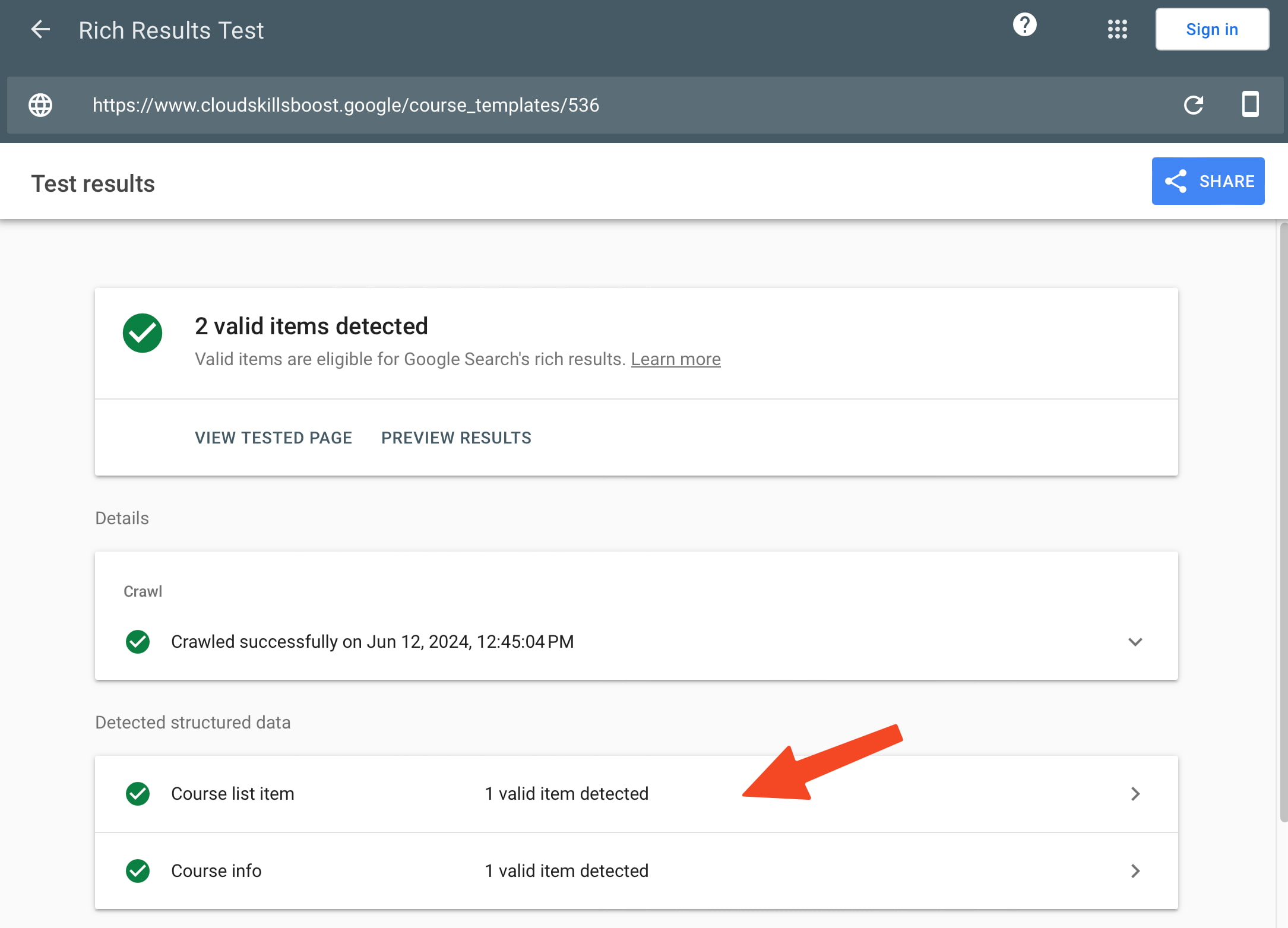
Understanding the technical architecture behind these systems helps marketers maximize their potential. Every AI testing platform consists of several integrated components working together.
Automated Schema Validation Engine
This engine parses structured data and compares it against Google’s official documentation. It checks for required properties, correct data types, and proper nesting. Advanced systems validate against multiple schema versions simultaneously, ensuring backward compatibility.
The validation engine also detects common errors like missing aggregateRating for products, incorrect date formatting for events, or invalid price specifications. Each error receives a severity rating based on its impact on rich result eligibility.
Machine Learning Prediction Models
These models analyze historical rich result performance data to predict future eligibility. They learn from thousands of successful and failed validation cases. The models identify subtle markup variations that influence whether Google displays enhanced results.
Predictive analytics help prioritize testing efforts. The system flags high-value pages likely to earn rich results, allowing teams to focus resources where they matter most. It also predicts which markup changes might trigger manual review or algorithmic penalties.
Rendering Simulation Technology
AI testing tools simulate how Googlebot renders JavaScript-heavy pages. This proves critical because many modern websites load structured data dynamically. The simulation executes JavaScript, waits for network requests, and captures the final DOM state for validation.
This technology catches issues invisible to static code analysis. It verifies that schema appears only after user interactions, confirms proper implementation of lazy-loaded content, and ensures single-page applications expose structured data correctly.
Key Benefits of Implementing AI SEO Rich Result Testing
Organizations adopting AI testing gain measurable advantages over competitors relying on manual processes. The benefits extend beyond simple validation to strategic search optimization.
- Increased Rich Result Approval Rates: AI systems achieve 95%+ first-pass approval rates compared to 60-70% for manual testing
- Faster Time-to-Market: Automated testing reduces schema implementation cycles from days to hours
- Comprehensive Coverage: Test every page, not just samples, ensuring no missed opportunities
- Continuous Monitoring: Detect issues immediately after algorithm updates or CMS changes
- Resource Optimization: Free technical SEO teams from repetitive validation tasks
- Competitive Intelligence: Some platforms analyze competitor markup strategies
- Combine AI with Human Expertise: AI identifies issues, but experienced SEO professionals interpret context and prioritize fixes
- Maintain Schema Documentation: Keep detailed records of implemented markup for troubleshooting and team training
- Stay Updated on Schema.org Releases: New schema types appear regularly; AI platforms may lag in supporting them
- Test in Staging Environments: Validate markup before production deployment to prevent user-facing errors
- Use Google’s Official Tools in Parallel: Cross-validate AI results with Google’s Rich Results Test for critical pages
Measurable Performance Improvements
Case studies from e-commerce platforms show average click-through rate increases of 30-45% after implementing AI-driven rich result optimization. Recipe websites report 50% more image-rich results. Local business directories see significant growth in review star displays.
These improvements translate directly to revenue. Higher CTR leads to more qualified traffic without additional advertising spend. Enhanced listings also build brand credibility, as users perceive rich results as endorsements from search engines.
Limitations and Challenges of AI Testing Systems

While powerful, AI SEO Rich Result Testing has constraints that practitioners must understand. Recognizing these limitations prevents over-reliance on automated systems.
Algorithm Update Lag
AI models require training data from real-world validation outcomes. After major Google algorithm updates, prediction accuracy temporarily decreases until models retrain. This lag period typically lasts 2-4 weeks, during which manual oversight remains essential.
False Positives and Negatives
No testing system perfectly replicates Google’s proprietary rendering and evaluation process. Some markup passes AI validation but fails in actual search results. Conversely, certain valid markup gets flagged incorrectly due to model limitations.
Cost Considerations
Enterprise-grade AI testing platforms require significant investment. Annual subscriptions range from $5,000 to $50,000 depending on page volume and features. Small businesses may find free tools sufficient for their needs.
AI SEO Rich Result Testing vs. Traditional Methods
Comparing approaches clarifies when to upgrade from manual testing. The table below highlights key differences across critical dimensions.
| Feature | Traditional Testing | AI-Powered Testing |
|---|---|---|
| Validation Speed | Minutes per URL | Milliseconds per URL |
| Scalability | Limited to sample testing | Full-site coverage |
| Error Detection | Basic syntax checks | Contextual and predictive analysis |
| Learning Capability | Static rule-based | Continuous machine learning |
| Integration | Manual workflow | CI/CD pipeline integration |
| Cost | Free to low-cost | Subscription-based |
Traditional methods still serve small websites with minimal schema needs. However, any site with more than 500 pages or dynamic content benefits substantially from AI automation.
Practical Implementation Guide for AI SEO Rich Result Testing
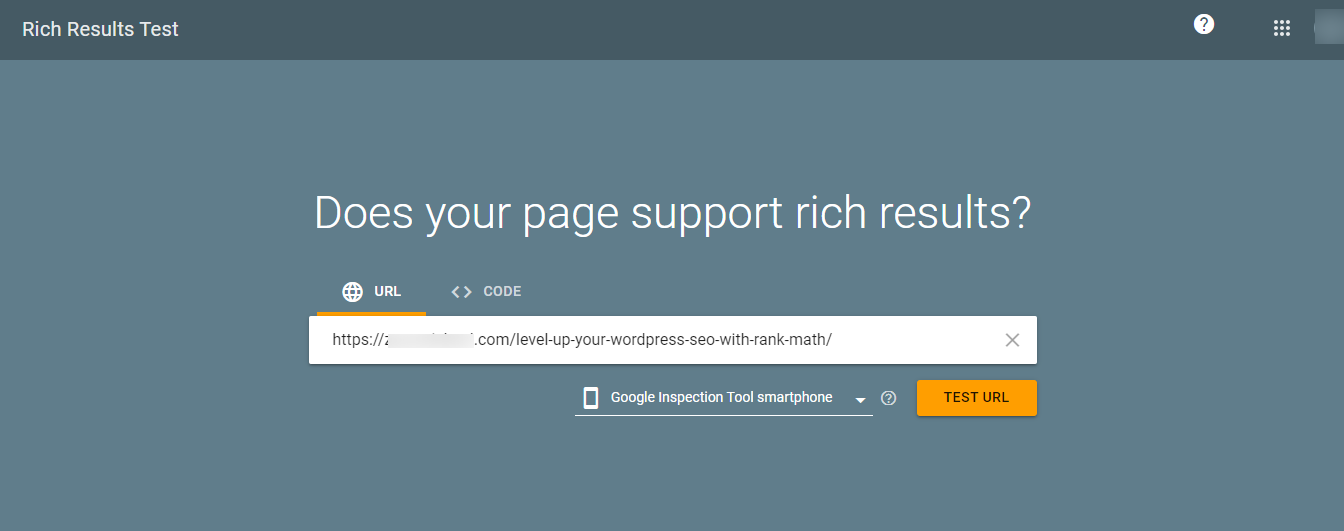
Implementing an AI testing workflow requires strategic planning. Follow this step-by-step approach to maximize results.
Step 1: Audit Current Structured Data
Begin by inventorying all existing schema markup across your website. Use crawling tools to identify pages with structured data, note the schema types used, and document current rich result performance in Google Search Console. This baseline helps measure improvement after AI implementation.
Step 2: Select the Right AI Testing Platform
Evaluate platforms based on your specific needs. Consider factors like supported schema types, integration options, reporting depth, and pricing. Request trials from multiple vendors to compare real-world performance on your actual pages.
Step 3: Configure Automated Testing Workflows
Set up continuous testing that triggers on content changes. Integrate the testing API with your CMS or development pipeline. Configure alerts for critical errors that require immediate attention. Establish thresholds for acceptable error rates.
Step 4: Prioritize High-Value Schema Types
Focus AI testing efforts on schema types that generate the most significant visual impact. Product schema for e-commerce, Recipe schema for food sites, Event schema for ticketing platforms, and FAQ schema for informational content typically deliver the highest ROI.
Step 5: Establish Monitoring and Reporting
Create dashboards tracking rich result impressions, clicks, and eligibility status over time. Monitor Google Search Console enhancements reports alongside AI platform data. Schedule monthly reviews to identify trends and adjust strategies.
Common Mistakes in AI SEO Rich Result Testing
Even with advanced tools, practitioners make avoidable errors that undermine results. Recognizing these mistakes improves testing effectiveness.
Ignoring Google’s Content Policies
AI testing validates technical correctness but cannot guarantee policy compliance. Google may reject rich results for content that violates guidelines, even with perfect markup. Ensure all structured data reflects visible, user-facing content.
Over-Optimizing with Irrelevant Schema
Adding excessive schema types to pages confuses search engines and may trigger spam detection. AI systems might validate technically correct but contextually inappropriate markup. Apply schema types that genuinely represent page content.
Neglecting Mobile-Specific Testing
Google primarily uses mobile rendering for indexing. Some AI platforms default to desktop simulation. Verify that testing configurations include mobile user agents and viewport settings to catch mobile-specific rendering issues.
Failing to Monitor Post-Deployment
Rich result eligibility changes after deployment due to algorithm updates or content modifications. Continuous monitoring catches these changes early. Set up automated weekly reports that flag any pages losing rich result status.
Important Notes for Maximizing AI Testing Value
Several operational considerations enhance the effectiveness of AI SEO Rich Result Testing programs.
Frequently Asked Questions About AI SEO Rich Result Testing
What is the difference between AI testing and Google’s Rich Results Test?
Google’s Rich Results Test is a free manual tool that validates single URLs on demand. AI testing platforms automate this process at scale, continuously monitor thousands of pages, and use machine learning to predict eligibility. AI systems also integrate with development workflows and provide historical trend analysis.
How often should AI SEO Rich Result Testing run?
Continuous testing is ideal for dynamic websites with frequent content updates. At minimum, run automated tests daily for high-priority pages and after any CMS or template changes. Weekly full-site scans catch issues from algorithm updates or third-party script modifications.
Can AI testing guarantee rich result appearance?
No tool can guarantee rich results because Google makes final rendering decisions using proprietary algorithms. AI testing maximizes eligibility by ensuring technical compliance, but content quality, user engagement, and policy adherence also influence outcomes.
Does AI SEO Rich Result Testing work for JavaScript-heavy websites?
Modern AI testing platforms include headless browser rendering that executes JavaScript before validation. This accurately simulates Googlebot’s rendering process. Choose platforms that explicitly support JavaScript rendering and test with multiple viewport configurations.
What schema types benefit most from AI testing?
Product, Review, Recipe, Event, FAQ, HowTo, and Article schema types benefit most due to their visual prominence in search results. These types also have complex validation requirements with many optional properties, making automated testing particularly valuable.
How does AI testing handle schema markup changes?
AI platforms track markup versions and compare changes against historical performance data. They flag modifications that might reduce rich result eligibility and suggest alternatives based on successful patterns from similar websites.
Conclusion
AI SEO Rich Result Testing represents an essential evolution in search optimization strategy. As search engines increasingly rely on artificial intelligence for ranking and display decisions, automated testing provides the accuracy and scalability that manual methods cannot match. Organizations implementing these systems gain significant competitive advantages through higher rich result approval rates, faster implementation cycles, and comprehensive coverage of their web properties.
The technology continues advancing rapidly, with emerging capabilities in natural language processing and predictive performance modeling. Early adopters position themselves to leverage these innovations as they mature. Start by auditing current structured data practices, evaluate AI testing platforms against specific needs, and implement continuous validation workflows. The investment in AI-powered testing delivers measurable returns through improved search visibility, higher click-through rates, and ultimately increased organic traffic and revenue.
Xem thêm:
- AI Rewrite Tool: The Ultimate Guide to Rewriting Content with Artificial Intelligence
- AI SEO H3 Optimization: The Complete Guide to Structuring Content for AI Search
- AI SEO Orphan Pages: The Hidden Ranking Killer and How to Fix It
- AI SEO for Ecommerce: The Complete Guide to Outranking Competitors in 2025
- AI SEO Frase: The Complete Guide to AI-Powered Content Optimization in 2025
Bài viết cùng chủ đề:

AI SEO SEO Automation with Make: The Complete Workflow Guide

AI SEO SEO Automation with Zapier: The Complete Workflow Guide

AI SEO SEO Automation with n8n: The Complete Workflow Guide
AI SEO SEO Automation with Gemini: The Complete Guide to Scaling Organic Growth

AI SEO SEO Automation with Claude: The Complete Guide to Scaling Content in 2025

AI SEO SEO Automation with ChatGPT: The Complete Playbook for 2025

AI SEO & SEO Automation for Affiliate Sites: The 2025 Playbook for Passive Income Growth
AI SEO & SEO Automation for Bloggers: The Complete Guide to Scaling Your Content

AI SEO & SEO Automation for Agencies: The Complete 2025 Playbook

AI SEO and SEO Automation for Ecommerce: The Complete Playbook for 2025

AI SEO & SEO Automation for WordPress: The Complete Playbook for 2025
AI SEO SEO Automation Strategy: The Complete Playbook for 2025

Mastering the AI SEO SEO Automation Process: A Complete Guide to Scaling Organic Growth
AI SEO SEO Automation System: The Complete Guide to Scaling Organic Growth in 2025
AI SEO SEO Automation Platform: The Complete Guide to Scaling Organic Growth in 2025
AI SEO SEO Automation Software: The Complete Guide to Scaling Organic Growth in 2025















