
No products in the cart.
AI SEO SEO Title Generator: The Complete Guide to Higher Click-Through Rates
10
Aug
Aug
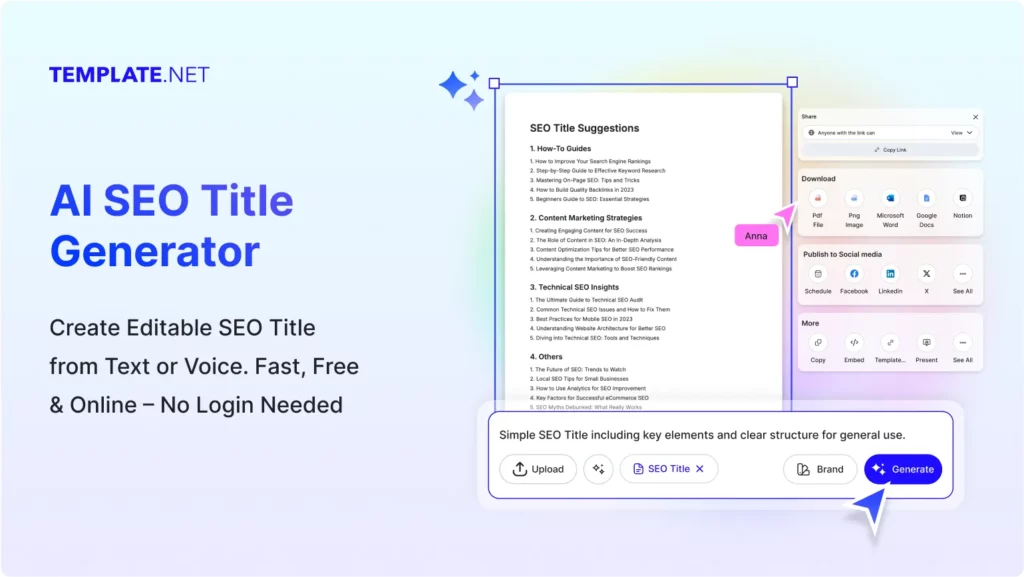
An AI SEO SEO Title Generator is a specialized tool that uses machine learning and natural language processing to create optimized page titles for search engines. These tools analyze top-ranking content, search intent, and user behavior patterns to generate titles that appeal to both algorithms and human readers. The best AI SEO SEO Title Generator solutions combine data from millions of search queries with linguistic models to produce headlines that drive organic traffic. This guide explores how these tools work, their benefits, and how to use them effectively for your content strategy.
What Is an AI SEO SEO Title Generator?
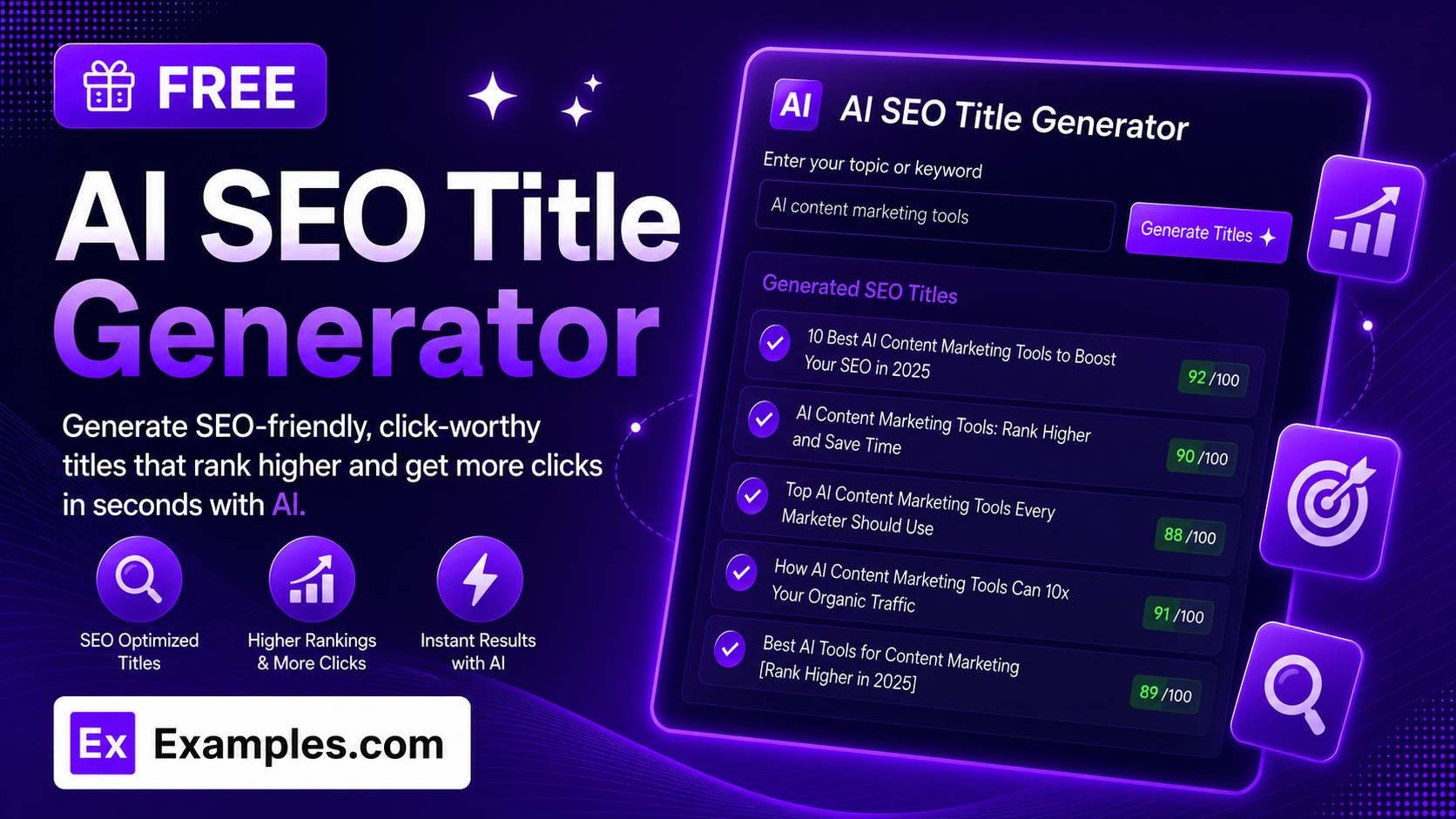
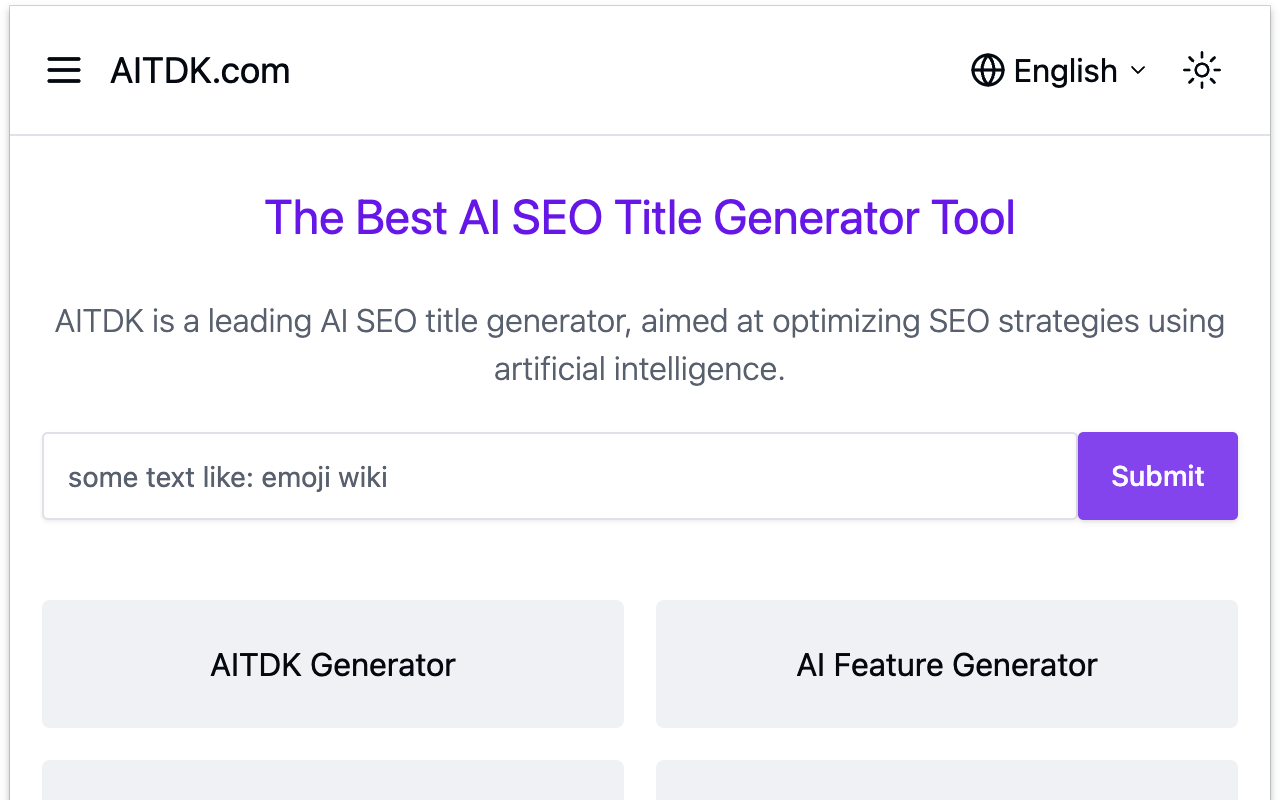
An AI SEO SEO Title Generator is a software application that automatically creates title tags for web pages. Unlike basic title generators that simply combine keywords, AI-powered versions understand context, search intent, and semantic relationships between words. They learn from vast datasets of high-performing content to identify patterns that lead to higher click-through rates.
These tools typically analyze several factors when generating titles:
- Keyword relevance and placement
- Character length and readability
- Emotional triggers and power words
- Competitor title patterns
- Search intent (informational, transactional, navigational)
- Brand voice and tone consistency
- Target keyword and secondary keywords
- Desired title length (typically 50-60 characters)
- Tone (professional, casual, authoritative, playful)
- Target audience demographics
- Content type (blog post, product page, video)
- Brand name inclusion preferences
- Does this accurately represent the content?
- Would a user click on this in search results?
- Does it include the target keyword naturally?
- Is it within the optimal length?
- Does it stand out from competitors?
The output is a set of title suggestions that you can refine and customize. Most tools provide multiple variations so you can choose the one that best fits your content and audience.
How Does an AI SEO SEO Title Generator Work?
Understanding the technology behind these tools helps you use them more effectively. The process involves several layers of artificial intelligence and data processing.
Natural Language Processing (NLP)
NLP allows the AI to understand the meaning behind words, not just match strings of text. The system breaks down your target keyword and identifies related concepts, synonyms, and contextual variations. This semantic understanding enables the generator to create titles that sound natural while remaining optimized for search.
Machine Learning Models
AI title generators are trained on millions of existing titles and their corresponding performance metrics. The models learn which title structures, word combinations, and lengths correlate with high click-through rates. Over time, the system refines its recommendations based on new data and emerging trends.
Search Engine Data Integration
Many advanced tools pull real-time data from search engine results pages (SERPs). They analyze the current top-ranking titles for your target keyword and identify gaps or opportunities. This competitive analysis helps generate titles that can outperform existing content.
User Behavior Signals
Some platforms incorporate user interaction data, such as dwell time, bounce rate, and social shares. This information helps the AI understand what types of titles resonate with actual readers, not just search engines.
Key Benefits of Using an AI SEO SEO Title Generator
Content creators and SEO professionals use these tools for several compelling reasons. The advantages extend beyond simple time savings.
Time Efficiency
Writing compelling titles manually takes time and mental energy. An AI generator produces dozens of options in seconds. This efficiency allows you to focus on creating quality content rather than agonizing over headline variations.
Data-Driven Decisions
Human intuition about titles is often wrong. AI tools base their suggestions on actual performance data from thousands of similar pages. This evidence-based approach reduces guesswork and increases the probability of success.
Consistency Across Content
Maintaining a consistent title style across your website strengthens brand recognition. AI generators can be configured to follow your preferred format, tone, and keyword placement rules, ensuring uniformity.
Overcoming Writer’s Block
Staring at a blank screen is a common struggle. AI-generated titles provide a starting point that sparks creativity. You can use the suggestions as-is or modify them to better fit your unique perspective.
Scalability
For agencies and content teams producing large volumes of articles, AI title generation scales effortlessly. You can generate titles for hundreds of pieces in a single session, streamlining your workflow.
Limitations and Challenges
While powerful, AI SEO SEO Title Generator tools have limitations that users must understand to avoid disappointment.
Lack of Brand Nuance
AI models may not fully grasp your brand’s unique voice, humor, or industry-specific jargon. Generated titles can sometimes feel generic or disconnected from your established identity.
Over-Optimization Risk
Some tools produce titles that are too keyword-heavy, resulting in awkward phrasing. Search engines penalize unnatural language, and users find such titles off-putting.
Data Limitations
The quality of AI suggestions depends on the training data. If the model lacks sufficient examples from your niche, the generated titles may miss the mark. Niche industries with specialized terminology often require manual adjustments.
No Guarantee of Rankings
Even the best title cannot guarantee top search rankings. Many other factors influence SEO performance, including content quality, backlinks, page speed, and user experience. Titles are just one piece of the puzzle.
AI SEO SEO Title Generator vs. Traditional Methods
Comparing AI-powered generation with manual title writing and basic template-based tools clarifies the value proposition.
| Feature | AI Generator | Manual Writing | Template Tools |
|---|---|---|---|
| Speed | Very fast (seconds) | Slow (minutes to hours) | Fast |
| Data Integration | Extensive (SERP, behavior) | Limited to writer knowledge | Minimal |
| Creativity | Moderate | High | Low |
| Customization | High (configurable) | Complete | Limited |
| Learning Capability | Yes (improves over time) | Yes (human learning) | No |
| Cost | Subscription or per-use | Time cost | Often free |
Each approach has its place. Many professionals combine AI generation with manual refinement to achieve the best results.
Practical Guide: How to Use an AI SEO SEO Title Generator Effectively
Following a structured process maximizes the value you get from these tools.
Step 1: Define Your Target Keyword and Intent
Before using any generator, clarify your primary keyword and the search intent behind it. Are users looking for information, comparing products, or ready to purchase? Your title should reflect this intent. For example, a transactional keyword like “buy running shoes” requires a different title approach than an informational keyword like “how to choose running shoes.”
Step 2: Input Context and Parameters
Provide the AI with as much context as possible. Many tools allow you to specify:
The more parameters you set, the more relevant the generated titles will be.
Step 3: Generate Multiple Variations
Do not settle for the first suggestion. Generate at least 10-20 title options. The best AI tools provide a diverse range of styles, from question-based titles to list-style headlines to benefit-driven statements.
Step 4: Evaluate and Refine
Review the generated titles critically. Ask yourself:
Modify the best options to better fit your brand voice or add specific details that the AI may have missed.
Step 5: Test and Iterate
Use A/B testing when possible. Publish different titles for similar content and track click-through rates. Over time, you will learn which title patterns work best for your specific audience and niche.
Common Mistakes When Using AI Title Generators
Many users fail to get good results because they make avoidable errors. Recognizing these pitfalls improves your outcomes.
Blindly Copying AI Suggestions
Using generated titles without review is a major mistake. AI tools are aids, not replacements for human judgment. Always read the title aloud and consider whether it makes sense in context.
Ignoring Character Limits
Search engines truncate titles that exceed approximately 60 characters. A truncated title looks unprofessional and may lose key information. Always check the length of generated titles and shorten them if necessary.
Keyword Stuffing
Some users force multiple keywords into a single title, creating awkward, unnatural phrasing. This practice harms readability and can trigger search engine penalties. Choose one primary keyword and at most one secondary keyword per title.
Neglecting the Human Element
Titles must appeal to humans first and search engines second. If a title sounds robotic or confusing, users will not click, regardless of keyword optimization. Prioritize clarity and emotional appeal.
Using the Same Format for Every Page
Variety matters. If every title follows the same pattern, your content looks monotonous in search results. Use different title structures for different types of content.
Important Notes for Maximizing Title Performance
Beyond using an AI generator, several best practices enhance title effectiveness.
Front-Load Keywords
Place the most important keyword near the beginning of the title. Users and search engines pay more attention to the first words. This placement also ensures visibility even if the title gets truncated.
Use Numbers and Data
Titles with specific numbers tend to attract more clicks. “7 Ways to Improve SEO” outperforms “Ways to Improve SEO.” Data points add credibility and set expectations.
Include Power Words
Words like “ultimate,” “essential,” “proven,” “exclusive,” and “step-by-step” trigger emotional responses. Use them sparingly and only when they accurately describe the content.
Match Search Intent
If users search for “how to” content, your title should clearly indicate a guide or tutorial. If they search for product comparisons, use words like “vs.” or “best.” Mismatched intent leads to high bounce rates.
Consider Brand Recognition
For established brands, including your brand name in titles builds trust. For new brands, it may be better to focus on keywords and value propositions first.
Frequently Asked Questions
What is the ideal title length for SEO?
The optimal title length is between 50 and 60 characters. This range ensures that the full title displays in search results without truncation. However, longer titles can work if the most important information appears in the first 60 characters. Mobile search results may display fewer characters, so front-loading keywords remains critical.
Can an AI SEO SEO Title Generator replace human copywriters?
No. AI generators are powerful tools, but they lack the creativity, brand understanding, and contextual awareness of skilled human writers. The best approach is collaboration: use AI for initial drafts and data insights, then have humans refine and personalize the output.
How many title variations should I generate?
Generate at least 10 to 15 variations per piece of content. This volume provides enough diversity to find a strong option. For high-value pages, consider generating 20 or more and testing the top contenders.
Do AI-generated titles rank better than manually written ones?
Not necessarily. AI-generated titles are based on data patterns, which increases the probability of good performance. However, a well-crafted manual title that perfectly captures the content and audience can outperform AI suggestions. The key is using AI to inform your decisions, not dictate them.
Are there free AI SEO SEO Title Generator tools?
Yes, several free options exist with limited features. These are suitable for basic needs and testing. Paid tools typically offer more advanced features like SERP analysis, competitor tracking, and integration with other SEO platforms. Start with free tools to understand the technology, then upgrade if needed.
How often should I update my page titles?
Review your titles periodically, especially for underperforming pages. If a page has good content but low click-through rates, updating the title can improve performance. Major algorithm updates or changes in search trends may also warrant title refreshes.
Conclusion
An AI SEO SEO Title Generator is a valuable asset in any content marketer’s toolkit. These tools leverage machine learning and vast datasets to produce titles that balance keyword optimization with user appeal. While they do not replace human creativity, they significantly enhance efficiency and provide data-backed direction.
To achieve the best results, integrate AI generation into a broader SEO strategy. Define clear search intent, provide detailed context to the tool, review and refine suggestions, and test different variations over time. Avoid common pitfalls like keyword stuffing and blind copying. Remember that titles are just one element of SEO success, but they are a critical one for driving clicks and engagement.
Start with a reliable AI title generator, experiment with different settings, and track your performance metrics. The insights you gain will help you refine your approach and consistently produce titles that capture attention and deliver results.
Xem thêm:
- AI SEO Trends 2026: The Strategies That Will Define Search Next Year
- AI SEO for Niche Sites: The 2025 Playbook for Dominating Small Markets
- AI SEO Templates: Build a Smarter, Faster Search Strategy With Automated Workflows
- AI SEO SEO Automation with Zapier: The Complete Workflow Guide
- Open Source AI SEO Tools: The Complete Blueprint for Data-Driven Search Visibility
Bài viết cùng chủ đề:

AI SEO SEO Automation with Make: The Complete Workflow Guide

AI SEO SEO Automation with Zapier: The Complete Workflow Guide

AI SEO SEO Automation with n8n: The Complete Workflow Guide
AI SEO SEO Automation with Gemini: The Complete Guide to Scaling Organic Growth

AI SEO SEO Automation with Claude: The Complete Guide to Scaling Content in 2025

AI SEO SEO Automation with ChatGPT: The Complete Playbook for 2025

AI SEO & SEO Automation for Affiliate Sites: The 2025 Playbook for Passive Income Growth
AI SEO & SEO Automation for Bloggers: The Complete Guide to Scaling Your Content

AI SEO & SEO Automation for Agencies: The Complete 2025 Playbook

AI SEO and SEO Automation for Ecommerce: The Complete Playbook for 2025

AI SEO & SEO Automation for WordPress: The Complete Playbook for 2025
AI SEO SEO Automation Strategy: The Complete Playbook for 2025

Mastering the AI SEO SEO Automation Process: A Complete Guide to Scaling Organic Growth
AI SEO SEO Automation System: The Complete Guide to Scaling Organic Growth in 2025
AI SEO SEO Automation Platform: The Complete Guide to Scaling Organic Growth in 2025
AI SEO SEO Automation Software: The Complete Guide to Scaling Organic Growth in 2025















