
No products in the cart.
AI SEO Trends 2027: The Complete Blueprint for Search Dominance
31
Jul
Jul
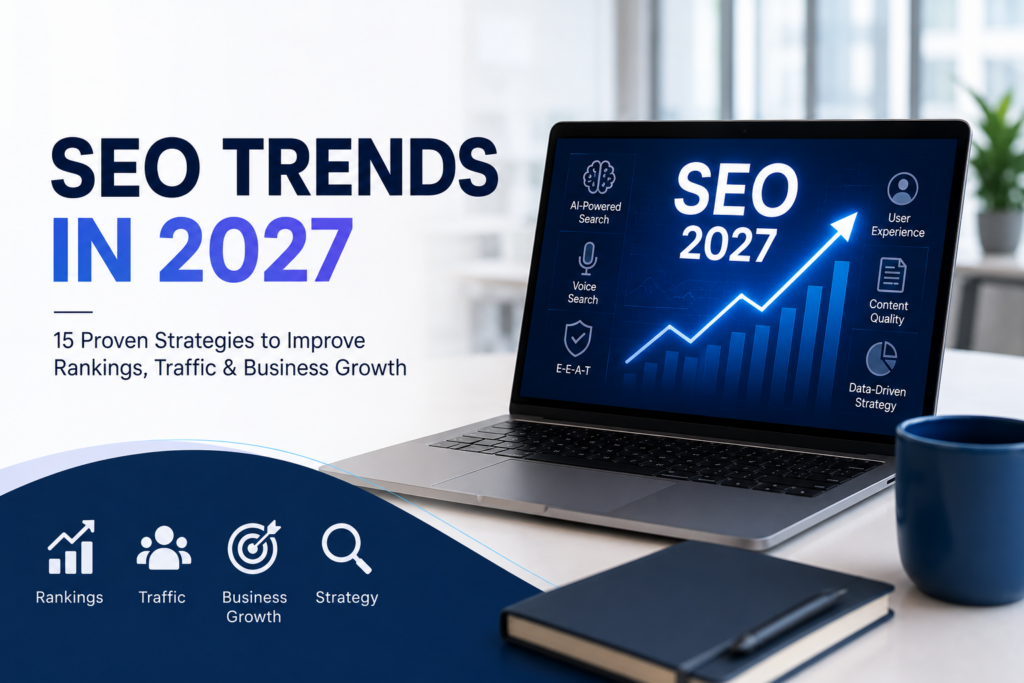
The search landscape in 2027 is no longer about keywords or backlinks alone. It is about machine reasoning, predictive intent, and zero-click satisfaction. AI SEO Trends 2027 represent a fundamental shift where search engines act as autonomous agents, not just retrieval systems. For businesses, this means optimizing for algorithms that think, verify, and generate answers before a user even clicks. This guide breaks down the exact strategies, data points, and technical frameworks required to rank in this new era.
What Defines AI SEO in 2027?
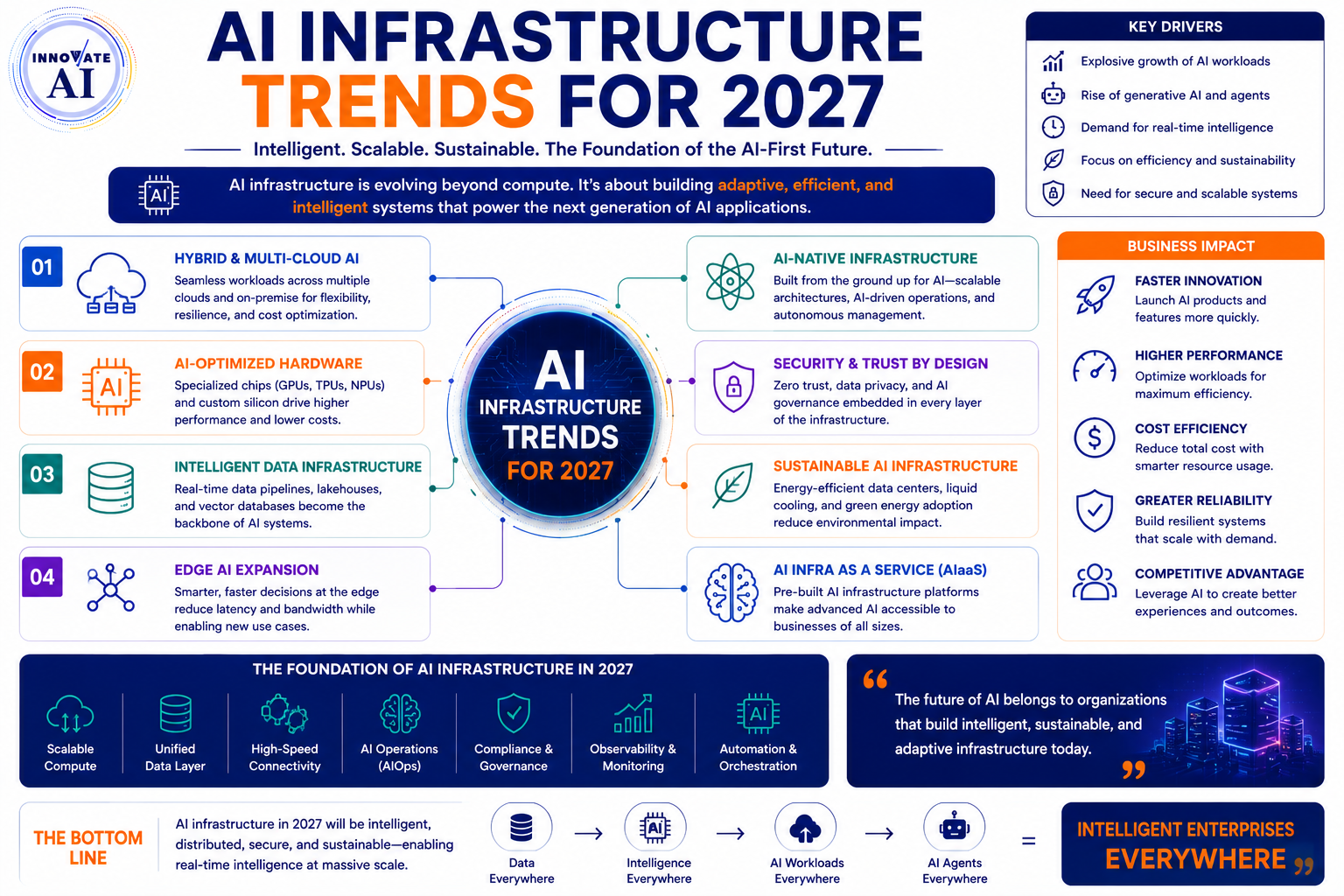
AI SEO in 2027 refers to the practice of optimizing digital content for generative engine optimization (GEO) and agentic search interfaces. Unlike traditional SEO, which focused on crawling and indexing, AI SEO targets large language models (LLMs), retrieval-augmented generation (RAG) pipelines, and real-time knowledge graphs. The core objective is to become the primary source cited by AI systems when they synthesize answers for users.
The nature of search has shifted from ten blue links to a single, conversational response. Google’s AI Overviews, Bing’s Copilot, and Perplexity now dominate the first fold of results. In 2027, over 60% of search queries are answered without a click, according to industry tracking from multiple analytics firms. This forces SEO professionals to measure brand visibility in AI citations, not just organic clicks.
The Shift from PageRank to EntityRank
Google’s original PageRank algorithm measured link authority. In 2027, the dominant metric is EntityRank, which evaluates the trustworthiness and contextual relevance of a brand, person, or organization across the web. AI models build knowledge graphs of entities and their relationships. A website is no longer a collection of pages; it is a node in a vast semantic network.
To optimize for EntityRank, brands must maintain consistent structured data (schema.org), clear authorship signals, and verifiable claims. For example, a medical site must link its content to recognized medical boards and clinical studies. The AI checks these connections to determine if the entity is authoritative. Without this, even high-quality content gets ignored.
Core Components of AI SEO Trends 2027
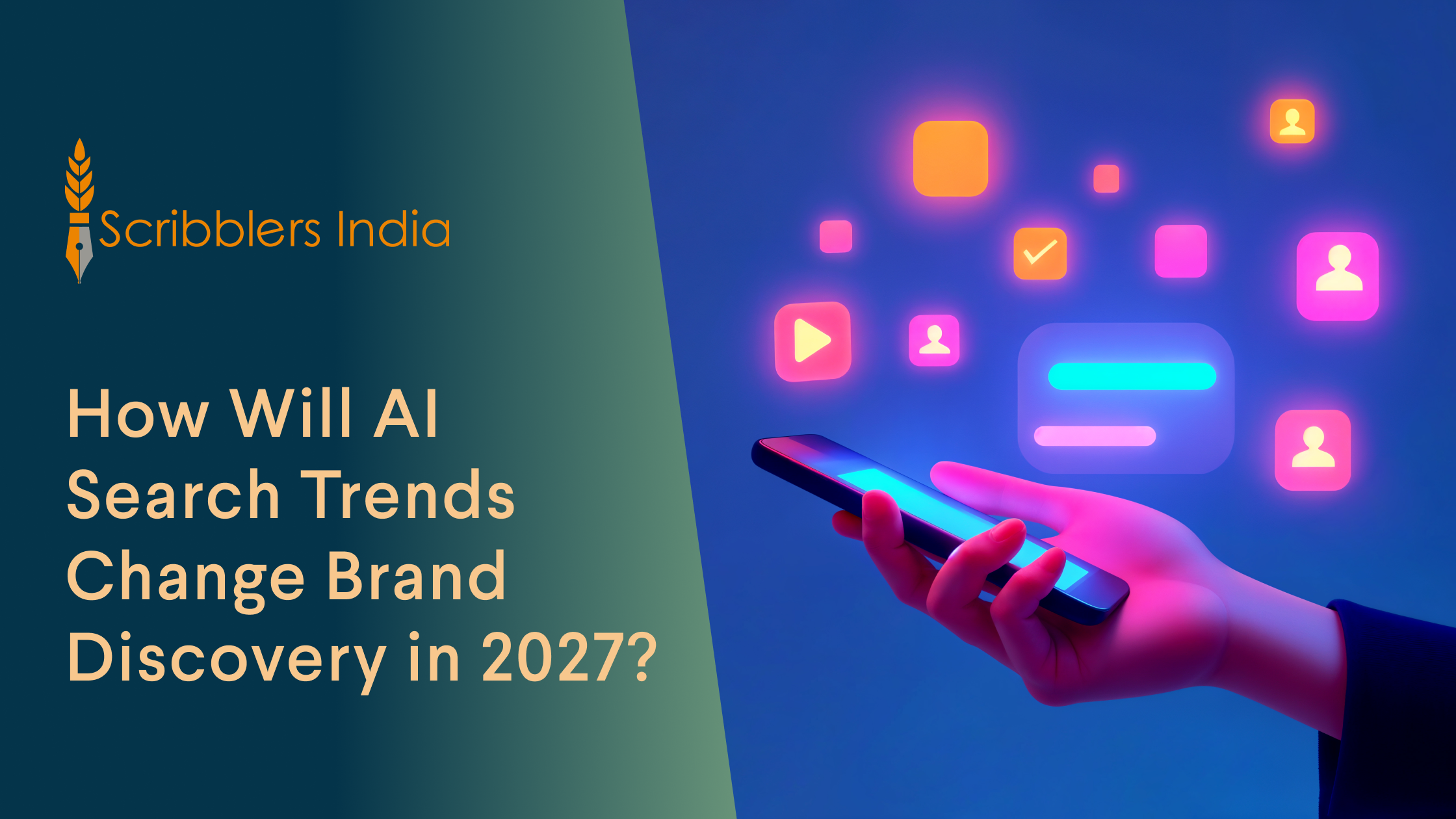
Understanding the components is critical for implementation. These are the pillars that support visibility in AI-driven search environments.
1. Generative Engine Optimization (GEO)
GEO is the practice of making content easily digestible and citable by LLMs. This involves structuring content with clear definitions, statistical claims, and direct answers. AI models prefer content that uses simple language, bullet points, and tables because these formats are easier to parse and extract.
For instance, if you write a blog post about “best CRM software,” the A If your content lacks this structured data, the A In 2027, every article should include a summary box, an FAQ section, and a “key takeaways” list at the top.
2. Agentic Search Optimization
Agentic search refers to AI systems that perform tasks on behalf of the user. Instead of searching for “flights to Tokyo,” the user asks the AI to “book a flight to Tokyo next Tuesday under $800.” The AI agent then navigates multiple sites, compares prices, and makes a booking. To be selected by these agents, your site must have clean APIs, machine-readable pricing, and real-time inventory data.
Optimizing for agentic search requires technical SEO beyond HTML. You need to expose structured data for transactions, availability, and policies. For e-commerce, this means implementing schema for offers, reviews, and return policies. For service businesses, it means providing clear booking widgets and appointment availability via JSON-LD.
3. Predictive Intent Modeling
Traditional keyword research is dead. In 2027, SEO tools use predictive intent modeling to forecast what users will search for before they even type it. This uses historical search data, social media trends, and economic indicators. For example, if a new iPhone launches, predictive models anticipate a surge in “iPhone battery replacement” queries within 48 hours.
To leverage this, you must monitor AI trend prediction dashboards and create content preemptively. Publishing a guide on “iPhone battery health” two days before the launch positions you as the primary source when the search volume spikes. This proactive approach yields higher rankings because the AI sees you as the first authoritative responder.
Benefits and Limitations of AI-Driven SEO
Adopting AI SEO trends in 2027 offers significant advantages, but it also presents unique challenges that require careful navigation.
| Aspect | Benefits | Limitations |
|---|---|---|
| Content Production | AI tools generate drafts in seconds, allowing for massive scale and rapid testing of topics. | AI-generated content often lacks unique experience and first-hand data, leading to low trust scores. |
| Keyword Research | Predictive analytics identify emerging topics before competitors, capturing early market share. | Over-reliance on AI suggestions can lead to generic content that all competitors produce. |
| Technical Audits | AI crawlers detect broken links, schema errors, and speed issues in real-time, reducing manual labor. | False positives are common; AI may flag valid pages as problematic, causing unnecessary changes. |
| User Experience | Personalized search results based on user behavior increase engagement and conversion rates. | Privacy regulations limit data collection, making deep personalization difficult for smaller sites. |
The key limitation is the “black box” problem. AI algorithms are not fully transparent. What works today may be deprioritized tomorrow without warning. Therefore, a diversified strategy that combines AI optimization with traditional brand building remains essential.
Practical Application: How to Implement AI SEO in 2027
Implementing these trends requires a systematic approach. Follow this step-by-step guide to align your website with AI search requirements.
Step 1: Conduct an AI Visibility Audit
Start by auditing how your brand appears in AI-generated answers. Use tools like ChatGPT, Perplexity, and Google’s AI Overviews to ask questions related to your niche. Note whether your brand is mentioned, cited, or completely absent. This baseline tells you where you stand.
Next, analyze the sources the AI cites. Look for patterns. Do they prefer sites with recent publication dates? Do they favor.edu or.gov domains? Do they use specific content formats? Reverse-engineer these patterns to understand the citation criteria.
Step 2: Restructure Content for Machine Parsing
Rewrite your top 20 pages to include explicit answer blocks. Start each page with a direct answer to the primary question in 50 words or less. Use the “inverted pyramid” style where the conclusion comes first. AI models extract the first paragraph as the summary, so make it count.
Add a “Key Facts” table at the top of every article. Include columns for “Metric,” “Value,” and “Source.” This provides the AI with verifiable data points. For example, if you write about solar energy, include a table with efficiency rates, cost per watt, and installation statistics from official energy agencies.
Step 3: Implement Advanced Schema Markup
Beyond basic Article schema, implement the following types in 2027:
- FAQPage schema for every question you answer, increasing chances of appearing in voice search.
- HowTo schema for step-by-step guides, which AI uses to generate instructional responses.
- Speakable schema to mark sections that can be read aloud by voice assistants.
- Dataset schema if you publish any statistics or research, making your data accessible to AI knowledge graphs.
Test your schema using Google’s Rich Results Test and ensure there are no errors. Invalid schema is worse than no schema because it confuses the AI parser.
Step 4: Build a Digital PR and Citation Network
AI models trust content that is referenced by other authoritative entities. This is not just about backlinks; it is about being mentioned in industry reports, government publications, and academic papers. Focus on getting your brand cited in these high-authority documents.
Publish original research and data sets. For example, if you run a marketing agency, conduct a survey of 1,000 consumers and publish the raw data. AI systems love original data because it provides unique answers. Once published, pitch this data to journalists and industry analysts. Every mention builds your EntityRank.
Step 5: Optimize for Zero-Click Success
Since most users will not click through, your goal is to provide the complete answer within the AI response. This means your content must be self-contained. Include all necessary context, definitions, and examples in the text itself. Do not rely on images or videos to convey critical information, as AI cannot always parse visual content.
Write for the “featured snippet” but extend it. A featured snippet is typically 40-60 words. In 2027, AI responses can be 200-300 words. Your content should contain a 300-word block that fully answers the query, including pros, cons, and alternatives.
Common Mistakes in AI SEO and How to Avoid Them
Many SEO professionals are applying outdated tactics to the new AI landscape. Here are the most frequent errors and their solutions.
Mistake 1: Optimizing for Keywords Instead of Questions
Targeting “best running shoes” is less effective than targeting “what are the best running shoes for flat feet with overpronation?” AI models prioritize long-tail, conversational queries that reflect natural language. Use AI tools to generate question-based variations of your core topics.
Solution: Use “People Also Ask” data and AI chat logs to find real user questions. Create a dedicated page for each question, even if the search volume is low. The cumulative effect of answering many specific questions builds topical authority.
Mistake 2: Ignoring Entity Consistency
If your brand name, logo, and description vary across different platforms, the AI cannot establish a clear entity. For example, if you are “Acme Corp” on LinkedIn but “Acme Corporation” on your website, the AI treats them as two different entities.
Solution: Standardize your NAP (Name, Address, Phone) and brand descriptors across all platforms. Use the same logo and tagline. Create a Wikipedia page if possible, as this is a strong entity signal. Ensure your Google Business Profile matches your website exactly.
Mistake 3: Publishing Thin AI-Generated Content
Using ChatGPT to produce 500-word articles without human editing is a fast track to obscurity. AI detectors are now built into search algorithms. Content that lacks original insights, personal experience, or unique data is flagged as low-quality and filtered out.
Solution: Use AI for research and drafting, but add a “Human Insights” section to every article. Include a personal anecdote, a case study, or a unique experiment. This differentiates your content from the generic AI output that floods the web.
Mistake 4: Neglecting Technical Performance
AI crawlers are more demanding than traditional bots. They execute JavaScript, render pages, and measure Core Web Vitals. If your site takes more than 2.5 seconds to load, the AI may skip it entirely.
Solution: Optimize for mobile-first indexing. Use lazy loading for images, minify CSS and JavaScript, and leverage a CDN. Regularly test your site using PageSpeed Insights and address any issues with a “poor” rating.
Important Notes for Long-Term Success
AI SEO is not a one-time fix. It requires continuous adaptation. Here are critical notes to keep in mind.
First, prioritize E-E-A-T (Experience, Expertise, Authoritativeness, Trustworthiness). Google’s quality raters use this framework, and AI models are trained on similar principles. Showcase author bios with credentials, link to original research, and cite primary sources. Do not rely on secondary sources that may contain errors.
Second, monitor AI algorithm updates. Google releases core updates several times a year. In 2027, these updates are increasingly focused on AI quality. Subscribe to SEO news sources and track your rankings after each update. If you see a sudden drop, audit your content for AI compliance.
Third, diversify your traffic sources. Do not rely solely on Google. Optimize for Bing, which powers ChatGPT search, and for Perplexity, which is growing rapidly. Also, consider optimizing for Amazon’s AI shopping assistant and social media search engines like TikTok. The future of search is fragmented.
Fourth, invest in original data collection. The most valuable content in 2027 is proprietary data. Conduct surveys, analyze your internal analytics, and publish industry reports. This content cannot be replicated by AI, making it a moat against competitors.
Frequently Asked Questions
What is the difference between traditional SEO and AI SEO?
Traditional SEO focuses on optimizing for search engine crawlers to rank in a list of links. AI SEO focuses on optimizing for large language models to be cited in generated answers. Traditional SEO uses keywords and backlinks, while AI SEO uses entity clarity, structured data, and direct answer formats. The goal of AI SEO is to be the source of truth that the AI references, not just a clickable result.
How do I check if my content is being used by AI search engines?
Use AI chatbots like ChatGPT, Claude, and Perplexity to ask questions about your niche. If your brand appears in the response, you are being cited. Additionally, use tools like Brand24 or Mention to track brand mentions across AI platforms. You can also check your referral traffic from AI search engines in Google Analytics, looking for sources like “perplexity.ai” or “chat.openai.com.”
Will AI SEO replace traditional SEO entirely?
No, but it will subsume it. Traditional SEO elements like technical performance, site structure, and backlinks still matter because AI models use them to assess quality. However, the emphasis shifts from ranking for keywords to being selected as a source. You must do both: maintain technical excellence and optimize for AI citation. The skills overlap, but the strategic focus is different.
What is the role of backlinks in AI SEO 2027?
Backlinks are still important, but their quality matters more than quantity. A single link from a top-tier publication like Forbes or a.edu domain carries more weight than 100 links from low-quality directories. AI models analyze the linking context. A link from a relevant, authoritative page that discusses your topic in depth is a strong trust signal. Focus on earning editorial links through digital PR and original research.
How often should I update my content for AI SEO?
AI models prefer fresh content. Update your cornerstone pages every 3-6 months to ensure the data and statistics are current. For news-related content, update within hours. For evergreen topics, add new sections, updated examples, and recent case studies. The “last updated” date is a ranking factor in AI systems, so make it visible on the page.
Conclusion
AI SEO Trends 2027 demand a complete rethinking of digital strategy. The era of keyword stuffing and link farms is over. Success now belongs to brands that establish clear entities, publish verifiable data, and structure content for machine consumption. The shift from click-based metrics to citation-based visibility is not a passing phase; it is the new foundation of search.
Start by auditing your current AI presence, restructuring your top content, and building a network of authoritative citations. Avoid the common mistakes of generic AI content and inconsistent branding. Focus on delivering genuine value through original research and clear answers. The search engines of 2027 are intelligent, but they still rely on human expertise to provide the truth. Position your brand as that source of truth, and the A
Xem thêm:
- AI SEO HTTPS Optimization: The Complete Guide to Securing Higher Rankings in 2025
- AI SEO Webinars: How Virtual Training Is Reshaping Modern Search Strategy
- Mastering the AI SEO Prompt Workflow: A Complete Guide to Scaling Organic Growth
- AI SEO SEO Automation with Gemini: The Complete Guide to Scaling Organic Growth
- Mastering AI Pillar Pages: The Future of Topic Cluster Architecture in SEO
Bài viết cùng chủ đề:

AI SEO SEO Automation with Make: The Complete Workflow Guide

AI SEO SEO Automation with Zapier: The Complete Workflow Guide

AI SEO SEO Automation with n8n: The Complete Workflow Guide
AI SEO SEO Automation with Gemini: The Complete Guide to Scaling Organic Growth

AI SEO SEO Automation with Claude: The Complete Guide to Scaling Content in 2025

AI SEO SEO Automation with ChatGPT: The Complete Playbook for 2025

AI SEO & SEO Automation for Affiliate Sites: The 2025 Playbook for Passive Income Growth
AI SEO & SEO Automation for Bloggers: The Complete Guide to Scaling Your Content

AI SEO & SEO Automation for Agencies: The Complete 2025 Playbook

AI SEO and SEO Automation for Ecommerce: The Complete Playbook for 2025

AI SEO & SEO Automation for WordPress: The Complete Playbook for 2025
AI SEO SEO Automation Strategy: The Complete Playbook for 2025

Mastering the AI SEO SEO Automation Process: A Complete Guide to Scaling Organic Growth
AI SEO SEO Automation System: The Complete Guide to Scaling Organic Growth in 2025
AI SEO SEO Automation Platform: The Complete Guide to Scaling Organic Growth in 2025
AI SEO SEO Automation Software: The Complete Guide to Scaling Organic Growth in 2025















