
No products in the cart.
Mastering AI Pillar Pages: The Future of Topic Cluster Architecture in SEO

29
Jul
Jul
The landscape of content strategy is undergoing a seismic shift, and at its heart lies the concept of AI pillar pages. Gone are the days when a pillar page was merely a long-form article. Today, an AI pillar page represents the intelligent, dynamic core of a topic cluster, built, optimized, and refined using artificial intelligence. This approach bridges the gap between exhaustive topical authority and the relentless demand for fresh, relevant content, empowering brands to dominate search results while genuinely serving user intent. By harnessing machine learning, natural language processing, and predictive analytics, SEO professionals can now construct content hubs that learn, adapt, and scale in ways that were previously unimaginable.
What Exactly Is an AI Pillar Page?
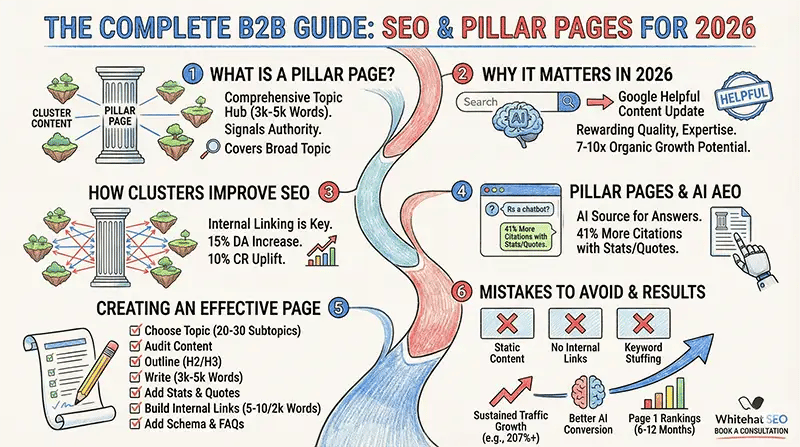
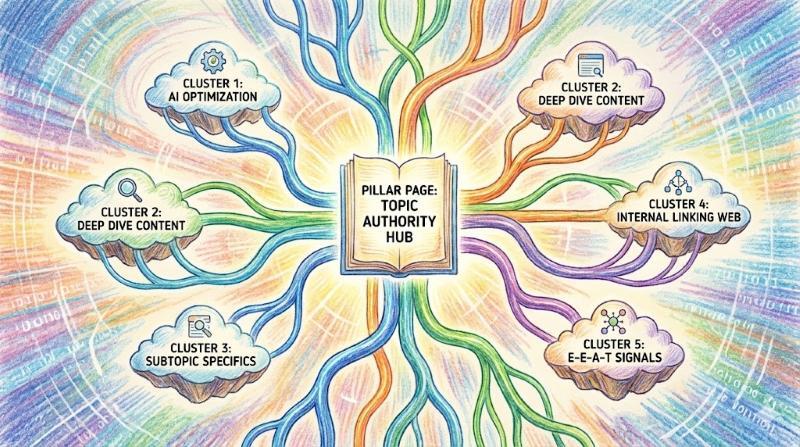
An AI pillar page is a comprehensive, authoritative resource that leverages artificial intelligence tools throughout its lifecycle—from initial topic modeling and content generation to continuous optimization and internal link management. It sits at the apex of a topic cluster, with cluster pages linking to and from it, signaling to search engines that the site covers a particular subject in depth. The crucial distinction is that AI does not just assist in writing; it shapes the entire architecture of the pillar. AI platforms analyze vast datasets of search queries, competitor content, and user behavior to define the exact subtopics that need to be addressed, the semantic relationships between entities, and the most effective content structure. The result is a pillar page that is not only thoroughly researched but also dynamically aligned with how search engines understand and rank the topic.
Unlike manually constructed pillar pages that rely on a content strategist’s intuition, AI pillar pages are grounded in quantitative evidence. They integrate thousands of keyword variations, related questions, and entity associations to build a content blueprint that leaves no topical gap. Once the draft is generated, AI assists in internal linking by suggesting precise anchor text and priority cluster pages, ensuring the link equity flows logically. Post-publication, AI monitors performance metrics—time on page, bounce rate, scroll depth, featured snippet ownership—and recommends real-time updates. This transforms the pillar page into a living asset, continuously adapting to algorithm changes and evolving user intent.
The Anatomy of an AI-Powered Pillar Page
Topic Discovery and Semantic Modeling
Every effective AI pillar page begins with topic discovery driven by machine learning. Advanced AI tools crawl the top-ranking pages for a head term and break down the content into its constituent entities, concepts, and questions. They map out a knowledge graph that reveals what users expect from a comprehensive guide. The AI then clusters these elements into logical sections and suggests the optimal heading hierarchy. This ensures the pillar page mirrors the semantic structure that search engines like Google expect, increasing the likelihood of capturing a broad set of long-tail queries.
AI-Generated Content Drafts
Once the blueprint is set, AI writing assistants produce a first draft. Far from being a simple auto-generated article, these drafts are informed by the semantic model, incorporating precise terminology, related LSI keywords, and even competitor tone analysis. The AI can generate sections that address subtopics such as definitions, statistics, step-by-step processes, and case studies, all while maintaining a coherent narrative. The output is a structurally sound, topic-rich foundation that a human editor can then refine for brand voice, unique insights, and E-E-A-T signals.
Internal Linking and Cluster Architecture
AI excels at optimizing the web of internal links that connect a pillar page to its cluster. Tools analyze the site’s existing content and identify which articles match each subtopic section. They then recommend exact anchor text and the number of contextual links needed to strengthen the pillar’s authority without cannibalizing rankings. Some AI systems even automate the insertion of deep links when new cluster content is published, keeping the pillar page’s relevance fresh. This automated link management is a cornerstone of an effective AI pillar page strategy, as it maintains the tight semantic relationships that modern search algorithms reward.
Continuous Performance Optimization
After publication, the role of AI shifts to monitoring. Algorithms track user engagement metrics, search console data, and keyword fluctuations. If a particular section of the pillar page is underperforming or if a new subtopic is gaining traction in search results, the AI can flag it for revision or even suggest updated paragraphs. This continuous loop of analysis and refinement ensures the pillar page never becomes stale. Some platforms enable dynamic content insertion, where the AI updates the page with the latest statistics, trends, or examples in real time, keeping the resource perpetually current.
Comparing Traditional Pillar Pages to AI Pillar Pages
| Aspect | Traditional Pillar Page | AI Pillar Page |
|---|---|---|
| Topic Research | Manual keyword research, competitor scanning, intuition | AI-driven topic modeling, entity extraction, predictive gap analysis |
| Content Creation | Human writing from briefs, often time-consuming | AI-generated first draft based on semantic blueprints, human editing for nuance |
| Internal Linking | Manually planned, often inconsistently applied | Automated link suggestions and insertion, continuously optimized by algorithm |
| Scalability | Limited by writing resources and editorial bandwidth | Highly scalable; multiple pillar pages can be produced and refreshed in parallel |
| Semantic Depth | Relies on writer’s ability to cover related concepts | Systematically covers all semantically related entities, reducing content gaps |
| Content Freshness | Manual updates, often irregular | AI-monitored performance triggers, dynamic content updates possible |
The Strategic Benefits of Implementing AI Pillar Pages
Dramatically Improved Topical Authority
Search engines evaluate a website’s authority on a subject by how comprehensively it addresses core and adjacent topics. An AI pillar page leaves no stone unturned. By analyzing thousands of related queries and subtopics, AI ensures that the pillar page covers the entire topic landscape. This makes it easier for the site to earn rankings not only for the head term but for hundreds of related long-tail keywords, often capturing multiple featured snippets and “People also ask” results. The dense, interlinked cluster signals to Google that the domain is a legitimate authority, positively impacting the entire site’s E-E-A-T profile.
Unprecedented Content Efficiency and Scale
Crafting a 10,000-word pillar page manually can take weeks. AI reduces that timeline to days. The ability to generate a comprehensive, structurally sound draft in hours allows content teams to focus on adding value—integrating original data, expert quotes, and brand-specific case studies—rather than building the basic skeleton. This efficiency is a game-changer for agencies managing multiple clients or large enterprises with dozens of topic areas. A single strategist can oversee the creation of several AI pillar pages simultaneously, dramatically accelerating the content flywheel.
Data-Driven Content That Matches User Intent
Human assumptions about what users want can be flawed. AI pillar pages are built on exact user intent signals extracted from search data. The headings, subtopics, and even the tone are shaped by analyzing the top-performing content for the target keywords. This reduces guesswork and leads to content that satisfies the seeker’s needs more completely. The result is higher dwell time, lower bounce rates, and stronger conversion metrics because the page delivers precisely what the user searched for at each stage of their journey.
Enhanced Internal Link Equity Distribution
AI’s ability to map content relationships and suggest precise internal links ensures that link equity flows efficiently through the cluster. Instead of relying on a generic “related articles” widget, every mention of a subtopic within the pillar page can link directly to the corresponding cluster article with optimized anchor text. This creates a clean, SEO-boosting structure that helps crawlers discover and index content faster while giving users a seamless navigation experience. Over time, the interconnected network reinforces the authority of every page in the cluster.
Critical Limitations and Potential Pitfalls

- Quality and originality risks: AI-generated content can sometimes feel generic or lack the unique storytelling that distinguishes a brand. A heavy reliance on AI without human editorial oversight may produce a pillar page that regurgitates competitor content instead of offering fresh perspectives.
- E-E-A-T compliance challenges: Google’s emphasis on experience, expertise, authoritativeness, and trustworthiness means that purely AI-generated pages may fall short if they lack demonstrated first-hand experience or credible author bios. A human expert must inject personal insights, case studies, and verifiable credentials.
- Content decay without human checks: AI monitoring can recommend updates, but if those updates are automatically implemented without human review, factual errors or tone inconsistencies can creep in. The pillar page could gradually drift away from the brand voice.
- Over-optimization and keyword stuffing: Some AI tools prioritize keyword density over natural flow. Without careful prompt engineering and editing, the page may appear unnaturally optimized, triggering search engine penalties.
- Tool dependency and cost: Building optimized AI pillar pages often requires subscriptions to multiple advanced platforms (SurferSEO, MarketMuse, Jasper, etc.). For smaller teams, the combined cost can be prohibitive, and an over-reliance on a single tool can create a fragile workflow.
- Neglecting the human touch: Publishing AI-generated content with minimal editing is the fastest way to erode trust. Always allocate significant editing time to infuse the page with genuine experience and brand personality.
- Ignoring page experience signals: Even the most semantically perfect pillar page will fail if it loads slowly or is not mobile-friendly. AI can optimize on-page text but cannot fix Core Web Vitals. Ensure your technical SEO is solid.
- Creating orphan pages: An AI pillar page must be part of a cluster. If you publish the pillar without linking out to dedicated subpages, you lose the cluster benefits. Use AI tools to confirm that every mentioned subtopic has a corresponding link.
- Choosing the wrong topic breadth: If the pillar topic is too narrow, it will not generate enough subtopic content for a cluster. If it is too broad, the page becomes an unfocused encyclopedia. AI topic modeling can help find the right balance.
- Failing to update the AI model: AI tools evolve. The prompts or training data that worked six months ago may produce outdated structures now. Regularly revisit your process and refine the prompts based on new algorithmic trends.
A Step-by-Step Guide to Building Your First AI Pillar Page
1. Define Your Core Topic and Cluster Strategy
Start with a broad topic that is central to your business and has significant search volume. Use an AI-driven keyword research tool like Semrush’s Topic Research or Ahrefs’ Content Gap analysis to identify the parent topic and its associated subtopics. A Select a head term that will serve as the focal point of your AI pillar page. Ensure there are enough related subtopics to populate a meaningful cluster of 10–30 supporting articles.
2. Generate an AI-Powered Content Blueprint
Feed your core topic into an AI content intelligence platform such as MarketMuse or Frase. The tool will analyze the top 20 search results and produce a detailed outline that includes mandatory headings, subtopics, media suggestions, and target keyword counts. It will also provide a list of semantically related terms and entities. Use this blueprint as the foundation—do not skip any section unless you have a solid strategic reason. The blueprint reflects the topic coverage that search engines expect from an authoritative pillar.
3. Produce the AI-Assisted First Draft
Select an AI content generator that integrates with your research tool or allows you to input the blueprint directly. Instruct the AI to write each section according to your guidelines, using the specified tone and including the provided key terms. You can generate the entire draft in one pass or tackle it section by section for better control. The goal is to produce a complete, well-structured article that covers every facet of the topic. At this stage, do not obsess over perfection—focus on breadth and correctness.
4. Inject Human Expertise and E-E-A-T Signals
The raw AI output is now a canvas. Apply a rigorous human editorial layer: add original statistics, expert quotes, personal anecdotes, and proprietary insights. Introduce a detailed author bio with credentials. Incorporate unique visual elements like custom diagrams, infographics, or video embeds. This step is non-negotiable for maintaining authenticity and trustworthiness. The final content must feel as though an industry expert wrote it, not a machine. Also, trim any filler or repetitive passages that AI often generates.
5. Implement AI-Optimized Internal Linking
Upload the near-final pillar page and your existing cluster content to an internal linking tool like Link Whisper or the AI features within Yoast SEO Premium. Let the tool scan the text and automatically suggest anchor text and target pages for deep links. Manually verify each suggestion to ensure relevance. The internal linking structure should create a dense, natural web that guides both users and crawlers. As you publish new cluster articles, revisit the pillar page to add fresh links, maintaining its status as the living hub.
6. Publish, Monitor, and Iterate with AI Insights
After publishing, connect the pillar page to Google Search Console and an AI analytics overlay like BrightEdge or Conductor. Monitor which subsections gain the most impressions, clicks, and engagement. Set up AI alerts for when the page drops in rankings for a key term or when a new competitor piece surpasses you in depth. Use these insights to schedule updates. A quarterly refresh using the original AI blueprint—re-analyzing the SERP to see if new subtopics have emerged—will keep the pillar page evergreen and dominant.
Common Mistakes When Deploying AI Pillar Pages and How to Avoid Them

Key Considerations for Long-Term Success
An AI pillar page strategy is not a one-time project but an ongoing operational model. Invest time in training your team to collaborate with AI: the role of the content strategist shifts from writer to curator and optimizer. Develop a library of tested AI prompts tailored to your industry to maintain consistency. Also, stay current with AI search features like Google’s Search Generative Experience. As AI-generated answers appear directly in search results, your pillar page must go beyond what a simple AI snippet can provide, offering deeper analysis, interactive tools, and exclusive data that only a human-first, AI-enhanced approach can deliver.
Another important note is data ownership. When using external AI platforms, be aware of how your data is handled. For highly sensitive industries, consider proprietary AI models or enterprise-grade tools that guarantee data privacy. The foundational content you feed into AI tools often improves its output quality, so treat your proprietary data as a competitive asset.
Frequently Asked Questions About AI Pillar Pages

What exactly is an AI pillar page in SEO?
An AI pillar page is a central, comprehensive resource on a broad topic that uses artificial intelligence for its research, writing, internal linking, and continuous optimization. It forms the hub of a topic cluster, with AI ensuring the content covers all relevant subtopics and semantically related entities, while automating many of the technical SEO tasks that maintain its authority over time.
How does AI improve the effectiveness of pillar page content?
AI improves pillar page effectiveness by analyzing top-performing competitor content and user intent data to generate a complete content blueprint. It identifies missing subtopics, suggests optimal heading structures, ensures comprehensive keyword coverage, and automates internal linking. Post-publication, AI monitors performance and recommends updates, which keeps the page relevant and helps it maintain high rankings.
Can an AI pillar page rank without human editing?
While an AI-generated pillar page might rank temporarily, it is unlikely to sustain high positions without human editing. Search engines value experience, expertise, authoritativeness, and trustworthiness (E-E-A-T), which require human input—such as original insights, verifiable facts, and genuine brand voice. A purely AI page often lacks these signals and is at risk of being perceived as low-value or unoriginal.
What are the best AI tools for creating pillar pages?
Several tools excel at different stages. MarketMuse and SurferSEO are strong for content intelligence and semantic modeling. Jasper and Copy.ai assist with generating the first draft. Frase combines research with writing. For internal linking, Link Whisper and the AI features in Yoast are valuable. The best approach often combines a content intelligence platform with a writing assistant and a site audit tool.
How often should an AI pillar page be updated?
An AI pillar page should be reviewed at least quarterly. Use AI analytics to track keyword rankings and content decay. If a page drops in traffic or new competitor pieces emerge, a more immediate update is warranted. Some advanced teams use AI to dynamically refresh small sections, like statistics and dates, monthly, while conducting a full content overhaul every six to twelve months.
Does Google penalize AI-generated pillar pages?
Google does not penalize content solely because it was generated by AI. It does, however, penalize low-quality, spammy, or unoriginal content that fails to demonstrate E-E-A-T. If an AI pillar page is carefully edited to include expert insights, original research, and a genuine human perspective, it can rank very well. The crucial factor is the value delivered to the user, not the creation tool.
The Evolution of Content Authority Through AI-Driven Hubs
The integration of artificial intelligence into pillar page development is not a passing trend; it represents the maturation of content strategy. By taking over the laborious tasks of research, structural optimization, and link management, AI frees human experts to focus on what machines cannot replicate: nuanced analysis, personal experience, and creative storytelling. This symbiotic relationship produces AI pillar pages that are deeper, more accurate, and infinitely more scalable than anything the industry has built before. Sites that embrace this methodology will be rewarded with sustained organic visibility, resilient authority, and an audience that trusts them as the definitive source on a topic. The future belongs to those who build living, learning content hubs—and the AI pillar page is the blueprint for that future.
Xem thêm:
- AI SEO AI Search Monitoring: The Complete Guide to Tracking Your Brand in the Age of Generative Engines
- The 2024 AI SEO Glossary: 50+ Must-Know Terms for Search Professionals
- AI SEO AI Overview Citations: The Complete Guide to Winning Google’s AI Search
- AI SEO AnswerThePublic: The Complete Guide to Smarter Content Research
- OpenAI SEO: The Ultimate Guide to AI-Powered Search Optimization
Bài viết cùng chủ đề:

AI SEO SEO Automation with Make: The Complete Workflow Guide

AI SEO SEO Automation with Zapier: The Complete Workflow Guide

AI SEO SEO Automation with n8n: The Complete Workflow Guide
AI SEO SEO Automation with Gemini: The Complete Guide to Scaling Organic Growth

AI SEO SEO Automation with Claude: The Complete Guide to Scaling Content in 2025

AI SEO SEO Automation with ChatGPT: The Complete Playbook for 2025

AI SEO & SEO Automation for Affiliate Sites: The 2025 Playbook for Passive Income Growth
AI SEO & SEO Automation for Bloggers: The Complete Guide to Scaling Your Content

AI SEO & SEO Automation for Agencies: The Complete 2025 Playbook

AI SEO and SEO Automation for Ecommerce: The Complete Playbook for 2025

AI SEO & SEO Automation for WordPress: The Complete Playbook for 2025
AI SEO SEO Automation Strategy: The Complete Playbook for 2025

Mastering the AI SEO SEO Automation Process: A Complete Guide to Scaling Organic Growth
AI SEO SEO Automation System: The Complete Guide to Scaling Organic Growth in 2025
AI SEO SEO Automation Platform: The Complete Guide to Scaling Organic Growth in 2025
AI SEO SEO Automation Software: The Complete Guide to Scaling Organic Growth in 2025















