
No products in the cart.
The Ultimate AI SEO Workflow for Freelancers: Boost Efficiency and Rankings
29
Jul
Jul
For solo marketers and independent consultants, time is the most valuable currency. An AI SEO workflow for freelancers transforms scattered manual tasks into a streamlined, data-driven system that scales your output without scaling your hours. Rather than replacing expertise, artificial intelligence acts as a tireless assistant that handles repetitive research, surfaces hidden keyword opportunities, and accelerates content optimization—all while you focus on strategy and client relationships.
What Is an AI SEO Workflow for Freelancers?
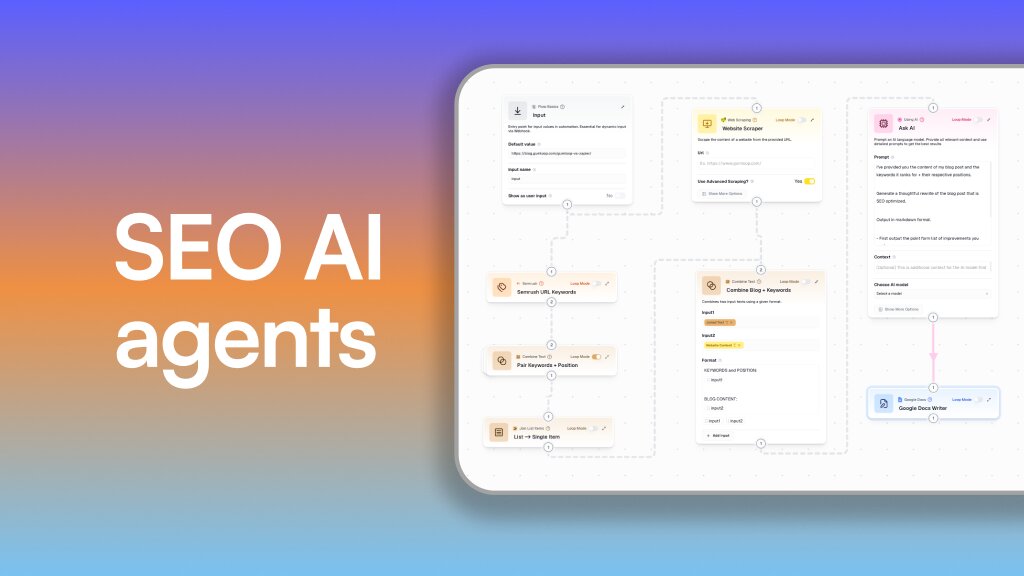
An AI SEO workflow is a systematic sequence of search engine optimization tasks where machine learning models and natural language processing tools automate or augment key steps. For a freelancer, this means integrating software that can analyze SERP patterns, generate content briefs, audit technical health, and even predict ranking shifts—all within a coherent daily routine. The core principle is not handing over the reins to algorithms but creating a symbiosis where human creativity and judgment are amplified by computational speed.
Unlike enterprise teams that deploy complex, code-heavy martech stacks, a freelancer’s version focuses on lean toolchains accessible via browser or API. These often include an AI writing assistant, a semantic keyword clusterer, an automated rank tracker with anomaly detection, and a reporting layer that turns data into client-ready narratives. The workflow covers the full SEO lifecycle: discovery, planning, execution, measurement, and iteration, all tightened by intelligent automation.
Why Freelancers Need an AI-Powered SEO Workflow
The traditional freelance SEO model suffers from bottlenecks. Manual keyword research can consume six to eight hours for a single project, and technical audits are often postponed due to complexity. AI removes these friction points, enabling freelancers to serve more clients or deliver higher-quality work within the same retainers. The real advantage lies in speed-to-insight: an AI crawler can detect a declining URL pattern in minutes, while a human might need days.
Benefits extend beyond productivity. AI tools reduce the cognitive load of sifting through thousands of data points, minimizing oversight. They also level the competitive field—independent consultants can now access the same entity recognition and intent classification that large agencies use. The outcome is sharper strategies, data-backed pitches, and faster project turnarounds that often surprise clients accustomed to lengthy timelines.
Limitations to Keep in Mind
No AI tool fully grasps brand voice nuance without careful prompting. T Additionally, some automated reports may misinterpret seasonal fluctuations as alarming trends, so human interpretation remains essential. Freelancers must treat AI as a decision-support system, not a decision-maker. Over-reliance on one platform can also create vulnerability if its algorithm changes or the service discontinues.
Core Components of an AI-Driven SEO Workflow
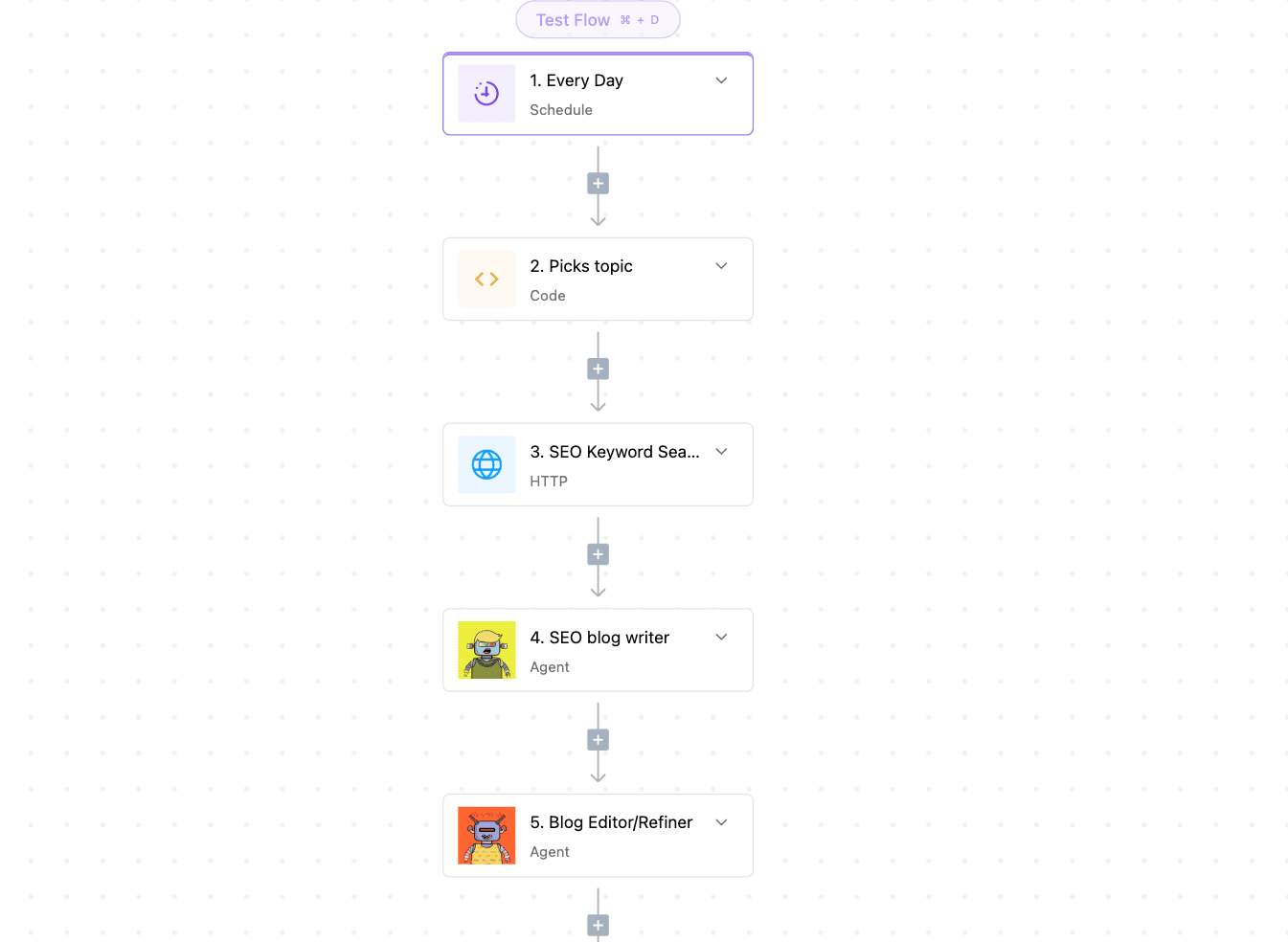
Breaking down the workflow reveals four interconnected layers, each with specific AI capabilities. Understanding these components helps freelancers select the right tools and design a cohesive process rather than a patchwork of disconnected automation.
- Research & Intelligence Layer: Semantic keyword discovery, competitor gap analysis, and SERP intent classification. AI models parse search engine results to identify content patterns, entity relationships, and ranking correlations that manual scanning misses.
- Content Strategy & Creation Layer: Machine-generated briefs, first-draft writing, and real-time optimization scoring. Tools here analyze top-performing pages and suggest structure, word count, and topical coverage needed to compete.
- Technical Health Layer: Automated crawls with AI-powered issue prioritization, log file analysis, and JavaScript rendering diagnostics. This layer flags problems by severity and even suggests code-level fixes for common errors.
- Reporting & Insights Layer: Natural language generation for client updates, anomaly detection in traffic and rankings, and causal analysis connecting actions to results. Instead of dry spreadsheets, you get narrative summaries that clients understand.
- Blindly Trusting AI Outputs: Generative AI can hallucinate statistics, cite non-existent sources, or confidently assert outdated information. Always fact-check every claim. Use AI to assemble, but verify with primary data.
- Neglecting Prompt Engineering: A vague prompt yields vague content. Invest time in crafting detailed prompts that include target audience, brand guidelines, and structural requirements. Iteratively refine prompts based on output quality.
- Ignoring E-E-A-T Signals: Pure AI content often lacks first-hand experience, trust signals, and author credibility. Layer in original research, client testimonials, author bios, and real-life examples to meet Google’s quality thresholds.
- Over-Optimizing for a Single AI Tool’s Score: Chasing a perfect optimization score can lead to unnatural keyword stuffing. Use scores as directional guidance, not absolute targets. Read the content aloud to ensure it flows naturally.
- Skipping the Human Audit Step: AI-generated code scripts for technical fixes may contain errors. Review all automated recommendations before implementation, especially on live client sites.
Step-by-Step AI SEO Workflow for Freelancers
This practical blueprint moves from initial discovery through ongoing optimization. Each phase leverages specific AI capabilities, and the tools mentioned represent categories; freelancers can substitute equivalent solutions based on budget and preference.
Phase 1: Intelligent Keyword and Market Discovery
Start by feeding a seed topic into an AI keyword tool like Semrush’s Keyword Magic Tool with intent filters or Ahrefs’ AI-powered suggestions. Instead of building a flat list, the AI clusters semantically related terms into topic hubs, distinguishing informational, commercial, and transactional intent. For example, for a client offering online bookkeeping courses, the AI groups “small business bookkeeping basics” (info) separately from “best online bookkeeping certification” (commercial), revealing a clear content map.
Combine this with an AI SERP analyzer that examines top 10 results for each cluster, extracting average word count, heading structure, and featured snippet formats. The tool highlights content gaps where the top pages are thin or outdated, giving you a precise target list. This phase reduces discovery time from a full day to under an hour.
Phase 2: AI-Assisted Content Planning and Briefing
With topic clusters defined, use an AI brief generator like Frase or Surfer SEO. These tools analyze top competitors and output a comprehensive brief including mandatory keywords, LSI terms, recommended headings, question subheadings to capture People Also Ask boxes, and even suggested external resource links. The brief ensures every piece you write—or assign to a writer—aligns with what Google already rewards.
Add a layer of Google Natural Language API or similar entity extraction to verify your brief covers the entities (people, places, concepts) that authoritative pages in the niche mention. A freelancer who merely stuffs keywords overlooks entity salience; AI enforces topical completeness.
Phase 3: Content Creation and On-Page Optimization
For first drafts, integrate a long-form AI writer like Claude or ChatGPT with your brand guidelines. Pro tip: feed the tool your detailed brief plus three examples of the client’s preferred tone, then generate section by section with human editing. AI drafts a solid skeleton faster than any blank page, but the freelancer’s role is to inject original insights, case studies, and a unique voice that prevents the content from feeling synthetic.
After drafting, run the text through an on-page optimizer. Surfer or PageOptimizer Pro uses NLP to compare your content against top-performing pages and gives a real-time optimization score. It suggests exact places to insert missing terms, adjust header hierarchy, or strengthen E-E-A-T signals. The tool ensures your content is primed for ranking without guesswork.
Phase 4: Technical SEO Audits with AI Prioritization
Traditional crawling tools produce massive lists of issues; AI prioritizes them by impact. Use DeepCrawl or Sitebulb with AI hints that correlate technical factors with traffic potential. The workflow: schedule a weekly crawl, and let the AI flag only high-priority items like newly orphaned pages, sudden mobile usability drops, or core web vital regressions. Many platforms now offer automated fix recommendations—for example, a script to add missing canonical tags—that you can implement directly or hand to a developer with clear instructions.
For e-commerce clients, AI-driven log file analysis reveals exactly how Googlebot spends crawl budget, identifying wasted resources on faceted URLs or thin parameter pages. This used to be a complex, consultant-only task; now AI distills it into a simple optimization checklist.
Phase 5: Link Building and Off-Page Signals
AI transforms prospecting from manual scraping to intelligent matchmaking. Tools like Pitchbox or BuzzStream with AI layers analyze your target page, then scan the web for topically relevant, high-authority sites that have linked to similar resources. The AI even rates a prospect’s link equity and suggests a personalized outreach template based on the site’s recent content. Instead of 50 cold emails a day, a freelancer can send 15 highly relevant, AI-informed pitches with a higher conversion rate.
Additionally, AI monitors backlink profiles for toxic links using Respona or similar, alerting you to suspicious spikes. Disavow file creation, once tedious, is now semi-automated: the AI evaluates each link’s risk and generates the file for minimal manual review.
Phase 6: Automated Reporting and Insight Communication
Clients often don’t need raw data; they need stories. AI reporting platforms like Looker Studio with ChatGPT connector or Whatagraph ingest ranking data, traffic changes, and conversion metrics, then generate a paragraph explaining, “Organic traffic grew 22% this month, driven by the updated pricing page which gained 5 new backlinks and improved average position from 8.2 to 3.4.” Freelancers configure triggers, and the AI crafts client-ready narrative summaries.
Anomaly detection is another AI superpower. Automated systems watch for unexpected drops and instantly run a root cause analysis: algorithm update, technical glitch, or seasonality. You can proactively reach out to a client before they even notice the dip, positioning yourself as a vigilant partner.
AI SEO Workflow Stages Recap
| Phase | Traditional Approach | AI-Enhanced Approach | Time Saved |
|---|---|---|---|
| Keyword Research | Manual spreadsheet building, manual intent guesswork | AI cluster analysis, intent auto-classification, gap detection | Up to 75% |
| Content Briefing | Manually scanning top 10 SERPs | AI-generated briefs with entities, headings, word count benchmarks | Up to 80% |
| On-Page Optimization | Subjective checklists, trial and error | Real-time NLP scoring, specific insertion recommendations | Up to 60% |
| Technical Audit | Huge unfiltered crawl exports | Prioritized issues with fix scripts, log analysis insights | Up to 70% |
| Link Prospecting | Manual search operators, low personalization | AI topical matching, template personalization, risk scoring | Up to 65% |
Common Mistakes When Implementing AI in SEO and How to Avoid Them
Even seasoned freelancers stumble when integrating AI. Recognizing these pitfalls early preserves credibility and results.
Important Notes for Freelancers Using AI SEO
Data privacy and client confidentiality are paramount. When using cloud-based AI tools, ensure you are not inadvertently uploading sensitive client information into a public model training set. Choose platforms with enterprise-grade privacy policies, and consider using local LLM models for proprietary data. Always inform clients transparently about your AI usage—position it as a productivity enhancer, not a secret crutch. Many clients appreciate modern workflows when framed correctly.
Stay current with search engine guidelines. Google’s stance on AI-generated content continues to evolve; the current acceptance is for high-quality, helpful content regardless of production method, but manipulative, scaled AI spam is penalized. Your workflow should prioritize usefulness over volume. Regularly audit your own AI output for distinctiveness: if every piece sounds like it came from the same template, refine your prompts for more variation.
Finally, invest in continuous learning. AI tools update frequently, and new entrants disrupt the market. Devote two hours monthly to testing new features or platforms. The freelancers who thrive are those who treat the AI SEO workflow as a living system, not a static setup.
Frequently Asked Questions
Which AI tools are best for an SEO freelancer’s workflow?
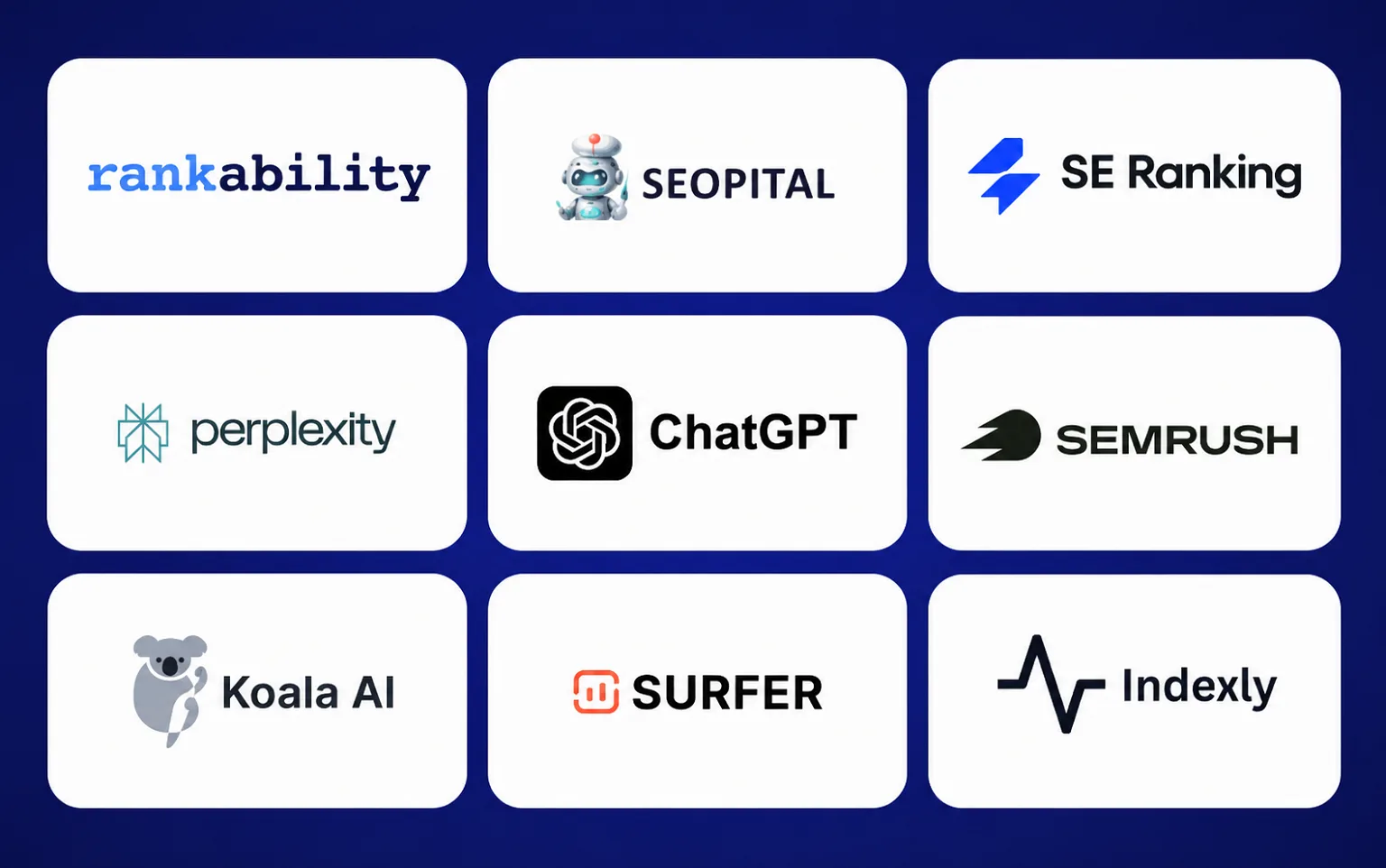
A practical stack includes a keyword and competitor research suite (Semrush, Ahrefs, or Mangools for budget setups), an NLP on-page optimizer (Surfer SEO or Frase), a long-form AI writer (Claude or ChatGPT), a technical crawler with AI hints (Sitebulb), and a reporting layer (Looker Studio with automated connectors). Many freelancers start with an all-in-one platform like NeuronWriter or SE Ranking that integrates content and monitoring, then expand as needed.
Can AI completely replace manual SEO tasks for freelancers?
Not entirely. AI excels at data aggregation, pattern recognition, and first-draft generation, but it cannot replace strategic creativity, genuine relationship building for link outreach, or nuanced brand voice adaptation. The most effective workflow uses AI for the heavy lifting, freeing freelancers to focus on high-impact decisions and client communication that require human intuition.
How do I maintain content originality when using AI writing tools?
Use AI for the skeleton and research synthesis, then heavily edit to inject personal anecdotes, unique data, case studies, and an authentic tone. Employ plagiarism detectors like Originality.ai as a final check. Additionally, provide the AI with proprietary material—previous client reports, internal notes—so the output incorporates real-world experience rather than generic web-sourced phrasing.
Does an AI SEO workflow help with local SEO for freelance clients?
Absolutely. AI tools can automate local keyword discovery including “near me” variations, auto-populate Google Business Profile posting schedules, analyze review sentiment to identify improvement areas, and even scan local competitor citation gaps. Platforms like BrightLocal with AI-driven audit features make local SEO workflows significantly more efficient for freelancers managing multiple small business clients.
What is the biggest risk of relying on AI for SEO reporting?
Misinterpretation of data due to over-automation. An AI report might attribute a traffic dip to a known algorithm update, when in reality a client accidentally noindexed a key page. Always include a manual sanity check before sending reports. AI narrative generation is a starting point, not a finished analysis.
Conclusion
An AI SEO workflow for freelancers is no longer a luxury; it is the operational backbone that separates thriving consultants from those struggling with capacity. By weaving intelligent automation through research, content, technical SEO, and reporting, you multiply your effectiveness while maintaining the human insight that clients truly value. The freelancers who adopt this systematic, AI-augmented approach will not only meet the growing demands of the industry but also reclaim time for strategic thinking and creative growth—the very reasons many chose to freelance in the first place.
Xem thêm:
- AI SEO Mobile SEO: The Complete Guide to Dominating Search in 2025
- Open Source AI SEO Tools: The Complete Blueprint for Data-Driven Search Visibility
- Mastering AI EEAT Optimization: The Strategic Blueprint for Next-Level Search Authority
- AI SEO Content Structure: The Blueprint for Ranking in 2025
- AI SEO Screaming Frog: The Complete Guide to Smarter Technical Audits
Bài viết cùng chủ đề:

AI SEO SEO Automation with Make: The Complete Workflow Guide

AI SEO SEO Automation with Zapier: The Complete Workflow Guide

AI SEO SEO Automation with n8n: The Complete Workflow Guide
AI SEO SEO Automation with Gemini: The Complete Guide to Scaling Organic Growth

AI SEO SEO Automation with Claude: The Complete Guide to Scaling Content in 2025

AI SEO SEO Automation with ChatGPT: The Complete Playbook for 2025

AI SEO & SEO Automation for Affiliate Sites: The 2025 Playbook for Passive Income Growth
AI SEO & SEO Automation for Bloggers: The Complete Guide to Scaling Your Content

AI SEO & SEO Automation for Agencies: The Complete 2025 Playbook

AI SEO and SEO Automation for Ecommerce: The Complete Playbook for 2025

AI SEO & SEO Automation for WordPress: The Complete Playbook for 2025
AI SEO SEO Automation Strategy: The Complete Playbook for 2025

Mastering the AI SEO SEO Automation Process: A Complete Guide to Scaling Organic Growth
AI SEO SEO Automation System: The Complete Guide to Scaling Organic Growth in 2025
AI SEO SEO Automation Platform: The Complete Guide to Scaling Organic Growth in 2025
AI SEO SEO Automation Software: The Complete Guide to Scaling Organic Growth in 2025















