
No products in the cart.
AI SEO Content Structure: The Blueprint for Ranking in 2025
10
Aug
Aug
Search engines have evolved beyond simple keyword matching, and the modern approach to organic visibility demands a strategic framework. The concept of an AI SEO content structure has moved from a buzzword to a necessity, blending machine learning algorithms with human-centric readability. This guide breaks down how to architect your articles, blog posts, and service pages to satisfy both AI crawlers and real users, ensuring your content earns top rankings and sustained engagement.
What is an AI SEO Content Structure?
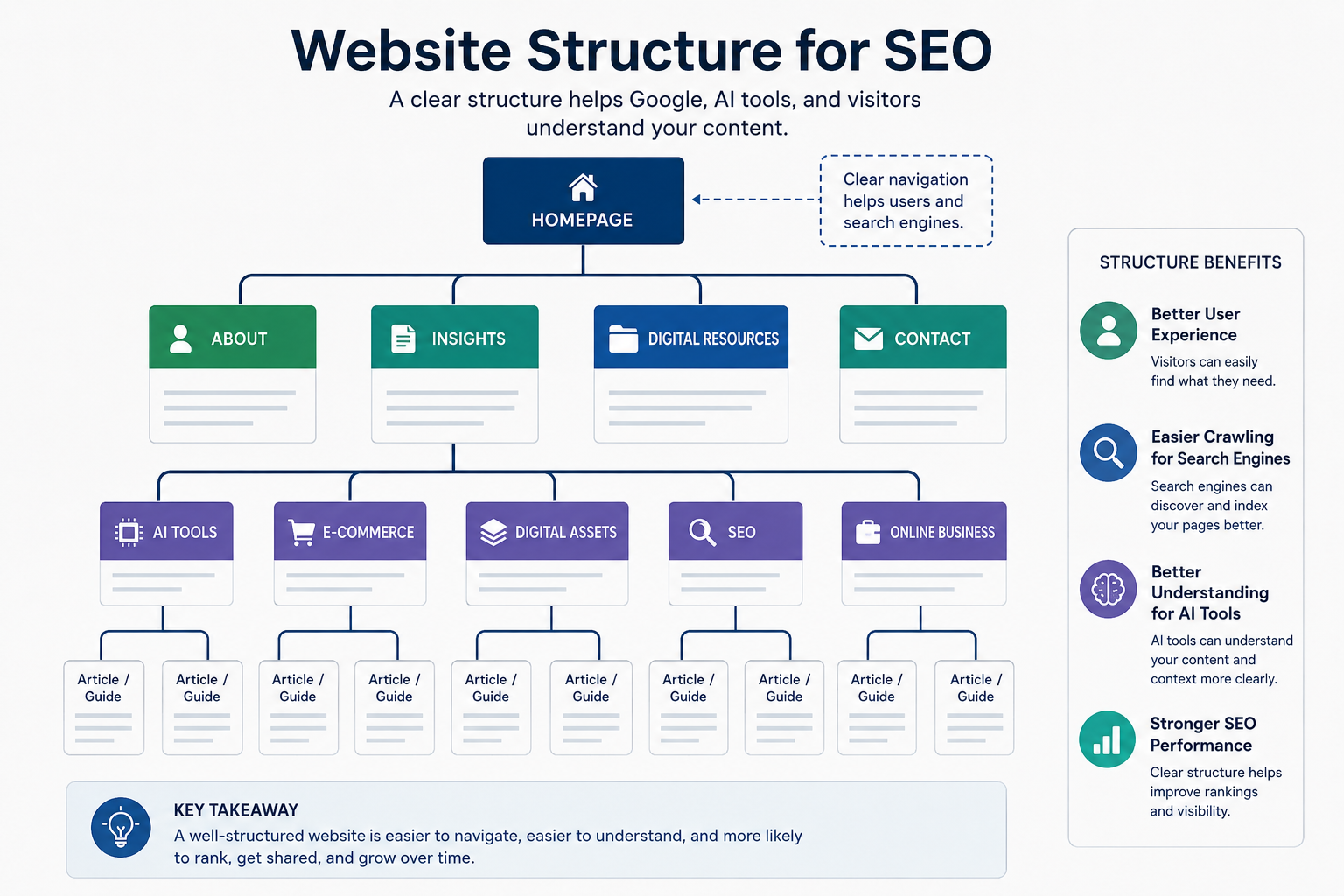
An AI SEO content structure refers to the systematic organization of information within a webpage, designed to be easily parsed by artificial intelligence and natural language processing (NLP) models. Unlike traditional SEO that focused on keyword density, this structure prioritizes semantic relevance, entity clarity, and logical flow. It involves using specific HTML tags, clear heading hierarchies, and contextual vocabulary that helps AI understand the depth and intent of your content.
This approach is not about writing for robots over humans. Instead, it creates a clear map for AI systems—like Google’s RankBrain and BERT—to connect your content with user queries. When your structure is logical, AI can extract key answers and present them as featured snippets or rich results, which dramatically increases click-through rates.
Why Traditional Content Structure Fails in the AI Era
For years, the standard formula involved stuffing a keyword into an H1, writing a few hundred words, and adding a list of links. This method is now obsolete. Modern AI models detect “keyword stuffing” and thin content instantly, penalizing pages that lack depth. Traditional structures often fail because they lack a clear entity relationship—meaning the AI cannot determine who, what, or why the content matters.
Another failure point is the lack of “information gain.” If your structure mirrors the top ten results on page one, Google sees no reason to rank you higher. An AI-driven structure requires unique sub-topics, updated statistics, and a format that answers follow-up questions the user might have. Without this, your content is simply a duplicate of existing data, which AI devalues.
Core Components of an AI-Optimized Content Architecture
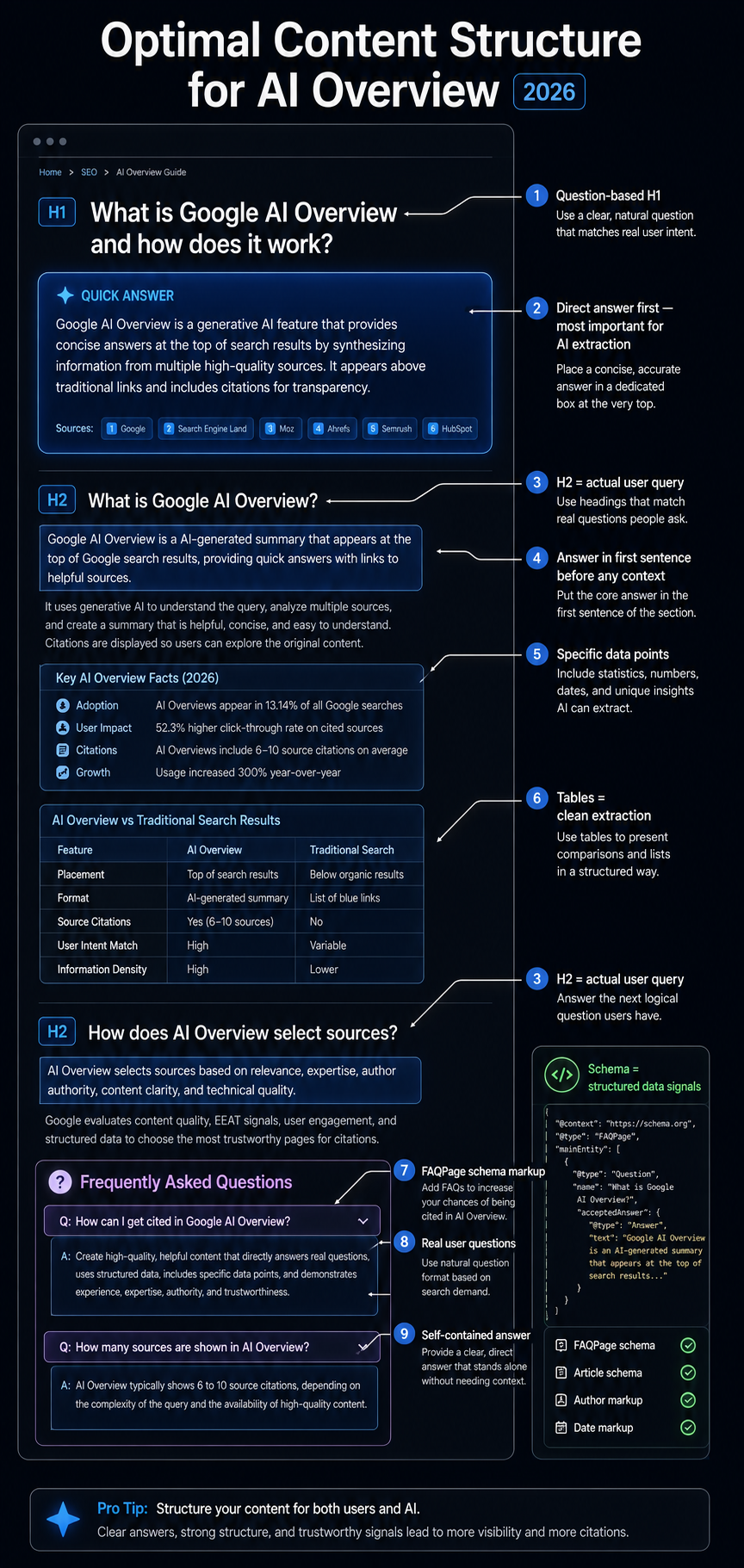
To build a robust framework, you must focus on several technical and editorial elements. These components work together to signal expertise and relevance to AI systems.
Semantic HTML5 Hierarchy
The backbone of any AI SEO content structure is the proper use of HTML5 tags. This means using one H1 tag for the main title, followed by logical H2s for major sections, and H3s for sub-points. This hierarchy is not just for visual formatting; it creates a “tree” of information that AI crawlers use to determine the primary topic and supporting details. Skipping levels, like jumping from H1 to H4, confuses the parser and dilutes the semantic weight of your arguments.
Entity Clarity and Co-occurrence
AI models rely on entities—specific people, places, concepts, or things. Your structure must clearly define the main entity (your target keyword) and connect it to secondary entities (related terms). For example, if your main entity is “AI SEO Content Structure,” secondary entities might include “natural language processing,” “featured snippets,” and “semantic search.” Using these terms naturally within the text helps AI build a knowledge graph around your page, increasing your authority on the subject.
Contextual Depth and Information Gain
Your structure must include sections that are not present in every competing article. This is called “information gain.” If every article covers “what” and “why,” your structure should include “how to implement,” “case studies,” and “common errors.” This unique data signals to AI that your content is not a thin aggregation but a comprehensive resource. The more unique value you provide, the higher the AI scores your page for relevance and quality.
How to Build a Winning AI SEO Content Structure
Creating this structure requires a methodical approach that starts before you write a single word. Follow this step-by-step process to ensure your content is primed for AI visibility.
Step 1: Define the Primary Search Intent
Before outlining, determine whether the user wants to learn (informational), buy (transactional), or navigate (navigational). For an informational query like “AI SEO Content Structure,” the intent is educational. Your structure must therefore include definitions, examples, and actionable steps. If you misread the intent and write a sales pitch, the A
Step 2: Map Out the “People Also Ask” Questions
Use tools like Google’s “People Also Ask” box or AnswerThePublic to find related queries. These questions form the basis of your H2 and H3 headings. For instance, if users ask “How does AI structure content?” or “What tools help with content structure?”, these should become dedicated sections. This directly aligns your content with the exact language users speak, which AI models recognize as high relevance.
Step 3: Create a Logical Flow from Basic to Advanced
Your outline should start with the fundamental definition, then move to the “how-to,” followed by advanced tips and troubleshooting. This “progressive disclosure” helps AI understand the depth of your knowledge. It also keeps the reader engaged, as they are guided from a simple understanding to a complex application without feeling overwhelmed.
Step 4: Integrate Structured Data (Schema)
While HTML tags help, structured data (Schema.org markup) explicitly tells AI what your content means. Use “Article” schema, “FAQPage” schema, and “HowTo” schema where applicable. This is the most direct way to communicate with AI crawlers, as it removes ambiguity. For example, adding FAQPage schema to your question-and-answer sections increases the chance of appearing in rich results, which occupy prime real estate on the search engine results page (SERP).
Practical Application: Structuring a Blog Post for AI
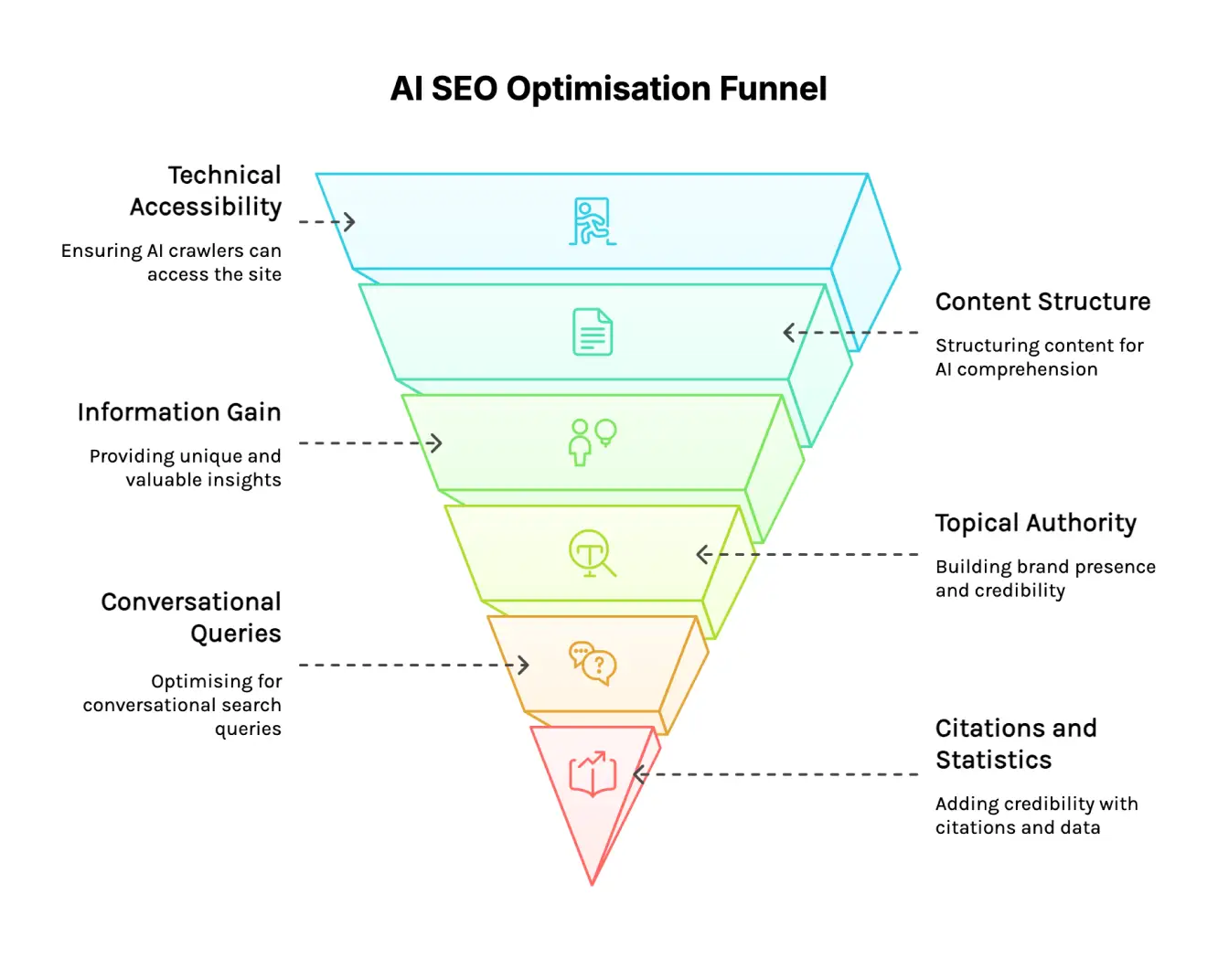
Let’s apply these principles to a standard blog post. The goal is to create a template that you can reuse for any topic.
The H1: The Hook and the Keyword
The H1 must contain the exact target keyword, but it also needs a “hook” to drive clicks. Instead of just “AI SEO Content Structure,” use “AI SEO Content Structure: The 2025 Blueprint for Higher Rankings.” This includes the keyword, adds a year for freshness, and promises a specific outcome. AI recognizes the keyword, while the user sees a compelling reason to click.
The Introduction: The “Answer First” Model
The first 100 words must answer the core question immediately. Do not use a “storytelling” intro that delays the answer. AI looks for the “direct answer” pattern. Start with a clear definition: “An AI SEO content structure is a semantic framework that organizes information to be easily understood by machine learning algorithms, improving a page’s ability to rank for relevant queries.” This immediately tells the AI what the page is about.
Body Sections: The “Pyramid” Approach
Organize the body into a pyramid. The top of the pyramid is the broad concept (H2), the middle is the specific application (H3), and the base is the data or examples (paragraphs and lists). This structure allows AI to crawl the page and understand the relationship between the broad topic and the specific details, which is a strong signal of topical authority.
Benefits and Limitations of AI-Driven Structuring
Adopting this framework offers significant advantages, but it is not without its challenges. Understanding both sides helps set realistic expectations for your content strategy.
Key Benefits
- Higher Click-Through Rates: Structured content is more likely to be featured in position zero, driving significant organic traffic.
- Improved User Experience: A logical structure with clear headings reduces bounce rates, as users find answers faster.
- Scalability: Once you have a template, you can apply it across hundreds of articles, ensuring consistent quality and AI readability.
- Future-Proofing: As AI becomes more sophisticated, content that is well-structured will continue to perform well, while unstructured content will be left behind.
- Risk of Over-Optimization: If you force every article into the same rigid template, your content may become formulaic and lose its unique voice, which can hurt engagement.
- Time-Consuming Research: Identifying the right entities and secondary keywords requires deep research, which takes more time than traditional writing.
- Constant Algorithm Updates: AI algorithms change frequently. A structure that works today might need adjustments tomorrow, requiring continuous monitoring and updates.
Limitations to Consider
Comparison: Traditional SEO vs. AI SEO Content Structure
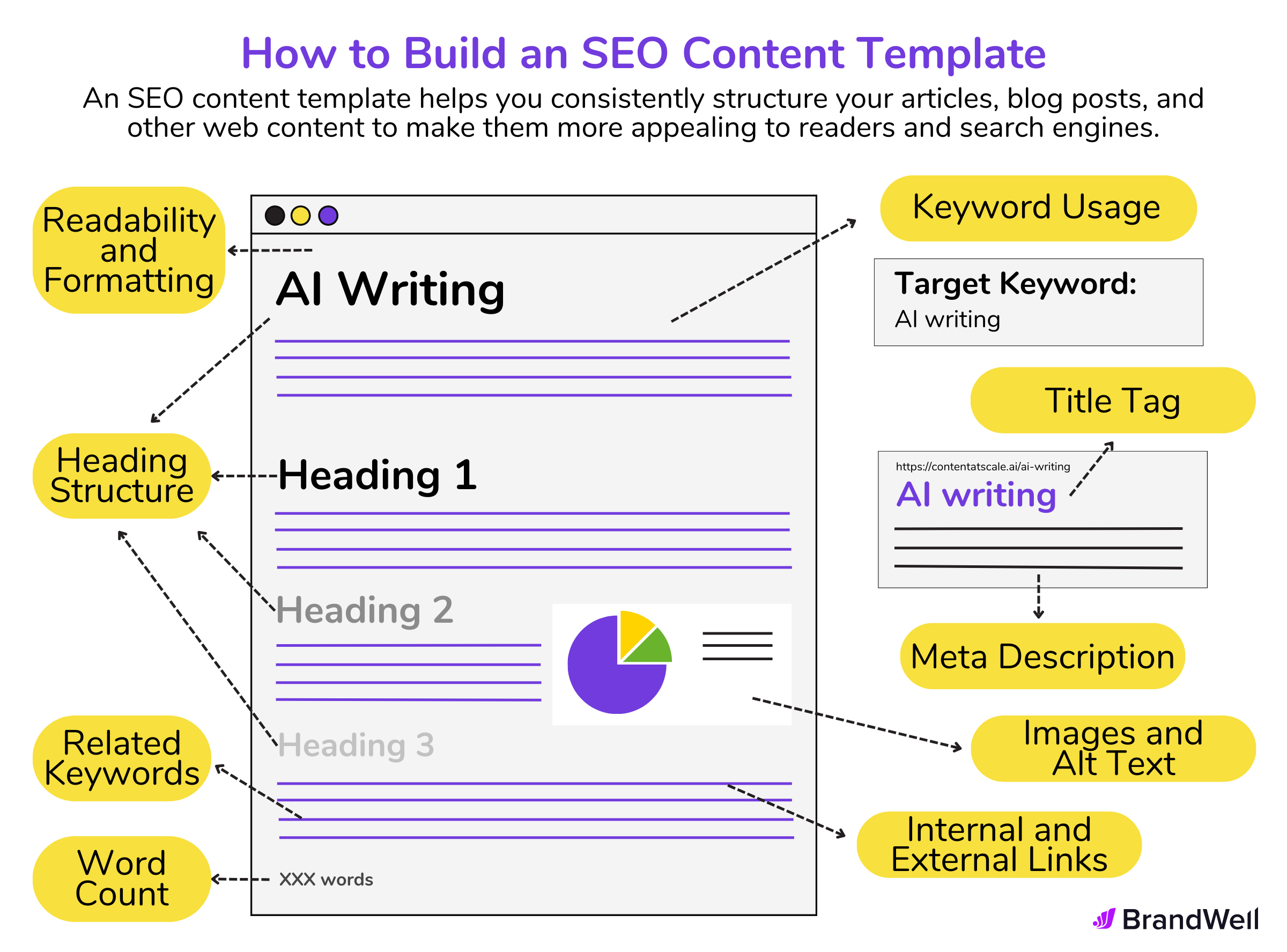
To visualize the shift, consider the differences between the old and new methodologies. This comparison highlights why the AI approach is superior for long-term growth.
| Aspect | Traditional SEO | AI SEO Content Structure |
|---|---|---|
| Primary Focus | Keyword density and exact match | Semantic relevance and entity clarity |
| Content Length | Often short (300-500 words) | Comprehensive (1500+ words) with depth |
| Heading Usage | Keywords stuffed into headings | Logical hierarchy with related questions |
| User Intent | Assumed based on keyword | Researched and explicitly addressed |
| Data Usage | Minimal, often outdated | Current statistics and unique case studies |
| Success Metric | Ranking for one keyword | Ranking for a cluster of related keywords |
Common Mistakes and How to Avoid Them
Even with the best intentions, writers often make critical errors that undermine their AI SEO content structure. Recognizing these pitfalls is the first step to avoiding them.
Mistake 1: Ignoring the “People Also Ask” Data
Many writers create headings based on what they want to say, not what users are asking. This leads to a mismatch between the content and the search query. To avoid this, spend 30 minutes researching the “People Also Ask” section for your target keyword and build your outline around those exact questions.
Mistake 2: Overusing Synonyms
While LSI keywords are important, forcing unnatural synonyms into the text confuses AI. For example, constantly swapping “structure” for “framework” or “layout” can dilute the main entity. Use the primary keyword consistently and only use synonyms when they add genuine value to the sentence.
Mistake 3: Neglecting Internal Linking Structure
An AI SEO content structure is not just about the page itself; it is about how the page connects to others. Failing to link to relevant internal pages breaks the “knowledge graph” of your site. Ensure that your new content links to older, related articles using descriptive anchor text that includes relevant keywords.
Mistake 4: Writing for “Snippet” Only
While aiming for a featured snippet is good, writing only to win the snippet often results in a shallow answer that fails to satisfy users who click through. Provide the concise answer for the snippet, but follow it with a detailed explanation that offers real value. This balances AI visibility with user retention.
Important Notes for Implementation
When you begin restructuring your content, keep these critical notes in mind to ensure a smooth transition and effective results.
First, always prioritize user experience over AI. If a structure feels clunky or unnatural to a human reader, it will likely fail. The AI is a tool to help you organize, not a master to obey. Second, use analytics to track how your structured content performs. Monitor metrics like “time on page” and “scroll depth” to see if users are engaging with the new layout. If they are dropping off early, your structure may be too complex or not matching the title promise.
Third, remember that AI models are trained on high-quality data. This means your content must be factually accurate and well-researched. Cite your sources within the text (without using citation markers) by mentioning the source name, such as “according to a 2024 study by Backlinko.” This builds trust with both the user and the AI algorithm.
Frequently Asked Questions (FAQ)
How does AI determine the structure of a webpage?
AI uses natural language processing to analyze the HTML hierarchy, specifically the order and relationship of heading tags (H1, H2, H3). It also examines the semantic relationship between words and phrases to determine the main topic and supporting details. The presence of structured data (Schema markup) further clarifies the page’s purpose for the AI.
What is the ideal length for an AI-optimized article?
T For competitive keywords like “AI SEO Content Structure,” an article of 2000-2500 words allows for sufficient depth to cover definitions, processes, examples, and FAQs. The key is to be thorough without being repetitive.
Can I use AI tools to help build my content structure?
Yes, AI-powered SEO tools can assist in generating outlines, suggesting related keywords, and analyzing competitor structures. Tools like Surfer SEO, Clearscope, and Frase use AI to analyze top-ranking pages and recommend a structure that covers all necessary sub-topics. However, you should always edit the AI-generated outline to add your unique insights and experience.
Does internal linking affect AI content structure?
Absolutely. Internal links help AI understand the relationship between different pages on your site. A strong internal linking structure creates a “hub and spoke” model, where the main pillar page (your core content) links out to cluster pages (supporting articles). This helps AI crawl your site more efficiently and understand the breadth of your expertise.
How often should I update my content structure?
You should review your content structure whenever you update the article or when you notice a drop in rankings. Search algorithms update frequently, and user behavior changes. A good rule of thumb is to audit your top 10 performing pages every quarter to ensure their structure still aligns with current AI best practices and user search intent.
Conclusion
The shift toward an AI SEO content structure is not a passing trend; it is the new standard for digital visibility. By organizing your content with semantic HTML, focusing on entity clarity, and answering the specific questions users ask, you align your pages with the way modern search engines process information. This approach requires more effort than traditional keyword stuffing, but the payoff is substantial: higher rankings, increased click-through rates, and a stronger authority in your niche.
Start by auditing your existing top posts and restructuring them using the blueprint provided. Focus on adding unique data, creating a logical flow, and implementing schema markup. As you refine your process, you will find that this structured approach not only satisfies AI algorithms but also creates a better, more valuable experience for your readers. The future of search is intelligent, and your content structure must be too.
Xem thêm:
- Perplexity vs Google Search: Which One Truly Understands Your Questions in 2025?
- AI Indexing: The Complete Guide to How Artificial Intelligence is Revolutionizing Search and Data Retrieval
- AI SEO Integrations: The Complete Guide to Smart Automation and Higher Rankings
- AI SEO Featured Snippet Generator: The Complete Guide to Winning Position Zero
- Mastering the AI SEO Prompt Workflow: A Complete Guide to Scaling Organic Growth
Bài viết cùng chủ đề:

AI SEO SEO Automation with Make: The Complete Workflow Guide

AI SEO SEO Automation with Zapier: The Complete Workflow Guide

AI SEO SEO Automation with n8n: The Complete Workflow Guide
AI SEO SEO Automation with Gemini: The Complete Guide to Scaling Organic Growth

AI SEO SEO Automation with Claude: The Complete Guide to Scaling Content in 2025

AI SEO SEO Automation with ChatGPT: The Complete Playbook for 2025

AI SEO & SEO Automation for Affiliate Sites: The 2025 Playbook for Passive Income Growth
AI SEO & SEO Automation for Bloggers: The Complete Guide to Scaling Your Content

AI SEO & SEO Automation for Agencies: The Complete 2025 Playbook

AI SEO and SEO Automation for Ecommerce: The Complete Playbook for 2025

AI SEO & SEO Automation for WordPress: The Complete Playbook for 2025
AI SEO SEO Automation Strategy: The Complete Playbook for 2025

Mastering the AI SEO SEO Automation Process: A Complete Guide to Scaling Organic Growth
AI SEO SEO Automation System: The Complete Guide to Scaling Organic Growth in 2025
AI SEO SEO Automation Platform: The Complete Guide to Scaling Organic Growth in 2025
AI SEO SEO Automation Software: The Complete Guide to Scaling Organic Growth in 2025















