
No products in the cart.
ChatGPT SEO: The Ultimate Guide to AI-Powered Search Engine Optimization
29
Jul
Jul
The field of search engine optimization is changing faster than ever, and artificial intelligence sits at the center of that shift. ChatGPT SEO describes the strategic use of OpenAI’s large language model to improve rankings, drive organic traffic, and streamline content workflows. From generating keyword-rich outlines to drafting meta descriptions and troubleshooting technical markup, ChatGPT is becoming a daily companion for SEO professionals. This guide covers every angle — what ChatGPT SEO really means, how it works, where it shines, its limitations, and a practical framework you can put into action immediately.
What Is ChatGPT SEO?
ChatGPT SEO is the practice of applying the conversational AI model ChatGPT to search engine optimization tasks. It goes far beyond simply asking the tool to write a blog post. Professionals use it to accelerate research, cluster keywords by intent, suggest semantically related terms, structure topic hubs, optimize on-page elements, and even generate structured data like schema markup. The core idea is to combine the speed and breadth of generative AI with human expertise, editorial judgment, and a deep understanding of Google’s quality guidelines.
At its simplest, ChatGPT acts as an intelligent assistant. You provide a prompt with context, constraints, and a clear goal, and the model returns drafts, suggestions, or analyses that you can refine. The output isn’t final; it’s a starting point that needs verification, fact-checking, and a human touch. When done right, ChatGPT SEO can compress hours of manual work into minutes while still producing content that meets E-E-A-T standards.
How ChatGPT Is Transforming the SEO Landscape
Before large language models, SEO tasks relied heavily on manual spreadsheet work, static tools, and guesswork. ChatGPT introduces a new layer of automation and ideation. Instead of staring at a blank page during content planning, you can prompt the model with a seed keyword and get a list of top-of-funnel, mid-funnel, and bottom-of-funnel topics in seconds. Content gap analysis becomes conversational. You can paste competitor headlines and ask ChatGPT to identify missing angles. The model also excels at generating natural language variations of headings and meta descriptions that avoid keyword stuffing while still signaling relevance.
However, the biggest transformation lies in how quickly SEOs can iterate. You can test different content angles, rewrite introductions for different audiences, or simulate how a search engine might interpret a page’s main topic. This speed enables deeper topical coverage and more frequent content refreshes, two factors strongly correlated with sustained organic growth. Importantly, ChatGPT does not replace strategy; it amplifies the strategist’s ability to execute faster.
Key Applications of ChatGPT in SEO

Keyword Research and Semantic Topic Clustering
Instead of pulling a flat list from a traditional tool, you can instruct ChatGPT to group keywords by search intent and stage in the buyer journey. A prompt like “Take these 50 keywords and create clusters based on informational, commercial, and transactional intent, then suggest primary and secondary keywords for each pillar page” yields structured outputs that feed into content calendars. The model also suggests long-tail questions, People Also Ask variations, and emerging subtopics that often escape standard keyword planners. Always validate search volume and difficulty with a dedicated SEO platform, because ChatGPT’s training data ends in 2023 and does not include real-time metrics.
Content Briefs and Outline Generation
An actionable content brief is the backbone of any successful page. ChatGPT can produce draft briefs that include target audience personas, recommended H2 and H3 headings, word count guidelines, internal linking opportunities, and semantically related terms. You can feed it a competitor’s top-ranking article and ask for a unique angle that fills content gaps. This reduces the time spent in the research phase and ensures writers receive clear, SEO-informed direction from the start.
On-Page Element Optimization
Writing compelling title tags and meta descriptions at scale is tedious. ChatGPT generates dozens of variants in response to a single prompt, respecting character limits if you specify them. You can also request image alt text that naturally includes primary keywords or schema markup snippets for FAQ, HowTo, and Article types. For headings, you can ask the model to restructure a page’s hierarchy to better match search intent, making sure H1 captures the core topic and subsequent headings flow logically.
Technical SEO Assistance
While ChatGPT cannot crawl your site, it can help debug code-related issues. You can paste a snippet of.htaccess rules and ask for corrections, or generate robots.txt directives for a staging environment. It’s effective for drafting schema markup (JSON-LD) for events, products, and reviews. Always test the output with Google’s Rich Results Test. For JavaScript-heavy sites, ChatGPT can suggest ways to improve rendering for search engines based on documented best practices, though you’ll need a developer to implement the changes.
Link Building Research and Outreach
ChatGPT can brainstorm websites, directories, and resource pages relevant to a niche, then craft personalized outreach email templates. You provide the prospect’s site name and a note about a mutual topic, and the model generates a polite, value-first pitch. While the tool accelerates list building, vetting domain authority and trust metrics remains a manual, tool-driven task. Treat the email drafts as skeletons; adding a genuinely personal sentence increases reply rates significantly.
Benefits and Limitations of Using ChatGPT for SEO
Benefits
- Speed and scalability: Generate outlines, meta tags, and content drafts in minutes rather than hours.
- Consistent creativity: Overcome writer’s block with endless angle suggestions and editorial variants.
- Cost efficiency: Reduce dependency on multiple point solutions for early-stage ideation.
- Multilingual support: Create localized content briefs and translate key phrases without losing semantic intent.
- Structured data generation: Quickly produce JSON-LD markup for common schema types.
- Continuous learning aid: Junior SEOs can use ChatGPT to understand concepts like canonical tags or hreflang through plain-language explanations.
- Outdated knowledge: ChatGPT’s training data cuts off in 2023. It cannot provide real-time search volume, algorithm updates, or current ranking factors.
- Hallucination risk: The model may invent statistics, quotes, or sources. Every factual claim must be verified.
- No genuine expertise: ChatGPT mimics authoritative language but lacks lived experience. Content often requires heavy editing to meet first-hand E-E-A-T standards.
- Generic output: Without highly specific prompts, the text sounds templated and may not reflect a brand’s unique voice.
- Google’s guidelines: Using AI content solely to manipulate rankings violates Google’s spam policies. Quality and originality remain essential.
- No crawling ability: ChatGPT cannot audit a website’s technical health, analyze backlink profiles, or access proprietary data.
- Publishing raw AI output without editing: Search engines value originality and expertise. Always fact-check, rewrite, and add unique insights. Raw ChatGPT text often reads as generic and can trigger quality flags.
- Ignoring E-E-A-T signals: ChatGPT cannot provide author credentials, first-hand experience, or trust indicators. Every article must display real author bios, cite credible sources, and demonstrate practical know-how.
- Over-relying on the model for data: Asking ChatGPT for “top 10 SEO statistics 2024” will produce fabricated numbers. Use it for structure, then plug in verified data from reputable research.
- Vague prompts: Broad requests like “write an SEO article” lead to surface-level output. Specific prompts that include keyword, intent, audience, format, and constraints produce markedly better drafts.
- Neglecting internal linking: ChatGPT doesn’t know your site structure. Manually add contextual internal links with relevant anchor text before publishing.
- Using identical AI content across pages: Duplicate or near-duplicate AI text dilutes topical authority. Ensure each page has a distinct angle and customized wording.
Limitations
ChatGPT SEO vs Traditional SEO Tools: A Comparison
| Feature | ChatGPT SEO | Traditional SEO Platforms (Ahrefs, SEMrush, Moz) |
|---|---|---|
| Keyword volume data | Not available; relies on stored patterns | Live, monthly updated metrics |
| Competitor content analysis | Manual paste-in; good for gap spotting | Automated rank tracking and content gap tools |
| Content ideation | Highly fluent, diverse, and quick | Report-based; requires manual interpretation |
| Technical audit | Cannot crawl; limited to code snippet advice | Full site crawl, error detection, and reporting |
| Schema markup generation | On-demand, custom JSON-LD drafts | Often limited to templates in some tools |
| Backlink analysis | Not possible | Comprehensive link index and prospecting |
| Cost | Subscription-based AI model | Monthly tool subscriptions, often higher tier |
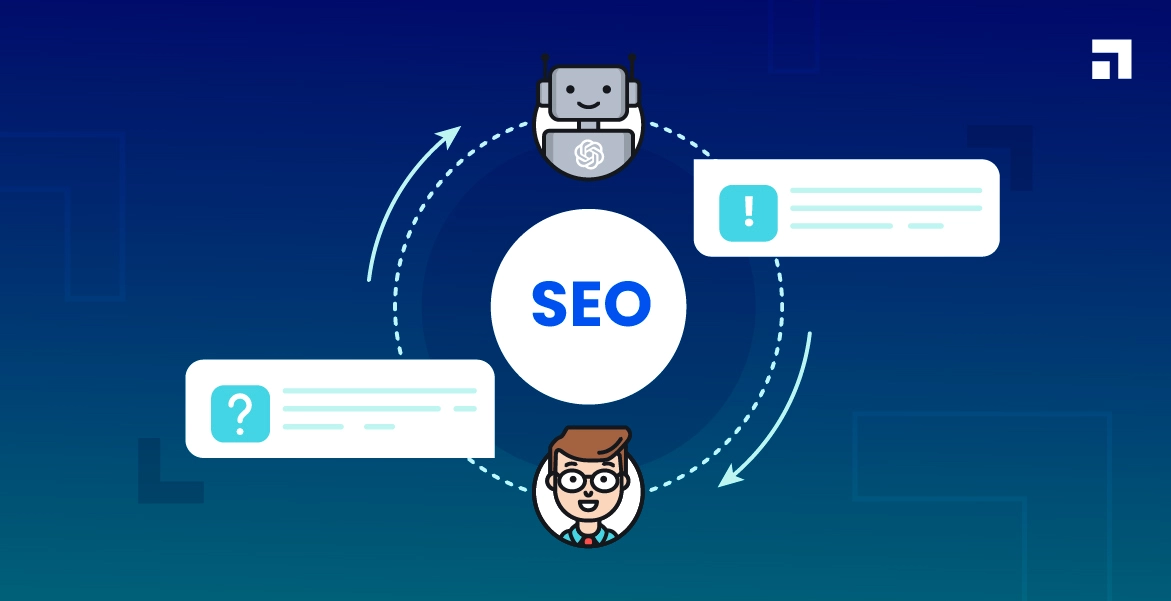
The table makes one fact obvious: ChatGPT complements traditional tools, it does not replace them. The strongest SEO workflows combine industry‑standard data platforms for quantitative insights with ChatGPT for creative and linguistic tasks.
Step-by-Step Guide to Using ChatGPT for SEO
Follow this practical sequence to embed ChatGPT into your daily SEO routine without compromising quality.
1. Define the Search Intent First
Before opening ChatGPT, decide what you want the page to achieve. Is the user looking for information, comparing products, or ready to buy? Write down the primary keyword and the intent type. This clarity will shape every prompt you give the model.
2. Run a Keyword Research Session
Use your preferred SEO tool to gather a seed list of 20-30 keywords with search volume and difficulty data. Paste that list into ChatGPT with this prompt: “Group these keywords by intent and suggest a pillar page topic that can link to cluster content. Also recommend 5 semantic keywords for each group.” The output organizes your raw data into a hub-and-spoke structure ready for content planning.
3. Create Detailed Content Briefs
For the pillar page, craft a prompt that includes the target audience, tone of voice, word count, and key questions to answer. Example: “You are an expert in digital marketing writing for small business owners. Create an HTML content brief for an article targeting ‘ChatGPT SEO’ that covers definition, applications, benefits, limitations, and a comparison table. Include suggested H2s, meta description (under 160 characters), and internal linking ideas.” Edit the result to match your brand guidelines, then hand it to a writer or use it as your own roadmap.
4. Draft and Refine the Content
Use ChatGPT to generate section drafts, introductions, or FAQ answers. Always treat these as raw material. Cross-check any statistics, dates, or tool names. Inject case studies, personal anecdotes, or proprietary data that only your team possesses. Rewrite sentences to add personality and remove any repetitive phrasing. This step is where human expertise turns acceptable AI output into authoritative content.
5. Optimize On-Page Elements
Once the draft is solid, ask ChatGPT to produce multiple title tag options, meta description variants, and image alt text strings. A prompt like “Generate 5 SEO title tags under 60 characters that include ‘ChatGPT SEO’ and emphasize a benefit” yields click-worthy alternatives. Test schema markup with a follow-up request: “Generate JSON-LD FAQ schema for these three questions and answers.” Paste the code block into your CMS and validate before publishing.
6. Schedule Content Refreshes
The best-performing pages need periodic updates. Drop your existing H2s and a brief note about recent industry shifts into ChatGPT, then ask for new subtopics or statistics to add. This keeps the content current without a full rewrite.
Common Mistakes When Using ChatGPT for SEO and How to Avoid Them
Important Notes for Ethical and Effective ChatGPT SEO
Google’s guidance on AI-generated content is clear: using automation to produce content with the primary purpose of manipulating search rankings violates spam policies. However, using AI as a helper to create helpful, people-first content aligns perfectly with the company’s emphasis on quality. The line is drawn at intent. If the final page genuinely serves the user — answering questions, solving problems, demonstrating expertise — then the supporting role of ChatGPT is a legitimate part of modern content production. To stay on the safe side, always have a subject matter expert review and enhance the content, disclose AI assistance where appropriate, and prioritize the reader’s needs over keyword stuffing.
Data privacy is another crucial consideration. Never paste sensitive customer information, proprietary research, or confidential business data into ChatGPT, especially when using the publicly available version. Enterprise-grade deployments with data processing agreements exist for businesses that need higher privacy thresholds. Additionally, remember that AI detection tools are not a perfect measure of content quality. Focus on value, not on trying to evade detection.
Frequently Asked Questions About ChatGPT SEO
Can Google detect content written by ChatGPT?
Google uses sophisticated algorithms to evaluate content quality, not the tool that produced it. While t Google cares about helpfulness, not authorship method. However, the company can identify patterns consistent with low-effort AI text, and such pages are less likely to rank well over time.
Is ChatGPT good for SEO?
Yes, when used as an assistant rather than a replacement for human expertise. ChatGPT excels at speeding up research, drafting outlines, generating meta tags, and offering creative angles. It produces content quickly, but the real SEO value emerges when an experienced marketer edits, verifies, and enriches that output with unique perspectives. Used correctly, it can significantly improve productivity without compromising quality.
How can I use ChatGPT for keyword research?
Start by pasting a list of seed keywords into ChatGPT and asking it to cluster them by intent and suggest related long-tail phrases. You can also prompt it with “What questions do people ask about [topic]?” to generate FAQ ideas. Always cross-reference suggested terms with a dedicated SEO tool like Ahrefs or Google Keyword Planner to confirm search volume and competition, because ChatGPT’s suggestions are based on training patterns, not live data.
Does using ChatGPT hurt my website rankings?
Using ChatGPT does not inherently hurt rankings. The risk comes from publishing unedited, low-depth content that fails to satisfy user intent. If you fact-check, add expert insights, and ensure the page meets E-E-A-T standards, your rankings can remain strong or even improve due to fresher, more comprehensive content. The key is treating AI output as a draft, never a final article.
What are the main limitations of ChatGPT for SEO?
The model’s knowledge cutoff means it cannot access real-time trends, algorithm updates, or current search data. It can produce incorrect or fabricated facts, so verification is essential. ChatGPT also cannot crawl websites, analyze backlinks, or measure site performance. Content generated without detailed prompts often reads flat and repetitive. Finally, it lacks genuine first-hand experience, which is increasingly important for ranking in competitive niches.
Can I use ChatGPT to write complete blog posts and rank them?
You can, but success depends on the level of human intervention. Directly publishing a ChatGPT-written post without editing rarely leads to sustained high rankings. Search engines reward original research, expert opinions, and authentic user-focused information. If you treat ChatGPT as a first-draft engine and then layer in unique data, case studies, and professional polish, the resulting content stands a far better chance of ranking well.
Conclusion
ChatGPT SEO is not about handing the reins over to a machine. It is about building a smarter workflow where AI handles the repetitive, time-intensive parts of optimization so that human creativity can focus where it matters most. The technology accelerates keyword clustering, content structuring, and technical formatting, but every output still needs the scrutiny of a trained SEO professional. When integrated thoughtfully, ChatGPT becomes a force multiplier — helping you publish deeper, fresher, and more relevant content at a pace that traditional methods alone cannot match. The future of SEO belongs to those who combine data, language models, and genuine expertise into one seamless strategy.
Xem thêm:
- AI SEO H2 Optimization: The Complete Guide to Structuring Content for Search Engines
- WP Trove AI Articles: The Complete Guide to Automated Content Creation
- How to Use Perplexity for SEO: The Ultimate Guide to AI-Powered Search Insights
- AI Zero Search Volume Keywords: The Hidden Traffic Strategy Smart SEOs Use to Dominate Niche Markets
- AI SEO Content Research: The Complete Guide to Data-Driven Content That Ranks
Bài viết cùng chủ đề:

AI SEO SEO Automation with Make: The Complete Workflow Guide

AI SEO SEO Automation with Zapier: The Complete Workflow Guide

AI SEO SEO Automation with n8n: The Complete Workflow Guide
AI SEO SEO Automation with Gemini: The Complete Guide to Scaling Organic Growth

AI SEO SEO Automation with Claude: The Complete Guide to Scaling Content in 2025

AI SEO SEO Automation with ChatGPT: The Complete Playbook for 2025

AI SEO & SEO Automation for Affiliate Sites: The 2025 Playbook for Passive Income Growth
AI SEO & SEO Automation for Bloggers: The Complete Guide to Scaling Your Content

AI SEO & SEO Automation for Agencies: The Complete 2025 Playbook

AI SEO and SEO Automation for Ecommerce: The Complete Playbook for 2025

AI SEO & SEO Automation for WordPress: The Complete Playbook for 2025
AI SEO SEO Automation Strategy: The Complete Playbook for 2025

Mastering the AI SEO SEO Automation Process: A Complete Guide to Scaling Organic Growth
AI SEO SEO Automation System: The Complete Guide to Scaling Organic Growth in 2025
AI SEO SEO Automation Platform: The Complete Guide to Scaling Organic Growth in 2025
AI SEO SEO Automation Software: The Complete Guide to Scaling Organic Growth in 2025















