
No products in the cart.
AI Canonical Tags: The Future of Automated SEO Canonicalization
29
Jul
Jul
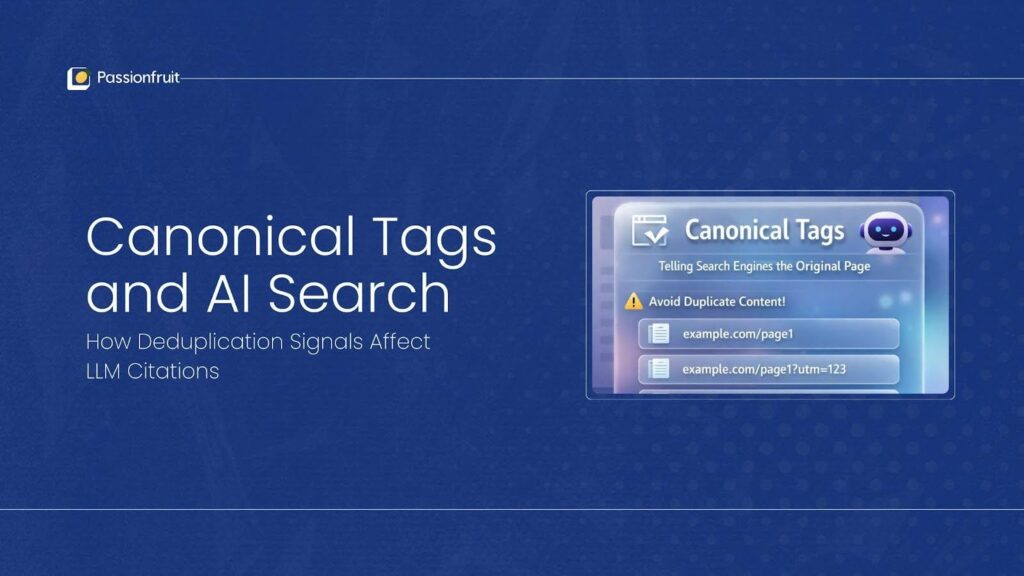
The way search engines interpret duplicate content has always been a critical component of technical SEO. Canonical tags serve as the primary signal to tell Google and other crawlers which version of a page should be considered the master copy. Until recently, implementing canonical tags required manual auditing, rule-based logic, and constant vigilance. AI canonical tags are changing that landscape by introducing machine learning models to detect, suggest, and even deploy canonical URLs in real time. This article explores how artificial intelligence is reshaping canonicalization, what tools exist, and how SEO professionals can leverage this technology without losing strategic control.
Understanding AI Canonical Tags
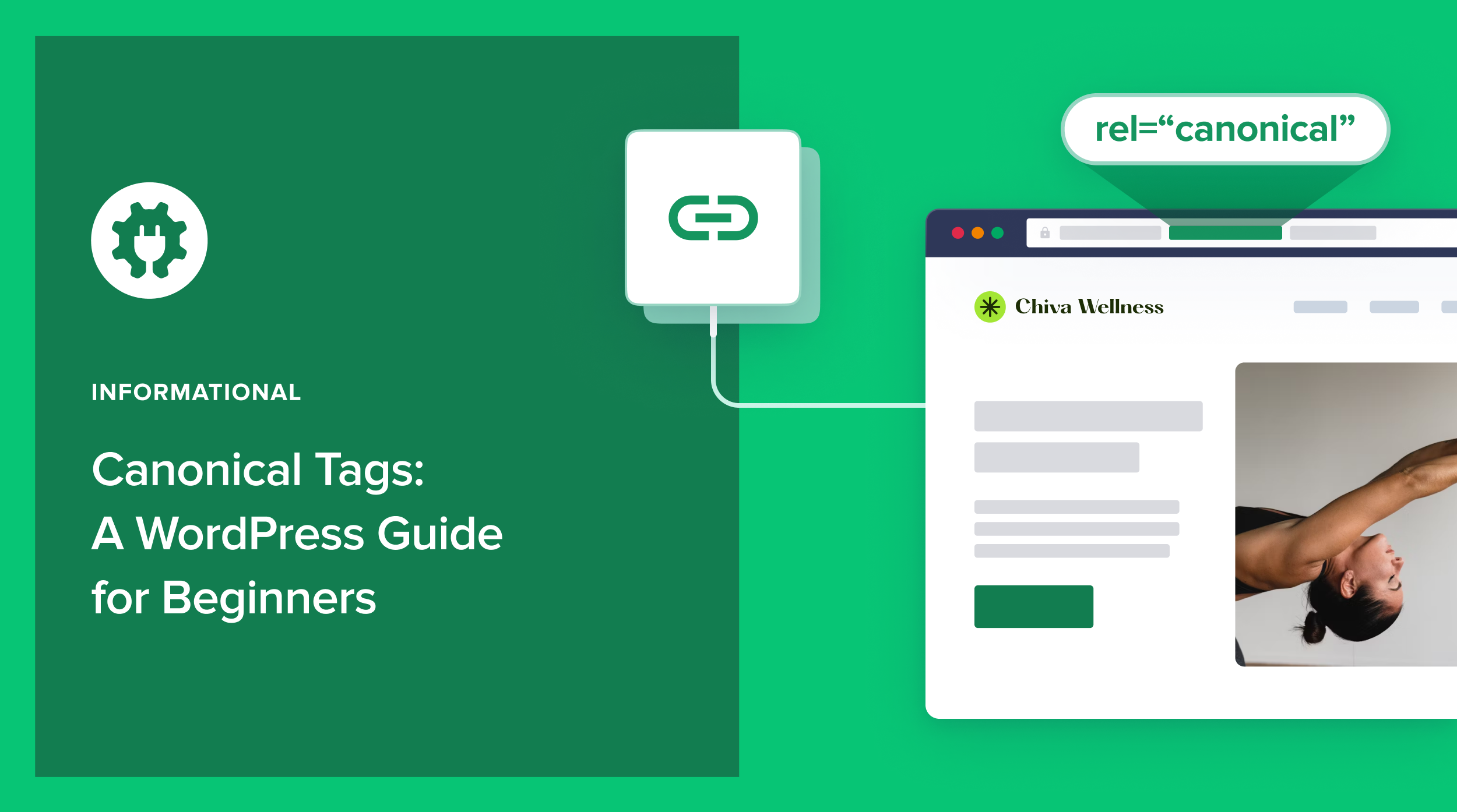
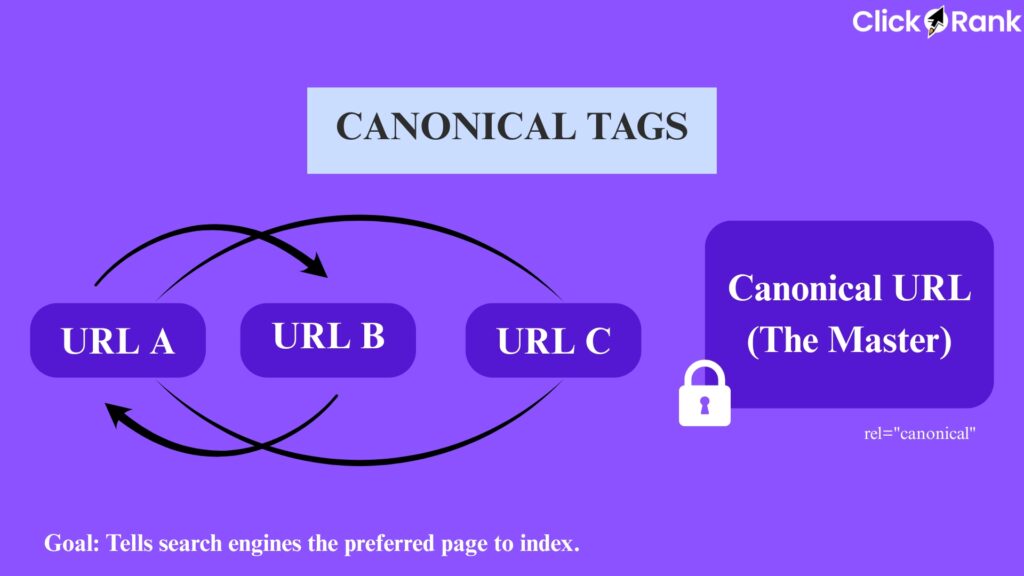
To grasp AI canonical tags, it helps to first revisit the purpose of a standard canonical tag. A canonical tag (rel=”canonical”) is an HTML element placed in the
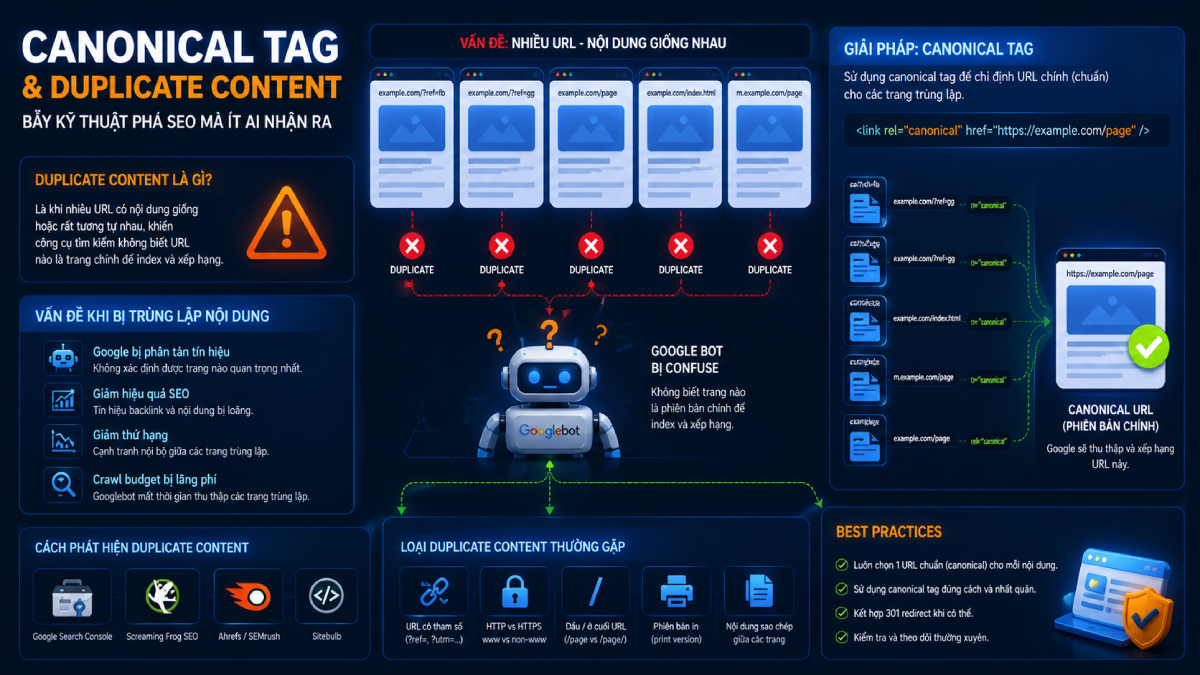
section of a webpage. It tells search engines that the current page is a copy—or an alternative version—of a specified canonical URL. When duplicate content exists across multiple URLs, canonical tags consolidate ranking signals and prevent indexing issues.AI canonical tags refer to the use of artificial intelligence and machine learning algorithms to automate the identification of duplicate pages, determine the most authoritative version, and implement or recommend the correct canonical URL. Instead of relying solely on predefined rules such as exact URL matching or parameter stripping, AI models analyze content semantic similarity, site architecture signals, and historical performance data to make decisions that mimic human judgment—but at scale.
Modern AI systems can process entire websites, evaluate thousands of page pairs, and identify duplicates that traditional crawlers might miss. They consider factors like near-duplicate content, thin pages with minor variations, printer-friendly versions, session IDs, and pagination series. This ability to go beyond exact string matching is what makes AI-driven canonical tags a leap forward for enterprise SEO.
How AI Detects Duplicate Content and Selects Canonical URLs
Traditional duplicate detection relies on crawl configuration and rules such as “ignore parameters.” AI takes a neural approach. Models are trained on large datasets of web content and learn to map sentences, paragraphs, or entire page structures into high-dimensional vector spaces. Two pages that have similar meaning will produce vectors close to each other, even if the wording differs. This semantic understanding enables the AI to flag URL pairs that a simple fingerprint hash would miss.
Once candidate duplicate groups are formed, the AI must choose a canonical. It does so by analyzing a mix of signals: internal link equity, traffic data from analytics, engagement metrics, backlink profiles, the page’s index status in search consoles, and content freshness. Some advanced systems incorporate user behavior models—for example, if a particular URL drives more conversions or has a lower bounce rate, it might be weighted higher as the canonical.
The decision-making process often uses a scoring engine. Each candidate URL receives a composite score, and the highest-scoring URL is recommended as the canonical. The AI can also assess whether a page is genuinely duplicate or merely similar but targeting a distinct search intent, like a product variation page that deserves its own indexing. This nuance helps avoid accidentally canonicalizing pages that should rank independently.
Key Components of an AI Canonical Tag System
AI canonical tag solutions typically consist of several interconnected modules:
- Content Embedding Engine: Converts page text into vector representations using models like BERT, Sentence Transformers, or proprietary large language models. These embeddings capture semantic meaning rather than just word frequency.
- Similarity Threshold Tuner: Allows SEOs to adjust the sensitivity of duplicate detection. A threshold of 0.85 cosine similarity might be appropriate for ecommerce product variants, while 0.95 could be used for true boilerplate duplicates.
- Signal Aggregator: Collects external data—backlinks, organic clicks, internal link graphs, sitemap presence, hreflang tags, and structured data coverage—to inform canonical selection.
- Policy Engine: Incorporates business rules. For example, a retailer might always prefer the SEO-friendly URL over the tracking-parameter version, or a publisher might force the desktop version as canonical over AMP unless mobile traffic dominates.
- Deployment API: Connects to CMS, CDN, or edge workers to inject or update canonical tags automatically. This module can also generate audit reports for manual review workflows.
- Model Hallucinations and Overgeneralization: Large language models can make confident but incorrect assessments. An AI might incorrectly canonicalize a high-converting product page into a generic category page because it misinterprets the semantic structure, causing the product to lose visibility.
- Training Data Bias: If the model was trained predominantly on certain types of websites—like news or ecommerce—it may struggle with niche content such as scientific research portals or job boards that have unique duplication patterns.
- Loss of Human Strategic Oversight: Purely automated canonicalization can override intentional duplicate strategies, such as syndicated content with proper cross-domain canonicals, or localized pages that need to keep their own indexing signals.
- API and Computation Costs: Running semantic similarity checks across millions of pages incurs significant cloud computing costs. The cost-benefit ratio must be evaluated against the expected SEO gains.
- Integration Complexity: Hooking AI systems into legacy CMS platforms, ecommerce backends, and CDN edge layers requires engineering resources. Misconfigured APIs can inadvertently inject incorrect canonicals site-wide.
- Blindly trusting AI output without validation. AI is a decision-support tool, not an infallible authority. Always have an SEO expert review high-impact clusters.
- Setting similarity thresholds too low. If the threshold is too permissive, the A Too high, and it may merge distinct valuable pages.
- Ignoring the impact on hreflang and international SEO. Canonical tags and hreflang annotations must be consistent. AI that changes canonicals without updating hreflang can send conflicting signals to search engines.
- Failing to update internal links. Canonicalizing a URL does not remove the duplicate; internal links still point to it. AI canonicalization works best when combined with internal linking audits and redirect strategies.
- No human oversight on revenue-critical pages. Product pages, lead generation forms, and core blog posts must be manually signed off. Automating canonicals on these pages without review can directly impact conversions.
- Overlooking crawl budget waste. If duplicates remain reachable by crawlers even with proper canonicals, you still spend budget. AI should inform both canonicalization and noindex decisions or parameter handling in robots.txt.
Benefits of Using AI for Canonical Tags
The shift from static rules to AI-driven canonicalization offers several measurable advantages.
Unmatched Scalability Across Massive Websites
Enterprise sites often have millions of URLs spread across multiple subdomains, international versions, and product variations. Manual canonical audits are financially unfeasible at that scale. AI canonical tags process entire domains in hours, turning a multi-month project into an automated, continuous optimization loop.
Context-Aware Duplicate Detection
A rule-based system might treat two product pages with slightly different descriptions as duplicates because they share the same template. AI can recognize that the products are distinct—say, “blue running shoes” vs. “black hiking boots”—and avoid merging them. At the same time, it catches true duplicates that differ only by sorting parameters or pagination values, even if the URL structure is complex.
Dynamic Handling of User-Generated Content
Forums, review sites, and marketplaces generate endless combinations of filtering, sorting, and session IDs. AI models can distinguish between unique reply threads and mechanically generated URL variations. This prevents index bloat and keeps crawl budgets focused on high-value pages.
Improved Crawl Efficiency and Index Signals
When canonical tags are accurate and consistent, search engine crawlers spend less time processing duplicate or near-duplicate pages. This means more of your crawl budget goes to fresh and important content. AI-powered canonicalization also strengthens the internal linking signal by consolidating link equity more effectively.
Real-Time Adaptation to Content Changes
Websites evolve continuously. Products go out of stock, new categories launch, and blog archives grow. An AI system can monitor these changes and update canonical references within minutes, whereas manual workflows often lag by weeks or months. This keeps your canonical strategy aligned with the actual site structure at all times.
Limitations and Risks of AI-Generated Canonical Tags
Despite its promise, AI canonical tag technology is not a set-it-and-forget-it solution. There are inherent limitations that SEO professionals must manage.
Traditional Canonical Tag Management vs. AI-Driven Canonicalization
A side-by-side comparison highlights the practical differences between the two approaches.
| Aspect | Traditional Canonical Tags | AI Canonical Tags |
|---|---|---|
| Duplicate detection | Exact URL patterns, parameter exclusions, content hashes | Semantic similarity scoring, vector embeddings, NLP models |
| Canonical selection | Manual designation, CMS templates, first-seen logic | Multi-signal scoring: backlinks, traffic, index status, content quality |
| Scalability | Limited; manual for large sites | Highly scalable; processes millions of URLs |
| Adaptability | Static rules, slow to update | Dynamic, continuous learning from site changes |
| False positive rate | Lower with careful configuration | Higher initially; requires tuning and human validation |
| Integration effort | Minimal: CMS settings, meta tags | Significant: API deployment, vector databases, ML pipelines |
| Cost | Free or low (developer time) | Variable: API usage, infrastructure, possible vendor fees |
Practical Implementation: How to Deploy AI Canonical Tags
Introducing AI into your canonical tag workflow does not require replacing everything at once. A phased approach minimizes risk and allows the model to learn from real feedback.
Step 1: Audit Existing Canonical Tag Health
Start with a thorough crawl of your full domain using a tool like Screaming Frog or Sitebulb. Extract every existing canonical tag and note self-referencing canonicals, canonical chains, and canonicals pointing to non-indexable pages. This baseline reveals how much manual cleanup you might need before AI takes over.
Step 2: Choose the Right AI Tool or Service
Several vendors now offer AI-assisted canonical analysis. Some are standalone SEO platforms that have added semantic duplicate detection modules (e.g., DeepCrawl/Lumar, Botify with AI layers), while others are custom integrations built on OpenAI, Cohere, or open-source embedding models. Evaluate based on your site size, language requirements, and need for real-time deployment versus periodic audits.
Step 3: Define Business Rules and Overrides
Before letting AI make decisions, encode non-negotiable rules. For example: never change canonicals on top-10 landing pages without human review; always prefer HTTPS over HTTP; maintain self-referencing canonicals on all paginated main pages; respect manual hreflang entries. These rules serve as guardrails against harmful automation.
Step 4: Generate Similarity Scores and Proposed Canonicals
The AI engine will output clusters of similar URLs and a recommended canonical for each cluster. Set a similarity threshold for what counts as a duplicate. Start conservatively—say 0.92 cosine similarity—and lower it only after validation. Export the recommendations to a spreadsheet for SEO team review.
Step 5: Validate with a Sample Set and A/B Test
Manually inspect a representative sample of AI-generated canonical suggestions. Check that product variants, localized landing pages, and parameter-driven sorting pages are handled correctly. Run a controlled A/B test on a small subset of pages, monitoring crawl stats, indexation rates, and organic traffic for a few weeks before wider deployment.
Step 6: Automate Deployment with Monitoring
Connect the AI system to your CMS or edge layer via API. Initiate a staged rollout—10% of pages, then 50%, then full deployment—while logging every change. Set up alerts for sudden drops in indexation or unexpected canonical tag shifts. Maintain a rollback mechanism to revert to the previous state instantly if something goes wrong.
Common Mistakes When Using AI Canonical Tags
Even with the best AI, human error during implementation can undermine the entire effort. Avoid these pitfalls:
Important Considerations for Long-Term Success
Cannonical AI is not a one-time project but an ongoing practice. Several factors determine whether the system maintains its effectiveness over time.
Regular Model Retraining: Websites change their templates, content types, and URL structures. The AI model must be retrained periodically on fresh crawl data to adapt to these evolutions. Quarterly retraining is a good starting cadence for midsize sites, while large ecommerce sites may need monthly retrains.
Search Engine Guidelines Compliance: Google processes canonical tags as hints, not directives. AI should not attempt to manipulate rankings by creating artificial canonical clusters. The recommendations must align with Google’s quality guidelines, consolidating true duplicates and respecting user intent.
Cross-Domain Canonical Challenges: AI struggles with cross-domain canonicalization (syndicated content, press releases) because it often lacks access to external domain data. Manual review remains essential for cross-domain scenarios to avoid accidentally claiming content you don’t own.
Data Privacy and Security: When using third-party AI services, your page content and URL structure data may be processed on external servers. Ensure compliance with data protection regulations and internal security policies. On-premise or private cloud deployments may be necessary for sensitive industries.
Balance between Automation and Strategy: The ultimate goal of AI canonical tags is to free up SEO professionals to focus on high-level strategy—content creation, link building, user experience—instead of manual tag auditing. But the human strategist must remain at the helm, interpreting AI insights and making the final call on architecture decisions.
Frequently Asked Questions about AI Canonical Tags
What exactly are AI canonical tags?
AI canonical tags are canonical URL designations selected or implemented using artificial intelligence models instead of purely manual rules. The AI analyzes content semantically, evaluates authority signals, and either suggests or automatically inserts the correct rel=”canonical” tag, improving accuracy and scalability for large websites.
Can AI canonical tags replace manual SEO audits entirely?
No. While AI greatly reduces the manual workload, human oversight remains necessary to validate critical decisions, handle edge cases like cross-domain canonicalization, and align with strategic goals. AI serves as a powerful assistant, not a complete replacement.
Do search engines officially support AI-generated canonical tags?
Search engines do not distinguish whether a canonical tag was generated by a human or an AI. As long as the rel=”canonical” element follows proper syntax and reflects genuine duplicate consolidation, it will be treated as a normal canonical signal. T
How does AI avoid canonicalizing pages with different user intents?
Advanced models incorporate intent classification alongside content similarity. They can differentiate between a product page and a category page even if the text overlaps heavily. Signal weighting, such as internal link context and organic keyword performance, further helps the AI make intent-aware decisions.
What are the risks of fully automating canonical tag deployment?
Fully automated deployment risks injecting incorrect canonicals site-wide if the model misjudges duplicates, causing sudden ranking drops. T A hybrid human-in-the-loop approach is recommended.
Can small websites benefit from AI canonical tags?
Small sites with fewer than a thousand pages usually do not need complex AI systems; manual audits and CMS template rules suffice. However, AI-powered auditing tools can still help identify hidden duplicates or orphan pages that might escape a manual review, offering value even at a smaller scale.
Conclusion
AI canonical tags represent a significant evolution in how SEO professionals handle duplicate content and site architecture. By moving beyond static rules and embracing semantic understanding, these systems can scale canonicalization to match the speed and complexity of modern websites. The technology is not without risks—model errors, integration costs, and the need for human validation are real considerations—but the efficiency gains and improvement in indexing signals make it a worthy investment for enterprise and data-driven SEO teams. As with any AI application, the optimal strategy is one where machine intelligence augments human expertise, creating a smarter, more responsive canonical framework that serves both users and search engines.
Xem thêm:
- AI SEO for Digital Agencies: The Complete Playbook for Scaling Client Results
- AI Semantic SEO: Mastering the Next Evolution of Search Engine Optimization
- AI SEO & SEO Automation for Agencies: The Complete 2025 Playbook
- The Ultimate Guide to AI SEO Conferences: Where Search Meets Artificial Intelligence
- AI SEO Topical Relevance: The Complete Guide to Dominating Search in 2025
Bài viết cùng chủ đề:

AI SEO SEO Automation with Make: The Complete Workflow Guide

AI SEO SEO Automation with Zapier: The Complete Workflow Guide

AI SEO SEO Automation with n8n: The Complete Workflow Guide
AI SEO SEO Automation with Gemini: The Complete Guide to Scaling Organic Growth

AI SEO SEO Automation with Claude: The Complete Guide to Scaling Content in 2025

AI SEO SEO Automation with ChatGPT: The Complete Playbook for 2025

AI SEO & SEO Automation for Affiliate Sites: The 2025 Playbook for Passive Income Growth
AI SEO & SEO Automation for Bloggers: The Complete Guide to Scaling Your Content

AI SEO & SEO Automation for Agencies: The Complete 2025 Playbook

AI SEO and SEO Automation for Ecommerce: The Complete Playbook for 2025

AI SEO & SEO Automation for WordPress: The Complete Playbook for 2025
AI SEO SEO Automation Strategy: The Complete Playbook for 2025

Mastering the AI SEO SEO Automation Process: A Complete Guide to Scaling Organic Growth
AI SEO SEO Automation System: The Complete Guide to Scaling Organic Growth in 2025
AI SEO SEO Automation Platform: The Complete Guide to Scaling Organic Growth in 2025
AI SEO SEO Automation Software: The Complete Guide to Scaling Organic Growth in 2025















