
No products in the cart.
AI Semantic SEO: Mastering the Next Evolution of Search Engine Optimization
29
Jul
Jul
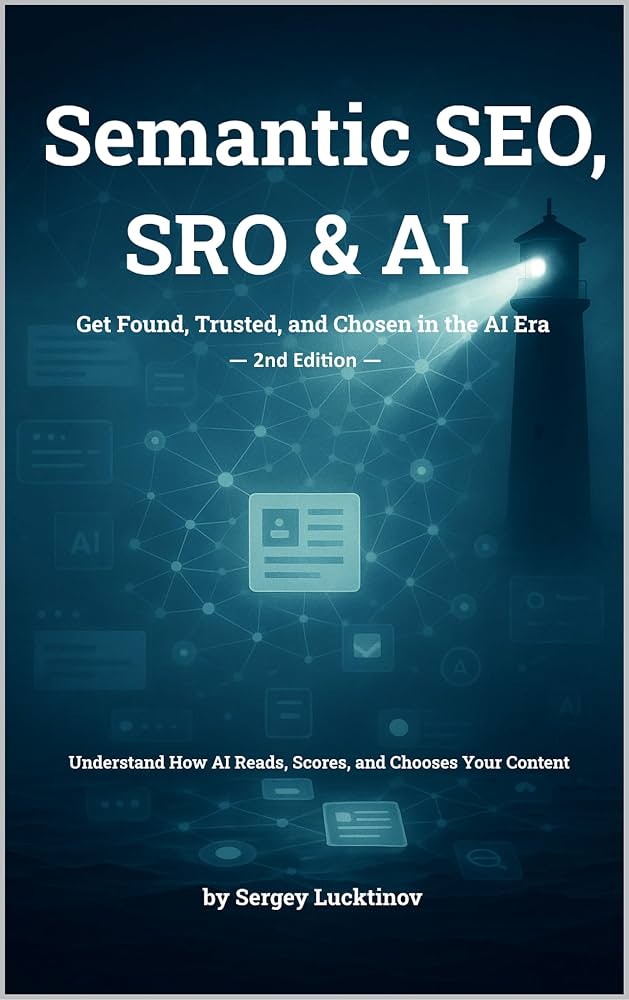
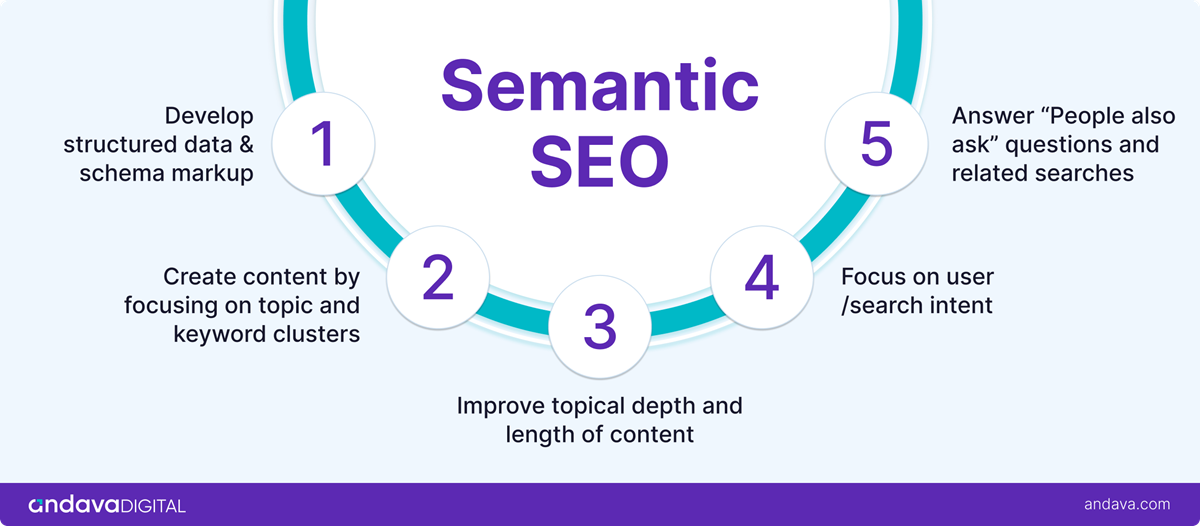
AI Semantic SEO represents the convergence of artificial intelligence and semantic search principles, creating a strategy that aligns content with how modern search engines truly understand meaning. Traditional SEO focused on keywords and backlinks; today’s algorithms leverage natural language processing, entity recognition, and machine learning to grasp intent, context, and relationships between concepts. This shift demands a more sophisticated approach—one that treats content as a knowledge graph rather than a collection of isolated terms.
Search engines like Google now employ models such as BERT, MUM, and RankBrain to parse queries at a conceptual level. AI Semantic SEO empowers marketers to build topical authority, answer complex user questions before they are fully formulated, and structure information in ways that machines can parse with near-human comprehension. As voice search, visual search, and zero-click results continue to rise, mastering this discipline becomes essential for sustainable organic visibility.
What Exactly Is AI Semantic SEO?
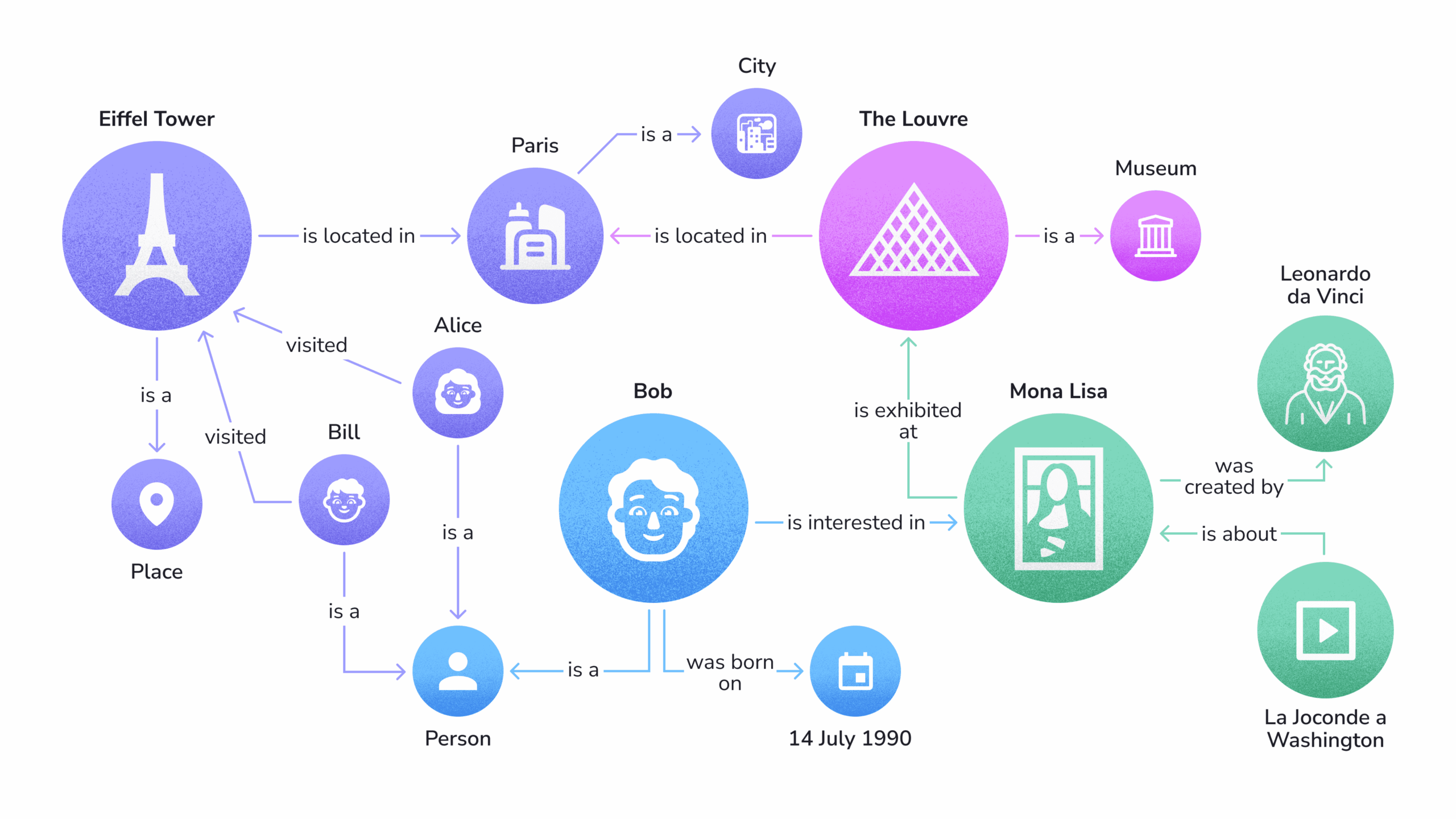
AI Semantic SEO is the practice of optimizing digital content so that search engines can interpret its meaning, context, and relevance through artificial intelligence-driven models. Unlike conventional SEO that might target individual keywords, this approach maps out entire subject domains, connecting entities, attributes, and the relationships between them. It operates on the principle that a webpage should be a definitive resource on a topic, rich with contextually related information that satisfies multiple layers of user intent.
The “semantic” component refers to meaning. By structuring content around topics rather than strings, and by using structured data, internal linking, and clear information hierarchy, you help AI models build an accurate mental model of your content. The outcome is not just higher rankings, but also enhanced visibility in featured snippets, knowledge panels, and People Also Ask boxes—all driven by semantic understanding.
The Core Building Blocks of AI Semantic SEO
- Entity Optimization: Identify and disambiguate entities (people, places, things, concepts) using schema markup and contextual cues so search engines can connect your content to the wider knowledge graph.
- Topical Authority: Cover a subject comprehensively, from foundational explanations to advanced nuances, creating a content cluster that signals expertise and satisfies searcher intent at every stage.
- Intent Matching: Use AI tools to analyze the underlying intent behind search queries—informational, navigational, commercial, transactional—and tailor content formats and depth accordingly.
- Structured Data Implementation: Apply JSON-LD schema to clearly define articles, products, FAQs, how-tos, and events, enabling rich results and precise indexing.
- Semantic HTML5 and Accessibility: Use proper heading tags, lists, and ARIA labels that both assistive technologies and search bots can interpret for content hierarchy and importance.
- Natural Language Generation and Optimization: Leverage AI writing assistants to produce fluent, engaging text while ensuring semantic density and avoiding keyword stuffing.
- Semantic Stuffing: Just as there was keyword stuffing, some marketers over-optimize by forcing every entity into every paragraph. This creates unnatural text. Entities should appear where they contextually belong, not simply to check a box.
- Ignoring User Experience: Semantic HTML and schema are technical signals, but if the page loads slowly, has intrusive ads, or a confusing layout, engagement signals will suffer and undermine everything. The technical and experience layers must work together.
- Neglecting Off-Page Signals: Semantic relevance helps crawl and indexing, but backlinks still serve as trust endorsements. Don’t rely solely on content depth; actively earn citations and mentions from authoritative sources in your niche.
- Treating All Content Equally: Not every page needs the same level of semantic density. A thin affiliate page won’t rank simply because it lists many related terms. It still must provide unique value, perspective, or data that justifies its existence.
- Forgetting About Freshness: AI models value recency for many queries. A semantically perfect article from three years ago may lose ground if competitors publish updated guides with recent statistics. Schedule regular content refreshes as part of your SEO calendar.
Why AI Semantic SEO Matters More Than Ever
Search has evolved from a literal string-matching exercise to a reasoning engine. Google’s Multitask Unified Model (MUM) can transfer knowledge across languages and mediums, understanding text, images, and eventually video within a single query. Without semantic optimization, content risks becoming invisible, no matter how many times a keyword is repeated.
The rise of large language models like GPT-4 has also shifted user expectations. Searchers increasingly pose long, conversational queries and expect direct, accurate answers. Semantic SEO ensures your content can be surfaced for these nuanced requests, even when the exact keyword never appears. It aligns your site with the future of information retrieval, where AI becomes the first point of contact between users and brands.
Improved Visibility in Zero-Click Searches
When your content is semantically rich and well-structured, it stands a better chance of being pulled into featured snippets, knowledge graphs, and answer boxes. These zero-click results often satisfy the query without a user needing to visit a page, but they build brand authority and can drive traffic through secondary clicks. Implementing FAQ schema, clear definitions, and concise summaries directly supports this visibility.
Voice Search and Conversational AI
Voice queries tend to be longer and more conversational. AI Semantic SEO prepares your content for these by focusing on natural language patterns and question-answer formats. Smart speakers and virtual assistants rely on the same semantic databases as web search, so content optimized for meaning rather than syntax will dominate voice results.
How AI Is Transforming Semantic SEO Practices
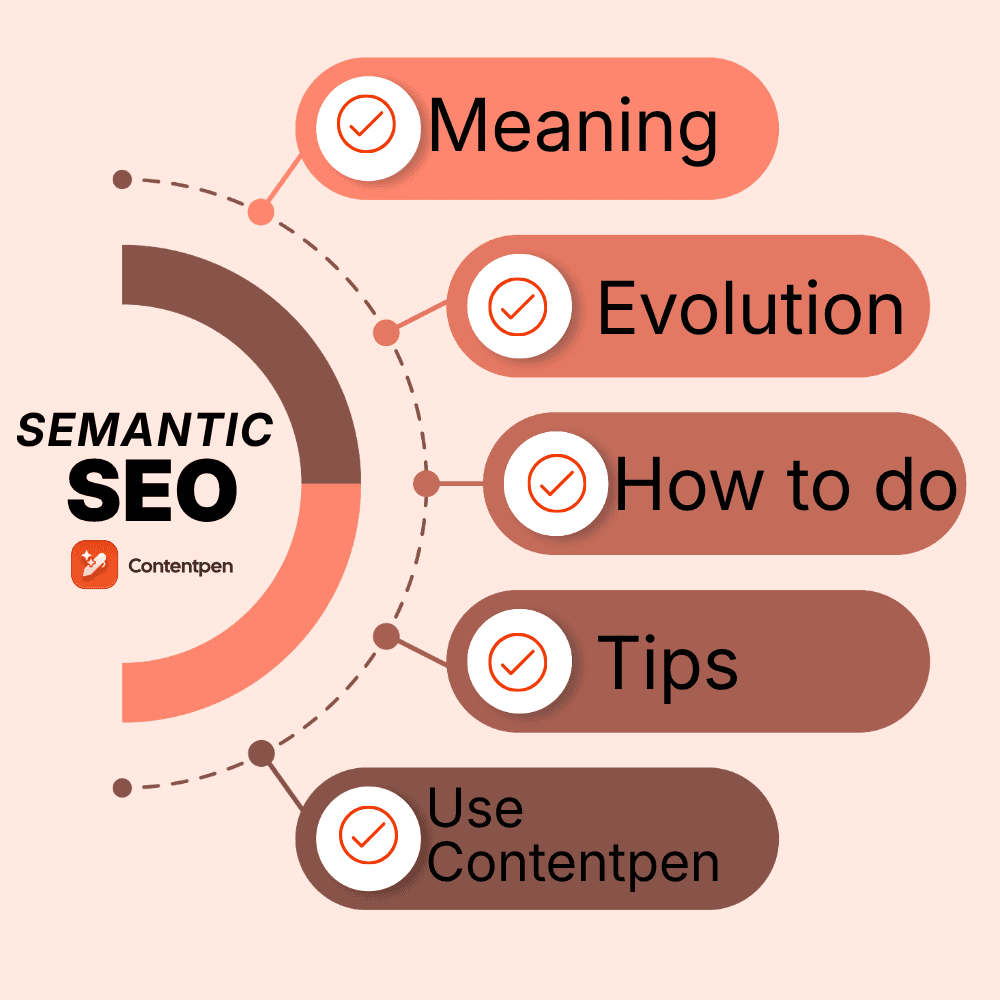
Artificial intelligence doesn’t just power the search engines; it also equips SEO professionals with advanced tools for research, content creation, and analysis. The synergy between AI-augmented workflow and semantic principles creates a powerful feedback loop.
AI-Powered Topic Modeling and Keyword Research
Traditional keyword research tools give you a list of terms. AI-driven platforms such as MarketMuse, Clearscope, and SurferSEO go further, analyzing top-ranking pages to identify semantic gaps—entities and subtopics that must be covered to achieve topical completeness. These tools generate content briefs that reflect the knowledge graph structure of a search result, ensuring your content aligns with what the algorithm expects.
Natural Language Processing for Content Optimization
NLP models can score your draft’s relevance, readability, and semantic depth before publication. They highlight missing concepts, suggest related terms, and even flag sections that are too thin. By iterating with NLP feedback, you can transform a generic article into a semantically robust resource that matches both user intent and crawler logic.
Automated Structured Data Generation
New AI tools can scan a page and recommend or even generate appropriate schema markup. This reduces the technical burden of implementing JSON-LD for articles, local businesses, events, or product reviews. Correct schema is a cornerstone of semantic understanding; AI makes it accessible at scale.
Key Components of a Winning AI Semantic SEO Strategy
Building a successful strategy requires a systematic approach that integrates content, technical SEO, and ongoing analysis. The following components must work in harmony.
1. Comprehensive Entity Research
Begin by mapping out the primary entity of your page. If your topic is “home espresso machines,” related entities include “portafilter,” “brew ratio,” “bar pump pressure,” “grind size,” and “milk frothing.” Use Google’s own Knowledge Graph API, Wikipedia, and SEO tools to identify these. The goal is to mention and explain these entities naturally, linking out to authoritative sources where relevant, and using internal links to connect to other pages about those subtopics.
2. Content Architecture Based on Topic Clusters
Replace isolated blog posts with a hub-and-spoke model. A pillar page covers the broad topic, while cluster pages dive deep into each subtopic. Internal linking connects all spokes back to the pillar and to each other, sending strong semantic signals. This architecture mirrors the way knowledge graphs organize information, making it easier for AI to see your site as an authority.
3. Deep Intent Analysis for Each Page
Don’t just assume intent; verify it with AI tools that classify search queries. A term like “best espresso machine” has a commercial investigation intent, requiring comparison tables and buyer’s guides. “How to descale an espresso machine” is informational, demanding step-by-step instructions. Using the correct content type and format signals to AI that your page is directly relevant to the user’s need.
4. Semantic HTML and On-Page Optimization
Use HTML5 elements meaningfully. An <article> tag around your main content, <nav> for navigation, and a logical heading structure (h1 → h2 → h3) create a machine-readable outline. Include descriptive alt text for images that not only serve accessibility but also provide semantic context. These signals help AI decode page structure and content importance without complex inference.
5. Continuous Performance Monitoring with AI Tools
Deploy AI-powered rank tracking and content decay monitoring. Tools can alert you when a page starts losing semantic relevance for key queries, suggesting updates based on competitor shifts and algorithm changes. This proactive approach ensures your semantic optimization remains current.
AI Semantic SEO vs Traditional SEO: A Side-by-Side Comparison
| Aspect | Traditional SEO | AI Semantic SEO |
|---|---|---|
| Focus | Individual keywords and exact-match phrases | Topics, entities, and user intent |
| Content Strategy | One page per keyword variation | Comprehensive pillar pages with interconnected clusters |
| Link Building | Quantity of backlinks, often with anchor text precision | Earned authority through topical depth and referenced citations |
| Measurement | Keyword rankings and organic traffic | Entity coverage, featured snippet ownership, and engagement metrics |
| Technical Signal | Meta tags, basic heading structure | Structured data, semantic HTML5, internal link graph optimization |
| Content Quality Metric | Keyword density, word count | Semantic completeness, E-E-A-T signals, NLP scores |
Implementing AI Semantic SEO: A Practical Step-by-Step Guide
Transitioning to semantic optimization does not require discarding your entire current SEO foundation. Instead, it is an evolution. This guide provides actionable steps that you can begin applying immediately.
Step 1: Audit Your Existing Content for Semantic Gaps
Select a high-priority page and run it through an NLP content optimizer. Look at the missing topics and entities section. Create a list of concepts you haven’t covered. For example, if the page is about “digital marketing,” gaps might include “programmatic advertising,” “CDP (customer data platform),” or “attribution modeling.” Plan to add these sections or create dedicated cluster pages.
Step 2: Build a Robust Entity Map
Start a spreadsheet listing your core topics and their related entities. Use Google’s “People Also Ask” and “Related Searches” features to gather real-world associations. Include the preferred schema type for each entity (Person, Organization, Product, etc.). This map will guide future content creation and internal linking.
Step 3: Rewrite and Restructure for Topical Depth
When updating an existing article, don’t just append new paragraphs. Restructure the entire piece with an accordion-like depth. Begin with a concise answer for those seeking quick information (snippet bait), then expand into detailed explanations, examples, data, and actionable advice. Use clear jump links for navigation. This format satisfies both short-answer and deep-dive intents.
Step 4: Implement Strategic Internal Linking
Within the updated content, link to relevant cluster pages using descriptive anchor text. For instance, when mentioning “espresso grind size,” link to your detailed guide on that topic. This reinforces semantic relationships and distributes authority. Avoid generic “click here” anchors; use terms that describe the linked entity or topic.
Step 5: Deploy and Validate Structured Data
Use Google’s Structured Data Markup Helper or a plugin to add appropriate schema. For an article, use Article schema. For a product page, use Product and Offer. Test with the Rich Results Test tool. Ensure there are no errors. This step directly communicates the meaning of your content to search AI.
Step 6: Monitor and Iterate Based on AI Insights
Set up tracking for your optimized pages. Use search console to see which queries drive impressions. If new, related queries emerge, consider integrating them into your content or creating new supporting pieces. AI content tools often provide periodic freshness scores that indicate when it’s time to update.
Common Mistakes in AI Semantic SEO and How to Avoid Them
Even experienced SEOs can fall into traps when adopting semantic strategies. Awareness of these pitfalls will save time and prevent performance drops.
Important Notes for Long-Term Success with AI Semantic SEO
Semantic optimization is not a project with a fixed endpoint. As AI models grow more sophisticated, their understanding of nuance, sentiment, and multimedia context will deepen. Stay informed about major algorithm updates and the expanding capabilities of NLP models. The core principle will remain: create content that genuinely fulfills human needs in a format that machines can parse effortlessly.
Also, remember that E-E-A-T (Experience, Expertise, Authoritativeness, Trustworthiness) is a qualitative framework that aligns perfectly with semantic SEO. When you demonstrate real-world experience, cite credible sources, and show author credentials, you add layers of meaning that AI can associate with your content. This boosts your standing beyond keyword-level competition.
Finally, embrace the partnership between human creativity and AI assistance. Use AI tools to identify gaps and generate structured suggestions, but rely on human judgment for tone, storytelling, and ethical nuance. The blend produces content that resonates emotionally while being technically perfect for semantic models.
Frequently Asked Questions About AI Semantic SEO
What is the difference between semantic SEO and traditional keyword SEO?
Semantic SEO focuses on topics, entities, and user intent rather than exact-match keywords. It aims to provide comprehensive information that satisfies a query’s underlying meaning. Traditional keyword SEO often involves targeting specific search terms with separate pages and measuring success by keyword rank alone. Semantic SEO builds topical authority and uses structured data to help AI understand the context, while traditional SEO relies more on on-page elements like title tags and meta descriptions.
How does AI help with semantic search optimization?
AI assists by analyzing massive datasets to uncover semantic relationships, generating content briefs that cover all necessary subtopics, and scoring existing content for relevance and completeness. It can also automate structured data markup and predict which entities and formats are most likely to win featured snippets. For search engines, AI is the engine that interprets queries semantically; for marketers, AI tools help align content with that engine.
Is AI Semantic SEO only for large websites?
No. While larger sites often have more resources to implement complex topic clusters, small sites can benefit greatly from semantic optimization. A single, well-researched pillar page with thorough coverage of a niche topic can outperform several shallow competitor pages. The key is depth and entity coverage, not the size of the domain. Even a local business can use structured data and clear information architecture to improve local pack visibility.
Can I use AI writing tools for semantic SEO content?
Yes, but with careful oversight. AI writing assistants can generate fluent text and suggest semantically relevant subtopics. However, they may produce generic content that lacks original insights or real-world examples. Use them for drafts and research, then inject human expertise, personal stories, and verified data. Always fact-check AI outputs, as they can generate plausible-sounding but incorrect statements.
How long does it take to see results from AI Semantic SEO?
Results vary, but typically improvements appear within 3 to 6 months for moderately competitive niches. Semantic updates often trigger gradual ranking increases across many long-tail queries rather than a sudden spike for one keyword. Because you’re building topical authority, the compounding effect can be significant over time. Patience and consistent content refinement are essential.
Does semantic SEO work for e-commerce product pages?
Absolutely. For e-commerce, apply semantic principles by enriching product descriptions with related attributes, use cases, and complementary products. Implement Product, Offer, and Review schema. Include detailed specifications in a structured format, and connect products to broader buying guides (cluster content). This helps search engines understand not just the product name, but its features, benefits, and place in the marketplace.
The Future Belongs to Meaningful Content
AI Semantic SEO is not a fleeting trend; it is the logical endpoint of search engine evolution. As algorithms become more adept at understanding language and context, the brands that invest in meaning-rich, interconnected content ecosystems will claim the most valuable digital real estate. By embracing entity optimization, topic clustering, and AI-assisted workflows, you position your site to thrive in a landscape where relevance is measured not in words, but in understanding.
The journey requires continuous learning and adaptation. Start with a single pillar page, deepen its semantic coverage, and expand outward. Monitor the results, listen to the data, and let AI be your guide—not your master. In the age of intelligent search, meaning is the ultimate ranking factor.
Xem thêm:
- AI SEO AI Citation Building: The Complete Guide to Automated Local Search Dominance
- AI B2C SEO: Mastering Consumer Search with Artificial Intelligence for Unmatched Growth
- AI SEO Site Structure: The Complete Guide to Building an AI-Ready Website Architecture
- AI SEO Alt Text Generator: The Complete Guide to Automated Image Optimization
- The 2024 AI SEO Glossary: 50+ Must-Know Terms for Search Professionals
Bài viết cùng chủ đề:

AI SEO SEO Automation with Make: The Complete Workflow Guide

AI SEO SEO Automation with Zapier: The Complete Workflow Guide

AI SEO SEO Automation with n8n: The Complete Workflow Guide
AI SEO SEO Automation with Gemini: The Complete Guide to Scaling Organic Growth

AI SEO SEO Automation with Claude: The Complete Guide to Scaling Content in 2025

AI SEO SEO Automation with ChatGPT: The Complete Playbook for 2025

AI SEO & SEO Automation for Affiliate Sites: The 2025 Playbook for Passive Income Growth
AI SEO & SEO Automation for Bloggers: The Complete Guide to Scaling Your Content

AI SEO & SEO Automation for Agencies: The Complete 2025 Playbook

AI SEO and SEO Automation for Ecommerce: The Complete Playbook for 2025

AI SEO & SEO Automation for WordPress: The Complete Playbook for 2025
AI SEO SEO Automation Strategy: The Complete Playbook for 2025

Mastering the AI SEO SEO Automation Process: A Complete Guide to Scaling Organic Growth
AI SEO SEO Automation System: The Complete Guide to Scaling Organic Growth in 2025
AI SEO SEO Automation Platform: The Complete Guide to Scaling Organic Growth in 2025
AI SEO SEO Automation Software: The Complete Guide to Scaling Organic Growth in 2025















