
No products in the cart.
AI Cluster Pages: The Ultimate Strategy for Topical Authority in the Age of AI Search
29
Jul
Jul
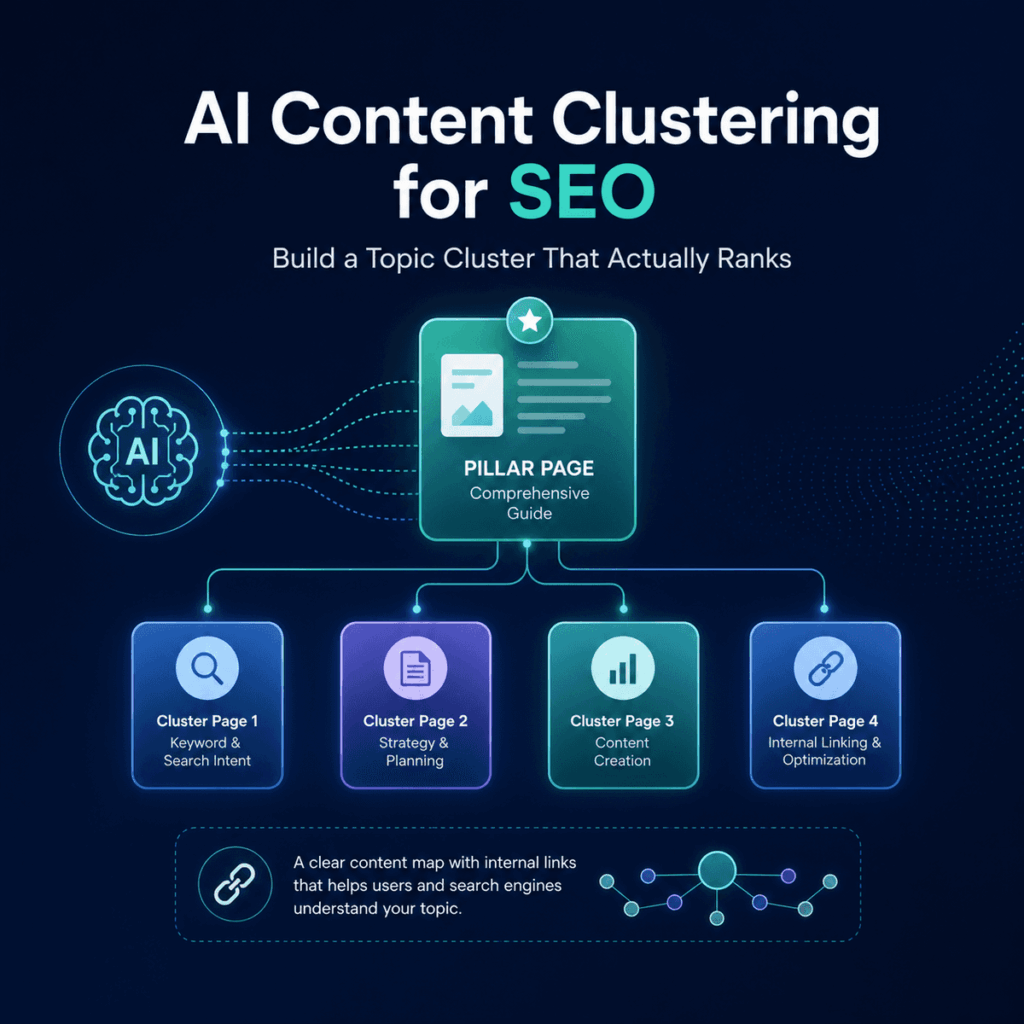
The way search engines understand and rank content has changed drastically. With the rise of large language models, AI-generated summaries, and Google’s Search Generative Experience, websites can no longer rely on isolated keyword targeting. AI cluster pages have emerged as the most effective way to signal deep expertise and build lasting organic visibility. An AI cluster page strategy goes beyond simple internal linking—it leverages artificial intelligence to identify, create, and interconnect thematically related content at scale, shaping a knowledge hub that both traditional crawlers and AI-powered search engines trust.
What Are AI Cluster Pages?
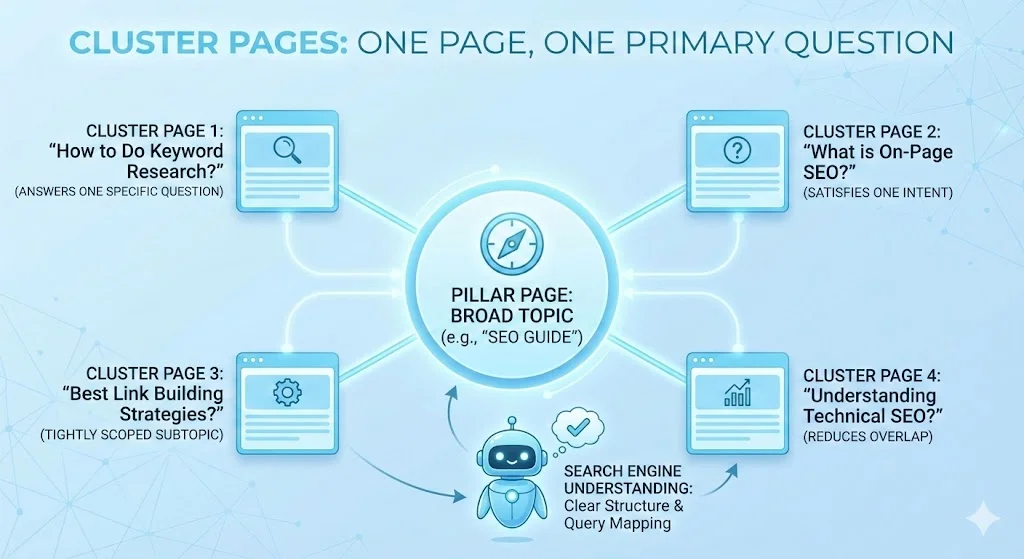
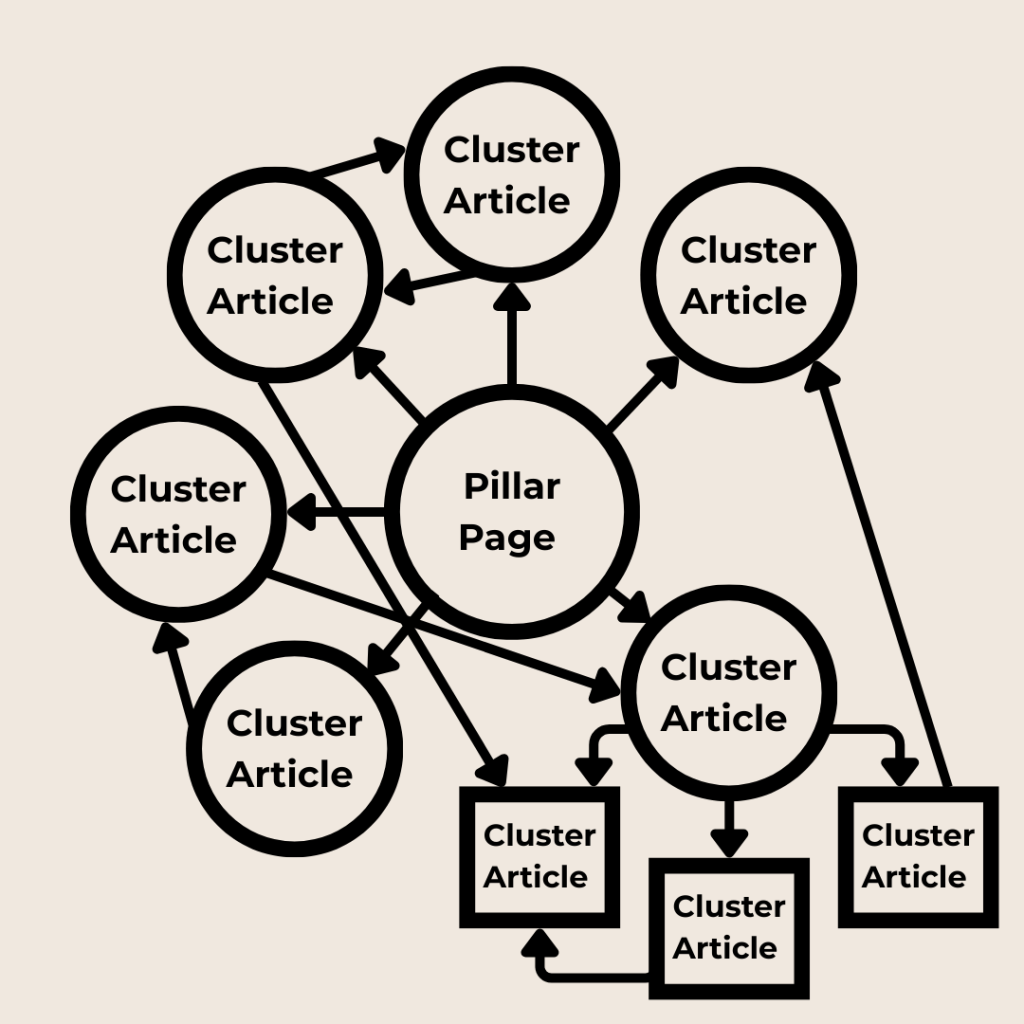
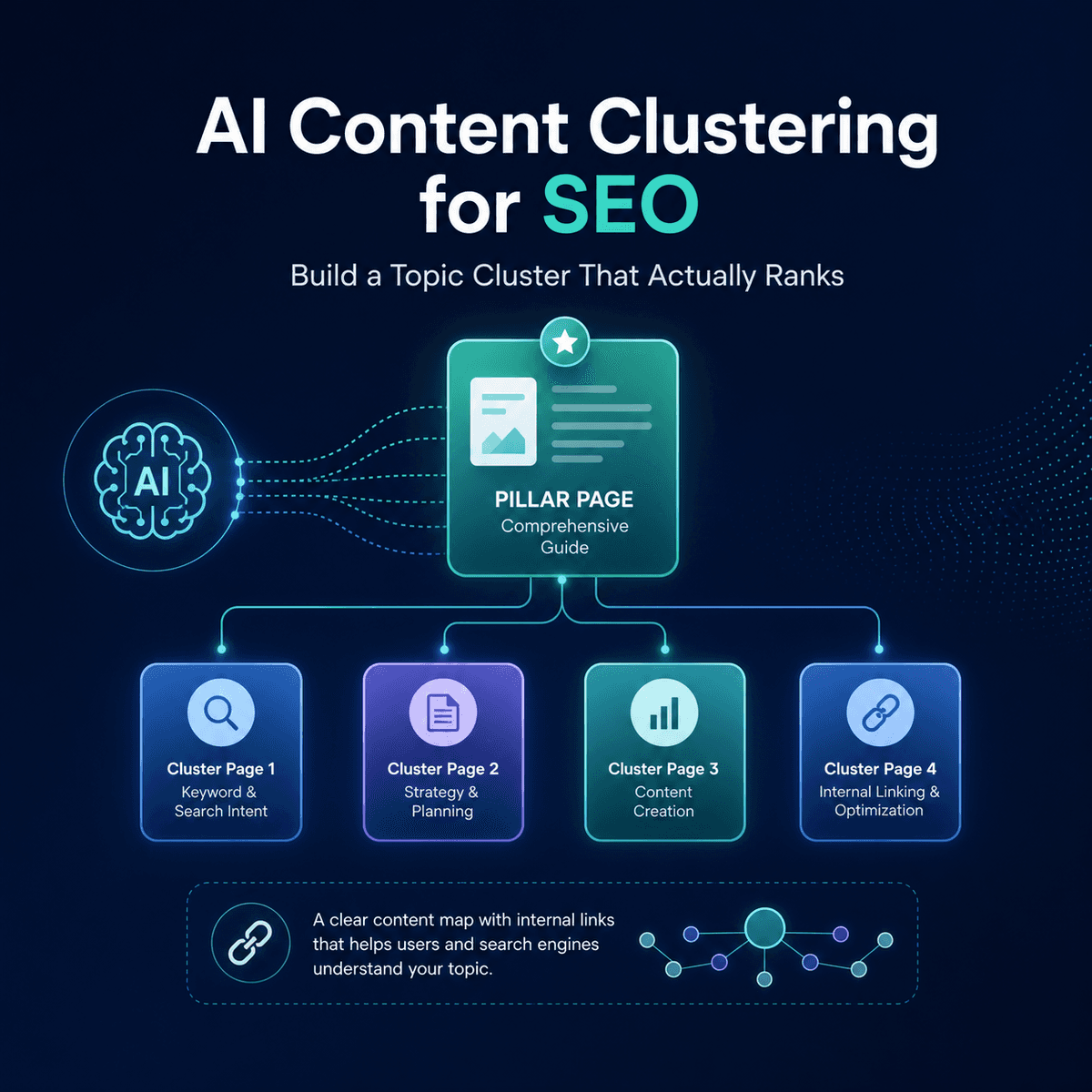
AI cluster pages are a modern evolution of the topic cluster model, enhanced and accelerated by artificial intelligence. At its core, a cluster is a group of interlinked web pages centered around one comprehensive pillar page. Each cluster page explores a specific subtopic in depth and links back to the pillar, while the pillar links out to all cluster pages. The “AI” dimension means that machine learning tools help with topic research, content gap analysis, internal linking suggestions, and even content generation—making the entire cluster more coherent, scalable, and semantically rich.
Unlike a traditional blog with random posts, AI cluster pages are intentionally designed to cover a subject from every angle. Search engines interpret this tight topical relationship as a strong signal of expertise. For AI-driven search features like featured snippets, knowledge panels, and conversational answers, well-built cluster pages dramatically increase the chance of being pulled as a source.
Why AI Cluster Pages Matter for Modern SEO
Google’s algorithms have increasingly prioritized topical authority over individual keyword density. The Helpful Content System, E-E-A-T guidelines, and the integration of AI overviews mean that a website must prove it knows a subject inside and out. AI cluster pages accomplish this by demonstrating depth, breadth, and logical content organization. When all pieces of a topic are connected, search engines can map your site’s knowledge graph more accurately.
Moreover, AI-powered search like Bing Chat and Google SGE synthesize answers from multiple sources. If your site provides a network of well-linked, authoritative pages, it becomes a go-to reference point. This reduces dependence on any single page’s ranking and spreads risk across a whole content ecosystem. The result is more stable traffic, higher engagement, and stronger conversion signals.
How AI Cluster Pages Work: The Architecture
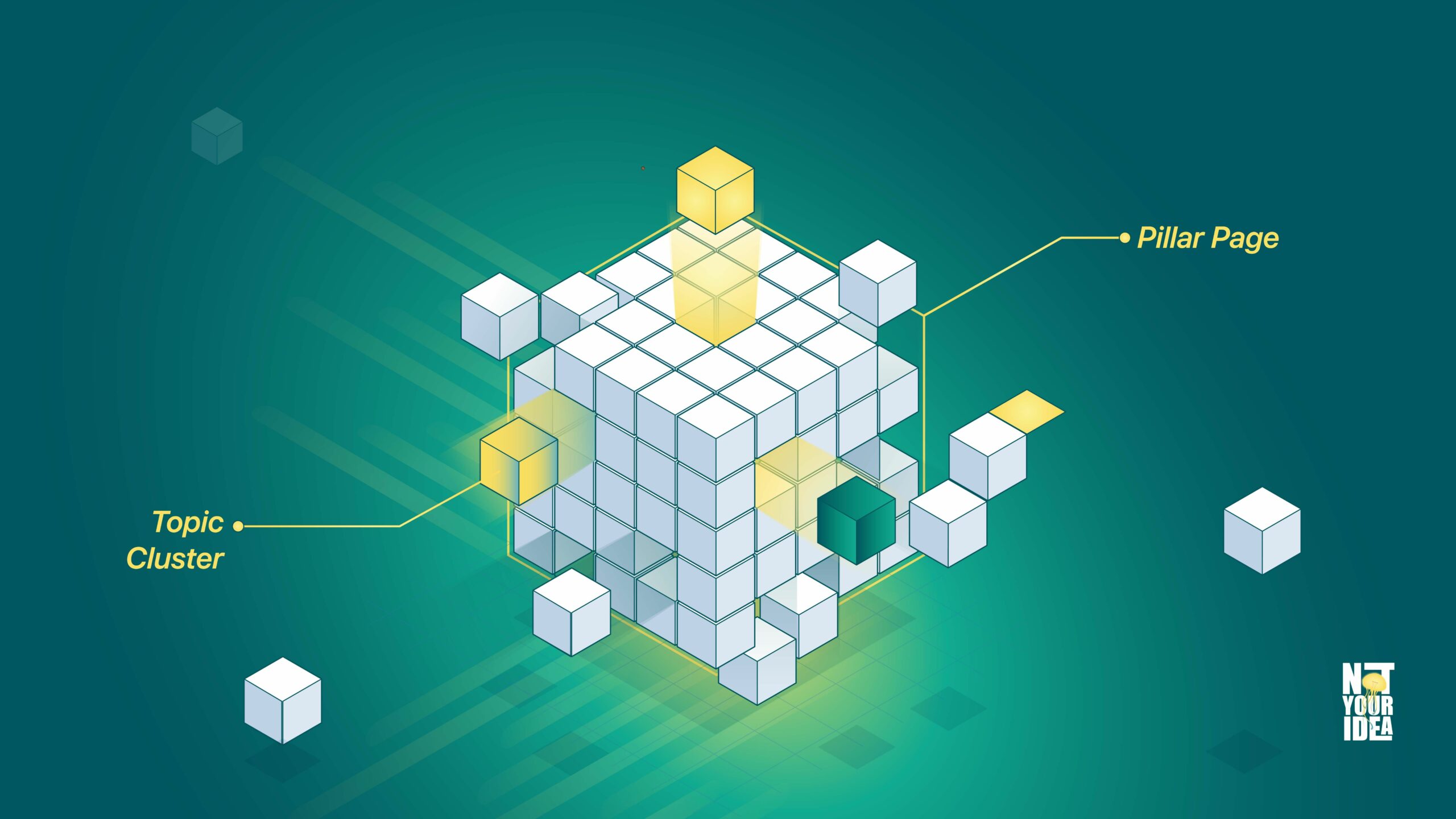
The structure of an AI cluster page strategy rests on three layers: the pillar page, cluster content, and hyper-relevant internal links. Artificial intelligence tools optimize each layer by analyzing search intent, competitor clusters, and semantic relationships that humans might overlook.
The Pillar Page as a Central Hub
The pillar page targets a broad, high-volume keyword and serves as the definitive guide on a topic. It does not go into microscopic detail on every subtopic but provides a complete overview while linking out to dedicated cluster pages. AI aids in outlining the pillar by scanning top-ranking content, identifying missing subtopics, and suggesting a logical flow that matches user intent from informational to transactional.
Cluster Pages Covering Specific Subtopics
Each cluster page zeroes in on one long-tail keyword or question. These pages satisfy detailed queries such as “how to implement an AI content cluster” or “best tools for AI topic clustering.” AI content tools can generate drafts, but human editing remains essential to ensure originality, expert insights, and factual accuracy. The cluster pages link back to the pillar with optimized anchor text, reinforcing the semantic bond.
Semantic Internal Links Powered by AI
Manual internal linking often misses valuable opportunities. AI tools crawl the entire site, suggest connections between related cluster pages, and even recommend new cluster topics based on content gaps. This automated link building between contextually related pages strengthens the entire cluster’s authority, making it easier for crawlers to understand the topical hierarchy.
Benefits and Limitations of AI Cluster Pages
Implementing AI cluster pages brings clear advantages but also introduces challenges that require careful management. Understanding both sides ensures a realistic, effective content strategy.
- Stronger topical authority signals – Search engines see a dense web of relevant content and reward the site with higher rankings across the entire cluster.
- Improved crawl efficiency – A logical link structure helps bots discover and index pages faster, reducing orphan content.
- Higher user engagement – Visitors find all the information they need without leaving the site, which increases dwell time and reduces bounce rate.
- Greater resilience to algorithm updates – Instead of depending on a single page, traffic is spread across multiple reliable entry points.
- Scalable content production – AI tools accelerate ideation, drafting, and optimization, making it possible to build clusters with dozens or even hundreds of pages.
- AI-generated content risks – Relying too heavily on AI without human oversight can produce thin, repetitive, or factually incorrect content that harms E-E-A-T.
- Over-optimization potential – Excessive exact-match anchor text or forced linking structures can trigger spam signals.
- Maintenance overhead – Clusters need regular updates to stay current, especially in fast-moving industries.
- Initial resource investment – Building a robust cluster requires substantial planning, tool investment, and editorial work upfront.
- Creating low-value, redundant content – When AI generates pages without clear differentiation, you end up with near-duplicate content that confuses search engines and dilutes authority.
- Neglecting user intent – Focusing solely on keyword volume leads to pages that don’t actually answer what real people search for. Every cluster page must deliver a complete, satisfying answer.
- Poor internal linking structure – Over-linking, using identical anchor text repeatedly, or failing to link cluster pages to each other breaks the semantic signal.
- Ignoring page experience – Even the best content fails if pages load slowly, aren’t mobile-friendly, or have intrusive interstitials. AI cluster pages must meet Core Web Vitals standards.
- Setting and forgetting – Not updating cluster pages with fresh data, removing outdated links, or expanding the cluster when new subtopics emerge causes gradual decline.
Limitations to Watch Out For
AI Cluster Pages vs. Traditional Content Silos: A Comparison
Traditional content silos were the precursor to topic clusters. Both aim to group related content, but AI cluster pages introduce intelligence and scalability that manual silos cannot match. The table below highlights key differences.
| Aspect | AI Cluster Pages | Traditional Content Silos |
|---|---|---|
| Topic Discovery | AI-driven gap analysis, semantic keyword grouping, real-time intent detection | Manual keyword research, often limited to a few seed terms |
| Internal Linking | Automated, context-aware suggestions across the entire cluster | Hand-placed links, prone to inconsistency and dead ends |
| Scalability | High; clusters can be expanded rapidly with machine assistance | Low; each new page requires significant manual effort |
| Content Quality Control | Requires human review to maintain E-E-A-T and factual integrity | Fully manual, easier to control but slower to produce |
| Adaptability to AI Search | Designed for semantic relevance and multi-source answer synthesis | Often keyword-focused, less suited for conversational AI snippets |
How to Build AI Cluster Pages Step by Step
Creating an effective AI cluster page strategy involves a sequence of research, creation, and optimization steps. Each step can be augmented with AI tools without sacrificing human judgment.
1. Conduct AI-Powered Topic Research
Start by identifying a broad core topic that aligns with your brand’s expertise. Use AI tools to generate a list of related subtopics, questions, and long-tail keywords. Analyze competitor clusters to see what they cover and where gaps exist. Group keywords by user intent—informational, commercial, navigational, transactional—to shape the pillar and cluster content.
2. Map Out the Pillar and Cluster Structure
Define the pillar page that will act as the main hub. Outline its sections based on the major subtopic categories discovered. Each section becomes a candidate for a cluster page. Plan the linking: every cluster page links back to the pillar, and where relevant, cluster pages link to each other. A visual sitemap or mind map helps prevent orphan pages.
3. Create the Pillar Page with Depth and Authority
Write a comprehensive guide that covers the core topic at a high level. Incorporate original data, expert quotes, case studies, and unique insights. AI can assist with drafting structure, but the final content must demonstrate genuine experience. The pillar page should naturally include broad keywords and answer the main question a searcher might have.
4. Develop Cluster Content With Precision
For each cluster page, target a specific long-tail query. Format the content to satisfy the intent directly: use comparison tables for “vs” queries, step-by-step lists for “how to” articles, and concise definitions for glossary terms. AI writing assistants can produce first drafts quickly, but always edit for accuracy, brand voice, and compliance with E-E-A-T guidelines. Include internal links to the pillar and related cluster pages using varied, descriptive anchor text.
5. Implement and Automate Internal Links
Internal linking tools that leverage natural language processing can scan your content and suggest links you might have missed. Set rules to ensure that every new cluster page automatically receives links from older, relevant pages. This keeps the cluster alive and reinforces relationships. Regularly audit links to avoid broken connections or over-optimization patterns.
6. Monitor Performance and Iterate
Track the cluster’s performance through organic traffic, keyword rankings, click-through rates, and conversions. Use AI analytics to identify pages that underperform and need refreshing. Update statistics, add new subtopics, and expand clusters as the topic evolves. A static cluster loses relevance, but a living, breathing hub continually strengthens authority.
Common Mistakes When Creating AI Cluster Pages

Even with the best tools, certain pitfalls can undermine the effectiveness of AI cluster pages. Recognizing them early prevents wasted effort and potential ranking drops.
Important Notes for Sustainable AI Cluster Strategies
Building AI cluster pages is not a one-time project but a continuous commitment. The human element remains irreplaceable. AI should handle data processing, suggestions, and repetitive tasks, while human experts inject real-world experience, nuanced opinions, and first-hand examples. This blend achieves the E-E-A-T signals that search engines value above all.
Avoid publishing AI-generated content without thorough review. Fact-check every claim, add proprietary data whenever possible, and ensure all statistics come from verifiable sources. Transparency about your content creation process can further enhance trust. Moreover, keep clusters focused on a well-defined niche; trying to cover too broad a subject with one cluster weakens the topical connection.
Finally, remember that AI cluster pages serve users first, search engines second. When every page genuinely helps someone solve a problem, make a decision, or learn something new, the rankings and AI visibility will follow naturally.
Frequently Asked Questions
What exactly are AI cluster pages?
AI cluster pages are a group of interlinked web pages created around a central pillar topic, with artificial intelligence used to research topics, generate drafts, and optimize internal links. They build topical authority by covering a subject comprehensively and semantically connecting all related content.
How do AI cluster pages improve SEO?
They improve SEO by signaling to search engines that your site has deep, organized knowledge about a subject. This increases the likelihood of ranking for a wide range of keywords, earning featured snippets, and being cited in AI-generated search responses.
Can I use AI to write entire cluster pages?
Using AI to generate complete cluster pages is risky if you do not heavily edit and verify the content. Google values original, expert-driven material. AI is best used as a drafting assistant, with human writers adding unique insights, correcting errors, and ensuring E-E-A-T compliance.
How many pages should an AI cluster contain?
T A strong cluster might start with a pillar page and 8–12 cluster pages, then expand over time. The key is covering all relevant subtopics thoroughly without creating redundant or shallow content.
What tools help build AI cluster pages?
Various tools support topic research, content optimization, and internal linking. Popular options include platforms like MarketMuse, SurferSEO, Frase, and Clearscope for content intelligence, plus AI writing assistants like Claude or ChatGPT (with careful oversight) for drafting, and link-building tools such as Link Whisper or InLinks for automating internal connections.
Conclusion
AI cluster pages represent the logical next step in content strategy for a search landscape increasingly dominated by artificial intelligence. By combining the organizational clarity of topic clusters with the speed and insight of AI tools, websites can build formidable topical authority that withstands algorithm shifts and captures traffic from both traditional search results and AI-powered answer engines. The process demands careful planning, human expertise, and ongoing refinement, but the reward is a resilient digital presence that delivers genuine value to users and earns lasting trust from search engines.
Xem thêm:
- AI SEO & SEO Automation for WordPress: The Complete Playbook for 2025
- AI SEO Automation: The Complete Guide to Ranking Smarter, Not Harder
- AI SEO AI Copilots: The Complete Guide to Autonomous Search Optimization
- AI SEO Documentation: The Complete Guide to Building Smarter Search Strategies
- AI SEO Caching: The Complete Guide to Accelerating AI Search Visibility
Bài viết cùng chủ đề:

AI SEO SEO Automation with Make: The Complete Workflow Guide

AI SEO SEO Automation with Zapier: The Complete Workflow Guide

AI SEO SEO Automation with n8n: The Complete Workflow Guide
AI SEO SEO Automation with Gemini: The Complete Guide to Scaling Organic Growth

AI SEO SEO Automation with Claude: The Complete Guide to Scaling Content in 2025

AI SEO SEO Automation with ChatGPT: The Complete Playbook for 2025

AI SEO & SEO Automation for Affiliate Sites: The 2025 Playbook for Passive Income Growth
AI SEO & SEO Automation for Bloggers: The Complete Guide to Scaling Your Content

AI SEO & SEO Automation for Agencies: The Complete 2025 Playbook

AI SEO and SEO Automation for Ecommerce: The Complete Playbook for 2025

AI SEO & SEO Automation for WordPress: The Complete Playbook for 2025
AI SEO SEO Automation Strategy: The Complete Playbook for 2025

Mastering the AI SEO SEO Automation Process: A Complete Guide to Scaling Organic Growth
AI SEO SEO Automation System: The Complete Guide to Scaling Organic Growth in 2025
AI SEO SEO Automation Platform: The Complete Guide to Scaling Organic Growth in 2025
AI SEO SEO Automation Software: The Complete Guide to Scaling Organic Growth in 2025















