
No products in the cart.
AI Conversion Optimization: Harnessing Machine Learning to Turn Browsers into Buyers
29
Jul
Jul
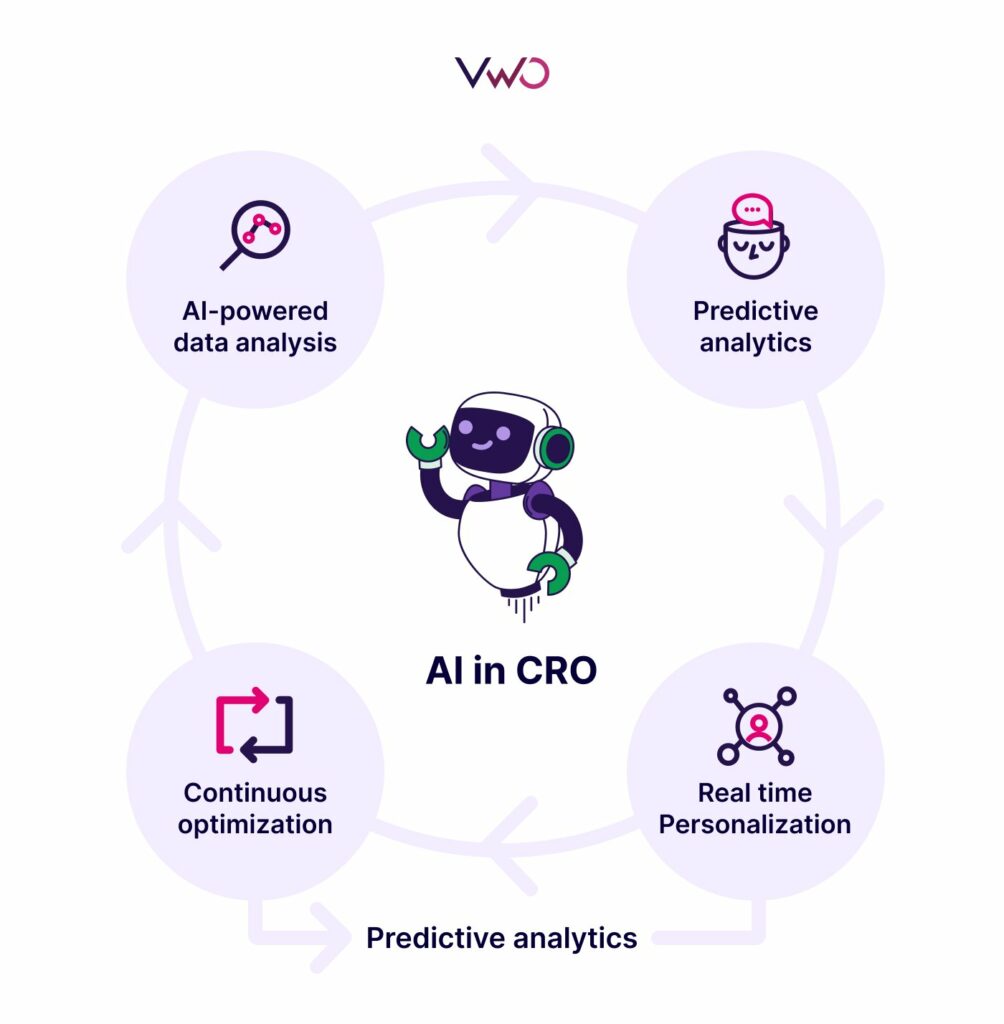
Every percentage point of conversion rate improvement can translate into thousands or even millions in additional revenue. Traditional conversion rate optimization (CRO) relies on manual hypothesis creation, slow A/B testing, and gut-feel decisions. AI conversion optimization flips this model by applying machine learning, predictive analytics, and automation to uncover hidden patterns, deliver hyper-personalized experiences, and continuously lift conversion rates without guesswork. This approach doesn’t replace human insight but amplifies it with data velocity that no manual process can match. In this guide, you’ll learn how AI conversion optimization works, the tools that power it, and the concrete steps to integrate intelligent algorithms into your revenue growth strategy.
What Is AI Conversion Optimization?
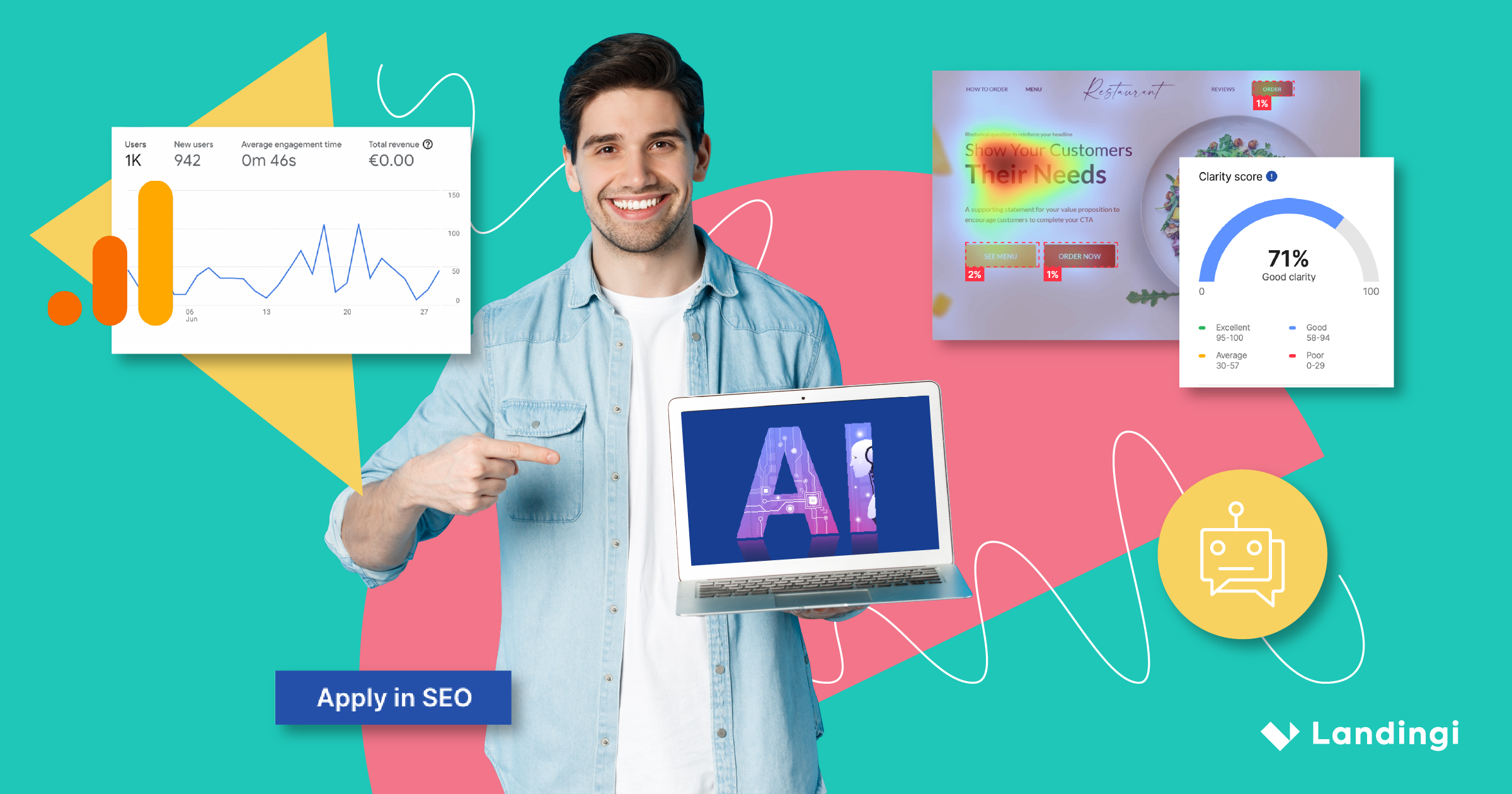
AI conversion optimization is the practice of using artificial intelligence and machine learning to improve the percentage of website visitors who complete a desired action. These actions can be purchases, form submissions, demo bookings, or any measurable goal. Unlike traditional CRO, where teams manually analyze heatmaps, session recordings, and funnel reports, AI systems ingest millions of data points in real time to detect micro-signals that influence decision-making.
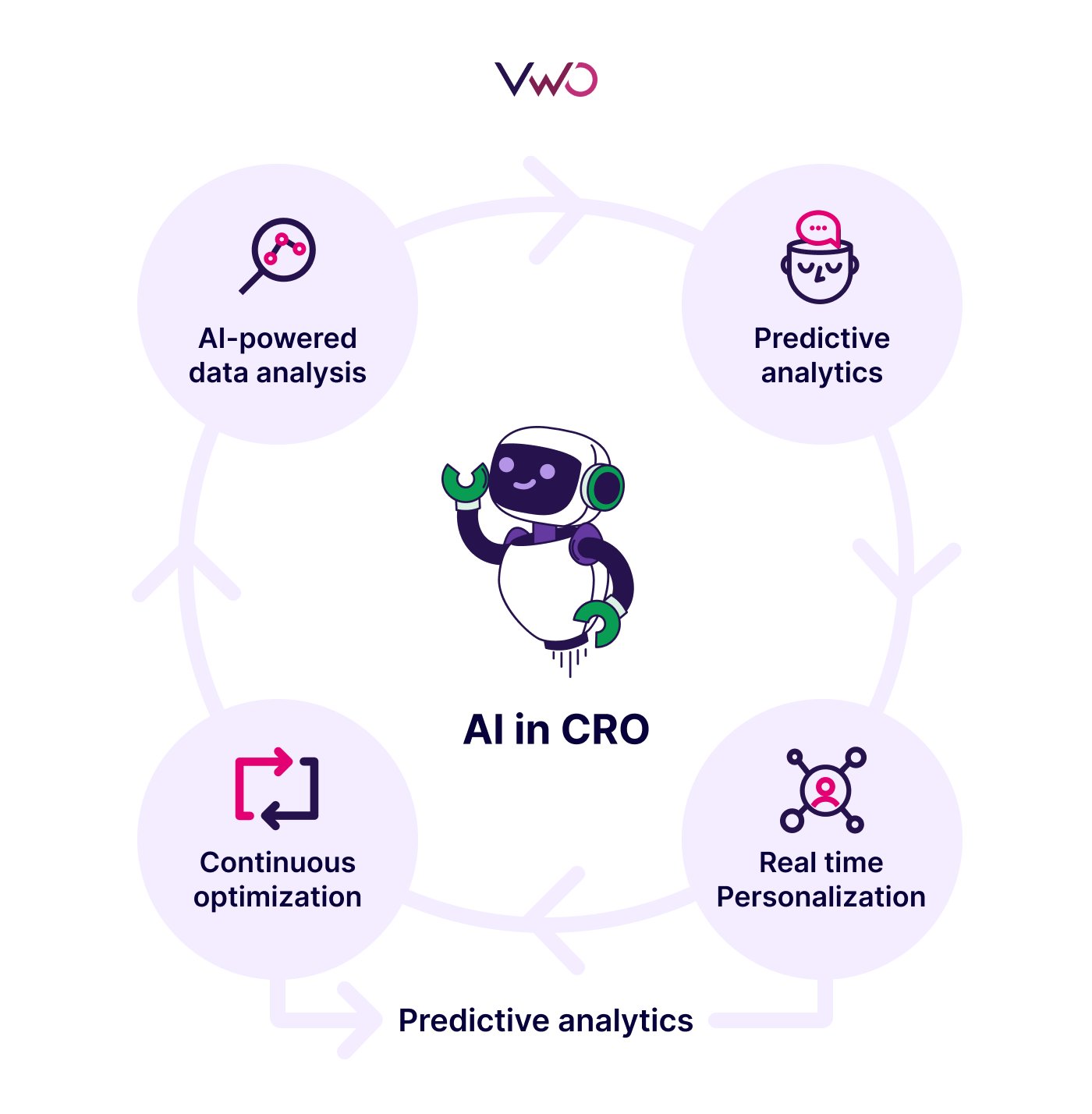
At its core, AI conversion optimization leverages algorithms that learn from user behavior, automatically test variations, and serve the best-performing combinations to individual visitors. Predictive models forecast the likelihood of conversion, while reinforcement learning dynamically adjusts page elements, offers, and messaging. This shift from reactive experimentation to proactive, adaptive optimization is redefining what’s possible for growth teams.
How AI-Powered Conversion Rate Optimization Transforms the Funnel
Artificial intelligence acts as an intelligent layer across the entire conversion funnel. It doesn’t just optimize a landing page headline; it orchestrates a contextual journey. Understanding the key AI-driven mechanisms reveals why this approach outperforms static testing.
Predictive User Scoring and Behavioral Segmentation
Machine learning models assign a real-time conversion probability score to each visitor based on hundreds of behavioral and demographic attributes. This score goes far beyond “new vs. returning” segments. The algorithm detects subtle patterns—scroll depth combined with mouse hesitation on pricing, rapid tab switching, or specific referral source patterns. With AI, you can instantly move high-intent users toward a proactive chat invitation while nurturing mid-intent visitors with an educational pop-up. Traditional rule-based segmentation can’t match this granularity or speed.
Automated A/B and Multivariate Testing with Bandit Algorithms
Classic A/B testing follows a fixed traffic split and waits for statistical significance, often wasting weeks on underperforming variations. AI conversion optimization replaces this with multi-armed bandit algorithms. These algorithms dynamically allocate more traffic to winning variations in real time, minimizing opportunity cost. Instead of running a test for two weeks, you start seeing revenue gains within hours. Over time, the system self-tunes to the best-performing combination of headlines, CTAs, images, and layout without human intervention.
Hyper-Personalization at Scale
Delivering a one-to-one experience is impossible manually, but AI conversion optimization makes it achievable by stitching together real-time intent data, past behavior, device type, location, and even weather. A visitor from a cold climate searching for “winter boots” on your e-commerce site sees a hero banner with insulated products, a localized shipping offer, and a countdown timer matching their time zone. Meanwhile, another visitor arriving via a pay-per-click ad for “lightweight sneakers” encounters entirely different creative. This level of personalization consistently lifts conversion rates by double digits in controlled studies.
Intelligent Chatbots and Virtual Sales Assistants
Conversational AI plays a powerful role in conversion optimization by engaging visitors at the exact moment of friction. If a user hesitates on the checkout page for more than 20 seconds, an AI-driven chatbot can proactively address the most common reason for abandonment—shipping cost or return policy—based on real-time session analysis. These assistants handle objections, answer product questions, and even apply discounts automatically when the system detects a high risk of cart abandonment.
Key Components of an AI Conversion Optimization Stack
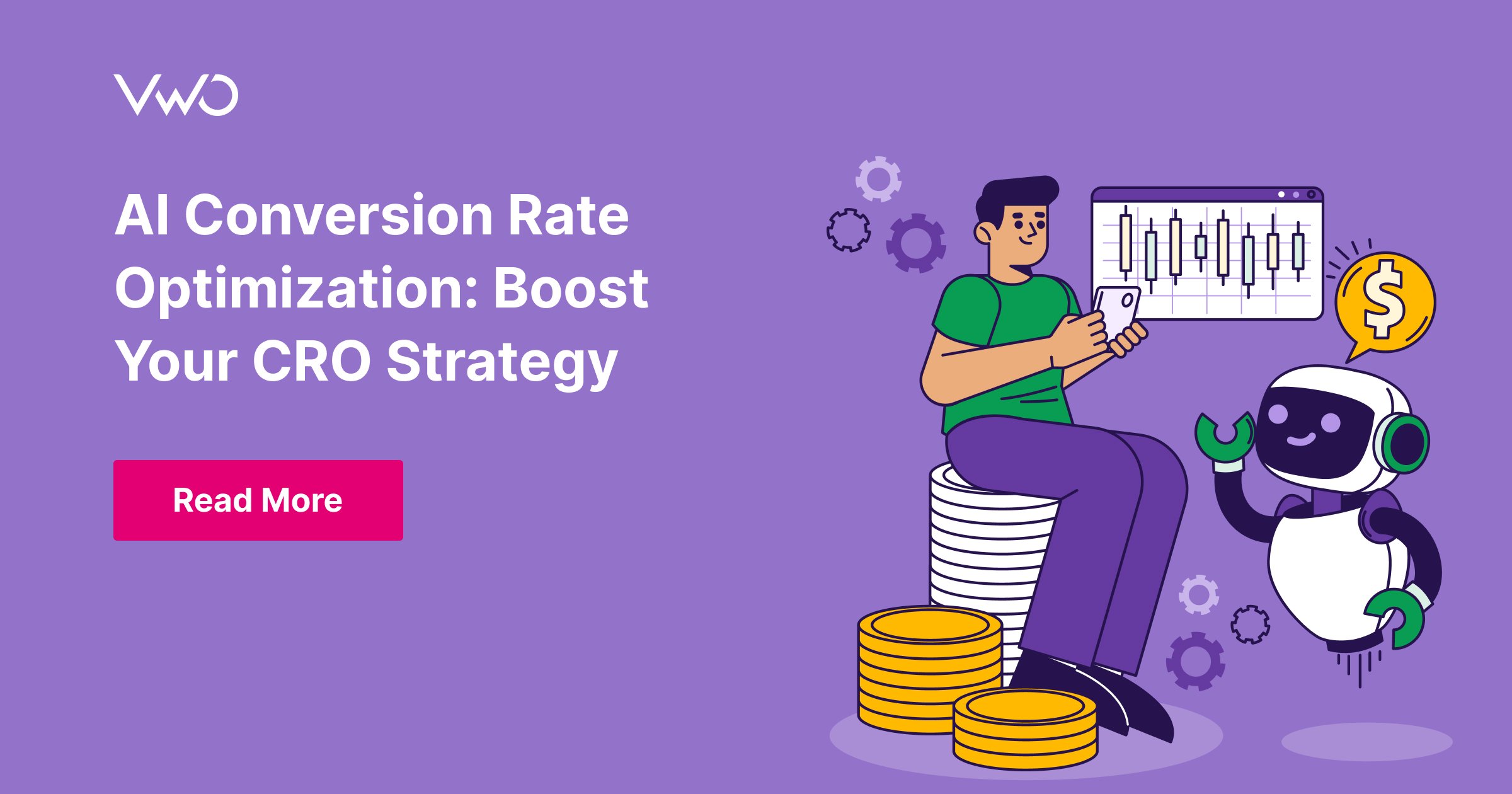
Building an AI-powered optimization ecosystem involves several layers that work together. Knowing these layers helps you choose tools and avoid disjointed implementations that cripple performance.
- Data Collection and Unification Layer: A customer data platform (CDP) or a robust analytics setup that aggregates behavioral events, transactional data, and third-party intent signals into a single user profile.
- AI Testing Engine: A solution that replaces traditional A/B testing with multi-armed bandit, Bayesian optimization, or reinforcement learning models to dynamically allocate traffic.
- Personalization Engine: Deep learning models that generate real-time content variations—headlines, recommendations, offers—tailored to each visitor segment.
- Predictive Analytics Module: Models that forecast conversion probability, lifetime value, and churn risk, enabling proactive intervention.
- Automated Trigger Layer: Rules or machine learning triggers that launch on-site messages, exit-intent pop-ups, email follow-ups, and retargeting campaigns based on predicted behavior.
- Data Volume and Quality Dependency: Machine learning models are voracious data consumers. Low-traffic sites (fewer than 10,000 monthly visitors) often struggle to provide enough signals for reliable model training, leading to noisy recommendations.
- Black-Box Decision Making: Some deep learning models cannot explain why a particular variation won. This lack of transparency can frustrate stakeholders who need to justify budget allocation based on clear causal logic.
- Integration Complexity: Stitching together an AI testing tool, personalization platform, and CDP demands substantial technical resources and a clean data layer. Siloed data yields poor model performance.
- Over-Optimization for Short-Term Metrics: A model maximizing click-through rate may degrade user experience or brand trust if it over-promotes aggressive pop-ups. Setting appropriate business constraints is critical.
- Ongoing Model Maintenance: Consumer behavior shifts, so models must be retrained and monitored for drift. Without a dedicated data science operation or a managed service, performance can degrade over time.
- Hopping onto AI Without a Data Foundation: If your conversion tracking is broken or you have significant bot traffic, the A Fix data hygiene first.
- Ignoring the Cold Start Problem: Most AI models need an initial learning period. Launching on a low-traffic page with no prior data and expecting immediate lifts is unrealistic. Warm up the model with historical event logs or start on higher-volume pages.
- Setting and Forgetting: AI isn’t fully autonomous. Business rules change, seasonal trends shift, and new product launches can invalidate old models. Regularly audit the AI’s decisions and retrain with fresh conversion data.
- Over-reliance on a Single AI Tool: Treating AI as a black box that replaces your CRO team is a mistake. The best results come from a symbiosis: AI surfaces opportunities and automation, while human strategists interpret brand implications and edge cases.
- Neglecting Mobile-Specific Models: User behavior on mobile differs drastically. A single model across devices often underperforms. Ensure your AI personalization factors in device type and even connection speed.
Benefits of AI Conversion Optimization
Adopting AI in your optimization program delivers measurable advantages that go far beyond incremental lift. Several distinct benefits emerge when machine learning orchestrates conversion strategy.
Dramatically Faster Time to Insight and ROI
Traditional CRO can take 4-6 weeks to complete one test cycle. AI-driven testing often identifies winning combinations within days, sometimes hours, because the algorithm stops showing losing variants early. This acceleration means you compound wins faster and maintain a positive return on ad spend.
Continuous Optimization Without Manual Resets
Manual optimization peaks and valleys with team bandwidth. AI systems run 24/7, constantly ingesting new data, retraining models, and adjusting experiences. As customer behavior shifts seasonally or due to external events, the AI adapts without a strategist needing to re-launch a new test. This always-on nature ensures a consistently optimized funnel.
Deeper Uncovering of Hidden Conversion Levers
AI frequently discovers non-obvious relationships that human analysts overlook. A model might reveal that displaying a trust badge near the coupon code field for mobile users on iOS during evening hours reduces cart abandonment by 9%. Such granular insights are virtually impossible to hypothesize manually but become actionable through AI pattern detection.
Scalable Personalization Across Traffic Segments
Instead of creating five static landing pages for five audience segments, AI dynamically generates thousands of page variations. This means your paid social traffic from a remarketing campaign can see a completely tailored experience compared to cold organic visitors, all managed without creative bottleneck.
Limitations and Challenges to Address
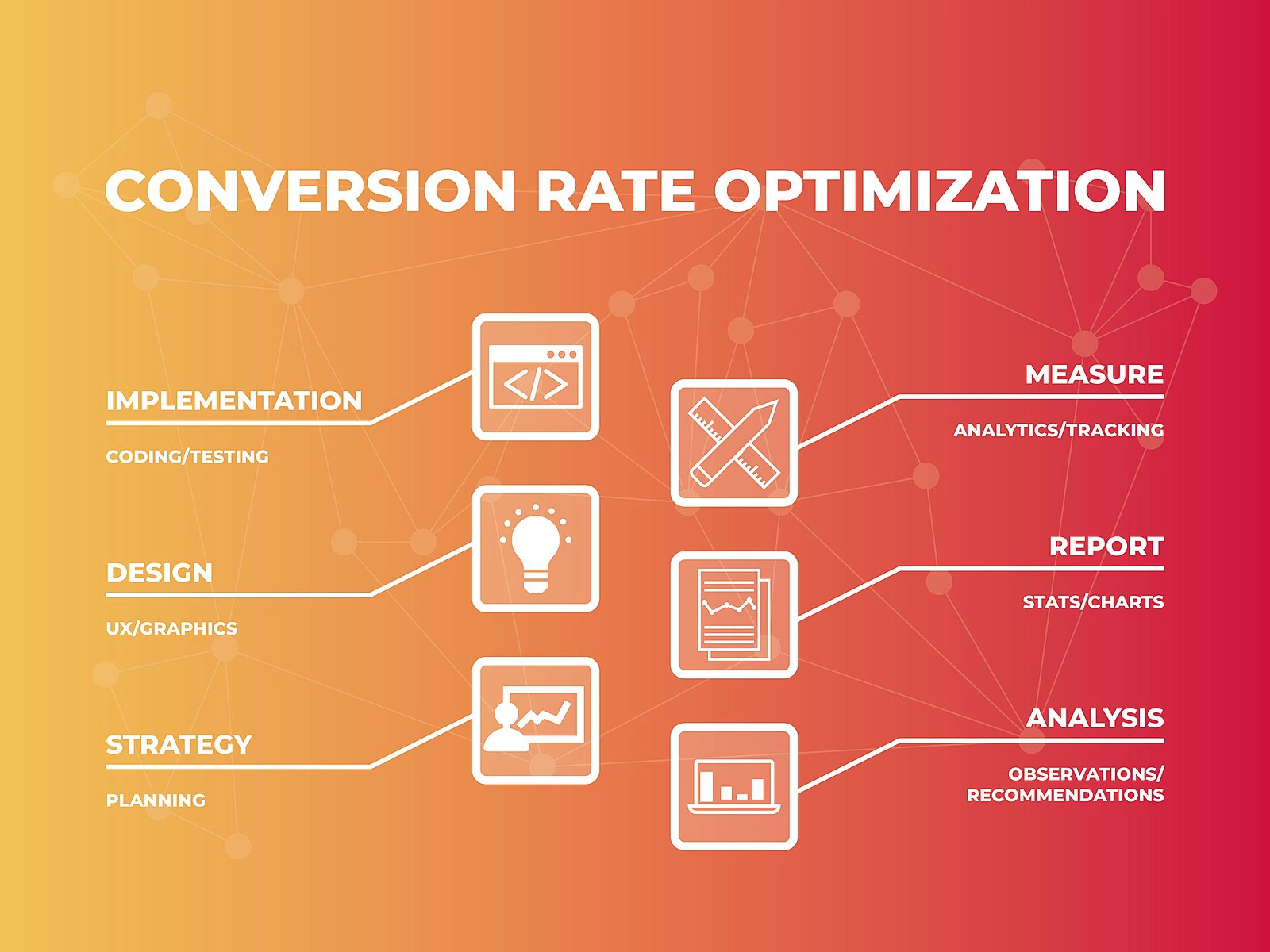
Despite its promise, AI conversion optimization is not a magic wand. Acknowledging the constraints prevents overhyped expectations and implementation failures.
Traditional CRO vs. AI Conversion Optimization: A Comparative Overview
The differences between conventional methods and an AI-driven approach are substantial. The table below highlights the key dimensions where AI redefines efficiency, scale, and insight depth.
| Dimension | Traditional CRO | AI Conversion Optimization |
|---|---|---|
| Hypothesis Generation | Manual, based on heuristics, heatmaps, and best practices | Automated, driven by algorithm-detected opportunities from millions of data points |
| Testing Velocity | 1-2 tests per month per core funnel | Continuous testing, dozens of variations optimized simultaneously |
| Traffic Allocation | Fixed split until statistical significance | Dynamic allocation via multi-armed bandit, maximizing reward during the test |
| Personalization Capability | Limited to broad segments, requires separate landing pages | One-to-one real-time personalization across thousands of permutations |
| Insight Discovery | Analyst-driven; often fails to spot multivariate interactions | AI reveals non-linear, high-order interactions between dozens of variables |
| Resource Requirement | Dedicated CRO specialists and designers | Initial setup heavy, but automates ongoing optimization; requires data engineering |
Practical Application: A Step-by-Step Guide to Implementing AI Conversion Optimization
Moving from concept to operational AI optimization requires a disciplined rollout. The following sequence ensures you build on a solid foundation rather than getting lost in shiny tool promises.
1. Establish a Robust Data Infrastructure
Accurate tracking is non-negotiable. Audit your analytics and tag management. Ensure all conversion events, micro-conversions, and key behavioral events fire correctly. Connect your e-commerce platform or CRM to a unified data layer. Without clean, structured data, even the best AI model will produce garbage insights.
2. Define Clear Business Metrics and Guardrails
AI models optimize for what you tell them to optimize. Map your primary metric—revenue per visitor, lead quality score, or net conversion rate. Set guardrails: the AI must not increase pop-up frequency beyond a threshold, and it should not alter critical brand elements. Implement a “holdout” group that sees the baseline experience to measure true incremental lift.
3. Select the Right Toolset for Your Scale
For mid-market sites, platforms like Google Optimize with built-in Bayesian bandits (though now sunset, but alternatives exist), VWO’s SmartStats, or Dynamic Yield offer accessible AI testing and personalization. Enterprise organizations often integrate a CDP like Segment or mParticle with AI layers such as Adobe Target or Persado. Consider purpose-built AI CRO platforms like Evolv AI or Sentient Ascend that use evolutionary algorithms for multivariate experimentation. Choose based on traffic volume, integration capability, and internal team expertise.
4. Start with a Focused Use Case
Resist the urge to optimize every page at once. Pick a high-impact, high-traffic funnel step—like a product page or checkout flow. Let the AI model learn on a constrained problem. A common first project: AI-powered search results optimization on an e-commerce site, where models re-rank products based on conversion likelihood. Document the baseline metrics clearly before activating AI.
5. Train the Model and Let It Run with Oversight
Feed historical data where available. Activate the AI with a supervised ramp-up period. Monitor model confidence scores and test allocation reports daily for the first two weeks. Look for anomalous recommendations, such as drastic layout changes, that may indicate a data quality issue. Once stabilized, shift to weekly performance reviews.
6. Scale to Cross-Channel Optimization
After proving value on-site, extend AI conversion optimization across email timing, push notification content, and even paid ad creative variations. A unified AI layer can coordinate messages, ensuring a user who abandoned a cart receives a follow-up email with the exact product image that the on-site personalization model determined drove the highest click intent.
Common Mistakes That Derail AI Conversion Optimization Initiatives
Many teams invest in tools only to see disappointing results. Avoiding these pitfalls can mean the difference between a 2% uplift and a 20% revenue acceleration.
Important Notes for Long-Term Success
Sustainable AI conversion optimization requires a culture of experimentation and a commitment to privacy. The algorithms are privacy-hungry in terms of behavioral data, but you must balance that with regulations like GDPR and CCPA. First-party data strategies and server-side tracking become essential. Additionally, document every model’s objective and constraints for auditability. As browsers phase out third-party cookies, AI must lean heavily on first-party signals and contextual patterns, making your own data assets more valuable than ever.
Measure lift correctly. Use a control group that never sees AI optimizations and compute the incremental contribution to overall conversion revenue. Report this transparently to stakeholders to build trust in machine-led decisions.
Frequently Asked Questions About AI Conversion Optimization
What exactly does AI conversion optimization do differently from regular A/B testing?
AI conversion optimization automates the entire experimentation cycle. Instead of a human selecting one variable to test and waiting weeks, AI algorithms dynamically test dozens of elements simultaneously, learn which combinations work for which user segments, and allocate traffic to winning variants in real time. This eliminates the opportunity cost of showing losing variations and reveals multivariate interactions that humans would likely never test manually.
Can small businesses use AI conversion optimization, or is it only for enterprises?
Small businesses with moderate traffic can benefit from AI-powered features inside tools like OptiMonk, Unbounce’s Smart Traffic, or even Shopify apps that use machine learning for product recommendations and cart recovery. Many platforms now offer lower-cost AI layers that don’t require a data science team. However, to train robust models for predictive testing, a minimum of a few thousand monthly conversions is recommended; otherwise, the model may not have enough signal.
How long does it take for an AI conversion optimization system to show results?
This depends heavily on traffic and conversion volume. High-traffic sites can see statistically significant lifts within days. Sites with fewer conversions may need 2-4 weeks for the model to learn. Most platforms require a learning phase where they collect baseline data before starting active optimization. Patience during this period is essential to avoid drawing false conclusions from early noise.
Is AI conversion optimization safe for brand-sensitive layouts?
When configured correctly, yes. Reputable AI platforms allow you to set brand constraints—locking certain elements from being changed, defining acceptable color palettes, or maintaining a minimum font size. The AI then explores permutations only within those bounds. Always implement a preview environment and a guardrail metric for brand perception if altering significant visual hierarchy.
Which metrics improve most rapidly with AI conversion optimization?
Add-to-cart rates, checkout completion, and lead form submission rates typically show the quickest gains because these actions have clear conversion signals that AI can learn from. Micro-conversions like newsletter signups or click-through on recommendation widgets also improve, but revenue per visitor is the ultimate metric to watch. Often, AI finds lift by minimizing distractions and presenting the right social proof at the exact moment of hesitation.
Conclusion
AI conversion optimization represents a fundamental evolution from manual testing to intelligent, self-improving revenue systems. By applying machine learning to user behavior data, brands can deliver experiences that feel individually curated, accelerate testing cycles, and uncover optimization opportunities invisible to the human eye. The technology does not eliminate the need for strategic thinking; rather, it demands a new kind of skill—knowing how to set constraints, interpret algorithmic insights, and maintain a clean data ecosystem. Start with a single high-impact funnel step, commit to first-party data quality, and gradually layer AI across your customer journey. Those who master this symbiosis will build durable competitive advantages that compound with every visitor interaction.
Xem thêm:
- AI SEO for Travel Websites: The Complete Guide to Dominating Search in 2025
- AI SEO Slug Generator: The Complete Guide to Perfect URLs in 2025
- AI SEO Redirects: The Complete Guide to Smarter Link Management in 2025
- AI SEO Entity Based Search: The Complete Guide to Future-Proofing Your Rankings
- AI SEO Blogging: How to Rank Higher by Combining Artificial Intelligence With Strategic Content Creation
Bài viết cùng chủ đề:

AI SEO SEO Automation with Make: The Complete Workflow Guide

AI SEO SEO Automation with Zapier: The Complete Workflow Guide

AI SEO SEO Automation with n8n: The Complete Workflow Guide
AI SEO SEO Automation with Gemini: The Complete Guide to Scaling Organic Growth

AI SEO SEO Automation with Claude: The Complete Guide to Scaling Content in 2025

AI SEO SEO Automation with ChatGPT: The Complete Playbook for 2025

AI SEO & SEO Automation for Affiliate Sites: The 2025 Playbook for Passive Income Growth
AI SEO & SEO Automation for Bloggers: The Complete Guide to Scaling Your Content

AI SEO & SEO Automation for Agencies: The Complete 2025 Playbook

AI SEO and SEO Automation for Ecommerce: The Complete Playbook for 2025

AI SEO & SEO Automation for WordPress: The Complete Playbook for 2025
AI SEO SEO Automation Strategy: The Complete Playbook for 2025

Mastering the AI SEO SEO Automation Process: A Complete Guide to Scaling Organic Growth
AI SEO SEO Automation System: The Complete Guide to Scaling Organic Growth in 2025
AI SEO SEO Automation Platform: The Complete Guide to Scaling Organic Growth in 2025
AI SEO SEO Automation Software: The Complete Guide to Scaling Organic Growth in 2025















