
No products in the cart.
AI Introduction Generator: Write Perfect Openings Effortlessly With Smart Technology
29
Jul
Jul
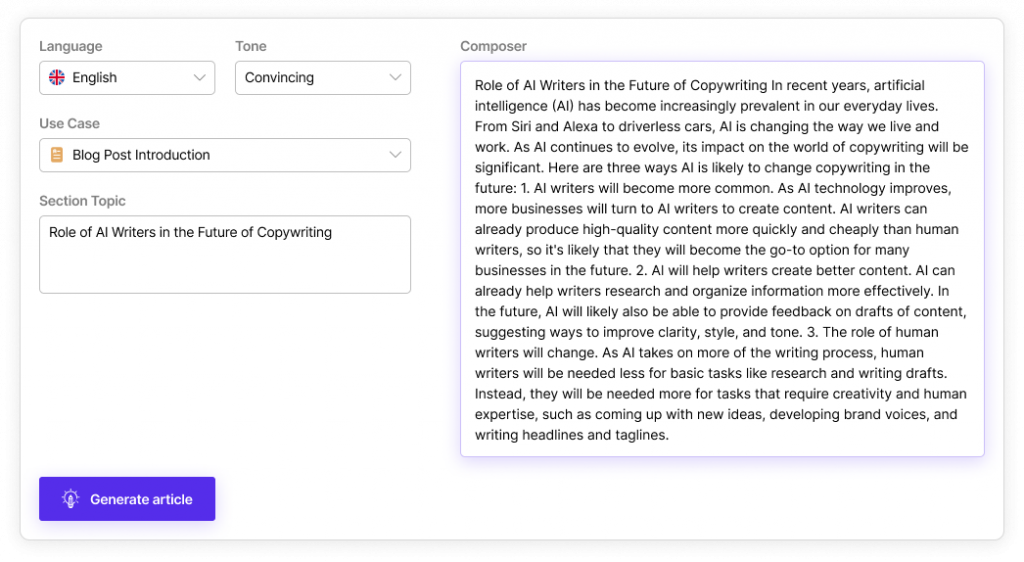
An AI Introduction Generator uses advanced language models to produce compelling opening paragraphs for articles, essays, blog posts, reports, and marketing copy. Instead of staring at a blank screen, content creators, students, and marketers can enter a few keywords and receive polished, context-aware introductions in seconds. These tools analyze sentence structure, tone, and intent to deliver human-like hooks that immediately engage readers. The growing demand for high-volume content and first-impression optimization has made AI-powered introduction writing one of the fastest-adopted applications in natural language generation. By leveraging predictive text and deep learning, an automatic intro generator transforms scattered ideas into coherent, impactful openings that set the right stage for any piece.
What Exactly Is an AI Introduction Generator?
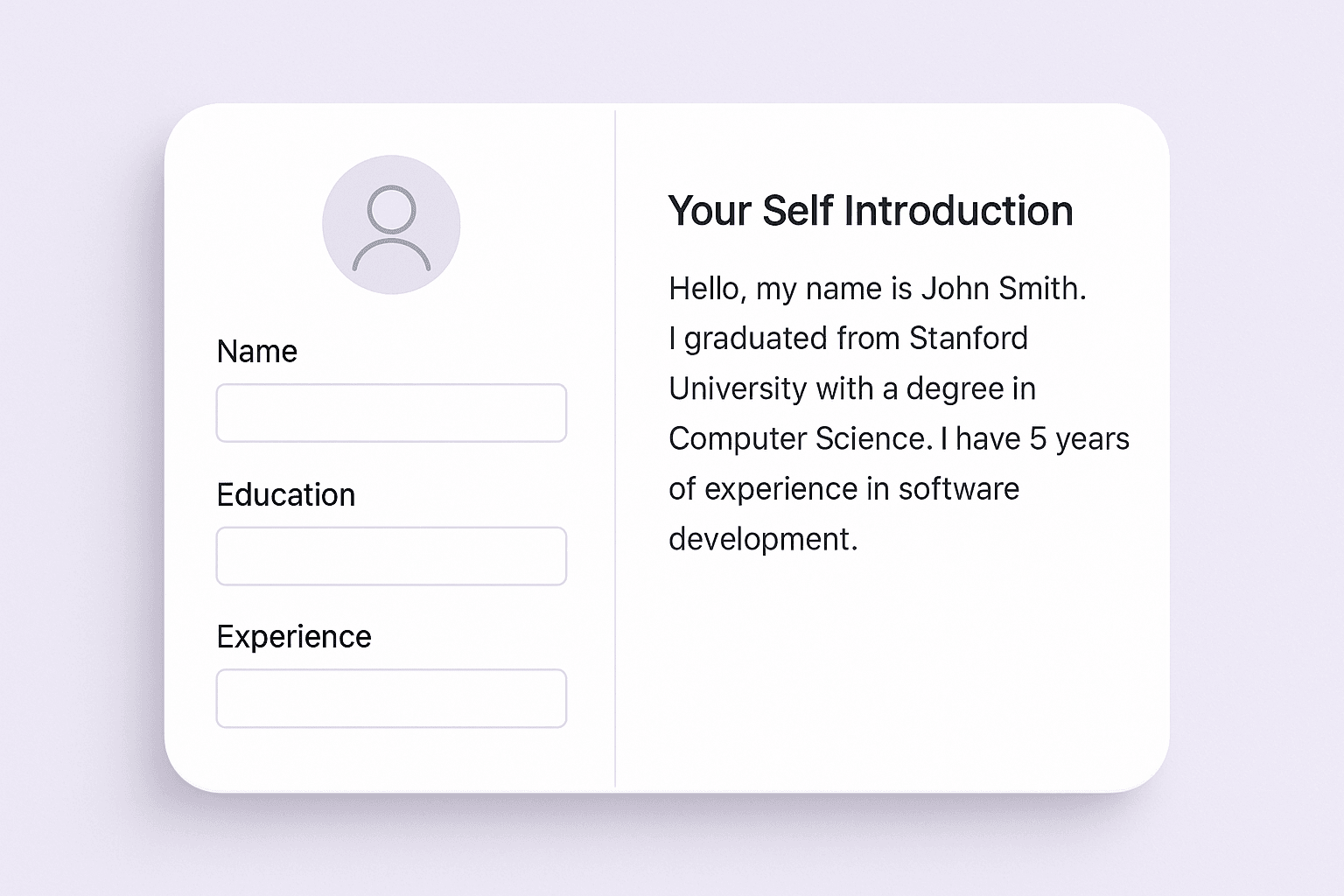
An AI Introduction Generator is a specialized content creation tool built on large language models such as GPT-4, Claude, or PaLM. It accepts a brief input—usually a topic, a title, a few keywords, or a target audience—and returns one or more complete introductory paragraphs. Unlike generic text expanders, a purpose-built AI intro generator is fine-tuned to master the hook, the context statement, and the thesis bridge that a strong opening requires. It does not simply dump facts; it structures a narrative arc from the very first sentence.
Behind the scenes, these systems rely on transformer architectures trained on billions of words from books, articles, and websites. They learn patterns of effective introductions: attention-grabbing questions, startling statistics, anecdotal lead-ins, or problem-solution framing. When a user prompts “sustainable fashion for Gen Z,” the model retrieves and synthesizes linguistic patterns that have historically worked for that domain and demographic. The result is an introduction that feels tailored, not templated.
Core Components of an AI-Generated Introduction
- Hook layer: A sentence designed to stop the scroll—could be a provocative statement, a bold claim, or a relatable scenario.
- Context layer: Two to three lines that establish the background, define key terms, and show why the topic matters right now.
- Thesis/transition layer: A clear roadmap sentence that signals what the rest of the content will cover, maintaining forward momentum.
- Tokenization and part-of-speech tagging for grammatical accuracy
- Named entity recognition to correctly handle names, dates, and locations
- Sentiment analysis to match emotional resonance with the intended audience
- Text summarization capabilities to condense complex briefs into tight openings
- Eliminates writer’s block by providing 80% ready-to-edit material
- Enables A/B testing of different hooks for landing pages and email campaigns
- Reduces first-draft time by up to 70% according to internal surveys by major SaaS content platforms
- Produces multilingual introductions for global campaigns when paired with translation layers
- Blog and SEO content: Generate introductions optimized for featured snippets by front-loading direct answers.
- Email marketing: Create personalized opening lines for different audience segments based on purchase history or engagement level.
- Social media: Produce short, punchy intros for LinkedIn articles, Instagram captions, or Twitter threads.
- Essay writing assistance: Help students structure thesis statements and transitional openings without plagiarizing.
- E-commerce product descriptions: Draw shoppers in with benefit-led opening sentences that differentiate a product instantly.
- Weak prompts without constraints: Leaving tone, length, and audience undefined results in generic, encyclopedia-style intros that fail to connect.
- Ignoring the meta context: Forgetting to mention the overall article structure means the intro won’t accurately preview what follows, confusing readers.
- Copy-pasting without review: Accepting the first generated option without critical review can introduce off-brand phrasing, factual errors, or awkward transitions.
- Neglecting SEO elements: An intro generator might not include the primary keyword naturally unless you explicitly include it in the prompt and specify placement.
- Using the same prompt for all platforms: A blog intro, an email intro, and a social caption require different lengths, tones, and calls-to-action; a single prompt cannot serve all.
How the Technology Works Behind the Scenes
Modern AI introduction generators use a process called autoregressive generation. The model predicts the most probable next word given all previous words, but it also incorporates temperature and top-p sampling to balance creativity and coherence. When you input “Write an introduction about remote work productivity,” the system first tokenizes your request, then passes it through multiple neural network layers that understand semantic similarity, discourse structure, and stylistic norms.
A crucial technique is prompt engineering baked into the tool itself. Developers train the generator on thousands of human-written introductions paired with their corresponding briefs. During inference, the system applies reinforcement learning from human feedback (RLHF) to avoid dull openings, factual errors, or inappropriate tones. This is why a high-quality AI intro generator can adjust formality levels, switch from academic to conversational style, and even incorporate SEO keywords naturally without flagging as spam.
Natural Language Processing Tasks Involved
Key Benefits of Using an Automatic Intro Generator
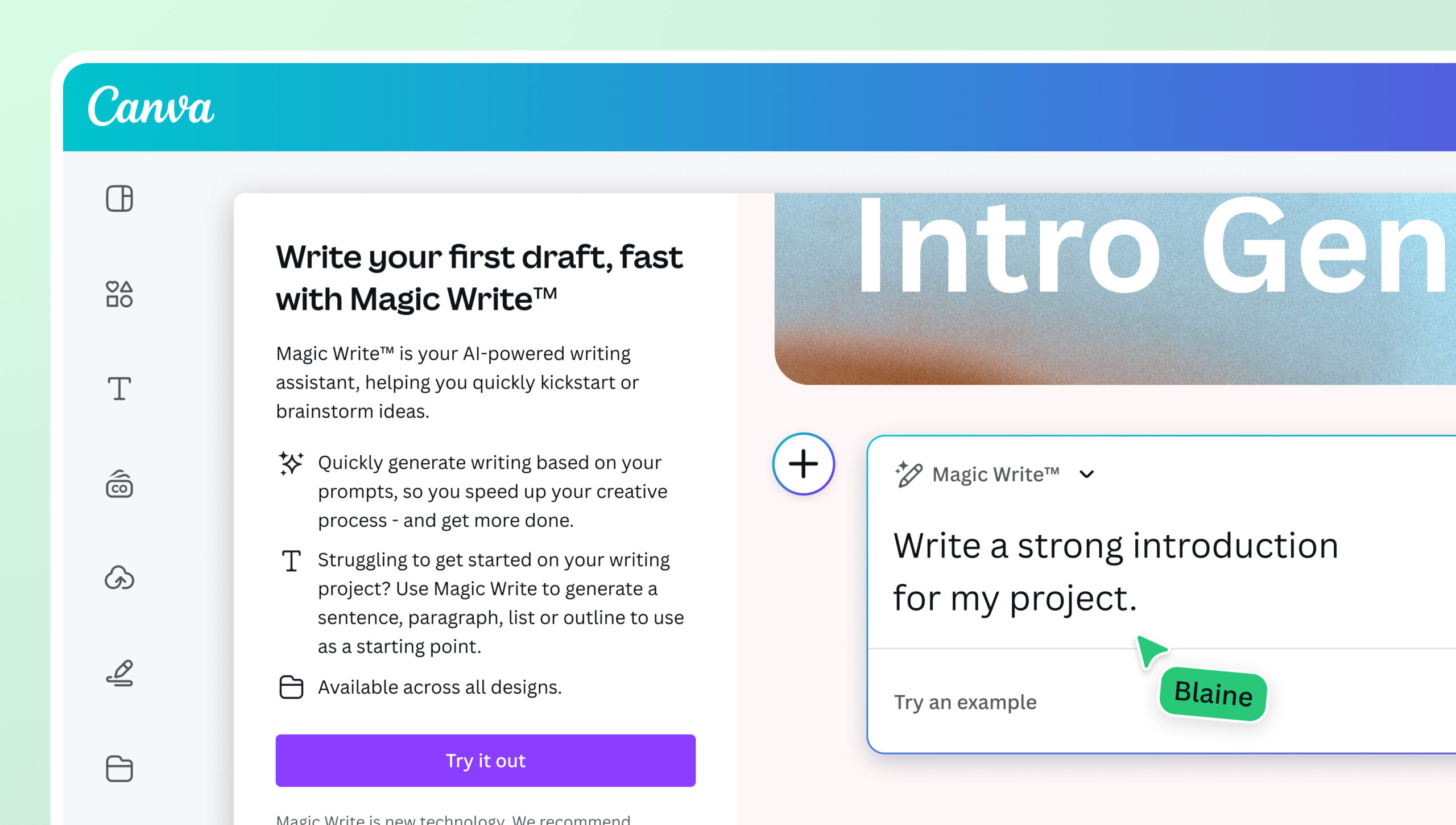
Writers who adopt an AI Introduction Generator often see dramatic improvements in both speed and quality. The tool removes the cognitive friction of cold starts—the psychological barrier that causes procrastination. With a single click, three to five distinct introductions appear, each offering a different angle. This variety acts as a creative springboard, even if the human writer later edits the output heavily.
Another significant advantage is consistency across large content operations. Marketing teams producing dozens of blog posts per week can maintain a uniform brand voice in every introduction. The AI ensures that tone, reading level, and structural patterns remain stable, which is nearly impossible when multiple junior writers contribute simultaneously. Additionally, the generator naturally weaves in latent semantic indexing (LSI) keywords that boost search engine relevance without forced insertion.
Efficiency and Creativity Gains
Limitations and Realistic Expectations
An AI Introduction Generator is not a replacement for human judgment—it is a high-powered assistant. The output can occasionally drift into generic territory if the input prompt is too vague. A prompt like “write an intro about marketing” will yield a bland, high-level paragraph because the model lacks specific direction. The quality of the introduction is directly proportional to the quality of the input brief.
Factual accuracy is another concern. Generative models can hallucinate statistics, misattribute quotes, or fabricate historical context in an attempt to create a compelling hook. Every fact produced by an AI intro generator must be verified before publication. Similarly, the tool may struggle with extremely niche technical subjects where training data is sparse, leading to superficial or awkward phrasing. For highly regulated industries like legal or medical writing, human oversight remains non-negotiable.
Manual Writing vs. AI Introduction Generator: A Comparison
| Factor | Manual Writing | AI Introduction Generator |
|---|---|---|
| Speed per introduction | 15–45 minutes including research and editing | 5–30 seconds for multiple variants |
| Creativity range | Deep but often limited by personal bias | Wide combinatorial variety; can suggest unexpected angles |
| Factual accuracy | High when properly researched | Requires verification; prone to hallucination |
| Brand voice adherence | Skilled writers maintain it naturally | Achieved through custom tone prompts and fine-tuning |
| Emotional nuance | Strong when writer connects with the topic | Good but can miss subtle cultural or emotional contexts |
Practical Applications Across Different Fields
The versatility of an AI Introduction Generator makes it valuable far beyond content marketing. Academic researchers use it to draft the introductory paragraph of conference abstracts, then expand with their own findings. Non-native English speakers leverage the tool to overcome language barriers, producing polished openings that would otherwise take hours to craft. Video scriptwriters generate hook lines for YouTube intros that boost retention rates in the critical first 5 seconds.
Use Cases in Detail
Step-by-Step Guide to Using an AI Introduction Generator Effectively
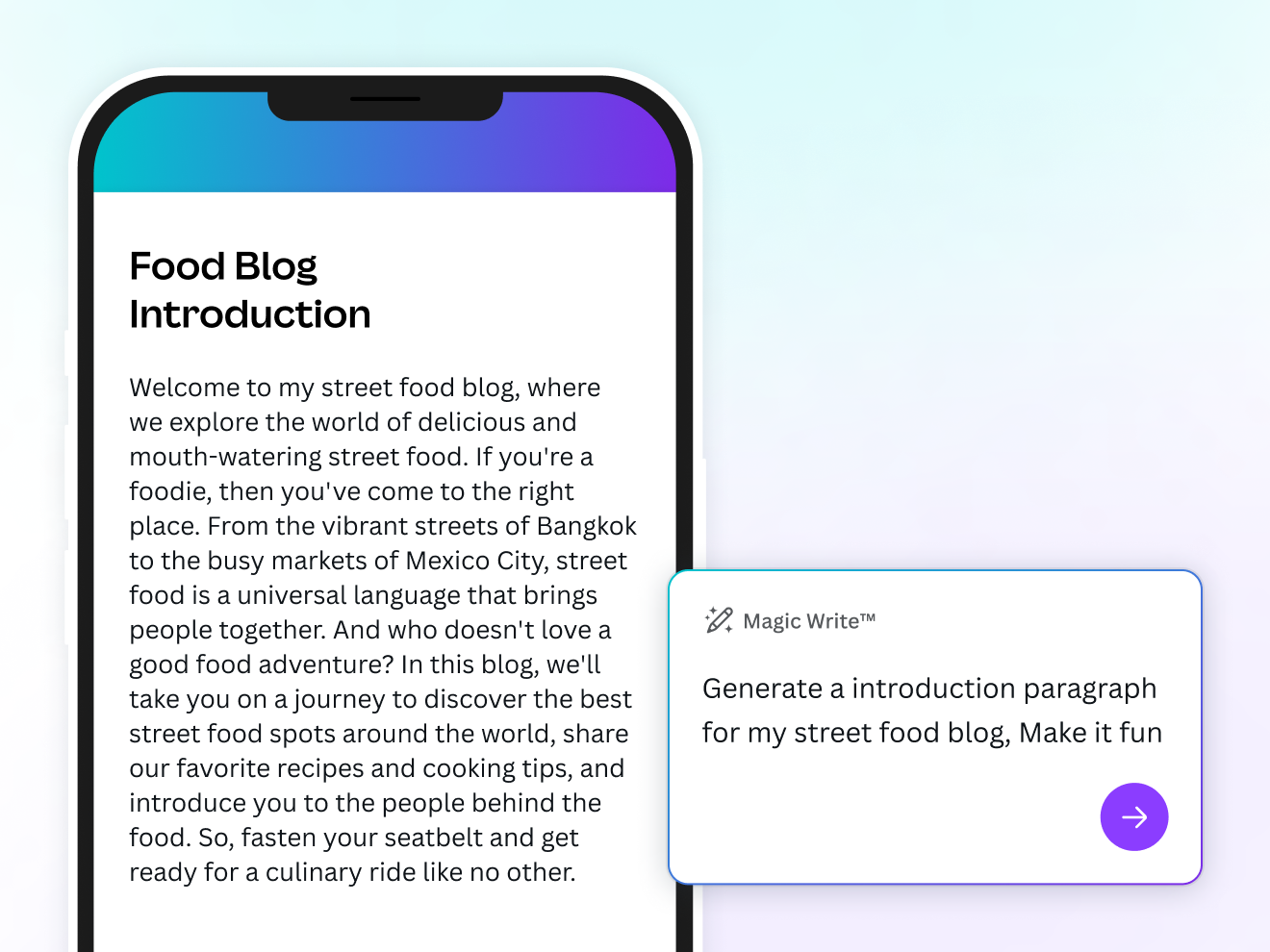
Getting the best results from an automatic intro generator requires more than typing a single word. The following workflow maximizes relevance and reduces editing time. Whether you use Jasper, Copy.ai, Writesonic, or a custom GPT wrapper, the principles remain the same.
Step 1: Define your reader persona and core message. Before touching the tool, ask what the reader already knows and what emotional hook will resonate. A busy executive needs a data-driven opening; a hobbyist gardener prefers warmth and curiosity. Write down one sentence that the introduction must communicate.
Step 2: Craft a rich prompt. Instead of “write an intro about AI,” use “Write a 4-sentence introduction for a blog post titled ‘The Future of Healthcare AI.’ Target audience: hospital administrators. Tone: authoritative but accessible. Include the phrase ‘clinical decision support’ naturally.” The more constraints you provide, the closer the output will mirror your intent.
Step 3: Generate multiple variants. Always request at least three options. AI models are non-deterministic; running the same prompt again yields different results. Compare the variants side-by-side, highlighting the strongest hook, the smoothest transition, and the most accurate context.
Step 4: Hybrid editing. Treat the AI output as a draft, not a final copy. Combine the best sentences from different variants. Add a unique insight, a recent statistic, or a client quote that only you possess. This human layer is what separates generic content from memorable writing.
Step 5: Run a fact-check and plagiarism scan. Even though AI generates novel sentences, coincidental overlaps with existing content can occur. Use Copyscape, Grammarly’s plagiarism checker, or similar tools. Verify any numerical claims or attributed quotes found in the introduction.
Common Mistakes When Using AI Introduction Writers
Over-reliance on AI without a human touch leads to content that reads smoothly but says nothing memorable. Here are the pitfalls professionals encounter most often and how to sidestep them.
Important Notes for Maximizing Quality and Originality
An AI Introduction Generator thrives on specificity. Always include a target word count range in your prompt, such as “between 60 and 80 words.” This prevents rambling openings that lose the reader’s attention. If you are writing for a publication with a strict style guide, paste a short excerpt of that guide into the prompt so the AI can mirror the preferred sentence cadence and vocabulary.
Consider the ethical implications, especially in academic settings. Many institutions now have policies around AI-assisted writing. Transparency about AI involvement protects credibility. For professional publishing, disclosing that AI was used for a first draft—even if heavily edited—builds trust with an increasingly AI-aware audience.
Frequently Asked Questions
What exactly does an AI Introduction Generator do?
An AI Introduction Generator takes a topic, title, or set of keywords and automatically produces a complete opening paragraph. It uses machine learning to craft hooks, provide context, and present a thesis or transition sentence that flows naturally into the body of the content.
Are introductions from AI generators original and plagiarism-free?
Yes, the text is generated word by word based on probability, not copied from a database. However, coincidental similarity to existing sentences is possible because the model learns statistical patterns from vast training data. Always run a plagiarism check and edit the output to add your unique perspective.
Can an AI introduction generator match my personal writing style?
Absolutely. Most advanced tools allow custom tone instructions—you can specify “witty and conversational like Malcolm Gladwell,” provide a sample paragraph of your own writing, or list style attributes such as “short sentences, active verbs, minimal jargon.” The A
Is it suitable for academic essays and research papers?
It can assist with structure and idea generation, but direct copy-pasting without substantial rewriting is generally discouraged in academic settings. The tool works best for framing a research question or presenting the broader context, after which you must insert discipline-specific literature, methodology, and original analysis.
How does an AI intro generator impact SEO?
When used correctly, it helps incorporate primary and secondary keywords fluidly into the first 100 words, which is a known ranking signal for relevance. A well-crafted introduction also improves dwell time and reduces bounce rate, indirectly signaling quality to search engines. However, keyword stuffing via A
Do AI introduction generators need an internet connection to work?
Most commercial tools are cloud-based and require an internet connection because the computation happens on powerful remote servers. Some lightweight open-source models can run locally on a strong GPU, but the quality and speed of cloud-based large language models are typically superior for introduction generation.
Looking Ahead: The Future of AI-Assisted Content Openings
The next generation of AI Introduction Generator tools will move beyond text alone. Multimodal models that understand images, video transcripts, and data charts will suggest introductions tailored to the full context of a page. Real-time personalization engines will adjust the opening sentence based on a visitor’s location, referral source, or past behavior, making every first impression uniquely relevant. As these systems incorporate fact-checking APIs and citation grounding, the trust gap will narrow, allowing AI-generated introductions to operate with far less human intervention. Still, the irreplaceable human touch—empathy, cultural intuition, and strategic narrative vision—will remain the final differentiator between an introduction that merely informs and one that truly moves a reader to action.
Selecting the right AI introduction tool, crafting precise prompts, and committing to a thorough editing process will define the content winners of the next decade. The technology is not about replacing writers; it is about amplifying their ability to make meaningful connections from the very first word.
Xem thêm:
- AI SEO for Niche Sites: The 2025 Playbook for Dominating Small Markets
- AI SEO H1 Optimization: The Complete Guide to Dominating Search Rankings in 2025
- AI SEO Backlink Prospecting: The Complete Guide to Automating Link Building in 2025
- AI SEO AI Search Monitoring: The Complete Guide to Tracking Your Brand in the Age of Generative Engines
- AI SEO Fresh Content: The Complete Guide to Scaling Rankings in 2025
Bài viết cùng chủ đề:

AI SEO SEO Automation with Make: The Complete Workflow Guide

AI SEO SEO Automation with Zapier: The Complete Workflow Guide

AI SEO SEO Automation with n8n: The Complete Workflow Guide
AI SEO SEO Automation with Gemini: The Complete Guide to Scaling Organic Growth

AI SEO SEO Automation with Claude: The Complete Guide to Scaling Content in 2025

AI SEO SEO Automation with ChatGPT: The Complete Playbook for 2025

AI SEO & SEO Automation for Affiliate Sites: The 2025 Playbook for Passive Income Growth
AI SEO & SEO Automation for Bloggers: The Complete Guide to Scaling Your Content

AI SEO & SEO Automation for Agencies: The Complete 2025 Playbook

AI SEO and SEO Automation for Ecommerce: The Complete Playbook for 2025

AI SEO & SEO Automation for WordPress: The Complete Playbook for 2025
AI SEO SEO Automation Strategy: The Complete Playbook for 2025

Mastering the AI SEO SEO Automation Process: A Complete Guide to Scaling Organic Growth
AI SEO SEO Automation System: The Complete Guide to Scaling Organic Growth in 2025
AI SEO SEO Automation Platform: The Complete Guide to Scaling Organic Growth in 2025
AI SEO SEO Automation Software: The Complete Guide to Scaling Organic Growth in 2025















