
No products in the cart.
AI Search Traffic: Your Complete Guide to Organic Visibility in the Age of Generative AI
29
Jul
Jul
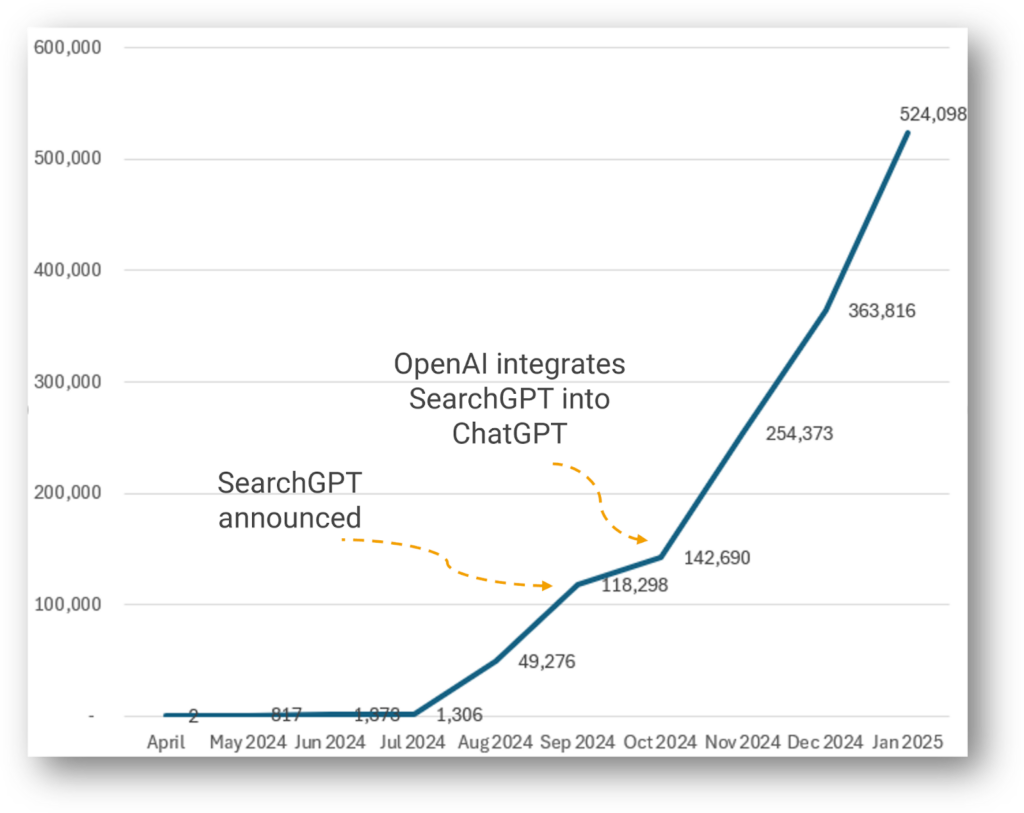
The term AI search traffic now defines a significant shift in how users discover and consume information online. Instead of relying solely on ten blue links, searchers encounter AI-generated summaries, chatbot responses, and dynamic answer boxes that often satisfy intent without a single click. For marketers, publishers, and business owners, understanding this evolution is no longer optional. It reshapes strategies, demands new optimization approaches, and redefines what it means to earn organic visibility. This guide dissects every layer of AI search traffic, from its fundamental mechanics to advanced tactics for capturing high-intent visitors in a world dominated by generative engines.
What Is AI Search Traffic?
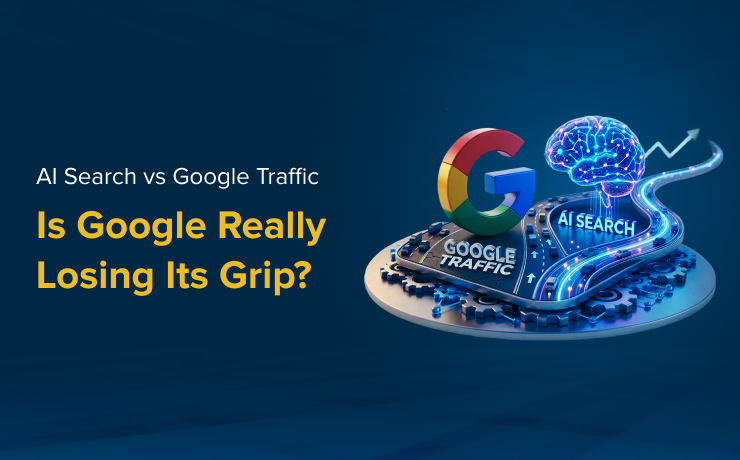
AI search traffic refers to website visits and impressions that originate from search engines using artificial intelligence to generate or augment results. Unlike traditional organic traffic, where a user manually scrolls through links and clicks, AI-driven interactions often involve an algorithm synthesizing information from multiple sources and presenting a compiled answer directly. The traffic can come from a citation link inside an AI Overview, a suggested query in a chat interface, or a voice assistant reading out a featured snippet. The common thread is that machine learning models—rather than a simple indexing and ranking algorithm—mediate the connection between query and destination.
This type of traffic is highly contextual. Google’s Search Generative Experience (now integrated as AI Overviews), Microsoft Bing Copilot, and standalone tools like Perplexity or ChatGPT’s browsing mode all extract real-time web data and condense it. A user might see a paragraph summarizing a topic, and only if they need deeper detail do they click through. Thus, AI search traffic tends to be lower in volume but significantly higher in intent, as the user has already consumed a preview and is actively seeking substantiation or a more comprehensive resource.
The Evolution of Search Traffic with AI
Search engines have been moving toward answer-based results for over a decade, starting with featured snippets and knowledge panels. The introduction of large language models accelerated this shift dramatically. Around 2023, Google began testing AI-generated snapshots, and by 2024, AI Overviews became a permanent feature for complex queries. Bing integrated Copilot into its core experience, while entirely new platforms like Arc Search and You.com emerged, built around AI summarization.
User behavior transformed alongside the technology. A growing segment of search traffic no longer follows the linear “query → result page → click” journey. Instead, the path includes a conversational exchange with an assistant, a spoken answer, or a visual card that resolves the need instantly. For informational queries, the percentage of zero-click searches has increased sharply; multiple independent studies estimate that between 25% and 40% of all searches now conclude without a click, with AI enhancements being a primary driver.
This does not mean organic traffic is dying—it is fragmenting. Certain query types, particularly transactional and local commercial investigations, still rely heavily on click-driven navigation. However, for publishers reliant on informational content, the composition of their traffic is shifting toward deeper, question-rich visits sparked by an AI-generated hook.
Types of AI-Driven Search Traffic
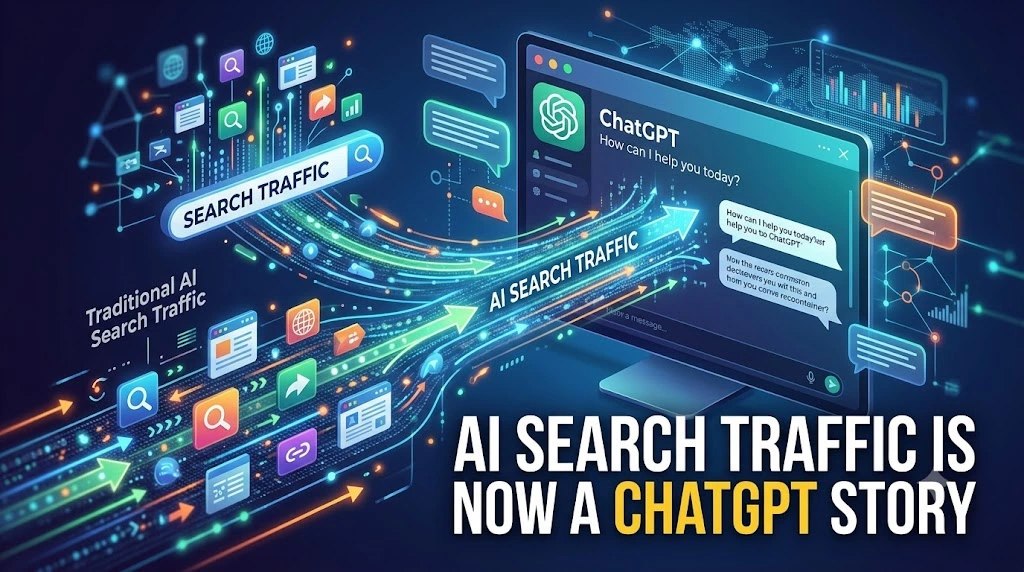
AI search traffic is not monolithic. It arrives through several distinct channels, each with its own dynamics:
- AI Overview Citation Clicks: When Google’s AI Overview includes a link icon or a “learn more” expandable section, users who click those links are counted as organic traffic. These clicks often come from long-tail, research-heavy queries.
- Chatbot-Initiated Referrals: Interfaces like ChatGPT with browsing, Bing Copilot, and Perplexity can produce an answer that cites a source. A user may click the inline citation, directing them to your page.
- Voice Assistant Trafficking: Smart speakers and voice assistants using AI to answer questions sometimes mention a source (“According to [website]…”). Although direct click attribution is rare, the brand lift can lead to subsequent direct or branded searches.
- Visual Search and Multimodal Interactions: Google Lens and similar AI-powered visual tools can link to a product page or an informational article when analyzing an image, generating traffic that traditional text search would not capture.
- Featured Snippet Reinforcements: While snippets existed before the AI boom, they are now increasingly generated or refined by machine learning models. Traffic from snippet clicks shares many characteristics with AI search traffic because the content is preselected and dynamically summarized.
- High Conversion Potential: Users arriving from an AI citation have already engaged with a synthesized answer. Their trust is partially transferred to the cited source, leading to higher click-to-conversion rates for lead magnets, demos, and product pages.
- Brand Authority Amplification: Being consistently cited by AI search engines signals to users—and indirectly to the models themselves—that your content is authoritative. This cyclical reinforcement can lead to more citations, more branded search volume, and improved E-E-A-T signals.
- Long-Tail Query Mastery: AI systems excel at connecting nuanced questions to precise content. A single well-structured article can generate traffic from dozens of semantically related long-tail queries that traditional keyword targeting would miss.
- Zero-Click Monetization Alternatives: For content creators who embed affiliate links or sponsor mentions within AI-summarized passages, there are emerging avenues to appear in AI-generated product roundups, even if a click never happens.
- Competitive Edge for Early Adopters: As of 2025, many websites still optimize solely for traditional ranking factors. Those who tailor content for AI comprehension—using clear headers, entity-rich language, and citation-worthy summaries—capture disproportionate visibility.
- Volatility in Visibility: AI-generated summaries are highly sensitive to model updates. A site that appears as a top source one week can be replaced the next without any change in its own content, simply because the underlying algorithm reweighted certain factors.
- Attribution Gaps: Standard analytics tools often misattribute AI-driven visits. A click from an AI Overview may register as “direct” traffic or be bundled with other organic sources, making it difficult to isolate the true value of AI optimization efforts.
- Content Scraping Concerns: Publishers report instances where AI summaries paraphrase content so thoroughly that a click becomes unnecessary. Without proper citation and clear “read more” pathways, the original source loses monetization.
- Reduced Impressions and Branding Exposure: When the answer is complete, users may not even see the list of sources. This reduces the total organic real estate that a brand can occupy for a keyword, shrinking opportunities for impression-based branding.
- Technical Complexity: Optimizing for AI search traffic demands structured data implementation, entity alignment, and content architecture that many smaller operators find technically daunting.
- Ignoring Question-Based Content: Traditional keyword research still overemphasizes short phrases. AI queries are overwhelmingly question-based. Sites that fail to answer explicit questions lose enormous visibility.
- Thin or Duplicate Content: AI models penalize superficial coverage. When multiple pages offer the same shallow information, none emerge as the authoritative source. Depth and original insight are non-negotiable.
- Overlooking Content Freshness: AI search engines prioritize recent information for time-sensitive topics. A page last updated three years ago will rarely be cited for a query like “best budget smartphones 2025.” Implement a robust content auditing schedule.
- Neglecting Mobile and Speed Performance: While not a direct AI citation factor, slow mobile experiences degrade user signals. AI systems monitor bounce-back rates and dwell time indirectly through user interaction data. A sluggish site erodes the trust needed to keep being cited.
- Forcing Keyword Density: Keyword stuffing confuses NLP models. Instead of repeating “AI search traffic” unnaturally, use variations, synonyms, and context. Write for human clarity first; machine understanding follows.
- Blocking AI Crawlers: Some publishers, fearing content theft, block AI-specific bots via robots.txt. This prevents any chance of being cited in generated answers, completely forfeiting a growing traffic channel. A more balanced approach is to allow crawling but monitor usage.
- AI Overview Impression Share: In Google Search Console, under Queries, filter by appearance in AI Overviews. Track the percentage of impressions your content earns relative to total eligible impressions.
- Citation Click-Through Rate: Within analytics, set up a custom dimension to isolate traffic from sources containing “AI Overview” or “chat.” Segment these users to measure engagement, bounce rate, and conversions.
- Branded Query Lift: Monitor direct and branded organic search volume over time. Frequent AI citations often correlate with a tangible increase in users searching for your brand specifically.
- Page-Level Dwell Time: For landing pages attracting AI traffic, dwell time can surpass that of regular organic visitors. Track this metric to validate content depth and user satisfaction.
- Zero-Click Query Report: Use third-party tools that identify keywords where your page ranks well but receives minimal clicks. Cross-reference with known AI features to uncover content gaps and optimization opportunities.
How AI Search Engines Impact Click-Through Rates
Click-through rate analysis becomes more nuanced in an AI-augmented landscape. A page that ranks first for an informational keyword may see its CTR drop by 20-30% once an AI Overview appears at the top of the SERP. The overview answers the basics, and many users never scroll further. However, the same page might experience an increase in engagement metrics from the residual traffic—visitors who do click through are often further along in their research and spend more time on the page.
Head terms with broad intent suffer the largest CTR erosion. Queries beginning with “what is,” “how to,” or “best way to” are particularly susceptible. Conversely, keywords with strong local intent, purchase signals, or requiring real-time data (e.g., “buy running shoes near me” or “price of Ethereum today”) remain click-heavy for organic results because AI summaries cannot fully satisfy transactional urgency or need for fresh, specific detail.
For e-commerce stores and SaaS businesses, the impact is mixed. Transaction-oriented landing pages may appear as a source in AI-generated product comparisons, driving highly qualified traffic. But if a product comparison table is fully populated within an AI Overview, the need to visit a site diminishes. Smart brands are adapting by ensuring they are the source cited in those comparisons, capturing the click when the user wants to verify.
Benefits of AI Search Traffic
Despite fears of traffic loss, AI search traffic introduces several valuable advantages for those who secure it:
Limitations and Challenges
AI search traffic is not a straightforward replacement for traditional organic traffic. Marketers must navigate several critical challenges:
AI Search Traffic vs Traditional Organic Traffic: A Comparison
| Aspect | Traditional Organic Traffic | AI Search Traffic |
|---|---|---|
| Source | Click from a standard SERP blue link | Click from an AI-generated summary, chat citation, or smart assistant referral |
| User Intent Maturity | Varies from informational to transactional; often still exploring | Usually deeper intent, having already consumed a synthesized answer |
| Traffic Volume | Higher for head terms; predictable with rank tracking | Lower volume but growing; fluctuates with model updates |
| Control over Snippet | Meta titles and descriptions influence display | Limited control; AI selects and rephrases content dynamically |
| Measurement | Easily tracked via UTM parameters and standard analytics | Difficult; requires server log analysis or custom event tracking for citation clicks |
| Primary Optimization Lever | Keywords, backlinks, on-page SEO | Entity clarity, structured data, authoritative citations, conversational structure |
How to Optimize for AI Search Traffic
Capturing AI search traffic requires a shift from keyword-centric to entity-centric thinking. Search algorithms now understand concepts, relationships, and context at scale. Implementation falls into several actionable categories:
1. Build Entity-Rich Content Hubs
Identify the core entities (people, places, concepts, products) relevant to your domain. Create interlinked clusters of content that define and connect these entities with clear, factual statements. Use schema.org types like `Article`, `FAQ`, `HowTo`, and `Product` appropriately. When AI models scan your site, a dense entity graph increases the likelihood that your content will be selected as a definitive source.
2. Structure Content for Extractability
AI summarizers pull from well-organized pages. Use descriptive headings that mirror natural language questions. Front-load concise answers within the first 30 words of each section, then expand. Employ bullet points and numbered lists for procedural information, as these are easily parsed and cited. Avoid burying key facts inside long, uninterrupted paragraphs.
3. Implement Structured Data with Precision
Claim every relevant schema type. FAQPage schema remains powerful for voice assistant and snippet queries. Article structured data with author credentials and dates signals freshness. For e-commerce, aggregateRating, offer, and product schemas are essential. Validate with Google’s Rich Results Test and monitor for errors in Search Console.
4. Optimize for Conversational and Long-Tail Queries
AI search engines process full-sentence queries. Incorporate natural language patterns into your content. Use tools like People Also Ask, AnswerThePublic, and branded conversational logs to gather real spoken and typed questions. Dedicate a section or an entire page to answering each cluster of related questions.
5. Strengthen E-E-A-T Signals
Experience, Expertise, Authoritativeness, and Trustworthiness directly influence AI citation frequency. Showcase author bios with real credentials. Link to original research, external trusted sources, and user testimonials. Keep your About page robust and transparent. When an AI model evaluates whether to trust your content over a competitor’s, these human-centric signals tilt the balance.
6. Monitor AI-Specific Metrics
Traditional click data is insufficient. In Google Search Console, examine the Search Appearance filter for “AI Overview” and “Featured Snippet” impressions. Note queries where your page is cited but not clicked. Use server logs to detect referrers from chatbot user-agents (e.g., ChatGPT-User). Services like Semrush and Ahrefs now provide zero-click trend reports that indicate lost clicks to AI features.
Common Mistakes in AI Search Optimization
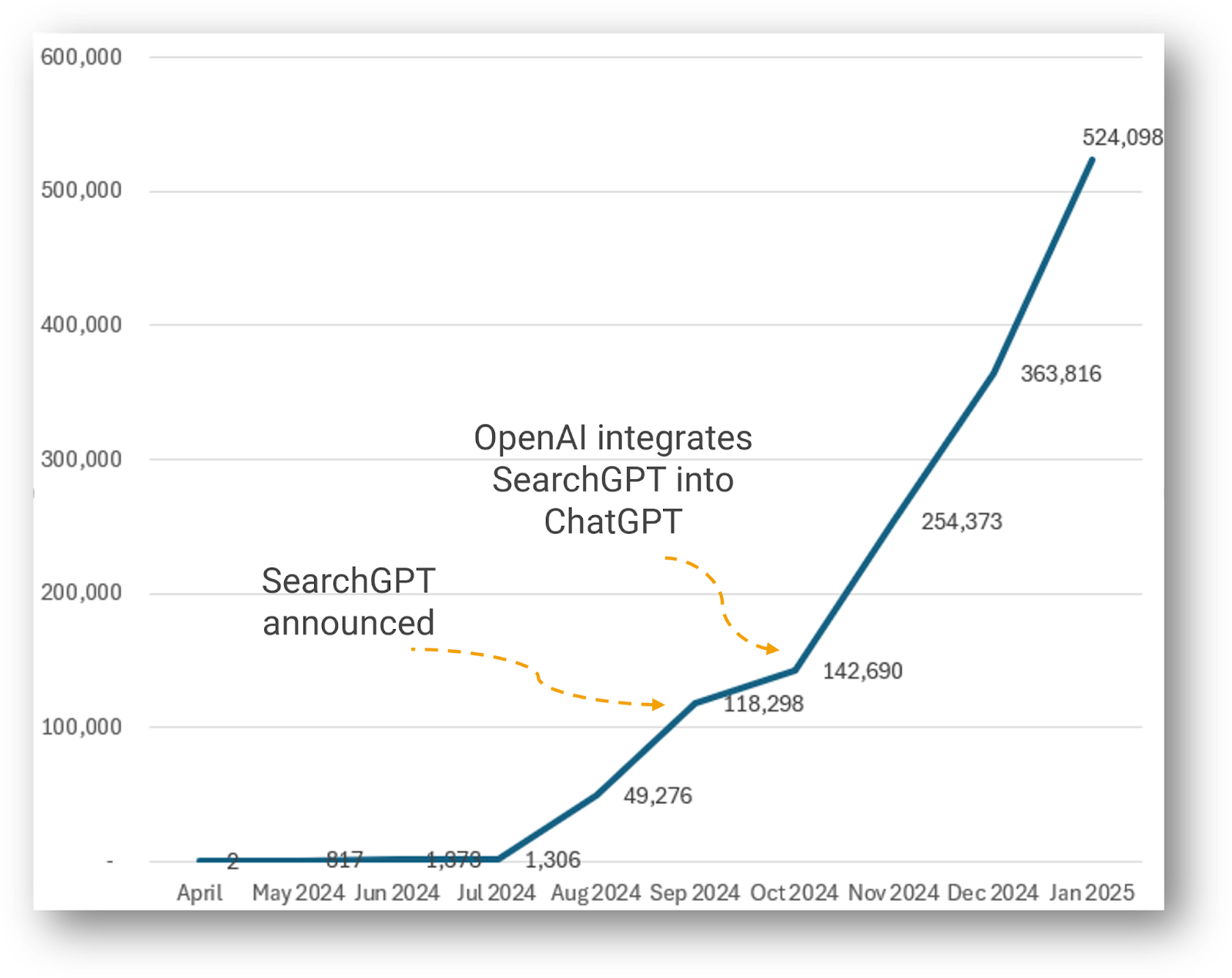
Many early adopters make predictable missteps that undermine their AI search traffic potential. Avoiding these can save months of wasted effort:
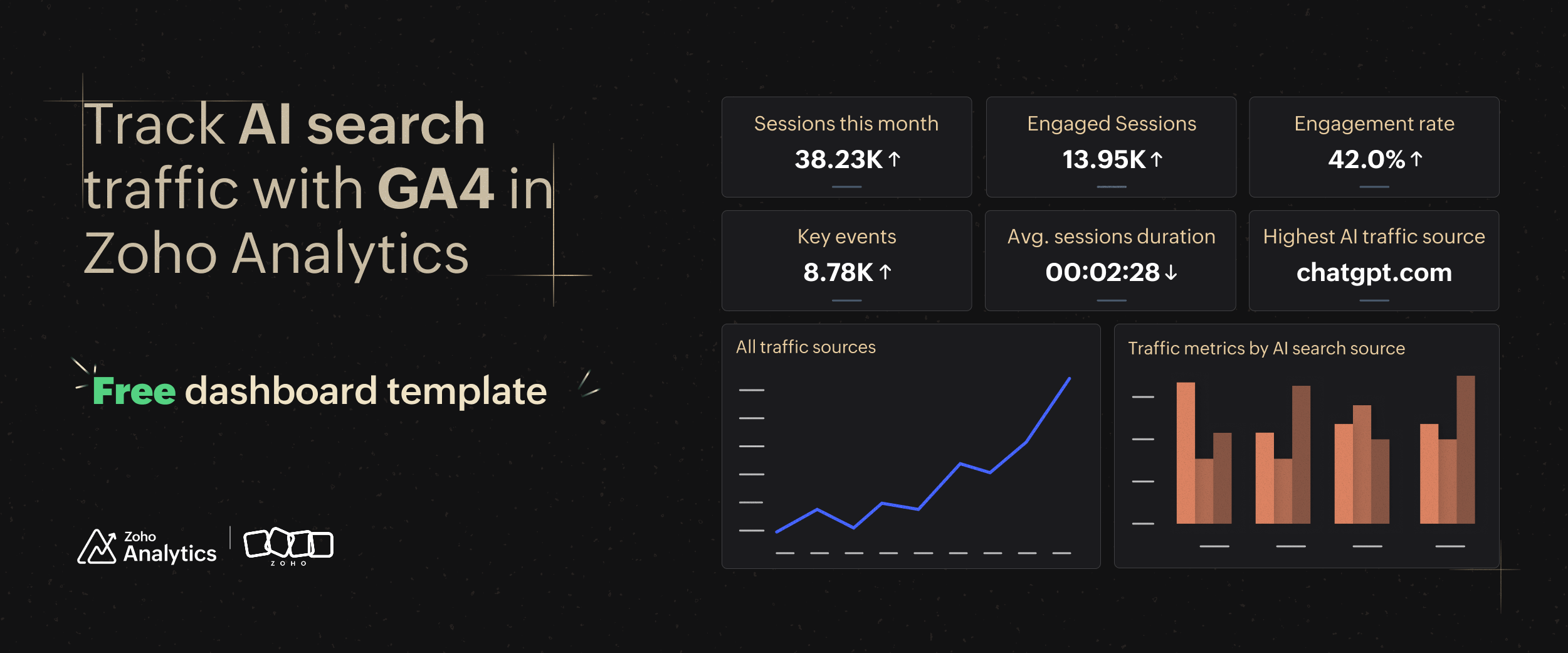
Key Metrics to Track for AI Search Traffic
A reliable measurement framework separates guesswork from strategy. Focus on these indicators:
Important Notes for the Future of AI Search
The line between AI-generated overviews and traditional search will continue to blur. Google’s Search Labs consistently experiments with more fluid, multimodal experiences that incorporate video, images, and interactive widgets directly within the results page. As these capabilities expand, the definition of AI search traffic will encompass not just web clicks but also embedded interactions—like signing up for a newsletter from inside an AI panel or completing a purchase without leaving the SERP.
Regulatory and ethical considerations will also shape accessibility. Some regions are examining whether AI-generated summaries that reduce publisher clicks constitute fair use. Legal frameworks like the EU AI Act may eventually mandate clearer attribution or compensation mechanisms. Staying informed of these shifts is critical for long-term planning.
Ultimately, the publishers that thrive will be those who treat AI search engines not as competitors but as curation partners. By understanding how these systems select, condense, and present information, marketers can position their digital assets as the indispensable source behind the answer.
Frequently Asked Questions
What exactly is AI search traffic?
AI search traffic comprises visits and impressions originating from search engine features powered by artificial intelligence, such as Google AI Overviews, Bing Copilot, or standalone AI chat platforms. It includes both direct clicks on cited links and indirect brand exposure from mentions in generated answers.
How does AI search traffic differ from regular organic traffic?
Regular organic traffic comes from standard blue-link rankings. AI search traffic is mediated by a generative model that synthesizes an answer, often displaying only a few source links. The user intent is typically more advanced, and the traffic tends to be lower volume but higher engagement.
Can AI search traffic replace traditional SEO traffic?
It does not replace but rather complements traditional organic traffic. For transactional, local, and highly specific queries, traditional clicks remain dominant. For broad informational queries, AI traffic may reduce total clicks, but optimizing for it can preserve and even grow high-quality visits.
How do I track traffic from AI search results?
Use Google Search Console’s search appearance filters to identify AI Overview impressions. In analytics, monitor referral paths that include “chat” or “copilot,” and analyze landing pages that receive sudden spikes in impressions with low click-through rates, which may indicate AI citation activity.
What type of content gets cited most often in AI Overviews?
Content that is well-structured, answers a question directly within the first few sentences, and uses clear heading hierarchy tends to be cited frequently. Pages with authoritative backlinks, high E-E-A-T signals, and relevant structured data markup also perform better in AI-generated citations.
Should I block AI crawlers to protect my content?
Blocking AI crawlers may prevent your content from being scraped without attribution, but it also completely removes your site from AI-generated answers. A measured approach is to allow crawling while using copyright notices and monitoring how your content is summarized. The visibility gained often outweighs the risks for most publishers.
Conclusion
AI search traffic represents both a disruption and a massive opportunity. The mechanics of how search engines distribute attention have permanently changed, rewarding content that is clear, structured, and genuinely authoritative. While click volumes for certain informational queries may never return to previous highs, the quality and intent behind the visitors who do arrive can be significantly greater. By shifting strategy from ranking for keywords to being the recognized authority on entities, and by embracing the technical foundations that AI models rely upon, any brand can build a sustainable source of high-value organic discovery. The future of search belongs to those who understand that they are no longer writing just for humans—they are writing for the machines that serve them.
Xem thêm:
- AI SEO Keyword Discovery: The Complete Guide to Smarter Search Rankings
- AI SEO SERP Tracking: The Complete Guide to Smarter Rank Monitoring in 2025
- AI SEO Ahrefs: The Complete Guide to Smarter Search Optimization
- AI SEO Backlink Prospects: The Complete Guide to Smarter Link Building in 2025
- AI SEO Site Health: The Complete Guide to Automated Technical Audits in 2025
Bài viết cùng chủ đề:

AI SEO SEO Automation with Make: The Complete Workflow Guide

AI SEO SEO Automation with Zapier: The Complete Workflow Guide

AI SEO SEO Automation with n8n: The Complete Workflow Guide
AI SEO SEO Automation with Gemini: The Complete Guide to Scaling Organic Growth

AI SEO SEO Automation with Claude: The Complete Guide to Scaling Content in 2025

AI SEO SEO Automation with ChatGPT: The Complete Playbook for 2025

AI SEO & SEO Automation for Affiliate Sites: The 2025 Playbook for Passive Income Growth
AI SEO & SEO Automation for Bloggers: The Complete Guide to Scaling Your Content

AI SEO & SEO Automation for Agencies: The Complete 2025 Playbook

AI SEO and SEO Automation for Ecommerce: The Complete Playbook for 2025

AI SEO & SEO Automation for WordPress: The Complete Playbook for 2025
AI SEO SEO Automation Strategy: The Complete Playbook for 2025

Mastering the AI SEO SEO Automation Process: A Complete Guide to Scaling Organic Growth
AI SEO SEO Automation System: The Complete Guide to Scaling Organic Growth in 2025
AI SEO SEO Automation Platform: The Complete Guide to Scaling Organic Growth in 2025
AI SEO SEO Automation Software: The Complete Guide to Scaling Organic Growth in 2025















