
No products in the cart.
AI SEO Keyword Discovery: The Complete Guide to Smarter Search Rankings
10
Aug
Aug
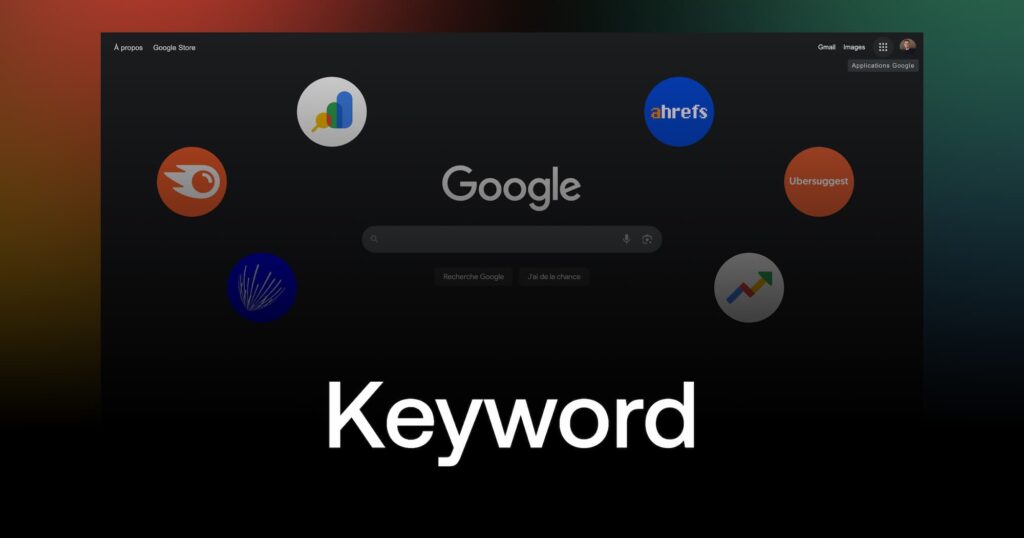
AI SEO keyword discovery has transformed how digital marketers approach search engine optimization. Traditional keyword research relied on manual brainstorming, basic volume checks, and educated guesses. Modern AI-powered tools analyze search intent, predict trends, and uncover hidden opportunities that human researchers often miss. This comprehensive guide explores how artificial intelligence reshapes keyword discovery, why it matters for your SEO strategy, and how to implement AI-driven workflows that deliver measurable results.
What Is AI SEO Keyword Discovery?

AI SEO keyword discovery refers to the process of using machine learning algorithms, natural language processing (NLP), and predictive analytics to identify high-value search terms that potential customers use. Unlike conventional methods that focus on exact-match phrases, AI systems understand semantic relationships, user intent, and contextual relevance across millions of data points.
These intelligent systems process vast amounts of search data, competitor content, and user behavior patterns to generate keyword clusters, predict emerging topics, and prioritize opportunities based on business impact. The result is a data-driven approach that moves beyond simple volume metrics to uncover the true potential of each keyword opportunity.
How AI Keyword Discovery Differs from Traditional Research
Traditional keyword research typically involves entering a seed term into a tool, reviewing monthly search volume, and assessing keyword difficulty scores. This approach has significant limitations. It misses conversational queries, fails to capture user intent nuances, and often produces generic keyword lists that competitors also target.
AI-powered discovery operates differently. It analyzes search engine results pages (SERPs) in real-time, examines user engagement metrics, and identifies patterns in how people phrase questions. Machine learning models continuously improve their predictions based on new data, making AI keyword discovery increasingly accurate over time.
Why AI SEO Keyword Discovery Matters in 2025
Search engines have evolved dramatically. Google’s algorithms now prioritize content that satisfies user intent rather than simply matching keywords. The rise of voice search, featured snippets, and AI-generated search results means that traditional keyword targeting alone no longer guarantees visibility.
AI SEO keyword discovery addresses these changes by focusing on topics, entities, and semantic relationships. It helps content creators understand what users actually want to know, not just what terms they type into search boxes. This shift from keyword-centric to intent-centric optimization represents a fundamental change in SEO strategy.
The Data Behind AI Keyword Discovery
Modern AI keyword discovery tools process billions of data points daily. They analyze search queries, click-through rates, dwell time, bounce rates, and conversion data. This information helps identify which keywords drive actual business results, not just traffic. For example, a keyword with lower search volume but higher conversion intent often outperforms a high-volume keyword that attracts casual browsers.
AI systems also monitor competitor strategies, tracking which keywords they target, how their content performs, and where gaps exist in their coverage. This competitive intelligence enables businesses to find opportunities that competitors overlook.
Core Components of AI SEO Keyword Discovery Systems
Understanding the technical components of AI keyword discovery helps you evaluate tools and implement effective strategies. These systems typically include several integrated modules that work together to deliver comprehensive insights.
Natural Language Processing (NLP) Engines
NLP engines form the foundation of AI keyword discovery. These systems parse search queries to understand grammatical structure, identify entities, and determine the relationships between words. This capability enables the identification of long-tail keywords, question-based queries, and conversational phrases that traditional tools miss.
For example, an NLP engine recognizes that “best running shoes for flat feet” and “what running shoes work for overpronation” represent the same user intent, even though they use different words. This semantic understanding enables more comprehensive keyword clustering and content planning.
Predictive Analytics Models
Predictive models analyze historical search data to forecast future trends. These systems identify emerging topics before they peak, allowing content creators to publish early and establish authority. Predictive analytics also help estimate the potential return on investment for targeting specific keywords, enabling better resource allocation.
Seasonal trends, industry developments, and cultural shifts all influence search behavior. AI systems track these patterns and adjust recommendations accordingly, ensuring your content strategy remains relevant throughout the year.
Competitor Analysis Algorithms
AI keyword discovery tools continuously monitor competitor websites, tracking their content updates, new pages, and ranking changes. These algorithms identify which keywords competitors target successfully and where gaps exist in their coverage. This information helps you find opportunities to outrank established players in your industry.
Competitor analysis extends beyond simple keyword tracking. AI systems examine content quality, backlink profiles, and user engagement metrics to understand why certain pages rank well. This deeper analysis enables more strategic targeting decisions.
Benefits of AI SEO Keyword Discovery
Implementing AI-powered keyword discovery delivers numerous advantages over traditional research methods. These benefits extend beyond simple time savings to fundamentally improve the quality and effectiveness of your SEO efforts.
- Comprehensive Coverage: AI systems identify thousands of relevant keywords and variations that manual research would miss, ensuring no opportunity goes unnoticed.
- Intent Accuracy: Machine learning models understand the difference between informational, navigational, and transactional queries, enabling better content alignment.
- Real-Time Adaptation: AI tools update recommendations based on current search trends, ensuring your strategy remains relevant in rapidly changing markets.
- Resource Optimization: By prioritizing keywords with the highest potential return, AI helps allocate content creation resources more effectively.
- Competitive Advantage: Advanced analytics reveal competitor weaknesses and untapped opportunities, enabling strategic positioning.
- Scalability: AI systems process unlimited data without fatigue, making them ideal for large websites and enterprise-level SEO programs.
- Data Quality Matters: Ensure your analytics tools are properly configured and tracking accurate data. AI systems rely on quality input to produce reliable output.
- Combine Multiple Data Sources: Integrate search data with customer feedback, sales data, and social media insights for a complete picture of user behavior.
- Consider Voice Search: Optimize for conversational queries and question-based searches as voice search continues to grow in popularity.
- Focus on User Experience: Keywords attract visitors, but content quality and site experience determine whether they stay and convert.
- Balance Automation and Human Insight: Use AI for data processing and pattern recognition, but apply human creativity and strategic thinking to content development.
- Track Beyond Rankings: Measure organic traffic, engagement, and conversions to understand the true impact of your keyword strategy.
Limitations and Considerations
While AI SEO keyword discovery offers powerful capabilities, it also has limitations that require consideration. Understanding these constraints helps you use AI tools effectively without over-relying on automated recommendations.
AI systems require quality data to produce accurate predictions. If your analytics tracking is incomplete or your industry has limited search data, AI recommendations may lack precision. Additionally, AI tools cannot fully replace human judgment regarding brand voice, content quality, and strategic direction. The best results come from combining AI insights with human expertise.
AI Keyword Discovery vs. Traditional Keyword Research

Understanding the differences between AI-powered and traditional keyword research helps you appreciate the value of modern approaches. The following table compares key aspects of both methodologies.
| Aspect | Traditional Research | AI Keyword Discovery |
|---|---|---|
| Data Processing | Manual analysis of limited datasets | Automated processing of billions of data points |
| Keyword Matching | Exact and phrase match focus | Semantic and intent-based matching |
| Trend Prediction | Reactive, based on historical data | Predictive, forecasting emerging trends |
| Competitor Insights | Basic ranking tracking | Deep competitive intelligence analysis |
| Content Planning | Individual keyword targeting | Topic clusters and content ecosystems |
| Update Frequency | Periodic manual research | Continuous real-time monitoring |
How to Implement AI SEO Keyword Discovery
Implementing AI keyword discovery requires a structured approach that integrates these tools into your existing SEO workflow. The following process outlines the key steps for successful implementation.
Step 1: Define Your Goals and Metrics
Before using AI tools, clearly define what you want to achieve. Are you targeting organic traffic growth, lead generation, e-commerce sales, or brand awareness? Different goals require different keyword strategies. Establish baseline metrics for organic traffic, rankings, and conversions to measure the impact of your AI-driven approach.
Step 2: Select the Right AI Keyword Discovery Tools
Several AI-powered keyword research tools are available, each with unique strengths. Popular options include Ahrefs with its AI-driven content suggestions, Semrush with its Topic Research feature, and specialized tools like Clearscope and MarketMuse that focus on content optimization. Evaluate tools based on your budget, technical requirements, and specific needs.
Consider tools that integrate with your existing SEO stack, offer API access for custom workflows, and provide actionable recommendations rather than just raw data. Many tools offer free trials, allowing you to test their capabilities before committing.
Step 3: Generate Seed Keywords and Topics
Start with seed keywords relevant to your business, products, or services. AI tools expand these seeds into comprehensive keyword lists, identifying variations, related terms, and long-tail opportunities. Provide the AI system with context about your target audience, geographic focus, and business objectives to improve recommendation accuracy.
Step 4: Analyze Intent and Prioritize Opportunities
Review the AI-generated keyword list and categorize terms by search intent. Informational keywords suit blog content and educational resources. Transactional keywords work for product pages and landing pages. Commercial investigation keywords fit comparison content and buying guides. Prioritize keywords based on relevance, search volume, competition level, and conversion potential.
Step 5: Create Content Clusters
Organize your prioritized keywords into topic clusters. Each cluster centers on a pillar page targeting a broad topic, supported by cluster content addressing specific subtopics. This structure helps search engines understand your site’s authority on a subject and improves internal linking opportunities.
AI tools help identify which keywords belong together in clusters by analyzing semantic relationships and search patterns. This organization enables more comprehensive content coverage and better user experience.
Step 6: Monitor Performance and Refine
AI keyword discovery is not a one-time activity. Continuously monitor how your targeted keywords perform in search results. Track rankings, organic traffic, engagement metrics, and conversions. Use this data to refine your keyword strategy, identify new opportunities, and retire underperforming terms.
AI tools automate much of this monitoring, alerting you to ranking changes, new competitor activity, and emerging trends. Regular refinement ensures your SEO strategy remains effective as search behavior evolves.
Common Mistakes in AI SEO Keyword Discovery

Even with powerful AI tools, marketers make mistakes that undermine their keyword discovery efforts. Recognizing these common errors helps you avoid them and maximize the value of your AI investment.
Ignoring Search Intent
Focusing solely on search volume while ignoring user intent leads to content that attracts traffic but fails to convert. A keyword with high volume but mismatched intent wastes resources. Always analyze what users expect to find when searching for a term and create content that fulfills that expectation.
Over-Reliance on AI Recommendations
AI tools provide valuable insights, but they cannot replace human judgment. Blindly following AI recommendations without considering your brand strategy, audience preferences, or competitive positioning leads to generic content that fails to differentiate your business. Use AI as a decision-support tool, not a decision-maker.
Neglecting Long-Tail Keywords
Some marketers focus exclusively on high-volume head terms, missing the conversion potential of long-tail keywords. Long-tail terms often have lower competition and higher conversion rates because they capture users with specific needs. AI tools excel at identifying these opportunities, but only if you actively target them.
Failing to Update Keyword Strategies
Search behavior changes constantly. Keywords that performed well last year may no longer attract relevant traffic. AI tools provide real-time data, but you must act on this information. Schedule regular keyword strategy reviews and update your content plans accordingly.
Ignoring Competitor Intelligence
AI keyword discovery tools provide valuable competitor insights, but many marketers fail to use this information strategically. Analyze which keywords competitors target, how their content performs, and where gaps exist. Use this intelligence to find opportunities they miss and differentiate your content.
Important Notes for Successful AI Keyword Discovery
Several factors influence the success of your AI keyword discovery efforts. Pay attention to these considerations to maximize your results.
Frequently Asked Questions About AI SEO Keyword Discovery
What is the difference between AI keyword discovery and traditional keyword research?
AI keyword discovery uses machine learning algorithms to analyze search patterns, user intent, and semantic relationships across massive datasets. Traditional research relies on manual analysis of search volume and difficulty metrics. AI provides more comprehensive coverage, better intent understanding, and predictive insights that traditional methods cannot match.
Which AI tools are best for keyword discovery?
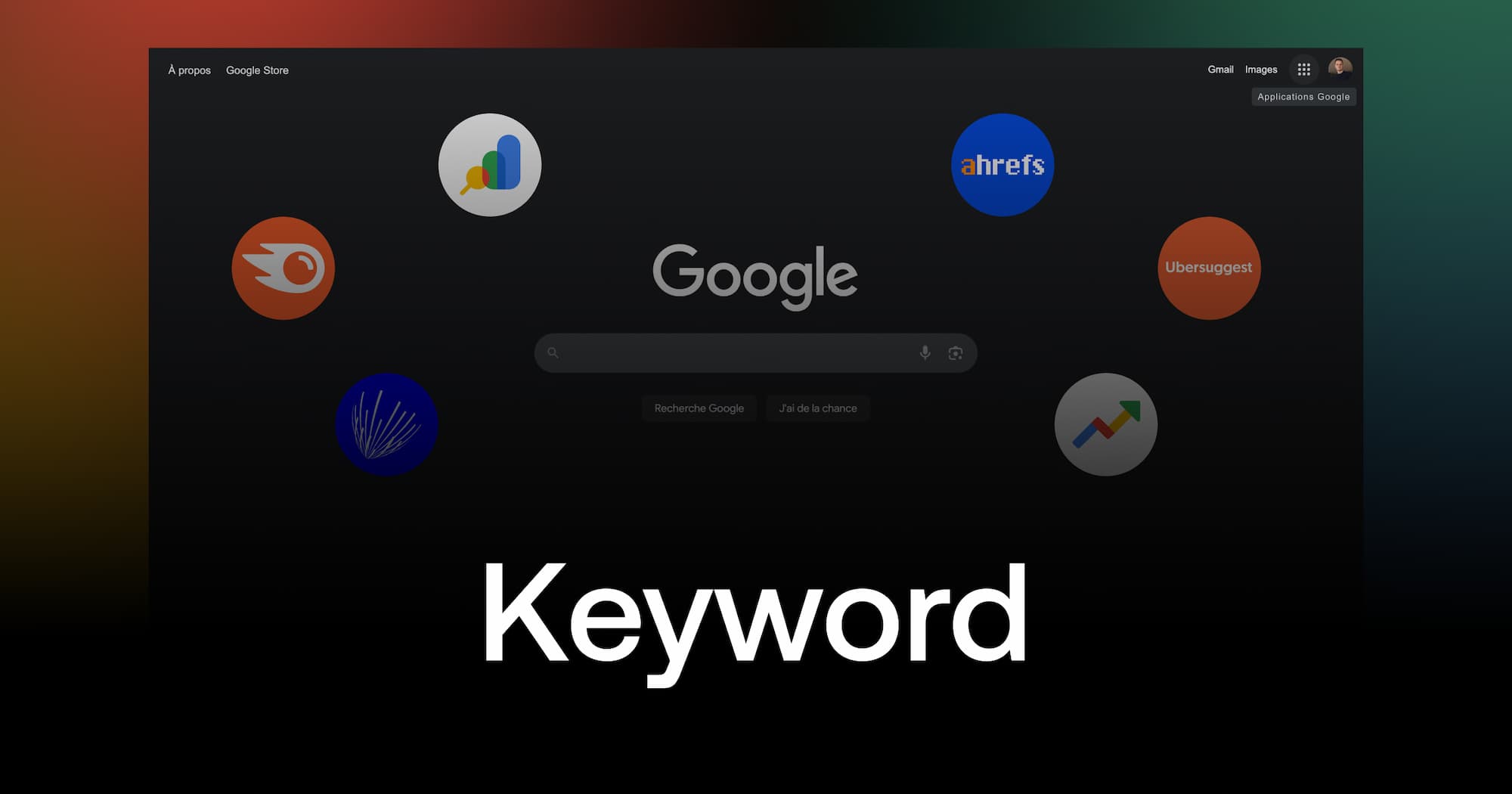
Several tools offer AI-powered keyword discovery capabilities. Ahrefs provides AI-driven content suggestions and keyword clustering. Semrush offers Topic Research and AI writing assistance. Clearscope and MarketMuse focus on content optimization based on semantic analysis. The best tool depends on your budget, technical requirements, and specific SEO goals.
How does AI predict future keyword trends?
AI systems analyze historical search data, identify patterns, and correlate them with external factors like seasonality, industry developments, and cultural events. Machine learning models continuously update their predictions based on new data, enabling increasingly accurate forecasts of emerging search trends.
Can AI keyword discovery replace human SEO experts?
AI tools cannot fully replace human expertise. While AI excels at data processing and pattern recognition, human judgment remains essential for brand strategy, content quality, and creative direction. The most effective approach combines AI insights with human experience and strategic thinking.
How often should I update my keyword strategy?
Keyword strategies should be reviewed at least quarterly, with more frequent updates for fast-moving industries. AI tools provide real-time data, allowing you to identify emerging trends and adjust your strategy promptly. Regular monitoring ensures your content remains relevant and competitive.
Does AI keyword discovery work for local SEO?
Yes, AI keyword discovery works effectively for local SEO. AI tools can identify location-specific search terms, analyze local competitor activity, and uncover opportunities for local content optimization. This capability helps businesses attract customers searching for products and services in their geographic area.
Conclusion
AI SEO keyword discovery represents a fundamental advancement in how businesses approach search engine optimization. By leveraging machine learning, natural language processing, and predictive analytics, these systems uncover opportunities that traditional research methods miss. They provide deeper insights into user intent, enable more strategic content planning, and deliver measurable improvements in organic visibility and conversions.
Successful implementation requires combining AI capabilities with human expertise. Define clear goals, select appropriate tools, analyze intent carefully, and continuously refine your strategy based on performance data. Avoid common mistakes like ignoring search intent or over-relying on automated recommendations. When implemented effectively, AI keyword discovery transforms SEO from a guessing game into a data-driven discipline that consistently delivers results.
The search landscape continues to evolve, with AI increasingly shaping how people find information online. Businesses that embrace AI-powered keyword discovery position themselves for sustained success in this dynamic environment. Those who cling to traditional methods risk falling behind competitors who understand and leverage the power of artificial intelligence in their SEO strategies.
Xem thêm:
- How to Rank in AI Overviews: The Complete Guide to Appearing in Google’s Generative Search Results
- AI Content Marketing: Transform Your Strategy Without Losing the Human Touch
- AI SEO SOP: The Definitive Guide to Systemizing Your Search Growth Workflow
- AI SEO LLM Brand Visibility: The Complete Playbook for the Generative Search Era
- OpenAI SEO: The Ultimate Guide to AI-Powered Search Optimization
Bài viết cùng chủ đề:

AI SEO SEO Automation with Make: The Complete Workflow Guide

AI SEO SEO Automation with Zapier: The Complete Workflow Guide

AI SEO SEO Automation with n8n: The Complete Workflow Guide
AI SEO SEO Automation with Gemini: The Complete Guide to Scaling Organic Growth

AI SEO SEO Automation with Claude: The Complete Guide to Scaling Content in 2025

AI SEO SEO Automation with ChatGPT: The Complete Playbook for 2025

AI SEO & SEO Automation for Affiliate Sites: The 2025 Playbook for Passive Income Growth
AI SEO & SEO Automation for Bloggers: The Complete Guide to Scaling Your Content

AI SEO & SEO Automation for Agencies: The Complete 2025 Playbook

AI SEO and SEO Automation for Ecommerce: The Complete Playbook for 2025

AI SEO & SEO Automation for WordPress: The Complete Playbook for 2025
AI SEO SEO Automation Strategy: The Complete Playbook for 2025

Mastering the AI SEO SEO Automation Process: A Complete Guide to Scaling Organic Growth
AI SEO SEO Automation System: The Complete Guide to Scaling Organic Growth in 2025
AI SEO SEO Automation Platform: The Complete Guide to Scaling Organic Growth in 2025
AI SEO SEO Automation Software: The Complete Guide to Scaling Organic Growth in 2025















