
No products in the cart.
AI SEO AI Brand Monitoring: The Complete Guide to Protecting Your Digital Reputation
10
Aug
Aug
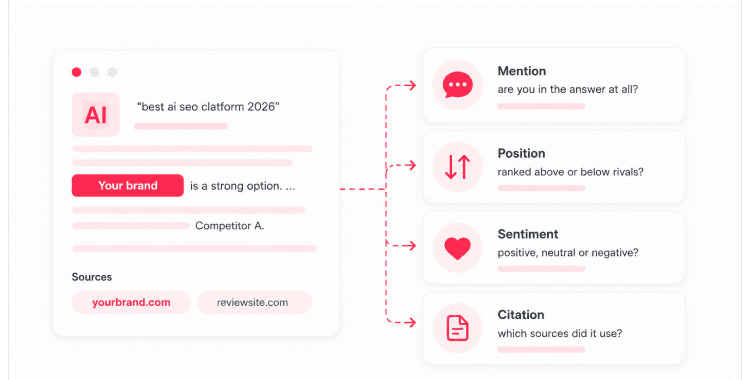
In the modern digital landscape, the convergence of AI SEO and AI brand monitoring represents a paradigm shift in how companies manage their online presence. Search engines now prioritize brand signals, making reputation management a core component of technical and content strategy. This guide explores how artificial intelligence transforms the way businesses track mentions, analyze sentiment, and optimize for search visibility simultaneously. By leveraging machine learning, organizations can now automate the detection of brand mentions across millions of web pages, social platforms, and review sites, feeding critical data directly into their SEO workflows.
Understanding the Intersection of AI SEO and AI Brand Monitoring
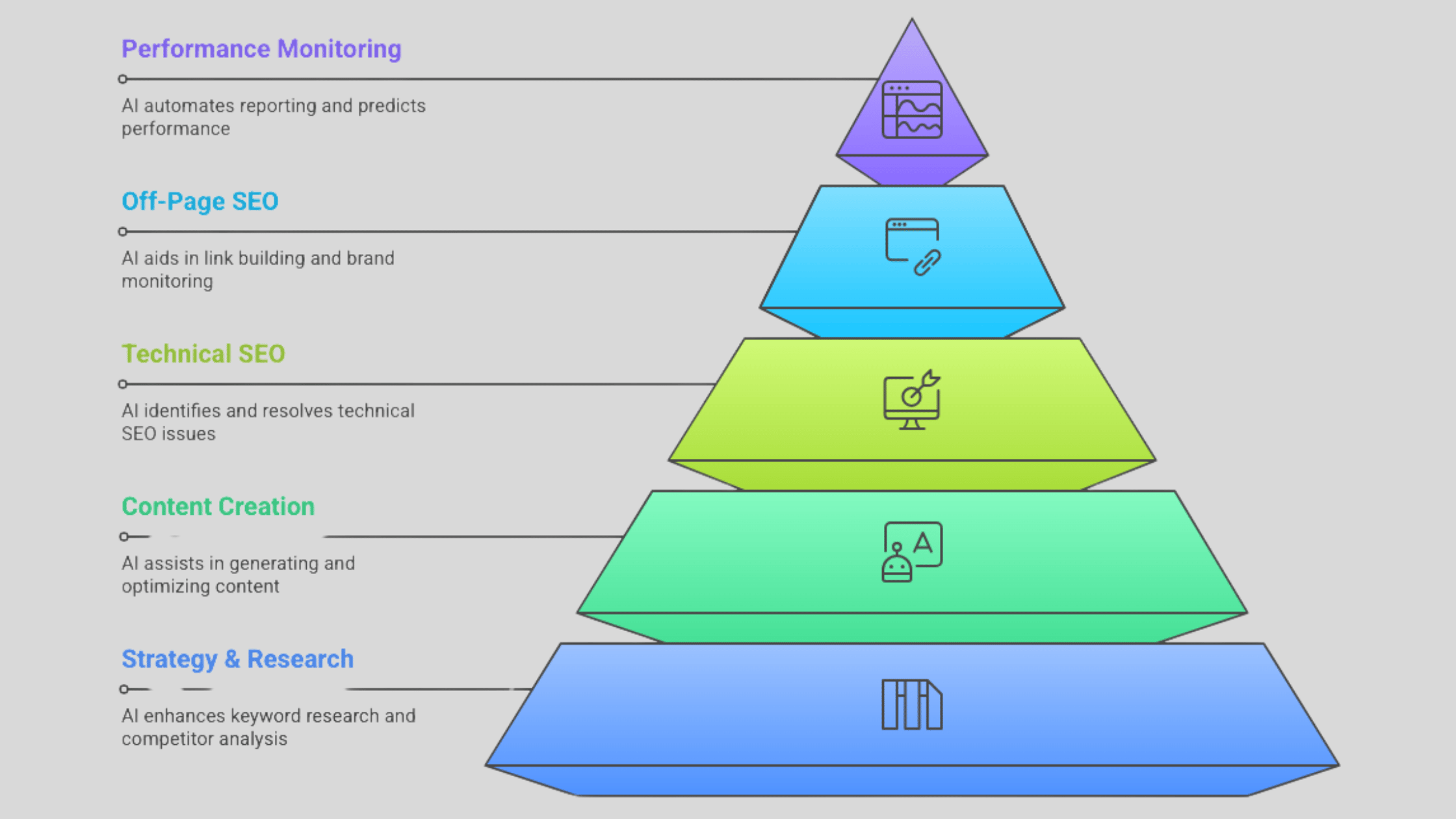
AI SEO refers to the application of artificial intelligence to optimize websites for search engines. This includes automated keyword research, content generation, technical audits, and predictive analytics. AI brand monitoring, on the other hand, involves using machine learning algorithms to track, analyze, and respond to brand mentions across the digital ecosystem. When these two disciplines merge, they create a powerful feedback loop where brand perception directly influences search rankings, and search data informs reputation strategy.
The synergy is profound. Search engines like Google use brand mentions as a trust signal. A brand that is frequently discussed positively across authoritative domains tends to rank higher for its target keywords. AI brand monitoring tools capture these mentions in real-time, allowing SEO teams to understand which conversations are driving visibility. This data enables proactive content creation, link building, and crisis management, all of which are essential for sustainable organic growth.
The Evolution of Brand Monitoring in the Age of AI
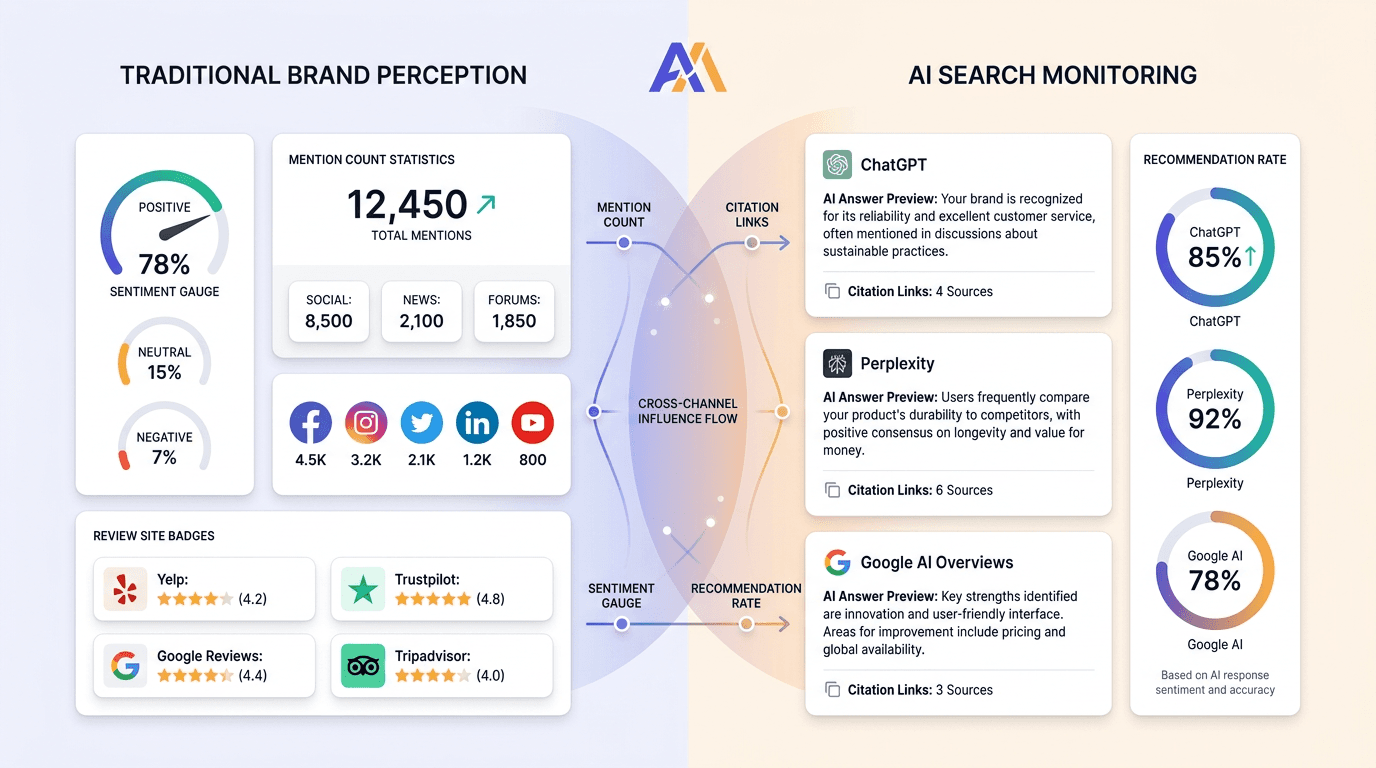
Traditional brand monitoring relied on manual searches, simple alerts, and basic sentiment analysis. These methods were slow, prone to error, and incapable of handling the sheer volume of data generated daily. The advent of AI changed this landscape dramatically. Natural Language Processing (NLP) and deep learning models now understand context, sarcasm, and nuanced sentiment, providing a level of accuracy that was previously impossible.
Modern AI brand monitoring systems process billions of data points from news sites, blogs, forums, social media, and review platforms. They categorize mentions by sentiment (positive, negative, neutral), influence (authority of the source), and relevance (contextual alignment with the brand). This granular data is then integrated into SEO dashboards, giving marketers a holistic view of their digital footprint. The result is a dynamic, real-time understanding of brand health that directly informs search strategy.
Key Drivers of AI-Powered Brand Monitoring
Several technological advancements have accelerated the adoption of AI in this field. First, the improvement in transformer-based language models has enabled more accurate entity recognition. Second, the proliferation of big data infrastructure allows for the processing of unstructured text at scale. Third, the integration of APIs from major social platforms and search engines has made data collection seamless. These drivers have made it feasible for businesses of all sizes to implement sophisticated monitoring systems that were once only available to large enterprises.
How AI SEO Uses Brand Monitoring Data
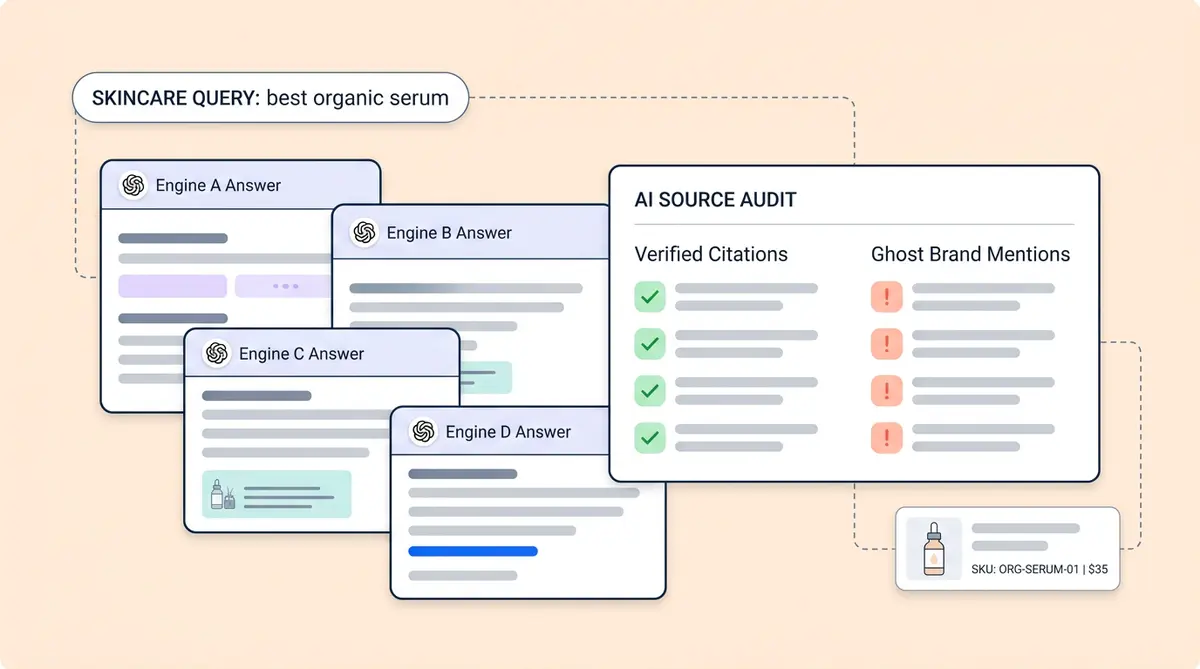
The integration of brand monitoring data into SEO strategies is multifaceted. It goes beyond simply tracking mentions; it involves using that data to make informed decisions about content, link building, and technical optimization. Here are the primary ways AI SEO leverages brand monitoring insights.
Sentiment Analysis for Content Strategy
AI tools analyze the sentiment of brand mentions to identify what customers love and what they dislike. This information is gold for content creators. If sentiment is negative around a specific product feature, SEO teams can create content that addresses those pain points, providing solutions and improving brand perception. Conversely, positive sentiment around a particular topic signals an opportunity to create more content in that area, capturing high-intent search traffic.
Identifying Link Building Opportunities
When a brand is mentioned online without a hyperlink, it represents a missed SEO opportunity. AI brand monitoring tools automatically detect these “unlinked mentions.” The SEO team can then reach out to the webmaster and request that a link be added. This is a highly effective link building tactic because the mention is already contextual and relevant. AI automates the discovery process, saving countless hours of manual research.
Competitor Analysis and Benchmarking
AI monitoring is not limited to your own brand. By tracking competitor mentions, you can benchmark your share of voice, identify gaps in their content strategy, and capitalize on their weaknesses. If a competitor is receiving negative sentiment for poor customer service, you can create content that highlights your superior support. This competitive intelligence is crucial for staying ahead in search rankings.
Crisis Management and Reputation Repair
A negative viral story can devastate search rankings. AI brand monitoring provides early warning signals, allowing you to respond before the situation escalates. The system can track the velocity of negative mentions and alert the team immediately. This proactive approach enables rapid response, content creation for damage control, and strategic PR moves that mitigate the impact on both reputation and SEO performance.
Core Components of an AI Brand Monitoring System
To fully understand how this technology works, it is essential to break down its core components. Each part plays a critical role in the overall effectiveness of the system, from data collection to actionable insights.
Data Collection and Crawling
The foundation of any monitoring system is its ability to collect data. AI crawlers scan the web continuously, indexing new content from social networks, news outlets, blogs, and forums. These crawlers are sophisticated, using APIs and web scraping techniques to gather real-time data. The scope of collection is vast, covering millions of sources across multiple languages and regions.
Natural Language Processing (NLP)
NLP is the brain of the system. It processes the collected text to extract meaning. This involves several sub-tasks: entity recognition (identifying the brand name), sentiment analysis (determining the emotional tone), and topic classification (categorizing the context). Advanced NLP models can even detect sarcasm and indirect mentions, which are notoriously difficult for traditional algorithms.
Machine Learning Models for Scoring
Once the text is processed, machine learning models assign scores to each mention. These scores include sentiment polarity, influence weight (based on the source’s domain authority), and relevance score. The models are trained on vast datasets and continuously improve over time, learning from new data to refine their predictions. This scoring system allows marketers to prioritize their actions, focusing on the mentions that matter most.
Integration with SEO Dashboards
The final component is the integration layer. The processed data is fed into SEO dashboards and analytics platforms. This allows marketers to see brand mentions alongside keyword rankings, backlink profiles, and organic traffic data. This unified view is essential for understanding the causal relationship between brand perception and search performance.
Benefits of Combining AI SEO with Brand Monitoring

The benefits of this integration are substantial, offering a competitive edge that is difficult to replicate with manual processes. The following are the key advantages that organizations experience when they adopt this approach.
- Proactive Reputation Management: Instead of reacting to crises, brands can identify potential issues before they escalate, protecting their search rankings.
- Enhanced Content Relevance: Content is created based on real-time customer sentiment, ensuring it resonates with the audience and answers their actual queries.
- Improved Link Acquisition: Automated detection of unlinked mentions streamlines the link building process, increasing domain authority.
- Real-Time Competitive Intelligence: Continuous monitoring of competitors provides actionable insights that inform strategic decisions.
- Time and Resource Efficiency: AI automates the heavy lifting, freeing up human teams to focus on strategy and creative execution.
- Higher ROI on SEO Efforts: By aligning SEO with brand perception, campaigns become more targeted and effective, leading to better conversion rates.
- Data Quality is Paramount: The accuracy of your AI insights depends on the quality of the data sources. Ensure that your tool is crawling authoritative and relevant sources.
- Context Matters: A mention on a high-authority news site carries more weight than a mention on a low-traffic blog. Always consider the context and authority of the source.
- Multilingual Monitoring: If your brand operates globally, ensure your monitoring tool supports multiple languages. Sentiment analysis accuracy can vary significantly across languages.
- Historical Data Analysis: Use historical data to identify trends and patterns. This can help you predict future issues and capitalize on emerging opportunities.
- Collaboration Across Teams: Brand monitoring data is valuable for PR, marketing, customer support, and product development. Break down silos and share insights across departments.
Limitations and Challenges of AI in This Field
While the benefits are compelling, it is important to acknowledge the limitations. AI is not a silver bullet, and there are challenges that organizations must navigate to achieve success.
Data Privacy and Compliance
Collecting and processing brand mentions involves handling personal data. Regulations like GDPR and CCPA impose strict rules on data usage. AI systems must be configured to comply with these laws, which can be complex and require constant updates. Failure to comply can result in hefty fines and reputational damage.
Accuracy of Sentiment Analysis
Despite advancements in NLP, sentiment analysis is not 100% accurate. Sarcasm, irony, and cultural nuances can still confuse AI models. A negative mention might be classified as positive, leading to misguided strategies. Human oversight is still necessary to validate critical insights and make final judgments.
High Implementation Costs
Enterprise-grade AI monitoring tools can be expensive. The cost of software licenses, data storage, and specialized personnel can be prohibitive for small and medium-sized businesses. However, the market is evolving, and more affordable solutions are emerging, making the technology more accessible over time.
Data Overload and Noise
The sheer volume of data generated can be overwhelming. AI systems may flag irrelevant mentions as important, creating noise that distracts from strategic priorities. Effective filtering and configuration are required to ensure that the system surfaces only the most valuable insights.
Practical Guide: Implementing AI Brand Monitoring for SEO
Implementing this technology requires a structured approach. The following steps provide a practical roadmap for organizations looking to integrate AI brand monitoring into their SEO strategy.
Step 1: Define Clear Objectives
Before selecting a tool, define what you want to achieve. Are you focused on crisis prevention, link building, or competitive analysis? Your objectives will determine the features you need and the metrics you track. Clear goals also help in configuring the AI models to prioritize the right signals.
Step 2: Choose the Right Tool
There are numerous AI brand monitoring tools available, each with its strengths and weaknesses. Some are specialized for social listening, while others focus on news and blog mentions. Evaluate tools based on their NLP accuracy, integration capabilities, and pricing. Consider starting with a trial to test performance on your specific brand and industry.
Step 3: Configure Alerts and Filters
Set up the system to filter out irrelevant noise. Configure alerts for specific keywords, competitor names, and industry terms. Define the sentiment thresholds that trigger alerts. The goal is to create a system that surfaces actionable insights without overwhelming your team with notifications.
Step 4: Integrate with SEO Analytics
Connect the monitoring tool with your SEO analytics platform (e.g., Google Analytics, Search Console, or a dedicated SEO suite). This integration allows you to correlate brand mentions with organic traffic and keyword rankings. This data is crucial for measuring the ROI of your reputation management efforts.
Step 5: Establish a Response Workflow
Create a workflow for responding to mentions. Define who is responsible for engaging with positive mentions, addressing negative feedback, and requesting links for unlinked mentions. A clear workflow ensures that insights are acted upon quickly and consistently.
Step 6: Monitor and Iterate
AI systems are not set-and-forget. Continuously review the accuracy of the sentiment analysis and the relevance of the alerts. Provide feedback to the system to improve its performance over time. Regularly update your keyword lists and competitor tracking to reflect changes in your business strategy.
Common Mistakes and How to Avoid Them
Many organizations fail to realize the full potential of AI brand monitoring due to common pitfalls. Understanding these mistakes is the first step to avoiding them.
Ignoring the Data Integration
One of the most frequent mistakes is treating brand monitoring as a standalone activity. If the data is not integrated with SEO analytics, it remains siloed and its value is diminished. Always connect the monitoring system to your central analytics dashboard to see the full picture.
Over-Reliance on Automation
AI is a powerful tool, but it is not a replacement for human judgment. Over-relying on automated sentiment scores can lead to poor decisions. Always have a human review critical mentions, especially those with high influence or extreme sentiment. The human touch is essential for nuanced understanding.
Focusing Only on Negative Mentions
While it is important to address negative feedback, ignoring positive mentions is a missed opportunity. Positive mentions can be leveraged for social proof, content marketing, and employee advocacy. Engage with positive mentions to build stronger relationships with your advocates.
Neglecting Competitor Tracking
Monitoring only your own brand provides an incomplete picture. Competitor tracking is essential for benchmarking and identifying opportunities. If you are not tracking your competitors, you are flying blind in the competitive landscape.
Failing to Act on Insights
Collecting data without taking action is a waste of resources. The entire purpose of AI brand monitoring is to inform decisions. Ensure that your team has a clear process for turning insights into concrete actions, whether that is creating content, building links, or improving customer service.
Important Notes for Maximizing Value
To get the most out of AI SEO and AI brand monitoring, consider these important notes that go beyond the basic implementation steps.
Comparison: Traditional vs. AI-Powered Brand Monitoring
To illustrate the transformative impact of AI, the following table compares traditional methods with AI-powered approaches across key dimensions.
| Feature | Traditional Monitoring | AI-Powered Monitoring |
|---|---|---|
| Data Volume | Limited to manual searches and simple alerts | Processes millions of data points in real-time |
| Sentiment Accuracy | Basic positive/negative/neutral classification | Nuanced understanding including sarcasm and context |
| Speed | Delayed reporting, often daily or weekly | Real-time alerts and instant analysis |
| Scalability | Difficult to scale with manual effort | Easily scales with cloud infrastructure |
| Integration | Standalone reports, manual data export | Seamless API integration with SEO tools |
| Predictive Analysis | Not available | Machine learning models predict trends and crises |
Future Trends in AI SEO and Brand Monitoring
The field is evolving rapidly, and several trends will shape its future. Staying ahead of these trends is crucial for maintaining a competitive edge.
Generative AI for Response Management
Generative AI models, like GPT-4, are being used to draft responses to brand mentions. These models can create personalized, on-brand replies to customer feedback, saving time and ensuring consistency. The next step is fully automated response systems that handle routine queries without human intervention.
Predictive Analytics for Crisis Prevention
AI models are becoming better at predicting potential crises before they happen. By analyzing patterns in sentiment and mention velocity, these systems can forecast which issues are likely to escalate. This allows brands to take preemptive action, protecting both their reputation and their search rankings.
Voice and Visual Search Monitoring
As voice search and visual search grow, brand monitoring will expand to include these formats. A This will require new types of NLP and computer vision models, representing the next frontier in the field.
Frequently Asked Questions (FAQ)
What is the difference between AI SEO and traditional SEO?
Traditional SEO relies on manual processes for keyword research, content optimization, and link building. AI SEO automates these tasks using machine learning algorithms. It can analyze vast datasets to identify patterns, predict ranking changes, and generate optimized content at scale. The key difference is the speed, scale, and accuracy of the insights provided.
How does AI brand monitoring improve search rankings?
AI brand monitoring improves search rankings by providing data that informs link building, content strategy, and reputation management. Positive brand mentions from authoritative sources act as trust signals to search engines. By identifying unlinked mentions, AI helps acquire high-quality backlinks. By analyzing sentiment, it helps create content that satisfies user intent, leading to better engagement and higher rankings.
Can small businesses afford AI brand monitoring tools?
Yes, the market has evolved to offer solutions for businesses of all sizes. While enterprise tools can be expensive, there are many affordable SaaS options that offer core features like sentiment analysis and mention tracking. Small businesses can start with basic plans and scale up as their needs grow. The ROI from preventing a single crisis or acquiring a few high-quality links often justifies the cost.
How accurate is AI sentiment analysis?
Modern AI sentiment analysis is highly accurate, often exceeding 85-90% accuracy on standard datasets. However, it is not perfect. Accuracy can drop when dealing with sarcasm, slang, or culturally specific language. It is essential to use a tool that is trained on data relevant to your industry and to have human oversight for critical mentions.
What metrics should I track in AI brand monitoring?
Key metrics include share of voice (your mentions vs. competitors), sentiment score, mention volume over time, influencer engagement, and the number of unlinked mentions. You should also track the correlation between brand mentions and organic traffic to measure the direct impact on SEO.
Conclusion
The integration of AI SEO and AI brand monitoring is no longer a luxury but a necessity for businesses that want to thrive in the digital age. The ability to understand and influence brand perception in real-time directly impacts search visibility, organic traffic, and ultimately, revenue. By leveraging machine learning for sentiment analysis, link building, and crisis management, organizations can build a resilient and authoritative online presence. The key to success lies in choosing the right tools, integrating data effectively, and maintaining a balance between automation and human judgment. As AI technology continues to advance, the synergy between these disciplines will only grow stronger, making it essential for forward-thinking marketers to embrace this transformation today.
Xem thêm:
- AI SEO Content Editing: The Complete Guide to Smarter, Faster Optimization
- AI SEO Strategy: The Complete Guide to Ranking with Artificial Intelligence in 2025
- AI SEO Blogger Outreach: The Complete Guide to Scaling Digital PR in 2025
- 12 AI SEO Mistakes That Will Crash Your Rankings (And How to Avoid Them)
- AI SEO Internal Link Optimization: The Complete Guide to Smarter Site Architecture
Bài viết cùng chủ đề:

AI SEO SEO Automation with Make: The Complete Workflow Guide

AI SEO SEO Automation with Zapier: The Complete Workflow Guide

AI SEO SEO Automation with n8n: The Complete Workflow Guide
AI SEO SEO Automation with Gemini: The Complete Guide to Scaling Organic Growth

AI SEO SEO Automation with Claude: The Complete Guide to Scaling Content in 2025

AI SEO SEO Automation with ChatGPT: The Complete Playbook for 2025

AI SEO & SEO Automation for Affiliate Sites: The 2025 Playbook for Passive Income Growth
AI SEO & SEO Automation for Bloggers: The Complete Guide to Scaling Your Content

AI SEO & SEO Automation for Agencies: The Complete 2025 Playbook

AI SEO and SEO Automation for Ecommerce: The Complete Playbook for 2025

AI SEO & SEO Automation for WordPress: The Complete Playbook for 2025
AI SEO SEO Automation Strategy: The Complete Playbook for 2025

Mastering the AI SEO SEO Automation Process: A Complete Guide to Scaling Organic Growth
AI SEO SEO Automation System: The Complete Guide to Scaling Organic Growth in 2025
AI SEO SEO Automation Platform: The Complete Guide to Scaling Organic Growth in 2025
AI SEO SEO Automation Software: The Complete Guide to Scaling Organic Growth in 2025















