
No products in the cart.
AI SEO Internal Link Optimization: The Complete Guide to Smarter Site Architecture
10
Aug
Aug
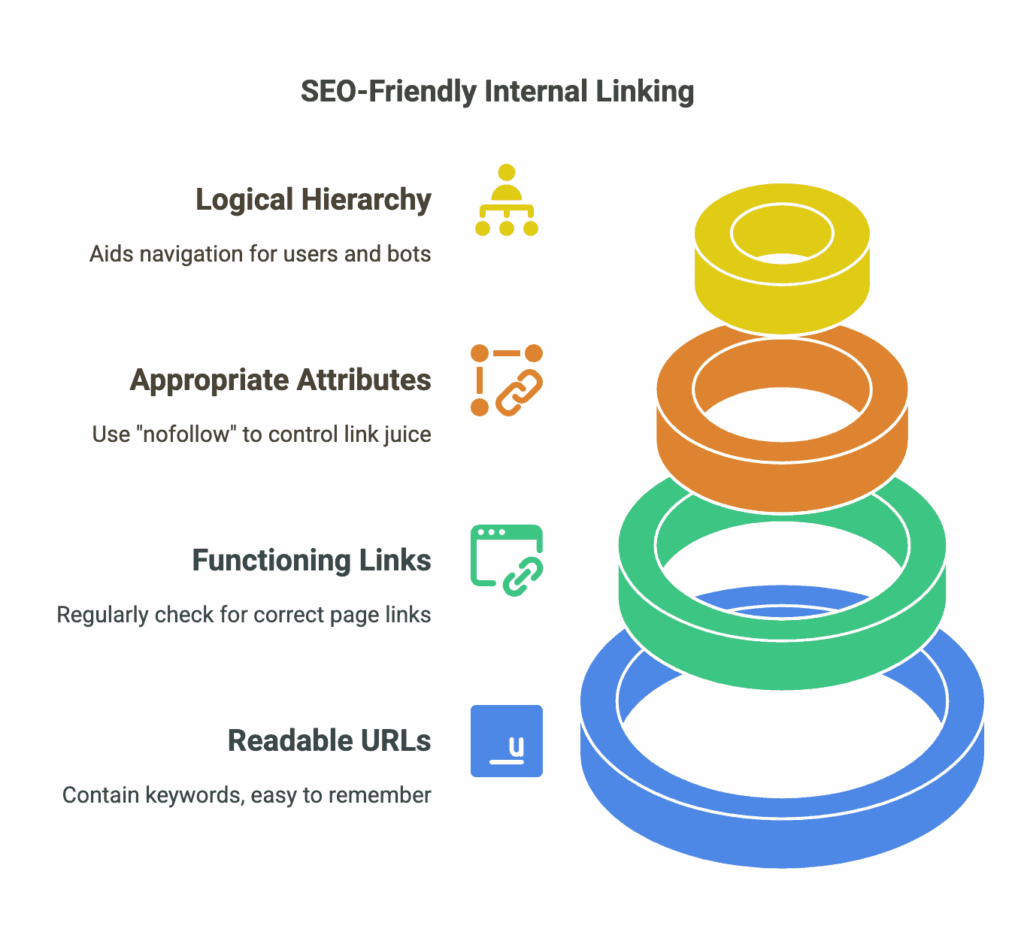
AI SEO internal link optimization is transforming how websites structure their content for both search engines and users. Instead of manually placing links based on guesswork, artificial intelligence now analyzes entire site architectures, user behavior patterns, and semantic relationships to determine the most valuable internal connections. This approach moves beyond simple keyword matching, using machine learning models to understand context, topical authority, and user intent at scale. For digital marketers and site owners, mastering this technology means stronger rankings, better crawl efficiency, and a more intuitive navigation experience for visitors.
What Is AI SEO Internal Link Optimization?
AI SEO internal link optimization refers to the use of artificial intelligence algorithms to automatically analyze, recommend, and implement internal links within a website. The goal is to distribute link equity strategically, improve topical relevance, and guide users toward high-value pages. Traditional internal linking relies on manual audits and static rules. AI-driven systems, however, process thousands of data points simultaneously, including page views, dwell time, content similarity, and search engine ranking positions.
These intelligent systems identify patterns that human editors might miss. For example, an AI can detect that a blog post about “vegan protein sources” should link to a product page for “plant-based protein powder” because users who read the article frequently search for that product afterward. This level of insight comes from analyzing behavioral data and semantic proximity, not just exact-match anchor text.
Why Internal Links Matter More Than Ever in Modern SEO
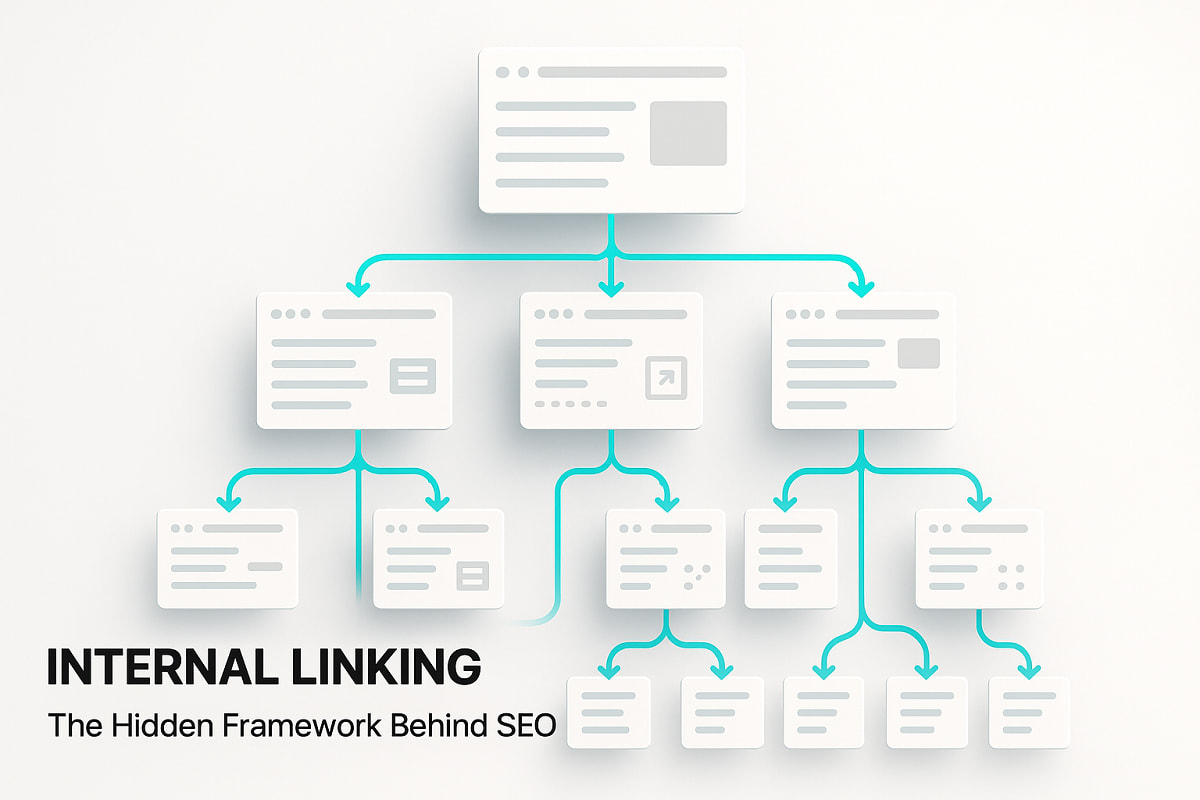
Search engines like Google have evolved to prioritize entities and topical clusters over isolated pages. Internal links remain one of the few fully controllable ranking factors. They establish hierarchy, pass authority, and create context. Without a solid internal linking structure, even the most authoritative content can struggle to rank because search engines cannot determine its relationship to other pages on the site.
AI SEO internal link optimization amplifies these benefits by ensuring every link serves a purpose. Manual linking often results in orphan pages, broken paths, or over-optimized anchor text. AI prevents these issues by continuously monitoring the link graph and suggesting adjustments based on real-time performance data. The result is a self-improving system that adapts to algorithm updates and shifting user behavior.
The Core Components of an AI-Driven Internal Link Strategy
An effective AI-powered internal linking system relies on several key components working in harmony:
- Semantic Analysis: AI models use natural language processing (NLP) to understand the meaning of content, not just keywords. This allows for links between topically related pages even when they use different terminology.
- Behavioral Data Integration: Click-through rates, time on page, and scroll depth inform which links users actually find useful. AI prioritizes links that drive engagement.
- Link Equity Distribution: Algorithms calculate the authority of each page and suggest where to place links to maximize ranking potential for target pages.
- Automated Anchor Text Generation: Instead of generic “click here” text, AI generates descriptive, contextually relevant anchors that improve accessibility and SEO.
- Continuous Learning: The system monitors performance and adjusts recommendations over time, learning from both successes and failures.
- Data Collection: The AI crawls the entire website, indexing every URL, title, heading, and body text. It also pulls analytics data such as page views, bounce rates, and conversion metrics.
- Content Vectorization: Each page is converted into a mathematical vector representing its semantic meaning. Pages with similar vectors are considered topically related.
- Graph Construction: The AI builds a visual map of the site, showing how pages are currently connected and identifying gaps or weak links.
- Opportunity Scoring: Every potential link is scored based on predicted impact. Factors include relevance, authority flow, and user intent match.
- Recommendation Generation: The system outputs a prioritized list of link additions, removals, or anchor text changes.
- Implementation and Testing: Some tools automatically implement changes, while others provide a dashboard for manual approval. A/B testing measures the impact on rankings and engagement.
- Initial Setup Complexity: Implementing AI tools requires technical expertise and integration with existing CMS or analytics platforms.
- Data Quality Dependence: The accuracy of AI recommendations depends on the quality of input data. Incomplete analytics or poor crawling can lead to suboptimal suggestions.
- Over-Automation Risks: Fully automated linking can sometimes create unnatural link patterns that violate search engine guidelines. Human oversight is still necessary.
- Cost Considerations: Advanced AI SEO tools often come with significant subscription fees, which may not be feasible for small businesses.
- Link Whisper: Uses AI to suggest relevant internal links directly within WordPress.
- Internal Link Juicer: Automates link placement based on keyword matching and semantic analysis.
- Surfer SEO: Provides content optimization suggestions, including internal link opportunities.
- MarketMuse: Uses NLP to identify content gaps and linking opportunities.
- Combine with External Link Building: Internal links work best when the site also has a strong external backlink profile. AI internal linking distributes authority, but you still need to earn authority from outside sources.
- Focus on User Experience First: Never sacrifice readability for the sake of adding links. If a link does not feel natural to a human reader, it will not perform well.
- Use Structured Data: Implementing schema markup helps AI tools better understand your content, leading to more accurate link recommendations.
- Regularly Test and Iterate: Search algorithms change frequently. What works today may not work next quarter. Maintain a schedule of continuous testing.
- Integrate with Log File Analysis: Understanding how search engine bots actually crawl your site provides valuable feedback for refining AI link suggestions.
How AI SEO Internal Link Optimization Works: A Step-by-Step Process
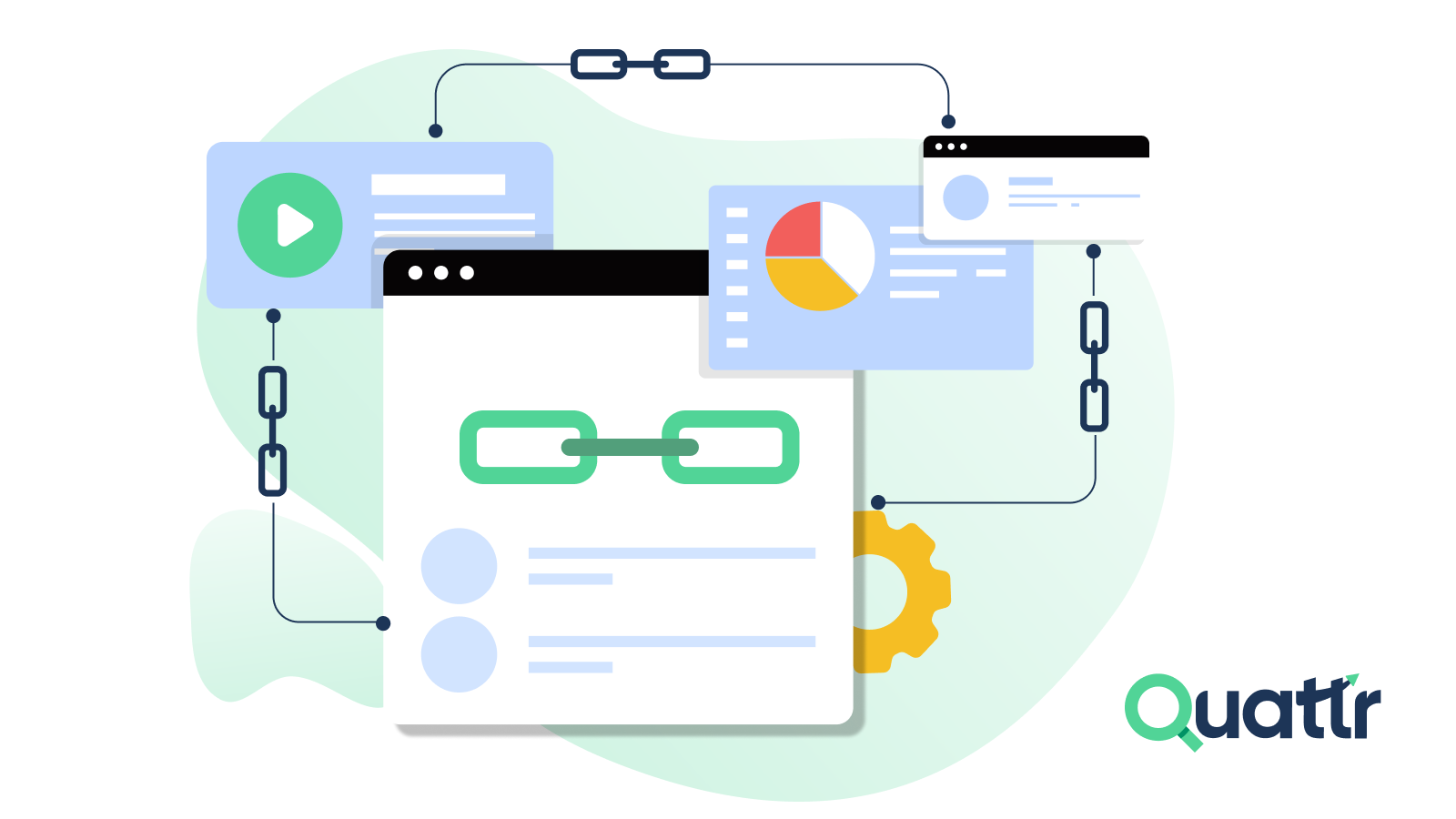
Understanding the technical process helps marketers appreciate the value of AI-driven linking. The workflow typically follows these stages:
Key Benefits of Using AI for Internal Link Building
The advantages of AI SEO internal link optimization extend far beyond saving time. Here are the most significant benefits backed by industry data:
Improved Crawl Efficiency and Indexation
Search engine bots have limited crawl budgets. AI ensures that important pages are easily discoverable through logical link paths. By reducing the number of clicks needed to reach deep pages, sites see faster and more complete indexation.
Enhanced Topical Authority
When AI links related content together, it creates a dense cluster of semantically connected pages. This signals expertise to search engines, helping the entire cluster rank higher for relevant queries.
Higher User Engagement Metrics
Relevant internal links keep users on the site longer. AI-driven links are placed where users are most likely to click, reducing bounce rates and increasing pages per session.
Scalability for Large Websites
For e-commerce sites or news portals with thousands of pages, manual linking is impossible. AI handles this scale effortlessly, processing millions of data points in minutes.
Data-Driven Decision Making
Instead of relying on intuition, AI provides concrete evidence for every link recommendation. This makes it easier to justify SEO decisions to stakeholders.
Limitations and Challenges of AI Internal Linking
While powerful, AI SEO internal link optimization is not without its drawbacks. Understanding these limitations prevents unrealistic expectations:
AI Internal Link Optimization vs. Traditional Manual Linking
Comparing the two approaches highlights the transformative nature of AI. The table below outlines the key differences:
| Aspect | Traditional Manual Linking | AI-Driven Linking |
|---|---|---|
| Speed | Slow, requires manual audits | Instant analysis of entire site |
| Scalability | Impractical for large sites | Handles millions of pages |
| Data Sources | Limited to keyword research | Behavioral, semantic, and performance data |
| Adaptability | Static, requires periodic updates | Continuous learning and adjustment |
| Accuracy | Prone to human bias | Objective, data-driven decisions |
| Cost | Labor-intensive, high time cost | Software cost, lower labor |
Practical Applications: How to Implement AI Internal Link Optimization
Implementing AI SEO internal link optimization requires a structured approach. Use tools like Screaming Frog or Sitebulb to export your current internal link map. Identify orphan pages, broken links, and pages with zero internal links pointing to them.
Step 2: Choose the Right AI Tool
Several platforms offer AI-powered internal linking features. Popular options include:
Step 3: Define Your Priority Pages
AI tools work best when they know your goals. Identify money pages, cornerstone content, and pages that need ranking boosts. Configure the tool to prioritize links pointing to these URLs.
Step 4: Set Anchor Text Guidelines
Establish rules for anchor text variation. Avoid over-optimization by mixing exact-match, partial-match, and branded anchors. AI tools allow you to set these parameters.
Step 5: Monitor and Refine
AI is not a set-and-forget solution. Review monthly reports showing which links were added and their impact on rankings. Adjust the tool’s settings based on performance data.
Common Mistakes in AI Internal Link Optimization
Even with advanced technology, mistakes happen. Avoid these frequent errors:
Ignoring User Intent
AI tools sometimes suggest links based purely on semantic similarity, ignoring what the user actually wants at that moment. Always review recommendations with a user-first mindset.
Over-Linking
Adding too many internal links dilutes link equity and confuses users. A good rule of thumb is to include 3-5 relevant internal links per 1,000 words of content.
Using Generic Anchor Text
Phrases like “click here” or “read more” provide no context to search engines. Ensure the AI tool is configured to generate descriptive anchors.
Neglecting Mobile Users
Internal links must be easily clickable on mobile devices. Avoid placing links too close together or in areas where they are hard to tap.
Failing to Update Old Content
AI optimization is not just for new posts. Regularly run the tool on older content to add fresh internal links to newer, relevant pages.
Important Notes for Maximizing Results
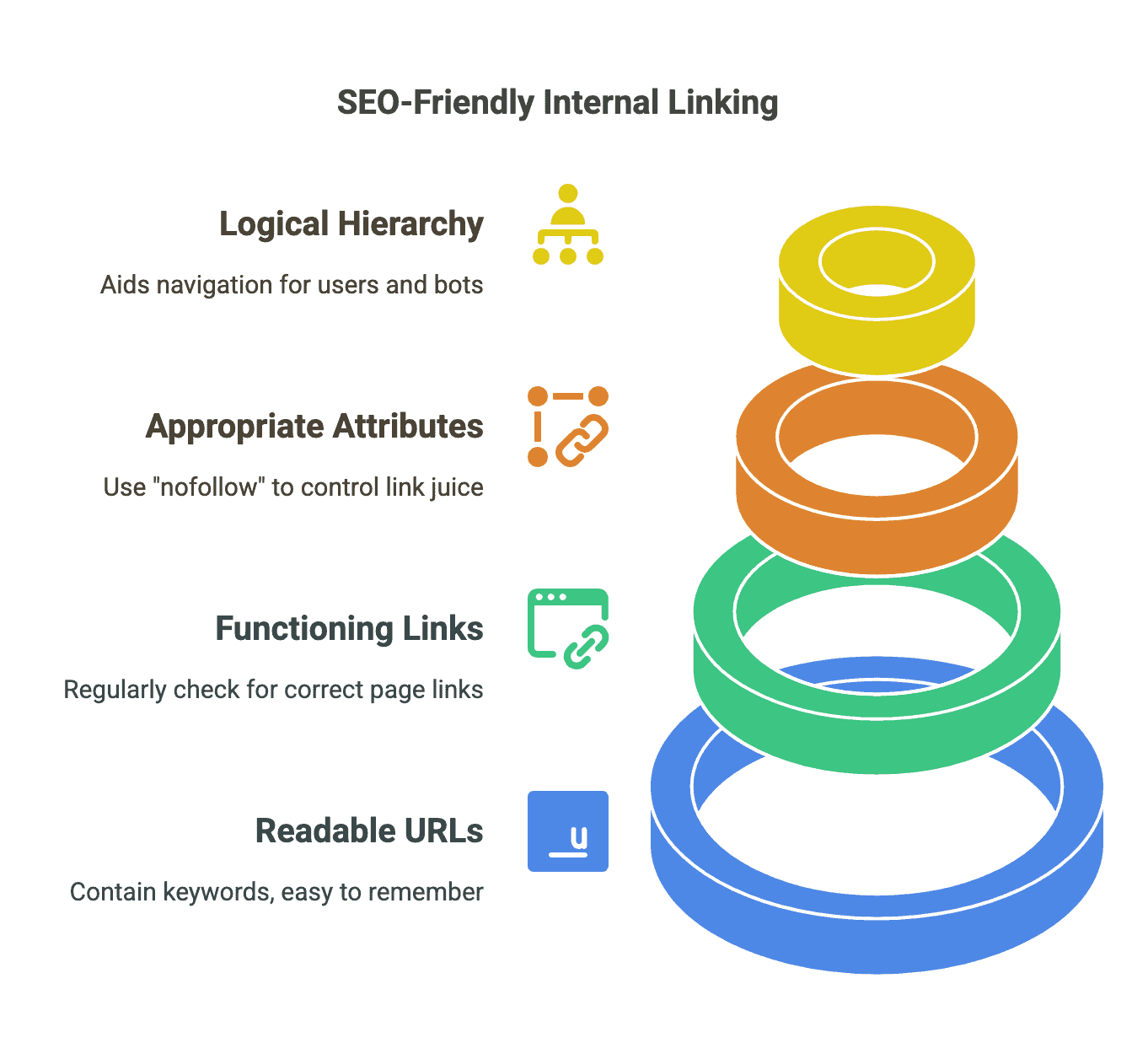
To get the most out of AI SEO internal link optimization, keep these considerations in mind:
Frequently Asked Questions
What is the difference between internal links and external links?
Internal links point from one page on your website to another page on the same domain. External links point from your site to a different domain. Internal links are fully under your control and are the primary focus of AI SEO internal link optimization.
How many internal links should a page have?
T The key is relevance. One highly relevant link is more valuable than five irrelevant ones.
Can AI internal linking replace manual SEO work?
No. AI tools automate the analysis and recommendation process, but human oversight is still required for strategy, content quality, and final approval. The best results come from a combination of AI efficiency and human judgment.
Does internal linking affect PageRank?
Yes. Internal links pass PageRank and other authority signals throughout your site. AI optimization ensures this equity flows to pages that need it most, such as product pages or high-value blog posts.
What is anchor text and why does it matter?
Anchor text is the clickable text in a hyperlink. Search engines use it to understand the context of the linked page. Descriptive, relevant anchor text improves rankings, while generic text like “click here” provides little value.
How long does it take to see results from AI internal linking?
Results typically appear within 2 to 4 weeks, depending on the size of the site and how often search engines crawl it. Significant ranking improvements for competitive keywords may take 2 to 3 months.
Conclusion
AI SEO internal link optimization represents a fundamental shift in how websites approach site architecture and content discovery. By leveraging machine learning, semantic analysis, and behavioral data, site owners can create link structures that are more logical, more effective, and more aligned with user intent than ever before. The technology eliminates guesswork, scales effortlessly, and continuously adapts to changing conditions.
However, AI is a tool, not a replacement for strategic thinking. The most successful implementations combine intelligent automation with human creativity and oversight. Start by auditing your current link structure, select a reliable AI tool, and commit to ongoing refinement. The sites that embrace this technology now will build a significant competitive advantage as search engines continue to prioritize contextual relevance and user experience. The future of SEO is not just about creating great content, but about connecting that content in ways that make sense to both algorithms and the people they serve.
Xem thêm:
- AI SEO AI Search Monitoring: The Complete Guide to Tracking Your Brand in the Age of Generative Engines
- The Ultimate Guide to AI SEO WordPress Plugins: Automate Rankings and Smart Content Strategy
- The Ultimate AI SEO Workflow: How to Automate Your Search Rankings from Research to Reporting
- AI SEO SEO Automation with Claude: The Complete Guide to Scaling Content in 2025
- AI SEO for Beauty: The Complete Guide to Dominating Search in 2025
Bài viết cùng chủ đề:

AI SEO SEO Automation with Make: The Complete Workflow Guide

AI SEO SEO Automation with Zapier: The Complete Workflow Guide

AI SEO SEO Automation with n8n: The Complete Workflow Guide
AI SEO SEO Automation with Gemini: The Complete Guide to Scaling Organic Growth

AI SEO SEO Automation with Claude: The Complete Guide to Scaling Content in 2025

AI SEO SEO Automation with ChatGPT: The Complete Playbook for 2025

AI SEO & SEO Automation for Affiliate Sites: The 2025 Playbook for Passive Income Growth
AI SEO & SEO Automation for Bloggers: The Complete Guide to Scaling Your Content

AI SEO & SEO Automation for Agencies: The Complete 2025 Playbook

AI SEO and SEO Automation for Ecommerce: The Complete Playbook for 2025

AI SEO & SEO Automation for WordPress: The Complete Playbook for 2025
AI SEO SEO Automation Strategy: The Complete Playbook for 2025

Mastering the AI SEO SEO Automation Process: A Complete Guide to Scaling Organic Growth
AI SEO SEO Automation System: The Complete Guide to Scaling Organic Growth in 2025
AI SEO SEO Automation Platform: The Complete Guide to Scaling Organic Growth in 2025
AI SEO SEO Automation Software: The Complete Guide to Scaling Organic Growth in 2025















