
No products in the cart.
AI SEO AI Citation Optimization: The Complete Guide to Dominating Local Search in 2025
10
Aug
Aug
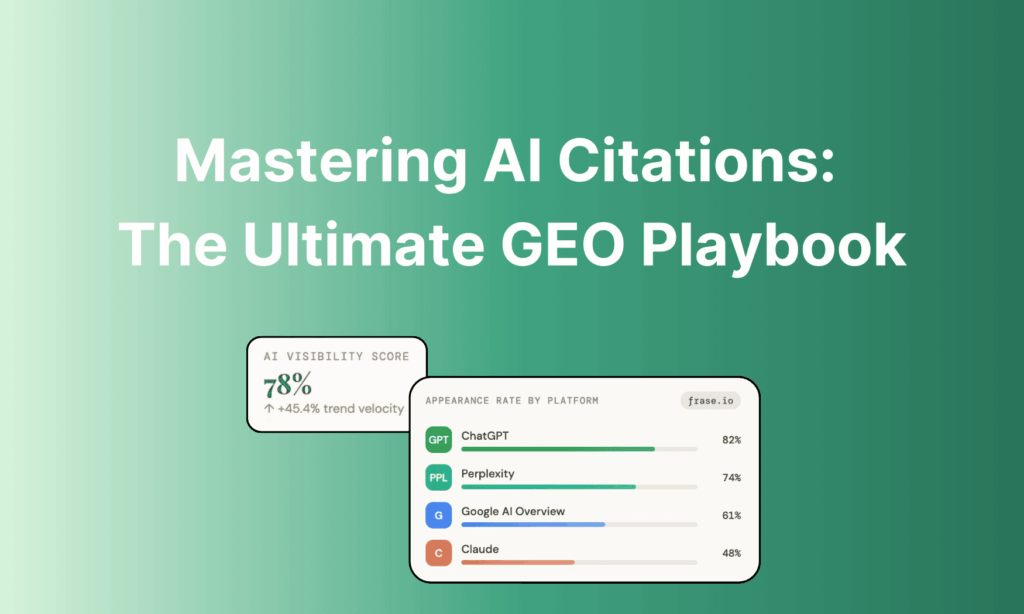
AI SEO AI Citation Optimization represents the convergence of artificial intelligence with the foundational practice of managing business citations across the digital landscape. In today’s competitive local search environment, simply having a Google Business Profile is no longer sufficient. Search engines now deploy sophisticated AI algorithms that cross-reference your business information across thousands of directories, social platforms, and data aggregators to determine your local relevance and trustworthiness. This comprehensive guide explores how AI-powered tools and strategies are transforming citation management, why consistency matters more than ever, and how you can leverage these technologies to outrank competitors in local search results.
Understanding AI Citation Optimization in Modern SEO
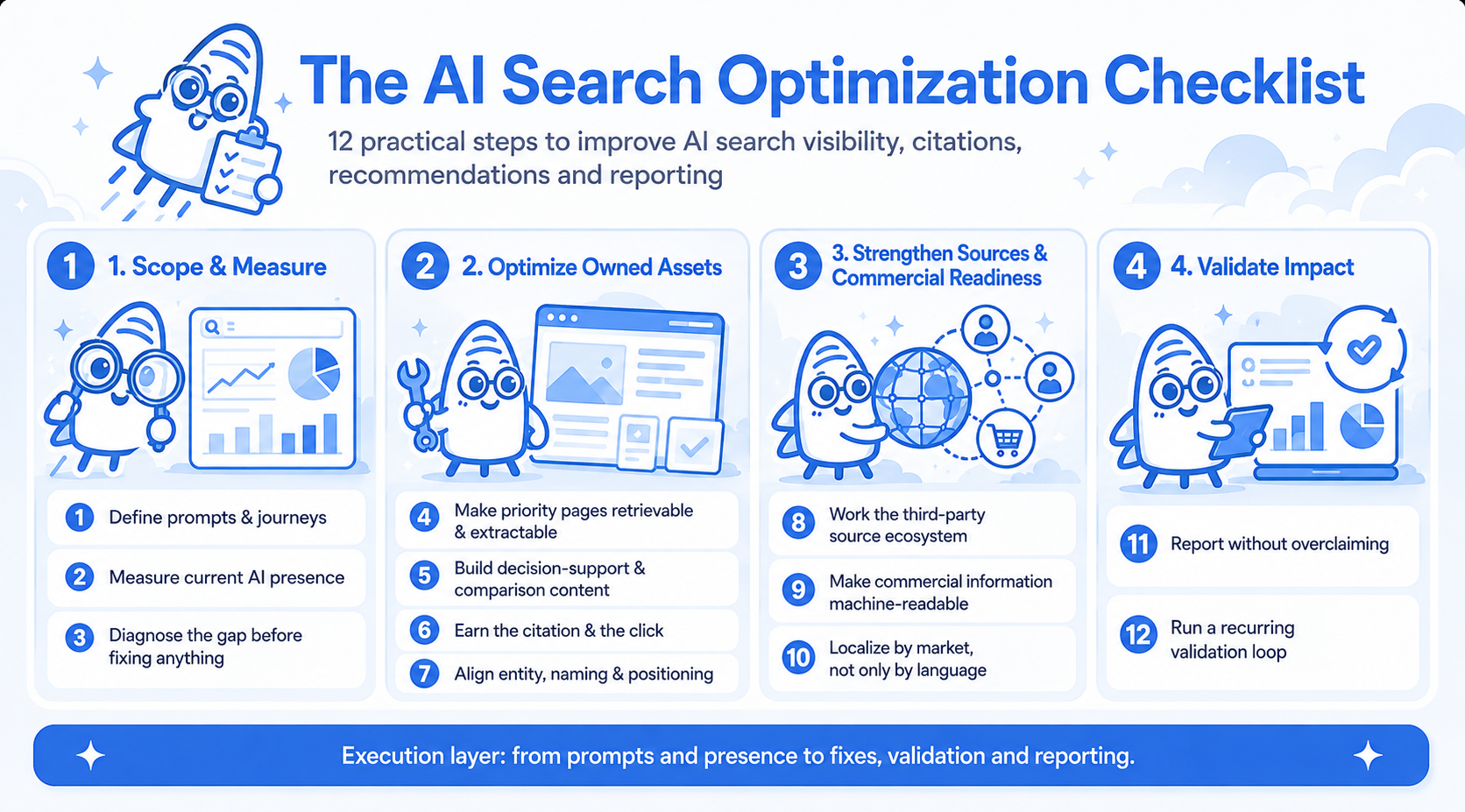
Citations are online mentions of your business’s name, address, and phone number (NAP) on external websites and directories. Traditional citation building involved manually submitting your business information to platforms like Yelp, Yellow Pages, and industry-specific directories. AI citation optimization takes this concept further by using machine learning algorithms to analyze, manage, and improve your citation profile at scale.
The AI component introduces capabilities that were previously impossible with manual methods. These systems can detect inconsistencies across thousands of sources, predict which citations will provide the most significant ranking boost, and automatically suggest corrections when your business information changes. This intelligent approach ensures that your citation profile remains accurate and authoritative without requiring constant manual oversight.
The Evolution from Manual to AI-Driven Citation Management
Early citation management required SEO professionals to manually track dozens of directories, maintain spreadsheets, and periodically audit their business information. This process was time-consuming, error-prone, and difficult to scale for multi-location businesses. The introduction of AI-powered citation tools marked a significant shift in how SEO practitioners approach local search optimization.
Modern AI citation platforms use natural language processing to understand how search engines interpret business information. They analyze patterns in ranking data, monitor competitor citation profiles, and identify opportunities for improvement that would be invisible to human analysis. This evolution has made citation optimization more accessible to small businesses while providing enterprise-level capabilities for large organizations.
Why AI Citation Optimization Matters for Local Search Rankings
Search engines like Google rely heavily on citation data to verify the legitimacy and relevance of local businesses. When your business information appears consistently across multiple authoritative sources, search algorithms interpret this as a strong trust signal. Conversely, inconsistent or inaccurate citations can confuse algorithms and result in lower rankings or even suspension from local search results.
The impact of citations on local SEO cannot be overstated. Studies consistently show that citation consistency is among the top three ranking factors for local pack results, alongside review signals and on-page optimization. AI citation optimization amplifies this impact by ensuring that every citation works in your favor, rather than merely existing without strategic purpose.
How AI Algorithms Evaluate Citation Quality
Search engines use sophisticated algorithms to evaluate the quality and relevance of citations. These algorithms consider factors such as the authority of the citing domain, the relevance of the directory to your business category, and the consistency of your NAP information across all sources. AI citation tools now incorporate these same evaluation criteria into their optimization strategies.
High-quality citations come from authoritative, relevant sources that are well-maintained and frequently updated. AI systems can identify which directories carry the most weight in your specific industry and geographic area, allowing you to prioritize your efforts where they will have the greatest impact. This data-driven approach ensures that your citation building strategy aligns with current search engine requirements.
Core Components of an Effective AI Citation Strategy

Implementing AI citation optimization requires understanding the key components that contribute to a successful local SEO campaign. These elements work together to create a comprehensive citation profile that search engines recognize as trustworthy and authoritative.
NAP Consistency Management
The foundation of any citation strategy is ensuring that your business name, address, and phone number appear identically across every platform. AI tools excel at this task by automatically scanning thousands of sources and flagging any discrepancies. This includes variations in address formatting, such as “Street” versus “St.” or “Suite” versus “Ste.”, which can significantly impact how search engines interpret your data.
AI systems also handle the complex task of managing citations for businesses with multiple locations. Each location requires its own consistent NAP data, and AI tools can manage these variations without confusion. This capability is particularly valuable for franchises and chain businesses that need to maintain hundreds of location-specific citations.
Directory Selection and Prioritization
Not all citations carry equal weight in local search rankings. AI citation optimization tools analyze the authority and relevance of various directories to help you focus on the sources that matter most. Major platforms like Google Business Profile, Apple Maps, and Facebook are essential starting points, but industry-specific directories can provide additional ranking benefits.
The AI analysis considers factors such as domain authority, geographic relevance, and category alignment when recommending citation sources. This ensures that your citation building efforts are directed toward platforms that will actually influence your search rankings, rather than wasting time on low-value directories that provide minimal benefit.
Automated Monitoring and Correction
Citation management is not a one-time task. Business information changes, directories update their platforms, and errors can appear at any time. AI citation tools provide continuous monitoring that detects and corrects issues before they can negatively impact your rankings. This proactive approach prevents the gradual degradation of your citation profile that often occurs with manual management.
When changes to your business information occur, such as a move to a new location or a phone number update, AI systems can propagate these changes across all your citations automatically. This eliminates the tedious process of updating each directory individually and ensures that your information remains current everywhere simultaneously.
Benefits and Limitations of AI Citation Optimization
Understanding both the advantages and potential drawbacks of AI citation optimization helps you make informed decisions about implementing this technology in your SEO strategy.
Key Benefits
- Scalability: AI tools can manage thousands of citations across multiple locations without requiring proportional increases in human resources
- Accuracy: Automated systems eliminate the human error factor in data entry and consistency management
- Speed: AI can audit and update citations in minutes, a process that would take days or weeks manually
- Insights: Advanced analytics provide visibility into competitor citation strategies and emerging opportunities
- Cost-effectiveness: While AI tools require investment, they typically cost less than maintaining a large in-house SEO team
- Initial setup complexity: Implementing AI citation tools requires technical knowledge and proper configuration
- Dependency on data quality: AI systems are only as good as the data they receive, so accurate initial information is essential
- Platform limitations: Some directories do not allow automated updates, requiring manual intervention
- Cost considerations: Premium AI citation tools can be expensive for small businesses with limited budgets
Potential Limitations
Comparing Traditional vs. AI Citation Optimization
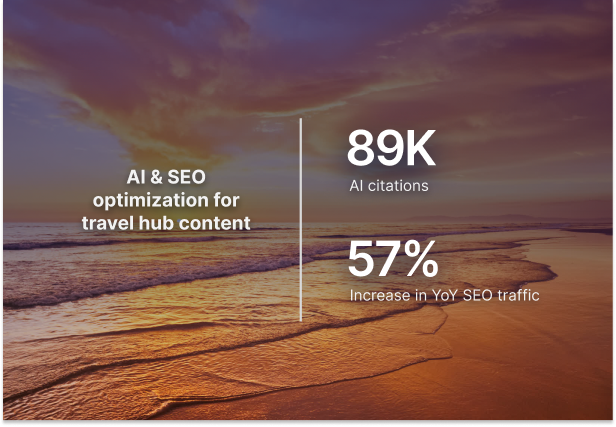
Understanding the differences between traditional and AI-driven approaches helps clarify why the shift toward automation is transforming local SEO practices.
| Aspect | Traditional Citation Management | AI Citation Optimization |
|---|---|---|
| Data collection | Manual research and submission | Automated crawling and analysis |
| Consistency checking | Periodic manual audits | Continuous real-time monitoring |
| Update speed | Days to weeks | Minutes to hours |
| Scalability | Limited by human resources | Unlimited with proper configuration |
| Error detection | Reactive and delayed | Proactive and immediate |
| Competitor analysis | Manual research | Automated benchmarking |
| Cost structure | Labor-intensive, ongoing | Subscription-based, predictable |
Practical Implementation Guide for AI Citation Optimization
Implementing AI citation optimization requires a systematic approach that combines technology with strategic thinking. The following steps outline a proven methodology for maximizing the impact of your citation management efforts.
Step 1: Audit Your Current Citation Profile
Before implementing AI tools, you need to understand your current citation landscape. Use AI-powered audit tools to identify all existing citations, flag inconsistencies, and assess the overall quality of your citation profile. This baseline data will guide your optimization strategy and help you measure progress over time.
During the audit, pay special attention to duplicate listings, which can dilute your citation authority and confuse search engines. AI tools can identify these duplicates and help you consolidate them into a single, authoritative listing for each platform.
Step 2: Choose the Right AI Citation Tools
Several AI-powered citation management platforms are available, each with unique features and pricing structures. Research options like BrightLocal, Moz Local, and Yext to determine which best fits your business needs. Consider factors such as the number of locations you manage, your budget, and the specific features that matter most for your industry.
Many tools offer free trials, allowing you to test their capabilities before committing to a subscription. Take advantage of these trials to evaluate user interfaces, reporting features, and integration capabilities with your existing SEO stack.
Step 3: Build High-Quality Citations Strategically
Once your AI tools are configured, focus on building citations that provide genuine value. Prioritize authoritative directories relevant to your industry and geographic area. For example, a restaurant should prioritize food and dining directories, while a law firm should focus on legal directories and professional associations.
AI tools can identify citation opportunities you might have missed, including niche directories and local business associations. These less obvious sources often provide strong relevance signals that can boost your rankings in specific search contexts.
Step 4: Maintain Consistent Monitoring and Updates
Citation optimization is an ongoing process, not a one-time project. Configure your AI tools to provide regular reports on citation health, including new citations discovered, changes detected, and potential issues flagged. Review these reports monthly and take action on any problems identified.
When your business information changes, update your AI tools immediately so they can propagate the changes across all your citations. This rapid response prevents the confusion and ranking drops that often occur when business information becomes outdated.
Common Mistakes in AI Citation Optimization and How to Avoid Them
Even with advanced AI tools, businesses often make mistakes that undermine their citation optimization efforts. Recognizing these common pitfalls helps you avoid them and maximize the return on your investment.
Ignoring Citation Quality for Quantity
Many businesses focus on building as many citations as possible, regardless of quality. This approach can actually harm your rankings if it results in citations on low-quality, spammy directories. AI tools can help you evaluate directory quality, but you must still exercise judgment about which sources align with your brand and industry.
Focus on building citations on authoritative, relevant platforms rather than pursuing every possible directory. A smaller number of high-quality citations will always outperform a larger number of low-quality ones.
Neglecting Review Signals
Citations and reviews work together to establish local search authority. Some businesses focus exclusively on citation consistency while ignoring their review profile. AI citation tools increasingly incorporate review monitoring features, allowing you to manage both aspects of your local SEO strategy in one platform.
Encourage satisfied customers to leave reviews on your most important citation platforms, particularly Google and industry-specific directories. Respond to all reviews, both positive and negative, to demonstrate engagement and build trust with both customers and search algorithms.
Failing to Update Citations After Business Changes
When your business moves, changes phone numbers, or updates its hours, failing to update citations can cause significant ranking drops. AI tools provide automated update capabilities, but you must ensure these features are properly configured and activated. Designate someone on your team to manage citation updates whenever business information changes.
Keep a record of all platforms where your business is listed, and verify that updates propagate correctly across all sources. Regular audits help catch any platforms that may have missed the update.
Important Notes for Maximizing AI Citation Optimization Results
Several additional considerations can enhance the effectiveness of your AI citation optimization strategy and ensure sustainable long-term results.
First, integrate your citation management with your broader SEO strategy. Citations should complement your on-page optimization, content marketing, and link building efforts. AI tools that integrate with other SEO platforms provide a more comprehensive view of your digital presence and help you identify synergies between different optimization activities.
Second, pay attention to emerging citation sources. New platforms and directories appear regularly, and being an early adopter can provide competitive advantages. AI tools that monitor the digital landscape can alert you to new opportunities before your competitors discover them.
Third, consider the impact of voice search and mobile search on citation optimization. As more users search using voice commands and mobile devices, the accuracy and consistency of your citations become even more critical. Ensure your citations include accurate location data that supports voice search queries like “near me” searches.
Frequently Asked Questions About AI Citation Optimization
What is AI citation optimization in SEO?
AI citation optimization uses artificial intelligence and machine learning algorithms to manage, monitor, and improve business citations across the web. It automates the process of ensuring consistent business information across directories, identifies high-value citation opportunities, and continuously monitors for errors or inconsistencies that could impact local search rankings.
How many citations do I need for good local SEO?
T The quality and consistency of your citations matter more than quantity. A solid foundation includes citations on major platforms like Google Business Profile, Apple Maps, Facebook, and Bing Places, supplemented by relevant industry-specific directories. Most successful local businesses maintain between 50 and 100 high-quality citations.
Can AI citation tools replace manual citation building?
AI citation tools can automate many aspects of citation management, but they cannot completely replace manual efforts. Some directories require manual submission or do not allow automated updates. Additionally, building relationships with local organizations and industry associations often requires human interaction. The most effective approach combines AI automation with strategic manual efforts.
How long does it take to see results from citation optimization?
Citation optimization results typically become visible within 4 to 8 weeks of consistent effort. However, the timeline varies based on your current citation profile, the competitiveness of your market, and the quality of citations you build. Businesses with significant citation inconsistencies may see faster improvements once those issues are corrected.
What is the cost of AI citation optimization tools?
AI citation optimization tools range from approximately $30 to $500 per month, depending on the number of locations you manage and the features you need. Some tools offer free tiers with limited functionality, while enterprise solutions for large multi-location businesses can cost significantly more. Consider the potential return on investment when evaluating tool costs.
Conclusion
AI SEO AI Citation Optimization represents the new standard for local search success in an increasingly competitive digital landscape. The integration of artificial intelligence into citation management has transformed what was once a tedious, manual process into a strategic, data-driven discipline that delivers measurable results. By leveraging AI tools to maintain consistent business information, identify high-value citation opportunities, and continuously monitor your citation profile, you can build the trust signals that search engines use to determine local relevance and authority.
The businesses that thrive in local search will be those that embrace these technological advances and integrate them into comprehensive SEO strategies. Whether you manage a single location or hundreds, AI citation optimization provides the scalability, accuracy, and insights needed to stay ahead of competitors. Start by auditing your current citation profile, implementing the right tools, and committing to ongoing optimization. The investment in AI citation optimization today will pay dividends in improved search rankings, increased website traffic, and ultimately, more customers walking through your doors.
Xem thêm:
- AI SEO H2 Optimization: The Complete Guide to Structuring Content for Search Engines
- AI SEO Chatbots: The Complete Guide to Automating Search Optimization With Conversational Intelligence
- AI SEO Screaming Frog: The Complete Guide to Smarter Technical Audits
- AI SEO GEO Traffic: The Complete Guide to Generative Engine Optimization
- AI Search Traffic: Your Complete Guide to Organic Visibility in the Age of Generative AI
Bài viết cùng chủ đề:

AI SEO SEO Automation with Make: The Complete Workflow Guide

AI SEO SEO Automation with Zapier: The Complete Workflow Guide

AI SEO SEO Automation with n8n: The Complete Workflow Guide
AI SEO SEO Automation with Gemini: The Complete Guide to Scaling Organic Growth

AI SEO SEO Automation with Claude: The Complete Guide to Scaling Content in 2025

AI SEO SEO Automation with ChatGPT: The Complete Playbook for 2025

AI SEO & SEO Automation for Affiliate Sites: The 2025 Playbook for Passive Income Growth
AI SEO & SEO Automation for Bloggers: The Complete Guide to Scaling Your Content

AI SEO & SEO Automation for Agencies: The Complete 2025 Playbook

AI SEO and SEO Automation for Ecommerce: The Complete Playbook for 2025

AI SEO & SEO Automation for WordPress: The Complete Playbook for 2025
AI SEO SEO Automation Strategy: The Complete Playbook for 2025

Mastering the AI SEO SEO Automation Process: A Complete Guide to Scaling Organic Growth
AI SEO SEO Automation System: The Complete Guide to Scaling Organic Growth in 2025
AI SEO SEO Automation Platform: The Complete Guide to Scaling Organic Growth in 2025
AI SEO SEO Automation Software: The Complete Guide to Scaling Organic Growth in 2025















