
No products in the cart.
AI SEO AI Content Audit Tool: The Complete Guide to Automated Content Optimization
10
Aug
Aug
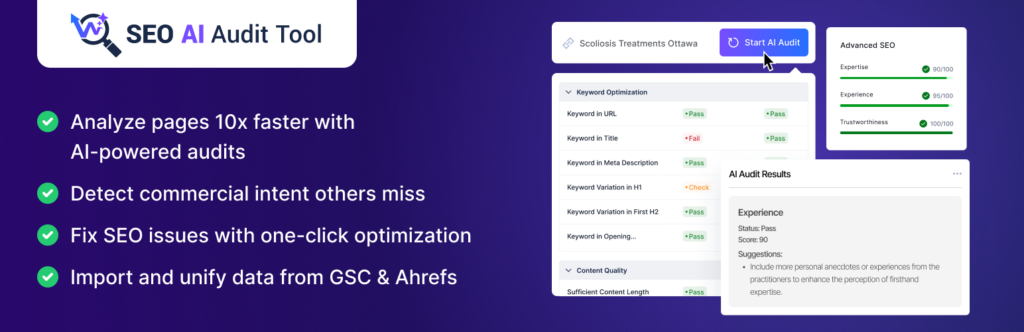
An AI SEO AI Content Audit Tool represents the convergence of artificial intelligence and search engine optimization, designed to systematically evaluate and enhance digital content. These platforms leverage machine learning algorithms to analyze readability, keyword relevance, topical authority, and technical SEO factors simultaneously. For digital marketers and content strategists, understanding how these tools function is no longer optional—it is a competitive necessity. This guide examines the core capabilities, practical applications, and strategic advantages of integrating AI-powered content auditing into your workflow.
What is an AI SEO AI Content Audit Tool?
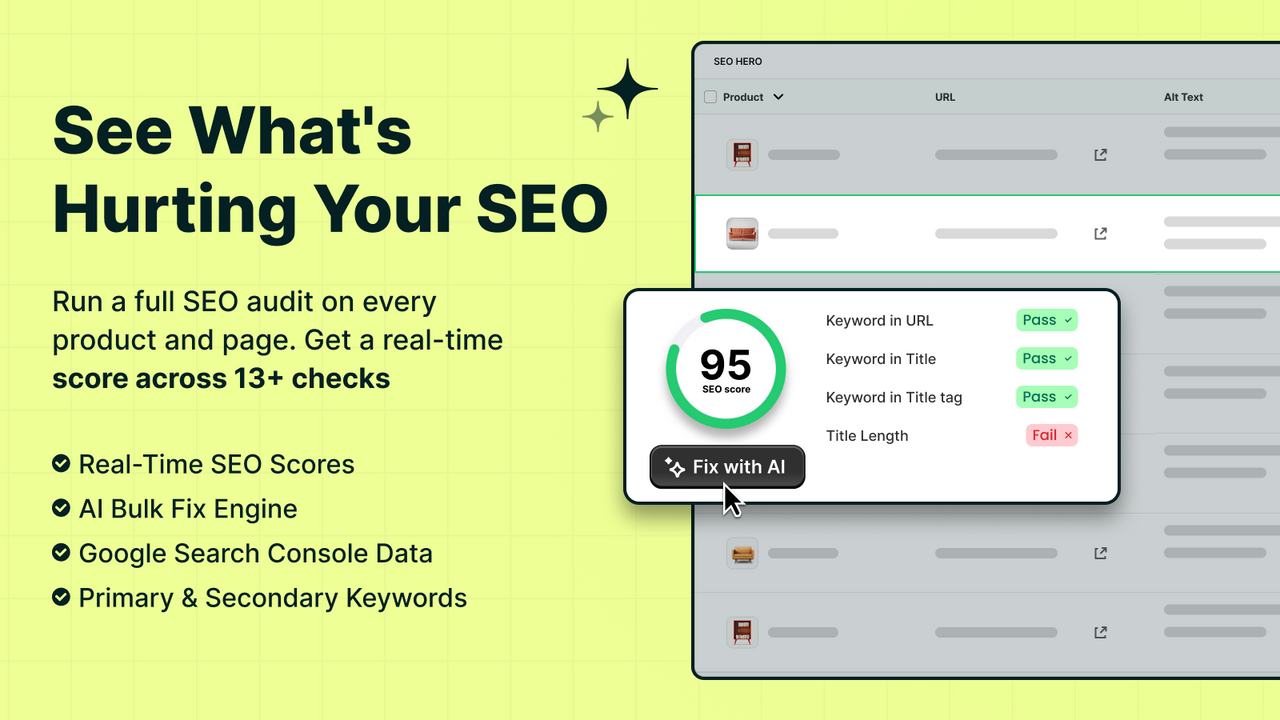
An AI SEO AI Content Audit Tool is a software solution that uses natural language processing (NLP) and machine learning to assess web content against search engine ranking factors. Unlike traditional SEO tools that rely on manual input and basic metrics, these platforms simulate how search engines interpret semantic meaning, entity relationships, and user intent. The output is a comprehensive report highlighting content gaps, optimization opportunities, and technical errors that could hinder visibility.
The core value proposition lies in automation. A human auditor might review 10 pages per day, while an AI tool can analyze thousands of URLs in minutes. This scalability allows enterprises to maintain content quality across massive websites without expanding headcount. Furthermore, the AI continuously learns from search engine algorithm updates, ensuring recommendations remain current.
Core Components of AI Content Auditing
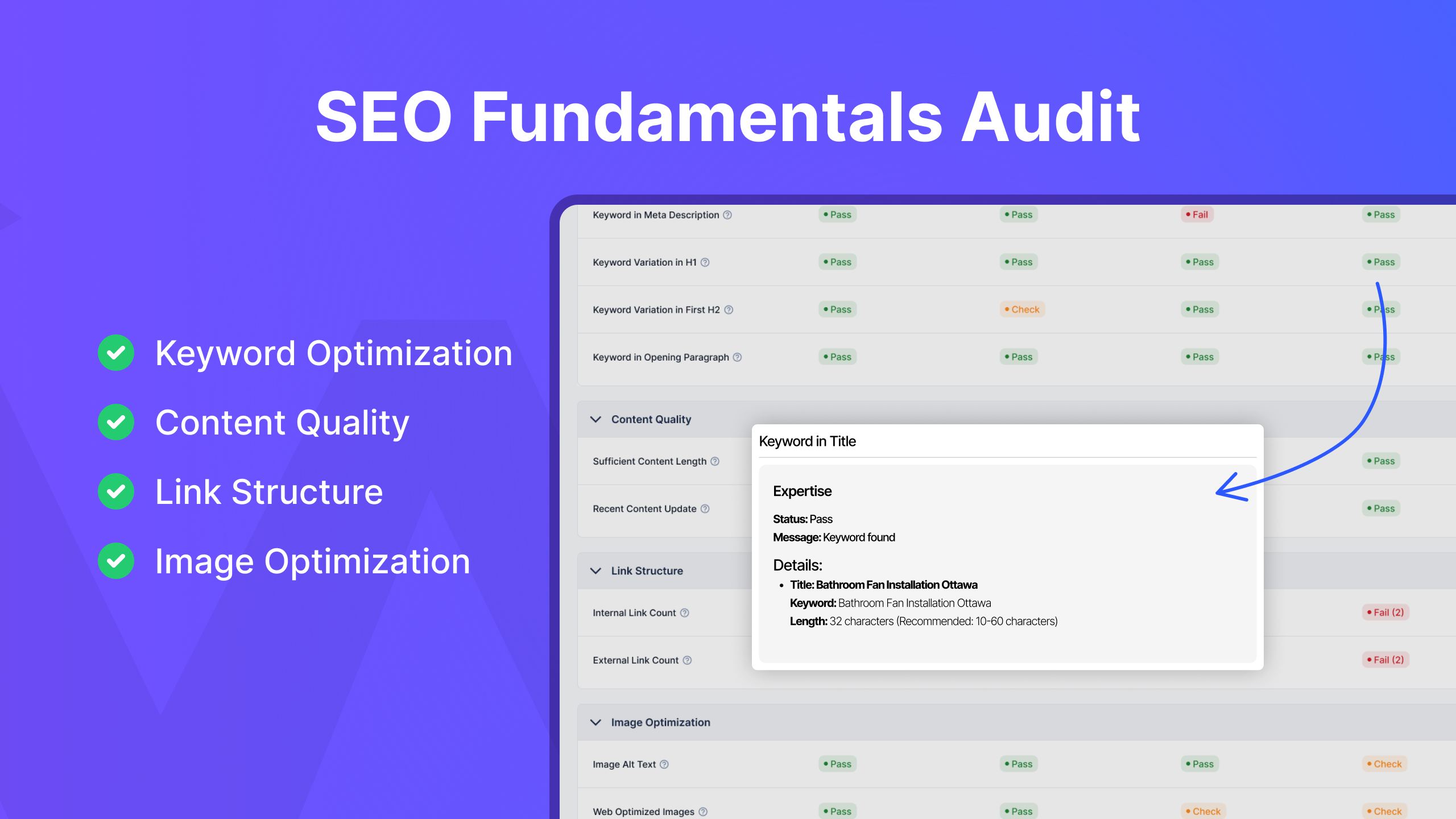
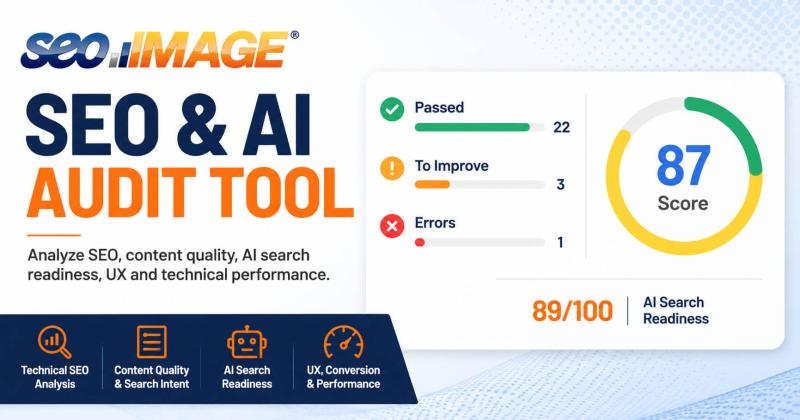
Modern AI audit tools typically integrate several distinct analytical layers. The first layer is technical SEO analysis, which checks crawlability, indexation, page speed, and mobile responsiveness. The second layer focuses on on-page optimization, evaluating title tags, meta descriptions, header structure, and internal linking. The third and most advanced layer involves semantic analysis, where the AI assesses whether the content comprehensively covers the topic based on entity extraction and co-occurrence patterns.
These components work in unison to produce a holistic content health score. For instance, a page might have perfect technical metrics but fail on semantic depth. The AI flags this discrepancy, suggesting related subtopics and questions that should be addressed to match user expectations. This multi-dimensional approach distinguishes AI tools from basic SEO checkers.
Why Your Content Strategy Needs an AI Audit Tool
The volume of content published daily is staggering, making manual quality control impractical. An AI SEO AI Content Audit Tool provides the necessary oversight to ensure every piece of content aligns with your strategic goals. Without such a tool, you risk publishing content that is technically sound but semantically shallow, or vice versa. The consequences include missed ranking opportunities, wasted production budgets, and a diluted brand authority.
Search engines have evolved to prioritize comprehensive, user-centric content. Google’s helpful content system explicitly rewards material that demonstrates first-hand expertise and satisfies search intent. AI audit tools help you reverse-engineer what “comprehensive” means for your specific niche by analyzing top-ranking competitors and extracting the entities they cover. This data-driven approach removes guesswork from content planning.
Key Benefits of Automated Content Auditing
Implementing an AI-driven audit process yields measurable improvements across several dimensions. The primary benefit is efficiency; what once took weeks of manual spreadsheet analysis now takes hours. This speed enables more frequent audits, keeping your content fresh and aligned with evolving search trends. Additionally, the objectivity of AI eliminates personal bias, ensuring that underperforming content is identified and addressed without emotional attachment.
Another significant advantage is the identification of content decay. AI tools track keyword rankings and organic traffic over time, flagging pages that are losing visibility. This early warning system allows you to refresh and update content before it falls off the first page of search results. The tool can even suggest specific updates, such as adding recent statistics or addressing new questions that have emerged in the niche.
How to Choose the Right AI SEO AI Content Audit Tool
Selecting the appropriate tool requires a clear understanding of your organization’s needs, technical proficiency, and budget. The market offers solutions ranging from lightweight browser extensions to enterprise-grade platforms with API access. Begin by defining your primary use case: are you auditing a small blog, an e-commerce catalog, or a multi-national news portal? The scale of your operation dictates the required processing power and reporting granularity.
Evaluate the tool’s semantic analysis capabilities. Some tools merely check keyword density, while others perform full entity extraction and topical mapping. The latter is essential for competing in saturated markets where depth of coverage determines rankings. Also, consider the user interface and reporting features. A tool that generates executive summaries and actionable checklists will be more valuable to your team than one that produces raw data dumps.
Comparison of Popular AI Audit Tools
| Tool Name | Primary Strength | Best For | Key Limitation |
|---|---|---|---|
| Surfer SEO | Content optimization scoring | On-page refinement | Limited technical crawl features |
| Clearscope | Semantic keyword discovery | Topical authority building | Higher price point |
| MarketMuse | AI-driven content briefs | Enterprise content teams | Steep learning curve |
| Frase.io | Content generation and audit | Small to mid-size businesses | Less robust technical analysis |
| Ahrefs (Site Audit) | Technical SEO health checks | Comprehensive site monitoring | AI writing assistance is limited |
This comparison illustrates that no single tool excels in every area. Many organizations adopt a hybrid approach, using one tool for technical audits and another for semantic optimization. The key is to avoid tool sprawl; consolidate where possible to maintain data consistency and reduce subscription costs.
Step-by-Step Guide to Performing an AI Content Audit
Executing a successful audit involves more than just running a report. A structured workflow ensures you extract maximum value from the AI’s analysis. The following process outlines the essential steps, from initial setup to actionable implementation.
Step 1: Define Your Audit Scope and Objectives
Before running any tool, clarify what you want to achieve. Are you auditing all pages, or only those targeting commercial keywords? Are you focused on improving organic traffic, or are you preparing for a site migration? Defining specific KPIs, such as increasing average page views or reducing bounce rate, will help you prioritize the AI’s recommendations. Document your baseline metrics so you can measure the impact of subsequent changes.
Step 2: Configure the Tool and Crawl Your Site
Set up your chosen AI SEO AI Content Audit Tool by connecting your website’s search console and analytics accounts. This integration allows the AI to correlate on-page factors with actual performance data. Configure the crawler to exclude irrelevant sections, such as admin pages or tag archives, to avoid skewing the results. Run the initial crawl and allow the tool sufficient time to process all URLs, especially for larger sites.
Step 3: Analyze the AI-Generated Reports
Once the crawl is complete, review the dashboard for high-level trends. Look for patterns in the content health scores. Are older blog posts consistently underperforming? Are product pages missing critical schema markup? The A Pay special attention to pages that have high traffic but low optimization scores, as these represent quick wins.
Step 4: Prioritize and Implement Recommendations
Create a prioritized action plan based on the audit findings. Address technical issues that block indexing first, as these have the most significant impact on visibility. Next, tackle on-page elements like title tags and meta descriptions for your highest-value pages. Finally, work on semantic improvements, such as adding missing subtopics or internal links to authoritative resources. Assign ownership for each task to ensure accountability.
Step 5: Monitor Results and Iterate
Content auditing is not a one-time project. Schedule recurring audits—monthly or quarterly—to track progress and identify new issues. Use the AI tool to monitor keyword rankings and organic traffic for the pages you have optimized. This iterative loop of audit, implement, and measure is the foundation of a mature SEO program. The AI’s machine learning models will also improve over time, providing more accurate recommendations as they learn from your site’s specific data.
Common Mistakes to Avoid When Using AI Audit Tools
While these tools are powerful, they are not infallible. Relying on them blindly can lead to suboptimal outcomes. One frequent error is treating the AI’s content score as an absolute ranking factor. The score is a heuristic, not a direct measure of Google’s algorithm. A page with a perfect score can still rank poorly if it lacks genuine value or if competitors have stronger backlink profiles.
Another mistake is ignoring the human element. AI can identify that a page lacks a certain keyword, but it cannot judge whether the content is truly engaging or factually accurate. Always review AI suggestions through the lens of your brand voice and audience needs. Additionally, avoid over-optimization. Stuffing content with every keyword the AI suggests can harm readability and trigger spam filters. Use the AI’s recommendations as a guide, not a mandate.
Overcoming Data Overload and Analysis Paralysis
Enterprise-level audits can generate thousands of individual recommendations. Trying to fix everything at once is overwhelming and counterproductive. Instead, segment your action plan by page type and impact potential. Focus on pages that are close to ranking on the first page of search results, as small improvements can yield significant traffic gains. Delegate less critical fixes to junior team members or schedule them for later sprints.
Furthermore, ensure your team understands how to interpret the data. A tool is only as good as the people using it. Invest in training sessions to help your content writers and editors understand the rationale behind the AI’s suggestions. This knowledge transfer empowers them to make better decisions independently, rather than constantly relying on the tool’s output.
Important Notes on Data Privacy and AI Ethics
When using cloud-based AI audit tools, you are transmitting your website’s data to third-party servers. This includes proprietary content, user behavior metrics, and potentially sensitive business information. Review the tool provider’s data processing agreements to ensure compliance with regulations like GDPR and CCPA. Some enterprise tools offer on-premise deployment or private cloud options for organizations with strict data governance requirements.
Ethical considerations also extend to how you use the AI’s output. The purpose of an audit is to improve your own content, not to copy competitors. While the AI may suggest topics based on competitor analysis, you must create original, value-added content that distinguishes your brand. Plagiarism or content spinning, even if guided by AI, violates search engine guidelines and damages your reputation.
Frequently Asked Questions About AI SEO AI Content Audit Tools
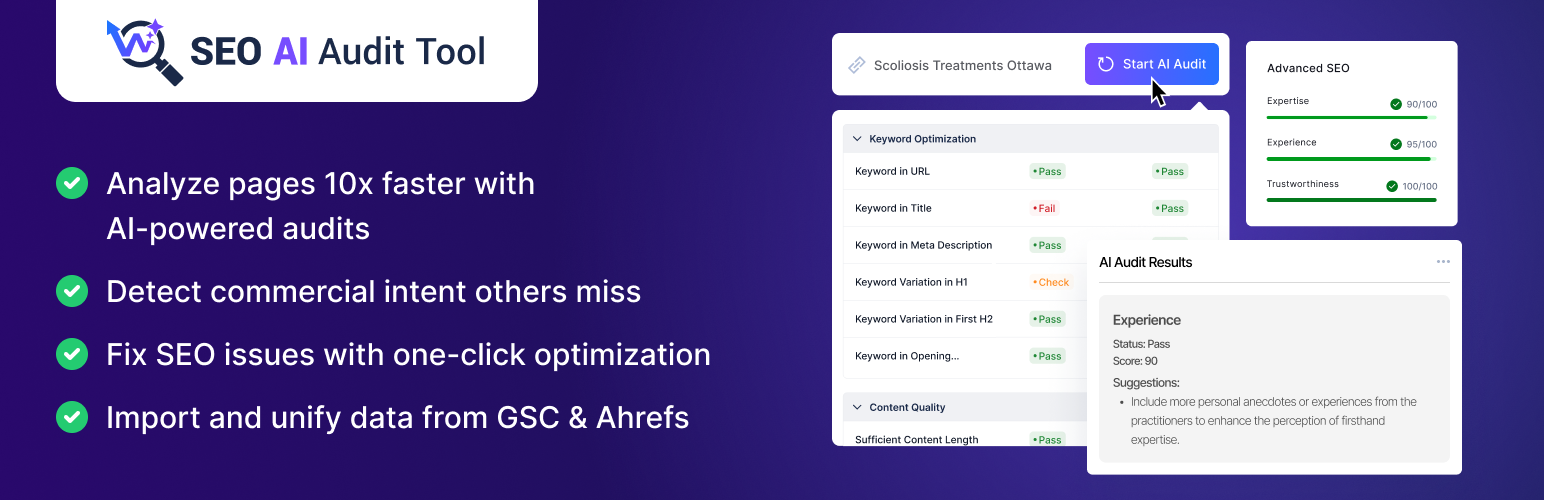
What is the difference between an AI content audit and a manual SEO audit?
An AI content audit uses machine learning algorithms to analyze large volumes of pages for semantic relevance, technical errors, and optimization opportunities. A manual audit relies on human expertise to review pages individually, which is more thorough for nuanced judgment but significantly slower and less scalable. AI audits excel at pattern recognition and trend analysis across thousands of URLs, while manual audits are better for deep-diving into specific high-value pages.
How often should I run an AI content audit?
The frequency depends on your content production rate and website size. For sites publishing new content daily, a monthly audit is recommended to catch issues early. For smaller blogs with less frequent updates, a quarterly audit may suffice. Additionally, run an audit after any major algorithm update or website redesign to ensure your content remains aligned with current best practices.
Can an AI audit tool guarantee higher search engine rankings?
No tool can guarantee rankings, as search algorithms are complex and constantly evolving. An AI audit tool provides recommendations that align with known ranking factors and best practices, but rankings also depend on external factors like backlinks, brand authority, and user engagement. The tool increases your probability of ranking by eliminating technical barriers and improving content quality, but it cannot override a weak domain authority or intense competition.
Are AI audit tools suitable for small businesses?
Yes, many AI audit tools offer tiered pricing plans that cater to small businesses and individual bloggers. These entry-level plans typically include core features like content scoring and keyword suggestions, which are sufficient for managing a small website. As your business grows, you can upgrade to higher tiers that offer more extensive crawling limits, API access, and advanced reporting.
How does an AI tool assess content quality beyond keywords?
Advanced AI tools use NLP to evaluate readability, sentence structure, and logical flow. They also perform entity extraction to ensure the content covers the main topic and related subtopics comprehensively. Some tools analyze sentiment and tone to ensure the content matches the expected user intent, whether informational, transactional, or navigational. This holistic assessment goes far beyond simple keyword counting.
Conclusion
The integration of an AI SEO AI Content Audit Tool into your digital strategy is a decisive step toward data-driven content excellence. These platforms transform the arduous task of site-wide analysis into an automated, insightful process that reveals actionable opportunities. By leveraging machine learning for semantic analysis and technical validation, you can ensure your content not only meets search engine requirements but also genuinely serves your audience’s needs.
The future of SEO is undeniably intertwined with artificial intelligence. As search engines become more sophisticated in understanding human language and intent, your optimization tools must evolve in tandem. Adopting an AI audit tool today positions your organization to adapt quickly to algorithmic shifts and maintain a competitive edge. The key is to use these tools as an enhancement to human creativity and strategic thinking, not as a replacement. By combining the analytical power of AI with your team’s unique expertise, you create a formidable foundation for sustained organic growth.
Xem thêm:
- Conquering AI SEO Challenges: The Modern Playbook for Search Dominance
- Can AI Replace SEO? Why Human Strategy Still Dominates the Future of Search
- AI SEO Keyword Opportunities: The Complete Guide to Finding High-Impact Keywords in 2025
- WP Trove AI WordPress: The Complete Guide to AI-Powered Site Management
- AI SEO Information Architecture: The Complete Guide to Future-Proofing Your Website
Bài viết cùng chủ đề:

AI SEO SEO Automation with Make: The Complete Workflow Guide

AI SEO SEO Automation with Zapier: The Complete Workflow Guide

AI SEO SEO Automation with n8n: The Complete Workflow Guide
AI SEO SEO Automation with Gemini: The Complete Guide to Scaling Organic Growth

AI SEO SEO Automation with Claude: The Complete Guide to Scaling Content in 2025

AI SEO SEO Automation with ChatGPT: The Complete Playbook for 2025

AI SEO & SEO Automation for Affiliate Sites: The 2025 Playbook for Passive Income Growth
AI SEO & SEO Automation for Bloggers: The Complete Guide to Scaling Your Content

AI SEO & SEO Automation for Agencies: The Complete 2025 Playbook

AI SEO and SEO Automation for Ecommerce: The Complete Playbook for 2025

AI SEO & SEO Automation for WordPress: The Complete Playbook for 2025
AI SEO SEO Automation Strategy: The Complete Playbook for 2025

Mastering the AI SEO SEO Automation Process: A Complete Guide to Scaling Organic Growth
AI SEO SEO Automation System: The Complete Guide to Scaling Organic Growth in 2025
AI SEO SEO Automation Platform: The Complete Guide to Scaling Organic Growth in 2025
AI SEO SEO Automation Software: The Complete Guide to Scaling Organic Growth in 2025















