
No products in the cart.
AI SEO Information Architecture: The Complete Guide to Future-Proofing Your Website
31
Jul
Jul
The digital landscape has shifted dramatically. Search engines no longer just crawl links; they understand entities, context, and user intent through machine learning. This is where AI SEO Information Architecture becomes the cornerstone of modern search visibility. It is the strategic practice of structuring your website’s content, navigation, and internal linking to be logically interpretable by both human users and AI-driven algorithms like Google’s RankBrain and MUM. Without a solid architecture, even the best content remains invisible to the semantic web.
What is AI SEO Information Architecture?
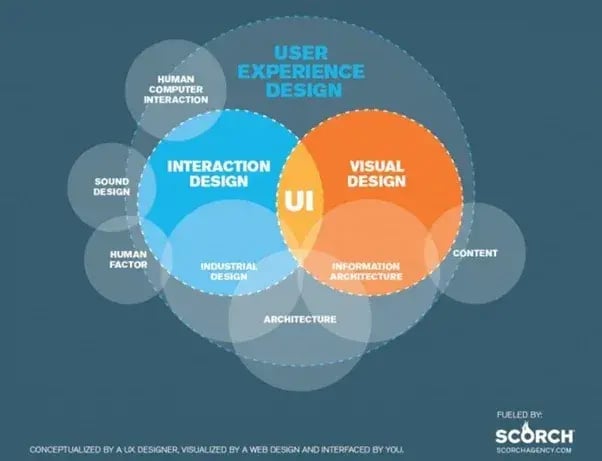
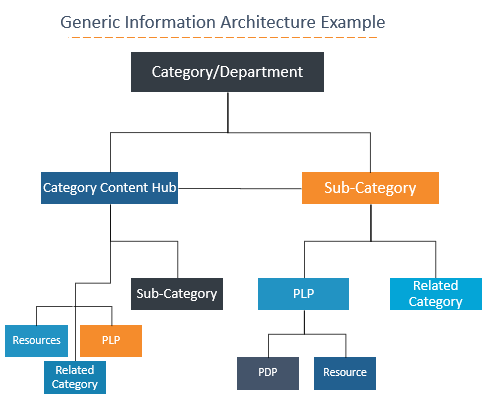
AI SEO Information Architecture is the methodical organization of a website’s data and content layers to optimize for how artificial intelligence processes and ranks information. Unlike traditional SEO architecture, which focuses on folder hierarchies and URL slugs, this approach prioritizes entity relationships, topical depth, and predictive user behavior. At its core, it involves mapping out your site’s structure so that AI crawlers can efficiently assign contextual relevance to every page. This means moving beyond flat keyword targeting and into creating a web of interconnected topics that demonstrate expertise. The architecture acts as a blueprint, telling the AI which pages are the pillars, which are the supporting clusters, and how they relate to the primary business goals.
Why Traditional Information Architecture Fails in the AI Era
Traditional architecture relied on manual categorization and rigid taxonomies. It worked when search queries were short and literal. Today, AI models use natural language processing (NLP) to understand the nuances of user queries. A siloed structure with orphan pages and generic categories confuses these models. The primary failure point is the lack of semantic depth. Old structures often group content by product type, not by user intent. For instance, a site might have separate sections for “Running Shoes” and “Trail Gear,” but an AI algorithm sees a missed opportunity to link them under the entity “Outdoor Sports.” This disconnect leads to lower topical authority and weaker rankings for long-tail, conversational searches.
The Core Components of AI-Driven Site Structure
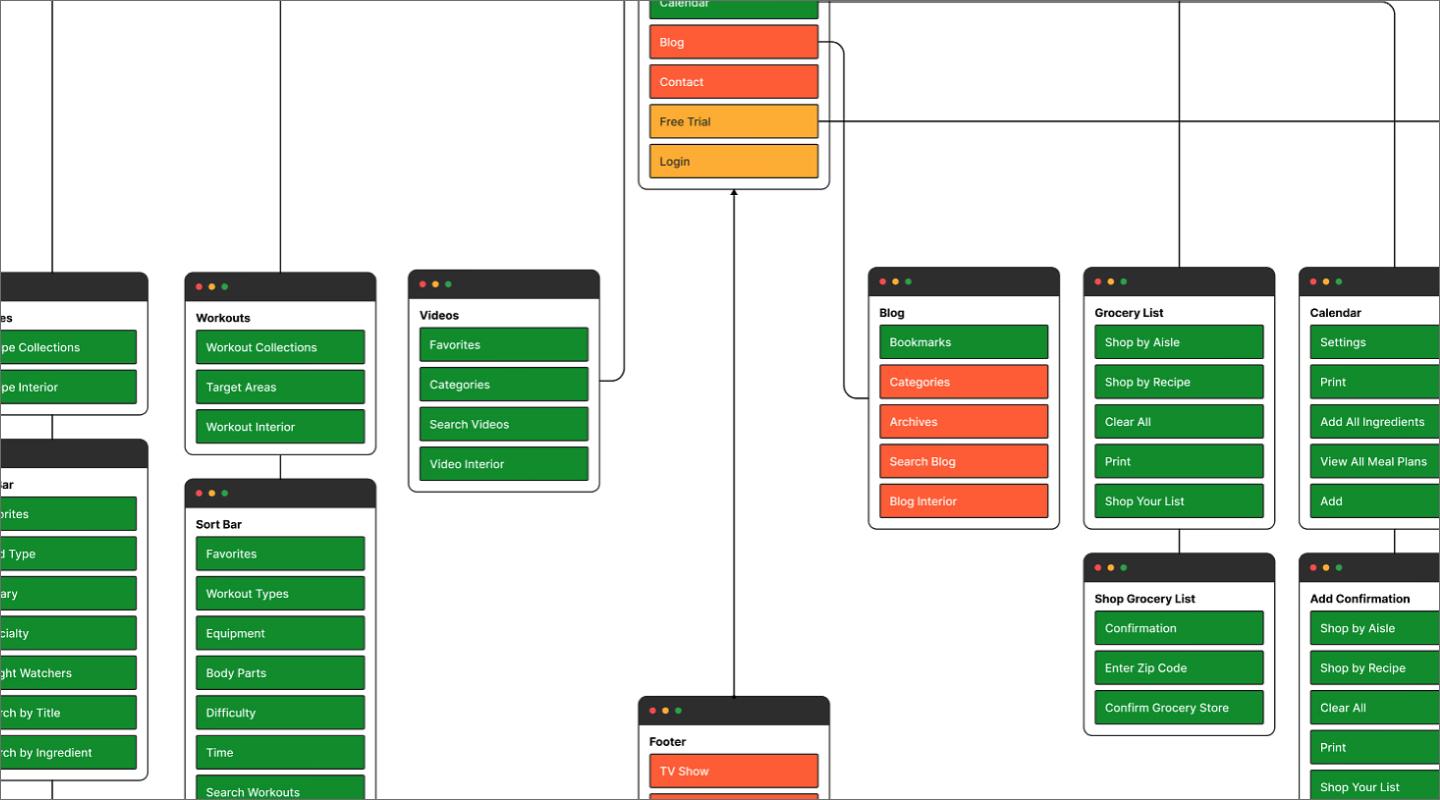
To build a robust framework, you must focus on several key components that AI specifically evaluates. These elements work together to create a machine-readable map of your expertise.
1. Entity-Based Taxonomy
Instead of simple categories, you need to define entities—people, places, things, and concepts—and their relationships. Your architecture should reflect these relationships. For example, if you sell software, your taxonomy should include entities like “Project Management,” “Agile Methodology,” and “Team Collaboration,” with clear hierarchical links between them.
2. Topical Clusters and Pillar Pages
AI rewards sites that show comprehensive coverage of a topic. Your architecture must support the “Pillar and Cluster” model. A pillar page is a comprehensive guide to a broad topic, while cluster pages are deep dives into specific subtopics. Every cluster page must link up to the pillar, and the pillar must link out to every cluster. This creates a strong internal link graph that AI uses to determine your authority.
3. Dynamic Navigation and Predictive Menus
Static navigation is a relic. AI-driven architecture uses dynamic menus that adapt based on user behavior and search intent. This involves using data analytics to see which pages users actually visit and then restructuring the navigation to prioritize those paths. It also means implementing faceted navigation that allows AI to understand filter combinations without creating duplicate content traps.
4. Schema Markup and Structured Data
Structured data is the direct language of AI. Implementing schema markup (JSON-LD) for your architecture helps search engines understand exactly what your content means. This includes marking up breadcrumbs, articles, products, and FAQs. A well-structured schema layer acts as a cheat sheet for AI, ensuring your content is categorized correctly in the knowledge graph.
How AI Algorithms Interpret Your Site Structure
Understanding how AI “reads” your site is crucial for implementation. Search engines use a process called crawling and rendering, but AI adds a layer of semantic analysis.
The Role of RankBrain and MUM
RankBrain focuses on interpreting search queries and matching them to pages. It looks at how users interact with your site structure. If users have to click too many times to find information, RankBrain interprets this as poor architecture. MUM (Multitask Unified Model) is more advanced; it understands information across languages and formats. It evaluates whether your architecture provides a complete answer to a complex query, even if that answer spans multiple pages.
Link Graph Analysis
AI analyzes your internal linking structure to determine the importance of each page. Pages with more internal links from relevant, high-authority pages are considered more important. A flat architecture where every page is linked from the homepage dilutes this value. Instead, a hierarchical structure with deep, contextual links passes authority more effectively.
Benefits of Implementing AI SEO Information Architecture
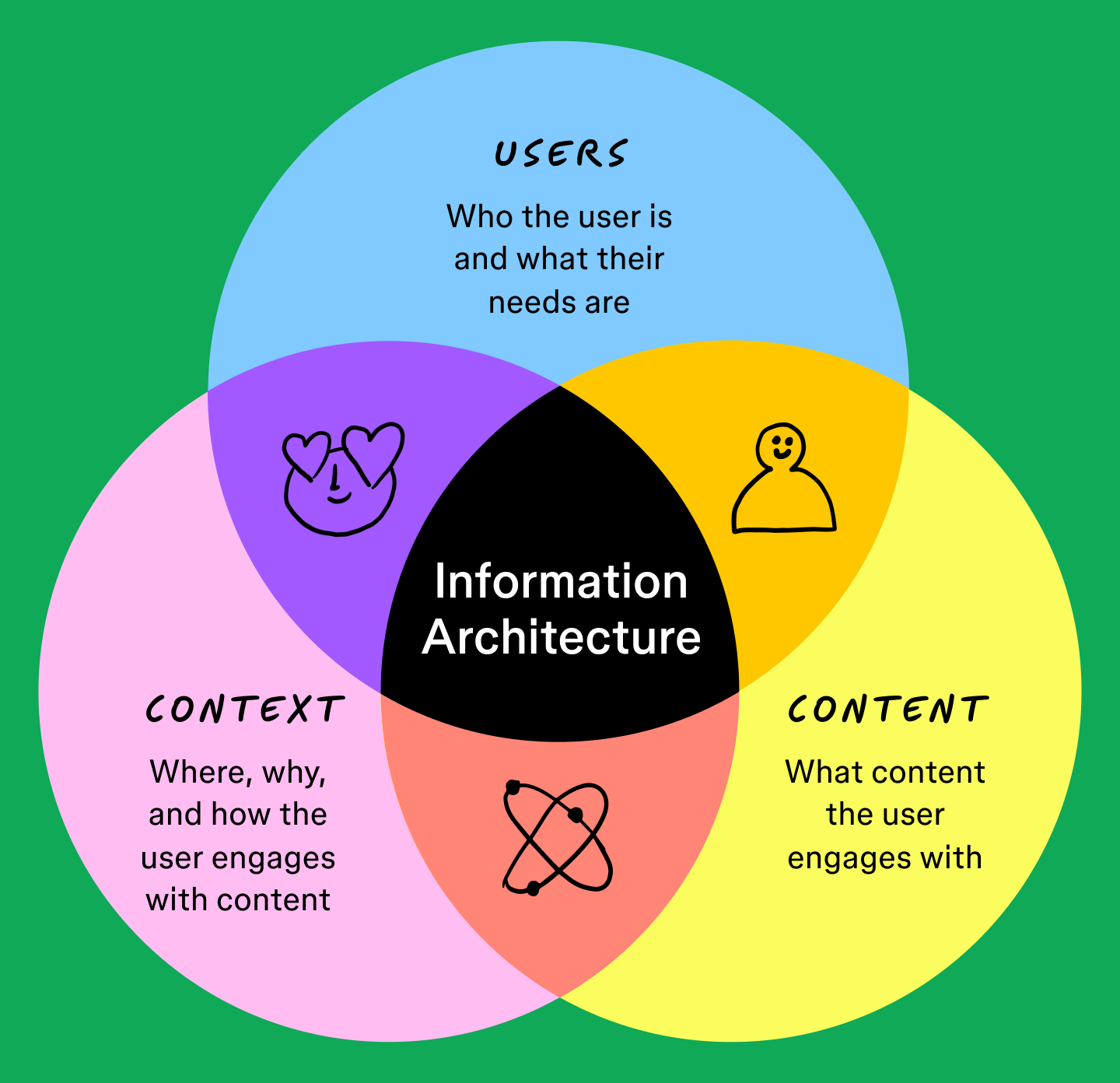
The advantages of a well-executed architecture extend beyond just rankings. It creates a synergistic effect across your entire digital presence.
- Improved Crawl Efficiency: AI bots can navigate your site with fewer resources, ensuring all important pages are indexed quickly.
- Enhanced Search Visibility: By covering topics in depth, you rank for more long-tail keywords and featured snippets.
- Better User Experience (UX): A logical structure reduces bounce rates and increases time on site, which are positive signals to AI.
- Increased Topical Authority: Search engines view your site as a definitive resource, boosting trust for all related queries.
- Future-Proofing for Voice Search: Conversational queries require a structure that answers questions directly, which this architecture provides.
- High Initial Investment: Restructuring a large site requires significant time, resources, and technical expertise.
- Data Overload: Relying on AI-driven insights requires robust analytics tools and the ability to interpret complex data sets.
- Constant Evolution: AI algorithms update frequently, meaning your architecture needs continuous monitoring and adjustment.
- Risk of Over-Optimization: Trying too hard to please AI can lead to a structure that feels robotic and unnatural to human users.
- Update Content Regularly: AI favors fresh information. Ensure your cluster pages are updated with new data, examples, and insights to maintain relevance.
- Align with Business Goals: Your architecture must support your conversion funnel. Do not just organize for search engines; organize for the actions you want users to take.
- Test and Iterate: Use A/B testing on navigation changes. Track metrics like crawl depth and page views to see if the new structure improves performance.
Frequently Asked Questions (FAQ)
What is the difference between AI SEO and traditional SEO?
Limitations and Challenges to Consider
While powerful, this approach is not without its hurdles. Being aware of these challenges helps in planning a realistic roadmap.
AI SEO Information Architecture vs. Traditional SEO Structure
To clarify the distinction, consider the following comparison table:
| Aspect | Traditional SEO Architecture | AI SEO Information Architecture |
|---|---|---|
| Basis | Keyword matching and folder hierarchy | Entity relationships and semantic context |
| Navigation | Static menus based on product lines | Dynamic, intent-based, and predictive navigation |
| Content Linking | Random or minimal internal linking | Structured clusters with pillar pages |
| Data Understanding | Relies on meta tags and exact match anchors | Uses schema markup and NLP-friendly content |
| Goal | Rank for specific keywords | Establish topical authority and answer complex queries |
Practical Guide: How to Build an AI-Optimized Architecture
Implementing this strategy requires a systematic approach.
Step 1: Conduct an Entity Audit
Start by listing all the entities relevant to your business. Use tools like Google’s Natural Language API to analyze your existing content and identify the entities you already cover. Map out the relationships between these entities. For example, if you are a travel site, entities might include “Budget Travel,” “Southeast Asia,” and “Backpacking Routes.”
Step 2: Map the User Journey
Define the paths users take from discovery to conversion. Your architecture should mirror these paths. If users often search for “best time to visit Thailand” before “Thailand travel packages,” your structure should link these concepts logically. Create a visual sitemap that aligns with these search intents.
Step 3: Redesign the URL and Folder Structure
Move away from arbitrary numbers and dates in URLs. Use descriptive, hierarchical slugs that reflect the entity relationship. For example, change `/category123/page?id=45` to `/travel/asia/thailand/budget-guides/`. This provides clear signals to AI about the content’s place in the hierarchy.
Step 4: Implement Schema Markup
Add JSON-LD structured data to every page. Focus on `ItemList` for clusters, `BreadcrumbList` for navigation paths, and `FAQPage` for question-based content. This directly tells AI what the page is about and how it relates to other pages.
Step 5: Build Contextual Internal Links
Every piece of content should link to at least two other relevant pages. The anchor text must be descriptive and include the target entity. Avoid generic anchors like “click here.” Instead, use “comprehensive guide to budget travel in Thailand” as the link text.
Step 6: Use AI-Powered SEO Tools
Leverage platforms like MarketMuse, Clearscope, or Surfer SEO to analyze your topical coverage. These tools use AI to identify content gaps and suggest related entities that your architecture should include. They also help in optimizing the semantic relevance of your existing pages.
Common Mistakes and How to Avoid Them
Even with the best intentions, pitfalls exist. Recognizing these errors early can save your rankings.
Mistake 1: Creating Orphan Pages
Pages with no internal links pointing to them are invisible to AI. Avoid this by ensuring every new piece of content is linked from at least one pillar page or related cluster page.
Mistake 2: Overcomplicating the Navigation
Adding too many menu items confuses both users and AI. Keep the primary navigation to 5-7 key entities. Use footer links and contextual links for deeper pages.
Mistake 3: Ignoring Mobile-First Architecture
AI primarily uses the mobile version of your site for indexing. If your mobile navigation collapses into a hamburger menu that hides important links, you lose architectural value. Ensure the mobile structure is as flat and accessible as the desktop version.
Mistake 4: Duplicate Content Through Faceted Navigation
Using filters that create thousands of URL combinations dilutes your crawl budget. Use `noindex` tags on filter parameters or implement AJAX-based filtering that doesn’t change the URL.
Mistake 5: Focusing Only on the Homepage
The homepage is important, but AI evaluates the entire site’s structure. Distribute authority evenly by ensuring deep pages have strong internal links, not just the homepage.
Important Notes for Long-Term Success
AI SEO Information Architecture is not a one-time project. It is a living system that requires ongoing care. – Monitor Log Files: Regularly check which pages AI bots are crawling. If they are wasting time on low-value pages, adjust your robots.txt and internal links.
Traditional SEO focuses on optimizing for keywords and backlinks. AI SEO focuses on optimizing for semantic understanding and user intent. It uses machine learning principles to structure content so that algorithms can interpret the meaning and relationships between topics, rather than just matching exact phrases.
How does information architecture affect SEO rankings?
Information architecture affects rankings by determining how easily search engine bots can crawl and index your site. A logical, hierarchical structure with clear internal links ensures that all pages are discovered and that authority flows to the most important pages. It also improves user experience metrics, which are indirect ranking factors.
What is a pillar page in AI SEO architecture?
A pillar page is a comprehensive, long-form piece of content that serves as the central hub for a broad topic. It covers the core concepts and links out to multiple cluster pages that dive into specific subtopics. This structure signals to AI that your site has deep expertise on the subject.
How do I choose the right entities for my site structure?
Start with your core business offerings and the main problems your customers face. Use keyword research tools to find related terms and concepts. Analyze your top competitors to see which entities they cover. Most importantly, look at your actual search query data to see what terms users are associating with your brand.
Is schema markup necessary for AI SEO architecture?
While not strictly mandatory, schema markup is highly recommended. It provides explicit signals to AI about the type of content on a page and its relationship to other pages. It helps in generating rich snippets and enhances the machine’s ability to place your content in the correct knowledge graph context.
Conclusion
The era of keyword stuffing and shallow site structures is over. AI SEO Information Architecture represents the new standard for digital success. By organizing your website around entities, building robust topical clusters, and speaking the language of structured data, you align your site with the very algorithms that determine visibility. This approach requires a shift in mindset from designing for humans alone to designing for the AI that mediates human access to information. The investment in time and resources is substantial, but the payoff is a resilient, authoritative online presence that thrives amidst algorithm updates. Start by auditing your current structure, identify the gaps in your entity coverage, and begin the gradual process of restructuring. The future of search is semantic, and your architecture is the foundation upon which that future is built.
Xem thêm:
- Open Source AI SEO Tools: The Complete Blueprint for Data-Driven Search Visibility
- AI SEO Category Descriptions: The Complete Guide to Automated Product Taxonomy
- AI Canonical Tags: The Future of Automated SEO Canonicalization
- AI SEO Content Scaling: The Complete Playbook for 2025 and Beyond
- AI SEO ROI: How to Measure and Maximize Your Return on Investment
Bài viết cùng chủ đề:

AI SEO SEO Automation with Make: The Complete Workflow Guide

AI SEO SEO Automation with Zapier: The Complete Workflow Guide

AI SEO SEO Automation with n8n: The Complete Workflow Guide
AI SEO SEO Automation with Gemini: The Complete Guide to Scaling Organic Growth

AI SEO SEO Automation with Claude: The Complete Guide to Scaling Content in 2025

AI SEO SEO Automation with ChatGPT: The Complete Playbook for 2025

AI SEO & SEO Automation for Affiliate Sites: The 2025 Playbook for Passive Income Growth
AI SEO & SEO Automation for Bloggers: The Complete Guide to Scaling Your Content

AI SEO & SEO Automation for Agencies: The Complete 2025 Playbook

AI SEO and SEO Automation for Ecommerce: The Complete Playbook for 2025

AI SEO & SEO Automation for WordPress: The Complete Playbook for 2025
AI SEO SEO Automation Strategy: The Complete Playbook for 2025

Mastering the AI SEO SEO Automation Process: A Complete Guide to Scaling Organic Growth
AI SEO SEO Automation System: The Complete Guide to Scaling Organic Growth in 2025
AI SEO SEO Automation Platform: The Complete Guide to Scaling Organic Growth in 2025
AI SEO SEO Automation Software: The Complete Guide to Scaling Organic Growth in 2025















