
No products in the cart.
AI SEO AI Overview Sources: The Complete Guide to Earning Visibility in Google’s AI Search
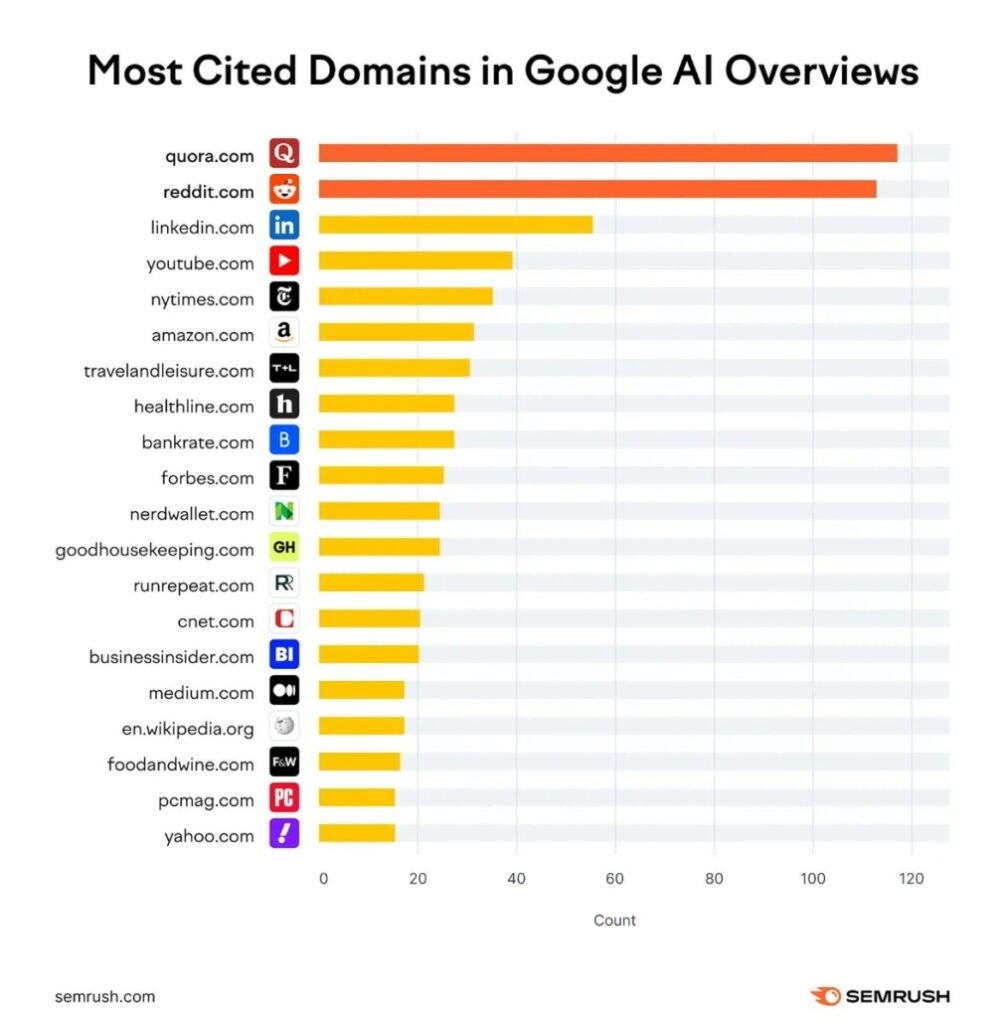
10
Aug
Aug
The landscape of search engine optimization has shifted dramatically with the introduction of Google’s AI Overviews. For digital marketers, the phrase AI SEO AI Overview Sources represents the new frontier of organic visibility. Understanding how Google selects, cites, and prioritizes sources within these AI-generated summaries is no longer optional; it is a critical component of any sustainable SEO strategy. This guide provides a deep dive into the mechanics of AI Overviews, offering actionable strategies to ensure your content is not just indexed, but featured as a primary source.
What Are AI Overviews and Why Do Sources Matter?
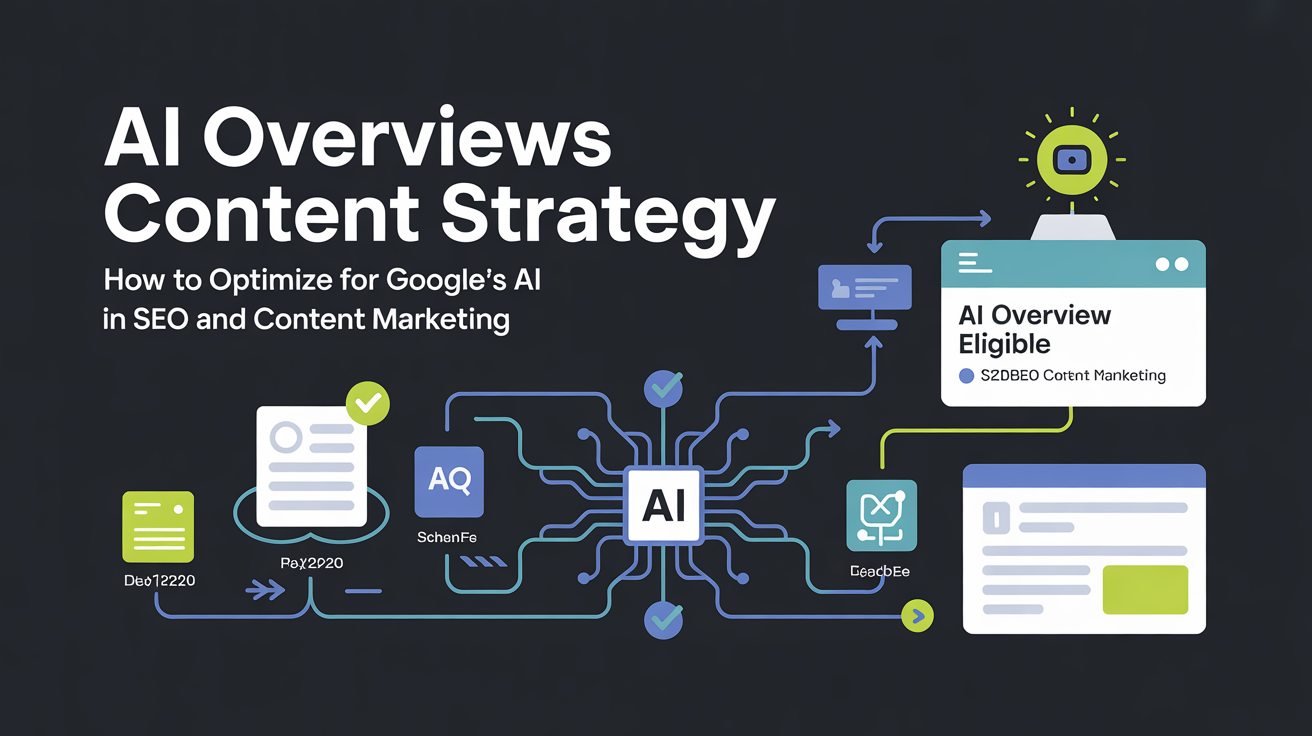
AI Overviews are generative responses that appear at the top of Google’s search results for complex or conversational queries. Unlike traditional blue links, these summaries synthesize information from multiple web pages to provide a direct answer. The “Sources” section, typically displayed as a carousel or list of links, is the evidence base for that answer. For SEO professionals, the goal is to become one of those cited sources.
The importance of being a source cannot be overstated. While a traditional click-through rate for a top organic result might hover around 30%, the visibility within an AI Overview is different. Users often find their answer directly in the summary, reducing the need to click. However, the sources listed gain significant brand authority and trust. Being cited positions your website as a definitive resource in your niche, leading to long-term brand recognition and potential traffic from users who want to explore further.
How Google Selects AI Overview Sources
Google’s AI Overviews are powered by a custom language model integrated with the core Search ranking systems. The selection of sources is not random; it is a complex algorithmic process that evaluates several key factors. Understanding these factors is the first step in optimizing your content for inclusion.
Relevance and Query Intent Matching
The primary factor is relevance. The AI must determine that your content directly answers the user’s question. This goes beyond simple keyword matching. The system analyzes the semantic meaning of your content, looking for comprehensive coverage of the topic, including subtopics, definitions, and contextual nuances. Content that thoroughly addresses the “why,” “how,” and “what” of a query is more likely to be selected than content that only touches the surface.
Content Authority and Trust Signals
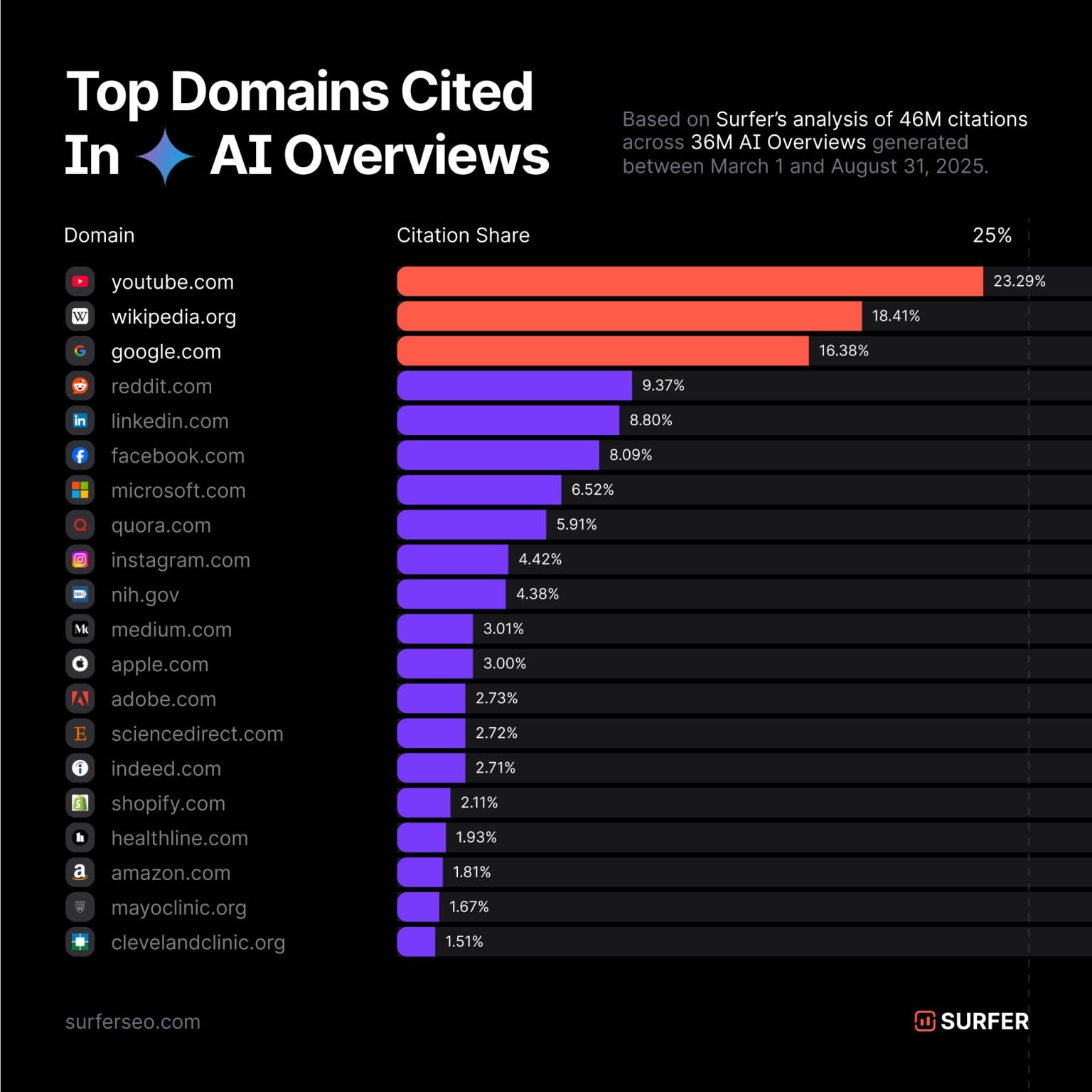
Google prioritizes sources it deems authoritative. This is where E-E-A-T (Experience, Expertise, Authoritativeness, and Trustworthiness) comes into play. The algorithm evaluates the website’s overall reputation, the author’s credentials, and the accuracy of the information. Established domains with a history of high-quality content, positive user reviews, and strong backlink profiles have a distinct advantage. Trust is the currency of AI search; without it, your content will be overlooked.
Information Freshness and Recency
For time-sensitive topics, the freshness of your content is critical. AI Overviews often prioritize recent information, especially for queries related to news, technology, or current events. Regularly updating your existing content and publishing new, timely articles signals to Google that your site is active and provides current data. This is particularly important for topics where statistics or best practices change frequently.
Clarity and Structure of the Content
The AI must be able to parse your content easily. Clear headings, concise paragraphs, and the use of lists or tables help the algorithm extract key points. Content that is buried under heavy jargon, unstructured text, or excessive fluff is difficult for the AI to process. The goal is to create content that is not only useful for human readers but also easily digestible for machine learning models.
The Role of Structured Data in AI Source Selection
Structured data, such as Schema.org markup, acts as a direct communication channel with search engines. While it is not a guaranteed ticket to being featured in AI Overviews, it significantly enhances your content’s clarity. By implementing schema for articles, FAQs, How-To guides, and products, you provide explicit signals about the type of content you have and its purpose.
For example, marking up an FAQ section with the appropriate schema helps Google understand the specific questions your content answers. This increases the likelihood that your content will be matched with a relevant query. Similarly, using “HowTo” schema for instructional content helps the AI identify the step-by-step process, making it a prime candidate for procedural queries. While the direct correlation between schema and AI Overview inclusion is still evolving, it remains a best practice for overall technical SEO.
Content Formats That Excel as AI Overview Sources
Not all content formats are created equal in the eyes of AI Overviews. Certain structures are more effective at providing the concise, direct answers that the AI seeks. Diversifying your content to include these formats can increase your chances of being cited.
- Listicles and “Best Of” Articles: These are excellent for comparison queries. A well-structured listicle that ranks options with clear pros and cons is highly digestible for AI.
- Step-by-Step Guides and Tutorials: For “how-to” queries, a clear, numbered guide is the ideal format. The AI can easily extract the sequence of actions.
- Definitional and Explanatory Content: For “what is” queries, a concise, authoritative definition followed by a detailed explanation is crucial. The first paragraph should contain the direct answer.
- Comparison Tables: When users are comparing products or services, a detailed comparison table is a powerful source. The AI can pull data directly from the table to create a summary.
- Original Research and Data: Unique statistics, surveys, and data visualizations are highly valuable. They provide the “evidence” that the AI needs to support its claims, making your content a primary source.
- Ignoring User Intent: Creating content that is optimized for keywords but fails to answer the user’s actual question. The A
- Thin or Superficial Content: Publishing short, 300-word articles that lack depth. AI Overviews require comprehensive information to synthesize a useful answer.
- Poor Technical SEO: Slow page speed, broken links, and a lack of mobile optimization harm your overall crawlability and indexation, making it harder for the AI to access your content.
- Over-Optimization and Keyword Stuffing: Using unnatural language and forcing keywords into every sentence makes your content difficult to read and parse. Focus on natural language and semantic relevance.
- Neglecting Content Updates: Failing to update old content with new data and insights. Outdated information is a major disqualifier for AI Overviews, especially in fast-moving industries.
Practical Guide: How to Optimize for AI Overview Sources
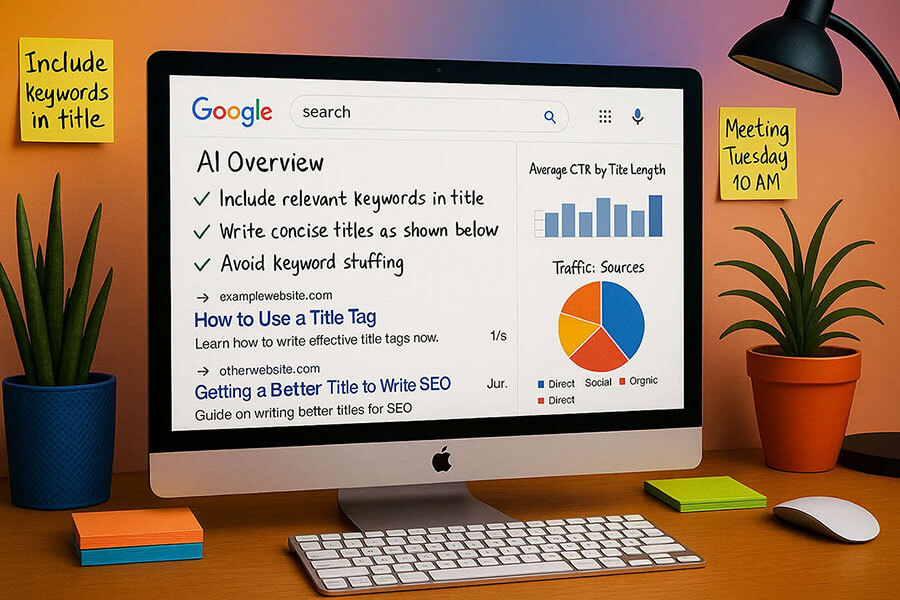
Optimizing for AI Overviews requires a shift in mindset from targeting keywords to targeting concepts and questions.
Step 1: Conduct an AI Overview Source Audit
Begin by identifying which of your current keywords are triggering AI Overviews. Use tools like Semrush, Ahrefs, or even manual Google searches to see where Overviews appear. Analyze the sources that are currently being cited. What format are they in? What is their domain authority? What specific angle are they taking? This audit provides a benchmark and reveals gaps in your current content strategy.
Step 2: Target Conversational and Long-Tail Keywords
AI Overviews are triggered by conversational, long-tail queries that mimic how people actually speak. Instead of targeting “best running shoes,” target “what are the best running shoes for flat feet and overpronation?” These specific queries have higher intent and are more likely to generate an AI Overview. Use keyword research tools to filter for question-based and long-tail keywords that align with your expertise.
Step 3: Structure Content for Direct Answers
The first 50-100 words of your article should provide a direct, concise answer to the primary question. This is often called the “direct answer” or “definitional” paragraph. Follow this with a deeper dive into the topic. Use H2 and H3 headings that mirror the questions users are asking. This clear hierarchy helps the AI map your content to the query’s intent.
Step 4: Leverage the “People Also Ask” Data
The “People Also Ask” (PAA) boxes are a goldmine for AI Overview optimization. These questions represent the subtopics that users are exploring. Create dedicated sections in your content that answer these PAA questions directly. This not only helps you rank in the PAA box but also provides the comprehensive coverage that AI Overviews require.
Step 5: Build Topical Authority
Google’s AI favors websites that demonstrate deep knowledge on a subject. Instead of publishing isolated articles, create content clusters. Have a central “pillar” page that provides a broad overview of a topic, and link it to multiple “cluster” pages that dive into specific subtopics. This internal linking structure signals to Google that you are a comprehensive resource, increasing your overall topical authority.
Common Mistakes That Prevent Your Content from Being Cited
Many websites are inadvertently blocking themselves from being featured in AI Overviews. Recognizing and correcting these mistakes is essential for success.
Important Notes on AI Overviews and Your SEO Strategy
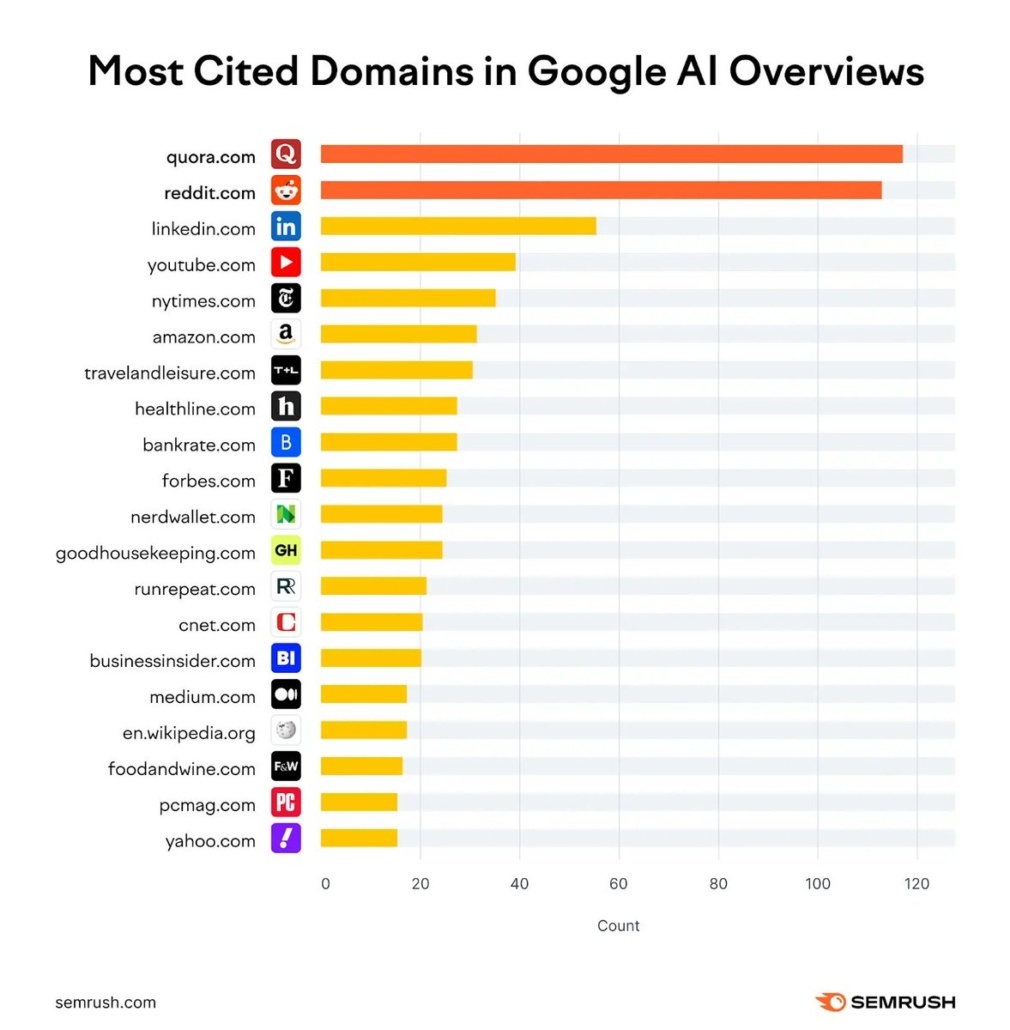
There are several nuances to keep in mind as you navigate this new landscape. First, AI Overviews are not universal. They appear for a subset of queries, primarily those with high complexity or informational intent. Your strategy should not be to replace traditional SEO but to augment it. A strong presence in the traditional “blue links” remains vital for brand visibility and traffic.
Second, the sources cited in AI Overviews are not static. They can change based on new information, user location, and even the specific phrasing of the query. This means your optimization efforts must be ongoing. Regularly monitor your performance and be prepared to adapt your content to maintain your status as a cited source.
Third, the relationship between clicks and AI Overviews is complex. While being cited may reduce the click-through rate for a single query, it can increase overall brand impressions and lead to clicks on other, related queries. The value of being an AI source extends beyond a single session; it builds a perception of authority that influences future searches.
Comparison: Traditional SEO vs. AI Overview SEO
Understanding the differences between traditional SEO and AI Overview SEO is crucial for resource allocation and strategy development. The table below highlights the key distinctions.
| Aspect | Traditional SEO | AI Overview SEO |
|---|---|---|
| Primary Goal | Rank #1 in the organic “blue link” results. | Be cited as a source within the AI-generated summary. |
| Keyword Focus | Short-tail and long-tail keywords with high search volume. | Conversational, question-based, and long-tail queries with high intent. |
| Content Strategy | Focus on matching keyword density and backlinks. | Focus on comprehensive topic coverage, clarity, and direct answers. |
| Success Metric | Click-through rate (CTR) and organic traffic volume. | Brand visibility, citation frequency, and authority building. |
| Content Format | Blog posts, product pages, and landing pages. | Listicles, how-to guides, comparison tables, and original research. |
| Technical Focus | Site speed, mobile-friendliness, and backlinks. | Structured data, clear heading hierarchy, and semantic relevance. |
Frequently Asked Questions (FAQ)
What is the difference between an AI Overview and a Featured Snippet?
While both appear at the top of the search results, they are fundamentally different. A Featured Snippet is a direct extraction of a specific block of content from a single webpage, often a paragraph, list, or table. An AI Overview is a generative summary that synthesizes information from multiple sources to create a unique, conversational answer. The AI Overview is more complex and dynamic, while the Featured Snippet is a static element of a single page.
How do I check if my website is a source in an AI Overview?
The most direct method is to perform a manual search for your target keywords and look for the AI Overview box. If your website is cited, you will see your domain name and link in the “Sources” section. For a more scalable approach, you can use SEO tools like Semrush or Ahrefs, which are beginning to integrate AI Overview tracking into their platforms, allowing you to monitor your visibility across many keywords.
Do AI Overviews reduce organic click-through rates?
Yes, in many cases, they do. When a user finds a satisfactory answer directly in the AI Overview, they have less incentive to click through to a website. This is known as “zero-click search.” However, the impact is not uniform. For high-consideration purchases or complex topics, users often click through to sources for more detailed information, reviews, or to verify the AI’s summary. The key is to provide enough value in the AI summary to build trust, while your website provides the depth to convert that trust into a click.
Can I block my content from being used in AI Overviews?
Yes, you can use the nosnippet meta tag or the max-snippet directive to control how your content appears in search results. However, this is generally not recommended. Blocking your content from AI Overviews removes your brand from a high-visibility position and cedes that space to your competitors. It is better to optimize your content to be a high-quality source than to hide it from the AI.
Is it better to rank #1 in traditional results or be cited in an AI Overview?
Ideally, you want both. Ranking #1 in traditional results is still a powerful driver of direct traffic. Being cited in an AI Overview provides brand authority and visibility. In many cases, the same content can achieve both. The strategy should be to create content that is so comprehensive and well-structured that it satisfies both the traditional algorithm and the AI model. Focusing solely on one at the expense of the other leaves value on the table.
Conclusion
The era of AI SEO AI Overview Sources demands a sophisticated approach to content creation. The focus has shifted from manipulating rankings to demonstrating genuine expertise and providing clear, structured value. By understanding the selection criteria, optimizing your content formats, and avoiding common pitfalls, you can position your website as a trusted resource that Google’s AI relies upon. This is not a temporary trend but a fundamental evolution in how search works. The brands that adapt now, by prioritizing clarity, authority, and comprehensive topic coverage, will be the ones that dominate the search landscape for years to come. The path forward is clear: create content that is so good, even the algorithm cannot ignore it.
Xem thêm:
- AI SEO SEO Title Generator: The Complete Guide to Higher Click-Through Rates
- AI SEO AI Search Discovery: The Complete Guide to Winning Generative Search
- AI Voice Search SEO: The Ultimate Guide to Dominating Spoken Queries in 2025
- AI SEO Content Briefs: The Complete Guide to Smarter Content Planning
- AI SEO Image Optimization: The Complete Guide to Boosting Rankings in 2025
Bài viết cùng chủ đề:

AI SEO SEO Automation with Make: The Complete Workflow Guide

AI SEO SEO Automation with Zapier: The Complete Workflow Guide

AI SEO SEO Automation with n8n: The Complete Workflow Guide
AI SEO SEO Automation with Gemini: The Complete Guide to Scaling Organic Growth

AI SEO SEO Automation with Claude: The Complete Guide to Scaling Content in 2025

AI SEO SEO Automation with ChatGPT: The Complete Playbook for 2025

AI SEO & SEO Automation for Affiliate Sites: The 2025 Playbook for Passive Income Growth
AI SEO & SEO Automation for Bloggers: The Complete Guide to Scaling Your Content

AI SEO & SEO Automation for Agencies: The Complete 2025 Playbook

AI SEO and SEO Automation for Ecommerce: The Complete Playbook for 2025

AI SEO & SEO Automation for WordPress: The Complete Playbook for 2025
AI SEO SEO Automation Strategy: The Complete Playbook for 2025

Mastering the AI SEO SEO Automation Process: A Complete Guide to Scaling Organic Growth
AI SEO SEO Automation System: The Complete Guide to Scaling Organic Growth in 2025
AI SEO SEO Automation Platform: The Complete Guide to Scaling Organic Growth in 2025
AI SEO SEO Automation Software: The Complete Guide to Scaling Organic Growth in 2025















