
No products in the cart.
AI SEO Content Briefs: The Complete Guide to Smarter Content Planning
10
Aug
Aug
Creating content that ranks requires more than just good writing. It demands precise planning, keyword intelligence, and a clear understanding of search intent. AI SEO content briefs have transformed how marketing teams prepare their writing assignments. These automated briefs combine machine learning with search data to produce detailed instructions that guide writers toward higher rankings. This guide explains what AI SEO content briefs are, how they work, and how to use them effectively in your content strategy.
What Are AI SEO Content Briefs?
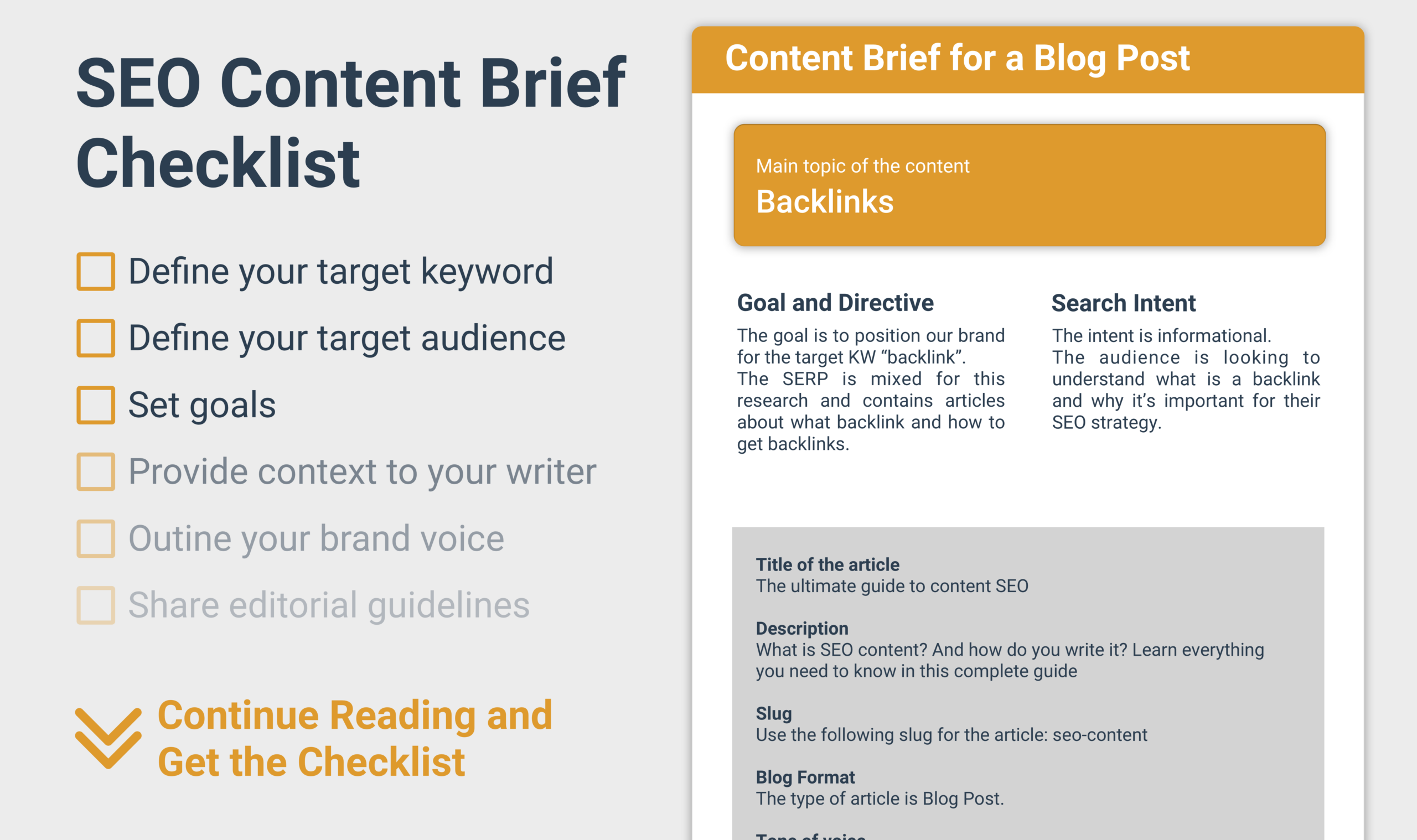
An AI SEO content brief is a data-driven document that outlines exactly what a piece of content should cover to rank well in search engines. Unlike traditional briefs that rely on manual research, AI-powered briefs analyze top-ranking pages, extract key topics, identify semantic keywords, and suggest structural elements automatically.
The core purpose of these briefs is to eliminate guesswork. Instead of telling a writer to “write about digital marketing,” an AI brief specifies the exact subtopics, questions to answer, word count ranges, and even the tone of voice. This approach ensures every article targets the right audience with the right information.
How AI Generates Content Briefs
AI tools for content briefs work by crawling search engine results pages (SERPs) for a target keyword. The system analyzes the top 10 to 20 ranking pages and extracts common patterns. These patterns include:
- Frequently used headings and subheadings
- Recurring questions from “People Also Ask” sections
- Keyword density and placement in top articles
- Content length and readability scores
- Backlink profiles of ranking pages
- Entity mentions and semantic relationships
- Combine AI data with your own analytics to understand what your specific audience responds to
- Use AI briefs for content ideation, not just execution, to discover new topic opportunities
- Train your writers on how to interpret and use briefs effectively
- Regularly audit the performance of content created from AI briefs and adjust your approach
- Keep human oversight in the loop for quality control and brand alignment
- Use multiple AI tools to cross-reference data and get a more complete picture
The AI then compiles this data into a structured brief that includes recommended outlines, related keywords, and content gaps. Some advanced tools even predict the likelihood of ranking based on the proposed structure.
Key Components of an Effective AI SEO Content Brief
A well-constructed AI brief contains several critical elements that guide the entire content creation process. Understanding these components helps you evaluate whether your brief is comprehensive enough.
Target Keyword and Intent Analysis
The brief must clearly state the primary keyword and the search intent behind it. Whether users are looking for information, comparing products, or ready to purchase, the content needs to match that intent. AI tools classify intent based on SERP features like shopping ads, video results, or informational snippets.
Recommended Outline and Heading Structure
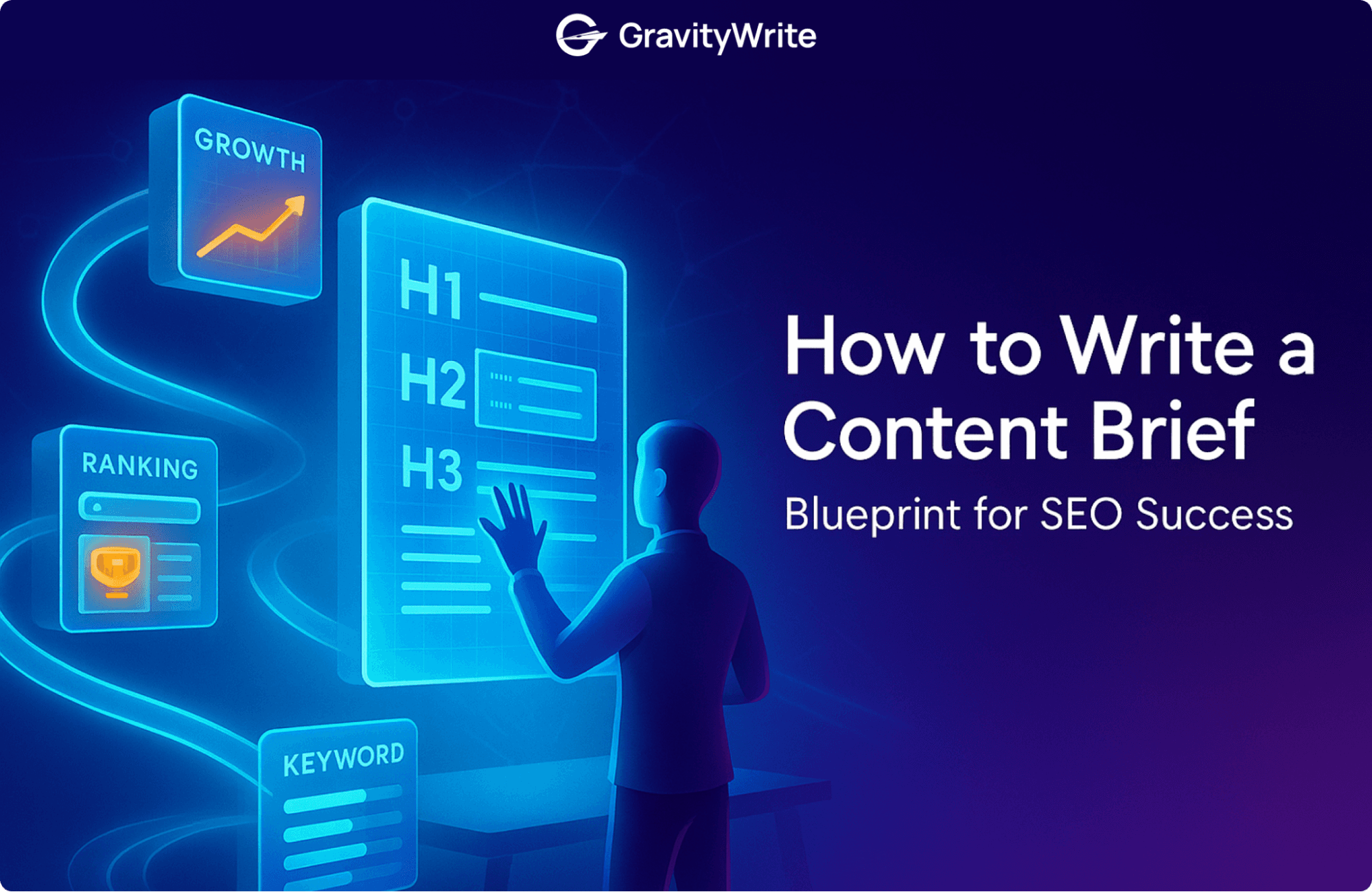
AI briefs provide a suggested H2 and H3 hierarchy based on what top competitors use. This structure ensures your content covers all essential subtopics that search engines expect. The outline also helps writers maintain logical flow and avoid missing critical information.
Semantic and LSI Keywords
Beyond the main keyword, AI briefs include a list of related terms and phrases. These semantic keywords help search engines understand the context of your content. For example, a brief for “AI SEO content briefs” might include terms like “content optimization,” “search intent,” “keyword research,” and “SERP analysis.”
Content Length and Readability Targets
Based on competitor analysis, AI tools suggest an optimal word count range. They also provide readability scores and sentence structure recommendations. This data helps writers match the depth and complexity that performs well for the target keyword.
Internal and External Linking Suggestions
Advanced AI briefs recommend where to place internal links to other pages on your site and suggest authoritative external sources to reference. This improves your site’s crawlability and signals trust to search engines.
Benefits of Using AI SEO Content Briefs
Marketing teams that adopt AI-generated briefs report significant improvements in both workflow efficiency and content performance. The advantages extend beyond simple time savings.
Faster Content Production
Traditional brief creation can take hours of manual research. AI tools generate comprehensive briefs in minutes. This speed allows teams to scale their content production without adding more planning resources.
Consistent Quality Across Writers
When every writer receives the same detailed instructions, the output quality becomes more uniform. AI briefs eliminate the variability that comes from different writers interpreting vague guidelines differently.
Data-Backed Content Decisions
Instead of relying on intuition, AI briefs base their recommendations on actual search data. This evidence-based approach reduces the risk of creating content that fails to resonate with your target audience.
Improved Search Rankings
Content created from AI briefs aligns closely with what search engines already rank. By covering the same topics, questions, and keywords as top competitors, your content has a higher chance of earning featured snippets and top positions.
Limitations and Challenges of AI Content Briefs
While AI briefs offer substantial benefits, they are not without limitations. Understanding these challenges helps you use the tools more effectively.
Risk of Content Homogenization
When every brand uses the same AI tools to generate briefs, the resulting content can become similar. This sameness makes it harder to differentiate your brand and provide unique value to readers.
Incomplete Understanding of Brand Voice
AI tools analyze search data but cannot fully grasp your brand’s unique personality or tone. Writers must still apply their judgment to adapt the brief to your specific voice and audience.
Over-Reliance on Competitor Data
AI briefs primarily analyze what already ranks well. This backward-looking approach may miss emerging trends or new opportunities that competitors have not yet exploited.
AI SEO Content Briefs vs. Traditional Briefs
Understanding the differences between AI-generated and manually created briefs helps you decide when to use each approach.
| Feature | AI Content Briefs | Traditional Briefs |
|---|---|---|
| Research time | Minutes | Hours to days |
| Data sources | Automated SERP analysis | Manual keyword tools and intuition |
| Keyword coverage | Comprehensive semantic mapping | Limited to manually identified terms |
| Customization | Limited to tool parameters | Fully customizable |
| Brand voice integration | Requires manual adjustment | Built-in from the start |
| Scalability | High | Low |
Most successful teams use a hybrid approach. They start with an AI-generated brief and then customize it with brand-specific insights and strategic direction.
How to Create AI SEO Content Briefs: Step-by-Step Guide
Implementing AI briefs in your workflow requires a systematic approach. Follow these steps to get the most value from the technology.
Step 1: Choose the Right AI Tool
Several platforms offer AI content brief generation. Popular options include Surfer SEO, Frase, Clearscope, and MarketMuse. Evaluate each tool based on your budget, team size, and specific needs. Most offer free trials, so test a few before committing.
Step 2: Define Your Target Keywords
Start with a clear list of keywords you want to target. Prioritize based on search volume, relevance to your business, and difficulty scores. The quality of your brief depends heavily on the quality of your keyword selection.
Step 3: Input Parameters and Generate
Enter your target keyword into the AI tool and set any additional parameters like target location, language, or content type. The tool will then analyze the SERP and generate a draft brief. Review the output for accuracy and completeness.
Step 4: Customize the Brief
Add your brand-specific information, unique insights, and strategic goals to the AI-generated brief. Include internal links you want to use, specific examples from your experience, and any proprietary data you want to feature.
Step 5: Assign to Writers with Clear Instructions
Share the finalized brief with your writers. Emphasize that the brief is a guide, not a rigid template. Encourage writers to add their expertise and creativity while following the recommended structure.
Step 6: Review and Refine
After content is published, monitor its performance. Use this data to refine your future briefs. If certain sections consistently perform well, include them more prominently in subsequent briefs.
Practical Applications of AI SEO Content Briefs

AI briefs work across various content types and industries. Here are some of the most effective applications.
Blog Posts and Articles
For informational content, AI briefs ensure comprehensive coverage of a topic. They help writers address all the questions users might have, increasing the chances of appearing in featured snippets.
Product Descriptions and Category Pages
E-commerce sites use AI briefs to optimize product pages. The briefs identify the attributes, benefits, and comparisons that matter most to shoppers, helping create persuasive and SEO-friendly descriptions.
Service Pages and Landing Pages
For commercial intent keywords, AI briefs focus on trust signals, proof points, and clear calls to action. The structure recommended by AI tools aligns with what converts visitors into leads.
Guest Posts and Outreach Content
When creating content for external publications, AI briefs help you match the host site’s style and cover topics their audience expects. This increases the likelihood of acceptance and engagement.
Common Mistakes When Using AI SEO Content Briefs
Even with powerful tools, teams make errors that undermine their content strategy. Recognizing these mistakes helps you avoid them.
Blindly Following the AI Output
AI briefs are starting points, not final answers. Following them without any human judgment leads to generic content that fails to stand out. Always add your unique perspective and expertise.
Ignoring Search Intent Nuances
AI tools may misclassify intent for ambiguous keywords. Always review the intent analysis and adjust the brief if you believe the tool misinterpreted user needs.
Focusing Only on Word Count
Some teams obsess over matching the recommended word count exactly. Quality and relevance matter more than length. A concise article that fully answers user questions outperforms a padded one.
Neglecting Content Updates
Search trends change, and so do top-ranking pages. An AI brief created six months ago may be outdated. Regularly regenerate briefs for your key content to keep it current.
Using the Same Brief for Multiple Writers
While consistency is good, using identical briefs for every writer can produce repetitive content across your site. Customize briefs for different sections or angles to maintain diversity.
Important Notes for Maximizing AI Brief Effectiveness
To get the best results from AI SEO content briefs, keep these considerations in mind.
Frequently Asked Questions
What is the difference between AI content briefs and AI content writing?
AI content briefs provide the outline, keywords, and structural guidance for a piece of content. AI content writing generates the actual text. Briefs are used before writing to plan the approach, while AI writing tools produce the draft itself. Many teams use both together, starting with a brief and then using AI writing assistance to speed up the drafting process.
How long does it take to generate an AI SEO content brief?
Most AI tools generate a basic brief in under five minutes. The process involves analyzing the SERP, extracting key data, and compiling recommendations. More complex briefs with custom parameters may take slightly longer, but the process is still significantly faster than manual research.
Are AI SEO content briefs worth the cost?
For teams producing content regularly, the time savings and improved rankings typically justify the investment. Most tools offer tiered pricing based on the number of briefs or keywords you process monthly. Calculate your team’s hourly cost and compare it to the subscription fee to determine the return on investment.
Can AI briefs replace SEO specialists?
No. AI briefs are tools that enhance the work of SEO specialists, not replacements for them. Human expertise is still needed to interpret data, make strategic decisions, and add creative direction. The best results come from combining AI efficiency with human judgment.
How often should I update my AI content briefs?
For evergreen content, review and update briefs every three to six months. For topics in fast-moving industries, update more frequently. Search algorithms and competitor strategies change constantly, so regular refreshes keep your content competitive.
Conclusion
AI SEO content briefs represent a significant advancement in content planning and optimization. They bring data-driven precision to the content creation process, helping teams produce articles that align with search engine expectations and user needs. The technology saves time, improves consistency, and provides valuable insights that manual research often misses.
However, these tools work best when combined with human expertise. The most successful content strategies use AI briefs as a foundation, then layer in brand voice, unique insights, and creative direction. By understanding both the capabilities and limitations of AI-generated briefs, you can create content that ranks well, engages readers, and drives meaningful business results.
Start small by testing one or two AI brief tools on your most important keywords. Measure the performance of the resulting content against your existing articles. As you see the impact on rankings and engagement, expand your use of AI briefs across your entire content operation. The future of content planning is data-driven, and AI SEO content briefs are leading the way.
Xem thêm:
- AI SEO Pillar Content: The Complete Blueprint for Dominating Search Rankings in 2025
- AI SEO Keyword Database: The Complete Guide to Smarter Search Rankings
- AI SEO Publishing Workflow: The Complete Guide to Scaling Content Production in 2025
- AI People Also Ask: The Complete Guide to Optimizing for Google’s AI-Powered Q&A Feature
- AI SEO H3 Optimization: The Complete Guide to Structuring Content for AI Search
Bài viết cùng chủ đề:

AI SEO SEO Automation with Make: The Complete Workflow Guide

AI SEO SEO Automation with Zapier: The Complete Workflow Guide

AI SEO SEO Automation with n8n: The Complete Workflow Guide
AI SEO SEO Automation with Gemini: The Complete Guide to Scaling Organic Growth

AI SEO SEO Automation with Claude: The Complete Guide to Scaling Content in 2025

AI SEO SEO Automation with ChatGPT: The Complete Playbook for 2025

AI SEO & SEO Automation for Affiliate Sites: The 2025 Playbook for Passive Income Growth
AI SEO & SEO Automation for Bloggers: The Complete Guide to Scaling Your Content

AI SEO & SEO Automation for Agencies: The Complete 2025 Playbook

AI SEO and SEO Automation for Ecommerce: The Complete Playbook for 2025

AI SEO & SEO Automation for WordPress: The Complete Playbook for 2025
AI SEO SEO Automation Strategy: The Complete Playbook for 2025

Mastering the AI SEO SEO Automation Process: A Complete Guide to Scaling Organic Growth
AI SEO SEO Automation System: The Complete Guide to Scaling Organic Growth in 2025
AI SEO SEO Automation Platform: The Complete Guide to Scaling Organic Growth in 2025
AI SEO SEO Automation Software: The Complete Guide to Scaling Organic Growth in 2025















