
No products in the cart.
AI SEO AI Search Discovery: The Complete Guide to Winning Generative Search
10
Aug
Aug
The digital marketing landscape has shifted dramatically with the rise of generative engine optimization. AI SEO AI Search Discovery represents the new frontier where artificial intelligence algorithms determine brand visibility across platforms like ChatGPT, Perplexity, and Google’s AI Overviews. Traditional search engine optimization focused on ranking in blue links. Today, brands must optimize for AI-driven answer engines that synthesize information from multiple sources to deliver direct responses. This comprehensive guide explores how businesses can adapt their strategies to remain visible in this transformative era of search discovery.
Understanding AI SEO and AI Search Discovery

AI SEO refers to the practice of optimizing digital content specifically for artificial intelligence algorithms that generate search results. Unlike conventional SEO which targets crawlers and ranking algorithms, AI SEO focuses on making content easily digestible for large language models that produce conversational answers. AI Search Discovery encompasses the entire ecosystem where users discover brands through AI-powered interfaces rather than traditional search engine results pages.
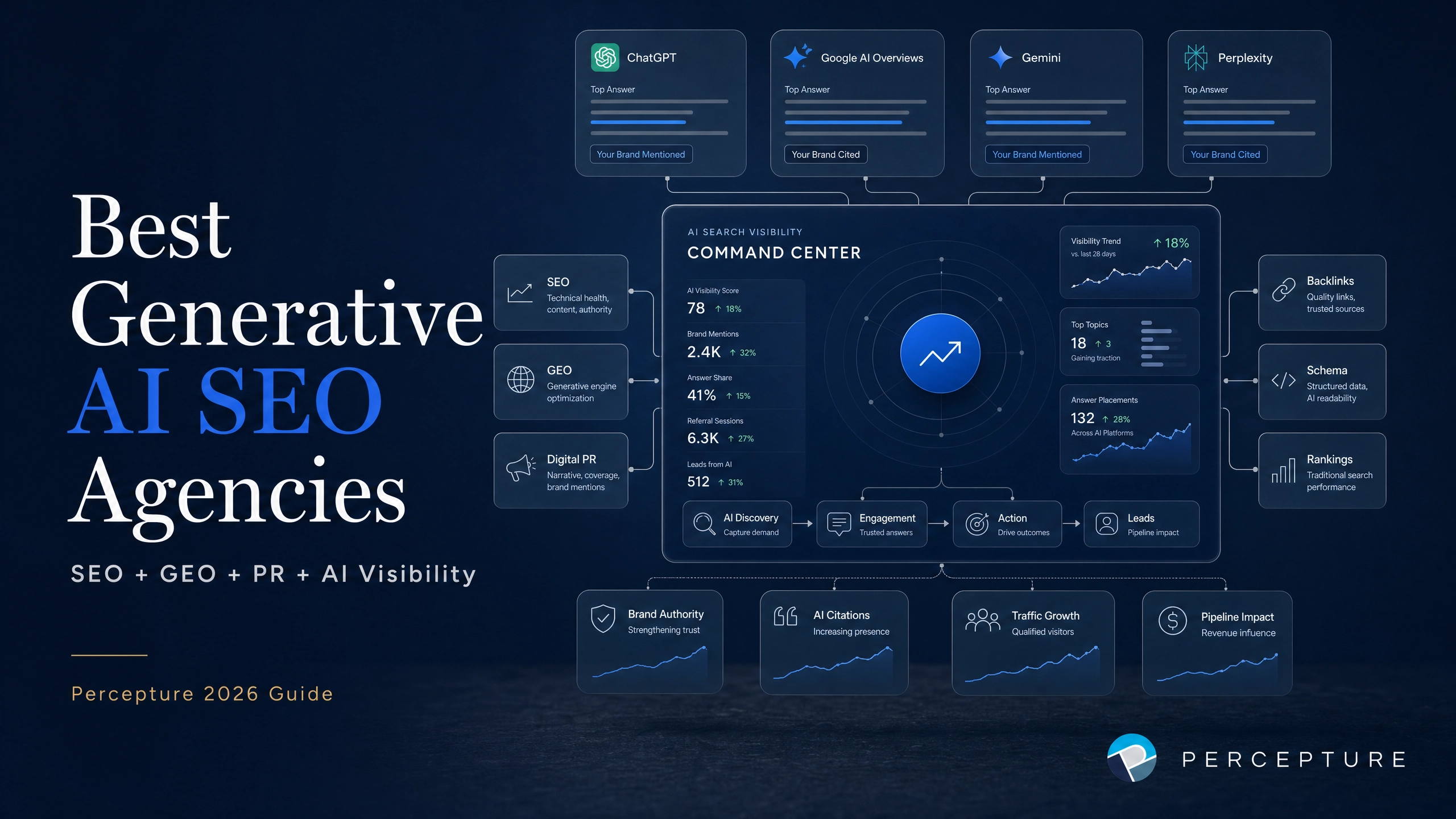
The fundamental shift involves moving from keyword matching to semantic understanding. AI systems analyze the meaning, context, and relationships between concepts. They prioritize authoritative sources, structured data, and comprehensive coverage of topics. When a user asks an AI assistant for recommendations, the system pulls from indexed web content to formulate an answer. Brands that structure their content for this process gain significant visibility advantages.
The Evolution from Traditional Search to AI Discovery
Traditional search engines operated on a query-response model. Users typed keywords, and algorithms matched those terms against indexed pages using factors like backlinks and on-page optimization. The results displayed as ranked lists of links. AI Search Discovery changes this paradigm entirely. Users now ask natural language questions and receive synthesized answers that may or may not include direct citations to websites.
This evolution demands a new approach to content creation. Instead of targeting specific keywords, brands must create comprehensive resources that answer entire topic clusters. AI systems favor content that demonstrates expertise, authority, and trustworthiness. They cross-reference multiple sources to verify information. Content that appears in AI-generated answers often comes from well-structured, authoritative domains with clear factual accuracy.
How AI Search Discovery Works
AI search systems operate through a multi-stage process that begins with query understanding and ends with answer generation. When a user submits a question, the AI first interprets the intent and context. It then retrieves relevant information from its training data and live web indexes. The system evaluates source credibility, recency, and relevance before synthesizing a coherent response.
Large language models like GPT-4 and Google’s Gemini use retrieval augmented generation to access current information. This process involves embedding-based search that matches semantic similarity rather than exact keyword matches. The AI identifies passages from multiple websites that collectively answer the user’s query. It then generates a natural language response that may paraphrase or quote these sources.
Key Components of AI Search Algorithms
Several technical components determine how AI systems discover and rank content. Entity recognition identifies people, places, organizations, and concepts within text. Semantic analysis understands relationships between these entities. Source reliability scoring evaluates domain authority and content accuracy. Recency weighting ensures fresh information receives priority. Together, these components create a sophisticated discovery mechanism that rewards well-structured, authoritative content.
Structured data plays a crucial role in AI Search Discovery. Schema markup helps AI systems understand content context and relationships. FAQ schemas, article schemas, and organization schemas provide explicit signals about content purpose and authorship. AI systems use this structured information to extract key points and attribute information correctly.
Optimizing Content for AI Search Discovery
Content optimization for AI search requires a fundamentally different approach than traditional SEO. The focus shifts from keyword density to comprehensive topic coverage. AI systems reward content that thoroughly addresses user intent with clear, factual information. Long-form content that explores subtopics in depth tends to perform well because it provides the AI with multiple relevant passages to draw from.
Natural language processing favors conversational writing styles that mirror how people actually speak. Content that reads naturally and avoids excessive jargon gets processed more effectively. AI systems also prefer content with clear headings, bullet points, and structured lists because these elements make information extraction easier. Breaking content into logical sections with descriptive subheadings improves AI comprehension and citation likelihood.
Structuring Content for AI Algorithms
Adopt a question-based content structure that anticipates user queries. Begin with a direct answer in the first paragraph, then expand with supporting details. Use H2 and H3 headings that contain natural language phrases rather than just keywords. Include statistics, examples, and expert quotes to enhance credibility signals. AI systems look for content that demonstrates first-hand experience and verifiable expertise.
Tables and comparison charts provide excellent opportunities for AI citation. When AI systems need to present comparative data, they often reference well-structured tables. Similarly, lists of recommendations, steps, or best practices get frequently extracted for AI answers. Formatting content in these extractable formats increases the probability of appearing in AI-generated responses.
Technical SEO for AI Search Discovery
Technical optimization remains essential for AI Search Discovery. AI systems crawl and index websites using similar mechanisms to traditional search engines. Site speed, mobile responsiveness, and secure connections all influence how effectively AI systems can access and process content. Technical issues that block crawling directly impact AI discovery capabilities.
Core Web Vitals have become increasingly important as AI systems prioritize user experience signals. Fast-loading pages with stable layouts and quick interaction responses get favored in AI retrieval processes. Additionally, clear site architecture helps AI systems understand content relationships. Logical internal linking structures enable AI crawlers to discover and index all important pages efficiently.
Schema Markup and Structured Data Implementation
Implement comprehensive schema markup to enhance AI content comprehension. Article schema provides metadata about authorship, publication dates, and content type. FAQ schema enables direct answer extraction for common questions. HowTo schema helps AI systems understand step-by-step instructions. Organization schema establishes brand identity and authority signals.
JSON-LD format remains the recommended implementation method for structured data. Place schema markup in the head section of HTML pages for optimal AI system detection. Regular testing through Google’s Rich Results Test ensures proper implementation. Structured data errors can prevent AI systems from understanding content context, so maintaining clean markup is crucial.
Content Strategies for AI Search Visibility
Developing content specifically for AI Search Discovery requires strategic planning around user intent. Create comprehensive pillar pages that cover broad topics in depth. Support these with cluster content that explores specific subtopics. This hub-and-spoke model helps AI systems understand topic relationships and establishes domain authority.
Focus on creating content that answers questions directly and concisely. AI systems often extract the most straightforward answer to a query. Opening paragraphs should contain clear, definitive responses. Supporting paragraphs can then provide additional context, examples, and data. This structure maximizes the chances of content being selected for AI answer generation.
Building Authority for AI Trust
AI systems prioritize content from authoritative sources. Building domain authority requires consistent publication of accurate, well-researched content. Include author bios with credentials and expertise signals. Cite reputable sources and link to authoritative references. Regular content updates demonstrate freshness and ongoing commitment to accuracy.
E-E-A-T signals have become critical for AI Search Discovery. Experience demonstrates first-hand knowledge through practical examples and case studies. Expertise shows through comprehensive coverage and technical accuracy. Authoritativeness develops through recognition from other industry sources. Trustworthiness builds through transparent authorship and factual reliability.
Measuring AI Search Discovery Performance
Tracking performance in AI search requires different metrics than traditional SEO. Monitor brand mentions in AI-generated responses across platforms like ChatGPT, Perplexity, and Google AI Overviews. Use tools that simulate AI queries to see which content gets cited. Track referral traffic from AI platforms to measure actual discovery impact.
Analyze which content types and topics generate the most AI citations. This data reveals what AI systems find most valuable about your content. Adjust content strategies based on these insights. Monitor competitor visibility in AI search to identify gaps and opportunities in your own content coverage.
Tools for Monitoring AI Search Presence
Several specialized tools have emerged for tracking AI search visibility. Platforms like Profound, Peec AI, and AIOSEO offer AI search monitoring capabilities. These tools run automated queries against major AI platforms and track which brands and content appear in responses. They provide valuable data on share of voice in AI-generated answers.
Google Search Console now includes AI Overview performance data. This shows impressions and clicks from AI-generated search features. Analyzing this data reveals which queries trigger AI Overviews and how your content performs in those contexts. Combine this with traditional analytics to build a complete picture of AI search discovery performance.
Common Mistakes in AI SEO Optimization

Many brands make critical errors when optimizing for AI Search Discovery. Keyword stuffing remains a persistent problem, but AI systems penalize this behavior heavily. Content written solely for keyword matching lacks the depth and context AI systems require. Focus instead on comprehensive topic coverage with natural language.
Neglecting structured data implementation limits AI comprehension. Without proper schema markup, AI systems must infer content meaning from raw text alone. This reduces the likelihood of accurate citation. Similarly, ignoring technical optimization prevents AI crawlers from accessing content effectively. Slow, poorly structured sites get deprioritized in AI retrieval processes.
Overlooking User Intent in Content Creation
Creating content without understanding user intent leads to poor AI search performance. AI systems analyze query context and match content against semantic intent. Content that addresses surface-level keywords without providing substantive answers gets ignored. Deep research into user questions and pain points should drive content creation strategies.
Failing to update content regularly also hurts AI search visibility. AI systems prioritize fresh, current information. Stale content gets deprioritized in favor of more recent sources. Establish regular content review and update schedules to maintain AI search relevance. Update statistics, refresh examples, and expand coverage of emerging subtopics.
Future Trends in AI Search Discovery
AI Search Discovery continues evolving rapidly as language models improve. Multimodal search capabilities will enable AI systems to process images, videos, and audio alongside text. Brands must optimize visual content with descriptive alt text and structured metadata. Video content will require transcript optimization for AI comprehension.
Personalization will play an increasing role in AI search results. AI systems will tailor answers based on user location, preferences, and past interactions. Brands must create content that addresses diverse user segments and contexts. Local SEO will become more sophisticated as AI systems incorporate geographic relevance into answer generation.
Preparing for Voice and Conversational Search
Voice search continues growing as AI assistants become more integrated into daily life. Optimizing for conversational queries requires understanding natural language patterns. People speak differently than they type, using longer phrases and complete questions. Content that addresses these conversational patterns will gain visibility in voice-based AI search.
Featured snippets and position zero will evolve into AI answer boxes. These will provide direct answers within AI interfaces rather than traditional search results. Brands must optimize content for extraction into these answer formats. Clear, concise answers that directly address user questions will get prioritized for these prominent positions.
Practical Implementation Guide for AI SEO
Start implementing AI Search Discovery optimization with a comprehensive content audit. Evaluate existing content for comprehensiveness, structure, and technical optimization. Identify gaps in topic coverage and opportunities for improvement. Prioritize updates based on potential AI search impact and business value.
Develop a content creation workflow that incorporates AI optimization principles. Begin with thorough keyword and topic research using AI-powered tools. Create content outlines that address user intent comprehensively. Write naturally while incorporating structured elements like headings, lists, and tables. Implement schema markup before publishing. Monitor performance and iterate based on data.
Building an AI-Optimized Content Team
Assemble a team with diverse skills for effective AI SEO. Content writers need expertise in creating comprehensive, authoritative content. Technical SEO specialists handle structured data and site optimization. Data analysts track AI search performance and identify trends. Subject matter experts ensure content accuracy and depth.
Invest in ongoing education about AI search developments. The landscape changes rapidly as new models and algorithms emerge. Subscribe to industry publications, attend conferences, and participate in professional communities. Staying current with AI search trends provides competitive advantages in discovery optimization.
Frequently Asked Questions
What is the difference between traditional SEO and AI SEO?
Traditional SEO focuses on ranking in search engine results pages through keyword optimization and backlink building. AI SEO optimizes content for artificial intelligence systems that generate direct answers. AI SEO emphasizes semantic understanding, comprehensive topic coverage, and structured data implementation over keyword matching.
How does AI Search Discovery affect website traffic?
AI Search Discovery changes traffic patterns by providing direct answers that may reduce click-through rates. However, appearing in AI-generated responses builds brand awareness and authority. Websites that get cited in AI answers often experience increased direct traffic and brand searches as users seek more information.
What content formats work best for AI search optimization?
Comprehensive guides, FAQ pages, comparison articles, and how-to content perform well in AI search. These formats provide structured information that AI systems can easily extract. Tables, lists, and step-by-step instructions get frequently cited in AI-generated answers.
How long does it take to see results from AI SEO efforts?
AI search optimization results typically appear within 3-6 months of consistent implementation. AI systems need time to crawl, index, and evaluate content. Building domain authority and establishing content credibility takes sustained effort. Regular updates and new content publication accelerate results.
Do backlinks still matter for AI Search Discovery?
Backlinks remain important for establishing domain authority that AI systems consider. However, the quality and relevance of backlinks matter more than quantity. AI systems evaluate the context and credibility of linking sources. Links from authoritative, relevant domains carry significant weight in AI trust assessments.
Conclusion
AI SEO AI Search Discovery represents the fundamental shift in how brands achieve visibility in the digital landscape. Traditional optimization strategies focused on ranking in blue links no longer suffice. Success requires understanding how AI systems process, evaluate, and synthesize information to generate answers. Brands that adapt their content strategies for AI comprehension gain significant competitive advantages in this new discovery paradigm.
The transition to AI-driven search presents both challenges and opportunities. Comprehensive, authoritative content that addresses user intent naturally will get prioritized. Structured data implementation and technical optimization enable effective AI crawling and comprehension. Building domain authority through consistent, accurate publication establishes the trust signals AI systems require. Brands that embrace these principles position themselves for visibility in the AI-powered search future.
Start implementing AI search optimization strategies today to build sustainable visibility for tomorrow. Audit existing content, improve technical foundations, and create comprehensive resources that AI systems can discover and cite. The brands that adapt now will dominate AI Search Discovery as this technology continues evolving.
Xem thêm:
- AI SEO for Automotive: The Complete Guide to Dominating Search in 2025
- AI SEO Caching: The Complete Guide to Accelerating AI Search Visibility
- AI SEO Search Trends: The Complete Guide to Ranking in 2025
- Conquering AI SEO Challenges: The Modern Playbook for Search Dominance
- AI SEO AI SEO Audit Tool: The Complete Guide to Automated Site Optimization
Bài viết cùng chủ đề:

AI SEO SEO Automation with Make: The Complete Workflow Guide

AI SEO SEO Automation with Zapier: The Complete Workflow Guide

AI SEO SEO Automation with n8n: The Complete Workflow Guide
AI SEO SEO Automation with Gemini: The Complete Guide to Scaling Organic Growth

AI SEO SEO Automation with Claude: The Complete Guide to Scaling Content in 2025

AI SEO SEO Automation with ChatGPT: The Complete Playbook for 2025

AI SEO & SEO Automation for Affiliate Sites: The 2025 Playbook for Passive Income Growth
AI SEO & SEO Automation for Bloggers: The Complete Guide to Scaling Your Content

AI SEO & SEO Automation for Agencies: The Complete 2025 Playbook

AI SEO and SEO Automation for Ecommerce: The Complete Playbook for 2025

AI SEO & SEO Automation for WordPress: The Complete Playbook for 2025
AI SEO SEO Automation Strategy: The Complete Playbook for 2025

Mastering the AI SEO SEO Automation Process: A Complete Guide to Scaling Organic Growth
AI SEO SEO Automation System: The Complete Guide to Scaling Organic Growth in 2025
AI SEO SEO Automation Platform: The Complete Guide to Scaling Organic Growth in 2025
AI SEO SEO Automation Software: The Complete Guide to Scaling Organic Growth in 2025















