
No products in the cart.
AI SEO AI Search Analytics: The Complete Guide to Modern Search Intelligence
10
Aug
Aug
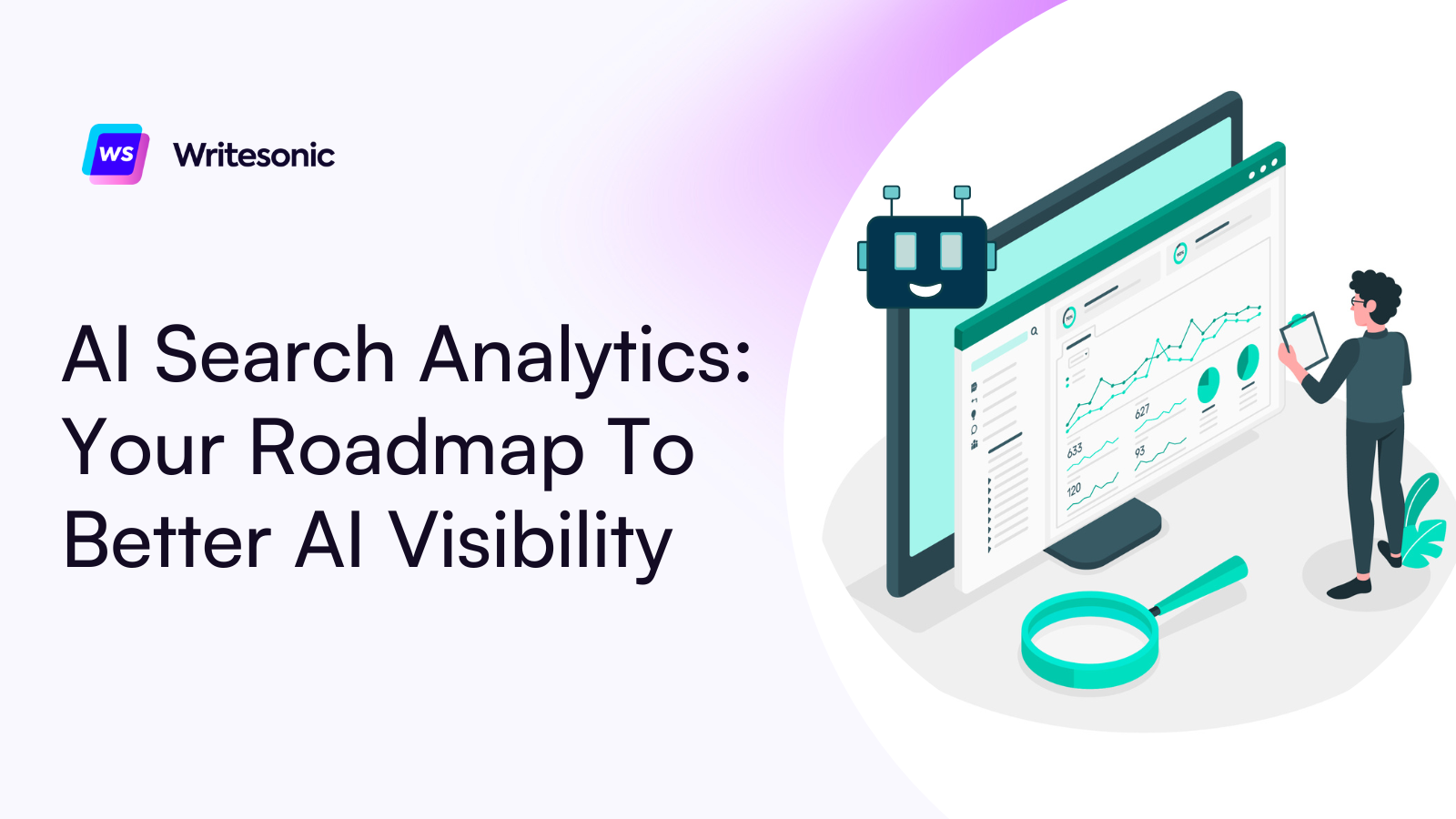
The digital marketing landscape has shifted dramatically with the rise of artificial intelligence. Traditional keyword tracking and backlink monitoring no longer provide the full picture. This is where AI SEO AI Search Analytics comes into play, offering a sophisticated approach to understanding how search engines, AI assistants, and users interact with content. This guide explores the core concepts, practical applications, and strategic advantages of integrating AI-driven analytics into your SEO workflow.
Understanding AI SEO AI Search Analytics
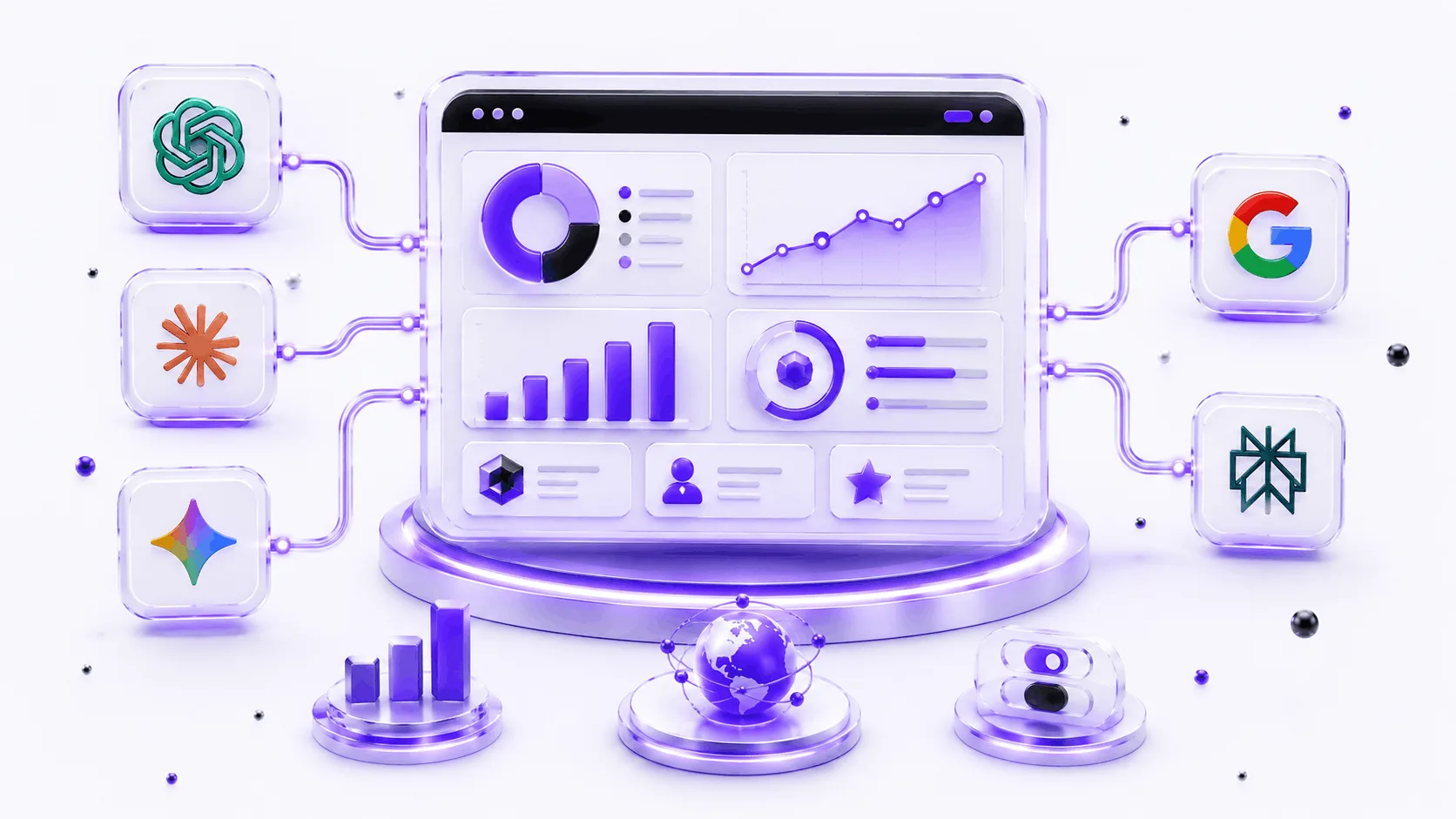
AI SEO AI Search Analytics refers to the application of machine learning algorithms and artificial intelligence to collect, process, and interpret search data. Unlike conventional analytics tools that report on past performance, AI-powered systems predict future trends, identify semantic patterns, and automate complex data interpretation tasks. These systems analyze vast datasets from search engine results pages (SERPs), user behavior metrics, and AI assistant interactions to provide actionable insights.
The core difference lies in the depth of analysis. Traditional tools show you what happened, while AI analytics explains why it happened and what will likely happen next. This predictive capability transforms SEO from a reactive discipline into a proactive strategy.
The Evolution of Search Analytics: From Manual to AI-Driven
Search analytics has progressed through distinct phases over the past two decades. Understanding this evolution helps contextualize the current AI-driven landscape.
Phase One: Manual Data Collection
In the early 2000s, SEO professionals manually checked rankings, reviewed server logs, and analyzed basic web traffic. This process was time-consuming, error-prone, and limited in scope. Data existed in silos, making it difficult to correlate ranking changes with user behavior or algorithm updates.
Phase Two: Automated Reporting Tools
The introduction of tools like Google Analytics and Search Console automated data collection. Marketers gained access to click-through rates, impressions, and average positions. However, these tools required manual interpretation. The analyst had to connect the dots between data points, a process prone to bias and oversight.
Phase Three: AI-Powered Predictive Analytics
The current phase leverages machine learning to automate interpretation and prediction. AI SEO AI Search Analytics platforms now process millions of data points in real-time, identifying correlations that human analysts might miss. These systems learn from historical data to forecast ranking fluctuations, content performance, and user intent shifts.
Core Components of AI Search Analytics Systems
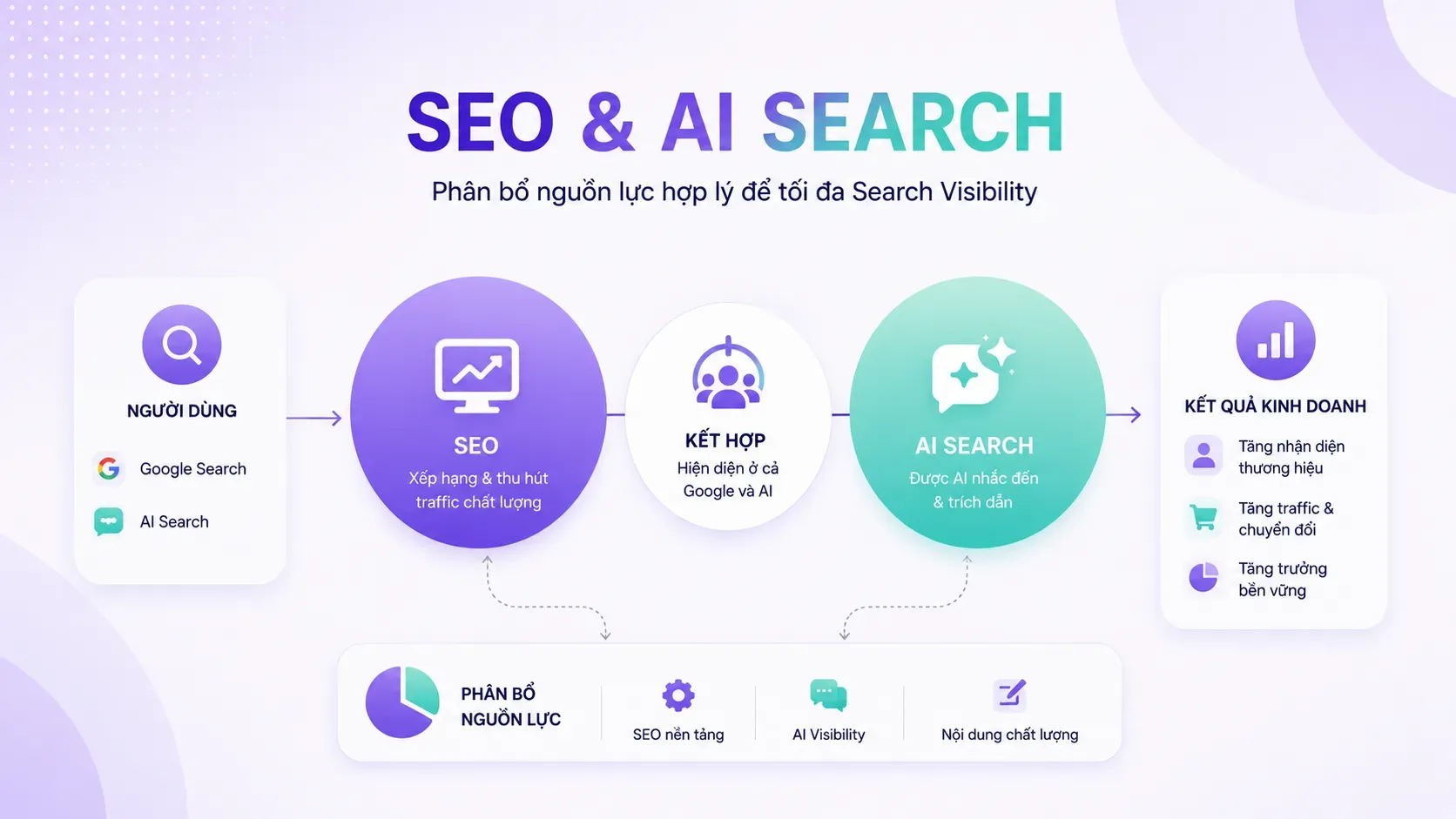
Modern AI analytics platforms consist of several integrated components that work together to deliver comprehensive insights.
Natural Language Processing (NLP) Engines
NLP allows analytics systems to understand the semantic meaning behind search queries. Instead of treating keywords as isolated strings, NLP analyzes context, synonyms, and user intent. This enables more accurate content optimization and topic clustering. For example, an NLP engine recognizes that “best running shoes” and “top footwear for jogging” share similar search intent.
Predictive Ranking Algorithms
These algorithms use historical ranking data, content features, and backlink profiles to predict future SERP positions. They simulate how Google’s algorithm might respond to content changes, helping marketers prioritize optimization efforts. Predictive models can forecast the impact of a new blog post or a page speed improvement before implementation.
Automated Anomaly Detection
AI systems continuously monitor key performance indicators and flag unusual patterns. A sudden drop in organic traffic, an unexpected spike in bounce rate, or a shift in keyword rankings triggers automated alerts. This allows SEO teams to respond quickly to algorithm updates or technical issues.
Competitor Intelligence Modules
AI analytics tools scrape and analyze competitor data at scale. They track competitor content strategies, backlink acquisition patterns, and keyword targeting. This intelligence helps identify gaps in your own strategy and uncover opportunities for differentiation.
Key Benefits of Implementing AI SEO Analytics
Integrating AI into your search analytics workflow offers several tangible advantages over traditional methods.
- Enhanced Accuracy: AI eliminates human error in data interpretation, providing more reliable insights.
- Time Efficiency: Automated analysis reduces the hours spent on manual reporting, freeing up time for strategic planning.
- Deeper Insights: Machine learning uncovers hidden patterns and correlations that manual analysis overlooks.
- Scalability: AI systems handle massive datasets effortlessly, making them suitable for enterprise-level SEO operations.
- Real-Time Monitoring: Continuous data processing enables immediate response to ranking changes or traffic fluctuations.
- Predictive Capabilities: Forecast future performance based on current trends and historical data.
- Audit Your Current Setup: Evaluate your existing analytics tools, data quality, and reporting processes. Identify gaps that AI can fill.
- Define Clear Objectives: Determine what you want to achieve, whether it is improved content performance, better keyword targeting, or faster technical issue resolution.
- Select the Right Tools: Choose AI analytics platforms that align with your goals, budget, and technical capabilities. Consider factors like ease of integration, data visualization, and customer support.
- Integrate Data Sources: Connect your analytics tools with Google Search Console, Google Analytics, CRM systems, and other data repositories to create a unified view.
- Train Your Team: Ensure your SEO team understands how to interpret AI-generated insights and how to act on them effectively.
- Start with a Pilot Project: Test the AI system on a specific segment of your website or a particular campaign before rolling it out across the entire operation.
- Monitor and Refine: Continuously evaluate the performance of your AI analytics setup and make adjustments based on results and feedback.
Practical Applications in SEO Strategy

AI SEO AI Search Analytics transforms various aspects of search engine optimization, from content creation to technical audits.
Content Optimization and Topic Clustering
AI analytics identifies semantic relationships between topics, enabling the creation of comprehensive content clusters. Instead of targeting isolated keywords, you build interconnected pages that cover a subject in depth. The system analyzes top-ranking pages for your target keywords, extracting common themes, question patterns, and content gaps. This data guides the creation of content that matches user intent more precisely.
User Intent Prediction
Understanding whether a user wants to buy, learn, or compare is crucial for conversion. AI analytics classifies search queries into intent categories based on language patterns, device type, and browsing behavior. This classification informs content format decisions, such as whether to create a product page, a blog post, or a comparison guide.
Technical SEO Audits
AI-powered crawlers simulate search engine bots and identify technical issues like broken links, duplicate content, and slow-loading pages. Unlike traditional crawlers, AI systems prioritize issues based on their potential impact on rankings. They also suggest specific fixes and predict the expected improvement from each correction.
Backlink Analysis and Acquisition
Machine learning algorithms evaluate backlink quality more accurately than manual review. They assess the relevance of linking pages, the authority of the linking domain, and the context of the link placement. AI tools also identify link-building opportunities by analyzing competitor backlink profiles and finding similar prospects.
AI Search Analytics vs. Traditional SEO Tools: A Comparison
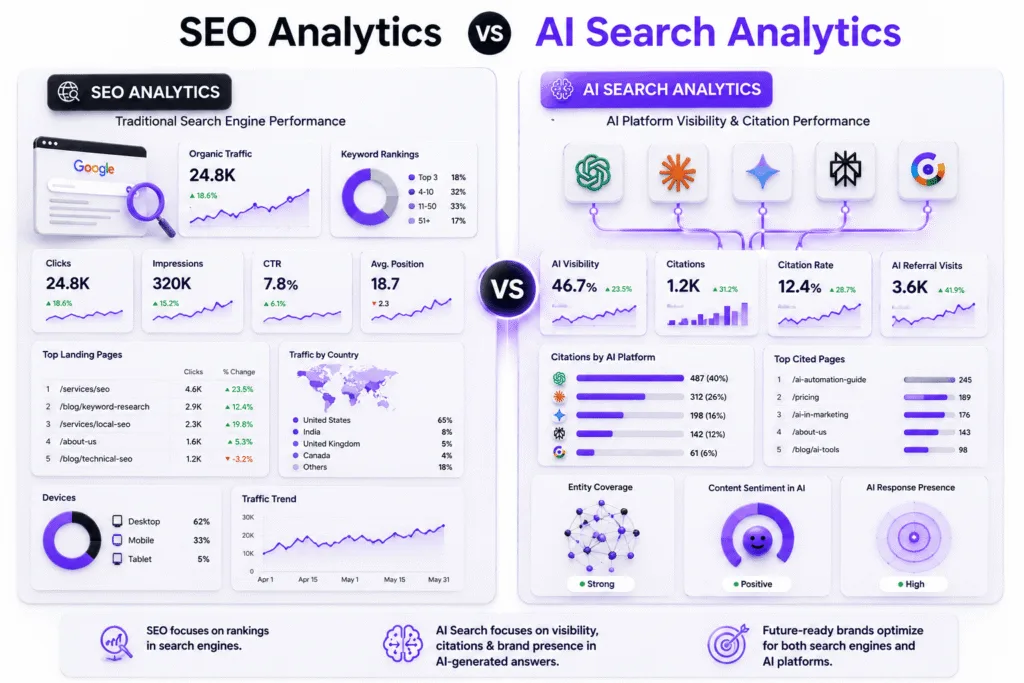
To understand the value proposition of AI-driven analytics, it helps to compare it directly with traditional approaches.
| Feature | Traditional SEO Tools | AI SEO Analytics |
|---|---|---|
| Data Processing | Manual or rule-based | Machine learning algorithms |
| Insight Generation | Requires human interpretation | Automated, context-aware insights |
| Predictive Analysis | Limited or absent | Advanced forecasting capabilities |
| Scalability | Limited by processing power | Handles massive datasets |
| Adaptability | Static rules and parameters | Learns and improves over time |
| Error Rate | Prone to human error | Minimal, consistent accuracy |
| Competitor Analysis | Manual monitoring | Automated, continuous tracking |
The table illustrates that AI analytics excels in areas where traditional tools struggle, particularly in scalability and predictive power. However, traditional tools still have a place for simple, quick checks and for teams with limited budgets.
Common Mistakes When Using AI Search Analytics
Adopting AI analytics without proper strategy can lead to suboptimal results. Awareness of common pitfalls helps you avoid them.
Over-Reliance on Automation
AI provides recommendations, but human judgment remains essential. Blindly following algorithmic suggestions without understanding the context can lead to poor decisions. For example, an AI might recommend removing a page with low traffic, but that page might be a valuable conversion path for a niche audience.
Ignoring Data Quality
AI systems are only as good as the data they process. Inaccurate tracking codes, incomplete data sets, or improperly configured analytics tools produce misleading insights. Regular audits of your data collection infrastructure are necessary to ensure accuracy.
Focusing on Vanity Metrics
AI tools can report on hundreds of metrics, but not all are meaningful. Focusing on surface-level metrics like page views or keyword rankings without connecting them to business outcomes leads to misguided strategies. Prioritize metrics that correlate with revenue, leads, or brand visibility.
Neglecting Human Oversight
AI algorithms can exhibit bias or make errors, especially when trained on incomplete data. Regular human review of AI-generated insights is critical to catch anomalies and ensure strategic alignment.
How to Implement AI SEO Analytics in Your Workflow
Successful implementation requires a structured approach. Follow these steps to integrate AI analytics effectively.
Important Notes on Data Privacy and Ethics
The use of AI in search analytics raises important considerations around data privacy and ethical practices. Ensure compliance with regulations like GDPR and CCPA when collecting and processing user data. AI systems must be transparent about how they use data, and users should have control over their information. Additionally, avoid using AI to manipulate search rankings through black-hat techniques, as this violates search engine guidelines and can result in severe penalties.
Frequently Asked Questions
What is the difference between AI SEO and traditional SEO?
Traditional SEO relies on manual analysis, static rules, and historical data. AI SEO uses machine learning to automate data processing, predict future trends, and generate actionable insights in real-time. AI systems can analyze vast datasets and identify patterns that humans might miss, making the optimization process more efficient and accurate.
How does AI search analytics improve keyword research?
AI analytics goes beyond simple keyword volume and difficulty scores. It analyzes semantic relationships, user intent, and search context to identify high-value keyword opportunities. The system can predict which keywords are likely to gain traction and suggest related topics that form a comprehensive content cluster.
Can AI predict Google algorithm updates?
AI cannot predict specific algorithm updates, but it can detect patterns that often precede ranking fluctuations. By monitoring thousands of websites and correlating changes with known algorithm factors, AI systems can alert you to potential shifts and suggest proactive adjustments to your strategy.
Is AI SEO analytics suitable for small businesses?
Yes, many AI analytics tools offer scalable pricing plans suitable for small businesses. Even basic AI-powered features like automated reporting and anomaly detection can provide significant value. Small businesses can start with a single tool and expand as their needs grow.
What skills do I need to use AI search analytics tools?
Most modern AI analytics platforms are designed with user-friendly interfaces that require minimal technical expertise. Basic knowledge of SEO principles and data interpretation is helpful. Advanced features may require familiarity with data visualization or API integration, but many tools offer guided workflows and customer support.
Conclusion
AI SEO AI Search Analytics represents a fundamental shift in how digital marketers approach search optimization. The ability to process massive datasets, predict trends, and automate complex analysis provides a significant competitive advantage. While traditional SEO skills remain relevant, the integration of AI tools enhances accuracy, efficiency, and strategic depth. Businesses that embrace this technology position themselves to adapt quickly to the evolving search landscape, including the rise of AI-powered search assistants and voice search. The key to success lies in combining the power of AI with human expertise, ensuring that data-driven insights translate into meaningful, ethical, and effective SEO strategies. Start by evaluating your current analytics setup, identify areas where AI can add value, and take the first step toward a more intelligent, data-informed approach to search optimization.
Xem thêm:
- AI SEO Search Trends: The Complete Guide to Ranking in 2025
- How AI Affects SEO: The New Era of Search Intelligence
- AI Voice Search SEO: The Ultimate Guide to Dominating Spoken Queries in 2025
- How to Get Cited by AI: The Definitive Playbook for Generative Search Visibility
- WP Trove AI Prompts: The Complete Guide to Unlocking WordPress Automation
Bài viết cùng chủ đề:

AI SEO SEO Automation with Make: The Complete Workflow Guide

AI SEO SEO Automation with Zapier: The Complete Workflow Guide

AI SEO SEO Automation with n8n: The Complete Workflow Guide
AI SEO SEO Automation with Gemini: The Complete Guide to Scaling Organic Growth

AI SEO SEO Automation with Claude: The Complete Guide to Scaling Content in 2025

AI SEO SEO Automation with ChatGPT: The Complete Playbook for 2025

AI SEO & SEO Automation for Affiliate Sites: The 2025 Playbook for Passive Income Growth
AI SEO & SEO Automation for Bloggers: The Complete Guide to Scaling Your Content

AI SEO & SEO Automation for Agencies: The Complete 2025 Playbook

AI SEO and SEO Automation for Ecommerce: The Complete Playbook for 2025

AI SEO & SEO Automation for WordPress: The Complete Playbook for 2025
AI SEO SEO Automation Strategy: The Complete Playbook for 2025

Mastering the AI SEO SEO Automation Process: A Complete Guide to Scaling Organic Growth
AI SEO SEO Automation System: The Complete Guide to Scaling Organic Growth in 2025
AI SEO SEO Automation Platform: The Complete Guide to Scaling Organic Growth in 2025
AI SEO SEO Automation Software: The Complete Guide to Scaling Organic Growth in 2025















