
No products in the cart.
AI SEO Search Trends: The Complete Guide to Ranking in 2025
10
Aug
Aug
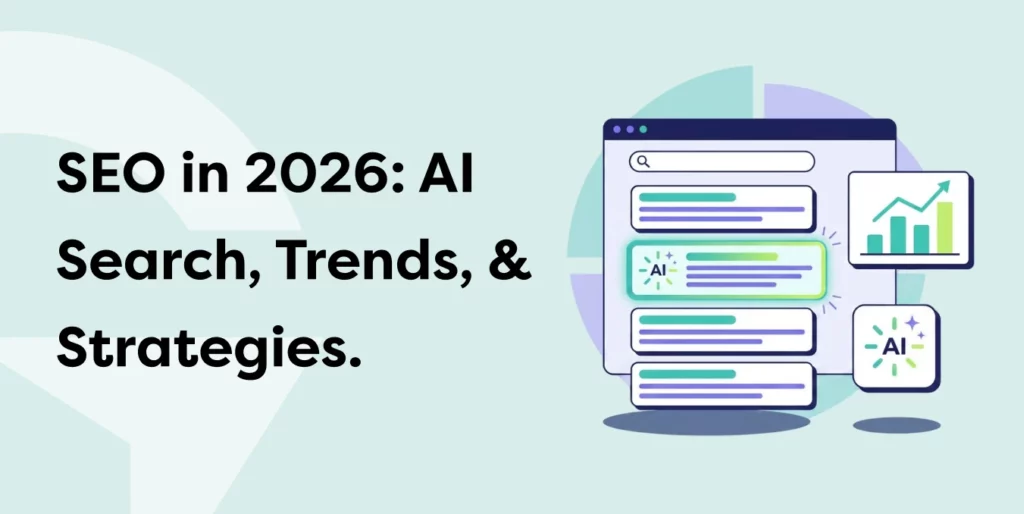
The landscape of search engine optimization is undergoing its most significant transformation since the introduction of mobile-first indexing. AI SEO search trends are no longer a futuristic concept; they are the current reality shaping how content is created, ranked, and consumed. With generative engines like ChatGPT, Perplexity, and Google’s AI Overviews changing user behavior, traditional ranking factors are being supplemented by machine learning algorithms that prioritize context, entity understanding, and conversational relevance. This guide provides a comprehensive analysis of the AI SEO search trends that matter most, offering actionable strategies for brands and marketers to maintain visibility in an increasingly automated digital ecosystem.
Understanding the Shift: What Are AI SEO Search Trends?
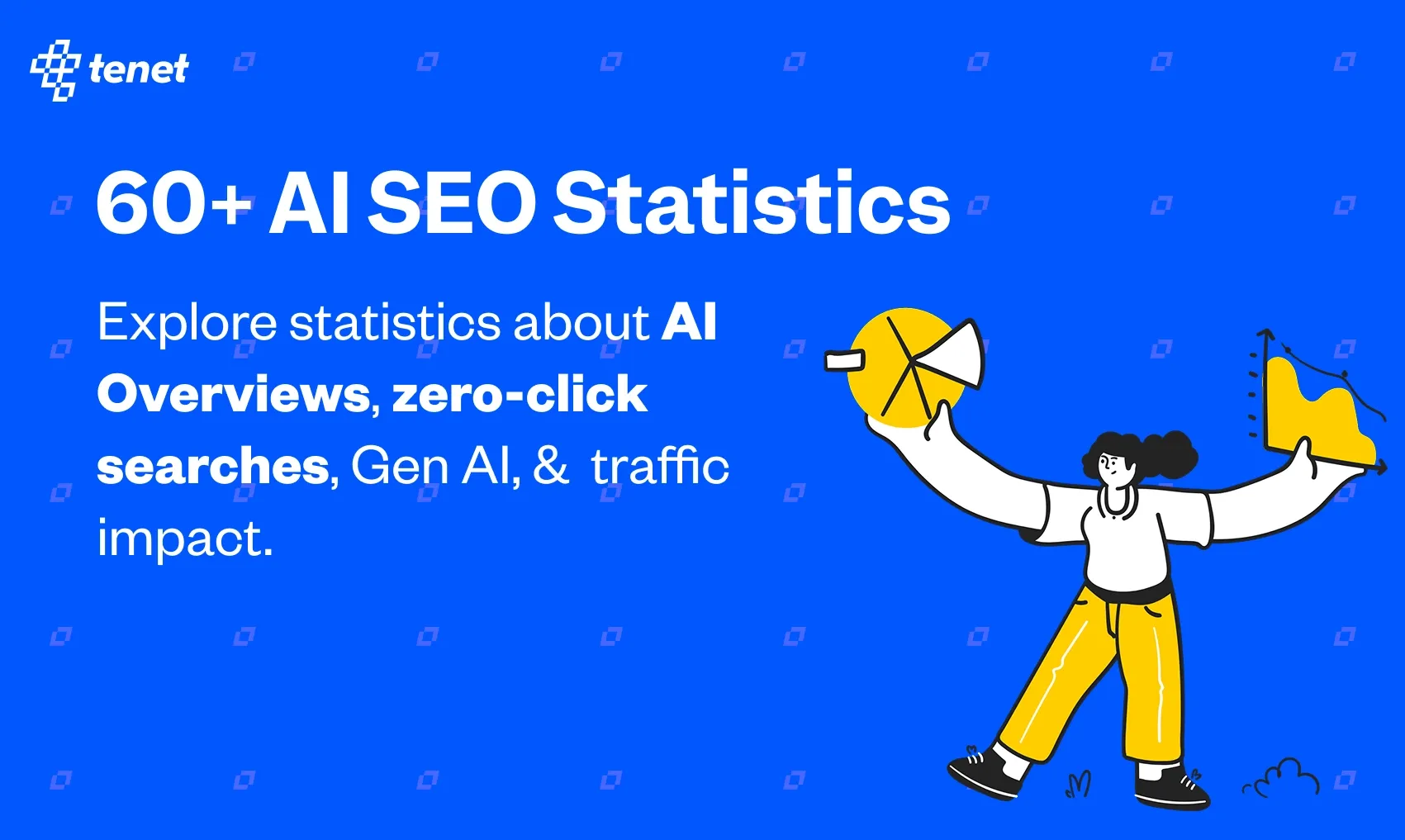
AI SEO search trends refer to the evolving patterns and methodologies in search engine optimization driven by artificial intelligence technologies. These trends encompass how search engines use machine learning to interpret queries, how users interact with AI-generated results, and how content creators must adapt their strategies to satisfy both traditional crawlers and generative models. The core of this shift lies in the transition from keyword-matching to semantic understanding, where search engines aim to comprehend the intent behind a query rather than just the literal words used.
This evolution is powered by several key technologies, including natural language processing (NLP), transformer-based models like BERT and MUM, and retrieval-augmented generation (RAG) systems. These technologies enable search engines to analyze the relationships between concepts, understand context across multiple languages, and generate comprehensive answers that synthesize information from various sources. For SEO professionals, this means moving away from optimizing for individual keywords and toward creating topical authority that AI systems can recognize and trust.
The Rise of AI Overviews and Zero-Click Searches
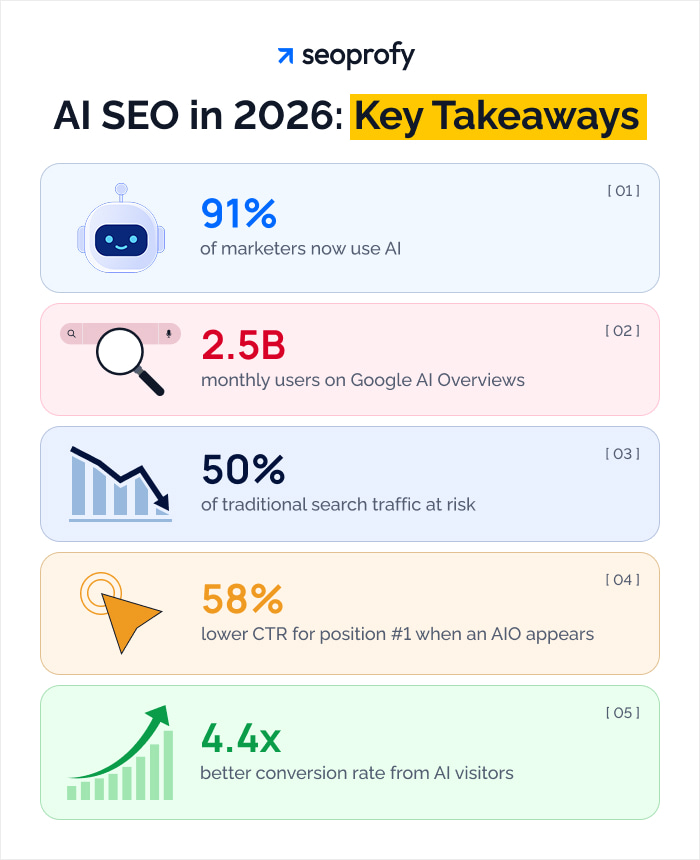
One of the most impactful AI SEO search trends is the proliferation of AI-generated summaries directly on search engine results pages (SERPs). Google’s AI Overviews, which launched broadly in 2024, provide users with synthesized answers to complex queries without requiring them to click through to a website. Similarly, Bing’s AI-powered chat and Perplexity’s answer engine have created a new search paradigm where the SERP itself becomes the destination.
This shift has profound implications for organic traffic. Studies indicate that AI Overviews appear for a significant percentage of informational queries, particularly those with clear, factual answers. For publishers, this means that ranking in the top ten organic results may no longer guarantee significant click-through rates. Instead, the goal becomes being cited as a source within the AI-generated answer. This requires content that is not only authoritative but also structured in a way that AI systems can easily parse and extract information from.
Optimizing for AI Citation and Source Attribution
To appear in AI Overviews, content must demonstrate clear expertise and provide direct, concise answers to common questions. AI systems typically pull information from pages that have strong domain authority, clear heading structures, and well-organized data. Including statistics, tables, and bullet points can increase the likelihood of being referenced. Additionally, maintaining a consistent publishing schedule and building a robust backlink profile remain critical, as AI models often prioritize sources that are widely cited across the web.
Entity-Based SEO: Moving Beyond Keywords
Another cornerstone of AI SEO search trends is the emphasis on entities rather than strings. An entity is a distinct concept, person, place, or thing that has a unique identity and relationships with other entities. Search engines use knowledge graphs to map these relationships, allowing them to understand the context of a query better. For example, when a user searches for “Apple,” the search engine must determine whether they mean the fruit, the technology company, or the record label.
Optimizing for entities involves building topical authority through comprehensive content clusters. Instead of creating isolated blog posts targeting individual keywords, websites should develop interconnected hubs of content that cover a subject from multiple angles. This approach helps search engines recognize the website as an authoritative source on that particular entity. Implementing structured data markup, such as schema.org vocabulary, is also essential for helping AI systems understand the relationships between different pieces of content on a page.
The Impact of Generative Engine Optimization (GEO)
Generative Engine Optimization, or GEO, has emerged as a distinct discipline within the broader field of AI SEO search trends. While traditional SEO focuses on ranking in organic listings, GEO focuses on being the preferred source for AI chatbots and answer engines. This involves optimizing content to be easily quotable, statistically rich, and contextually relevant to the prompts that users are likely to input into these systems.
The key difference lies in the user interface. When a user interacts with a generative engine, they are having a conversation. The AI synthesizes information from multiple sources to provide a coherent answer. To be part of that synthesis, your content must be the most logical and reliable source for the specific information the AI needs. This often means creating content that directly addresses the “who, what, when, where, and why” of a topic in a clear, structured format.
Key Differences Between Traditional SEO and GEO
| Aspect | Traditional SEO | Generative Engine Optimization (GEO) |
|---|---|---|
| Primary Goal | Rank in organic search results | Be cited by AI chatbots and answer engines |
| Content Format | Optimized for crawlers and snippets | Optimized for conversational context and synthesis |
| User Interaction | Click-through to website | Answer provided directly in the chat interface |
| Key Metrics | Impressions, CTR, bounce rate | Citation frequency, brand mentions in AI responses |
| Optimization Focus | Keywords, backlinks, technical health | Entity clarity, data richness, quote-worthy statements |
Content Quality and E-E-A-T in the Age of AI
As AI-generated content becomes more prevalent, search engines are placing greater emphasis on Experience, Expertise, Authoritativeness, and Trustworthiness (E-E-A-T). This is one of the most critical AI SEO search trends because it serves as a counterbalance to the potential proliferation of low-quality, AI-generated spam. Google’s algorithms are increasingly sophisticated at detecting content that lacks genuine human insight or first-hand experience.
To satisfy E-E-A-T requirements, content creators must demonstrate real-world knowledge. This can be achieved through original research, case studies, expert interviews, and personal anecdotes that AI models cannot fabricate. Including author bios with credentials, citing reputable sources, and maintaining a transparent editorial policy are all essential signals. The goal is to create content that provides value beyond what a language model can generate on its own.
Technical SEO for AI Crawlers
While much of the focus on AI SEO search trends is on content strategy, technical optimization remains a foundational requirement. AI crawlers, such as GPTBot and Google’s extended crawlers, need to access and interpret your website efficiently. This involves ensuring that your site has a clear information architecture, fast loading speeds, and no indexing barriers that prevent AI systems from reading your content.
Structured data is particularly important in this context. By implementing schema markup for articles, FAQs, products, and organizations, you provide explicit signals to AI systems about the meaning and purpose of your content. Additionally, maintaining a clean XML sitemap and using robots.txt to allow AI crawler access are crucial steps. As these crawlers become more sophisticated, they are also beginning to render JavaScript, but server-side rendering or static HTML generation remains the safest approach for ensuring content accessibility.
Voice Search and Conversational Queries
The proliferation of voice assistants and smart speakers has contributed to the rise of conversational queries, which is a significant component of AI SEO search trends. Users speak differently than they type, often using longer, more natural language phrases. For example, a typed query might be “best Italian restaurant NYC,” while a voice query might be “What is the best Italian restaurant in New York City that is open now?”
Optimizing for voice search requires a focus on long-tail keywords and question-based content. Creating dedicated FAQ sections that directly answer common questions is an effective strategy. Additionally, ensuring that your business information is accurate and consistent across local directories is vital, as many voice searches are local in nature. The integration of AI into voice assistants means that these systems are getting better at understanding context, making natural language content more important than ever.
Data-Driven Content Creation and Predictive Analytics
AI is not only changing how search engines rank content but also how content is created. Predictive analytics tools can now analyze search volume trends, user behavior, and competitor strategies to identify emerging topics before they peak. This is one of the most actionable AI SEO search trends for marketers, as it allows for proactive content creation rather than reactive optimization.
These tools can suggest related entities, estimate the potential traffic for a given topic, and even recommend content structures that are likely to perform well. By leveraging these insights, content teams can allocate resources more effectively and create pieces that have a higher probability of ranking. However, it is important to remember that AI tools are aids, not replacements for human creativity and strategic thinking. The best content combines data-driven topic selection with unique human perspectives and storytelling.
Benefits and Limitations of AI-Driven SEO
Adopting AI SEO search trends offers numerous benefits, but it also presents significant challenges. Understanding both sides is essential for developing a balanced strategy.
Benefits of AI-Driven SEO
- Enhanced User Intent Understanding: AI algorithms can interpret complex queries and deliver more relevant results, improving user satisfaction.
- Scalable Content Optimization: AI tools can analyze thousands of pages and provide recommendations for improvement at scale.
- Improved Efficiency: Automating repetitive tasks like keyword research and technical audits frees up time for strategic planning.
- Better Content Personalization: AI can help tailor content to specific user segments based on their search history and behavior.
- Increased Competition for Visibility: With AI Overviews, the number of clicks to websites may decrease, making it harder to drive traffic.
- Risk of Content Homogenization: If everyone uses the same AI tools to generate content, the web could become saturated with similar, generic articles.
- Dependency on Data Quality: AI models are only as good as the data they are trained on. Inaccurate or biased data can lead to poor recommendations.
- Constant Algorithm Updates: The rapid pace of change in AI technology means that SEO strategies can become obsolete quickly.
Limitations and Challenges
Practical Guide: How to Implement AI SEO Search Trends
Implementing these trends requires a systematic approach.
Step 1: Audit Your Current Content for AI Readability
Start by reviewing your top-performing pages. Are they structured with clear headings? Do they provide direct answers to questions? Use tools like Google’s Natural Language API to analyze the entity recognition and sentiment of your content. Ensure that your key entities are clearly defined and that your content is free of ambiguous language that could confuse AI models.
Step 2: Build Topical Authority Clusters
Identify the core topics relevant to your business and create comprehensive content clusters. Each cluster should have a pillar page that provides a broad overview and multiple supporting pages that dive into specific subtopics. Interlink these pages using descriptive anchor text. This structure helps search engines understand your website’s expertise on a given subject.
Step 3: Optimize for Featured Snippets and AI Overviews
Target question-based queries by creating concise, well-structured answers. Use bullet points, numbered lists, and tables to present information in a scannable format. Place the most important information near the top of the page, as AI systems often extract the first relevant paragraph they encounter. Aim to answer the question in approximately 40-60 words to increase the chances of being featured.
Step 4: Leverage Structured Data
Implement schema markup on your website to provide explicit context to search engines. Use the Article schema for blog posts, Product schema for e-commerce pages, and FAQ schema for question-and-answer sections. This markup helps AI systems understand the relationships between different elements on your page, increasing the likelihood of rich results.
Step 5: Monitor Your Brand Presence in AI Responses
Regularly test how AI chatbots and search engines respond to queries related to your brand and industry. Use tools like ChatGPT, Perplexity, and Google’s AI Overviews to see if your content is being cited. If you are not appearing, analyze the sources that are being used and identify gaps in your content strategy. This continuous monitoring is essential for staying ahead of AI SEO search trends.
Common Mistakes and How to Avoid Them
As with any evolving field, there are common pitfalls that marketers encounter when adapting to AI SEO search trends. Being aware of these can save significant time and resources.
Mistake 1: Relying Solely on AI-Generated Content
Publishing large volumes of AI-generated content without human review is a high-risk strategy. Search engines are becoming adept at detecting content that lacks depth, originality, and real-world experience. This can lead to manual penalties and a loss of trust. Instead, use AI as a drafting tool and invest in human editors to add unique insights, data, and personal perspectives.
Mistake 2: Ignoring User Engagement Metrics
While AI systems are the gatekeepers of search results, user behavior still matters. Metrics like dwell time, bounce rate, and return visits are signals that help search engines determine content quality. If users are not engaging with your content, AI algorithms will likely devalue it. Focus on creating genuinely useful content that encourages users to stay on your page and explore further.
Mistake 3: Neglecting Technical Accessibility for AI Crawlers
Some websites inadvertently block AI crawlers through overly restrictive robots.txt files. While it is important to manage crawl budget, blocking GPTBot or Google-Extended can prevent your content from being included in AI training data and answer engines. Review your robots.txt file to ensure that you are not excluding these crawlers unless you have a specific reason to do so.
Mistake 4: Chasing Every Algorithm Update
The rapid evolution of AI technology can lead to panic and reactive changes. It is important to remember that the core principles of good SEO—creating high-quality content, building authoritative links, and providing a great user experience—remain constant. Instead of chasing every trend, focus on building a solid foundation that is resilient to algorithm changes.
Important Notes for Long-Term Success
Navigating AI SEO search trends requires a long-term perspective. The technology will continue to evolve, and strategies that work today may need adjustment tomorrow. However, certain principles will remain relevant. Focus on building a brand that is recognized as an authority in your niche. Cultivate relationships with other websites for natural link building. Prioritize user experience above all else, as this is the ultimate goal of search engines.
Diversification is also key. Do not rely solely on organic search traffic. Build a presence across multiple channels, including social media, email marketing, and video platforms. This reduces your dependency on any single algorithm and creates a more resilient marketing strategy. Finally, invest in continuous learning. The field of AI is advancing rapidly, and staying informed about the latest developments is essential for maintaining a competitive edge.
Frequently Asked Questions (FAQ)
What is the difference between traditional SEO and AI SEO?
Traditional SEO focuses on optimizing content for search engine crawlers to rank in organic listings. AI SEO, or Generative Engine Optimization, focuses on optimizing content to be understood and cited by AI models that generate direct answers. While traditional SEO aims for clicks, AI SEO aims for citations and brand visibility within AI-generated responses.
Will AI replace the need for SEO professionals?
A AI tools can automate data analysis, keyword research, and content generation, but human expertise is still needed for strategy, creative direction, and ensuring content quality and authenticity. The role of an SEO professional is evolving from a technician to a strategic advisor who understands both AI capabilities and human psychology.
How can I check if my content is being used in AI Overviews?
You can manually test queries related to your industry in Google Search and observe if AI Overviews appear and whether your site is cited. Additionally, tools like Semrush and Ahrefs are developing features to track visibility in AI search results. Monitoring your brand mentions in ChatGPT and Perplexity responses is also a useful practice.
Is it necessary to block AI crawlers from my website?
In most cases, it is not necessary and may be counterproductive. Allowing AI crawlers like GPTBot to access your content can increase your visibility in AI-powered search engines. However, if you have concerns about content licensing or copyright, you can choose to block these crawlers. This decision should be made based on your specific business goals and content strategy.
What are the most important metrics to track for AI SEO?
Beyond traditional metrics like organic traffic and keyword rankings, you should track your brand’s presence in AI-generated answers. This includes the frequency of citations, the sentiment of mentions, and the share of voice compared to competitors. Tracking zero-click search impressions is also important, as this indicates that your content is being used to answer queries directly on the SERP.
Conclusion
The integration of artificial intelligence into search is not a passing trend but a fundamental shift in how information is discovered and consumed. AI SEO search trends demand a move away from rigid keyword targeting and toward a holistic approach that prioritizes semantic relevance, entity clarity, and genuine user value. By understanding the mechanics of AI Overviews, embracing Generative Engine Optimization, and building a robust technical foundation, brands can navigate this new landscape successfully. The future of search is conversational, contextual, and deeply personalized. Adapting to these AI SEO search trends now will ensure that your content remains visible and valuable in the years to come. The key is to view AI not as a threat but as a powerful tool that, when combined with human creativity and strategic insight, can unlock unprecedented opportunities for growth and connection.
Xem thêm:
- AI SEO Keyword Categorization: The Complete Guide to Smarter Search Strategy
- AI SEO Semantic Search Optimization: The Complete Guide to Ranking in the Age of Machine Learning
- Advanced AI SEO: The Complete Guide to Dominating Search in 2025
- AI Content Optimization: The Complete Guide to Boosting Rankings with Smart Automation
- AI SEO Articles: How to Rank With Intelligent Content Creation
Bài viết cùng chủ đề:

AI SEO SEO Automation with Make: The Complete Workflow Guide

AI SEO SEO Automation with Zapier: The Complete Workflow Guide

AI SEO SEO Automation with n8n: The Complete Workflow Guide
AI SEO SEO Automation with Gemini: The Complete Guide to Scaling Organic Growth

AI SEO SEO Automation with Claude: The Complete Guide to Scaling Content in 2025

AI SEO SEO Automation with ChatGPT: The Complete Playbook for 2025

AI SEO & SEO Automation for Affiliate Sites: The 2025 Playbook for Passive Income Growth
AI SEO & SEO Automation for Bloggers: The Complete Guide to Scaling Your Content

AI SEO & SEO Automation for Agencies: The Complete 2025 Playbook

AI SEO and SEO Automation for Ecommerce: The Complete Playbook for 2025

AI SEO & SEO Automation for WordPress: The Complete Playbook for 2025
AI SEO SEO Automation Strategy: The Complete Playbook for 2025

Mastering the AI SEO SEO Automation Process: A Complete Guide to Scaling Organic Growth
AI SEO SEO Automation System: The Complete Guide to Scaling Organic Growth in 2025
AI SEO SEO Automation Platform: The Complete Guide to Scaling Organic Growth in 2025
AI SEO SEO Automation Software: The Complete Guide to Scaling Organic Growth in 2025















