
No products in the cart.
AI SEO AI Search Authority: The Complete Guide to Dominating Generative Search
10
Aug
Aug
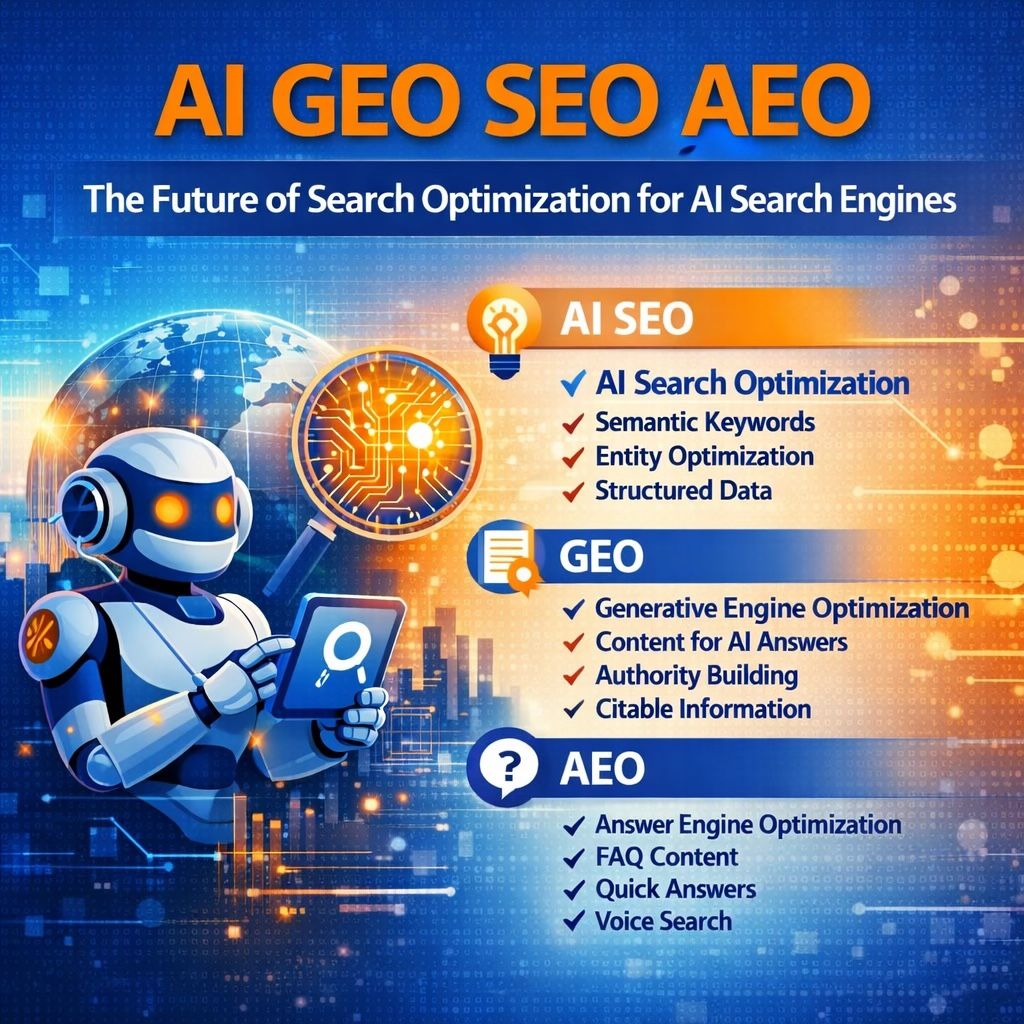
The digital marketing landscape has shifted dramatically with the rise of generative engine optimization. Understanding how to build AI SEO AI Search Authority is no longer optional for brands that want visibility in ChatGPT, Perplexity, Google AI Overviews, and other answer engines. This comprehensive guide breaks down the exact strategies, technical foundations, and content frameworks needed to establish your domain as a trusted source in the age of artificial intelligence.
What Is AI Search Authority and Why Does It Matter?
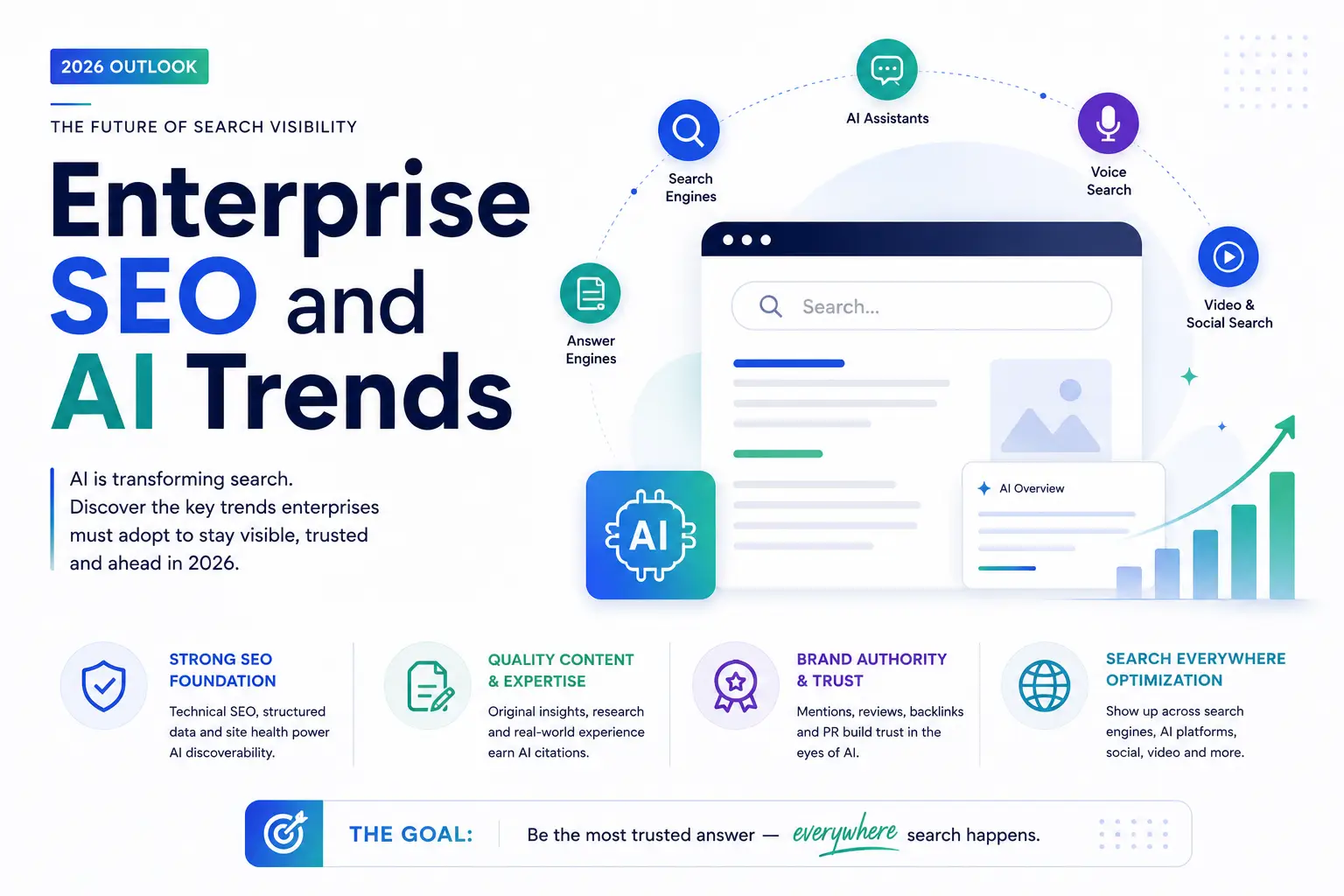
AI Search Authority refers to the measure of trust, credibility, and relevance that machine learning models assign to your content when generating answers for user queries. Unlike traditional SEO that relies on backlinks and domain age, AI authority is built through structured data, semantic clarity, and verified information that models can confidently cite.
When a user asks ChatGPT a question, the model doesn’t browse the live web in real-time. Instead, it draws from its training data and, in some cases, retrieves information from indexed web pages. The more your content appears in these retrieval processes, the higher your AI Search Authority becomes. This translates directly into brand visibility, referral traffic, and market share in zero-click search environments.
The Shift from PageRank to EntityRank
Traditional Google algorithms relied heavily on PageRank, which measured the quantity and quality of inbound links. AI models operate differently. They use entity-based ranking, which evaluates how well your content establishes topical expertise, factual accuracy, and semantic relationships between concepts.
For example, a medical website with 50 high-quality backlinks might rank well in traditional search. However, an AI model might prefer a smaller site that consistently publishes peer-reviewed citations, uses clear schema markup, and maintains a strict editorial process. This shift means that content quality and factual verification now outweigh link popularity.
How AI Models Evaluate Content Authority
To optimize for AI SEO AI Search Authority, you must understand the evaluation criteria used by large language models. These systems assess content through several distinct lenses that differ from conventional search engine crawlers.
Source Reliability and Provenance
AI models prioritize information from domains with established reputations. Government sites (.gov), educational institutions (.edu), and major publications (.org,.com) typically receive higher trust scores. However, niche industry authorities can also achieve high provenance by consistently publishing accurate, well-sourced content over time.
The key is demonstrating that your information originates from verifiable, primary sources. When your content cites original research, official statistics, or expert interviews, AI models are more likely to treat it as authoritative.
Semantic Depth and Contextual Relevance
AI systems analyze the semantic relationships between words, concepts, and entities within your content. Shallow articles that merely list keywords without exploring context are quickly dismissed. In contrast, content that thoroughly explains a topic from multiple angles, addresses related subtopics, and connects to broader industry knowledge signals deep expertise.
This means your content should not just answer the immediate query but also anticipate follow-up questions. A comprehensive guide that covers definitions, processes, examples, and common pitfalls provides the semantic richness that AI models reward.
Consistency and Freshness Signals
AI models track how frequently a domain updates its content and whether existing pages are revised to reflect new information. Stale content that hasn’t been updated in years is considered less reliable than actively maintained resources. Regular publishing schedules and content refresh cycles signal that your organization is engaged with current industry developments.
Core Strategies to Build AI SEO AI Search Authority
Building authority in AI search requires a multi-faceted approach that combines technical optimization, content excellence, and digital PR. The following strategies form the foundation of any successful generative engine optimization program.
1. Implement Structured Data and Schema Markup
Schema markup is the most direct way to communicate with AI models. By adding structured data to your HTML, you help machines understand the context, relationships, and entities within your content. Key schema types for AI authority include:
- Article schema – Defines the headline, author, date published, and main entity of your content
- FAQ schema – Marks up question-and-answer pairs that AI models frequently extract for featured snippets
- Organization schema – Establishes your brand’s identity, logo, and contact information
- Person schema – Attributes content to specific authors, building individual expertise signals
- HowTo schema – Structures step-by-step instructions that AI models use for procedural queries
- Using question-based headings that mirror how users speak
- Providing direct answers in the first paragraph of each section
- Including conversational phrases and synonyms that match spoken language
- Addressing the “why” and “how” behind each topic, not just the “what”
- Create detailed author bios with credentials, certifications, and professional experience
- Use author schema to connect content to specific individuals
- Include personal experiences and case studies that demonstrate first-hand knowledge
- Publish contact information and an about page that explains your editorial process
- Link to external authoritative sources to show you understand the broader landscape
- Start with a clear, direct answer in the first 50-100 words
- Use H2 and H3 headings that mirror natural language questions
- Include bullet points and numbered lists for scannability
- Add tables for comparative data
- Conclude with a summary that reinforces key takeaways
When implementing schema, ensure that the markup matches the visible content on the page. Mismatched or deceptive structured data can result in penalties and reduced trust from AI systems.
2. Create Entity-Rich Content Hubs
AI models think in entities, which are distinct concepts, people, places, or things. Your content strategy should revolve around building comprehensive entity hubs that cover every aspect of your core topics. For instance, if you operate in the financial sector, your hub might include entities like “compound interest,” “credit scores,” “mortgage rates,” and “retirement planning.”
Each entity should have a dedicated pillar page that links to supporting cluster content. This internal linking structure helps AI models understand the relationships between your pages and establishes your domain as a comprehensive resource for that entity.
3. Prioritize Original Research and Data
Nothing builds AI Search Authority faster than proprietary data. When you publish original surveys, industry reports, or experimental findings, you become a primary source that AI models must cite. This is because answer engines prioritize factual information that cannot be found elsewhere.
Consider conducting annual industry surveys, analyzing your internal customer data, or commissioning third-party research. Even small-scale studies with 100 respondents can provide unique data points that differentiate your content from competitors who simply aggregate existing information.
4. Optimize for Natural Language Queries
AI search queries are conversational and long-tail. Users ask complete questions rather than typing fragmented keywords. Your content must be structured to answer these natural language patterns directly. This involves:
5. Build Digital PR and Citation Networks
While backlinks matter less for AI models than for traditional search, citations still play a role. When reputable sources link to your content, it signals to AI systems that your information is valuable. Focus on earning mentions from industry publications, academic journals, and government resources.
Digital PR campaigns that generate news coverage, expert quotes, and data citations create a citation network that reinforces your authority. The key is quality over quantity – a single mention from a top-tier industry publication carries more weight than dozens of low-quality directory links.
Technical Foundations for AI Search Visibility
Beyond content strategy, your website’s technical infrastructure directly impacts how AI models crawl, index, and understand your pages. These technical elements form the backbone of your AI SEO AI Search Authority efforts.
Site Architecture and Crawlability
AI models use crawlers that may behave differently from Googlebot. Ensure your site has a clear hierarchy with no orphan pages. Use XML sitemaps that are regularly updated and submitted to major search engines. Your robots.txt file should not block any content that you want AI models to access.
Page speed also matters. AI crawlers have time budgets, and slow-loading pages may be skipped entirely. Optimize images, leverage browser caching, and use content delivery networks to ensure rapid response times.
Content Freshness Protocols
Establish a systematic approach to content updates. Review your cornerstone pages quarterly and update statistics, examples, and references. Add a “Last Updated” date to every article, as this transparency signal helps AI models assess freshness. When significant industry changes occur, publish new content promptly and link it to your existing entity hubs.
Author Authority and E-E-A-T Signals
Google’s E-E-A-T framework (Experience, Expertise, Authoritativeness, Trustworthiness) has been adopted by AI models as a quality benchmark. To strengthen these signals:
Measuring Your AI Search Authority
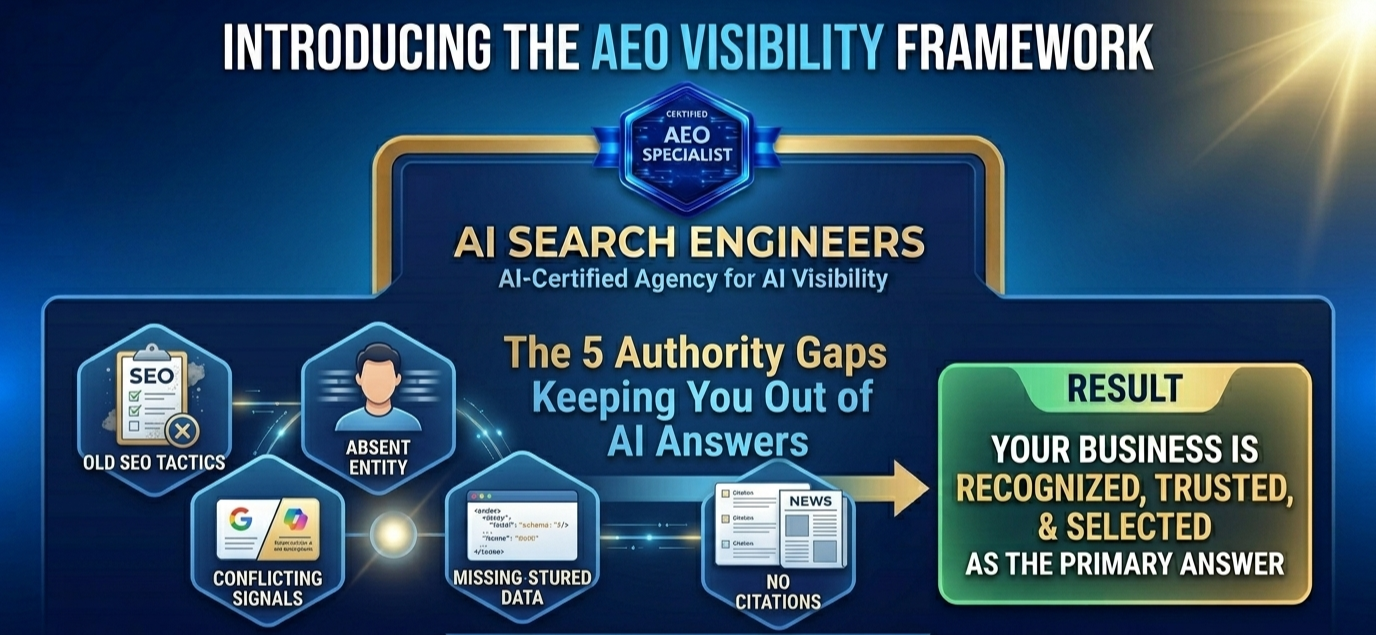
Tracking your progress in AI search requires different metrics than traditional SEO. While Google Analytics still provides valuable data, you need additional tools to understand how AI models perceive your content.
Key Performance Indicators
| Metric | Traditional SEO | AI Search Authority |
|---|---|---|
| Primary Measure | Keyword rankings | Brand mentions in AI responses |
| Traffic Source | Organic clicks | Referral traffic from AI platforms |
| Content Evaluation | Bounce rate and time on page | Citation frequency in model outputs |
| Link Value | Domain authority scores | Source trust and provenance |
| Update Cycle | Weekly ranking checks | Monthly AI response audits |
To measure your AI visibility, regularly test your target queries across ChatGPT, Perplexity, Google’s AI Overviews, and Bing Chat. Document whether your brand appears, whether you are cited as a source, and the sentiment of the response. Over time, these audits reveal trends in your AI Search Authority.
Tools for Monitoring AI Mentions
Several platforms now offer AI search monitoring capabilities. Brand monitoring tools like Mention and Brand24 have added AI response tracking features. Additionally, you can use programmatic queries through API access to test hundreds of variations of your target keywords and analyze where your content appears.
Common Mistakes That Undermine AI Search Authority
Many organizations inadvertently sabotage their AI visibility through well-intentioned but misguided practices. Recognizing these pitfalls is essential for building sustainable authority.
Keyword Stuffing and Thin Content
AI models are sophisticated enough to detect keyword stuffing and low-value content. Pages that repeat the same phrase excessively or provide minimal information are quickly filtered out. Instead of focusing on keyword density, prioritize comprehensive coverage that naturally incorporates related terms and concepts.
Ignoring User Intent Variations
AI search users often have different intents than traditional searchers. They may ask for comparisons, step-by-step guides, or pros-and-cons analyses rather than simple definitions. Content that only addresses one intent type will miss the majority of AI-driven queries. Create content that covers informational, navigational, and transactional intents within each topic cluster.
Neglecting Content Updates
Publishing content once and never revisiting it is a common mistake. AI models favor fresh information, especially for topics that evolve rapidly. Industries like technology, healthcare, and finance require constant updates to maintain authority. Set a content refresh calendar and stick to it religiously.
Overlooking Entity Relationships
Content that exists in isolation without connecting to related entities fails to build semantic authority. Every article should link to other relevant pages on your site and reference external authoritative sources. This creates a knowledge graph that AI models can navigate and trust.
Practical Implementation Guide for AI SEO AI Search Authority
Implementing an AI authority strategy requires a systematic approach. Follow this step-by-step framework to transform your content operations.
Step 1: Audit Your Current AI Visibility
Begin by testing 20-30 of your primary keywords across major AI platforms. Document where you appear, where competitors appear, and what content formats generate the most citations. This baseline audit reveals gaps and opportunities.
Step 2: Map Your Entity Landscape
Create a spreadsheet of all entities relevant to your industry. For each entity, identify the questions users ask, the subtopics that connect to it, and the content you currently have. This mapping exercise forms the blueprint for your content expansion.
Step 3: Prioritize High-Impact Content Gaps
Focus your resources on entities where you have zero or weak coverage but where AI models frequently cite competitors. Use tools like AnswerThePublic and AlsoAsked to identify question variations that you have not addressed.
Step 4: Rewrite and Structure for AI Consumption
When creating new content or updating existing pages, follow these structural guidelines:
Step 5: Build Your Digital PR Pipeline
Allocate at least 20% of your content marketing budget to digital PR. Pitch your original data to journalists, offer expert commentary to industry publications, and participate in relevant podcasts and webinars. Each external mention reinforces your authority signals.
Step 6: Monitor and Iterate Monthly
AI search algorithms evolve rapidly. Conduct monthly audits of your AI mentions, analyze which content types perform best, and adjust your strategy accordingly. Stay informed about updates to major AI models and adjust your content to align with new evaluation criteria.
Important Notes on AI Search Ethics and Compliance
Building AI Search Authority must be done ethically. Attempting to manipulate AI models through deceptive practices can backfire severely. AI systems are increasingly capable of detecting content farms, fabricated statistics, and artificially generated text.
Always disclose AI-generated content on your site. Google’s guidelines require clear labeling of AI-produced material, and AI models themselves may discount content that appears machine-generated without human oversight. Maintain editorial standards that include human review, fact-checking, and author attribution.
Additionally, respect copyright and intellectual property laws. When citing external sources, provide proper attribution and link back to the original publication. AI models track provenance, and content that plagiarizes or misattributes sources will lose authority quickly.
Frequently Asked Questions
How long does it take to build AI Search Authority?
Building meaningful AI Search Authority typically takes 6-12 months of consistent effort. AI models update their training data periodically, and your content needs to be indexed, evaluated, and cited multiple times before authority accumulates. Organizations that publish high-quality original research and maintain strict editorial standards often see results faster than those relying solely on rewritten existing content.
Does traditional SEO help with AI search rankings?
Yes, traditional SEO provides a foundation for AI search visibility. Technical optimization, site speed, and structured data benefit both traditional and AI search. However, AI search places greater emphasis on content depth, factual accuracy, and entity relationships. You cannot rely solely on traditional SEO tactics like backlink building to achieve AI authority.
What is the difference between AI search and traditional search?
Traditional search returns a list of links that users must click and evaluate. AI search provides synthesized answers that directly address the user’s query, often citing multiple sources. Traditional search relies on keyword matching and link analysis, while AI search uses natural language processing and semantic understanding to generate responses.
Can small businesses compete in AI search?
Small businesses can absolutely build AI Search Authority by focusing on niche expertise and original data. While large corporations have more resources, AI models value accuracy and depth over brand size. A small business that publishes unique industry insights, maintains a consistent publishing schedule, and earns citations from respected sources can achieve high authority in its specific niche.
How often should I update content for AI search?
Core pillar pages should be reviewed and updated at least quarterly. Supporting blog posts can be updated every 6-12 months unless the topic is rapidly evolving. For industries like technology, finance, or healthcare, monthly reviews are recommended. The key is ensuring that all statistics, examples, and references remain current and accurate.
What role do backlinks play in AI Search Authority?
Backlinks still matter, but their role has changed. AI models use links as one of many trust signals rather than the primary ranking factor. A few high-quality links from authoritative sources carry more weight than hundreds of low-quality links. Focus on earning links from industry publications, educational institutions, and government resources.
Conclusion
AI SEO AI Search Authority represents the next evolution of search optimization. As users increasingly turn to AI assistants for answers, brands must adapt their strategies to remain visible and credible. The shift from keyword-based ranking to entity-based, semantic evaluation requires a comprehensive approach that combines technical excellence, original research, and consistent content quality.
Organizations that embrace these principles now will establish a competitive advantage that becomes increasingly difficult to overcome as AI search adoption grows. By implementing structured data, building entity-rich content hubs, prioritizing original data, and maintaining rigorous editorial standards, you can position your brand as a trusted authority in the generative search landscape. The time to act is now, as the algorithms that shape AI search continue to evolve and the window for establishing early authority narrows.
Xem thêm:
- AI SEO for Portfolio Websites: The Complete Guide to Getting Found in 2025
- AI SEO Ranking Predictions: The Complete Guide to Future-Proofing Your Search Strategy
- AI SEO Landing Pages: The Complete Guide to Automated Conversion Optimization
- AI SEO for Agencies: The Complete Blueprint to Scale, Automate, and Dominate Search Rankings
- Next-Generation AI SEO Workflow for Enterprises: A Blueprint for Scalable Organic Growth
Bài viết cùng chủ đề:

AI SEO SEO Automation with Make: The Complete Workflow Guide

AI SEO SEO Automation with Zapier: The Complete Workflow Guide

AI SEO SEO Automation with n8n: The Complete Workflow Guide
AI SEO SEO Automation with Gemini: The Complete Guide to Scaling Organic Growth

AI SEO SEO Automation with Claude: The Complete Guide to Scaling Content in 2025

AI SEO SEO Automation with ChatGPT: The Complete Playbook for 2025

AI SEO & SEO Automation for Affiliate Sites: The 2025 Playbook for Passive Income Growth
AI SEO & SEO Automation for Bloggers: The Complete Guide to Scaling Your Content

AI SEO & SEO Automation for Agencies: The Complete 2025 Playbook

AI SEO and SEO Automation for Ecommerce: The Complete Playbook for 2025

AI SEO & SEO Automation for WordPress: The Complete Playbook for 2025
AI SEO SEO Automation Strategy: The Complete Playbook for 2025

Mastering the AI SEO SEO Automation Process: A Complete Guide to Scaling Organic Growth
AI SEO SEO Automation System: The Complete Guide to Scaling Organic Growth in 2025
AI SEO SEO Automation Platform: The Complete Guide to Scaling Organic Growth in 2025
AI SEO SEO Automation Software: The Complete Guide to Scaling Organic Growth in 2025















