
No products in the cart.
AI SEO Landing Pages: The Complete Guide to Automated Conversion Optimization
31
Jul
Jul
The digital marketing landscape has shifted dramatically with the integration of artificial intelligence into search engine optimization. AI SEO landing pages represent the convergence of machine learning algorithms and conversion-focused web design, creating pages that adapt, personalize, and optimize themselves in real time. These intelligent pages analyze user behavior, search intent, and engagement patterns to deliver the most relevant content to each visitor. For businesses looking to stay competitive, understanding how AI transforms landing page creation and optimization is no longer optional—it is essential for sustainable organic growth.
What Are AI SEO Landing Pages?
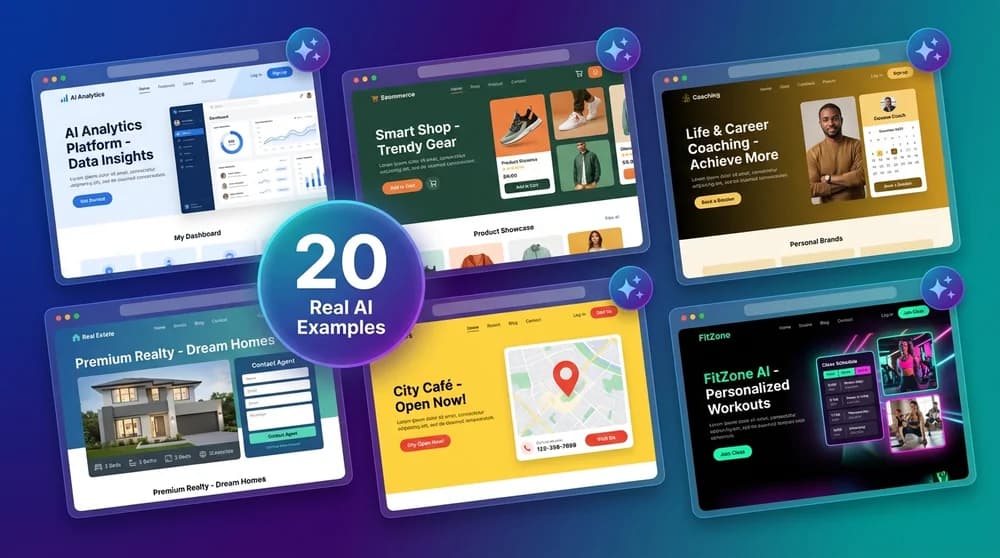
AI SEO landing pages are web pages designed and optimized using artificial intelligence technologies to improve search engine rankings and conversion rates simultaneously. Unlike traditional landing pages that remain static until manually updated, these intelligent pages leverage machine learning algorithms to analyze vast amounts of data about user behavior, search patterns, and content performance. The AI continuously tests variations of headlines, copy, images, and calls-to-action to determine which combinations resonate most effectively with different audience segments.
The core difference lies in the automation of optimization processes. Traditional SEO requires manual keyword research, content creation, and A/B testing. AI-powered systems handle these tasks autonomously, processing thousands of data points per second to make real-time adjustments. This includes dynamic keyword insertion, personalized content blocks, and adaptive meta descriptions that change based on user search context and browsing history.
How AI Transforms Landing Page Creation
The integration of AI into landing page development has fundamentally changed how marketers approach conversion optimization. Natural language processing algorithms now generate compelling copy that matches user intent with remarkable accuracy. These systems analyze top-performing pages across industries, extracting patterns that drive engagement and applying those insights to new content creation.
AI tools also revolutionize the technical aspects of SEO. They automatically generate schema markup, optimize image alt text, and structure HTML for maximum crawlability. The technology identifies semantic relationships between keywords that human researchers might miss, uncovering valuable long-tail opportunities that drive qualified traffic. This comprehensive approach ensures every element of the landing page works together toward the common goal of higher rankings and increased conversions.
Machine Learning Algorithms in Page Optimization
Machine learning models continuously analyze user interaction data to refine page elements. These algorithms track metrics such as time on page, scroll depth, click-through rates, and conversion paths. When patterns emerge indicating certain elements underperform, the system automatically generates and tests alternatives. This creates a self-improving system that becomes more effective with each visitor interaction.
The predictive capabilities of these systems extend to anticipating user needs before they explicitly express them. By analyzing search queries and browsing behavior, AI can preemptively adjust page content to address potential objections or questions. This proactive approach significantly reduces bounce rates and increases the likelihood of conversion.
Key Components of Effective AI SEO Landing Pages
Successful AI-powered landing pages share several critical components that work in harmony to drive results. Understanding these elements helps marketers implement AI strategies more effectively across their digital properties.
Dynamic Content Personalization
Personalization stands at the forefront of AI landing page optimization. The technology analyzes each visitor’s geographic location, device type, referral source, and past interactions to deliver customized experiences. A visitor arriving from a mobile device in a specific city might see localized testimonials, relevant case studies, and adjusted pricing displays. This level of personalization dramatically improves relevance and engagement metrics.
Intelligent Keyword Optimization
AI systems continuously monitor search engine results pages and adjust on-page elements to target the most valuable keywords. This goes beyond simple keyword density calculations. The technology understands semantic relationships, search intent variations, and competitive positioning. It automatically updates title tags, headers, and body copy to align with current search trends while maintaining natural language flow.
Automated A/B Testing at Scale
Traditional A/B testing limits marketers to testing one or two variables at a time. AI systems run multivariate tests across dozens of elements simultaneously, identifying optimal combinations far more efficiently. These tests run continuously, with the system automatically implementing winning variations and discarding underperforming ones without human intervention.
Benefits of Implementing AI in Landing Page SEO
The advantages of AI-powered landing pages extend across multiple dimensions of digital marketing performance. Organizations that embrace this technology report significant improvements in both organic visibility and conversion metrics.
- Reduced Time to Market: AI generates and optimizes landing pages in minutes rather than weeks, allowing rapid response to market changes and campaign opportunities.
- Improved Conversion Rates: Continuous optimization based on real user data leads to steady improvements in conversion performance over time.
- Enhanced User Experience: Personalized content and adaptive design create more relevant experiences for each visitor, increasing satisfaction and engagement.
- Scalable Content Production: AI systems create and optimize hundreds of landing pages simultaneously, supporting large-scale SEO campaigns without proportional increases in resources.
- Data-Driven Decision Making: Every optimization decision is backed by concrete performance data rather than intuition or guesswork.
- Over-Reliance on Automation: Completely abandoning human oversight leads to brand inconsistency and content that misses nuanced audience needs.
- Ignoring User Intent: Focusing solely on keyword rankings without considering what users actually want leads to high bounce rates despite good positions.
- Neglecting Page Speed: AI-generated pages with excessive scripts and tracking codes can slow load times, hurting both user experience and search rankings.
- Insufficient Data Collection: Implementing AI without proper tracking infrastructure limits the system’s ability to learn and optimize effectively.
- Copying Competitors Blindly: Using AI to replicate competitor strategies without understanding your unique value proposition produces generic, ineffective pages.
Limitations and Challenges of AI SEO Landing Pages
While the benefits are substantial, understanding the limitations helps set realistic expectations and avoid common pitfalls. AI systems require quality data inputs to produce meaningful outputs. Poorly structured data or biased training sets can lead to suboptimal recommendations and content that misses the mark.
Cost considerations also play a role. Enterprise-level AI SEO platforms carry significant subscription fees, potentially placing them out of reach for small businesses and individual marketers. Additionally, the automated nature of these systems can sometimes produce content that feels generic or lacks the creative spark that human writers bring to complex topics.
Search engines continue to refine their algorithms to detect and potentially penalize overly automated content. Maintaining the right balance between AI efficiency and human creativity remains an ongoing challenge for marketers.
AI SEO Landing Pages vs Traditional Landing Pages
| Feature | AI SEO Landing Pages | Traditional Landing Pages |
|---|---|---|
| Content Updates | Automatic, real-time adjustments | Manual, periodic updates |
| Personalization | Dynamic based on user data | Static for all visitors |
| Testing | Continuous multivariate testing | Occasional A/B testing |
| Keyword Optimization | Automated semantic analysis | Manual research and placement |
| Scalability | Hundreds of pages simultaneously | Limited by team capacity |
| Cost | Higher initial investment | Lower direct costs |
| Speed of Implementation | Minutes to hours | Days to weeks |
Practical Implementation Guide for AI SEO Landing Pages
Implementing AI-powered landing pages requires a strategic approach that combines technology adoption with sound marketing principles. The following steps provide a roadmap for successful implementation.
Step 1: Define Clear Objectives
Establish specific, measurable goals before implementing AI tools. Whether the focus is increasing organic traffic, improving conversion rates, or reducing cost per acquisition, clear objectives guide the AI system’s optimization parameters. Document baseline metrics to measure the impact of AI implementation accurately.
Step 2: Select Appropriate AI Tools
Evaluate AI SEO platforms based on your specific needs, technical capabilities, and budget constraints. Consider factors such as integration with existing marketing technology stacks, ease of use, and the quality of customer support. Popular options include specialized landing page builders with AI capabilities and comprehensive SEO platforms with machine learning features.
Step 3: Gather Quality Data
AI systems depend on data to function effectively. Ensure analytics tracking is properly configured across all pages. Collect historical performance data, user behavior patterns, and conversion information. The more relevant data the system has access to, the more accurate its optimization recommendations will be.
Step 4: Create Initial Content Framework
While AI generates and optimizes content, providing a solid initial framework improves results. Develop comprehensive briefs that include target keywords, key messaging points, and conversion goals. The AI then expands and refines this framework based on performance data and user interactions.
Step 5: Monitor and Refine
AI systems require ongoing supervision to ensure they align with brand guidelines and marketing objectives. Regularly review AI-generated content for quality and consistency. Adjust optimization parameters based on changing business priorities and market conditions. This human oversight ensures the technology serves strategic goals rather than operating in isolation.
Common Mistakes to Avoid with AI SEO Landing Pages
Many organizations make avoidable errors when implementing AI-powered landing page strategies. Recognizing these pitfalls helps prevent wasted resources and suboptimal performance.
Important Notes for Maximizing AI Landing Page Performance
Several considerations significantly impact the success of AI SEO landing page initiatives. Paying attention to these details separates high-performing implementations from mediocre ones.
Content quality remains paramount despite automation. Search engines increasingly prioritize helpful, comprehensive content that genuinely addresses user needs. AI should enhance content quality, not replace the strategic thinking that goes into creating valuable resources. Regular human review ensures AI-generated content maintains the depth and authenticity that builds trust with both users and search engines.
Technical SEO fundamentals still apply. Proper site architecture, clean URL structures, and mobile responsiveness remain critical ranking factors. AI tools optimize these elements but cannot compensate for fundamental technical deficiencies. Ensure the underlying website infrastructure supports the advanced features AI landing pages require.
Integration with broader marketing efforts amplifies results. AI landing pages perform best when connected to email marketing, social media campaigns, and paid advertising initiatives. This integrated approach creates consistent messaging across channels while allowing the AI to learn from comprehensive user journey data.
Frequently Asked Questions About AI SEO Landing Pages
How do AI SEO landing pages improve search rankings?
AI systems continuously analyze search engine algorithms and user behavior patterns to optimize on-page elements. They automatically adjust keyword targeting, content structure, and technical SEO factors based on real-time performance data. This continuous optimization ensures pages remain aligned with current ranking factors and user expectations, leading to sustained improvements in search visibility.
What is the cost of implementing AI landing page technology?
Costs vary significantly based on the sophistication of the solution and the scale of implementation. Basic AI-powered landing page builders range from $50 to $300 per month. Enterprise-level platforms with advanced machine learning capabilities can cost $1,000 to $10,000 or more monthly. Additional costs include implementation services, training, and ongoing optimization management.
Can small businesses benefit from AI SEO landing pages?
Yes, small businesses can benefit substantially from AI landing page technology. Many affordable tools offer essential AI features that automate keyword optimization, content generation, and basic personalization. These tools level the playing field, allowing smaller organizations to compete with larger competitors who have extensive marketing teams and resources.
Will AI replace human content writers for landing pages?
A AI handles repetitive tasks like generating variations, optimizing for keywords, and testing different versions. Human writers focus on strategic content development, brand storytelling, and creating unique insights that AI cannot replicate. The most effective approach combines AI efficiency with human creativity and strategic thinking.
How quickly can results be expected from AI landing pages?
Initial results typically appear within 2 to 4 weeks as the AI system collects data and begins making optimizations. Significant improvements in conversion rates and search rankings usually manifest within 2 to 3 months of consistent operation. The system’s performance improves over time as it accumulates more data and refines its optimization algorithms.
Conclusion
AI SEO landing pages represent a fundamental shift in how organizations approach search optimization and conversion rate improvement. The technology’s ability to analyze vast datasets, personalize experiences, and continuously optimize content provides competitive advantages that traditional methods cannot match. While implementation requires investment in both technology and strategic oversight, the returns in terms of improved rankings, higher conversion rates, and operational efficiency justify the commitment.
Success with AI landing pages depends on maintaining the right balance between automation and human judgment. Organizations that treat AI as a powerful tool rather than a complete replacement for marketing expertise achieve the best results. By combining AI’s analytical power with human creativity and strategic vision, businesses create landing pages that not only rank well but genuinely serve their audience’s needs. The future of SEO lies in this intelligent integration of technology and human insight, and those who embrace it position themselves for sustained digital success.
Xem thêm:
- AI SEO Looker Studio: The Complete Guide to Automated Reporting
- Mastering AI Pillar Pages: The Future of Topic Cluster Architecture in SEO
- AI SEO Content Scaling: The Complete Playbook for 2025 and Beyond
- AI Digital PR: The Ultimate Guide to Automating and Amplifying Your Public Relations Strategy
- Mastering AI SEO Related Keywords: The Complete Guide to Future-Proof Search Rankings
Bài viết cùng chủ đề:

AI SEO SEO Automation with Make: The Complete Workflow Guide

AI SEO SEO Automation with Zapier: The Complete Workflow Guide

AI SEO SEO Automation with n8n: The Complete Workflow Guide
AI SEO SEO Automation with Gemini: The Complete Guide to Scaling Organic Growth

AI SEO SEO Automation with Claude: The Complete Guide to Scaling Content in 2025

AI SEO SEO Automation with ChatGPT: The Complete Playbook for 2025

AI SEO & SEO Automation for Affiliate Sites: The 2025 Playbook for Passive Income Growth
AI SEO & SEO Automation for Bloggers: The Complete Guide to Scaling Your Content

AI SEO & SEO Automation for Agencies: The Complete 2025 Playbook

AI SEO and SEO Automation for Ecommerce: The Complete Playbook for 2025

AI SEO & SEO Automation for WordPress: The Complete Playbook for 2025
AI SEO SEO Automation Strategy: The Complete Playbook for 2025

Mastering the AI SEO SEO Automation Process: A Complete Guide to Scaling Organic Growth
AI SEO SEO Automation System: The Complete Guide to Scaling Organic Growth in 2025
AI SEO SEO Automation Platform: The Complete Guide to Scaling Organic Growth in 2025
AI SEO SEO Automation Software: The Complete Guide to Scaling Organic Growth in 2025















