
No products in the cart.
AI SEO AI Search Reputation: The Complete Playbook for 2025
10
Aug
Aug
The digital landscape has shifted beneath our feet. Traditional search engine optimization focused on keywords and backlinks. Today, artificial intelligence powers the search experience, from how results are ranked to how they are displayed. This transformation has given rise to a new discipline: AI SEO AI Search Reputation. This concept combines technical optimization for AI algorithms with proactive management of how brands appear in AI-generated answers. Businesses that ignore this shift risk being invisible in the new search paradigm, while those who adapt can dominate their niche.
Understanding AI SEO and AI Search Reputation
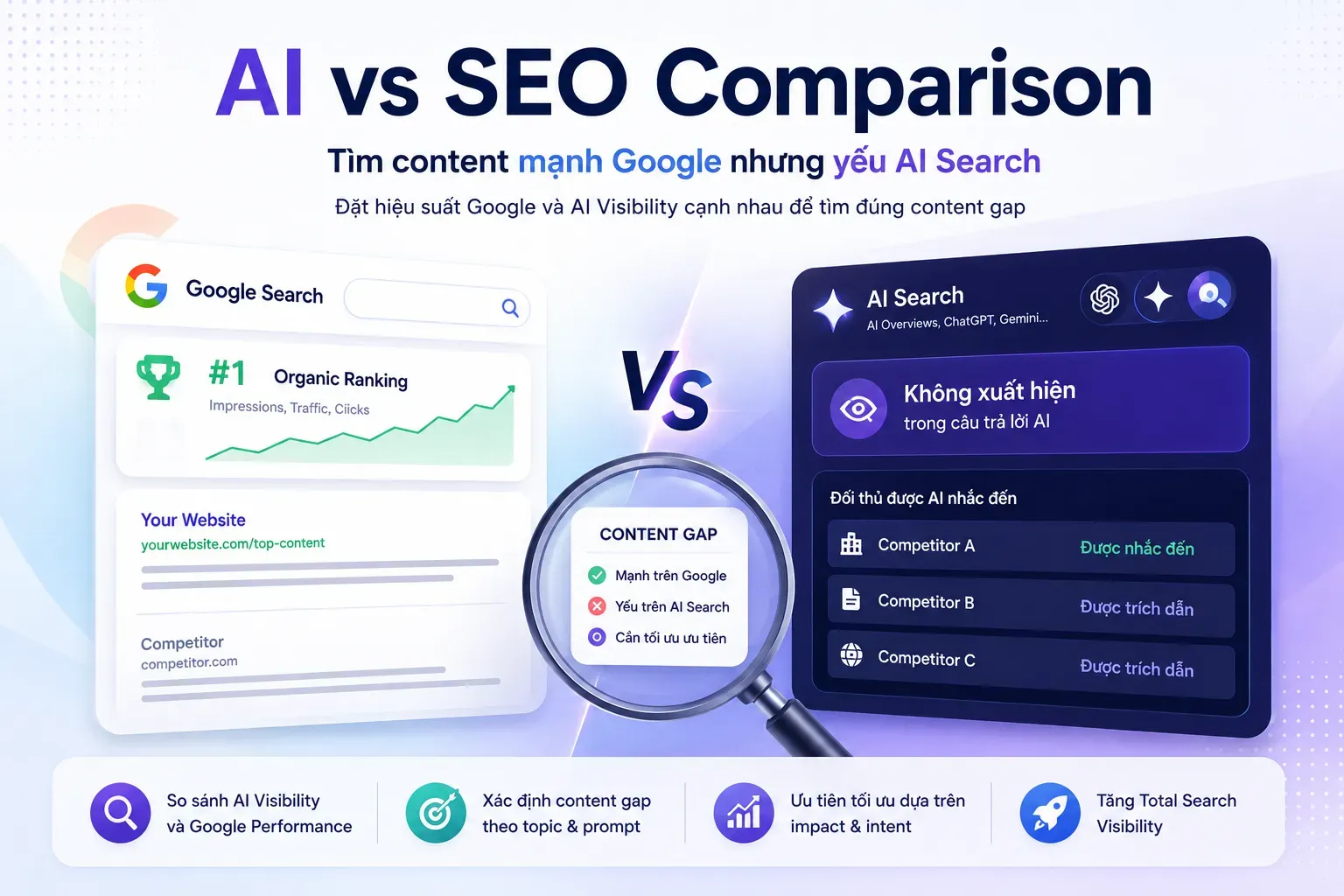
AI SEO refers to the practice of optimizing content and website architecture to be understood, indexed, and recommended by artificial intelligence systems. This includes large language models (LLMs) like GPT-4, Google’s RankBrain, and the Search Generative Experience (SGE). These systems do not just match keywords; they interpret context, user intent, and semantic relationships between concepts.
AI Search Reputation, on the other hand, is the perception of your brand within these AI-generated responses. When a user asks ChatGPT for the best project management software, or when Google’s AI Overview summarizes reviews for a local restaurant, what does it say about you? Managing this reputation involves ensuring that AI models cite your content, mention your brand positively, and recommend your products or services over competitors.
The two concepts are intertwined. Without solid AI SEO, you cannot earn a positive AI Search Reputation. Without managing your reputation, your technical SEO efforts may lead to traffic that never converts because the AI summary already answered the user’s question without mentioning you.
The Shift from PageRank to Semantic Understanding
For two decades, Google’s PageRank algorithm dominated. It counted backlinks as votes of confidence. The more links, the higher the rank. AI changed this calculus. Modern algorithms evaluate the quality of information, the authority of the author, and the coherence of the content. They understand that a page about “apple” could mean the fruit, the tech company, or the record label. Context matters more than exact-match keywords.
This shift means that thin content, keyword stuffing, and link schemes no longer work. AI systems penalize content that lacks depth or provides a poor user experience. They reward comprehensive, well-structured information that directly answers the user’s query.
How AI Search Engines Work in 2025
To optimize for AI, you must understand the mechanics. The modern search ecosystem consists of several layers. The first layer is the traditional blue links, still present but pushed down the page. The second layer is the AI Overview, a synthesized paragraph generated from multiple sources. The third layer is the conversational interface, where users interact with a chatbot that pulls information from the indexed web in real-time.
These systems use a process called retrieval-augmented generation (RAG). When a user asks a question, the AI does not generate an answer from memory alone. It searches its index, retrieves relevant passages, and then composes a coherent response. This means your content must be structured in a way that makes it easy for the AI to retrieve and quote.
The Role of Entity Recognition
AI systems identify entities—people, places, organizations, products—and understand their relationships. For example, the AI knows that “Apple Inc.” is a technology company headquartered in Cupertino, and that “Tim Cook” is its CEO. To optimize for this, your content must clearly define entities and their attributes. Use consistent naming conventions, provide clear definitions, and link related concepts together.
Key Components of an AI SEO Strategy
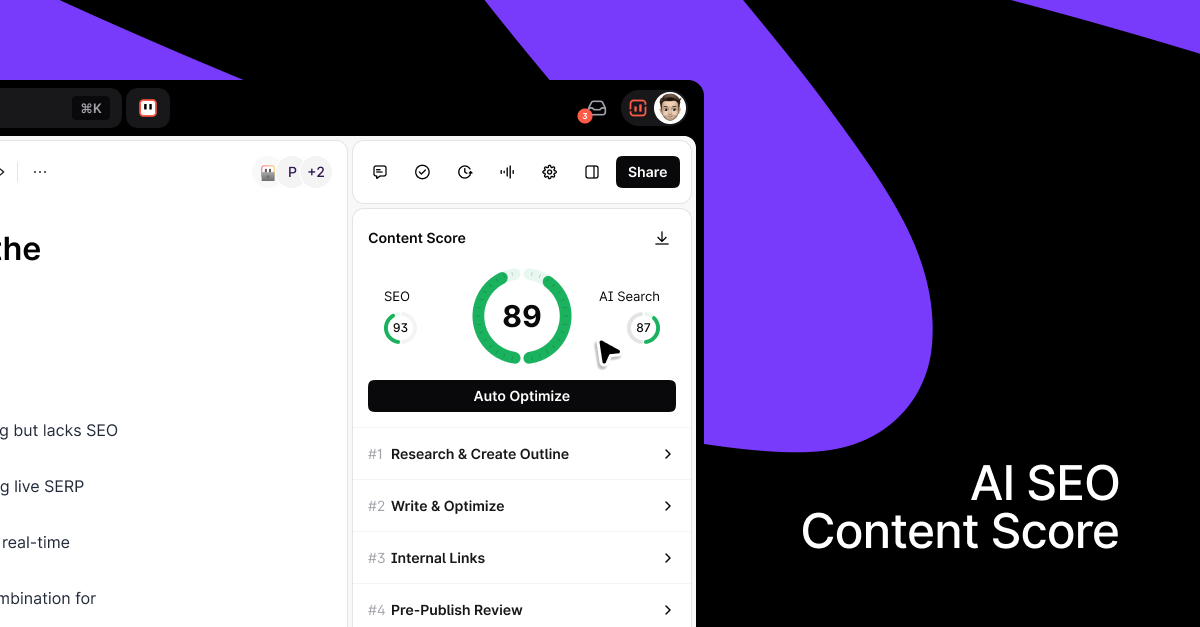
Building a strategy for AI visibility requires a multi-faceted approach. It is not enough to write good content; you must structure it for machine comprehension.
Structured Data and Schema Markup
Schema markup is the language that helps AI understand your content. By adding structured data to your HTML, you tell the AI exactly what a piece of information represents. For example, you can mark up a product review with the rating, the author, and the date. This makes it easier for the AI to pull that data into a summary.
Common schema types include:
- Article and NewsArticle
- Product and Offer
- FAQPage and HowTo
- Organization and Person
- Review and AggregateRating
- Publish content under a named author with credentials
- Include statistics and data from reputable sources
- Link to primary research and official documentation
- Maintain a consistent publishing schedule
Implementing schema is a technical task, but the payoff is significant. Pages with structured data are more likely to be featured in rich results and AI summaries.
Content Clarity and Structure
AI models prefer content that is logically organized. Use clear headings (H2, H3) to break up your text. Keep paragraphs short and focused on a single idea. Use bullet points and tables to present data in a scannable format. This helps the AI extract key facts quickly.
Your introduction should state the main point immediately. Do not bury the lead. If a user asks “What is the best CRM for small businesses?”, the AI wants to find a direct answer. If your article spends 500 words on the history of CRM before giving a recommendation, the AI may skip your content entirely.
Authority and Trust Signals
AI systems are trained to prioritize authoritative sources. They look for signals like author bios, citations, and external references. To build authority, you should:
Managing Your AI Search Reputation
Your reputation in AI search is determined by what the models say about you. This is influenced by the content you control, but also by third-party mentions, reviews, and news articles. A negative review on a popular forum can influence an AI’s response about your brand.
Monitoring AI Mentions
You cannot manage what you do not measure. Start by regularly querying major AI tools—ChatGPT, Claude, Perplexity, and Google’s SGE—with questions relevant to your industry. Ask them to recommend products or services like yours. Document the responses. Track whether your brand appears, and in what context.
Set up alerts for your brand name across these platforms. Several third-party tools now offer AI mention tracking, but manual checks are a good starting point.
Correcting Negative AI Perceptions
If an AI model provides incorrect or negative information about your brand, you have limited direct control. You cannot edit the model’s training data. However, you can influence future responses by publishing corrective content. Write detailed articles that address the misinformation directly. Publish them on high-authority platforms. Over time, the AI may learn to associate your brand with the correct information.
For example, if an AI claims your product lacks a certain feature, publish a detailed guide showing exactly how that feature works. Use schema markup to highlight the feature list. This creates a strong signal that the AI can retrieve.
Practical Applications and Implementation Guide
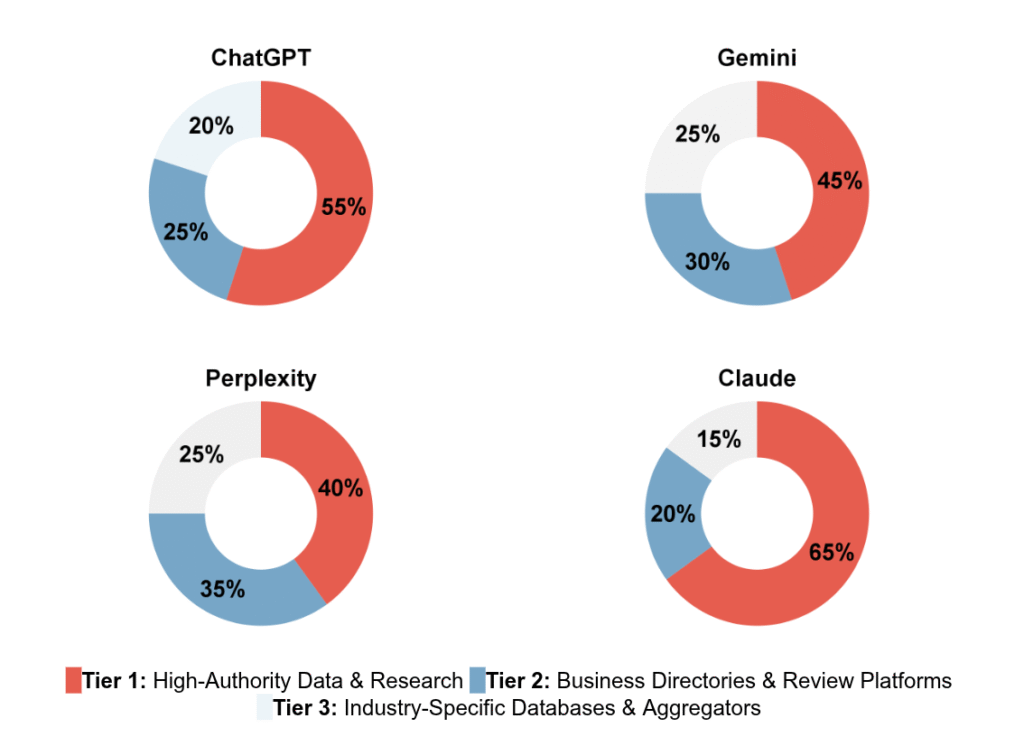
Implementing an AI SEO strategy requires a systematic approach.
Step 1: Audit Your Current AI Visibility
Begin by assessing where you stand. Search for your primary keywords in AI tools. Note which competitors appear. Analyze their content structure. Identify gaps in your own content that may be preventing you from being cited.
Step 2: Optimize Existing Content
Take your top 20 performing pages and rewrite them for AI comprehension. Add a clear summary at the top. Break down complex paragraphs into bullet points. Add FAQ schema to answer common questions directly. Ensure every page has a unique meta description and title tag that includes the primary keyword.
Step 3: Create AI-Targeted Content
Develop new content specifically designed to answer questions. Use tools like “People Also Ask” and “AnswerThePublic” to find common queries. Write comprehensive guides that cover a topic from every angle. Aim for 2,000 words or more, as long-form content tends to perform better in AI retrieval.
Step 4: Build a Digital PR Strategy
Your reputation is built on what others say about you. Engage in digital PR to earn mentions from authoritative websites. Guest post on industry blogs. Get quoted in roundup articles. These external mentions serve as strong trust signals for AI systems.
Step 5: Track and Iterate
AI algorithms change frequently. What works today may not work next month. Set up a monthly review process. Track your rankings in AI tools. Monitor your traffic from AI-driven sources. Adjust your strategy based on the data.
Benefits and Limitations of AI SEO
Understanding the pros and cons helps set realistic expectations.
| Benefits | Limitations |
|---|---|
| Higher visibility in AI-generated answers | Lack of direct control over AI outputs |
| Increased organic traffic from conversational queries | Rapidly changing algorithms require constant adaptation |
| Improved brand authority and trust | Technical complexity requires specialized skills |
| Better user experience through structured content | Results are not immediate; takes time to see impact |
| Competitive advantage over businesses using traditional SEO only | Difficulty in measuring ROI directly |
Common Mistakes and How to Avoid Them
Many businesses make critical errors when trying to optimize for AI. Here are the most common pitfalls.
Mistake 1: Keyword Stuffing in AI Content
Some marketers think that cramming keywords into content will trick the AI. This backfires. AI models are trained to detect unnatural language. They will penalize your content for low quality. Focus on natural, conversational writing that answers the user’s question.
Mistake 2: Ignoring User Intent
AI is excellent at understanding what a user really wants. If someone searches for “best running shoes,” they want a list of recommendations, not a history of footwear. Create content that directly matches the intent behind the query. Use the “People Also Ask” section to understand the sub-questions users have.
Mistake 3: Neglecting Technical SEO
AI cannot read your content if your site is slow or poorly structured. Ensure your website has a fast load time, a clear hierarchy, and a sitemap that is easy for crawlers to navigate. Fix broken links and duplicate content issues.
Mistake 4: Focusing Only on Google
Google is not the only AI search engine. ChatGPT, Perplexity, and Bing Chat all have significant user bases. Optimize for these platforms as well. The principles are similar, but the nuances differ. For example, ChatGPT tends to favor content that is well-cited and factual.
Important Notes for Long-Term Success
AI SEO is not a one-time project. It is an ongoing process that requires vigilance and adaptation. Keep these points in mind.
First, prioritize quality over quantity. One excellent, comprehensive article is worth more than ten thin blog posts. AI systems reward depth and accuracy.
Second, build a brand that people talk about. The more your brand is mentioned across the web, the more likely AI models are to include it in their responses. Focus on creating a product or service worth mentioning.
Third, stay updated on AI developments. The field is evolving rapidly. Follow industry news, attend webinars, and experiment with new tools. What is true today may be obsolete tomorrow.
Frequently Asked Questions
What is the difference between traditional SEO and AI SEO?
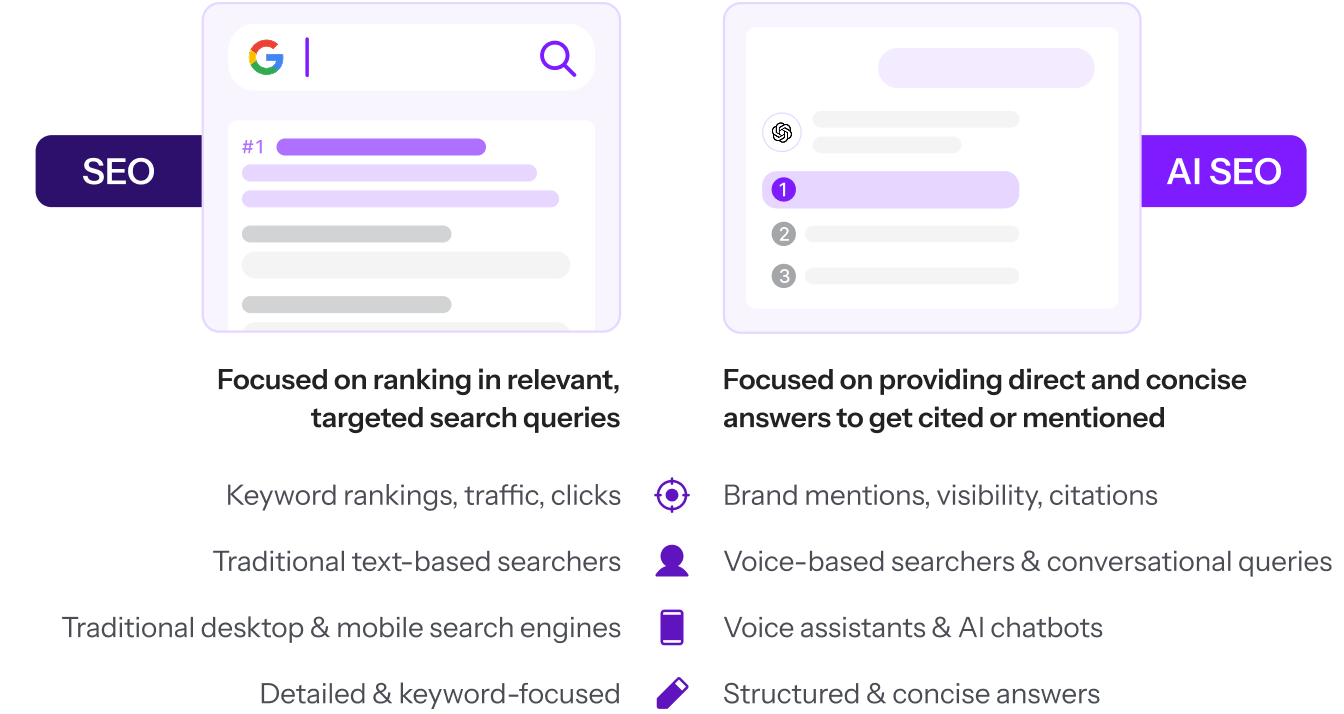
Traditional SEO focuses on ranking in a list of blue links. It relies heavily on keyword optimization and backlinks. AI SEO focuses on being cited within AI-generated answers. It prioritizes semantic clarity, structured data, and entity recognition. AI SEO is a more holistic approach that considers how machines interpret and synthesize information.
How do I check my AI Search Reputation?
Start by manually querying major AI tools like ChatGPT, Google’s AI Overview, and Perplexity. Ask questions related to your industry and see if your brand appears. Use a spreadsheet to track your presence over time. Consider using specialized reputation management tools that monitor AI mentions automatically.
Can I remove negative information from AI search results?
You cannot directly edit AI models. However, you can push down negative information by publishing positive, authoritative content. Create detailed guides, press releases, and case studies that highlight your strengths. Over time, the AI may prioritize this new content over the negative information.
How long does it take to see results from AI SEO?
It depends on your starting point. If you already have a strong content foundation, you may see improvements in a few weeks. If you are starting from scratch, expect to wait three to six months. AI models do not crawl the web in real-time; they update their indexes periodically.
Is AI SEO worth the investment for small businesses?
Yes. Small businesses can benefit greatly because AI search often levels the playing field. A well-structured, authoritative article from a small business can outrank a poorly structured page from a large corporation. The key is to focus on niche topics where you can demonstrate deep expertise.
Conclusion
The era of AI-driven search is here, and it is reshaping the digital marketing landscape. AI SEO AI Search Reputation is no longer a futuristic concept; it is a present-day necessity. By optimizing your content for machine comprehension and actively managing how AI models perceive your brand, you position yourself for sustained visibility and growth.
The strategies outlined in this guide—structured data, clear content architecture, authority building, and reputation monitoring—provide a comprehensive framework for success. The work requires dedication and a willingness to adapt, but the rewards are substantial. Brands that embrace this new paradigm will thrive in the age of intelligent search, while those that cling to outdated tactics will be left behind. Start implementing these strategies today to secure your place in the AI-powered search results of tomorrow.
Xem thêm:
- AI SEO Tools: The Complete Guide to Automating Search Rankings Without Losing the Human Touch
- AI SEO Trends 2028: The Complete Blueprint for Search Dominance
- AI SEO GEO Ranking: The Complete Guide to Winning Generative Engine Optimization
- AI SEO Future: How Intelligent Algorithms Are Reshaping Search Rankings in 2025 and Beyond
- The Best AI SEO Tools for 2025: A Comprehensive Guide to Smarter Content & Rankings
Bài viết cùng chủ đề:

AI SEO SEO Automation with Make: The Complete Workflow Guide

AI SEO SEO Automation with Zapier: The Complete Workflow Guide

AI SEO SEO Automation with n8n: The Complete Workflow Guide
AI SEO SEO Automation with Gemini: The Complete Guide to Scaling Organic Growth

AI SEO SEO Automation with Claude: The Complete Guide to Scaling Content in 2025

AI SEO SEO Automation with ChatGPT: The Complete Playbook for 2025

AI SEO & SEO Automation for Affiliate Sites: The 2025 Playbook for Passive Income Growth
AI SEO & SEO Automation for Bloggers: The Complete Guide to Scaling Your Content

AI SEO & SEO Automation for Agencies: The Complete 2025 Playbook

AI SEO and SEO Automation for Ecommerce: The Complete Playbook for 2025

AI SEO & SEO Automation for WordPress: The Complete Playbook for 2025
AI SEO SEO Automation Strategy: The Complete Playbook for 2025

Mastering the AI SEO SEO Automation Process: A Complete Guide to Scaling Organic Growth
AI SEO SEO Automation System: The Complete Guide to Scaling Organic Growth in 2025
AI SEO SEO Automation Platform: The Complete Guide to Scaling Organic Growth in 2025
AI SEO SEO Automation Software: The Complete Guide to Scaling Organic Growth in 2025















