
No products in the cart.
The Best AI SEO Tools for 2025: A Comprehensive Guide to Smarter Content & Rankings
29
Jul
Jul
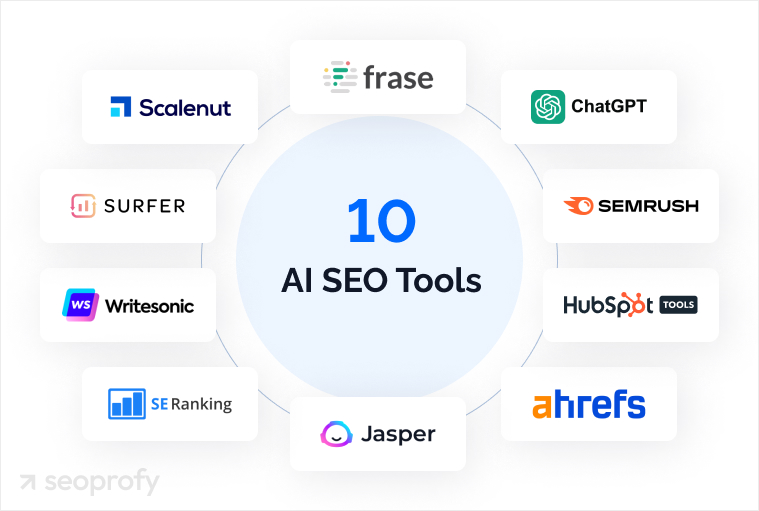
In the hyper-competitive world of digital marketing, staying ahead requires more than traditional keyword research and manual content tweaks. The best AI SEO tools harness machine learning and natural language processing to automate tedious tasks, uncover hidden opportunities, and produce data-driven content strategies that outperform the competition. This guide breaks down the leading AI-powered SEO platforms, showing you exactly how to evaluate them, implement them, and avoid the most common pitfalls. From established enterprises to solo bloggers, understanding and adopting AI-driven SEO is no longer optional—it’s the fastest path to sustainable organic growth.
What Makes the Best AI SEO Tools Different
AI SEO tools go far beyond basic rank trackers and keyword suggestion engines. They analyse millions of data points in seconds, mimic search engine algorithms to predict content performance, and generate semantic briefs that align with Google’s E-E-A-T guidelines. A traditional tool might tell you to include a keyword five times; an AI-powered platform will map out entire topical clusters, suggest related entities, and score your content on readability, tone, and depth. The core differentiator is machine learning models trained on search engine behaviour, user intent, and competitive landscapes, allowing you to reverse-engineer what is working at scale.
These tools are not meant to replace human creativity. Instead, they compress the research phase from days to minutes, letting strategists focus on storytelling, authority building, and fact verification. Whether you are targeting zero-click snippets, expanding into international markets, or trying to dominate a saturated niche, the best AI SEO tools provide a strategic brain that works alongside your editorial team.
Core Categories of AI SEO Tools
Because SEO is a multi-layered discipline, no single tool does everything. The ecosystem is split into several overlapping categories. Understanding these helps you build a tech stack that covers both content creation and technical performance.
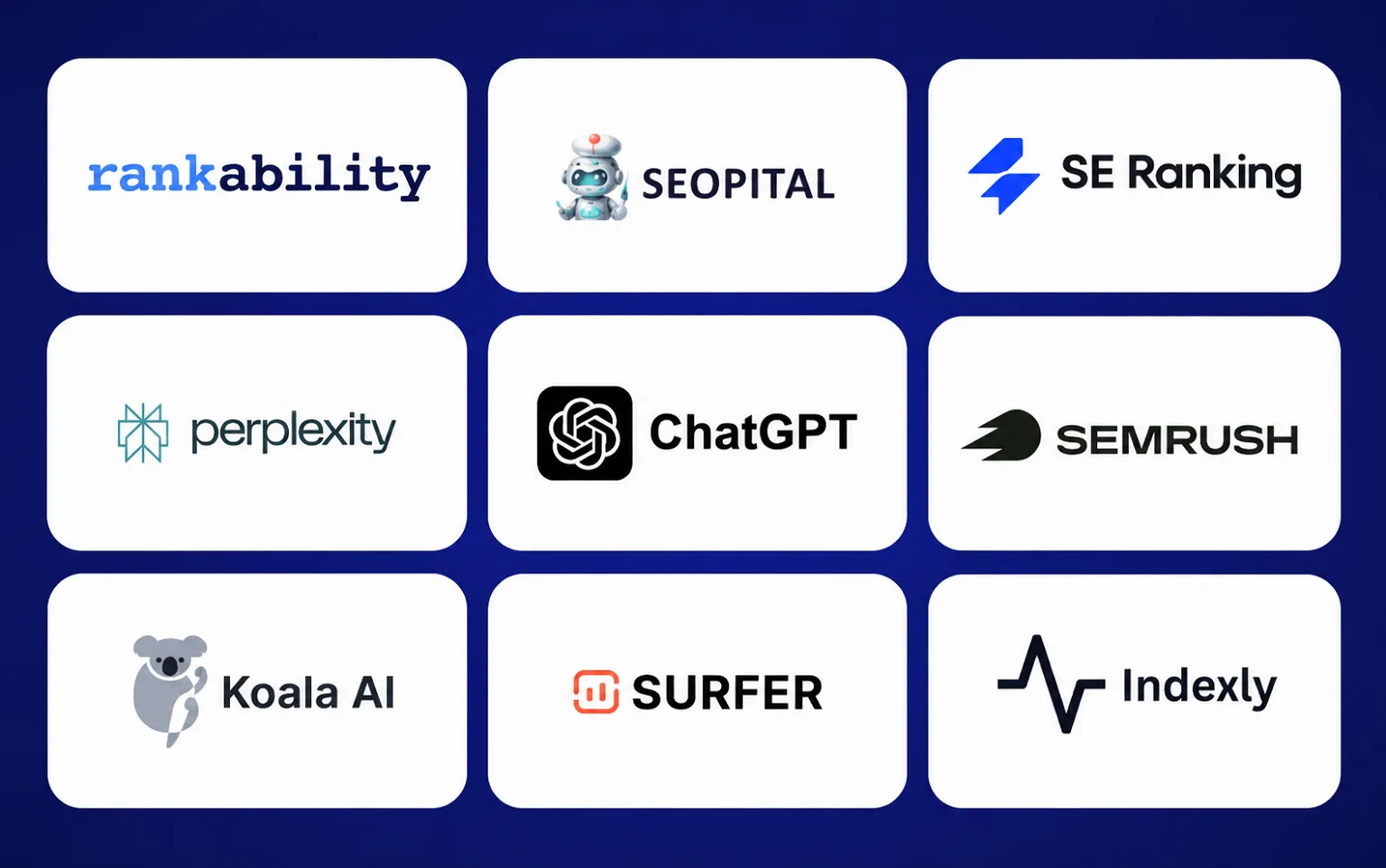
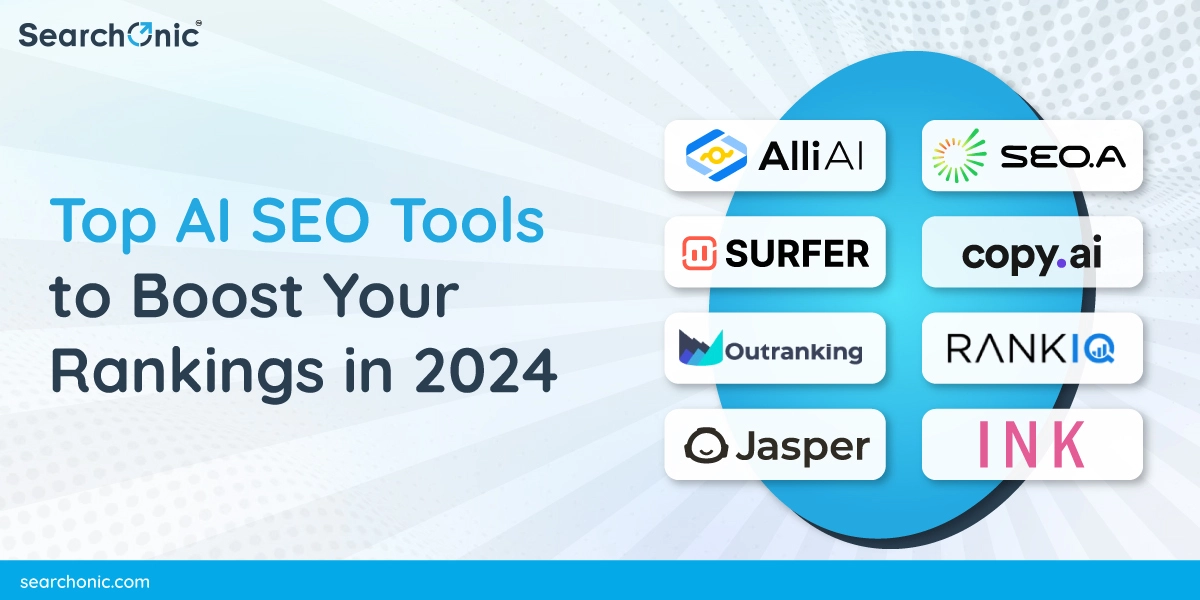
- AI Content Optimisers & Content Intelligence Platforms: Tools like Surfer SEO, Clearscope, and MarketMuse analyse top-ranking pages to recommend exact word count, heading structure, LSI keywords, and internal linking opportunities. They score drafts in real time, turning an editor into a data-informed architect.
- Generative AI Writing Assistants: Jasper, Copy.ai, and Writesonic use large language models to produce first drafts, meta descriptions, social captions, and even full blog posts. The best results come when you train them on your brand guidelines and combine their output with human refinement.
- AI-Driven Keyword & Topic Research: Platforms like Semrush’s Topic Research, Ahrefs with its AI-powered keyword explorer, and AlsoAsked.com use clustering algorithms to uncover question-based queries and content gaps that manual brainstorming misses.
- Technical SEO & Site Auditing with AI: DeepCrawl, Botify, and Sitebulb employ machine learning to detect crawl budget waste, JavaScript rendering issues, and logical flaws in site architecture. They can prioritise fixes based on projected traffic impact.
- AI-Powered Link Building & Outreach: Respona and Pitchbox use predictive analytics to find link-worthy audiences and personalise outreach emails, dramatically increasing response rates.
- All-in-One AI SEO Suites: Some tools like NeuronWriter and Frase combine research, writing, optimisation, and monitoring in a single dashboard, ideal for lean teams that want a unified workflow.
- Exponential Speed: A keyword research project that once took three days can be completed in under an hour. Content briefs with competitive analysis are generated automatically.
- Data-Backed Content Scores: Real-time grading based on top-10 SERP patterns reduces guesswork. You ship pages that are structurally optimised to match search intent.
- Semantic Richness: AI tools identify related topics, questions, and entities that Google expects to see, helping you build topical authority without keyword stuffing.
- Consistent Scaling: Multi-language support, bulk content optimisation, and automated internal linking allow enterprises to manage thousands of pages without losing quality control.
- Predictive Analytics: Some advanced tools forecast traffic potential, seasonality effects, and even cannibalisation risks before you publish.
- Generic Tone and Hallucination: Generative AI can produce bland, repetitive text or confidently state incorrect facts. Every output must be fact-checked and injected with unique brand perspective.
- Lack of True Creativity and Emotion: Machines follow patterns; they do not craft a powerful narrative arc or connect with a reader’s emotional triggers the way an experienced writer does.
- Over-Optimisation Danger: Blindly following an AI content score can lead to unnatural, robotic-sounding copy that turns off visitors and invites algorithm scrutiny.
- Cost Barrier: Enterprise-grade AI SEO tools are expensive. Small businesses need to carefully balance subscription costs against measurable ROI.
- E-E-A-T Vulnerability: Google’s quality rater guidelines emphasise real-world experience and author credibility. AI-generated content without expert review often fails to demonstrate genuine first-hand knowledge.
- Publishing Unreviewed AI Output: Relying solely on an AI writer leads to factual errors, shallow analysis, and duplicate-feeling copy. Always have a human expert review line by line, adding original examples and verifying statistics against reputable sources.
- Chasing the Perfect Content Score: An obsession with hitting an AI tool’s perfect score often results in keyword stuffing, unnaturally repeating terms, and copy that reads poorly. Prioritise natural language and user experience over a numerical grade.
- Neglecting Technical Foundations: Even the most brilliant AI-optimised content will fail if your site has crawl errors, slow page speed, or poor mobile usability. Use AI site auditors regularly to complement your content efforts.
- Ignoring E-E-A-T Signals: Google places increasing weight on author bios, reputed backlinks, and demonstrable experience. AI alone cannot build the real-world authority needed for competitive YMYL (Your Money or Your Life) keywords. Showcase who wrote the piece and why they are credible.
- Using One Tool as a Silver Bullet: No single platform excels at every SEO layer. Relying solely on a content generator without technical monitoring, or link intelligence leaves significant growth on the table.
- Start with a clear goal: Define whether you primarily need higher output speed, better topical coverage, or more efficient technical audits before paying for subscriptions.
- Beware of training data staleness: Some AI tools are not updated in real time and may still be working on outdated search patterns. Verify their data freshness policy.
- Protect your data: Many AI platforms use the content you upload and generate to further train their models. If handling proprietary client information, pick vendors with enterprise-grade privacy and opt-out options for model training.
- Combine multiple AI signals: Cross-reference suggestions from at least two tools. If both a content optimiser and a deep topic research tool highlight the same missing entity, it is a strong signal to include it.
- Budget for the long term: AI subscription costs are recurring. Calculate anticipated traffic growth and conversion improvement before signing annual contracts. A $500 monthly tool is a bargain if it drives an extra $10,000 in revenue.
- Keep a human editorial calendar: AI can help you scale, but strategy—choosing which topics to prioritise, which narrative angle to take, and how to position your brand—remains an irreplaceably human decision.
Benefits and Limitations of Relying on AI for SEO
Clear Advantages That Directly Impact Rankings
Limitations That Demand Human Oversight
Top AI SEO Tools Head-to-Head Comparison
The following table compares seven of the best AI SEO tools based on their primary AI capability, ideal user profile, and pricing tier. Use it as a starting point to match a platform to your exact workflow, whether you need pure content generation or full-cycle optimisation.
| Tool | Primary AI Feature | Best For | Starting Price (Monthly) |
|---|---|---|---|
| Surfer SEO | SERP-based content scoring, NLP-driven briefs, outline generation | Freelancers and agencies wanting data-backed content structure | $89 |
| Frase | AI content briefs, topic clustering, answer engine optimisation | Teams targeting featured snippets and FAQ sections | $14.99 |
| MarketMuse | Content inventory analysis, topical authority measurement, first draft automation | Large publishers and in-house enterprise teams | Custom quote |
| Clearscope | Content optimisation with real-time grade, keyword mapping | Marketing agencies managing high-volume client blogs | $170 |
| NeuronWriter | AI writing, competitor term extraction, internal link suggestions | Small to medium teams seeking an all-in-one platform | $19 |
| Jasper | Brand voice memory, long-form generative AI, multi-language output | Content marketing teams needing first-draft acceleration | $49 |
| Semrush Writing Assistant | Real-time SEO recommendations within Google Docs/WordPress, AI rephraser | Users already inside the Semrush ecosystem | Included in Semrush plans from $139.95 |
How to Integrate the Best AI SEO Tools Into Your Workflow
Adopting AI for SEO is not about flipping a switch; it is about weaving intelligence into every stage of content production. A phased approach prevents overwhelm and ensures quality never dips.
Step 1: Strategic Topic Discovery
Begin by feeding your core terms into an AI topic research tool. Let it cluster related queries, display question-based long-tail variants, and highlight content formats dominating page one. This replaces the spreadsheet-heavy manual exercise and immediately surfaces underserved angles. Tools like Frase and MarketMuse will also score your existing pages to find cannibalisation risks and content gaps that need filing.
Step 2: Build an AI-Enhanced Content Brief
Once the target topic is selected, generate a detailed brief. Specify target audience, search intent, primary and secondary keywords, expected word count, heading hierarchy, and compulsory entities. Platforms like Surfer SEO and Clearscope pull live data from top-ranking pages to recommend these parameters. A strong brief removes subjectivity from the writer and aligns the entire team on exactly what Google expects to see.
Step 3: Drafting With a Human-AI Hybrid Approach
Use a generative AI tool to produce a first draft, but always with a clear set of instructions. Feed it the brief, brand tone examples, and specific data points you want included. Immediately pass this output to a subject matter expert for fact-checking, storytelling, and the addition of original insights, case studies, or proprietary data. Never publish AI-only text; it lacks the experience signals that modern search algorithms crave.
Step 4: Real-Time Optimisation
While the writer edits, run the final draft through an AI content optimiser. Adjust keyword frequency, add missing related terms, and ensure H2/H3 tags mirror the brief. A score of 70–85 out of 100 often provides the sweet spot: strong compliance without over-optimisation. Pay special attention to readability: short paragraphs, active voice, and a scannable structure.
Step 5: Monitor and Iterate With AI-Driven Rank Tracking
After publishing, track ranking movements and user engagement. AI-powered platforms like Nozzle or Semrush can identify queries where you hover on page two and suggest content updates. Schedule a 90-day refresh cycle: every quarter, feed your article back into an AI tool to identify new relevant subtopics and ensure it remains the most comprehensive resource on the web.
Common Mistakes When Using AI for SEO and How to Avoid Them
Even seasoned SEOs make costly blunders when they treat artificial intelligence as a set-it-and-forget-it solution. Steering clear of these pitfalls preserves both rankings and user trust.
Important Notes for Selecting and Using AI SEO Tools
Frequently Asked Questions
What is an AI SEO tool?
An AI SEO tool is software that uses machine learning, natural language processing, and predictive analytics to improve various search engine optimisation tasks. These tasks range from keyword research and content grading to automated site audits and user intent analysis. Unlike conventional tools that rely on static databases, the best AI SEO tools continuously learn from search engine behaviour to give real-time, actionable recommendations.
Can the best AI SEO tools replace human SEO experts?
No. While they dramatically accelerate research, writing drafts, and identifying technical issues, they cannot replicate the creative strategic thinking, nuanced understanding of brand voice, or genuine subject matter expertise that humans provide. The most successful SEO programs combine AI-driven efficiency with human oversight, editorial judgment, and authentic authority building.
Which AI SEO tool is best for a small business on a tight budget?
For cost-conscious small businesses, NeuronWriter and Frase offer affordable entry points with robust content optimisation and AI writing features starting under $20 per month. If a free solution is needed initially, Google’s NLP API and basic version of AlsoAsked.com can support topic research without a financial outlay, though they require more manual effort.
Do the best AI SEO tools handle YMYL content safely?
They can assist but must be used with extreme caution. AI tools can help structure medical, financial, or legal content by surfacing important subtopics and scientific entities. However, because YMYL content demands rigorous accuracy and demonstrable expertise, every fact must be reviewed by a qualified professional and backed by authoritative external references. Directly publishing AI-generated advice in these niches without expert validation violates Google’s quality guidelines.
Will Google penalise AI-generated content?
Google does not penalise content simply because it was created with AI assistance. The search engine’s focus is on quality, usefulness, and whether the content demonstrates experience, expertise, authoritativeness, and trustworthiness. If AI-generated text is shallow, factually inaccurate, or mass-produced without added value, it will struggle to rank. High-quality, helpful content that happens to be AI-assisted and then substantially refined by humans falls well within Google’s current guidelines.
How often should I update AI-optimised content?
For competitive keywords, review and refresh content every 90 days. Use an AI tool to compare your existing page against the newly ranking competitors, identifying trends, emerging questions, and updated statistics. This iterative process keeps your pages fresh and signals to both users and search engines that your resource remains current and authoritative.
Conclusion
The shift toward AI-powered search marketing is irreversible, and the best AI SEO tools are rapidly becoming the backbone of data-driven content strategies. They do not replace the fundamentals of great SEO—deep audience understanding, impeccable user experience, and authentic expertise—but they multiply what a single strategist or small team can accomplish in a day. The winners in this landscape will be those who master the hybrid model: using machine intelligence to inform, accelerate, and validate, while preserving the human touch that builds true credibility and lasting engagement.
Xem thêm:
- AI SEO SEO Automation Software: The Complete Guide to Scaling Organic Growth in 2025
- AI Digital PR: The Ultimate Guide to Automating and Amplifying Your Public Relations Strategy
- AI SEO & SEO Automation for Bloggers: The Complete Guide to Scaling Your Content
- AI SEO Keyword Competition: How to Outrank Rivals in the Age of Machine Learning
- AI Rich Snippets: What They Are, Why They’re Taking Over Search, and How to Win Them
Bài viết cùng chủ đề:

AI SEO SEO Automation with Make: The Complete Workflow Guide

AI SEO SEO Automation with Zapier: The Complete Workflow Guide

AI SEO SEO Automation with n8n: The Complete Workflow Guide
AI SEO SEO Automation with Gemini: The Complete Guide to Scaling Organic Growth

AI SEO SEO Automation with Claude: The Complete Guide to Scaling Content in 2025

AI SEO SEO Automation with ChatGPT: The Complete Playbook for 2025

AI SEO & SEO Automation for Affiliate Sites: The 2025 Playbook for Passive Income Growth
AI SEO & SEO Automation for Bloggers: The Complete Guide to Scaling Your Content

AI SEO & SEO Automation for Agencies: The Complete 2025 Playbook

AI SEO and SEO Automation for Ecommerce: The Complete Playbook for 2025

AI SEO & SEO Automation for WordPress: The Complete Playbook for 2025
AI SEO SEO Automation Strategy: The Complete Playbook for 2025

Mastering the AI SEO SEO Automation Process: A Complete Guide to Scaling Organic Growth
AI SEO SEO Automation System: The Complete Guide to Scaling Organic Growth in 2025
AI SEO SEO Automation Platform: The Complete Guide to Scaling Organic Growth in 2025
AI SEO SEO Automation Software: The Complete Guide to Scaling Organic Growth in 2025















