
No products in the cart.
AI SEO GEO Ranking: The Complete Guide to Winning Generative Engine Optimization
10
Aug
Aug
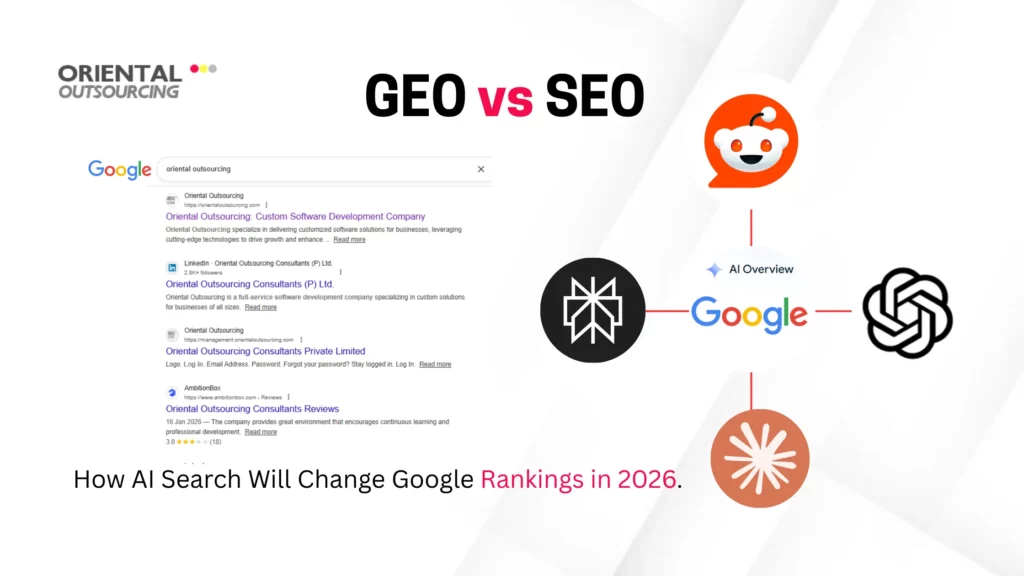
The digital landscape has shifted dramatically. Traditional search engine optimization focused on Google’s blue links. Today, a new force dominates user attention: generative engines. These AI-powered platforms, including ChatGPT, Perplexity, and Google’s AI Overviews, synthesize answers rather than listing links. This shift has birthed a new discipline known as Generative Engine Optimization (GEO). Understanding how to achieve a high AI SEO GEO Ranking is no longer optional for brands that want visibility. This guide breaks down the mechanics, strategies, and proven tactics to ensure your content is the primary source cited by AI systems.
What is AI SEO GEO Ranking?
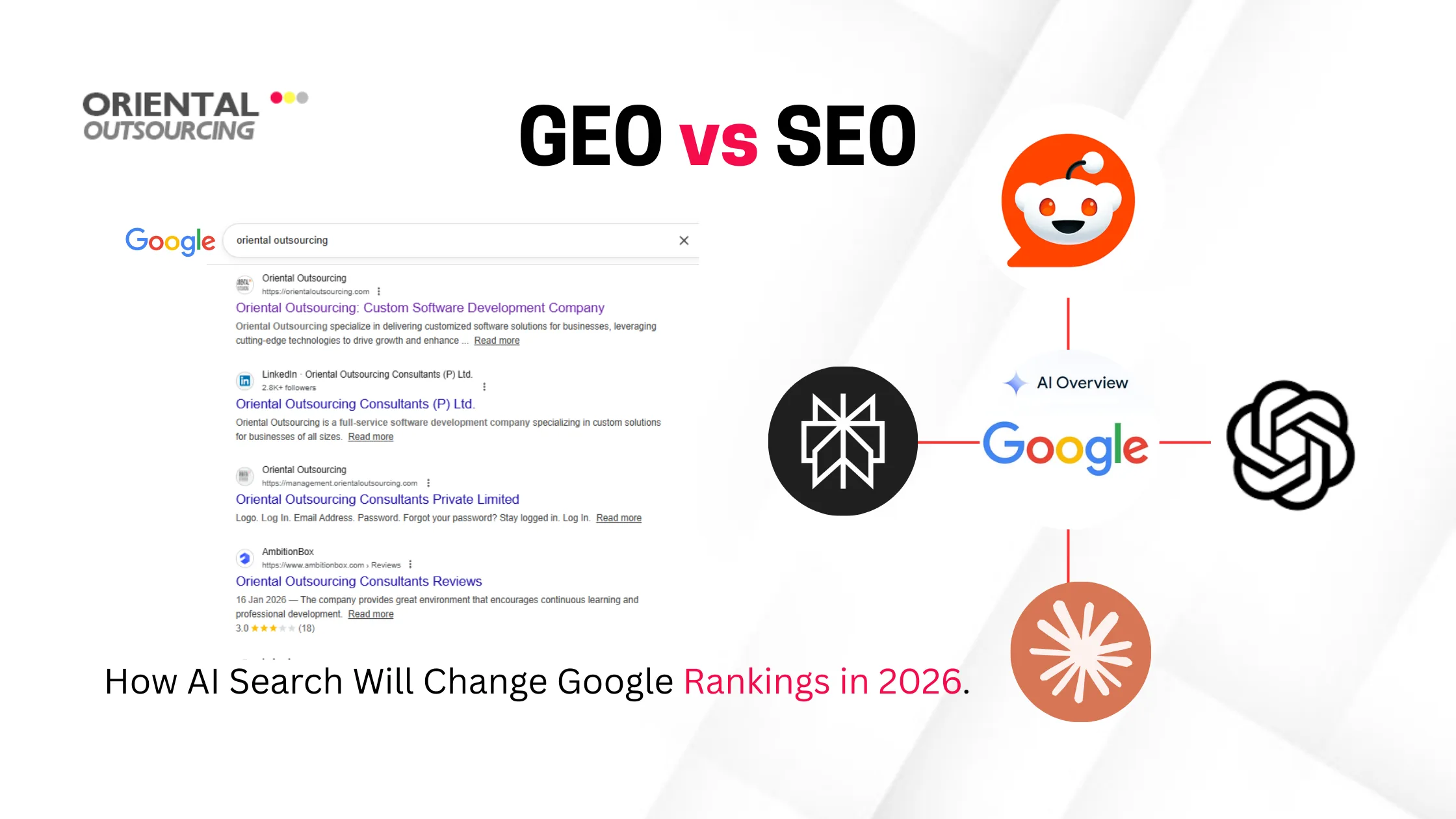
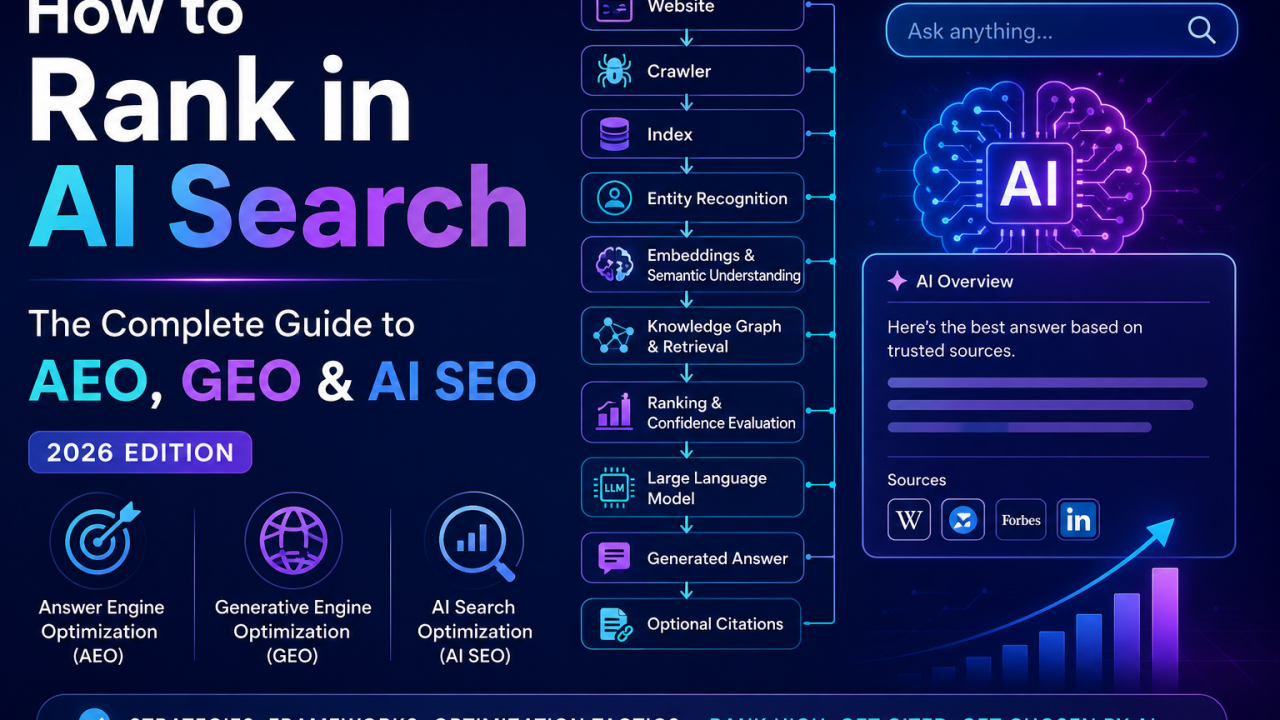
AI SEO GEO Ranking refers to the position and frequency with which a brand, website, or piece of content is cited as a source within AI-generated answers. Unlike traditional rankings on a search engine results page (SERP), this ranking is about being the foundational data that an AI model uses to construct its response. When a user asks an AI chatbot for a recommendation, the model pulls from its training data and real-time web retrieval. A high GEO ranking means your content is consistently selected as the authoritative answer.
This is not about tricking an algorithm. It is about structuring information so that machine learning models can easily parse, understand, and trust it. The goal is to become the primary reference point. This requires a shift from writing for human skimmers to writing for semantic extraction engines that look for clarity, statistical support, and unambiguous authority.
The Difference Between Traditional SEO and GEO
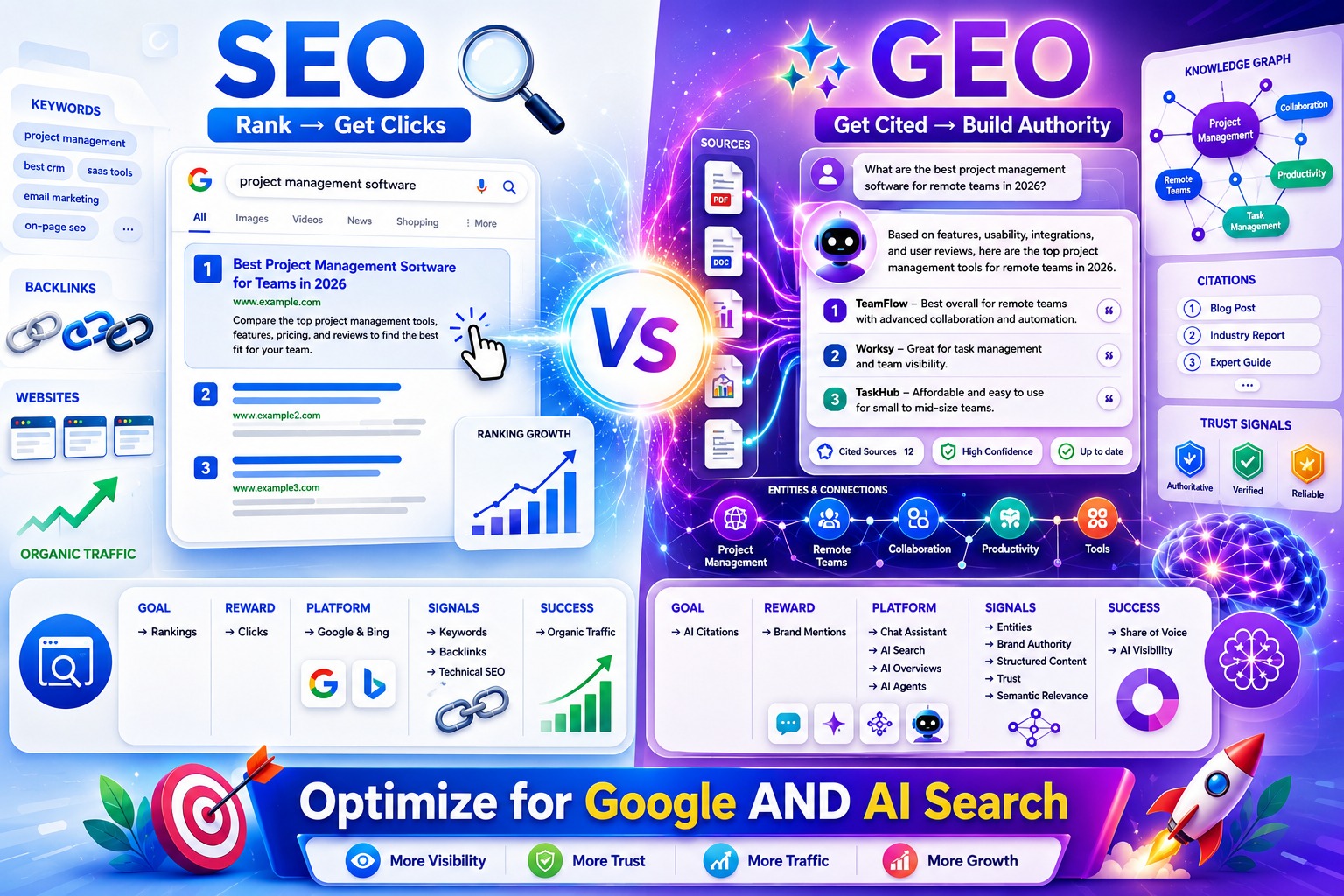
To master the AI SEO GEO Ranking, one must first understand the fundamental differences between the old and new paradigms. Traditional SEO relies on crawling links and matching keywords. GEO relies on natural language processing (NLP) and entity recognition.
| Aspect | Traditional SEO | AI SEO (GEO) |
|---|---|---|
| Primary Goal | Rank #1 on a SERP page | Be cited as the source in an AI answer |
| User Interface | List of blue links | Direct conversational answer |
| Content Style | Keyword-dense, scannable | Contextual, authoritative, data-backed |
| Trust Signals | Backlinks and domain authority | Consistency, citations, entity clarity |
| Optimization Focus | Meta tags and anchor text | Semantic entities and structured data |
The table illustrates a critical point: the currency of the web has changed. Backlinks still matter, but they matter less than the clarity of your entity and the verifiability of your claims.
Why GEO Ranking Matters for Your Brand
The rise of AI search is not a future trend; it is the current reality. Studies indicate that a significant percentage of users now prefer AI overviews for informational queries. If your content is not visible in these AI responses, you are invisible to a growing segment of your audience. The AI SEO GEO Ranking is the new battleground for market share.
Consider the user journey. A user asks an AI for “the best project management software for remote teams.” The AI generates a paragraph comparing three tools. If your tool is not mentioned, the user will likely never visit your site. The AI has become the gatekeeper. Achieving a high GEO ranking ensures you are part of that curated conversation, driving referral traffic and brand authority simultaneously.
Core Components of a High GEO Ranking
Several technical and editorial factors determine whether an AI model chooses your content. These components form the foundation of any successful Generative Engine Optimization strategy.
Entity Clarity and Topical Authority
AI models operate on entities—people, places, concepts, and products. Your content must clearly define who you are and what you do. Vague language confuses the model. If you are a SaaS company, explicitly state your category, your pricing model, and your unique value proposition. The AI must be able to map your content to a specific node in its knowledge graph.
Topical authority is built by covering a subject comprehensively. If you write one article about “AI SEO GEO Ranking,” you are a dabbler. If you write ten articles covering every nuance of GEO, from prompt engineering to citation metrics, you become an authority. AI models favor sources that demonstrate deep, interconnected knowledge on a subject.
Statistical Density and Data Verification
Generative engines love numbers. They use statistics to validate claims and provide concrete answers. Content that includes specific data points, percentages, and study results is more likely to be extracted for an answer. For example, instead of saying “AI search is growing,” say “AI search usage grew by 45% in the last quarter, according to a 2024 industry report.”
This statistical density signals reliability. The AI model can use your data to support its answer, making you a valuable source. Ensure all data is accurate and sourced from reputable studies, as AI models are increasingly penalizing hallucinated or unverified statistics.
Structured Data and Schema Markup
While AI models read natural language, they also parse structured data. Implementing schema markup (JSON-LD) helps the model understand the context of your content. Use FAQPage, Article, and Product schemas where applicable. This is not a direct ranking factor, but it improves the machine readability of your page, increasing the chances of accurate extraction.
Structured data acts as a cheat sheet for the AI. It tells the model exactly what the page is about, who it is for, and what the key questions are. This reduces ambiguity and boosts your AI SEO GEO Ranking potential.
Strategies to Improve Your AI SEO GEO Ranking
Improving your ranking requires a proactive approach. You cannot simply wait for the AI to find you. You must architect your content for extraction. Here are the proven strategies that work in the current AI landscape.
Optimize for Direct Answers
Structure your content to answer questions directly in the first sentence. Use the “inverted pyramid” style: answer first, explain later. AI models look for concise, definitive statements. If your introduction is filled with fluff and storytelling, the model may skip to a competitor with a clearer answer.
- Start with a clear, declarative sentence.
- Use bullet points for key takeaways.
- Include a “TL;DR” summary box at the top of long articles.
This format allows the AI to extract the core answer without parsing through unnecessary narrative. It also improves user experience, as readers get the answer immediately.
Build a Robust Citation Profile
In the GEO world, being cited by other authoritative sources is crucial. This is similar to backlinks, but with a twist. AI models look for consistency across the web. If multiple high-authority sites reference your data or quote your CEO, the model trusts you more. Focus on digital PR and guest posting on reputable industry sites.
Encourage others to use your statistics. Create original research that others will want to cite. This creates a web of citations that AI crawlers can verify, solidifying your status as a primary source.
Leverage User-Generated Content and Reviews
AI models increasingly rely on user-generated content (UGC) to gauge sentiment and real-world experience. Reddit threads, Trustpilot reviews, and forum discussions are heavily weighted in AI answers. Encourage your customers to leave detailed reviews. Monitor and participate in relevant subreddits and Q&A sites.
This user-generated content provides the “experience” aspect of E-E-A-T. AI models view authentic user feedback as unbiased evidence of your quality. A high volume of positive, detailed UGC can significantly boost your AI SEO GEO Ranking.
Common Mistakes That Hurt Your GEO Ranking
Many brands are inadvertently sabotaging their AI visibility. Understanding these pitfalls is just as important as knowing the correct strategies. Avoiding these errors will give you a competitive edge.
Over-Optimization for Keywords
Keyword stuffing is a death sentence in the GEO era. AI models are designed to detect unnatural language patterns. If your content reads like a robot wrote it for a 2010 search engine, the A Focus on natural language that flows conversationally. Use synonyms and related terms organically.
The goal is to sound like a human expert, not a keyword matrix. Write for a colleague in your industry, not for a search query. This shift in mindset is critical for success.
Ignoring the “Why” and “How” Questions
AI users often ask complex questions that go beyond simple definitions. They ask “Why is this better?” and “How do I implement this?” If your content only covers the “What,” it is incomplete. AI models prefer content that addresses the full spectrum of user intent.
Ensure your content covers the problem, the solution, the implementation, and the potential pitfalls. This comprehensive approach signals to the AI that you are a complete resource, increasing your chances of being cited for complex queries.
Neglecting Content Freshness
AI models prioritize current information. An article from 2019 about AI trends is useless in 2025. You must regularly update your content to reflect the latest data, statistics, and industry changes. Set a schedule to review and refresh your cornerstone content every six months.
This freshness signal is critical. It tells the AI that you are an active participant in the industry, not a relic. Updated content is more likely to be retrieved for real-time queries.
Practical Implementation Guide for GEO
Theory is useful, but action is essential. Follow this process to start improving your AI SEO GEO Ranking immediately.
Step 1: Audit Your Existing Content
Run your top 20 pages through an AI detection tool or simply read them critically. Ask yourself: “Does this answer the question in the first paragraph?” “Are there specific statistics?” “Is the entity clear?” Identify pages that are too vague or too keyword-focused. These are your priority for rewriting.
Use tools like Google Search Console to see what queries you currently rank for. Then, ask those same queries to ChatGPT or Perplexity. See if your site is cited. This gap analysis reveals your current GEO standing.
Step 2: Rewrite for Clarity and Depth
Rewrite your priority pages. Start with a clear, direct answer. Add a table of contents. Include specific data points and cite your sources. Use bullet points to break down complex processes. Ensure every claim is backed by evidence.
Focus on creating the most comprehensive resource on the internet for that specific topic. If you cannot be the most comprehensive, be the most specific. Niche down to a sub-topic where you can dominate.
Step 3: Implement Technical Markup
Add JSON-LD structured data to your key pages. Use the FAQPage schema for your FAQ section. Use Article schema for your blog posts. Ensure your Organization schema is correct with your logo, social profiles, and contact info. This technical foundation helps AI models understand your entity.
Verify your markup using Google’s Rich Results Test. While this is a Google tool, the principles apply to other AI models that parse structured data.
Step 4: Monitor and Iterate
GEO is not a set-it-and-forget-it strategy. Monitor your visibility in AI tools weekly. Ask a set of 10 core questions to ChatGPT and Perplexity. Track whether your brand is mentioned. Keep a log of your wins and losses.
Analyze the content that is beating you. What do they have that you lack? Is it more data? Better formatting? More authoritative quotes? Use this competitive intelligence to iterate and improve your content continuously.
Important Notes on AI Search Behavior
Understanding how AI models retrieve information is crucial. They do not browse the web in real-time for every query. They rely on a mix of pre-trained knowledge and live retrieval. This means your content must be in the training data or easily accessible via live search APIs.
To get into training data, you need high domain authority and extensive crawling. To win live retrieval, you need fast, indexable pages with clear structure. A dual approach is necessary. Ensure your site is technically sound with fast load times and a clean sitemap. This allows AI crawlers to access your content efficiently.
Also, note that AI models often paraphrase. They rarely quote verbatim. Therefore, your goal is not to have a specific sentence quoted, but to have your core ideas and data points represented in the AI’s synthesis. This is why clarity and statistical density are so important.
Frequently Asked Questions (FAQ)
What is the difference between SEO and GEO?
SEO focuses on ranking web pages in traditional search engine results (like Google’s blue links). GEO, or Generative Engine Optimization, focuses on being cited as a source within AI-generated answers. SEO targets clicks, while GEO targets citations and brand mentions within a synthesized response.
How long does it take to see results from GEO?
Results vary, but typically you can see initial mentions within 4-6 weeks of implementing changes. However, significant improvements in AI SEO GEO Ranking often take 3-6 months. This timeline depends on your domain authority, the competitiveness of your niche, and the consistency of your content updates.
Do backlinks still matter for AI SEO GEO Ranking?
Yes, but indirectly. Backlinks build domain authority, which increases the likelihood that AI crawlers will trust and index your content. However, the quality and relevance of the backlink matter more than the quantity. A link from a top-tier industry publication is worth more than dozens of low-quality directory links.
Can I optimize for ChatGPT specifically?
You cannot optimize for a single model, as they all use different algorithms. However, you can optimize for the commonalities between them. Focus on clear language, structured data, and verifiable facts. These principles apply across ChatGPT, Perplexity, Claude, and Google’s Gemini.
Is GEO a replacement for traditional SEO?
No, they are complementary. Traditional SEO drives direct traffic and builds authority. GEO leverages that authority to win AI citations. A robust strategy uses SEO to build the foundation and GEO to expand reach into AI platforms. Ignoring one while focusing on the other leaves significant visibility on the table.
Conclusion
The era of generative search is here, and the rules of visibility have changed. Achieving a high AI SEO GEO Ranking requires a fundamental shift in how you create and structure content. It is no longer sufficient to rank for a keyword; you must become the definitive source that AI models trust to answer user queries. By focusing on entity clarity, statistical density, and direct answers, you position your brand at the forefront of this new search paradigm.
The strategies outlined in this guide provide a clear roadmap. Start by auditing your current content, then rewrite for depth and clarity. Implement technical markup to aid machine understanding, and continuously monitor your presence in AI tools. The brands that adapt to this shift now will dominate the AI-driven discovery landscape for years to come. The time to act is now, as the algorithms are learning and the competitive window is open.
Xem thêm:
- AI SEO URL Structure: The Complete Guide to Optimizing for Machine Learning Search Engines
- Mastering the AI Content Calendar: Automate, Optimize, and Scale Your Publishing Strategy
- AI SEO LLM Search: The Complete Guide to Optimizing for AI-Driven Discovery
- AI SEO Content Scaling: The Complete Playbook for 2025 and Beyond
- AI SEO Funnel Optimization: The Complete Guide to Converting Search Traffic
Bài viết cùng chủ đề:

AI SEO SEO Automation with Make: The Complete Workflow Guide

AI SEO SEO Automation with Zapier: The Complete Workflow Guide

AI SEO SEO Automation with n8n: The Complete Workflow Guide
AI SEO SEO Automation with Gemini: The Complete Guide to Scaling Organic Growth

AI SEO SEO Automation with Claude: The Complete Guide to Scaling Content in 2025

AI SEO SEO Automation with ChatGPT: The Complete Playbook for 2025

AI SEO & SEO Automation for Affiliate Sites: The 2025 Playbook for Passive Income Growth
AI SEO & SEO Automation for Bloggers: The Complete Guide to Scaling Your Content

AI SEO & SEO Automation for Agencies: The Complete 2025 Playbook

AI SEO and SEO Automation for Ecommerce: The Complete Playbook for 2025

AI SEO & SEO Automation for WordPress: The Complete Playbook for 2025
AI SEO SEO Automation Strategy: The Complete Playbook for 2025

Mastering the AI SEO SEO Automation Process: A Complete Guide to Scaling Organic Growth
AI SEO SEO Automation System: The Complete Guide to Scaling Organic Growth in 2025
AI SEO SEO Automation Platform: The Complete Guide to Scaling Organic Growth in 2025
AI SEO SEO Automation Software: The Complete Guide to Scaling Organic Growth in 2025















