
No products in the cart.
AI SEO AI Search Strategy: The Complete Guide to Dominating Generative Search
10
Aug
Aug
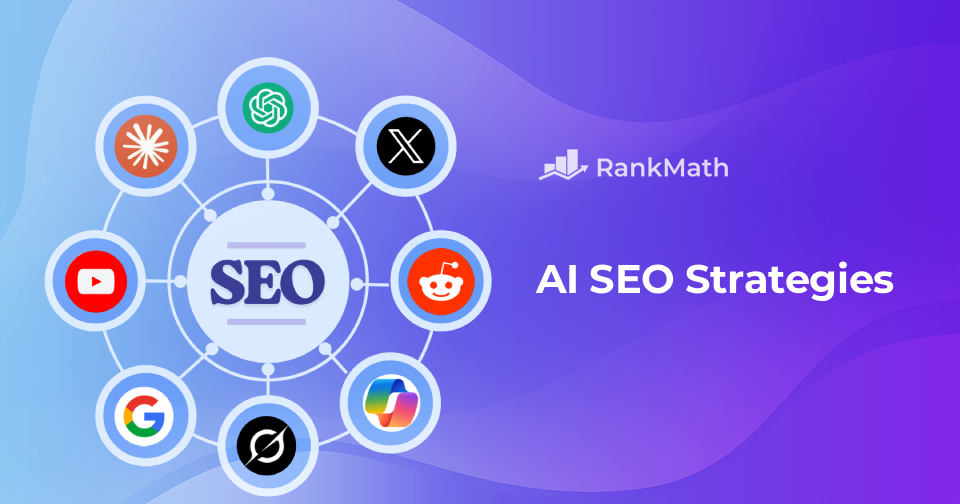
The digital marketing landscape has shifted beneath our feet. Traditional search engine optimization focused on ranking in a list of blue links, but the rise of artificial intelligence has introduced a new paradigm: generative engine optimization. An effective AI SEO AI Search Strategy is no longer optional; it is the cornerstone of sustainable organic visibility. This comprehensive guide explores how to adapt your approach to satisfy both classic algorithms and the new wave of AI-driven search platforms like Google AI Overviews, ChatGPT, Perplexity, and Bing Copilot.
Understanding the Shift: What is AI Search?
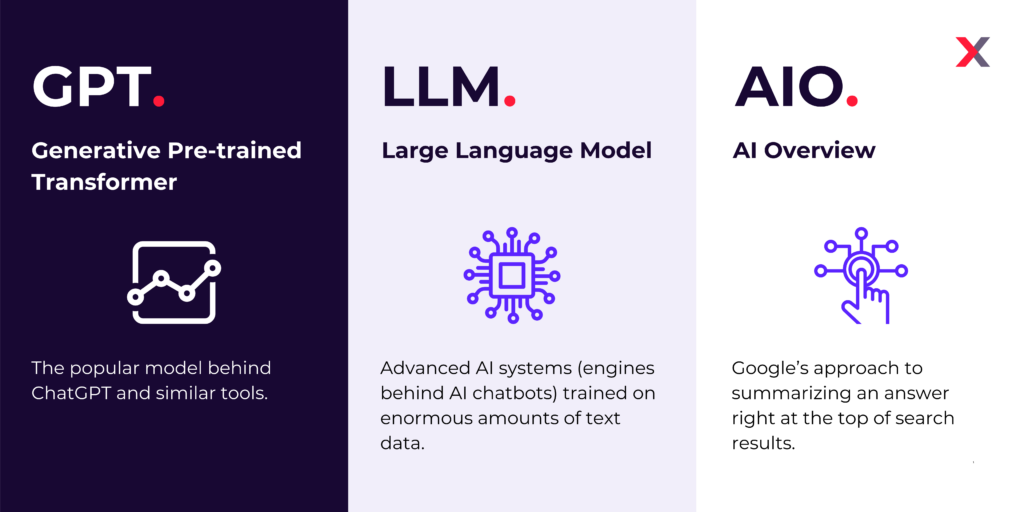
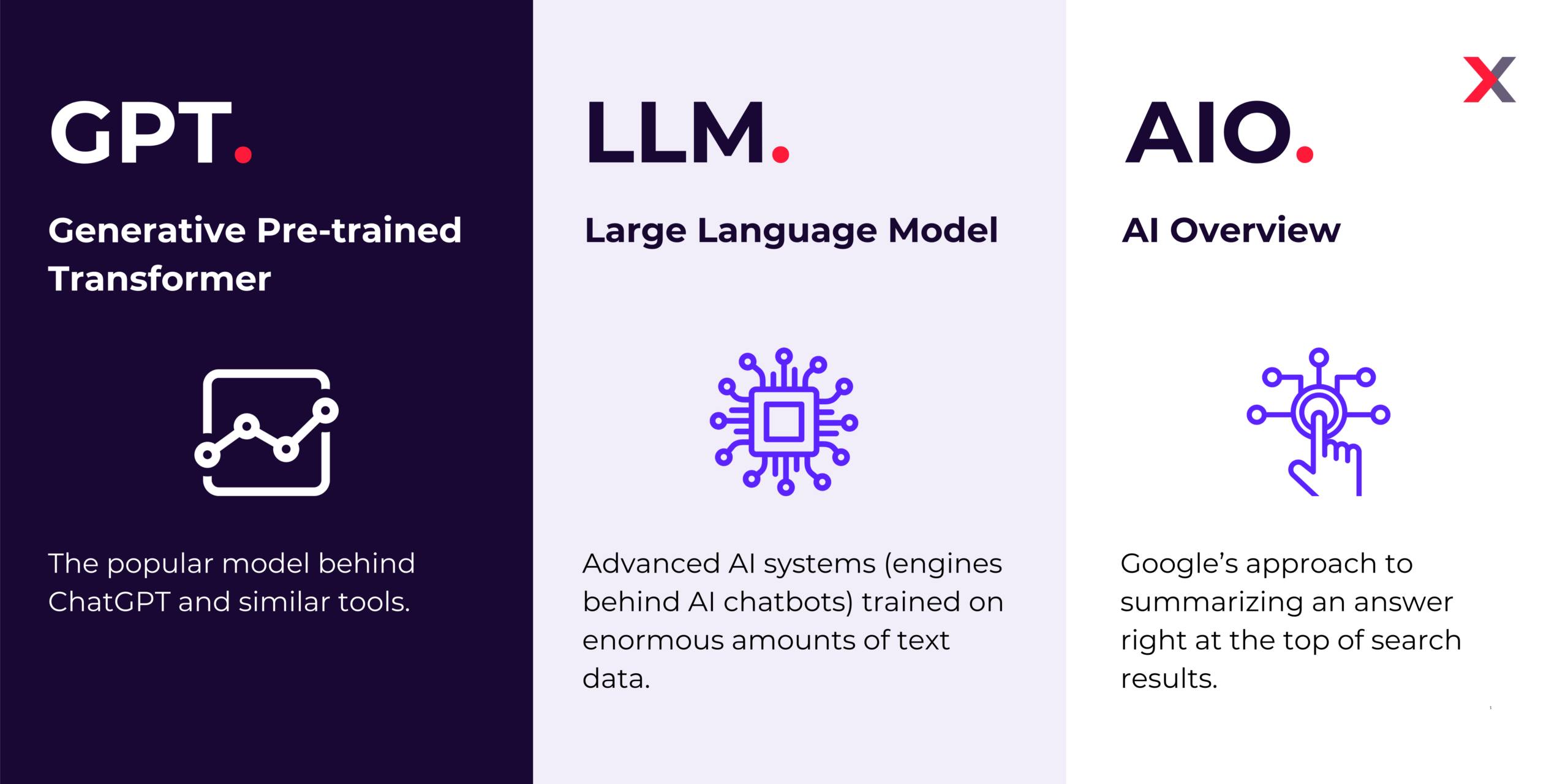
AI search represents a fundamental change in how users retrieve information. Instead of typing a query and scanning a list of URLs, users now receive synthesized, conversational answers. These answers are generated by large language models (LLMs) that pull data from across the web, citing sources and summarizing complex topics in real-time. This shift means that the “zero-click” search is becoming the norm, where the answer is displayed directly on the search engine results page (SERP) without requiring a user to click through to a website.
For brands, this creates a critical challenge: if the AI provides the answer, how do you drive traffic? The answer lies in becoming the primary source that the AI trusts. Your AI SEO AI Search Strategy must focus on entity clarity, factual accuracy, and content structure that machines can easily parse and re-purpose.
The Difference Between Traditional SEO and AI Search Optimization
Traditional SEO relies heavily on backlinks, domain authority, and exact-match keyword density. AI search optimization, however, prioritizes context, semantic relevance, and the authority of specific claims. While backlinks still matter, the AI is more concerned with whether your content consistently provides the correct answer across multiple queries. It evaluates the depth of your expertise and the clarity of your data.
Furthermore, traditional SEO targets a specific page for a specific keyword. AI search strategy targets a specific entity (a person, place, product, or concept) across multiple pages. The goal is to build a web of interconnected, authoritative content that the AI can use to triangulate the truth.
Core Components of a Winning AI SEO AI Search Strategy
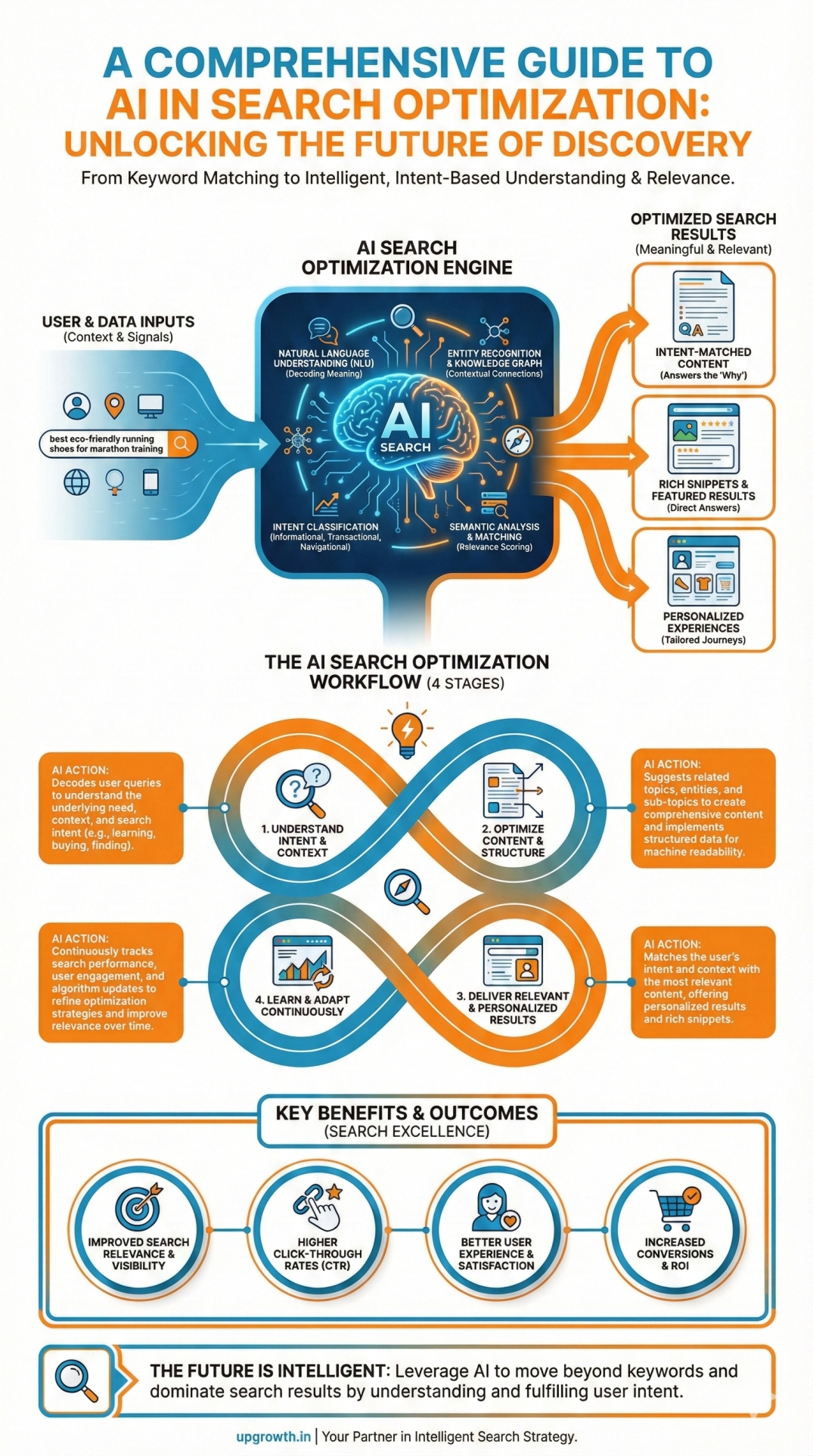
To succeed in this new environment, you must deconstruct your approach into four distinct pillars. These components ensure that your content is not only visible but also preferred by AI models.
1. Entity Optimization and Knowledge Graphs
AI models rely on knowledge graphs to understand relationships between concepts. Your strategy must clearly define who you are, what you do, and how you relate to other entities in your industry. This involves standardizing your business information (Name, Address, Phone number) across the web and utilizing structured data (Schema.org markup) to explicitly tell search engines what your content means.
Focus on defining your “Entity” with precision. If you are a software company, specify your product category, your target audience, and your unique value proposition. Use “About” pages and “What is” sections to answer fundamental questions about your brand. This clarity helps AI models associate your domain with specific topics, increasing the likelihood of being cited as a source.
2. Content Depth and Answer Engineering
AI search engines favor content that directly answers the user’s query in a concise, extractable format. This is often called “Answer Engineering.” Your content must contain clear, definitive statements. Avoid fluff and ambiguous language. If a user asks “What is the best time to post on Instagram?”, the AI wants to find a direct answer like “The best time is between 9 AM and 11 AM EST,” supported by data.
To implement this, structure your content with direct question-and-answer blocks. Use bullet points and tables to present data clearly. Ensure that your conclusion is stated early in the article, not buried at the bottom. The AI needs to find the answer quickly to trust your page as a source.
3. Technical Crawlability and Indexing
If the AI cannot crawl your site, it cannot cite you. While AI models have access to vast datasets, they still rely on crawling the live web for the most current information. Your technical SEO must be flawless. This includes a clean XML sitemap, fast server response times, and a logical internal linking structure.
Pay special attention to JavaScript rendering. Many modern AI crawlers have limited JavaScript rendering capabilities compared to Googlebot. If your content is loaded dynamically via JavaScript, the AI might not see it. Implement server-side rendering or static HTML for critical content to ensure maximum visibility.
4. Brand Authority and Digital PR
AI models are trained to prioritize trustworthy sources. They measure trust through a combination of external mentions, review signals, and the consistency of your information across the web. A robust digital PR strategy that earns mentions from high-authority news sites and industry publications is vital. These mentions act as “votes” that tell the AI your brand is a legitimate authority.
Focus on earning mentions that include your brand name and a clear description of what you do. Unlinked mentions are now almost as valuable as backlinks because they reinforce your entity’s identity to the AI.
Practical Implementation: How to Optimize for AI Overviews
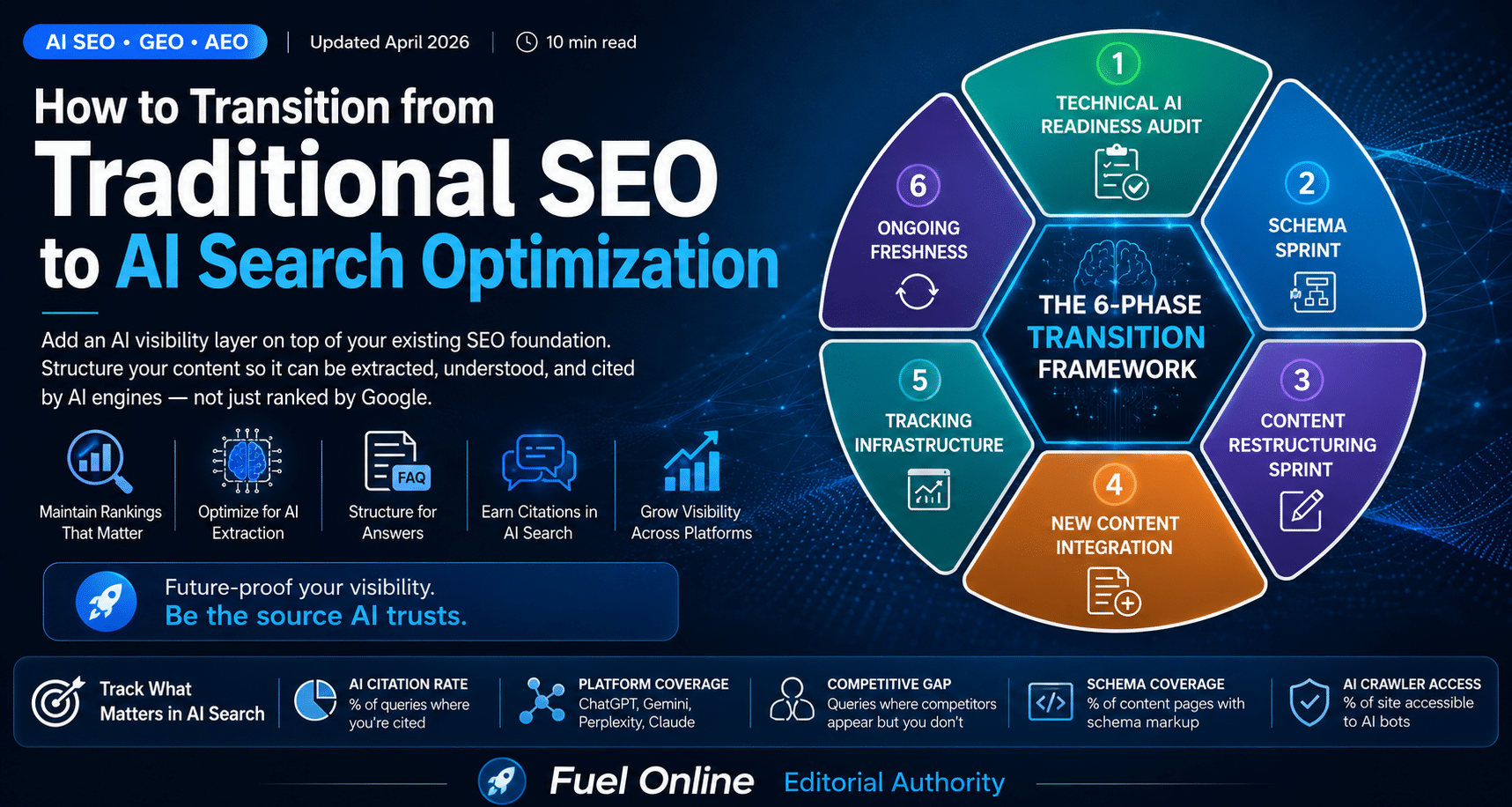
Google’s AI Overviews (formerly Search Generative Experience) are the most immediate threat and opportunity for organic traffic. To appear in these overviews, your content must be optimized for “Position Zero.” This requires a specific content format that differs from standard blog posts.
First, identify the “money” keywords where you want to appear. Then, create content that is specifically designed to answer the “why,” “how,” and “what” questions related to those keywords. Use the following structure:
- Direct Answer: Start with a 40-60 word summary that directly answers the query.
- Contextual Data: Provide statistics, charts, or specific numbers that support your answer.
- Comparison Tables: If the query involves comparison, use a table to show differences clearly.
- Step-by-Step Guides: For “how-to” queries, use numbered lists with clear instructions.
- Higher Trust Signals: Content that ranks well in AI search is often perceived as more authoritative by users, leading to higher brand trust.
- Long-Tail Traffic: AI search excels at understanding conversational queries, allowing you to capture traffic from highly specific, low-competition long-tail keywords.
- Future-Proofing: As AI becomes the primary search interface, having a strategy in place now ensures you are not left behind when the transition is complete.
- Zero-Click Dominance: Even if you are cited, users may not click through to your site, reducing direct traffic metrics.
- Lack of Control: You cannot control how the AI synthesizes your information. It may paraphrase your content in a way that loses your original context or tone.
- Data Hallucinations: AI models can occasionally make mistakes or “hallucinate” facts. If your content is misquoted, it can be difficult to correct the AI’s output.
Optimizing for ChatGPT and Perplexity
ChatGPT and Perplexity do not use the same ranking algorithms as Google. They rely on the quality of the source and the clarity of the text. To be cited by these platforms, your content must be “machine-readable.” This means using simple sentence structures, avoiding idioms, and defining acronyms on first use.
These platforms often cite sources that are highly specific to the query. A generic article about “marketing” is less likely to be cited than a deep-dive article about “B2B SaaS marketing for startups.” Niche down your content to become the definitive resource for a specific sub-topic. This increases your chances of being the single source cited for that specific angle.
Benefits and Limitations of AI Search Strategies
Adopting an AI SEO AI Search Strategy offers significant advantages but also comes with inherent challenges that marketers must navigate.
Key Benefits
Critical Limitations
Common Mistakes in AI Search Optimization
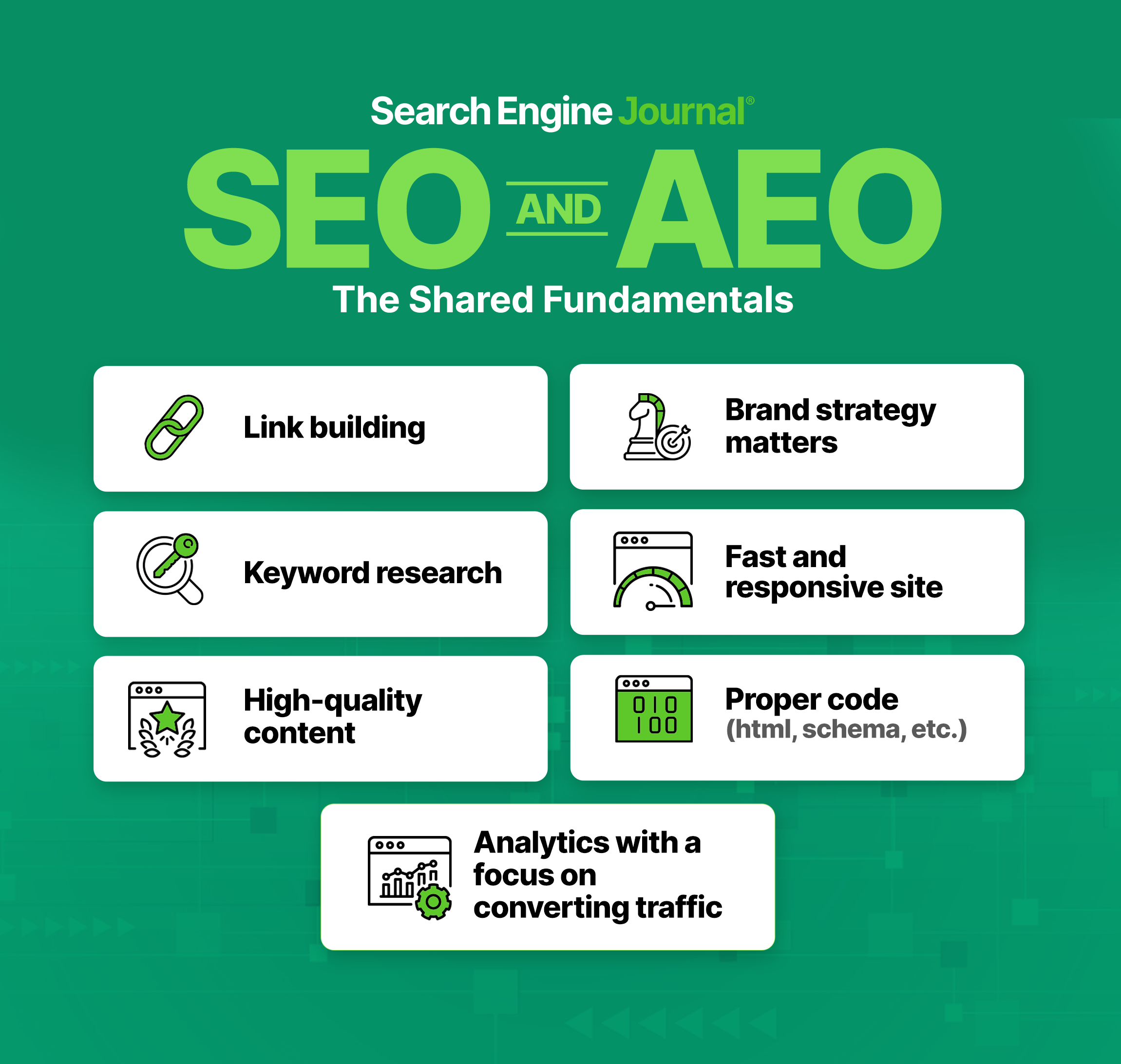
Many marketers are making critical errors when trying to adapt to AI search. Avoiding these pitfalls is essential for success.
1. Keyword Stuffing in Conversational Queries
Stuffing your content with exact-match keywords is a relic of the past. AI models penalize unnatural language. Instead of writing “best AI SEO AI Search Strategy,” write naturally: “The best strategy for optimizing your content for AI search engines.” The AI understands context, so focus on readability, not keyword repetition.
2. Ignoring User Intent
AI search is incredibly good at understanding intent. If a user asks a “transactional” query, they want a product recommendation, not a definition. If you create content that mismatches the intent, the A Always analyze the “People Also Ask” boxes and related searches to understand the full scope of intent behind your target keyword.
3. Neglecting Existing Content
Many marketers focus only on creating new content for AI search, forgetting to update their existing high-performing pages. Updating old posts with new data, clearer formatting, and direct answers is often more effective than creating new content from scratch. The AI values freshness and accuracy.
Important Notes on Measuring Success
Measuring the ROI of an AI SEO AI Search Strategy requires a shift in analytics. You cannot rely solely on Google Search Console clicks. You must track brand mentions in AI responses, which can be done through manual testing or specialized tools that monitor AI outputs. Track the “share of voice” in AI answers for your target keywords.
Also, monitor your referral traffic from AI platforms. As these platforms grow, they will send direct traffic to cited sources. Set up UTM parameters to track clicks from ChatGPT, Perplexity, and Bing Copilot specifically. This data will help you understand which content types are most effective at generating AI-driven traffic.
Frequently Asked Questions (FAQ)
What is the difference between SEO and AI Search Strategy?
Traditional SEO focuses on ranking in a list of links on a search engine results page. An AI Search Strategy focuses on becoming the primary source of information that AI models use to generate conversational answers. It prioritizes entity clarity, data accuracy, and content structure over link building and keyword density.
How do I optimize my content for AI Overviews?
To optimize for AI Overviews, structure your content to answer the query directly in the first paragraph. Use clear headings, bullet points, and tables to present data. Ensure your content is factually accurate and cites specific statistics. Focus on creating “definitive” guides that cover a topic comprehensively.
Will AI search kill traditional SEO?
No, traditional SEO is not dead, but it is evolving. The fundamentals of technical SEO (crawlability, site speed, mobile-friendliness) remain essential. However, the “optimization” part is shifting from keyword matching to semantic relevance and entity authority. SEO is becoming more about being the “source” rather than the “link.”
What tools are best for AI search optimization?
Tools that help with entity extraction, schema markup validation, and content optimization are crucial. Tools like Clearscope or Surfer SEO help with semantic relevance. Additionally, you should use tools that monitor AI responses, such as Brand24 or specialized AI tracking platforms, to see where your brand is mentioned.
How long does it take to see results from AI search optimization?
AI search optimization is a long-term play. While some changes can be indexed within days, building the entity authority required to be consistently cited by AI models can take several months. Consistency and accuracy are more important than speed.
Conclusion: The Future of Search is Conversational
The transition to AI-driven search is inevitable. Brands that cling to outdated SEO tactics will see their organic visibility decline. However, those who embrace a comprehensive AI SEO AI Search Strategy will find new opportunities for growth. The focus must shift from “ranking” to “being referenced.” By building a strong entity, creating answer-rich content, and maintaining impeccable technical health, you position your brand as the definitive source of truth in your industry. The future of search is not about links; it is about trust, clarity, and the ability to provide value in a conversational, synthesized format. Start implementing these strategies today to secure your place in the AI-driven search landscape of tomorrow.
Xem thêm:
- AI SEO Ahrefs: The Complete Guide to Smarter Search Optimization
- AI SEO Editorial Workflow: The Complete Guide to Scaling Content Production
- AI Ecommerce SEO: How to Outrank Competitors with Smart Automation and Data-Driven Strategies
- AI SEO Webinars: How Virtual Training Is Reshaping Modern Search Strategy
- AI SEO Ranking Factors: The Complete Guide to Ranking in the Age of Machine Learning
Bài viết cùng chủ đề:

AI SEO SEO Automation with Make: The Complete Workflow Guide

AI SEO SEO Automation with Zapier: The Complete Workflow Guide

AI SEO SEO Automation with n8n: The Complete Workflow Guide
AI SEO SEO Automation with Gemini: The Complete Guide to Scaling Organic Growth

AI SEO SEO Automation with Claude: The Complete Guide to Scaling Content in 2025

AI SEO SEO Automation with ChatGPT: The Complete Playbook for 2025

AI SEO & SEO Automation for Affiliate Sites: The 2025 Playbook for Passive Income Growth
AI SEO & SEO Automation for Bloggers: The Complete Guide to Scaling Your Content

AI SEO & SEO Automation for Agencies: The Complete 2025 Playbook

AI SEO and SEO Automation for Ecommerce: The Complete Playbook for 2025

AI SEO & SEO Automation for WordPress: The Complete Playbook for 2025
AI SEO SEO Automation Strategy: The Complete Playbook for 2025

Mastering the AI SEO SEO Automation Process: A Complete Guide to Scaling Organic Growth
AI SEO SEO Automation System: The Complete Guide to Scaling Organic Growth in 2025
AI SEO SEO Automation Platform: The Complete Guide to Scaling Organic Growth in 2025
AI SEO SEO Automation Software: The Complete Guide to Scaling Organic Growth in 2025















