
No products in the cart.
AI SEO Editorial Workflow: The Complete Guide to Scaling Content Production
31
Jul
Jul
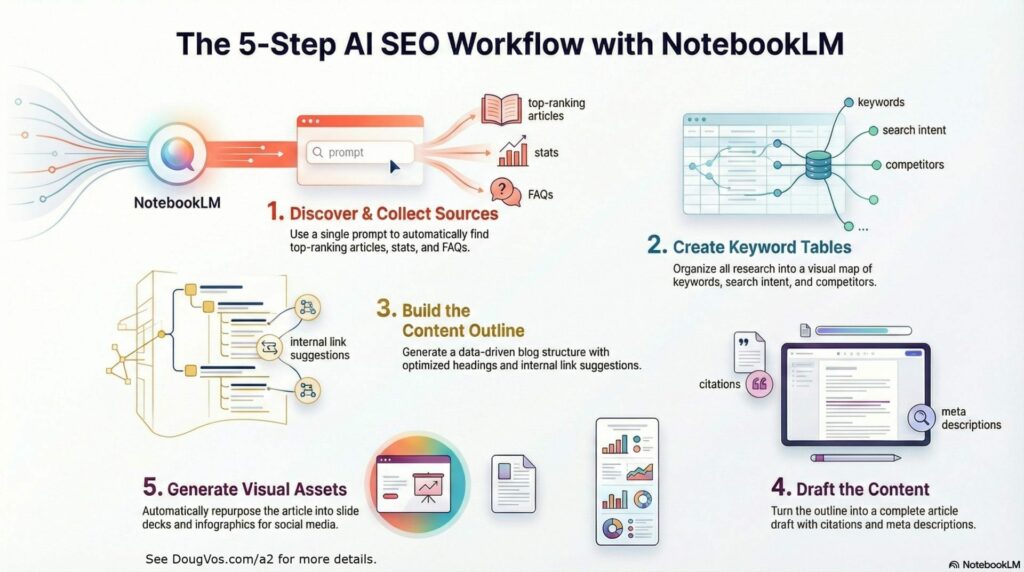
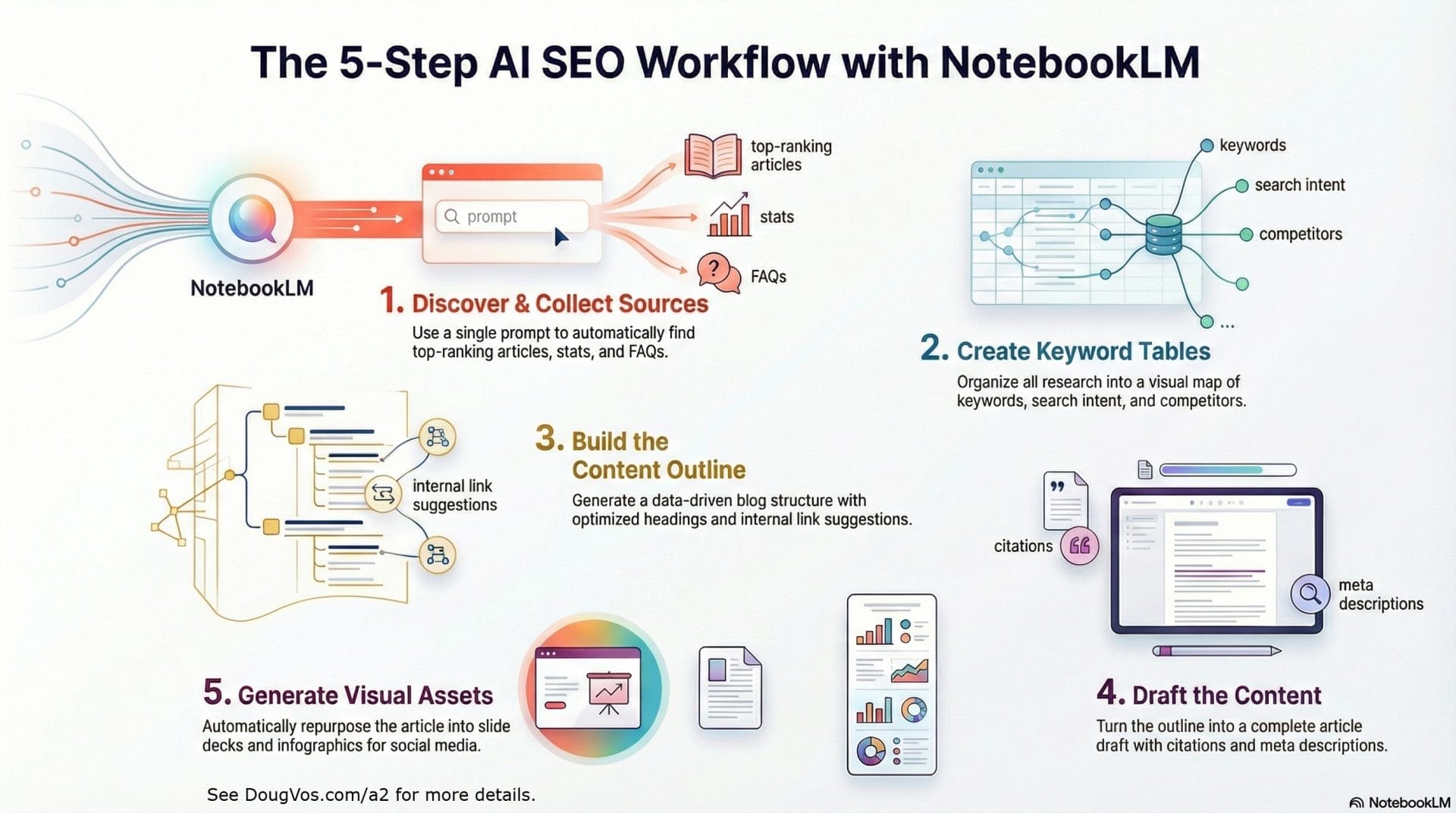
The modern digital landscape demands a constant stream of high-quality, optimized content. Marketing teams are stretched thin, struggling to balance research, writing, editing, and optimization. This is where the AI SEO editorial workflow transforms operations. It is a structured system that integrates artificial intelligence tools at every stage of content creation, from keyword discovery to performance analysis. This approach does not replace human creativity; it amplifies it, allowing teams to produce more relevant, accurate, and search-friendly articles in a fraction of the time. This guide breaks down the components, benefits, and practical steps to build a workflow that drives organic growth.
What is an AI SEO Editorial Workflow?
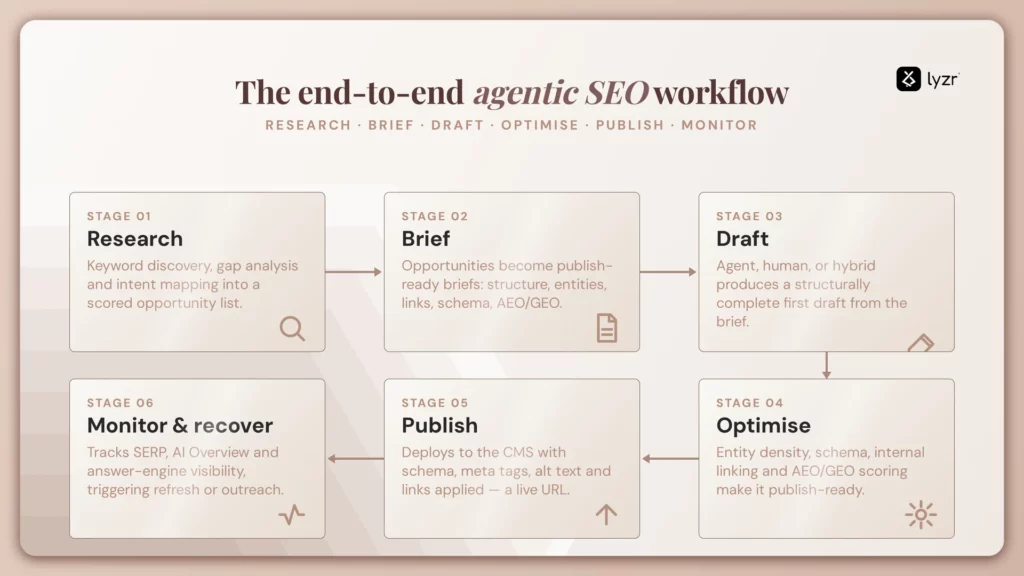
An AI SEO editorial workflow is a defined process that uses machine learning and natural language processing to automate and enhance the production of content designed to rank in search engines. It moves beyond simple grammar checking. The workflow encompasses strategic planning, content brief generation, drafting, optimization, and performance tracking. The core principle is to use AI for data-heavy tasks—like analyzing top-ranking pages or identifying semantic keywords—while humans focus on strategy, brand voice, and factual accuracy.
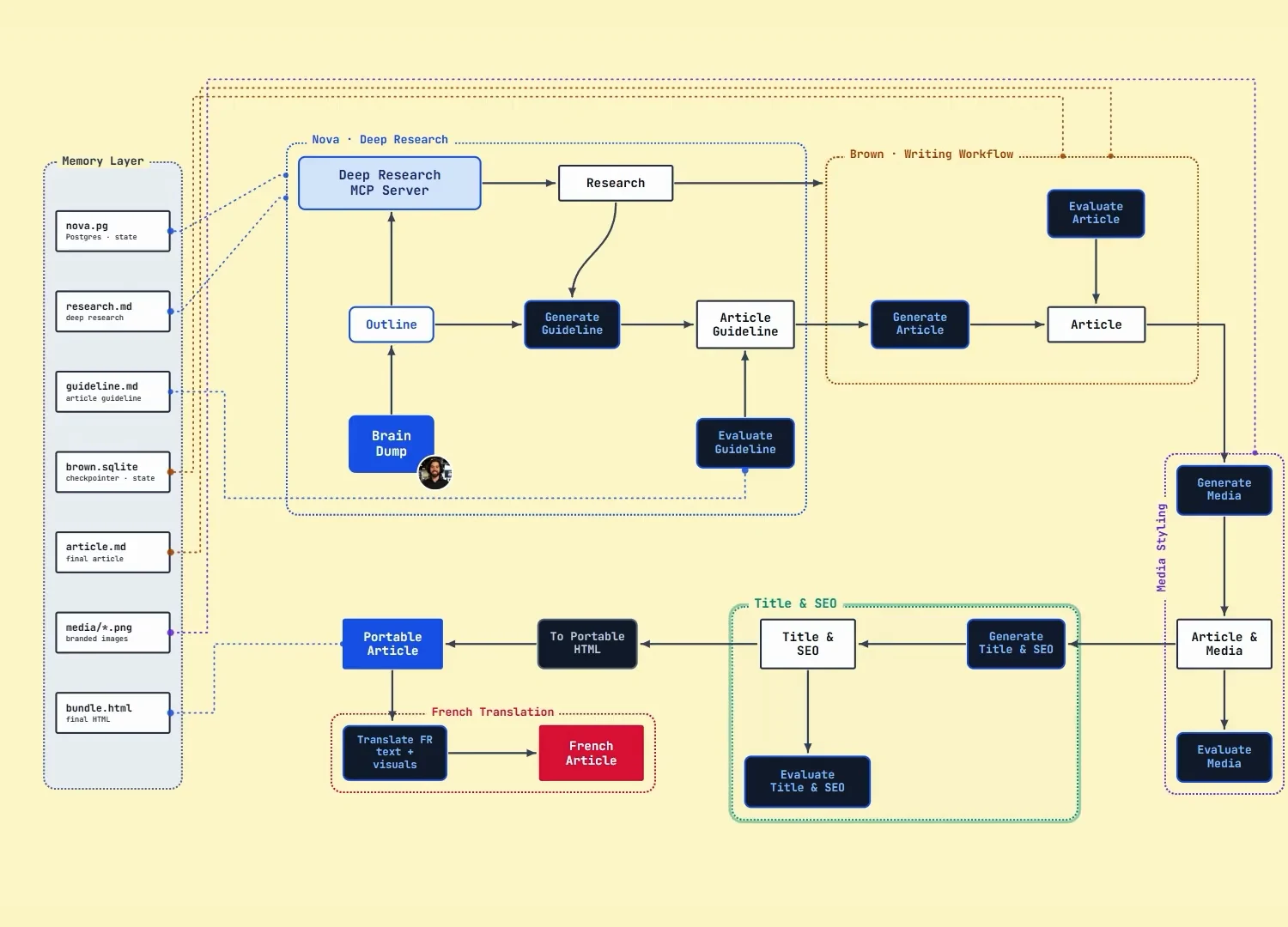
This system is not a single tool but a chain of interconnected steps. Each step feeds data into the next, creating a feedback loop. For example, an AI tool analyzes search intent for a topic, then generates an outline, then drafts a section, and finally suggests meta descriptions. The human editor reviews each output, ensuring the content meets editorial standards and aligns with the brand’s expertise. The result is a scalable model that maintains quality while increasing output volume.
The Core Components of an AI-Driven Editorial Process
To build an effective system, you must understand its four primary pillars. These components work together to streamline operations and improve content efficacy.
1. Automated Topic Discovery and Clustering
Traditional keyword research involves manual spreadsheet analysis. AI changes this by processing vast datasets to identify topic clusters and content gaps. Tools can analyze search engine results pages (SERPs) to determine the dominant intent—informational, commercial, or transactional. They can also suggest related entities and questions that users frequently ask. This ensures your editorial calendar is built on data-backed demand rather than guesswork.
2. AI-Assisted Content Brief Generation
Once a topic is selected, the workflow generates a comprehensive brief. This brief includes target keywords, recommended word count, readability scores, and competitor analysis. More advanced systems outline the specific entities and subtopics that Google associates with the primary keyword. This gives writers a clear roadmap, reducing the time spent on research and ensuring comprehensive coverage of the subject matter.
3. Drafting and Optimization in Real-Time
Writers can use AI assistants to generate initial drafts or expand on bullet points. However, the true power lies in real-time optimization. As the writer types, the AI analyzes the text against the brief. It checks keyword density, semantic relevance, and internal linking opportunities. It suggests improvements to title tags, header structure, and image alt text. This immediate feedback loop prevents the creation of off-target content that requires heavy revision later.
4. Performance Analysis and Iteration
The workflow does not end at publication. AI monitors key performance indicators (KPIs) like click-through rate (CTR), dwell time, and keyword rankings. It identifies which pieces are underperforming and suggests updates. This could involve refreshing statistics, adding new sections, or improving the meta description. This continuous iteration cycle is crucial for maintaining and improving search visibility over time.
Benefits of Implementing an AI SEO Editorial Workflow
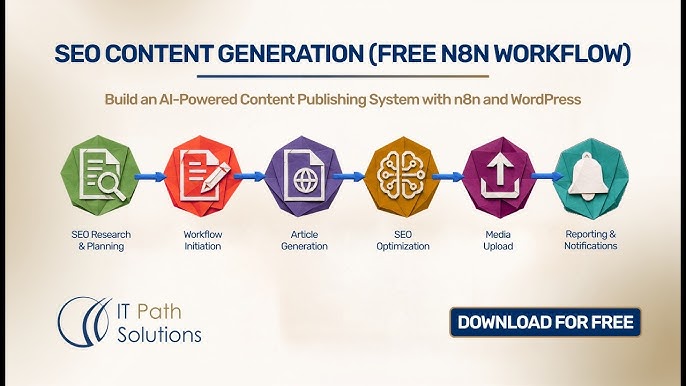
Adopting this system offers tangible advantages that go beyond simple time savings. The benefits impact team morale, content quality, and bottom-line revenue.
- Increased Production Velocity: Teams can publish more content without expanding headcount. The automation of research and drafting phases shortens the production cycle from days to hours.
- Enhanced Content Consistency: AI ensures that every piece adheres to the same SEO guidelines and brand tone. This consistency builds authority with both users and search engine crawlers.
- Improved Search Relevance: By analyzing SERP features and user intent, AI helps create content that directly answers the questions users are asking. This leads to higher rankings and better engagement metrics.
- Data-Driven Decision Making: The workflow removes emotional bias from content strategy. Decisions about what to write and how to optimize are based on hard data, reducing the risk of creating content that nobody searches for.
- Scalability of Expertise: Subject matter experts can focus on providing unique insights and data, while AI handles the formatting and keyword placement. This allows you to scale your expertise without losing quality.
- Publishing Unedited AI Output: This is the most damaging mistake. It leads to low-quality content that erodes trust and fails to rank. Always treat AI output as a first draft, not a final product.
- Ignoring Search Intent: Using AI to generate content for a keyword without understanding why the user is searching. If the intent is to buy, do not write a generic informational article.
- Over-Optimization: Forcing keywords into the text where they do not fit naturally. This creates a poor user experience and can trigger spam filters. Focus on semantic relevance over exact-match repetition.
- Neglecting Internal Linking: AI can suggest links, but the workflow must include a step to manually verify that links point to relevant, high-authority pages within your site. Broken or irrelevant links harm SEO.
- Lack of Unique Data: Relying solely on AI-generated text without adding original research, proprietary data, or expert commentary. Unique insights are what differentiate your content from the thousands of other AI-generated articles online.
Limitations and Challenges to Consider
While powerful, this workflow is not a magic bullet. Understanding its limitations is essential for successful implementation.
Risk of Generic Output: AI models are trained on existing data. Without proper human input, they can produce generic, unoriginal content that lacks unique perspectives. This can harm your E-E-A-T (Experience, Expertise, Authoritativeness, Trustworthiness) score.
Factual Inaccuracies: Large language models can “hallucinate” or generate plausible-sounding but incorrect information. Every statistic, quote, and technical claim must be verified by a human editor before publication.
Dependency on Tool Quality: The output is only as good as the data and algorithms of the tools you use. Poorly configured AI can lead to keyword stuffing or unnatural language, which triggers search engine penalties.
Loss of Human Nuance: AI struggles with humor, empathy, and complex storytelling. Content that requires deep emotional connection or personal experience still requires a human writer to lead the process.
AI SEO Editorial Workflow vs. Traditional Workflow
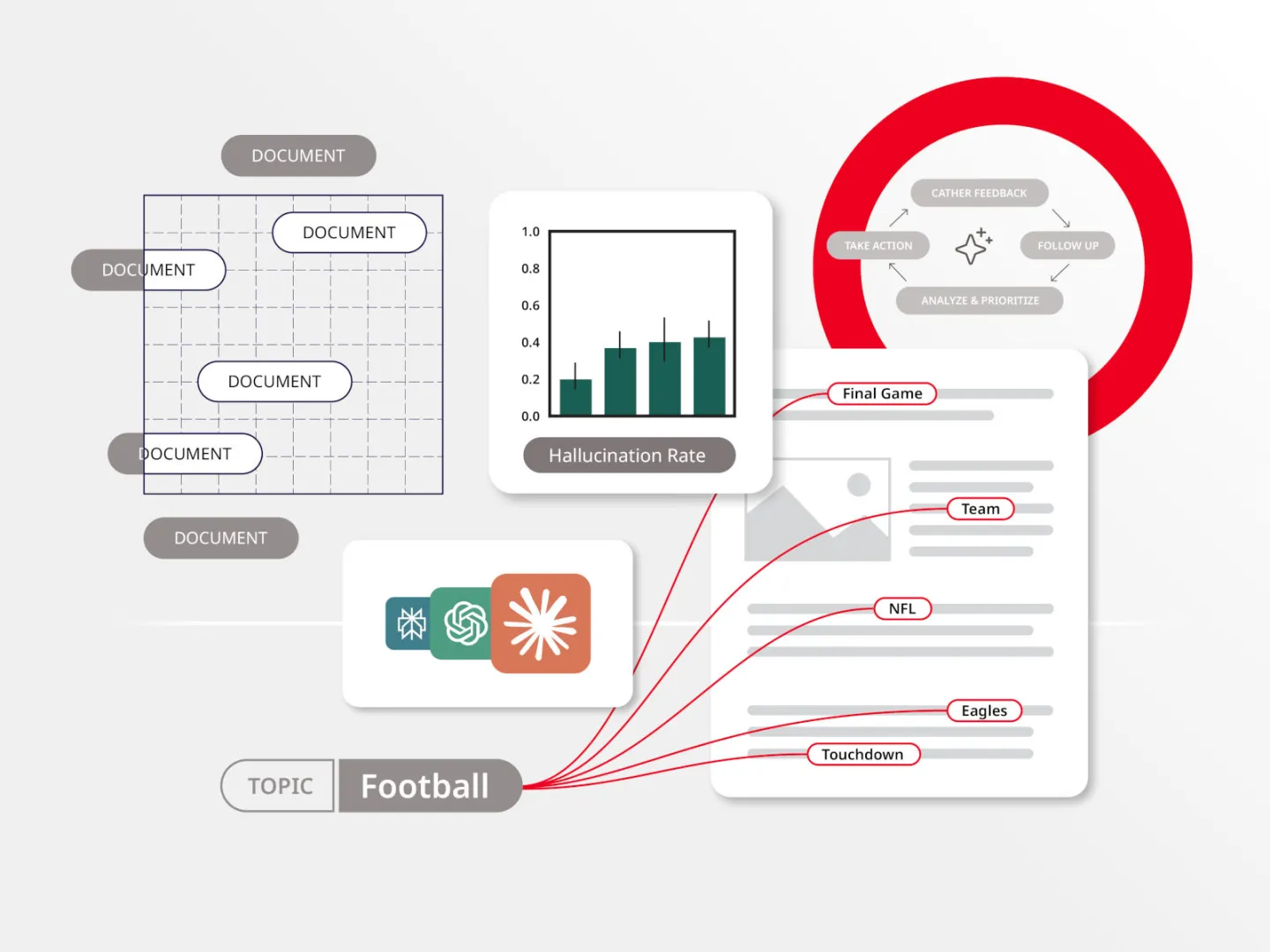
To appreciate the value of this system, it helps to compare it directly with the traditional manual process. The differences are stark across several operational dimensions.
| Operational Aspect | Traditional Workflow | AI SEO Editorial Workflow |
|---|---|---|
| Keyword Research | Manual extraction from tools, often limited to high-volume terms. | Automated clustering of long-tail keywords and semantic entities. |
| Content Brief Creation | Time-consuming, based on manual SERP analysis. | Instant generation of detailed briefs with competitor gaps. |
| Drafting Speed | Slow, dependent on writer research time. | Fast, with AI generating first drafts or expanding outlines. |
| On-Page Optimization | Often done after writing, requiring multiple revisions. | Real-time suggestions during the writing process. |
| Content Refreshing | Infrequent, often reactive to traffic drops. | Proactive, data-driven updates based on performance metrics. |
| Team Workload | High manual effort, leading to burnout. | Reduced manual effort, allowing focus on strategy and creativity. |
Practical Guide: How to Build Your AI SEO Editorial Workflow
Implementing this system requires a strategic approach.
Step 1: Audit Your Current Process
Map out your existing workflow from idea to publication. Identify bottlenecks. Is research taking too long? Are writers spending hours on formatting? Are editors constantly fixing basic SEO errors? These pain points will dictate which AI tools you need to prioritize.
Step 2: Select the Right Tool Stack
You do not need one tool to do everything. A robust stack might include a dedicated SEO platform for keyword data, an AI writing assistant for drafting, and a separate tool for content optimization and scoring. Ensure the tools integrate with your CMS (Content Management System) to avoid copy-pasting between platforms.
Step 3: Define Your Brand Voice and Guidelines
Before letting AI generate text, you must train it on your brand. Create a detailed style guide that includes tone, vocabulary, and prohibited phrases. Many AI tools allow you to input this information to tailor the output. This step is critical for maintaining authenticity.
Step 4: Create a Standardized Brief Template
Develop a template that your AI tool uses to generate briefs. This template should include fields for target audience, primary keyword, secondary keywords, competitor URLs, and specific questions to answer. A standardized template ensures consistency across all content produced by different team members.
Step 5: Implement a Human Review Gate
Establish a mandatory human review stage. The AI drafts the content, but a human editor must fact-check, add original quotes, and ensure the content aligns with the brand’s expertise. This gate is non-negotiable for maintaining quality and trust.
Step 6: Track and Refine
After publication, monitor the content’s performance. Use AI analytics to track keyword positions and user engagement. Set a schedule for content refreshes—typically every 6 to 12 months—to update statistics and ensure the information remains current.
Common Mistakes to Avoid in AI-Driven Content Creation
Many teams fail to see results because they fall into predictable traps. Being aware of these pitfalls will save you time and resources.
Important Notes on Quality and Ethics
Using AI in your workflow carries ethical responsibilities. Google’s guidelines are clear: automated content is against guidelines if the primary purpose is to manipulate search rankings. However, content that is helpful and created with AI assistance is acceptable. The key is to ensure that AI is used as a tool to enhance, not replace, human effort.
Transparency is also vital. If you use AI to generate large portions of text, consider whether your audience would want to know. While not legally required in most jurisdictions, disclosing AI use can build trust with your audience. Furthermore, always ensure you have the rights to use the data you feed into AI tools, especially if it involves proprietary research or user-generated content.
Finally, focus on the “Experience” aspect of E-E-A-T. AI cannot visit a factory, test a product, or interview an expert. Your workflow must include a mechanism for injecting real-world experience into the content. This could be through writer interviews, embedded video, or original photography. This human element is what makes content genuinely valuable and difficult for competitors to replicate.
Frequently Asked Questions
What is the difference between AI writing and an AI SEO workflow?
AI writing refers to the specific act of generating text using a language model. An AI SEO editorial workflow is a broader system that encompasses the entire content lifecycle. It includes research, planning, optimization, and analysis. AI writing is just one component within that larger workflow.
Will AI replace SEO content writers?
No, it will not replace them, but it will change their role. Writers will shift from being typists and researchers to being editors and strategists. They will be responsible for providing the creative direction, verifying facts, and adding unique insights that AI cannot generate. Writers who learn to leverage A
How do I measure the success of my AI editorial workflow?
Track the same KPIs you would for any content strategy. Monitor organic traffic growth, keyword rankings for target terms, and conversion rates. Additionally, track internal efficiency metrics like time-to-publish and cost-per-article. A successful workflow should show improvement in both quality metrics and production efficiency.
Can AI help with content localization and translation?
Yes, AI can translate content and adapt it for local markets. However, this requires careful human oversight. Literal translations often miss cultural nuances and local search behavior. A human native speaker must review AI-translated content to ensure it resonates with the local audience and uses appropriate local keywords.
What are the best AI tools for SEO workflows?
The best tools depend on your specific needs and budget. For research, tools like Ahrefs and Semrush have AI features. For drafting, tools like Jasper and Copy.ai are popular. For optimization, Surfer SEO and Clearscope provide real-time scoring. The best approach is to test a few tools to see which integrates best with your existing CMS and team workflow.
Conclusion
The AI SEO editorial workflow represents a significant shift in how digital content is produced. It is a strategic response to the increasing demand for high-quality, relevant content at scale. By automating repetitive tasks and providing data-driven insights, this workflow empowers teams to focus on what truly matters: creating valuable, authoritative content that serves the user. The successful implementation requires a balance between technological efficiency and human judgment. Teams that master this balance will not only improve their search rankings but also build a more sustainable and scalable content operation. The future of SEO is not about choosing between humans and machines; it is about building a workflow where both work in harmony.
Xem thêm:
- AI SEO Product Review Generator: The Complete Guide to Automated Review Content
- AI SEO Accessibility: The Complete Guide to Inclusive Search Optimization
- AI SEO Attribution: The Complete Guide to Measuring What Actually Drives Rankings
- AI SEO Strategy 2026: The Complete Blueprint for Search Dominance
- AI SEO Topic Research: The Complete Guide to Data-Driven Content Planning
Bài viết cùng chủ đề:

AI SEO SEO Automation with Make: The Complete Workflow Guide

AI SEO SEO Automation with Zapier: The Complete Workflow Guide

AI SEO SEO Automation with n8n: The Complete Workflow Guide
AI SEO SEO Automation with Gemini: The Complete Guide to Scaling Organic Growth

AI SEO SEO Automation with Claude: The Complete Guide to Scaling Content in 2025

AI SEO SEO Automation with ChatGPT: The Complete Playbook for 2025

AI SEO & SEO Automation for Affiliate Sites: The 2025 Playbook for Passive Income Growth
AI SEO & SEO Automation for Bloggers: The Complete Guide to Scaling Your Content

AI SEO & SEO Automation for Agencies: The Complete 2025 Playbook

AI SEO and SEO Automation for Ecommerce: The Complete Playbook for 2025

AI SEO & SEO Automation for WordPress: The Complete Playbook for 2025
AI SEO SEO Automation Strategy: The Complete Playbook for 2025

Mastering the AI SEO SEO Automation Process: A Complete Guide to Scaling Organic Growth
AI SEO SEO Automation System: The Complete Guide to Scaling Organic Growth in 2025
AI SEO SEO Automation Platform: The Complete Guide to Scaling Organic Growth in 2025
AI SEO SEO Automation Software: The Complete Guide to Scaling Organic Growth in 2025















