
No products in the cart.
AI SEO Ranking Factors: The Complete Guide to Ranking in the Age of Machine Learning
10
Aug
Aug
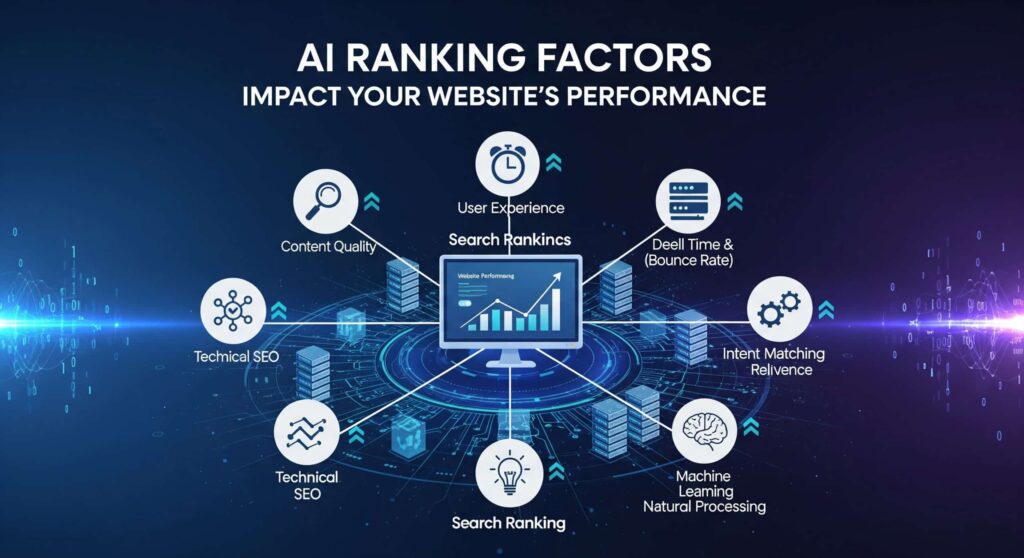
The digital landscape has shifted dramatically. Search engines no longer rely solely on backlinks and keyword density. Today, AI SEO Ranking Factors determine which content surfaces at the top of search results. Google’s algorithms, particularly RankBrain and the more advanced BERT and MUM models, now interpret user intent, contextual meaning, and content quality in ways that mimic human understanding. For marketers and website owners, adapting to these machine-learning-driven criteria is no longer optional; it is essential for organic visibility. This comprehensive guide breaks down the core elements that influence rankings in an AI-dominated search environment, offering actionable strategies to future-proof your SEO efforts.
Understanding the Shift: What Are AI SEO Ranking Factors?
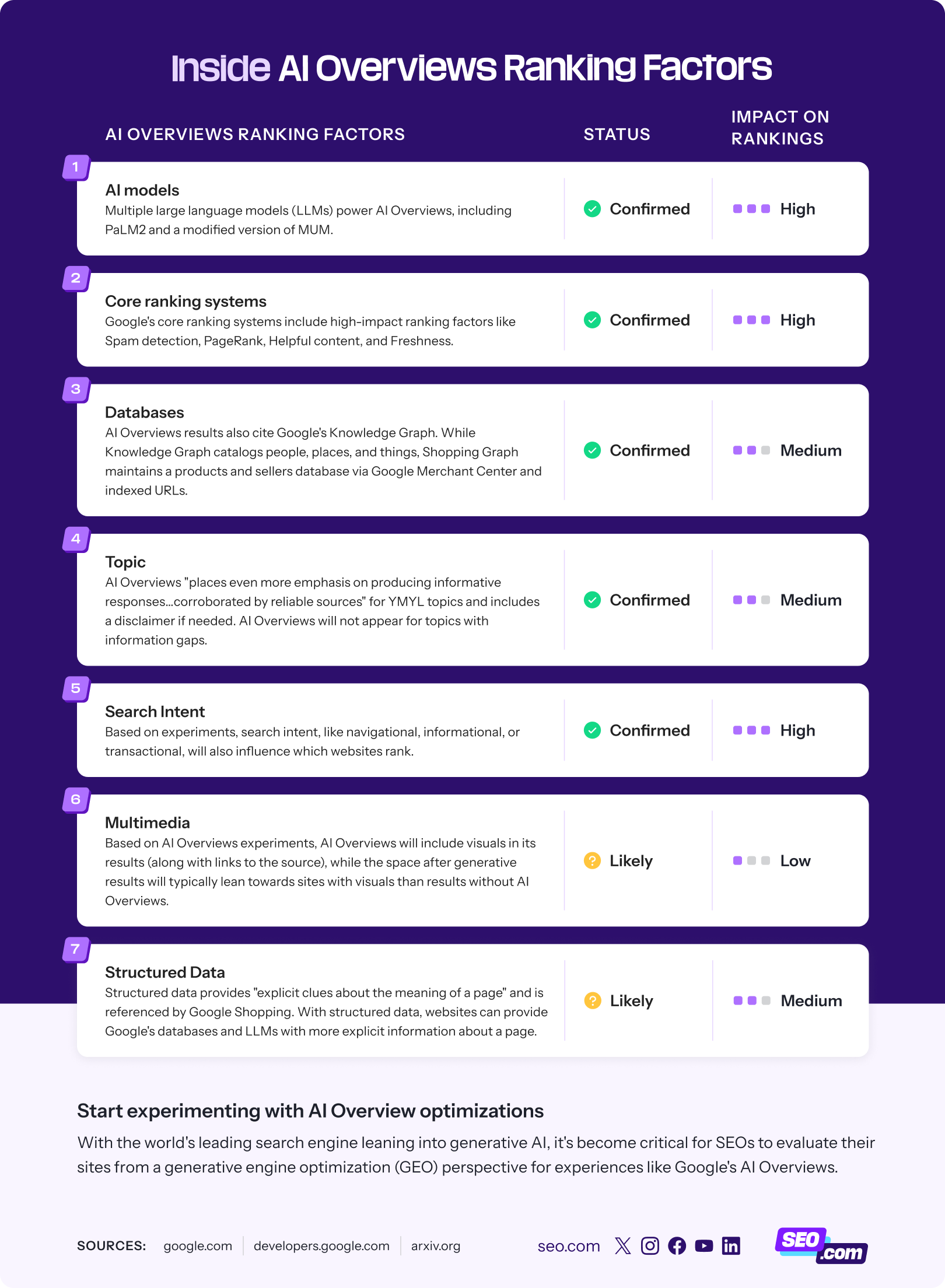
AI SEO ranking factors refer to the signals and criteria that machine learning algorithms use to evaluate and rank web pages. Unlike traditional ranking factors that focused on exact-match keywords and link quantity, AI-driven systems assess the semantic relevance, user experience, and overall authority of a page. These algorithms learn from patterns in user behavior, constantly updating their understanding of what constitutes a high-quality result.
The core difference lies in the processing power. Traditional algorithms matched strings of text. Modern AI algorithms understand entities, relationships, and concepts. For example, if a user searches for “best running shoes for flat feet,” the AI recognizes the intent (buying guide), the condition (flat feet), and the need for specific product recommendations. A page that covers all these aspects comprehensively will rank higher than a page that merely repeats the keyword phrase multiple times.
The Core AI SEO Ranking Factors You Must Master
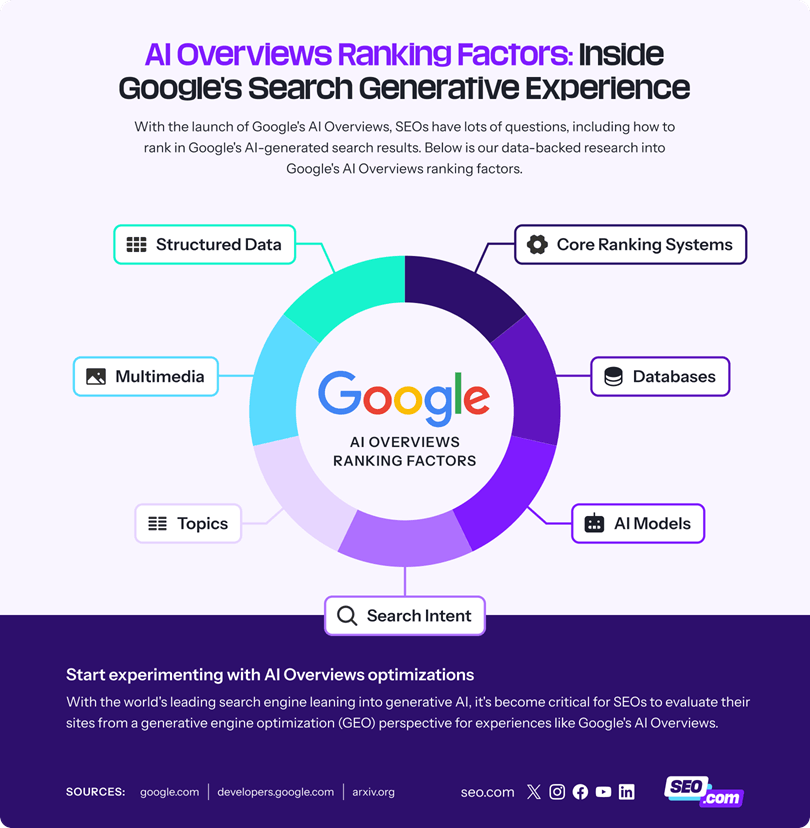
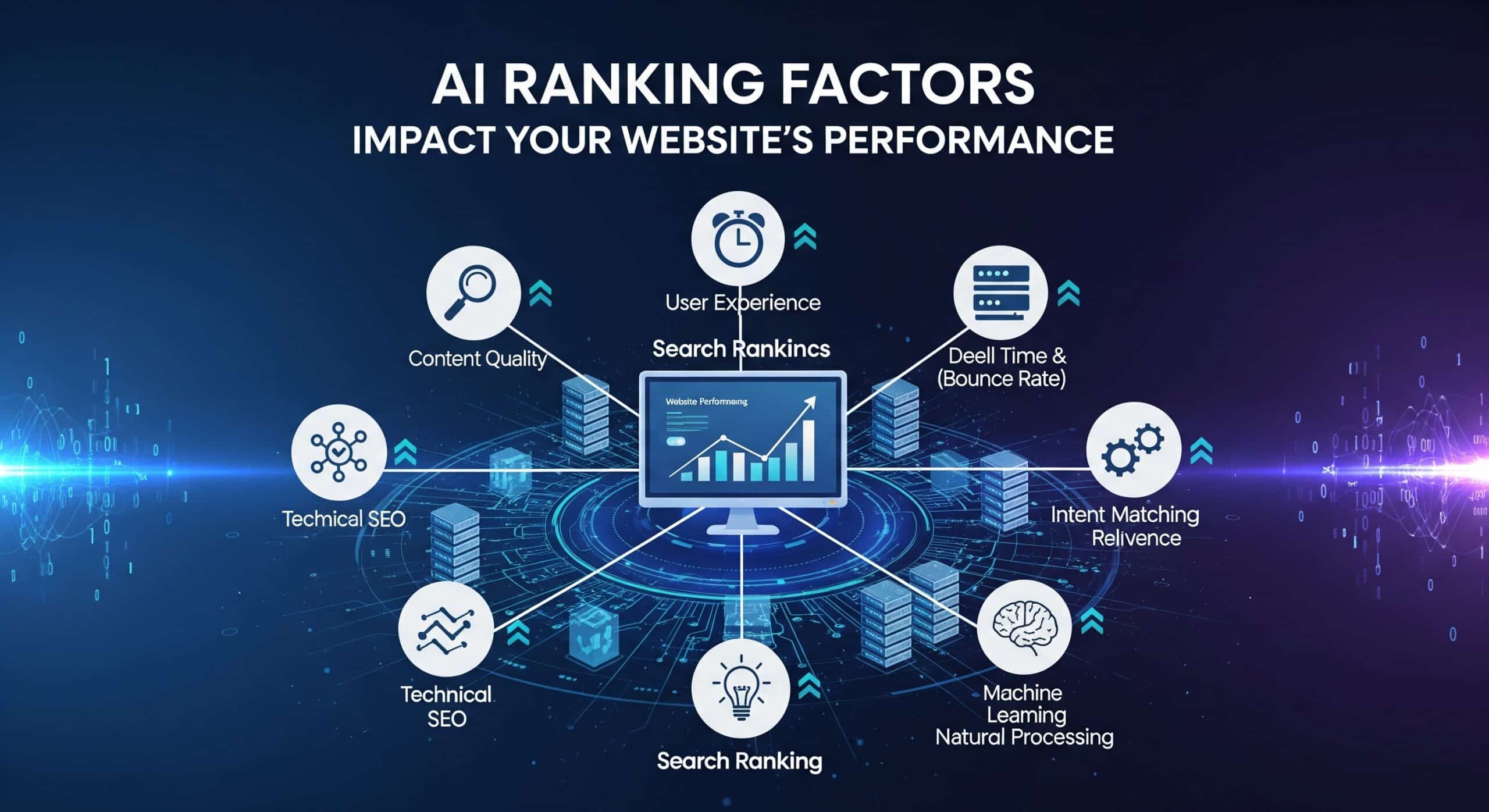
To rank effectively in this new era, you must optimize for a blend of technical, content, and experiential signals. The following factors are the most critical for AI-driven search engines.
1. Semantic Search and Entity Optimization
Search engines now build knowledge graphs that connect entities (people, places, things) and their relationships. Your content must clearly define the main entities and their context. This involves using related terms, synonyms, and natural language that covers the topic comprehensively. For instance, an article about “content marketing” should naturally include references to “audience personas,” “distribution channels,” and “ROI measurement.” This helps the AI understand that your page is a complete resource on the subject.
To optimize for entities, structure your content with clear headings that answer specific questions. Use schema markup (specifically Article and FAQPage schema) to explicitly tell the search engine what your content is about. This structured data helps the AI parse your page more efficiently, increasing the chances of appearing in rich results and featured snippets.
2. User Engagement Metrics (Dwell Time and Bounce Rate)
AI algorithms heavily weigh how users interact with your page. If a user clicks your result and immediately returns to the search engine (a high bounce rate), the AI interprets this as a signal that your content did not satisfy the query. Conversely, a long dwell time (the time spent on your page) signals high relevance and quality.
Improving these metrics requires a focus on readability and user experience. Break up large blocks of text with subheadings, bullet points, and images. Ensure your page loads quickly on mobile devices. Write compelling meta descriptions that accurately reflect the content, reducing the likelihood of a mismatched click. The goal is to create a frictionless experience that encourages users to read, scroll, and engage.
3. Content Depth and E-E-A-T (Experience, Expertise, Authoritativeness, Trustworthiness)
AI systems are trained to identify content that demonstrates first-hand experience and genuine expertise. The E-E-A-T framework is a cornerstone of Google’s quality rater guidelines, and AI algorithms are now sophisticated enough to detect these signals. This means your content must go beyond surface-level information.
To demonstrate experience, include personal anecdotes, case studies, or specific data points from your own research. Showcase expertise by citing credible sources, linking to authoritative websites, and ensuring your facts are accurate. Authoritativeness is built through consistent, high-quality output and earning mentions from industry leaders. Trustworthiness involves having a secure site (HTTPS), clear privacy policies, and transparent authorship. A page that lacks these signals will struggle to rank for competitive queries.
4. Natural Language Processing (NLP) and Keyword Context
Keyword stuffing is a relic of the past. AI uses NLP to understand the context in which a keyword appears. It analyzes the surrounding words to determine if the content is relevant to the query’s intent. For example, the word “apple” could refer to the fruit or the technology company. The AI uses the context of your entire page to determine which meaning is intended.
Your keyword strategy should focus on topic clusters rather than individual keywords. Create a pillar page that covers a broad topic and link out to detailed cluster pages that cover subtopics. This creates a web of semantically related content that helps the AI understand your site’s overall authority on the subject. Use variations of your main keyword naturally throughout the text, but prioritize readability and logical flow.
Technical Infrastructure: The Backbone of AI Rankings
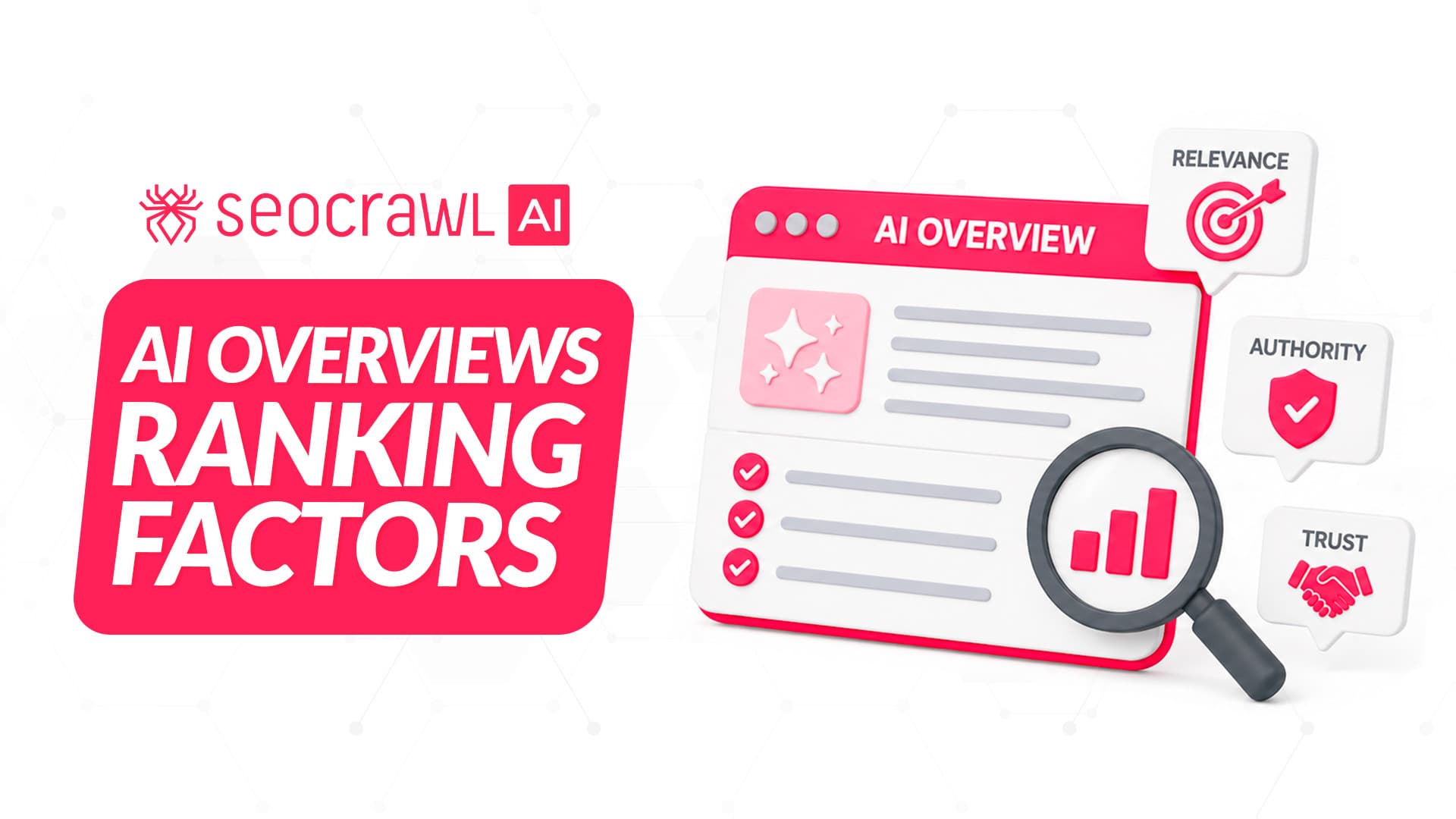
Even the most brilliant content will fail to rank if the technical foundation is weak. AI crawlers need to efficiently access, render, and index your pages. The following technical factors are non-negotiable.
Core Web Vitals and Page Experience
Google’s Core Web Vitals are a set of specific metrics that measure user experience: loading performance (Largest Contentful Paint), interactivity (First Input Delay), and visual stability (Cumulative Layout Shift). These are direct ranking signals. A slow, janky website will be penalized regardless of content quality.
Optimize images by compressing them without losing quality. Use a content delivery network (CDN) to serve files from servers closer to the user. Minimize JavaScript that blocks rendering. Ensure your hosting provider can handle traffic spikes. These technical optimizations directly influence how AI evaluates your site’s usability.
Structured Data and Schema Markup
Schema markup is a code that you add to your website to help search engines return more informative results for users. It creates an enhanced description (rich snippet) that appears in search results. While not a direct ranking factor in the traditional sense, structured data enables AI to understand your content’s context, which indirectly boosts visibility and click-through rates.
Implementing Product, Review, and HowTo schema can lead to rich results that take up more screen space and attract more clicks. A higher click-through rate signals to the AI that your result is valuable, leading to a positive feedback loop that improves rankings over time.
Off-Page Signals: How AI Evaluates Authority
Backlinks remain a powerful ranking factor, but AI has become much better at evaluating their quality. The focus has shifted from quantity to relevance and trust.
Link Relevance and Contextual Authority
A link from a high-authority site in your niche carries significantly more weight than dozens of links from unrelated directories. AI analyzes the anchor text and the surrounding content of the linking page to determine the context. A link from a reputable marketing blog to your article on “AI SEO Ranking Factors” is a strong signal of relevance.
Focus on building relationships with industry influencers and publications. Guest post on reputable sites, participate in expert roundups, and create linkable assets like original research or comprehensive guides. The goal is to earn links that are both contextually relevant and from domains with high trust scores.
Practical Application: A Step-by-Step Guide to Optimizing for AI
Understanding the theory is one thing; applying it is another.
- Conduct an Intent Audit: Before writing, analyze the search engine results page (SERP) for your target keyword. Identify the format of the top results (listicles, guides, videos) and the questions they answer. This tells you what the AI considers the most relevant content type.
- Build a Semantic Map: List all related concepts, synonyms, and subtopics. Use tools like Google’s “People Also Ask” and related searches to expand this list. Your content should naturally cover these terms.
- Write for Humans, Structure for Bots: Draft your content with a clear narrative. Use H2 and H3 tags to create a logical hierarchy. Ensure your introduction clearly states the purpose of the article and what the reader will learn.
- Optimize for Readability: Use short paragraphs, active voice, and transition words. Aim for a reading level that is accessible to a broad audience. Tools like Hemingway Editor can help simplify complex sentences.
- Implement Schema: Add FAQPage schema to your FAQ section and Article schema to the main content. This helps the AI extract key information for featured snippets.
- Monitor Engagement: After publishing, track your bounce rate and dwell time in Google Analytics. If users are leaving quickly, revise your introduction or add more visual aids to improve engagement.
Common Mistakes and How to Avoid Them
Many SEO professionals still rely on outdated tactics that actively harm their rankings in an AI-driven world. Here are the most common pitfalls.
- Keyword Cannibalization: Creating multiple pages targeting the same keyword confuses the AI. It doesn’t know which page to rank. Consolidate similar content into a single, comprehensive page.
- Ignoring Search Intent: Writing a product review when the user wants a tutorial is a fatal error. Always match your content format to the dominant intent in the SERP.
- Neglecting Technical Health: Broken links, slow server response times, and unoptimized images send negative signals. Conduct regular technical audits to identify and fix issues.
- Focusing on Quantity over Quality: Publishing thin, generic content to target more keywords dilutes your site’s authority. It is better to publish one in-depth, 2000-word guide than five 400-word summaries.
Important Notes on AI Content and Detection
T Google’s stance is clear: it penalizes low-quality content, regardless of whether it was written by a human or a machine. However, purely AI-generated text often lacks the nuance, personal experience, and unique insights that E-E-A-T requires.
If you use AI tools to assist your writing, you must heavily edit and augment the output. Add your own data, opinions, and examples. Fact-check every claim. The final product must offer value that cannot be found elsewhere. The AI is a tool for efficiency, not a replacement for genuine expertise.
Comparison: Traditional vs. AI-Driven SEO Factors
To fully grasp the shift, consider the following comparison of priorities.
| Factor | Traditional SEO (Pre-2019) | AI SEO (Current) |
|---|---|---|
| Keyword Use | Exact match density | Semantic relevance and context |
| Content Length | Word count minimums | Depth and comprehensiveness |
| Backlinks | Quantity and domain authority | Contextual relevance and trust |
| User Experience | Secondary consideration | Primary ranking signal |
| Technical Setup | Basic crawlability | Core Web Vitals and structured data |
This table illustrates a fundamental change. The focus has moved from manipulating signals to genuinely satisfying user needs. AI is adept at detecting manipulation, making authentic optimization the only sustainable strategy.
Frequently Asked Questions (FAQ)
What is the most important AI SEO ranking factor?
T The algorithm uses a weighted combination of signals. However, content that demonstrates high E-E-A-T and perfectly matches search intent is the strongest foundation. Without this, technical excellence and backlinks will not save a page.
Does Google penalize AI-written content?
Google penalizes spammy, low-quality content, not the method of production. If AI-generated content is factually accurate, well-edited, and provides unique value, it can rank. The key is to ensure the content passes the same quality bar as human-written content.
How do I optimize for voice search with AI ranking factors?
Voice search queries are typically longer and more conversational. Optimize for question-based queries and use natural language in your content. Structuring your FAQ section with clear, concise answers increases your chances of being featured in voice search results.
Are backlinks still relevant for AI SEO?
Yes, backlinks are still a top three ranking factor. However, the quality threshold is much higher. A few links from authoritative, relevant sites are far more valuable than hundreds of links from low-quality directories. Focus on earning links through digital PR and creating exceptional resources.
How often should I update my content for AI SEO?
Regularly updating your content signals freshness to the AI. Review your top-performing pages every 6-12 months. Update statistics, add new examples, and ensure the information is still accurate. This helps maintain rankings and demonstrates that your site is actively maintained.
Conclusion: Future-Proofing Your Strategy
Mastering AI SEO Ranking Factors is an ongoing process, not a one-time fix. As machine learning models evolve, they will become even better at understanding nuance and rewarding genuine value. The strategies outlined in this guide—focusing on semantic depth, user experience, technical health, and authentic authority—are designed to align with this trajectory.
The brands that will succeed are those that prioritize the user above all else. By creating content that truly answers questions, solves problems, and delights readers, you are inherently optimizing for the AI algorithms that serve those users. Stop chasing the algorithm and start serving the audience. The rankings will follow.
Xem thêm:
- AI SEO Geo Targeting: The Complete Guide to Local Search Dominance in 2025
- How to Optimize for AI Search: A Comprehensive Guide to Generative Engine Optimization
- AI SEO Keyword Relationships: The Complete Guide to Semantic Search Optimization
- AI SEO for Travel Websites: The Complete Guide to Dominating Search in 2025
- AI Keyword Difficulty: The Smarter Way to Gauge Search Competition in the Age of Machine Learning
Bài viết cùng chủ đề:

AI SEO SEO Automation with Make: The Complete Workflow Guide

AI SEO SEO Automation with Zapier: The Complete Workflow Guide

AI SEO SEO Automation with n8n: The Complete Workflow Guide
AI SEO SEO Automation with Gemini: The Complete Guide to Scaling Organic Growth

AI SEO SEO Automation with Claude: The Complete Guide to Scaling Content in 2025

AI SEO SEO Automation with ChatGPT: The Complete Playbook for 2025

AI SEO & SEO Automation for Affiliate Sites: The 2025 Playbook for Passive Income Growth
AI SEO & SEO Automation for Bloggers: The Complete Guide to Scaling Your Content

AI SEO & SEO Automation for Agencies: The Complete 2025 Playbook

AI SEO and SEO Automation for Ecommerce: The Complete Playbook for 2025

AI SEO & SEO Automation for WordPress: The Complete Playbook for 2025
AI SEO SEO Automation Strategy: The Complete Playbook for 2025

Mastering the AI SEO SEO Automation Process: A Complete Guide to Scaling Organic Growth
AI SEO SEO Automation System: The Complete Guide to Scaling Organic Growth in 2025
AI SEO SEO Automation Platform: The Complete Guide to Scaling Organic Growth in 2025
AI SEO SEO Automation Software: The Complete Guide to Scaling Organic Growth in 2025















