
No products in the cart.
AI SEO AI Visibility Tracking: The Complete Guide to Modern Search Performance
10
Aug
Aug
AI SEO AI visibility tracking has transformed how businesses measure their search engine performance. Traditional rank tracking only shows where keywords appear in search results. AI-powered visibility tracking goes far beyond that, analyzing search intent, content relevance, and competitive positioning across multiple dimensions. This comprehensive guide explores everything you need to know about AI SEO AI visibility tracking, from fundamental concepts to advanced implementation strategies that drive measurable results.
Understanding AI SEO AI Visibility Tracking
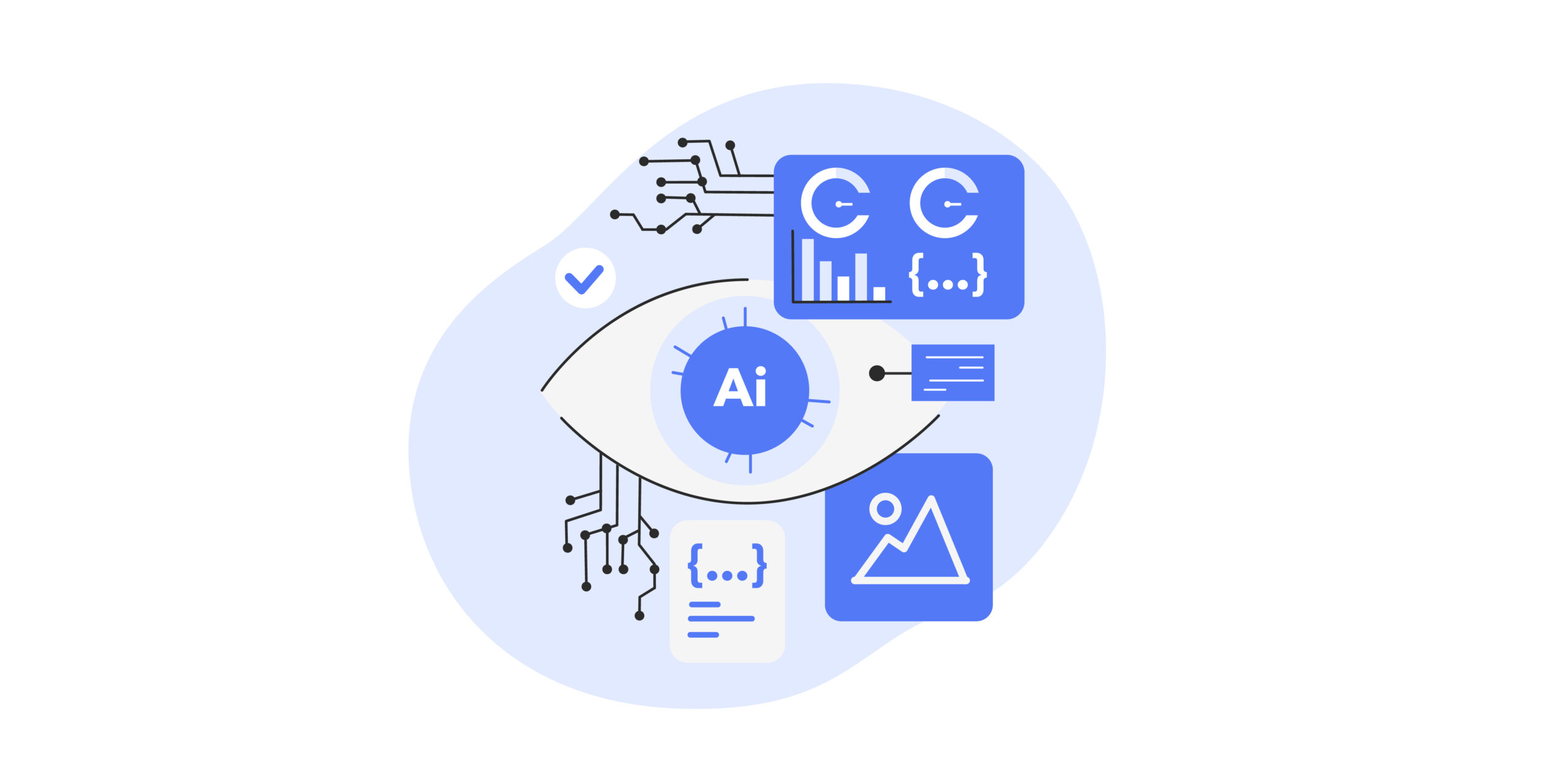
AI SEO AI visibility tracking refers to the use of artificial intelligence algorithms to monitor, analyze, and optimize a website’s presence in search engine results pages (SERPs). Unlike conventional tracking tools that simply record keyword positions, AI-driven systems evaluate hundreds of ranking factors simultaneously, including content quality, user engagement metrics, topical authority, and semantic relevance.
The core difference lies in the analytical depth. Traditional tools answer “where do I rank?” while AI visibility tracking answers “why do I rank there, and what should I do to improve?” This shift from descriptive to prescriptive analytics represents a fundamental evolution in SEO strategy.
The Evolution from Manual to AI-Powered Visibility Analysis
Search engines themselves have become increasingly sophisticated. Google’s RankBrain and BERT algorithms understand context and user intent at a level that manual analysis cannot match. AI SEO AI visibility tracking systems use similar natural language processing capabilities to evaluate how well your content aligns with what search engines consider relevant.
These systems process massive datasets, learning patterns from millions of search queries and content pieces. They identify correlations between specific content attributes and ranking performance, providing actionable insights that would take human analysts weeks to uncover manually.
How AI Visibility Tracking Works
AI SEO AI visibility tracking operates through a multi-layered process that combines data collection, machine learning, and predictive analytics. Understanding this process helps you leverage the technology effectively.
Data Collection and Integration
The first layer involves gathering data from multiple sources. This includes search console data, analytics platforms, social media signals, competitor websites, and SERP features. AI systems integrate this information into unified dashboards, creating a comprehensive view of your digital footprint.
Modern tracking tools collect data on keyword positions, click-through rates, dwell time, bounce rates, and conversion metrics. They also monitor SERP features like featured snippets, knowledge panels, and local packs, which significantly impact visibility.
Machine Learning Algorithms in Visibility Assessment
Machine learning models analyze historical performance data to identify patterns and predict future outcomes. These algorithms examine how different content types perform across various search queries, understanding which factors contribute most to visibility success.
For example, an AI system might discover that articles with specific structural elements, such as clear headings and structured data, consistently outperform similar content without those elements. This insight enables data-driven content optimization rather than guesswork.
Natural Language Processing for Content Evaluation
Natural language processing (NLP) allows AI systems to understand content semantics, not just keywords. The technology evaluates topic coverage, entity relationships, and contextual relevance. This capability proves essential for optimizing content against modern search algorithms that prioritize semantic understanding.
NLP-powered visibility tracking identifies gaps in your content strategy, revealing subtopics and related concepts that your pages should address to achieve comprehensive topical authority.
Key Metrics in AI SEO AI Visibility Tracking
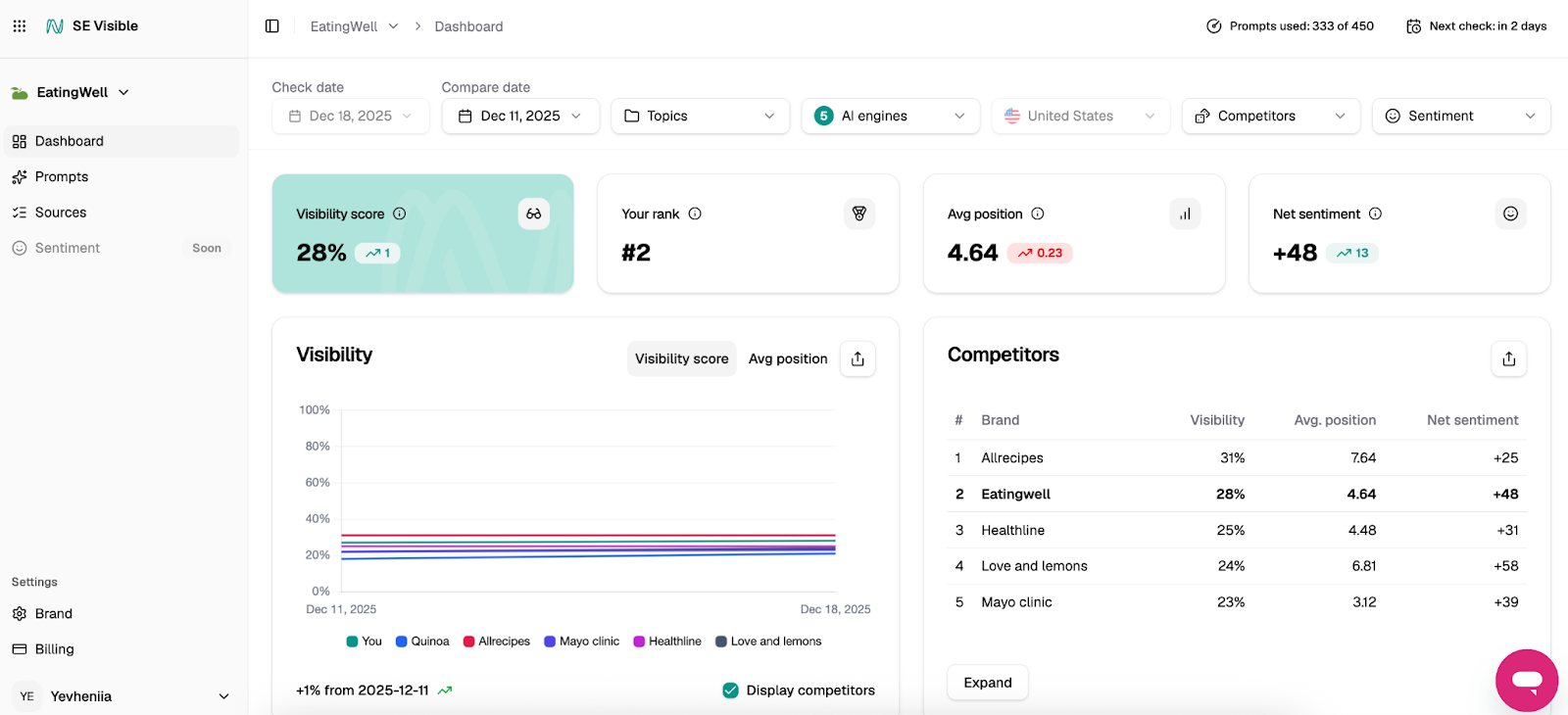
Effective visibility tracking requires understanding which metrics matter most. AI systems calculate and monitor several critical indicators that provide a complete picture of search performance.
Share of Voice and Market Visibility
Share of voice measures your brand’s visibility compared to competitors for relevant search queries. AI tools calculate this by analyzing impression data across your keyword portfolio, providing a percentage that reflects your market presence.
This metric proves particularly valuable for identifying opportunities. If your share of voice is low for high-value keywords, the AI system can recommend specific content and optimization strategies to capture more visibility.
Visibility Score and SERP Feature Presence
Visibility scores aggregate keyword performance into a single, comparable metric. AI systems weight keywords based on search volume and relevance, providing a more accurate representation of overall visibility than simple average positions.
SERP feature tracking monitors your presence in featured snippets, People Also Ask boxes, image carousels, and other rich results. These features often drive significant traffic and require specific optimization approaches that AI systems can identify and recommend.
Content Performance and Engagement Signals
Modern visibility tracking extends beyond rankings to measure how users interact with your content. Metrics like organic click-through rate, time on page, and scroll depth provide insights into content quality and relevance.
AI systems correlate these engagement signals with ranking changes, helping you understand which content improvements generate the most significant visibility gains.
Benefits of Implementing AI Visibility Tracking
Adopting AI SEO AI visibility tracking delivers substantial advantages over traditional approaches. These benefits extend across strategy development, execution, and measurement.
Real-Time Competitive Intelligence
AI systems continuously monitor competitor performance, alerting you to changes in their visibility strategies. This real-time intelligence enables rapid response to competitive threats and identification of emerging opportunities.
You can see which keywords competitors are targeting, what content they are publishing, and how their visibility is trending. This information informs your own strategy, helping you allocate resources effectively.
Predictive Analytics for Proactive Optimization
Rather than reacting to ranking changes after they occur, AI visibility tracking predicts potential issues before they impact performance. Predictive models identify content that may lose visibility due to algorithm updates or shifting user behavior.
This proactive approach allows you to refresh content, adjust targeting, or modify technical elements before experiencing traffic declines. The result is more stable, sustainable search performance.
Resource Allocation and ROI Measurement
AI tracking provides clear data on which SEO activities generate the highest returns. You can see exactly how content investments translate into visibility gains and conversions, enabling more informed budget decisions.
The technology also identifies underperforming areas, allowing you to redirect resources toward strategies with proven effectiveness. This optimization of effort maximizes the ROI of your entire SEO program.
Limitations and Challenges of AI Visibility Tracking
While AI SEO AI visibility tracking offers powerful capabilities, understanding its limitations ensures realistic expectations and effective implementation.
Data Accuracy and Sampling Issues
No tracking system captures complete search data. Search engines sample their data, and AI tools rely on approximations. This means visibility metrics represent estimates rather than absolute measurements.
Seasonal variations, personalized search results, and geographic differences further complicate accurate measurement. AI systems mitigate these issues through statistical modeling, but some margin of error remains.
Algorithm Complexity and Black Box Concerns
Many AI visibility tracking systems operate as black boxes, providing recommendations without explaining the underlying reasoning. This lack of transparency can make it difficult to understand why certain strategies are recommended.
Teams should seek tools that offer explainable AI features, providing insights into the factors driving visibility scores and recommendations. This transparency builds trust and enables more informed decision-making.
Integration and Skill Requirements
Implementing AI visibility tracking requires technical expertise and integration with existing marketing technology stacks. Teams need skills in data analysis, API integration, and AI tool configuration.
Organizations without these capabilities may struggle to maximize the value of AI tracking tools. Investing in training or partnering with specialists becomes necessary for successful implementation.
Comparison: Traditional vs AI-Powered Visibility Tracking
Understanding the differences between traditional and AI-powered approaches helps you appreciate the value proposition of modern tracking systems.
| Aspect | Traditional Tracking | AI-Powered Tracking |
|---|---|---|
| Data Analysis | Manual review of keyword positions | Automated analysis of hundreds of factors |
| Insights | Descriptive (what happened) | Prescriptive (what to do next) |
| Speed | Delayed reporting | Real-time monitoring and alerts |
| Competitor Analysis | Limited, manual comparison | Continuous automated monitoring |
| Content Evaluation | Keyword density checks | Semantic and contextual analysis |
| Predictive Capabilities | None | Forecasting and risk assessment |
| Scalability | Limited by human capacity | Handles massive datasets easily |
The table clearly demonstrates that AI-powered tracking provides substantially more value, particularly for organizations managing large content portfolios or competing in competitive markets.
Practical Implementation Guide for AI Visibility Tracking
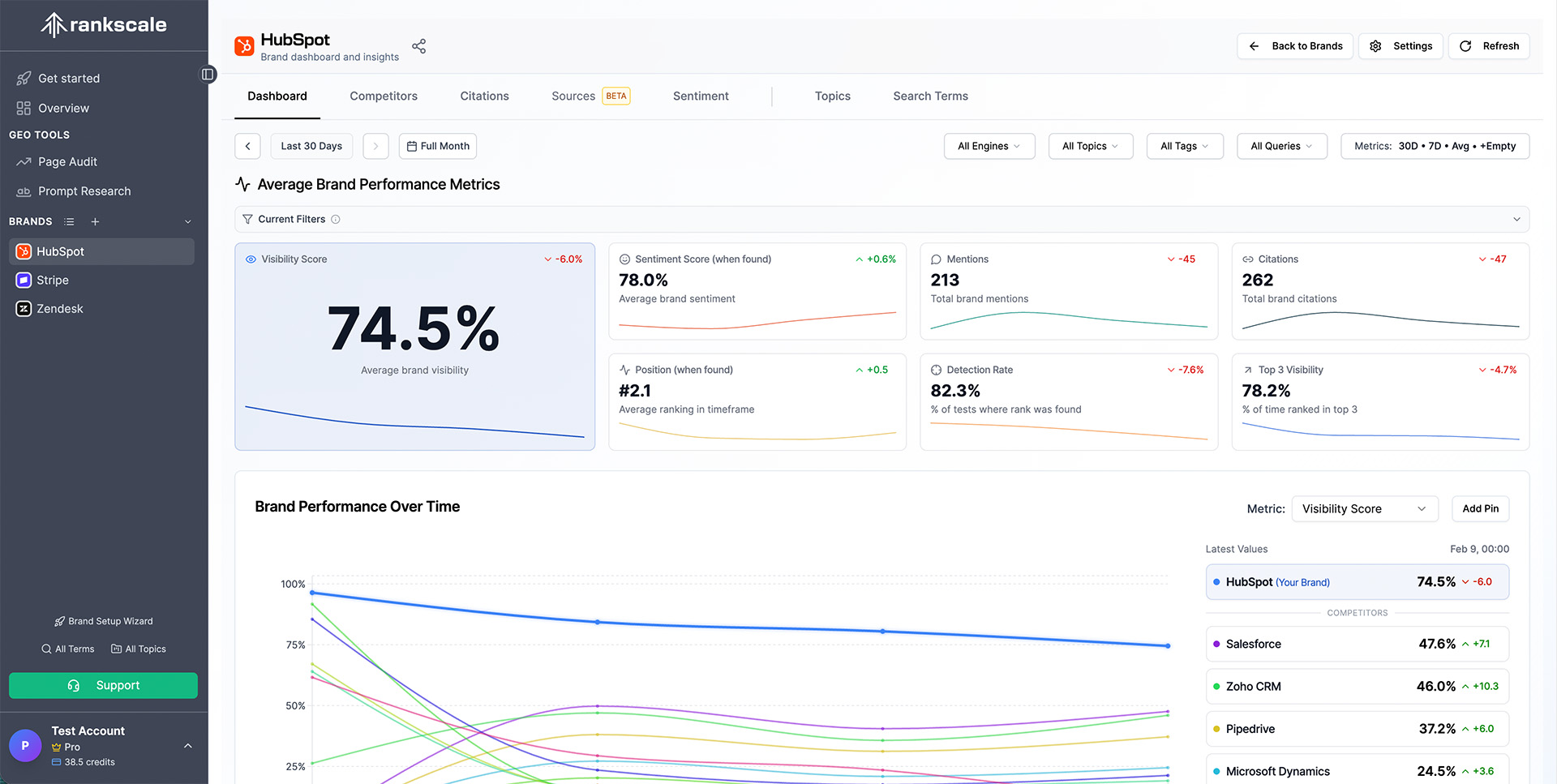
Implementing AI SEO AI visibility tracking requires a structured approach. Follow these steps to establish an effective system for your organization.
Step 1: Define Your Visibility Goals
Start by establishing clear objectives for your visibility tracking program. Determine which keywords, markets, and content types matter most to your business. Set specific targets for visibility scores, share of voice, and SERP feature presence.
Document your baseline performance before implementing AI tracking. This historical data provides context for evaluating the impact of your AI-powered optimization efforts.
Step 2: Select the Right AI Tracking Platform
Evaluate AI visibility tracking tools based on your specific needs. Consider factors like data sources, integration capabilities, reporting features, and pricing. Request demonstrations and trial periods to assess usability and effectiveness.
Look for platforms that offer explainable AI features, allowing you to understand the reasoning behind recommendations. This transparency proves essential for building team confidence and making informed decisions.
Step 3: Configure Tracking Parameters
Set up your tracking system with appropriate parameters. Define your keyword portfolio, competitor set, and geographic targets. Configure alerts for significant visibility changes and schedule regular reporting.
Integrate your AI tracking tool with other marketing platforms, including analytics, CRM, and advertising systems. This integration creates a unified view of performance across all channels.
Step 4: Establish Actionable Workflows
Develop processes for acting on visibility insights. Define who reviews AI recommendations, how priorities are established, and what approval processes are required for implementation.
Create templates for content briefs, optimization requests, and technical fixes based on AI insights. This standardization ensures consistent execution of visibility improvement strategies.
Step 5: Monitor, Analyze, and Iterate
Regularly review visibility metrics and AI recommendations. Track the impact of implemented changes on visibility scores and organic traffic. Document lessons learned and refine your approach continuously.
Schedule periodic audits of your AI tracking configuration to ensure it remains aligned with business goals and market conditions. Adjust parameters as your strategy evolves.
Common Mistakes in AI Visibility Tracking
Avoiding common pitfalls ensures you maximize the value of your AI SEO AI visibility tracking investment.
Focusing Only on Rankings
Many teams make the mistake of treating visibility tracking as a sophisticated rank checker. While rankings matter, they represent only one component of visibility. Click-through rates, SERP features, and engagement metrics provide equally important insights.
Expand your focus to include the full range of visibility metrics that AI systems provide. This comprehensive view enables more effective optimization strategies.
Ignoring Context and Seasonality
Visibility metrics fluctuate naturally due to seasonal patterns, market trends, and algorithm updates. Teams that react to every short-term change risk making poor decisions based on noise rather than signal.
Use AI predictive analytics to distinguish between meaningful trends and temporary fluctuations. Establish appropriate thresholds for action that account for normal variation.
Neglecting Competitor Analysis
Visibility tracking provides powerful competitive intelligence, but only if you actively use it. Teams that focus exclusively on their own metrics miss opportunities to learn from competitor successes and failures.
Regularly review competitor visibility trends and content strategies. Identify gaps in your approach and capitalize on competitor weaknesses.
Failing to Act on Insights
Collecting visibility data without acting on it provides no value. Many organizations invest in sophisticated tracking tools but fail to translate insights into action.
Establish clear processes for converting AI recommendations into concrete optimization tasks. Assign ownership and deadlines to ensure implementation happens consistently.
Important Notes for Maximizing AI Visibility Tracking Value
Several considerations help you get the most from your AI SEO AI visibility tracking implementation.
- Combine AI insights with human expertise. AI provides data-driven recommendations, but experienced SEO professionals add context and strategic judgment that algorithms cannot replicate.
- Maintain data hygiene. Ensure your tracking system receives accurate, complete data from all sources. Regular audits of data quality prevent misleading conclusions.
- Balance automation with oversight. While AI automates many processes, human review of significant changes and strategic decisions remains essential.
- Invest in team training. Ensure your team understands how to interpret AI insights and implement recommendations effectively.
- Document your methodology. Maintain clear documentation of your tracking approach, metric definitions, and decision criteria for consistency and knowledge transfer.
Frequently Asked Questions
What is AI SEO AI visibility tracking?
AI SEO AI visibility tracking uses artificial intelligence algorithms to monitor and analyze a website’s presence in search engine results. It evaluates multiple factors including keyword rankings, SERP features, content relevance, and user engagement to provide comprehensive insights into search performance and actionable recommendations for improvement.
How does AI visibility tracking differ from traditional rank tracking?
Traditional rank tracking only records keyword positions in search results. AI visibility tracking analyzes hundreds of factors simultaneously, including semantic relevance, content quality, competitive positioning, and predictive trends. It provides prescriptive recommendations rather than just descriptive data, enabling more effective optimization strategies.
What metrics should I track for AI visibility?
Key metrics include visibility score, share of voice, SERP feature presence, organic click-through rate, content engagement signals, and competitive positioning. AI systems also track predictive indicators that forecast future visibility changes based on algorithm updates and market trends.
How often should I check my AI visibility metrics?
Daily monitoring of critical metrics is recommended for competitive markets. Weekly comprehensive reviews help identify trends and opportunities. Monthly strategic analysis should evaluate overall performance against business goals and adjust long-term strategy accordingly.
Can AI visibility tracking predict algorithm updates?
AI systems cannot predict specific algorithm updates, but they can identify patterns that suggest potential ranking volatility. Predictive models analyze historical data and current trends to flag content that may be at risk, allowing proactive optimization before significant traffic changes occur.
What is a good visibility score?
Visibility scores vary by industry, market, and competitive landscape. Generally, scores above 50% indicate strong market presence, while scores below 20% suggest significant room for improvement. Compare your score against competitors and track trends over time rather than focusing on absolute values.
How long does it take to see results from AI visibility tracking?
Initial insights are available immediately after configuration. Meaningful improvements in visibility typically require 2-3 months of consistent optimization based on AI recommendations. Complex competitive markets may require longer timeframes to achieve significant gains.
Conclusion
AI SEO AI visibility tracking represents a fundamental advancement in search performance measurement and optimization. The technology moves beyond simple rank checking to provide comprehensive, actionable insights that drive sustainable organic growth. By understanding how AI visibility tracking works, implementing it effectively, and avoiding common mistakes, organizations can gain significant competitive advantages in search results.
The future of SEO belongs to teams that embrace data-driven, AI-powered approaches to visibility management. The insights provided by these systems enable more efficient resource allocation, faster response to market changes, and more effective content strategies. Organizations that implement AI visibility tracking today position themselves for success as search engines continue to evolve in complexity and sophistication.
Start by evaluating your current visibility tracking capabilities and identifying opportunities for AI enhancement. Select tools that align with your specific needs, invest in team training, and establish processes for converting insights into action. With consistent effort and strategic implementation, AI SEO AI visibility tracking will transform your search performance and deliver measurable business results.
Xem thêm:
- AI SEO for Bloggers: How to Build Smarter Content That Ranks and Converts
- The Rise of AI SEO Experts: Redefining Search Engine Strategy in the Age of Artificial Intelligence
- AI SEO AI Overview Ranking: The Complete Playbook for 2025
- AI SEO Monitoring Workflow: The Complete Guide to Automated Rank Tracking and Performance Analysis
- AI Long Tail Keywords: The Definitive Guide to Capturing High-Intent Traffic with Intelligent Search
Bài viết cùng chủ đề:

AI SEO SEO Automation with Make: The Complete Workflow Guide

AI SEO SEO Automation with Zapier: The Complete Workflow Guide

AI SEO SEO Automation with n8n: The Complete Workflow Guide
AI SEO SEO Automation with Gemini: The Complete Guide to Scaling Organic Growth

AI SEO SEO Automation with Claude: The Complete Guide to Scaling Content in 2025

AI SEO SEO Automation with ChatGPT: The Complete Playbook for 2025

AI SEO & SEO Automation for Affiliate Sites: The 2025 Playbook for Passive Income Growth
AI SEO & SEO Automation for Bloggers: The Complete Guide to Scaling Your Content

AI SEO & SEO Automation for Agencies: The Complete 2025 Playbook

AI SEO and SEO Automation for Ecommerce: The Complete Playbook for 2025

AI SEO & SEO Automation for WordPress: The Complete Playbook for 2025
AI SEO SEO Automation Strategy: The Complete Playbook for 2025

Mastering the AI SEO SEO Automation Process: A Complete Guide to Scaling Organic Growth
AI SEO SEO Automation System: The Complete Guide to Scaling Organic Growth in 2025
AI SEO SEO Automation Platform: The Complete Guide to Scaling Organic Growth in 2025
AI SEO SEO Automation Software: The Complete Guide to Scaling Organic Growth in 2025















