
No products in the cart.
AI SEO AnswerThePublic: The Complete Guide to Smarter Content Research
31
Jul
Jul
Search intent has become the battleground for modern SEO, and AI SEO AnswerThePublic represents a powerful convergence of natural language processing and question-based content discovery. This guide explores how this combination transforms keyword research, content planning, and topical authority building. You will learn the mechanics behind the tool, practical workflows, and advanced strategies that separate high-performing content teams from those stuck in generic keyword lists.
What Is AnswerThePublic and How Does AI Enhance It?

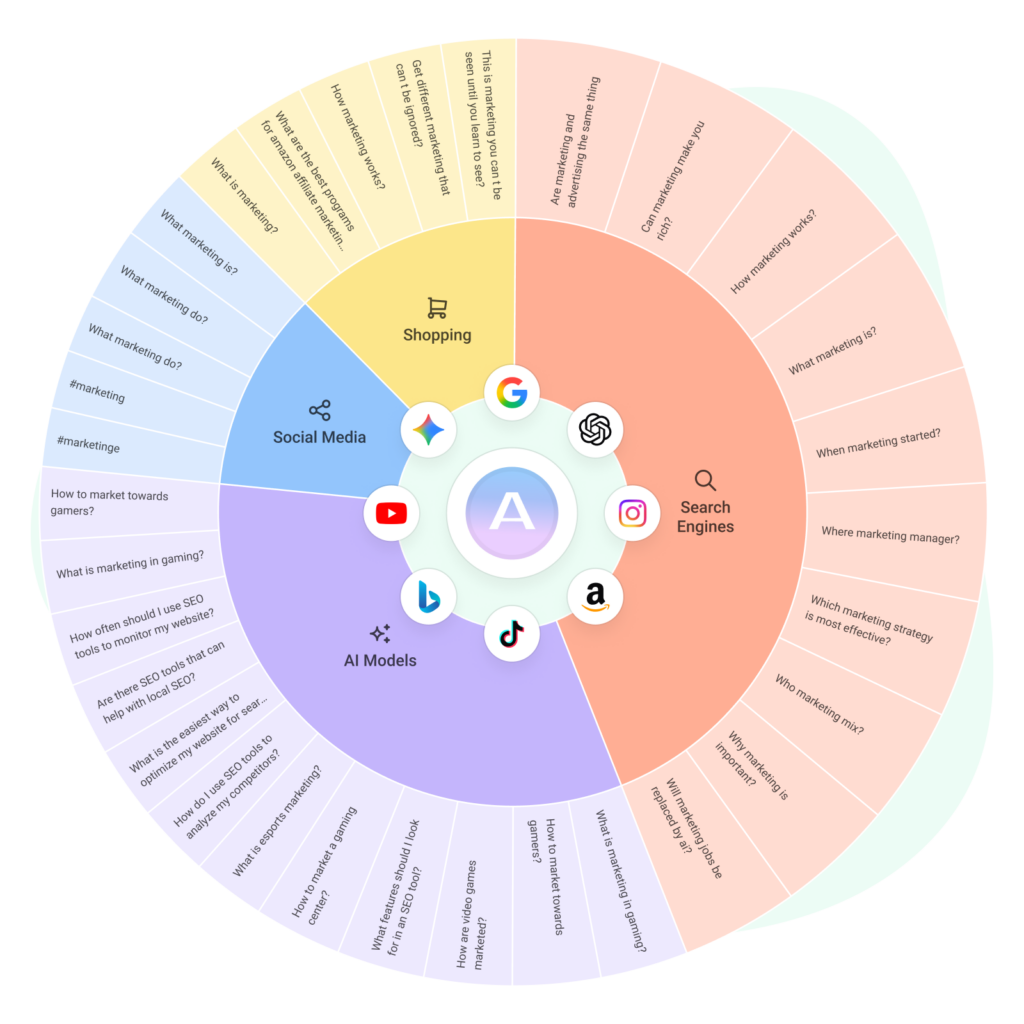
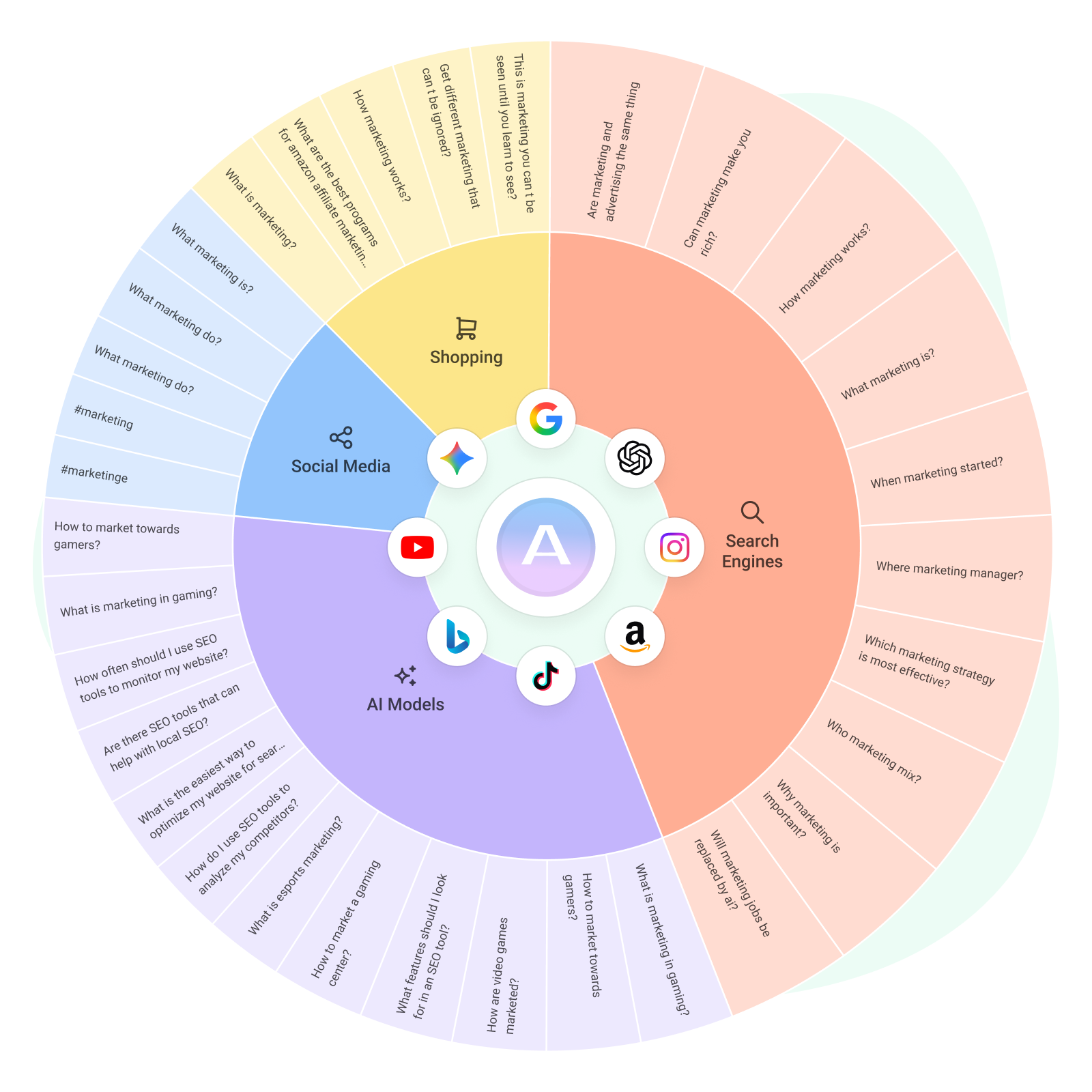
AnswerThePublic is a visual keyword research tool that aggregates autocomplete suggestions from search engines like Google and Bing. It organizes these queries into categories such as questions, prepositions, comparisons, and alphabetical listings. The platform scrapes billions of search queries to reveal what users actually type when seeking information.
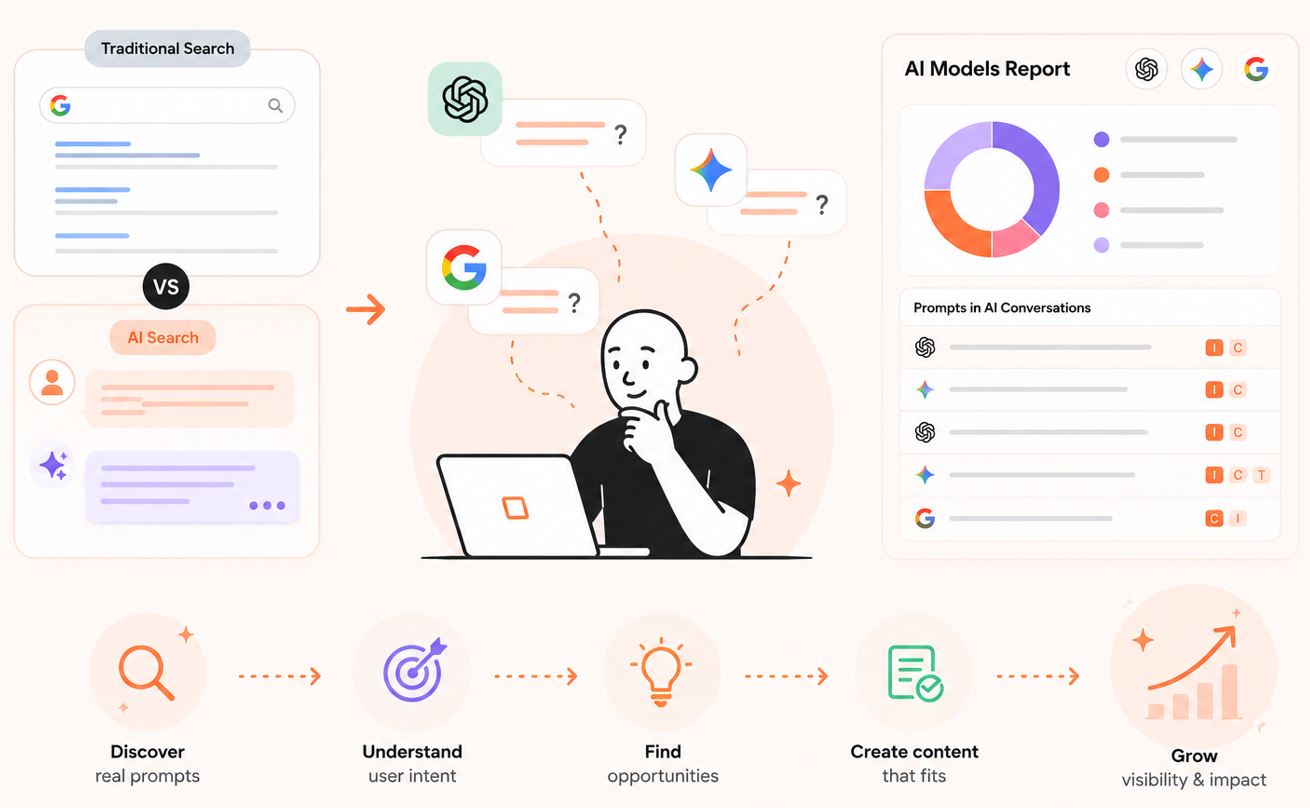
The AI layer in AI SEO AnswerThePublic refers to the integration of machine learning models that interpret search intent, cluster related questions, and generate content briefs. Instead of merely listing keywords, the AI component analyzes patterns across queries to identify subtopics, semantic relationships, and content gaps. This transforms raw data into actionable content strategies.
The Evolution from Simple Autocomplete to Predictive Insights
Traditional AnswerThePublic provided a snapshot of user questions at a specific moment. The AI-enhanced version goes further by predicting emerging trends, detecting seasonal shifts, and suggesting content angles based on historical performance. For example, a query about “best running shoes” might expand into “best running shoes for flat feet,” “best running shoes for marathon training,” and “best running shoes under $100” — each representing a distinct user segment.
This evolution matters because Google’s algorithms increasingly reward content that comprehensively answers related questions. The AI component helps you map the entire question ecosystem around your target topic, not just the primary keyword.
Why AI SEO AnswerThePublic Matters for Content Strategy
Modern search results are dominated by featured snippets, People Also Ask boxes, and AI-generated overviews. To appear in these positions, your content must directly answer specific questions in a structured format. AnswerThePublic provides the raw material for this approach by surfacing the exact phrasing users employ.
The AI layer adds predictive value. It can identify which questions are gaining momentum, which ones have low competition, and which ones align with your existing content authority. This allows you to prioritize topics that offer the highest return on investment.
Understanding Search Intent Beyond Keywords
Keywords alone do not reveal intent. The query “how to bake bread” could mean a beginner seeking a simple recipe, an intermediate baker looking for troubleshooting tips, or a professional exploring sourdough techniques. AI-driven analysis of AnswerThePublic data clusters these queries by intent signals such as modifiers, question type, and related terms.
For instance, questions starting with “why” indicate informational intent, while “best” or “review” suggest commercial investigation. The AI component categorizes these automatically, enabling you to tailor content formats — step-by-step guides for “how” queries, comparison tables for “vs” queries, and listicles for “best” queries.
How to Use AI SEO AnswerThePublic for Keyword Research
Effective use requires a structured workflow that moves from broad discovery to specific content briefs. Start by entering your seed keyword into the tool. The A Export this data and group it by theme or intent.
Next, apply the AI analysis features to identify question clusters. These are groups of queries that share a common topic but approach it from different angles. For example, a cluster around “email marketing” might include “how to write email subject lines,” “best email marketing tools for small business,” and “why email marketing conversion rates drop.” Each cluster represents a potential pillar page or content hub.
Step-by-Step Workflow for Content Planning
Begin with a broad seed keyword relevant to your niche. Generate the full AnswerThePublic report and filter for question-type queries. Use the AI suggestions to expand into long-tail variations that you might have missed. Prioritize questions that appear in multiple categories or that show high search volume in your target region.
Create a content matrix that maps each question to a specific content format. Short “what” questions work well for definitional paragraphs or FAQ sections. “How” questions require detailed tutorials. “Why” questions benefit from explanatory articles with data and examples. This alignment ensures your content matches user expectations.
Finally, use the AI-generated content briefs to outline your article. Include the primary question as the H1 or H2, incorporate related questions as subheadings, and structure the body to provide direct answers early in the text. This increases the likelihood of earning featured snippets.
Benefits of Combining AI with AnswerThePublic Data
The primary benefit is efficiency. Manual keyword research can take hours, but AI-enhanced tools process thousands of queries in seconds. This allows you to cover more topics and respond faster to market changes.
Another advantage is depth. The AI component identifies semantic relationships that are not obvious from keyword lists alone. It connects seemingly unrelated questions, revealing content opportunities that competitors overlook. This leads to more comprehensive coverage and stronger topical authority.
Accuracy also improves. AI models can filter out irrelevant or duplicate queries, reducing noise in your research. This means you spend less time analyzing data and more time creating content that ranks.
Limitations and Considerations
No tool is perfect. AnswerThePublic data is based on autocomplete suggestions, which may not reflect all search behavior. Some queries are highly personalized or location-specific, and the tool may miss niche terms. AI analysis can also introduce biases based on training data, so human judgment remains essential.
Additionally, the tool provides data at a point in time. Search trends shift rapidly, especially in fast-moving industries. Regular re-runs of your research are necessary to stay current. The AI component helps predict trends, but it cannot guarantee future performance.
AI SEO AnswerThePublic vs. Traditional Keyword Tools

Traditional tools like Google Keyword Planner or Ahrefs focus on volume, competition, and difficulty scores. They are excellent for quantitative analysis but often lack the qualitative dimension of user questions. AnswerThePublic fills this gap by providing the actual language users employ.
The AI enhancement adds a layer of interpretation that traditional tools do not offer. Instead of a list of keywords, you receive a structured map of user intent, complete with suggested content angles and subtopics. This makes it easier to plan comprehensive content that addresses multiple facets of a topic.
| Feature | Traditional Keyword Tools | AI SEO AnswerThePublic |
|---|---|---|
| Data Type | Search volume, difficulty | User questions, phrases |
| Intent Analysis | Basic categorization | Advanced semantic clustering |
| Content Briefs | Rarely included | AI-generated suggestions |
| Trend Prediction | Limited | Predictive modeling |
| Best For | Competition analysis | Content ideation and planning |
Both types of tools serve different purposes. Use traditional tools for budget and competition analysis, and use AI-enhanced AnswerThePublic for content creation and topic clustering. Combining both provides a complete picture of your SEO landscape.
Practical Applications for Different Content Types
Blog posts benefit from question-based research because they can target featured snippets. Structure your article with clear H2 and H3 headings that mirror the exact questions from your research. Provide concise answers in the first paragraph of each section, then expand with supporting details.
Product pages can use AnswerThePublic data to address common objections and comparison queries. For example, a page for a project management tool might include a section answering “how does this compare to Trello?” or “why is this better than spreadsheets?” These sections build trust and reduce bounce rates.
FAQ pages are the most direct application. Compile the top questions from your research and provide thorough, accurate answers. Use schema markup to enhance visibility in search results. The AI component can help you prioritize questions based on relevance and search volume.
Using AI Insights for Content Clusters and Pillar Pages
Pillar pages are comprehensive guides that cover a broad topic, while cluster content addresses specific subtopics in detail. AnswerThePublic data helps you identify the core questions that form the pillar, and the AI analysis reveals which subtopics deserve their own cluster pieces.
For example, a pillar page on “digital marketing” might cover the basics, while cluster articles target “how to do SEO for beginners,” “best social media scheduling tools,” and “why email marketing still works.” Each cluster article links back to the pillar, creating a strong internal linking structure that boosts topical authority.
The AI component can suggest which cluster topics are under-served based on question volume and competition. This ensures you create content that fills actual gaps in the market rather than duplicating existing material.
Common Mistakes When Using AI SEO AnswerThePublic
One frequent error is treating all questions as equal. Some questions have high search volume but low commercial value. Others are extremely specific and may not justify a full article. Prioritize questions that align with your business goals and audience needs.
Another mistake is ignoring the intent behind the question. A query like “what is SEO” indicates a beginner, while “how to improve SEO for ecommerce” suggests a more advanced user. Tailor your content depth and language accordingly. The AI component can help classify intent, but you must still apply your own judgment.
Failing to update your research is also problematic. Search behavior changes, and questions that were relevant six months ago may no longer be. Schedule regular re-runs of your AnswerThePublic research, ideally quarterly, to keep your content strategy fresh.
How to Avoid These Pitfalls
Create a scoring system for your questions. Assign points for search volume, relevance to your niche, commercial intent, and difficulty. Focus on questions that score high across multiple criteria. This prevents you from wasting resources on low-value queries.
Use the AI analysis to group questions by user journey stage. Awareness-stage questions require educational content, consideration-stage questions need comparison and evaluation, and decision-stage questions demand product-focused answers. Map your content to these stages to guide users toward conversion.
Finally, validate your AI-generated insights with real-world data. Check your search console for queries that already drive traffic to your site. Look for patterns that align with AnswerThePublic data. This confirms that your research is on target and helps refine future strategies.
Important Notes for Maximizing Results
AnswerThePublic works best when combined with other SEO tools. Use it for ideation and question discovery, then validate with volume and difficulty data from tools like Ahrefs or Semrush. This multi-tool approach provides both breadth and depth.
Pay attention to the “alphabetical” and “preposition” categories in the tool. These often reveal long-tail keywords that are less competitive but highly specific. For example, “SEO for lawyers” or “SEO for small business” are valuable niches that broader tools might miss.
Local SEO benefits from AnswerThePublic as well. Add location modifiers to your seed keyword to discover region-specific questions. This helps you create content that targets local search intent, which is crucial for businesses with physical locations.
Integrating AI Insights with Your Existing SEO Workflow
Your workflow should start with AnswerThePublic research, move to keyword validation, then content creation, and finally performance tracking. The AI component accelerates the first step, but the remaining steps require your expertise. Do not rely solely on automation.
Share your research findings with your content team. Create a shared document that lists the top questions, their intent classification, and suggested content formats. This ensures consistency across your content production and prevents duplication of effort.
Track the performance of your question-based content. Monitor rankings for the specific queries you targeted. If a piece ranks well, consider expanding it with additional questions from your research. If it underperforms, analyze why and adjust your approach.
Frequently Asked Questions
Is AnswerThePublic free to use?
AnswerThePublic offers a limited free version that shows a preview of results. Full access requires a paid subscription, which provides unlimited searches, data exports, and AI-powered insights. The free version is useful for testing, but serious SEO work requires the paid plan.
How often should I run AnswerThePublic searches?
Run searches at least quarterly for your core topics. For fast-moving industries like technology or fashion, consider monthly updates. The AI component can alert you to emerging trends, but regular manual checks ensure you do not miss significant shifts.
Can AnswerThePublic replace Google Keyword Planner?
No, the tools serve different purposes. Keyword Planner provides volume and competition data, while AnswerThePublic provides question-based insights. Use both for a complete keyword research strategy. The AI enhancement in AnswerThePublic adds intent analysis that Keyword Planner lacks.
Does AnswerThePublic work for non-English languages?
Yes, the tool supports multiple languages and regions. You can select your target country and language to get localized autocomplete data. This is essential for international SEO campaigns that require region-specific content.
How does AI improve AnswerThePublic results?
AI algorithms analyze patterns across millions of queries to identify semantic relationships, cluster related questions, and predict emerging trends. This transforms raw keyword data into actionable content strategies that align with user intent and search engine algorithms.
Conclusion
AI SEO AnswerThePublic represents a significant advancement in content research, combining the depth of question-based data with the analytical power of machine learning. By understanding how to use this tool effectively, you can create content that answers real user questions, earns featured snippets, and builds lasting topical authority. The key is to integrate these insights into a broader SEO strategy that includes traditional keyword analysis, quality content creation, and continuous performance monitoring. Start with your seed keywords, explore the question clusters, and build your content calendar around the insights you uncover. This approach will keep your content relevant, comprehensive, and aligned with what your audience actually searches for.
Xem thêm:
- AI SEO Landing Pages: The Complete Guide to Automated Conversion Optimization
- AI SEO AI Agents: The Complete Guide to Autonomous Search Optimization in 2025
- WP Trove AI Ecommerce: The Complete Guide to AI-Powered WooCommerce Stores
- AI SEO Campaigns: The Blueprint for Data-Driven Organic Growth
- Mastering AI International SEO: Smarter Global Strategies Through Artificial Intelligence
Bài viết cùng chủ đề:

AI SEO SEO Automation with Make: The Complete Workflow Guide

AI SEO SEO Automation with Zapier: The Complete Workflow Guide

AI SEO SEO Automation with n8n: The Complete Workflow Guide
AI SEO SEO Automation with Gemini: The Complete Guide to Scaling Organic Growth

AI SEO SEO Automation with Claude: The Complete Guide to Scaling Content in 2025

AI SEO SEO Automation with ChatGPT: The Complete Playbook for 2025

AI SEO & SEO Automation for Affiliate Sites: The 2025 Playbook for Passive Income Growth
AI SEO & SEO Automation for Bloggers: The Complete Guide to Scaling Your Content

AI SEO & SEO Automation for Agencies: The Complete 2025 Playbook

AI SEO and SEO Automation for Ecommerce: The Complete Playbook for 2025

AI SEO & SEO Automation for WordPress: The Complete Playbook for 2025
AI SEO SEO Automation Strategy: The Complete Playbook for 2025

Mastering the AI SEO SEO Automation Process: A Complete Guide to Scaling Organic Growth
AI SEO SEO Automation System: The Complete Guide to Scaling Organic Growth in 2025
AI SEO SEO Automation Platform: The Complete Guide to Scaling Organic Growth in 2025
AI SEO SEO Automation Software: The Complete Guide to Scaling Organic Growth in 2025















