
No products in the cart.
WP Trove AI Ecommerce: The Complete Guide to AI-Powered WooCommerce Stores
31
Jul
Jul
The world of online retail has shifted dramatically, and the integration of artificial intelligence into WordPress ecommerce platforms is no longer a futuristic concept—it is a present-day necessity. WP Trove AI Ecommerce represents a significant leap forward in how store owners manage product data, automate customer interactions, and optimize their digital storefronts for conversion. This comprehensive guide explores the capabilities, practical applications, and strategic advantages of leveraging this AI-driven approach within the WordPress ecosystem.
Understanding WP Trove AI Ecommerce

WP Trove AI Ecommerce refers to the convergence of WordPress-based online stores with artificial intelligence tools, specifically those curated and developed under the WP Trove banner. WP Trove is known for providing high-quality WordPress plugins, themes, and digital solutions, and its AI ecommerce offerings focus on automating the heavy lifting of store management. At its core, this technology uses machine learning algorithms to analyze customer behavior, predict purchasing patterns, and automate repetitive tasks such as inventory updates, product categorization, and personalized email marketing. For store owners using WooCommerce, this means moving beyond static product pages and into a dynamic, responsive shopping experience that adapts to each visitor in real time. The nature of this system is fundamentally about data processing. Every click, search query, and cart abandonment feeds into the AI model, which then refines its recommendations. This creates a feedback loop where the store becomes smarter with every interaction, leading to higher conversion rates and improved customer lifetime value.
Core Components of WP Trove AI Ecommerce Systems
To fully grasp how this technology operates, it is essential to break down the primary components that make up a typical WP Trove AI Ecommerce setup. These elements work in concert to deliver a seamless, automated retail environment.
AI-Powered Product Recommendation Engines
The recommendation engine is the most visible aspect of AI in ecommerce. Unlike standard WooCommerce plugins that show “related products” based on simple category matches, AI-driven engines analyze the entire browsing session. They consider factors like time spent on a product page, mouse movement patterns, and historical purchase data across thousands of other users. These engines use collaborative filtering and content-based filtering to suggest items that the customer is statistically likely to purchase. For example, if a customer is viewing a high-end camera lens, the AI might recommend a specific tripod brand that pairs well with it, based on data from thousands of similar purchase bundles. This level of personalization directly increases average order value.
Automated Inventory and Price Optimization
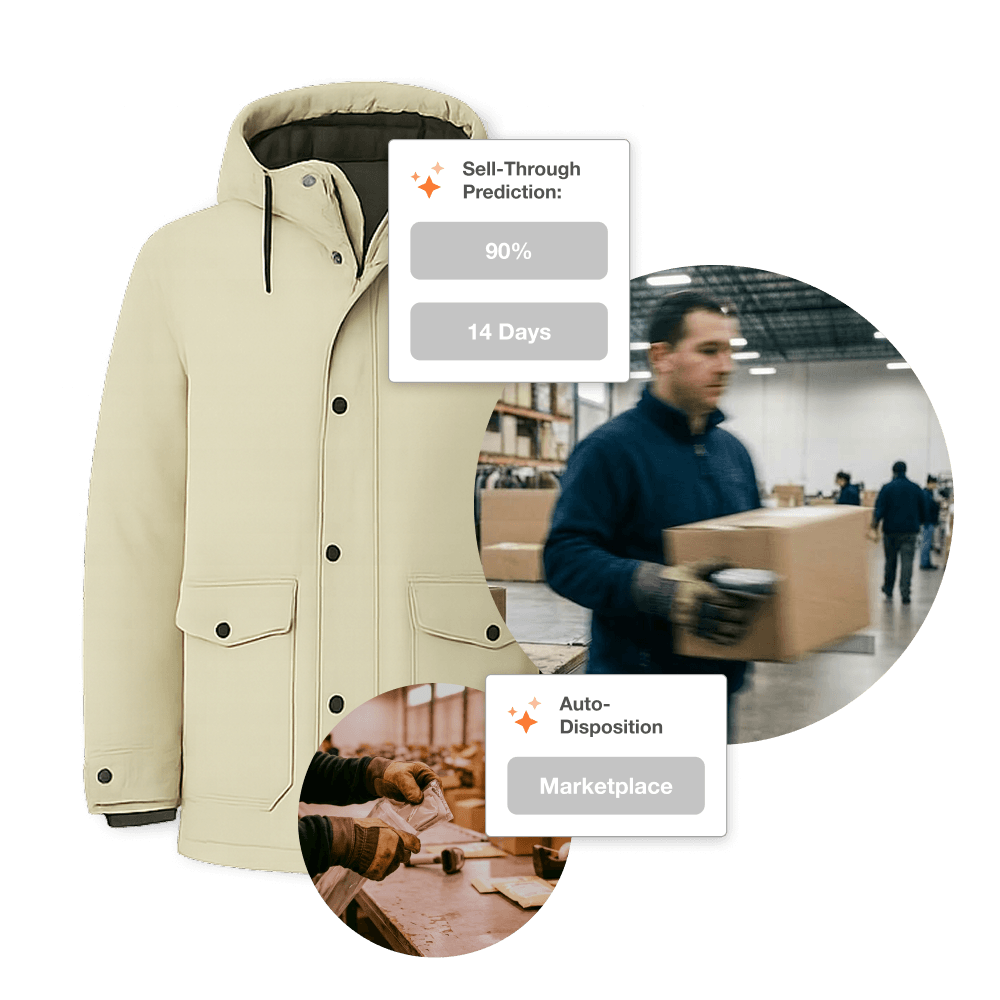
Managing stock levels and pricing manually is a drain on resources. WP Trove AI Ecommerce tools integrate with inventory management systems to predict demand spikes. The AI can analyze seasonal trends, competitor pricing, and even social media sentiment to suggest optimal price points. Dynamic pricing is a powerful feature here. The system can automatically lower prices on slow-moving stock to clear inventory or raise prices on high-demand items during peak shopping periods. This ensures that the store remains competitive without requiring constant human oversight.
Intelligent Chatbots and Customer Service Automation
Customer support is a critical touchpoint, and AI chatbots have evolved significantly. Modern WP Trove AI Ecommerce solutions deploy natural language processing (NLP) chatbots that can handle complex queries. These bots do not just provide canned responses; they can access order status, process returns, and offer personalized product advice based on the customer’s browsing history. The key advantage is 24/7 availability. A customer shopping at 2 AM can receive instant, accurate answers about shipping times or product specifications, which significantly reduces bounce rates and abandoned carts.
Predictive Analytics for Sales Forecasting
Understanding future sales trends allows store owners to make informed decisions about marketing budgets and stock purchasing. The AI analyzes historical sales data, economic indicators, and even weather patterns to forecast demand with remarkable accuracy. This component is particularly valuable for dropshipping businesses where cash flow is tight. By predicting which products will sell well in the next quarter, the store owner can allocate resources efficiently and avoid overstocking items that will not move.
Benefits of Implementing WP Trove AI Ecommerce
The transition to an AI-driven ecommerce model offers tangible, measurable benefits that go beyond simple automation. These advantages impact every facet of the business, from operational efficiency to customer satisfaction.
Enhanced Customer Experience and Personalization
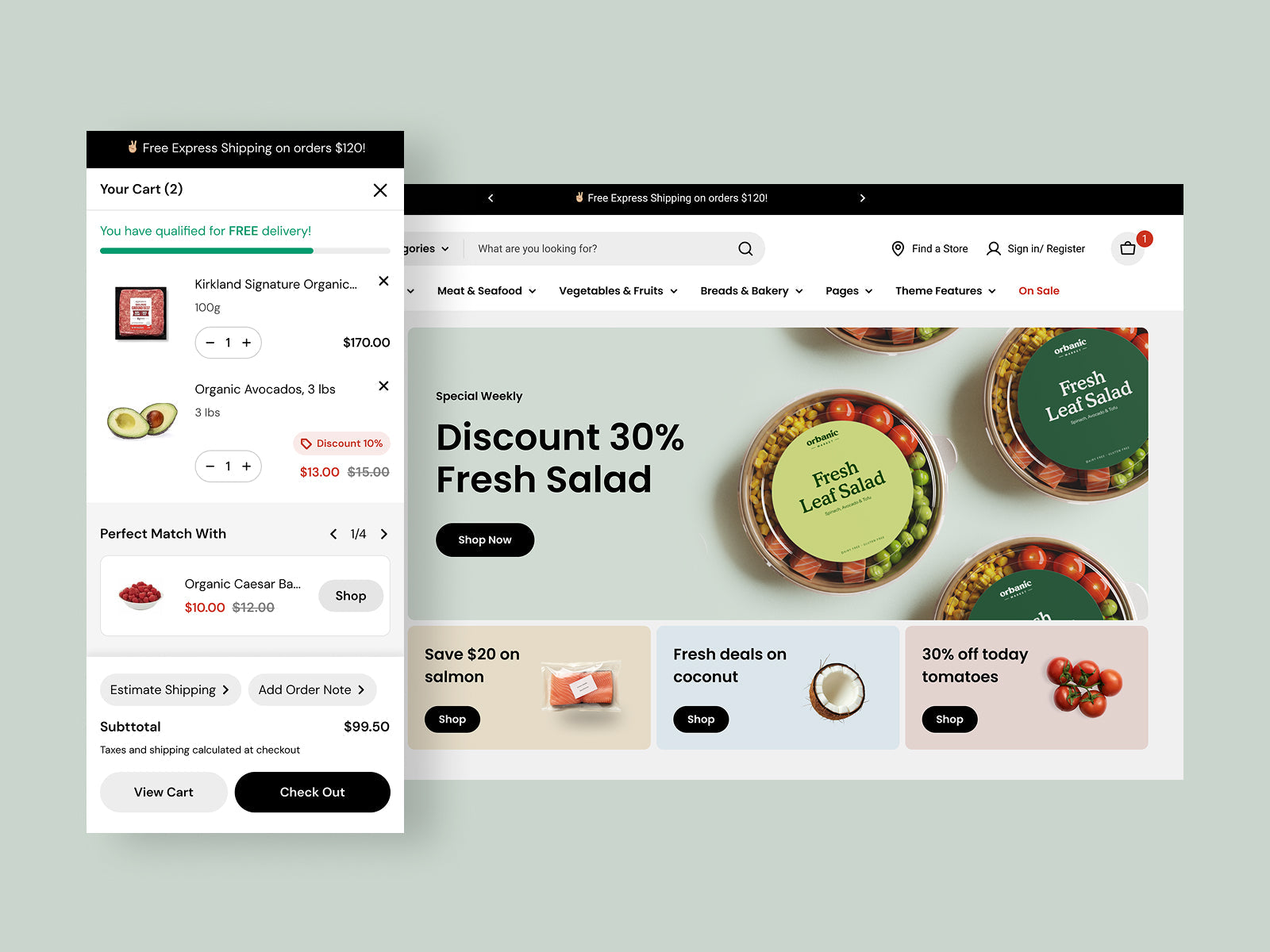
Modern consumers expect a tailored shopping experience. Generic storefronts that show the same products to everyone are losing market share. AI allows for hyper-personalization, where the homepage, product categories, and even the checkout process are customized for each individual user. This personalization extends to email marketing. Instead of sending a blanket newsletter to the entire subscriber list, the AI segments users based on their behavior and sends targeted campaigns. A customer who frequently buys organic skincare products will receive promotions for new organic arrivals, not irrelevant electronics deals.
Significant Time and Cost Savings
Manual data entry, product categorization, and price updates are time-consuming tasks that distract from strategic growth. By automating these processes, WP Trove AI Ecommerce frees up the store owner’s time to focus on marketing, product sourcing, and customer relationship building. The cost savings are also substantial. Reducing the need for a large customer support team or a dedicated data analyst can lower operational overhead. The AI handles the initial tier of customer inquiries and provides data insights that would typically require expensive consulting services.
Higher Conversion Rates and Revenue Growth
The ultimate goal of any ecommerce store is to convert visitors into paying customers. AI achieves this by reducing friction in the buying process. Personalized product recommendations increase the likelihood of a purchase, while intelligent search functions help customers find exactly what they need faster. Cart abandonment is a major revenue killer, with industry averages hovering around 70%. AI-powered email sequences can automatically send a personalized reminder to a customer who left items in their cart, often including a small discount code to incentivize completion of the purchase. This alone can recover a significant portion of lost sales.
Data-Driven Decision Making
Gut feelings are no longer sufficient for business strategy. WP Trove AI Ecommerce provides store owners with actionable insights derived from real data. The analytics dashboards show which products are trending, which marketing channels are performing best, and which customer segments are most profitable. This data-driven approach minimizes risk. Instead of investing heavily in a new product line based on intuition, the store owner can rely on AI predictions that indicate a high probability of success.
Limitations and Challenges of AI Ecommerce
While the benefits are compelling, it is equally important to acknowledge the limitations and potential challenges associated with implementing WP Trove AI Ecommerce solutions.
Implementation Complexity and Learning Curve
Integrating advanced AI tools into an existing WordPress site is not always a plug-and-play process. Some solutions require coding knowledge, API integrations, and a thorough understanding of data structures. For a small business owner with limited technical expertise, this can be a significant hurdle. The learning curve extends to interpreting the AI’s output. Understanding predictive analytics reports and knowing how to act on the recommendations requires a certain level of data literacy. Without this, the AI tools may be underutilized.
Data Privacy and Security Concerns
AI systems rely on vast amounts of customer data to function effectively. This raises legitimate concerns about data privacy and compliance with regulations like GDPR and CCPA. Store owners must ensure that their AI tools are compliant and that customer data is stored securely. A data breach can be catastrophic, not only financially but also in terms of brand reputation. It is crucial to choose reputable WP Trove AI Ecommerce providers that prioritize security and offer transparent data handling policies.
Dependence on Data Quality
The accuracy of AI predictions is directly proportional to the quality of the data fed into the system. If the historical sales data is incomplete, outdated, or contains errors, the A Garbage in, garbage out remains a fundamental principle. Store owners must invest time in cleaning their data and ensuring that all systems are properly synced. This ongoing maintenance is often overlooked but is essential for the AI to deliver value.
Comparison: WP Trove AI Ecommerce vs. Traditional WooCommerce
To provide a clear perspective, it is helpful to compare the AI-driven approach with traditional, manual WooCommerce management. | Feature | Traditional WooCommerce | WP Trove AI Ecommerce |
|:— |:— |:— |
| Product Recommendations | Static, category-based | Dynamic, behavior-based, real-time |
| Pricing Strategy | Manual updates | Automated, dynamic pricing |
| Customer Support | Human agents, limited hours | AI chatbots, 24/7 availability |
| Inventory Forecasting | Historical review, manual | Predictive analytics, future-focused |
| Email Marketing | Generic blasts | Personalized, automated sequences |
| Data Analysis | Manual reporting | Real-time, actionable insights |
| Scalability | Requires more staff | Scales with minimal overhead |
| Initial Setup Cost | Lower | Higher (software + integration) | The table illustrates a clear shift. Traditional methods are reliable but labor-intensive and reactive. The AI approach is proactive, efficient, and designed for scale. The choice depends on the business size and growth ambitions.
Practical Guide: Implementing WP Trove AI Ecommerce
For store owners ready to make the leap, a structured implementation plan is essential.
Step 1: Audit Current Store Operations
Before adding any new technology, assess the current state of the store. Identify the biggest pain points. Is it cart abandonment? Low average order value? Poor customer support response times? This audit will determine which AI tools are most urgently needed.
Step 2: Select the Right AI Tools
The WP Trove ecosystem offers various plugins and integrations. Research options that align with the identified needs. For product recommendations, look for tools that integrate seamlessly with WooCommerce. For customer service, choose a chatbot plugin that supports NLP and can access order data.
Step 3: Ensure Data Cleanliness
Clean up the product database. Ensure all products have accurate descriptions, high-quality images, and correct category assignments. The A Remove duplicate entries and outdated stock.
Step 4: Configure and Train the AI
Most AI tools require an initial configuration period. Set the parameters for pricing rules, define the tone for the chatbot, and upload any relevant training data. Some systems use a “learning mode” where they observe user behavior for a few weeks before making automated decisions.
Step 5: Monitor and Optimize
AI is not a set-and-forget solution. Monitor the performance metrics closely during the first few months. Track conversion rates, average order value, and customer satisfaction scores. Use the AI’s own analytics to refine the settings and improve performance.
Common Mistakes and How to Avoid Them
Implementing AI ecommerce is a journey, and there are several pitfalls that store owners commonly encounter. Being aware of these can save time and money.
Mistake 1: Over-Automation
Automating everything can lead to a robotic, impersonal customer experience. Customers can tell when they are interacting with a bot, and excessive automation can frustrate them. The solution is to use a hybrid approach. Let the AI handle routine tasks like order tracking and FAQs, but ensure t Personalization should feel human, not algorithmic.
Mistake 2: Ignoring the Data
The AI provides valuable insights, but some store owners ignore the recommendations because they conflict with their intuition. For example, the AI might suggest lowering the price of a “premium” product, but the owner refuses because they believe it devalues the brand. The key is to trust the data. Run A/B tests to validate the AI’s suggestions. If the data shows a clear trend, it is usually wise to follow it.
Mistake 3: Neglecting Mobile Optimization
AI-driven features like chatbots and personalized recommendations must work flawlessly on mobile devices. A significant portion of ecommerce traffic comes from smartphones. If the AI tools slow down the mobile site or display poorly, it will hurt conversions. Always test the AI features on various devices and screen sizes. Performance optimization is critical.
Important Notes for Store Owners
Several key considerations should guide the adoption of WP Trove AI Ecommerce. First, start small. Do not try to implement every AI feature at once. Choose one area, such as product recommendations, and master it before moving on to the next. This reduces risk and allows for a smoother learning curve. Second, prioritize customer trust. Be transparent about data collection. Provide clear privacy policies and allow customers to opt-out of data tracking if they wish. Trust is a fragile asset in ecommerce. Third, stay updated. The AI landscape is evolving rapidly. New algorithms and features are released frequently. Subscribe to WP Trove updates and industry news to ensure the store is using the most effective tools available.
Frequently Asked Questions (FAQ)
What exactly is WP Trove AI Ecommerce?
WP Trove AI Ecommerce is the application of artificial intelligence technologies within WordPress-based online stores, particularly WooCommerce. It involves using machine learning algorithms to automate tasks like product recommendations, pricing, customer support, and sales forecasting, ultimately creating a more personalized and efficient shopping experience.
Is WP Trove AI Ecommerce suitable for small businesses?
Yes, it can be suitable, but it requires careful planning. Small businesses can benefit from AI by automating time-consuming tasks and improving customer service. However, they should start with affordable, scalable tools and focus on specific pain points rather than implementing a full suite of AI features immediately.
How does AI improve product recommendations in WooCommerce?
AI improves recommendations by analyzing user behavior in real time. It looks at browsing history, past purchases, items in the cart, and the behavior of similar users. This allows it to suggest products that are highly relevant to the individual, rather than just showing generic “related products” based on category.
Will AI replace the need for human customer support agents?
A AI chatbots handle routine inquiries and simple issues, freeing up human agents to deal with complex problems that require empathy and critical thinking. The best approach is a hybrid model where AI and humans work together.
What are the costs associated with implementing AI ecommerce tools?
Costs vary widely depending on the features and the provider. Some basic AI plugins are available for a one-time fee, while advanced platforms operate on a monthly subscription model. There are also costs associated with integration, data cleaning, and ongoing maintenance. It is important to calculate the return on investment based on expected increases in conversion rates and operational savings.
How long does it take for the AI to start showing results?
The timeline varies. Some AI tools, like chatbots, provide immediate value. Others, like predictive analytics and recommendation engines, require a “learning period” to gather enough data. Typically, store owners start seeing significant improvements in key metrics within 4 to 8 weeks of full implementation.
Conclusion
WP Trove AI Ecommerce represents a paradigm shift in how online stores operate. The days of manually managing every product listing, responding to every customer query, and guessing at future sales trends are fading. The integration of artificial intelligence offers a path to greater efficiency, higher revenue, and a significantly improved customer experience. The journey requires an investment of time, resources, and a willingness to trust data-driven insights. The challenges of implementation and data privacy are real, but the potential rewards are far greater. For store owners looking to stay competitive in a crowded digital marketplace, embracing AI is not just an option—it is becoming a strategic imperative. By starting small, focusing on data quality, and continuously optimizing, any WooCommerce store can harness the power of WP Trove AI Ecommerce to achieve sustainable growth and build a loyal customer base.
Xem thêm:
- AI SEO Product Description Optimization: The Complete Playbook for Higher Rankings and Conversions
- AI SEO UX Optimization: The Complete Guide to Merging Search Engines and User Experience
- AI Grammar Checker: Transform Your Writing with Intelligent Error Detection
- How to Automate SEO with AI and Build a Scalable Organic Growth Engine
- Gemini vs ChatGPT for SEO: Which AI Tool Truly Elevates Your Search Rankings
Bài viết cùng chủ đề:

AI SEO SEO Automation with Make: The Complete Workflow Guide

AI SEO SEO Automation with Zapier: The Complete Workflow Guide

AI SEO SEO Automation with n8n: The Complete Workflow Guide
AI SEO SEO Automation with Gemini: The Complete Guide to Scaling Organic Growth

AI SEO SEO Automation with Claude: The Complete Guide to Scaling Content in 2025

AI SEO SEO Automation with ChatGPT: The Complete Playbook for 2025

AI SEO & SEO Automation for Affiliate Sites: The 2025 Playbook for Passive Income Growth
AI SEO & SEO Automation for Bloggers: The Complete Guide to Scaling Your Content

AI SEO & SEO Automation for Agencies: The Complete 2025 Playbook

AI SEO and SEO Automation for Ecommerce: The Complete Playbook for 2025

AI SEO & SEO Automation for WordPress: The Complete Playbook for 2025
AI SEO SEO Automation Strategy: The Complete Playbook for 2025

Mastering the AI SEO SEO Automation Process: A Complete Guide to Scaling Organic Growth
AI SEO SEO Automation System: The Complete Guide to Scaling Organic Growth in 2025
AI SEO SEO Automation Platform: The Complete Guide to Scaling Organic Growth in 2025
AI SEO SEO Automation Software: The Complete Guide to Scaling Organic Growth in 2025















