
No products in the cart.
AI SEO Autonomous Agents: The Complete Guide to Hands-Free Search Optimization
31
Jul
Jul
The digital marketing landscape is shifting beneath our feet. What once required a team of specialists manually auditing websites, building links, and tweaking meta descriptions is now being executed by sophisticated software. AI SEO autonomous agents represent the next evolutionary leap in search optimization—systems that not only analyze data but make decisions, execute tasks, and learn from outcomes without human intervention. These agents are transforming how businesses approach organic growth, moving from reactive tactics to proactive, self-improving strategies. This comprehensive guide explores what these agents are, how they work, their profound benefits, and the critical considerations every marketer must understand before deploying them.
What Are AI SEO Autonomous Agents?
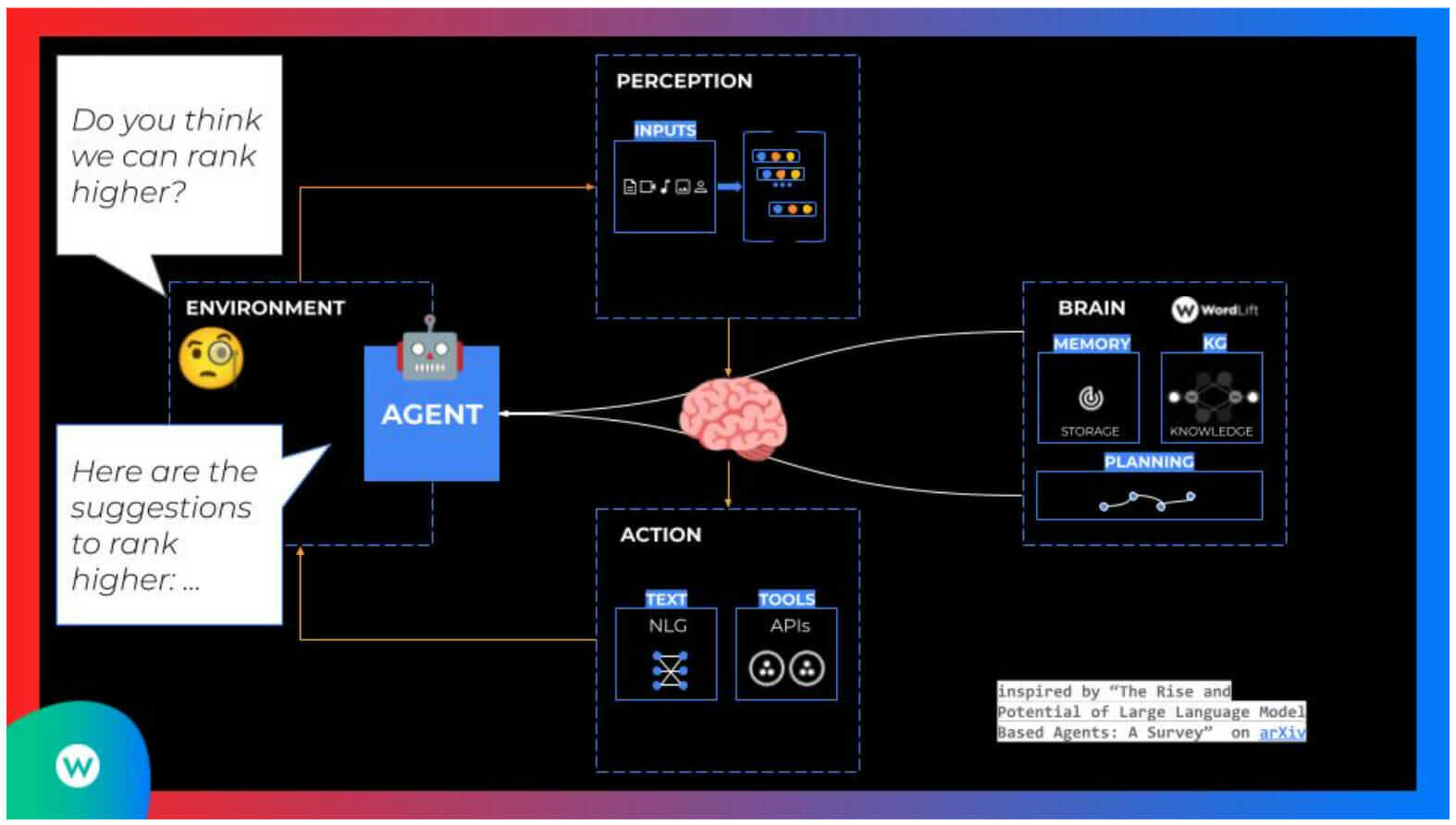
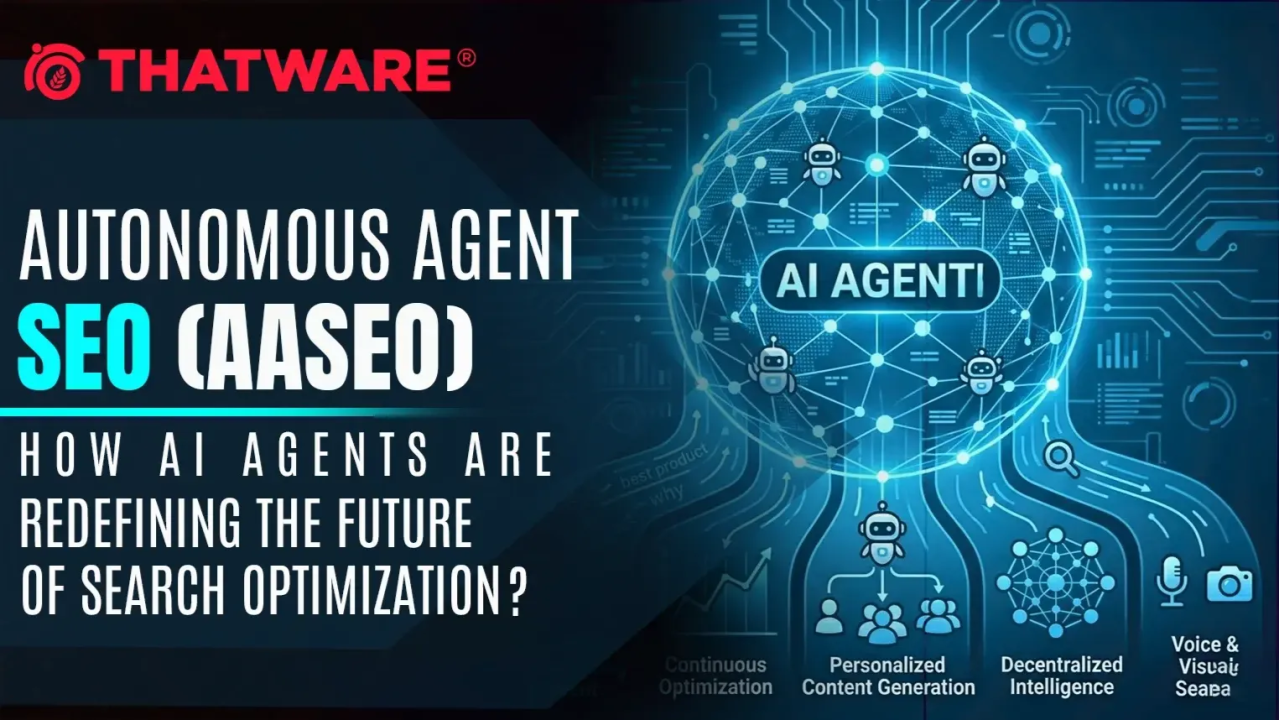
An AI SEO autonomous agent is a software system powered by large language models and machine learning algorithms that performs SEO tasks end-to-end. Unlike traditional SEO tools that provide recommendations requiring human action, autonomous agents execute the entire workflow themselves. They crawl websites, identify issues, generate content briefs, optimize pages, build internal links, monitor rankings, and adjust strategies based on real-time performance data. These agents operate on a loop of perception, decision, and action. They perceive the current state of a website and its competitive landscape through data feeds and crawls. They decide what actions will most likely improve performance based on trained models and historical data. Then they execute those actions—whether that means rewriting a title tag, restructuring a URL, or publishing a new piece of content—and then observe the results to refine future decisions.
The Core Components of an Autonomous SEO Agent
Understanding the architecture helps clarify what makes these systems genuinely autonomous. Every effective agent relies on four interconnected components:
- Data Ingestion Layer: This collects information from Google Search Console, analytics platforms, server logs, competitor sites, and live search engine results pages. The agent continuously pulls fresh data to understand current conditions.
- Reasoning Engine: Powered by advanced language models, this component interprets the data. It understands search intent, evaluates content quality, identifies semantic gaps, and prioritizes actions based on potential impact.
- Action Execution Module: This is the hands-on component that makes changes. It can edit CMS content, generate new articles, adjust schema markup, modify robots.txt files, and build contextual internal links across a site.
- Feedback Loop: After actions are taken, the agent monitors performance metrics like click-through rates, keyword positions, and conversion rates. It uses this feedback to adjust its future behavior, creating a continuous improvement cycle.
How AI SEO Autonomous Agents Differ from Traditional SEO Tools
The distinction is crucial. Traditional tools like Ahrefs or SEMrush are powerful, but they are essentially dashboards. They show you data and suggest improvements, but a human must interpret the output and manually implement changes. An autonomous agent collapses that entire process into a single automated workflow. Consider a concrete example. A traditional tool might flag that your product page has a thin content issue and suggest adding 500 more words. An autonomous agent will analyze the search results for that page’s target keyword, examine the top-ranking competitors, draft a new section that addresses user questions, publish it directly to your CMS, and then monitor the page’s movement in the search results over the following weeks. If the page does not improve, the agent will rewrite the content again with a different angle.
Key Differences at a Glance
| Feature | Traditional SEO Tools | AI SEO Autonomous Agents |
|---|---|---|
| Data Analysis | Provides reports and visualizations | Interprets data and draws conclusions |
| Action Taking | Requires manual implementation | Executes changes automatically |
| Learning | Static algorithms | Adapts based on performance outcomes |
| Scalability | Limited by human bandwidth | Handles thousands of pages simultaneously |
| Response Time | Days or weeks for changes | Minutes or hours |
The Practical Applications of Autonomous Agents in SEO
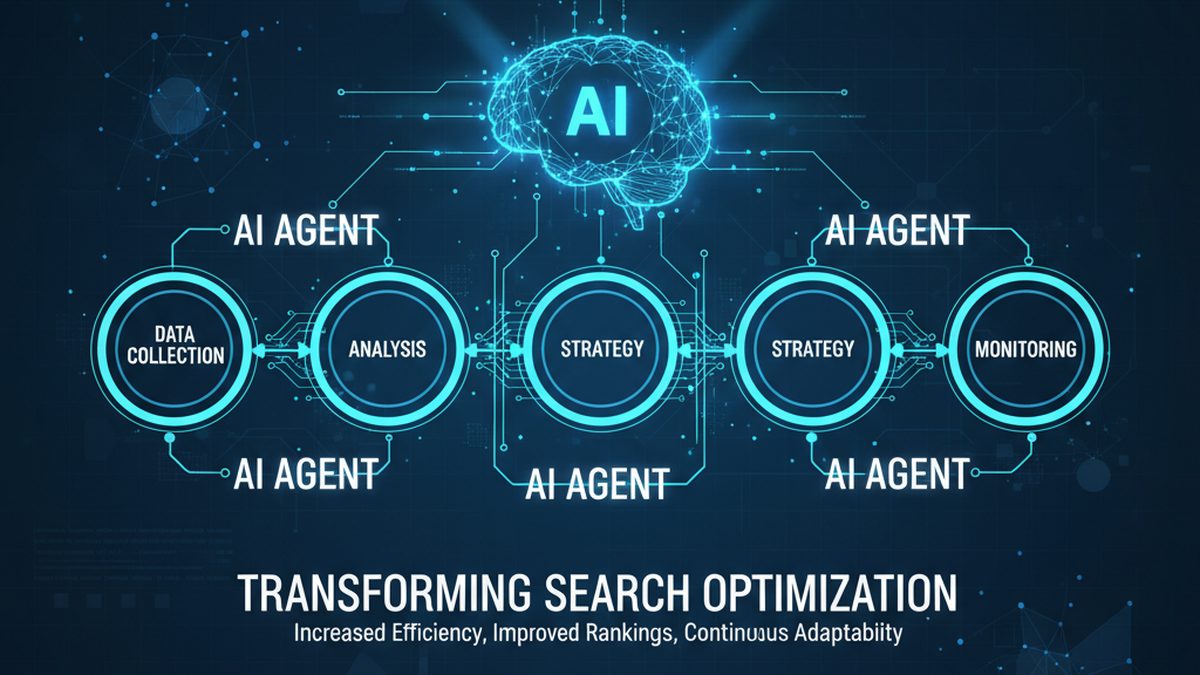
The capabilities of these agents extend across the entire SEO spectrum. Here are the most impactful areas where they are currently being deployed.
Automated Content Creation and Optimization
Agents can generate entire articles, product descriptions, and landing page copy. They do not just spin words; they research the topic, analyze the search engine results page for intent, and structure content to match what users expect to find. They also handle continuous optimization. An agent can test multiple title tag variations, monitor click-through rates, and automatically keep the winning version while discarding underperformers.
Technical SEO Auditing and Repair
Technical issues like broken links, duplicate content, slow page speed, and improper canonical tags are prime targets for automation. Agents crawl the site continuously, identify issues as they arise, and fix them instantly. For example, if an agent detects a spike in 404 errors due to a recent site migration, it will automatically set up 301 redirects to the most relevant existing pages.
Dynamic Internal Linking
Internal linking is a tedious but vital task. Autonomous agents analyze the semantic relationship between all pages on a site. They then insert contextual links within content automatically, ensuring that link equity flows to important pages and that users can easily navigate related topics. This process updates dynamically as new content is published.
Competitor Monitoring and Strategy Adjustment
Agents track competitor websites in real-time. When a competitor publishes a new piece of content targeting a keyword you care about, the agent analyzes that content, identifies gaps in your own coverage, and generates a superior response. It can also monitor competitor backlink profiles and identify new link opportunities that you might have missed.
Benefits of Deploying AI SEO Autonomous Agents
The advantages go far beyond simple time savings. These agents fundamentally change the economics and effectiveness of search marketing.
Unmatched Scalability
A human SEO manager can realistically optimize a handful of pages per week. An autonomous agent can manage millions of pages, each with unique content and optimization strategies. This is critical for large e-commerce sites with thousands of product pages or news sites that publish hundreds of articles daily.
Speed of Execution
Search algorithms change frequently. When Google rolls out a core update, the window to react is short. Autonomous agents can detect ranking fluctuations immediately and adjust content and technical elements within hours, not weeks. This speed provides a significant competitive advantage.
Data-Driven Precision
Agents eliminate guesswork. Every action they take is based on data analysis and predictive modeling. They do not rely on gut feelings or outdated best practices. This leads to higher success rates for content and optimization efforts.
Continuous Learning and Adaptation
The longer an agent runs, the smarter it becomes. It learns which types of content perform well for your specific audience, which keywords convert best, and which technical changes have the most significant impact. This institutional knowledge compounds over time, creating a powerful asset for your business.
Limitations and Risks to Consider
Despite the immense potential, autonomous agents are not a silver bullet. Understanding their limitations is essential for successful implementation.
Lack of Brand Nuance and Creativity
Agents excel at data-driven tasks but struggle with true creativity and brand voice. They can produce grammatically correct content, but it may lack the unique perspective, humor, or emotional resonance that a skilled human writer brings. Over-reliance on agents can lead to a homogenized, generic web presence.
Potential for Algorithmic Errors
Agents make mistakes. They might misinterpret a data signal and make a change that harms performance. Without proper guardrails and monitoring, a faulty agent could delete important content, create thousands of low-quality pages, or build spammy links that trigger a manual penalty.
Dependency on Data Quality
The output is only as good as the input. If your analytics tracking is broken or your search console data is incomplete, the agent will make decisions based on flawed information. Regular audits of your data infrastructure are necessary.
Ethical and Policy Concerns
Search engines are actively working to detect and penalize fully automated content that provides little value. Deploying agents to mass-produce thin content violates Google’s spam policies. The key is to use agents to enhance quality and efficiency, not to spam the web with low-effort pages.
How to Implement AI SEO Autonomous Agents in Your Workflow
A successful deployment requires a strategic approach.
Step 1: Define Clear Objectives and Boundaries
Decide what you want the agent to do. Do you want it to handle only technical fixes? Or content generation? Or everything? Set explicit boundaries. For example, you might allow the agent to edit meta descriptions but require human approval before publishing new articles. This prevents catastrophic errors while still providing automation benefits.
Step 2: Choose the Right Platform
Several platforms offer autonomous SEO capabilities. Some are standalone tools, while others integrate with popular CMS platforms like WordPress or Shopify. Evaluate options based on your specific needs, budget, and technical expertise. Look for platforms that offer transparency—you should be able to see exactly what actions the agent is taking and why.
Step 3: Start with a Pilot Project
Do not turn the agent loose on your entire website immediately. Select a small section, such as a blog or a specific product category. Run the agent for a few weeks and analyze the results. Compare performance metrics against a control group that you manage manually. This validates the agent’s effectiveness before full-scale deployment.
Step 4: Establish Monitoring and Alert Systems
Even autonomous agents need supervision. Set up alerts for significant changes. If the agent makes a major alteration, like deleting a page or changing a core URL structure, you should be notified immediately. Schedule weekly reviews to examine the agent’s actions and performance data.
Step 5: Iterate and Refine Instructions
Treat the agent like a new employee. Provide feedback on its work. If it produces content that is off-brand, adjust its instructions. If it focuses on low-value keywords, refine its targeting parameters. The more guidance you provide, the better it performs.
Common Mistakes to Avoid When Using Autonomous Agents
Many businesses fail to realize the full potential of these tools due to avoidable errors.
Mistake 1: Setting It and Forgetting It
The biggest mistake is assuming the agent can run indefinitely without oversight. Search algorithms change, your business goals evolve, and your website structure changes. You must regularly review and update the agent’s instructions to align with current objectives.
Mistake 2: Ignoring the Human Element
Agents cannot attend industry conferences, understand cultural shifts, or build relationships with influencers. They cannot provide strategic vision. Successful SEO requires a hybrid approach where agents handle execution and humans handle strategy, creativity, and relationship building.
Mistake 3: Focusing Solely on Rankings
Rankings are a means to an end. The ultimate goal is revenue and business growth. If you configure your agent to chase rankings for keywords that do not convert, you will waste resources. Ensure the agent is aligned with your business KPIs, not just vanity metrics.
Mistake 4: Neglecting Content Quality Standards
Agents can produce content at scale, but volume is not the goal. Publishing thousands of mediocre articles will dilute your site’s authority. Set strict quality standards for the agent, including requirements for original research, unique insights, and proper formatting.
Important Notes on the Future of AI SEO Autonomous Agents
The technology is evolving rapidly. Several trends will shape the next generation of these tools.
Integration with Generative Engine Optimization
As users increasingly get answers from AI-powered search engines like Google’s AI Overviews or Perplexity, SEO is expanding to include generative engine optimization. Future agents will not just optimize for traditional blue links but will also work to ensure your brand is cited as a source in AI-generated answers. This requires a different set of tactics, including structured data and authoritative content creation.
Multi-Agent Collaboration
Instead of a single monolithic agent, we will see ecosystems of specialized agents working together. One agent might handle content creation, another technical audits, and another link building. These agents will communicate and coordinate to achieve common goals.
Increased Personalization
Agents will become better at tailoring content to individual user segments. They will analyze user behavior on your site and dynamically adjust content to match the specific interests and stage of the buyer’s journey for each visitor.
Frequently Asked Questions
What is the difference between AI SEO tools and AI SEO autonomous agents?
Traditional AI SEO tools provide analysis and recommendations that require human action to implement. Autonomous agents go further by executing the recommended actions themselves. They can edit content, fix technical issues, and adjust strategies without human intervention, operating on a continuous loop of analysis, action, and learning.
Will AI SEO autonomous agents replace human SEO professionals?
No, they will not replace humans entirely. They will replace the manual, repetitive tasks that consume time. However, human expertise remains critical for strategic direction, creative content development, brand building, and interpreting complex business contexts. The most successful organizations will use a hybrid model where humans and agents collaborate.
Are AI-generated content and autonomous SEO against Google’s guidelines?
Google’s guidelines prohibit spammy, automatically generated content that provides little value to users. However, using AI to assist in content creation is acceptable if the final output is high-quality, original, and helpful. The key is to use agents to enhance content, not to mass-produce low-effort pages. Always review and edit AI-generated content to ensure it meets your quality standards.
How much does an AI SEO autonomous agent cost?
Pricing varies widely depending on the platform and the scope of features. Basic tools with limited automation might cost a few hundred dollars per month. Enterprise-level platforms with advanced capabilities and high-volume processing can cost several thousand dollars per month. Consider the potential return on investment in terms of time saved and improved rankings.
What are the risks of using autonomous agents for link building?
Automated link building is risky. If the agent builds links from low-quality or irrelevant sites, it can trigger a Google penalty. If you choose to use an agent for link building, ensure it has strict guidelines to only pursue high-authority, relevant websites. It is often safer to use agents for content and technical SEO and handle link building manually or with a specialized, conservative tool.
Conclusion
AI SEO autonomous agents are not a futuristic concept; they are a present-day reality that is reshaping the search marketing industry. They offer unprecedented scalability, speed, and data-driven precision, enabling businesses to maintain a competitive edge in an increasingly complex digital environment. However, they are not a replacement for human intelligence and strategic oversight. The most effective approach is to view these agents as powerful assistants that handle the heavy lifting of execution while you focus on the creative and strategic aspects of your brand. By understanding their capabilities, limitations, and proper implementation, you can harness their power to achieve sustainable organic growth. The future of SEO belongs to those who can effectively collaborate with these intelligent systems, blending the best of human creativity with the relentless efficiency of autonomous technology.
Xem thêm:
- AI SEO Cannibalization: The Hidden Threat to Your Organic Traffic and How to Fix It
- AI SEO for Nonprofits: The Complete Guide to Boosting Visibility and Donations
- AI Duplicate Content: The Silent SEO Killer and How to Outsmart It in 2025
- AI SEO Skyscraper Technique: The 2025 Guide to Dominating Search Rankings
- AI SEO Clearscope: The Definitive Guide to Data-Driven Content Optimization
Bài viết cùng chủ đề:

AI SEO SEO Automation with Make: The Complete Workflow Guide

AI SEO SEO Automation with Zapier: The Complete Workflow Guide

AI SEO SEO Automation with n8n: The Complete Workflow Guide
AI SEO SEO Automation with Gemini: The Complete Guide to Scaling Organic Growth

AI SEO SEO Automation with Claude: The Complete Guide to Scaling Content in 2025

AI SEO SEO Automation with ChatGPT: The Complete Playbook for 2025

AI SEO & SEO Automation for Affiliate Sites: The 2025 Playbook for Passive Income Growth
AI SEO & SEO Automation for Bloggers: The Complete Guide to Scaling Your Content

AI SEO & SEO Automation for Agencies: The Complete 2025 Playbook

AI SEO and SEO Automation for Ecommerce: The Complete Playbook for 2025

AI SEO & SEO Automation for WordPress: The Complete Playbook for 2025
AI SEO SEO Automation Strategy: The Complete Playbook for 2025

Mastering the AI SEO SEO Automation Process: A Complete Guide to Scaling Organic Growth
AI SEO SEO Automation System: The Complete Guide to Scaling Organic Growth in 2025
AI SEO SEO Automation Platform: The Complete Guide to Scaling Organic Growth in 2025
AI SEO SEO Automation Software: The Complete Guide to Scaling Organic Growth in 2025















