
No products in the cart.
AI SEO Skyscraper Technique: The 2025 Guide to Dominating Search Rankings
10
Aug
Aug
The digital landscape has shifted dramatically. What worked for link building and content marketing in 2015 barely moves the needle today. Enter the AI SEO Skyscraper Technique, a modern evolution of Brian Dean’s classic methodology, supercharged by artificial intelligence. This approach combines the core principle of creating something undeniably better than the competition with the analytical and generative power of AI tools. This guide provides a complete roadmap for leveraging this technique to build authority, earn high-quality backlinks, and secure top rankings for your most valuable keywords.
Understanding the Core of the AI SEO Skyscraper Technique
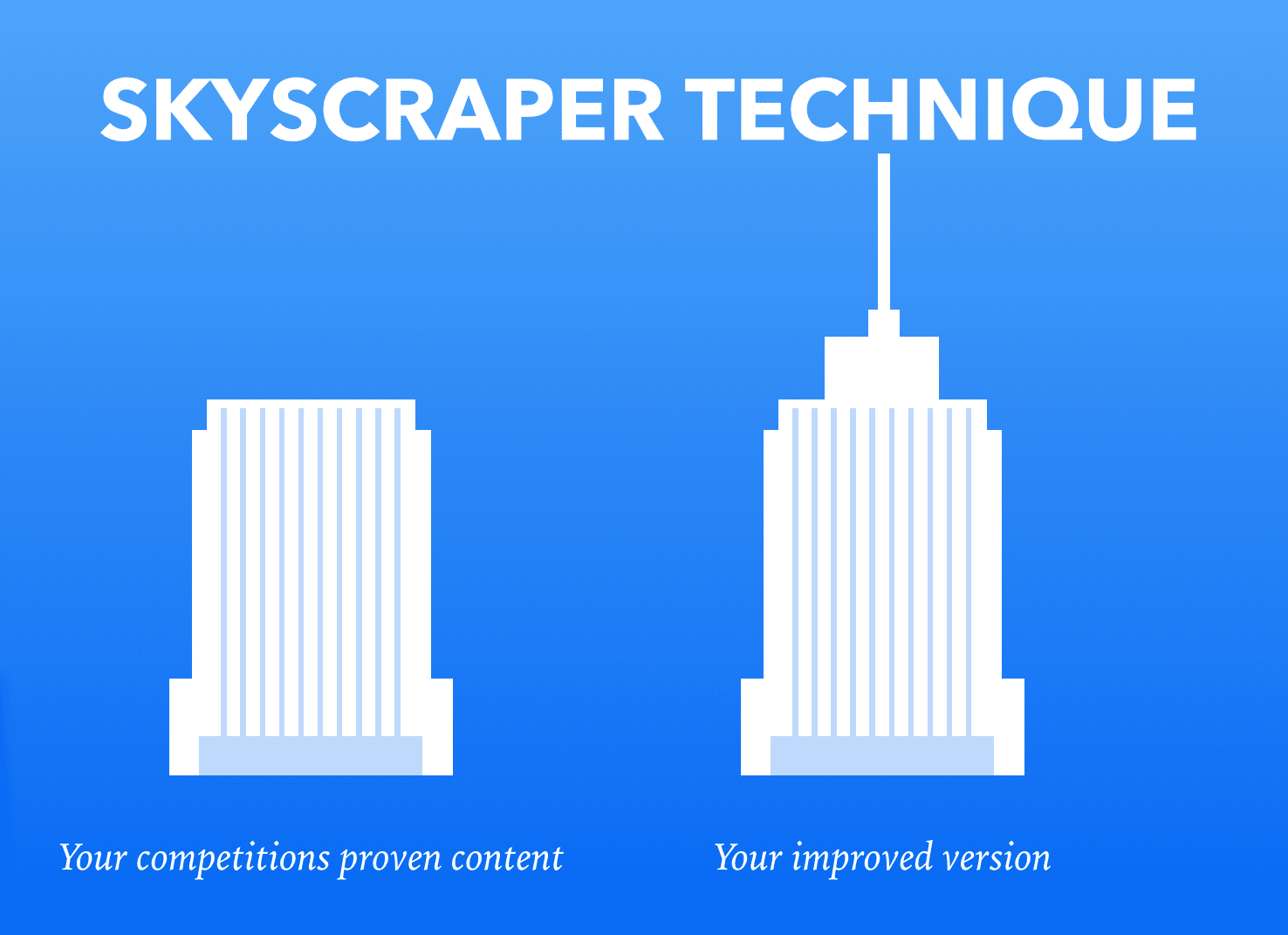
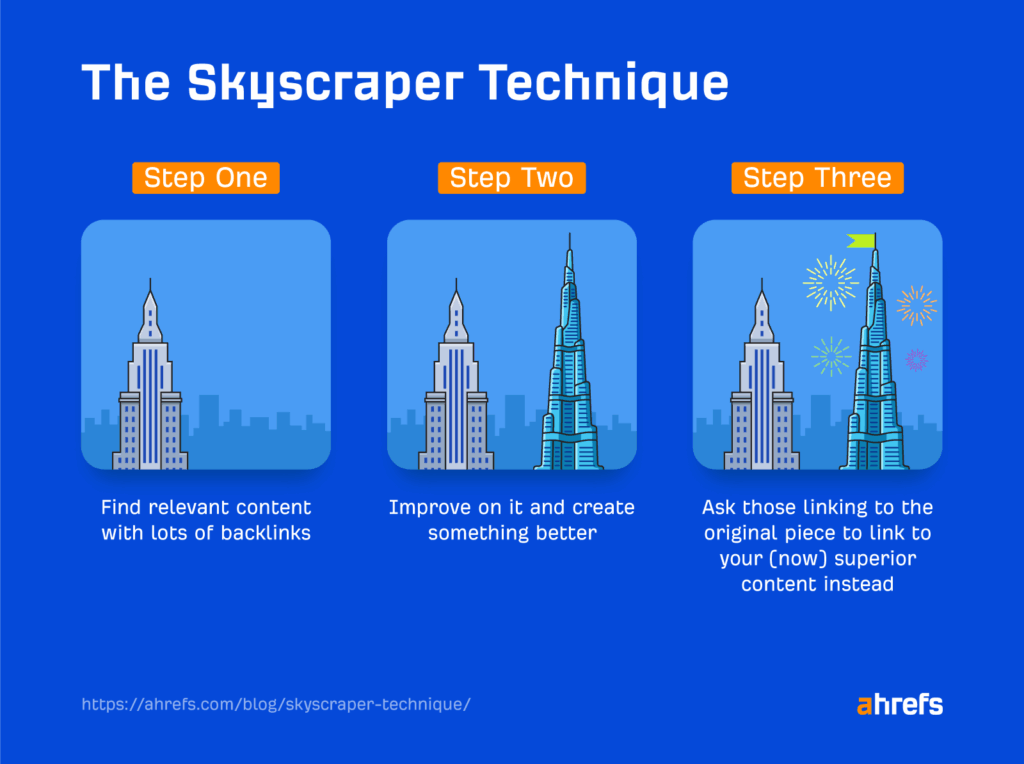
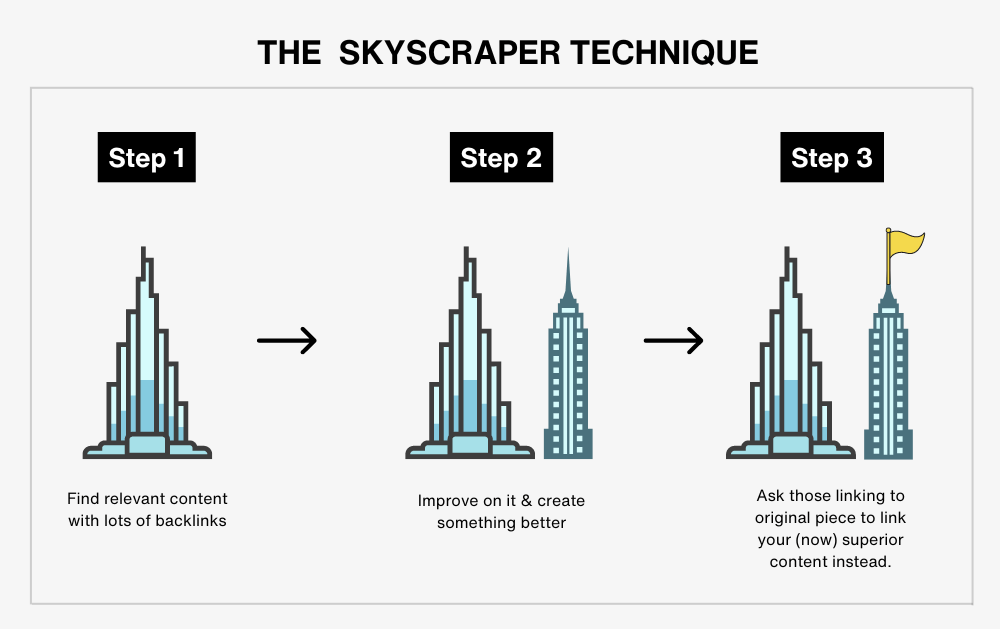
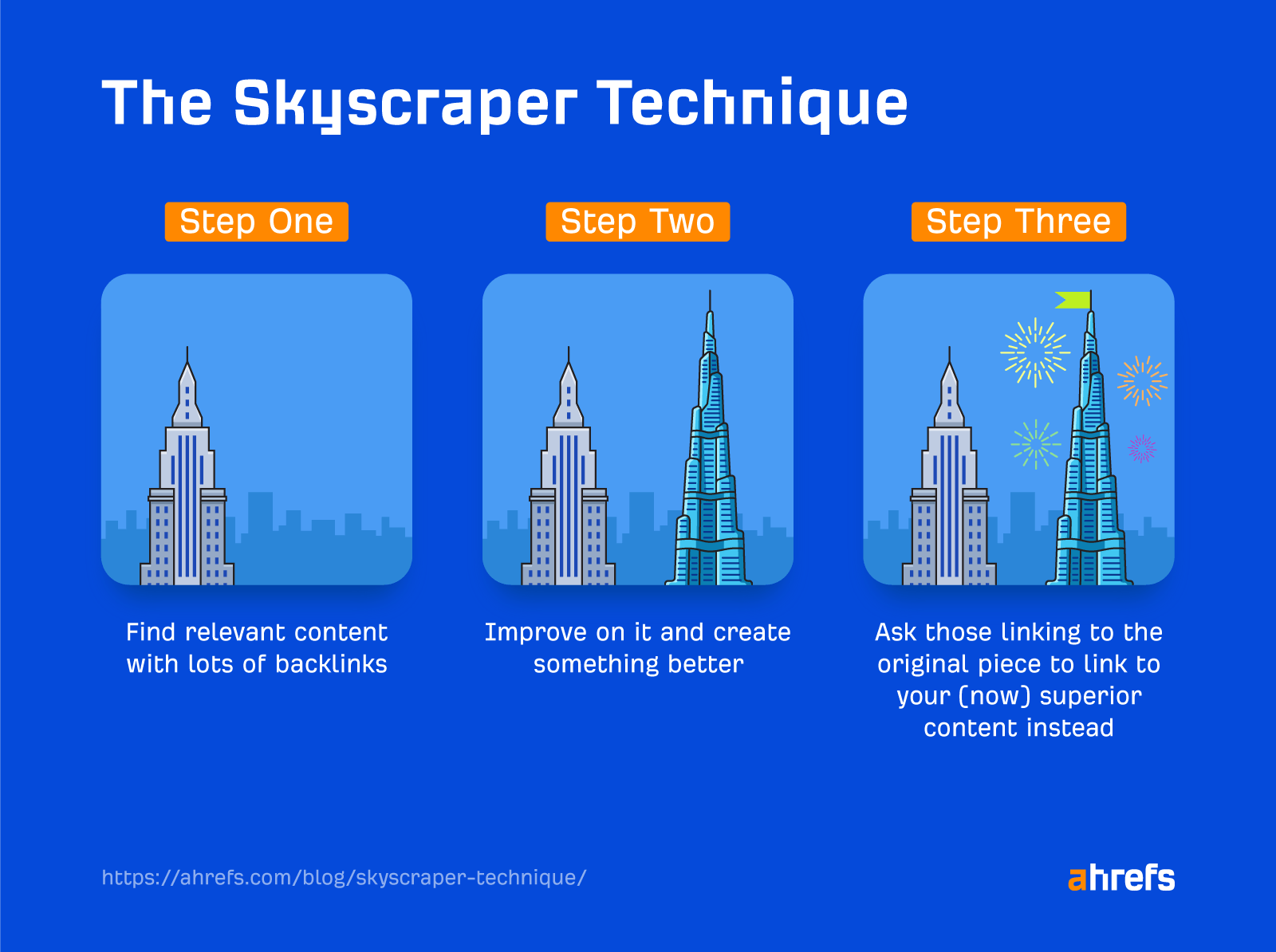
At its heart, the original Skyscraper Technique involves three steps: finding high-ranking content, making something better, and then reaching out to the right people. The AI SEO Skyscraper Technique retains this skeleton but injects it with steroids. AI does not replace the strategic thinking; it amplifies the execution speed and data analysis depth. Instead of spending days manually compiling data and drafting outlines, you use AI to process vast datasets, identify content gaps, and generate comprehensive, well-structured drafts in minutes.
This is not about churning out generic AI slop. It is about using machine learning to understand the semantic intent behind a keyword cluster, analyze thousands of top-ranking pages for common patterns, and then building a resource that is objectively superior in depth, clarity, and utility. The result is a piece of content that satisfies user intent more completely than anything else currently indexed.
Why the Traditional Skyscraper Technique Needs an AI Upgrade
The search engine results pages (SERPs) are more competitive than ever. The top ten results for most commercial keywords are often dominated by large, authoritative domains with massive budgets. A simple “better list” or “longer guide” is no longer sufficient. AI provides the edge needed to compete by enabling a level of granular analysis that is impossible manually. It helps identify the “why” behind a page’s ranking, not just the “what” of its content.
Furthermore, Google’s algorithms have evolved. They prioritize entities, topical authority, and experience, expertise, authoritativeness, and trustworthiness (E-E-A-T). AI tools help you map out the entire topical ecosystem, ensuring your content covers related subtopics and answers follow-up questions, thereby signaling true expertise to search engines. This holistic approach is the foundation of modern SEO success.
The Step-by-Step Process: How to Execute the AI Skyscraper Technique
Executing this strategy requires a systematic workflow. It blends data analysis, creative strategy, and technical execution. Below is a detailed breakdown of the process, from initial keyword research to the final outreach campaign.
Step 1: Deep Keyword and SERP Analysis with AI
Your journey begins not with writing, but with analysis. You need to identify a target keyword with commercial or informational value. Once selected, you must dissect the current SERP. Tools like Ahrefs, Semrush, or even Google’s autocomplete provide the raw data. AI tools like ChatGPT or Claude can then process this data to identify patterns.
Ask the AI to analyze the top 5-10 results for your keyword. Request a breakdown of common headings (H2s and H3s), the average word count, the types of media used (videos, infographics, tables), and the readability level. This creates a blueprint of the “baseline” content that currently ranks. The goal is to understand the minimum requirements to compete and then identify opportunities to exceed them.
Step 2: Identifying Content Gaps and Enhancement Opportunities
This is where the magic happens. With the baseline analysis complete, you instruct the AI to identify gaps. What questions are people asking that the current top results fail to answer? What subtopics are mentioned but not explored in depth? What data is outdated? What visual aids are missing? The AI can analyze the “People Also Ask” boxes and related searches to generate a list of semantic keywords and questions that should be included.
For example, if you are targeting “best running shoes,” the top results might have lists and reviews. Your AI analysis might reveal a gap in biomechanics, sustainability of materials, or a comparison tool for different foot arch types. These gaps become the pillars of your superior content. This step transforms the Skyscraper Technique from a guessing game into a data-driven science.
Step 3: Creating the Comprehensive Content Outline
Do not ask AI to write the article yet. First, create a detailed outline. This outline should be far more comprehensive than the ones used by your competitors. It should include the main H2s, sub-headings (H3s), bullet points for key arguments, and notes on where to insert data, examples, and visuals. This outline serves as your roadmap and ensures the final content is logically structured and covers all identified gaps.
Share this outline with your AI tool and ask for feedback. Can it suggest a better flow? Are there any logical inconsistencies? This collaborative approach between human strategy and AI processing power yields the best results. The outline is your blueprint; the AI is your construction crew.
Step 4: Writing and Expanding with AI Assistance
Now you can begin the writing phase. Use the approved outline to generate the first draft. The key is to provide the AI with specific instructions for each section. Include the target keyword, related LSI keywords, and the specific points you want to cover. The output will be a solid draft, but it is not ready for publication. This draft is the raw material for your expertise.
Your job is to edit, fact-check, and inject your unique perspective. Add personal anecdotes, case studies, and specific data points that AI cannot generate. This is where you demonstrate E-E-A-T. The AI provides the structure and baseline information, but your human experience adds the authenticity and trust that Google craves. The final content should be 2-3 times longer and more detailed than the current top-ranking pages.
Step 5: The Outreach and Promotion Strategy
Creating great content is only half the battle. The Skyscraper Technique relies on earning backlinks. Your outreach list should include websites that linked to the original, inferior content. These sites have already demonstrated a willingness to link to resources on this topic. You can use tools like Ahrefs to find these backlinks and export the list of referring domains.
Your outreach email must be personalized and compelling. Mention the specific article they linked to, explain how your new resource is superior (mention the specific enhancements you made), and present it as a valuable resource for their audience. AI can help draft these emails, but you must personalize them with specific details about the recipient’s site to avoid sounding spammy. The pitch is simple: “You linked to X, but “
Practical Applications and Real-World Examples
This technique is not theoretical. It is being used successfully across various industries. Consider a SaaS company targeting the keyword “project management software.” The top results are listicles and comparison guides. Using the AI Skyscraper Technique, they could analyze the SERP and identify a gap for a comprehensive guide on “project management methodologies” (Agile, Waterfall, Scrum) that integrates with software recommendations.
Another example is in the finance niche. A website targeting “best high-yield savings accounts” could use AI to analyze the current rates, terms, and user reviews. They could then create a dynamic, interactive table that allows users to filter by minimum deposit, APY, or bank features. This interactive element is a significant upgrade over static listicles and is highly linkable. The data is processed by AI, but the user experience is designed by humans.
Benefits and Limitations of the AI-Powered Approach
Understanding the pros and cons is crucial for setting realistic expectations. The benefits are significant, but the limitations require careful management.
Key Benefits
- Unmatched Efficiency: AI reduces research and drafting time by up to 70%, allowing you to produce high-quality content at scale.
- Data-Driven Insights: AI can analyze thousands of data points to identify content gaps that human researchers might miss.
- Scalability: You can apply this process to multiple keywords simultaneously, rapidly building topical authority.
- Improved Content Quality: By systematically covering all subtopics and answering more questions, the content is more comprehensive and useful to the reader.
- Risk of Generic Output: Without proper human editing, AI content can sound robotic and lack the nuance needed to build trust.
- Data Accuracy: AI models can hallucinate or provide outdated information. All facts and figures must be verified by a human expert.
- Lack of Original Research: AI cannot conduct interviews, surveys, or original experiments. These unique data points are often the most powerful link-building assets.
- Competition is Also Using AI: As more people use this technique, the “baseline” for what is considered “skyscraper” content will rise.
Potential Limitations
Comparison: Traditional vs. AI Skyscraper Technique
To fully appreciate the evolution, it is helpful to see the two approaches side-by-side. The table below highlights the key differences in workflow and output.
| Feature | Traditional Skyscraper | AI SEO Skyscraper |
|---|---|---|
| Research Time | Days to weeks of manual analysis | Hours, with AI processing SERP data instantly |
| Content Gap Analysis | Relies on manual reading and intuition | Uses NLP to identify semantic gaps and questions |
| Content Creation | Slow, human-only writing process | AI-generated drafts, refined by human expertise |
| Scalability | Limited by human resources | Highly scalable across multiple topics |
| Data Integration | Manual data collection and visualization | Automated data parsing and chart generation |
| Personalization | High, based on individual experience | Requires deliberate human input to add personality |
Common Mistakes and How to Avoid Them
Many practitioners fail to see results because they make critical errors in execution. Avoiding these pitfalls is essential for success.
Mistake 1: Publishing Unedited AI Content
This is the fastest way to destroy your credibility. Google’s algorithms are sophisticated enough to detect low-value, mass-produced content. Always treat AI output as a first draft. You must add your own insights, examples, and analysis to make it unique and valuable.
Mistake 2: Ignoring Search Intent
Creating a “better” piece of content that does not match what the user wants to see will fail. If the keyword is transactional, a long-form informational guide will not rank. Ensure your content format matches the dominant format in the SERP.
Mistake 3: Focusing Only on Word Count
Longer content is not automatically better. A 5,000-word article that repeats the same points is worse than a 2,000-word article that is concise and packed with unique value. Focus on covering all subtopics and answering questions, not just padding the word count.
Mistake 4: Neglecting the Outreach Phase
You can create the best content in the world, but if no one sees it, it is worthless. The outreach phase is non-negotiable. You must actively promote your content to earn the backlinks that signal authority to Google.
Important Notes for Long-Term Success
This technique is not a one-time hack. It is a sustainable strategy that requires continuous refinement. The SERPs are dynamic; what is a “skyscraper” today will be the “baseline” tomorrow. You must be prepared to update and improve your content regularly.
Also, remember that AI is a tool, not a replacement for human intelligence. The most successful SEO professionals use AI to handle the heavy lifting of data processing and drafting, freeing up their time to focus on strategy, creative direction, and relationship building. The human element—your unique perspective, experience, and expertise—is the ultimate differentiator that cannot be replicated by a machine.
Frequently Asked Questions (FAQ)
What is the difference between the Skyscraper Technique and the AI Skyscraper Technique?
The core principle is the same: create the best resource on a topic. The difference lies in the execution. The traditional method relies on manual research and writing. The AI version uses machine learning to analyze SERPs, identify content gaps, and generate drafts, making the process significantly faster and more data-driven.
Is the AI SEO Skyscraper Technique considered black hat SEO?
No, it is a white hat technique. It focuses on creating high-quality, valuable content and earning backlinks naturally. It does not involve buying links, cloaking, or other deceptive practices. It aligns with Google’s guidelines of creating content for users, not search engines.
How long does it take to see results with this technique?
SEO is a long-term game. While some pages may see improvements in a few weeks, it typically takes 3-6 months to see significant ranking changes and acquire backlinks. The timeline depends on the competitiveness of the keyword and the authority of your domain.
Can I use this technique for any niche?
Yes, the principles apply to any niche. Whether you are in e-commerce, B2B SaaS, health, or finance, the process of analyzing the SERP, creating a superior resource, and promoting it remains the same. The key is to adapt the content format and depth to the specific audience.
What are the best AI tools for this technique?
For content generation and analysis, tools like ChatGPT, Claude, and Google Bard are excellent. For SEO-specific data, platforms like Ahrefs, Semrush, and Surfer SEO provide the necessary metrics and SERP analysis. The best approach is to combine a general AI chatbot with a specialized SEO tool.
Conclusion
The AI SEO Skyscraper Technique represents the next evolution in content marketing and link building. It successfully merges the timeless principle of creating exceptional value with the cutting-edge efficiency of artificial intelligence. By following the structured process of deep SERP analysis, gap identification, AI-assisted drafting, and strategic outreach, you can build a powerful content portfolio that attracts high-quality backlinks and dominates search rankings.
The future of SEO belongs to those who can leverage technology without losing the human touch. This technique empowers you to do exactly that. It allows you to scale your content production, deepen your topical authority, and outpace competitors who are still relying on outdated methods. The tools are available, and the process is clear. The only remaining step is to put this strategy into action and build your digital skyscraper.
Xem thêm:
- AI SEO AI Search Optimization Audit: The Complete 2025 Guide to Future-Proofing Your Rankings
- AI Schema Generator: Automate Structured Data for Rich Results and Better SEO
- AI SEO Case Study: Real-World Results, Strategies, and Lessons Learned
- AI SEO for Real Estate: The Complete Guide to Dominating Local Search in 2025
- AI SEO Research Workflow: The Complete Guide to Scaling Organic Growth
Bài viết cùng chủ đề:

AI SEO SEO Automation with Make: The Complete Workflow Guide

AI SEO SEO Automation with Zapier: The Complete Workflow Guide

AI SEO SEO Automation with n8n: The Complete Workflow Guide
AI SEO SEO Automation with Gemini: The Complete Guide to Scaling Organic Growth

AI SEO SEO Automation with Claude: The Complete Guide to Scaling Content in 2025

AI SEO SEO Automation with ChatGPT: The Complete Playbook for 2025

AI SEO & SEO Automation for Affiliate Sites: The 2025 Playbook for Passive Income Growth
AI SEO & SEO Automation for Bloggers: The Complete Guide to Scaling Your Content

AI SEO & SEO Automation for Agencies: The Complete 2025 Playbook

AI SEO and SEO Automation for Ecommerce: The Complete Playbook for 2025

AI SEO & SEO Automation for WordPress: The Complete Playbook for 2025
AI SEO SEO Automation Strategy: The Complete Playbook for 2025

Mastering the AI SEO SEO Automation Process: A Complete Guide to Scaling Organic Growth
AI SEO SEO Automation System: The Complete Guide to Scaling Organic Growth in 2025
AI SEO SEO Automation Platform: The Complete Guide to Scaling Organic Growth in 2025
AI SEO SEO Automation Software: The Complete Guide to Scaling Organic Growth in 2025















