
No products in the cart.
AI SEO Bounce Rate: The Complete Guide to Decoding User Intent in 2025
31
Jul
Jul
Understanding the AI SEO bounce rate is no longer just about tracking how many visitors leave your page. In the era of generative search and machine learning algorithms, the bounce rate has evolved into a critical signal that tells search engines whether your content truly satisfies user intent. While traditional analytics treated bounces as a negative metric, modern AI-driven SEO requires a nuanced interpretation of this data point. This comprehensive guide explores how artificial intelligence is reshaping the way we measure, analyze, and optimize for bounce rate, ensuring your website remains competitive in an increasingly intelligent search landscape.
What is AI SEO Bounce Rate?

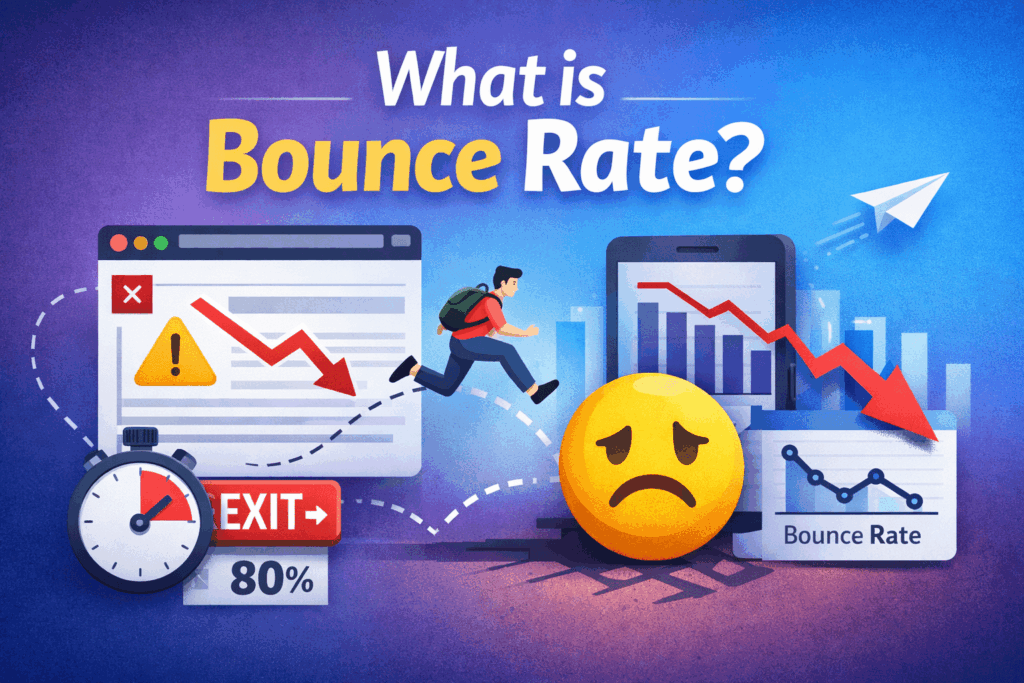
AI SEO bounce rate refers to the intersection of artificial intelligence technologies and the traditional web analytics metric known as bounce rate. In standard terms, a bounce occurs when a user visits a single page on your website and then leaves without triggering any additional interactions, such as clicking a link, filling out a form, or navigating to another page. The bounce rate is the percentage of single-page sessions divided by total sessions on your site.
When artificial intelligence enters the equation, the definition expands significantly. AI systems, particularly machine learning models used by search engines like Google’s RankBrain and BERT, analyze user behavior patterns to determine content relevance. These systems now use sophisticated engagement metrics, including adjusted bounce rate calculations, to assess whether a page genuinely answers a user’s query. The AI component helps differentiate between a “good bounce” where the user found exactly what they needed and a “bad bounce” where the user left because the content was irrelevant or poor quality.
The Evolution of Bounce Rate in the Age of AI Search
The traditional view of bounce rate as a straightforward performance indicator has shifted dramatically. Historically, webmasters aimed for the lowest possible bounce rate, assuming that any bounce indicated failure. However, AI-powered search engines have introduced a more sophisticated understanding of user behavior.
Search engines now recognize that a user might bounce from a page because they successfully found a phone number, a price, or a quick answer. These “satisfied bounces” are positive signals. Conversely, a user who bounces after 10 seconds without scrolling or interacting signals poor content quality. AI algorithms are trained to identify these behavioral patterns, making the raw bounce rate metric less meaningful without contextual analysis.
How Machine Learning Interprets Bounce Signals
Machine learning models process vast amounts of behavioral data to categorize bounces. These models consider factors such as dwell time, scroll depth, mouse movement patterns, and interaction with page elements. A user who spends five minutes reading an article and then leaves without clicking another link is classified differently from a user who leaves within five seconds.
The AI systems also correlate bounce behavior with query intent. For transactional queries like “buy running shoes,” a bounce to a competitor site indicates failure. For informational queries like “what is the capital of France,” a quick bounce after reading the answer represents success. This intent-aware analysis is the core of AI SEO bounce rate optimization.
Why AI SEO Bounce Rate Matters for Rankings
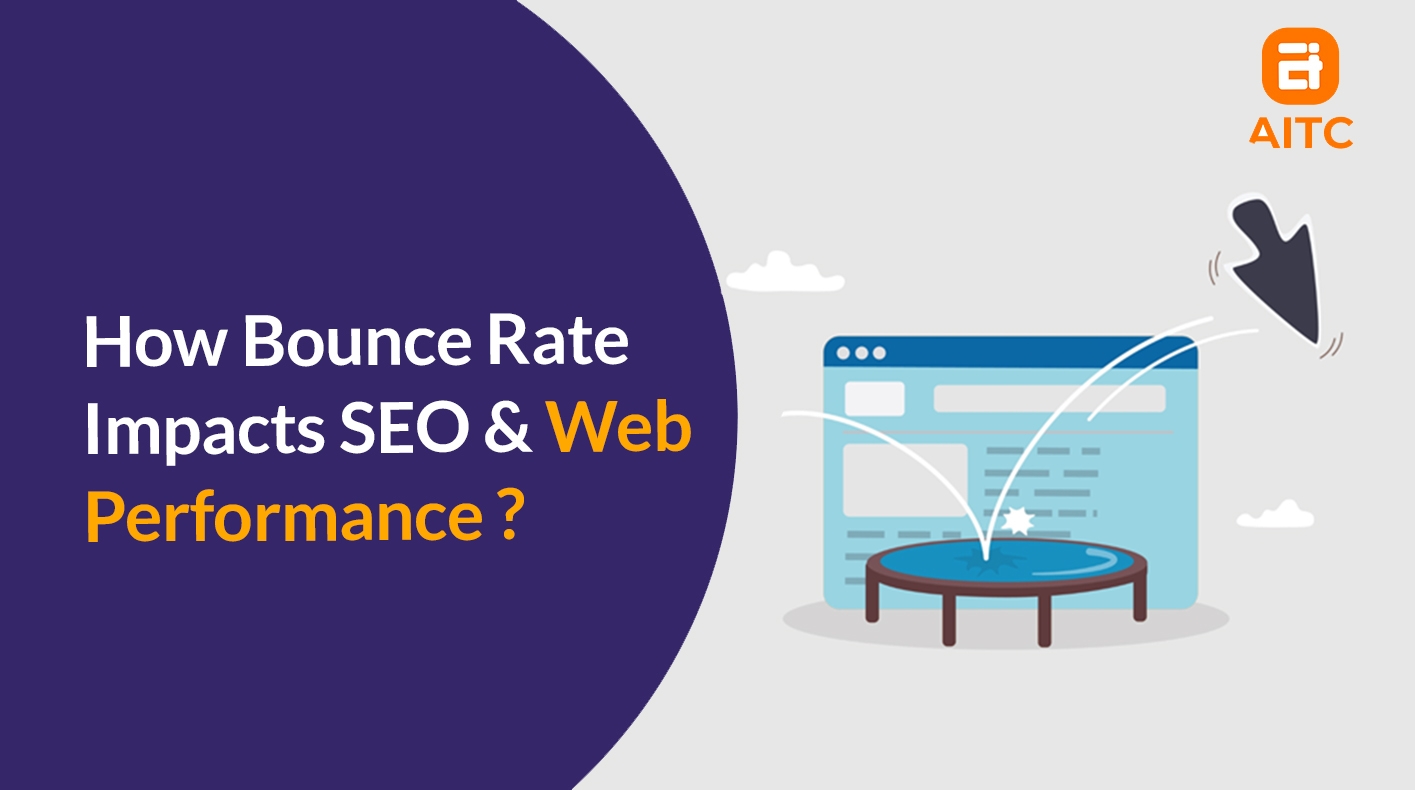
Search engines use engagement metrics as indirect ranking signals. While Google has stated that bounce rate is not a direct ranking factor, the behavioral data that contributes to bounce rate calculations influences other metrics that do matter. Click-through rate, dwell time, and pogo-sticking (returning to search results quickly) are all correlated with user satisfaction.
AI algorithms use these signals to refine search results continuously. If a page consistently shows high bounce rates with short dwell times for specific queries, the AI learns to demote that page in favor of alternatives that keep users engaged. This creates a feedback loop where optimizing for AI SEO bounce rate directly impacts organic visibility.
Key Metrics That Complement AI SEO Bounce Rate
To fully leverage AI in bounce rate optimization, you must understand the ecosystem of related metrics. These data points work together to provide a complete picture of user engagement.
| Metric | Definition | AI Relevance |
|---|---|---|
| Dwell Time | Time spent on a page before returning to search results | High dwell time indicates content satisfaction |
| Scroll Depth | Percentage of page scrolled by the user | Deep scrolling signals content engagement |
| Pogo-sticking | Rapid return to SERP after clicking a result | Negative signal that AI penalizes heavily |
| Exit Rate | Percentage of exits from a specific page | Contextualized with user journey analysis |
| Engagement Rate | Interactions per session including clicks and scrolls | Primary input for AI satisfaction models |
How AI Tools Analyze and Optimize Bounce Rate
Modern SEO platforms leverage artificial intelligence to provide actionable insights into bounce rate data. These tools go beyond simple percentage tracking to offer predictive analytics and automated recommendations.
Predictive Behavioral Analytics
AI-powered analytics platforms use historical data to predict which pages are at risk of high bounce rates. These systems identify patterns in user demographics, traffic sources, and content types to forecast engagement levels. For example, an AI tool might predict that a technical blog post will have a 70% bounce rate for mobile users arriving from social media, allowing you to preemptively optimize the page.
Content Gap Analysis
Natural language processing (NLP) algorithms analyze your content against top-ranking pages to identify gaps that cause bounces. The AI compares semantic relevance, readability scores, and information density. If your page lacks a definition, example, or data point that users expect, the AI flags this as a bounce risk and recommends specific content additions.
User Intent Classification
AI systems classify incoming traffic by search intent: informational, navigational, commercial, or transactional. Each intent type has different bounce rate benchmarks. A page optimized for commercial intent might have a higher acceptable bounce rate than an informational page. AI tools automatically segment your bounce rate data by intent, providing more accurate performance assessments.
Practical Strategies to Reduce AI SEO Bounce Rate
Reducing your bounce rate requires a multi-faceted approach that aligns with AI evaluation criteria. These strategies focus on improving user experience and content relevance simultaneously.
Optimize Page Speed for Instant Gratification
AI algorithms heavily weight page load time as a user satisfaction factor. A delay of even one second can increase bounce rates by up to 32%. Compress images, leverage browser caching, and use content delivery networks to ensure your pages load in under two seconds. Google’s Core Web Vitals, which AI systems use to evaluate user experience, directly correlate with bounce behavior.
Match Content Format to Search Intent
Analyze the top-ranking pages for your target keywords and identify the dominant content format. If the SERP shows video results, users expect video content. If the top results are listicles, create a listicle. Format mismatch is a primary cause of high bounce rates because users immediately recognize that the page does not match their expectations.
Implement Strategic Internal Linking
Internal links provide pathways for users to continue their journey, directly reducing bounce rate. Place contextual links within the first two paragraphs and throughout the content. Use descriptive anchor text that tells users exactly what they will find on the linked page. AI systems view internal linking as a positive engagement signal, as it demonstrates content depth and site structure.
Enhance Readability with Structured Data
Break your content into scannable sections using clear headings, bullet points, and short paragraphs. Users who can quickly scan and find relevant information are less likely to bounce. AI systems also prefer structured content because it is easier to parse and understand, improving your chances of appearing in featured snippets and AI-generated answers.
Common Mistakes in AI SEO Bounce Rate Optimization
Many website owners make critical errors when trying to improve their bounce rate. Understanding these pitfalls helps you avoid wasting effort on counterproductive tactics.
- Obsessing over the raw percentage: A low bounce rate is not always good. A page with a 20% bounce rate where users leave quickly after finding a phone number is performing better than a page with a 60% bounce rate where users read for five minutes.
- Ignoring mobile vs. desktop differences: Mobile users typically have higher bounce rates due to different browsing habits. Failing to segment your data leads to incorrect conclusions.
- Using pop-ups aggressively: Intrusive pop-ups that appear immediately cause users to bounce. If you must use pop-ups, delay them until the user has scrolled or spent time on the page.
- Creating clickbait headlines: When content does not deliver on the promise of the headline, users bounce quickly. AI systems detect this mismatch and penalize the page.
- Neglecting internal search: Users who use your site’s search function are highly engaged. If your search returns poor results, these users bounce. Optimize your internal search with AI-powered recommendations.
AI-Powered Tools for Bounce Rate Analysis
Several platforms use artificial intelligence to provide deeper insights into bounce rate and user behavior. These tools automate the analysis process and offer recommendations that would be impossible to derive manually.
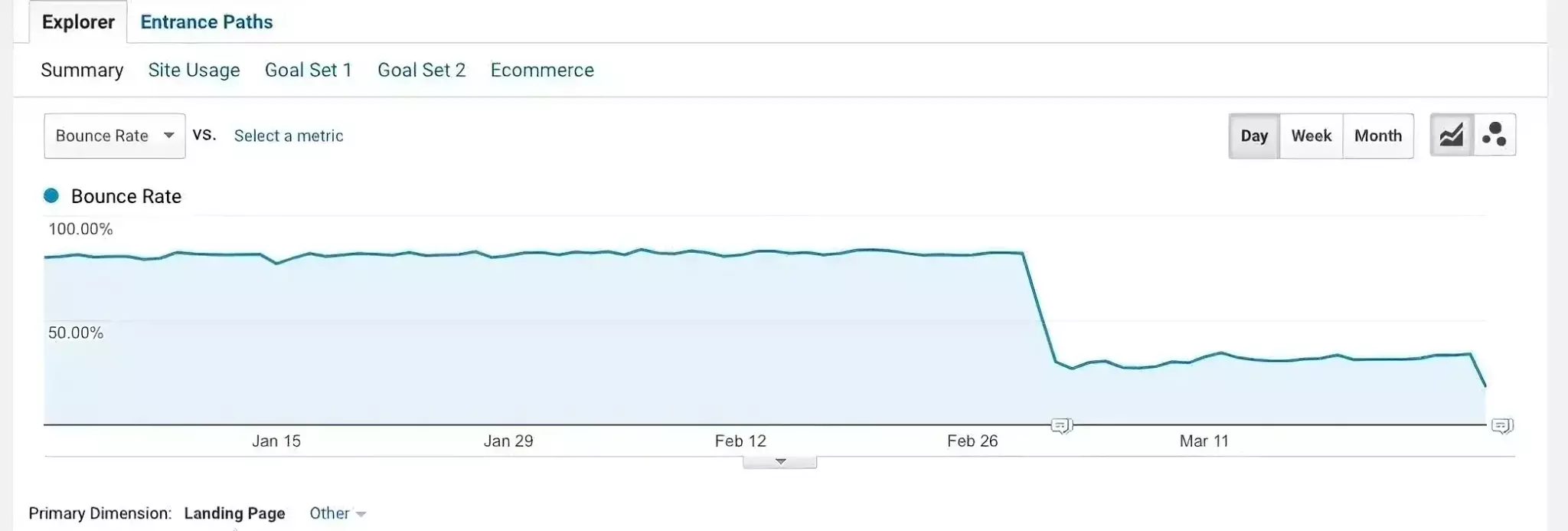
Google Analytics 4 uses machine learning to provide automatic insights about anomalous bounce rate changes. The platform identifies sudden spikes or drops and correlates them with specific traffic sources, campaigns, or content changes. This AI-driven anomaly detection helps you respond quickly to issues.
Heatmap tools with AI capabilities, such as Hotjar and Crazy Egg, analyze mouse movement and scroll patterns to identify where users lose interest. These tools automatically segment users by behavior and predict which elements cause disengagement. The AI generates recommendations for layout changes, content placement, and call-to-action positioning.
Content optimization platforms like Surfer SEO and Clearscope use NLP to analyze top-ranking content and provide recommendations that reduce bounce rate. These tools suggest semantic keywords, content structure improvements, and readability adjustments based on what performs well in search results.
The Role of AI-Generated Content in Bounce Rate
As AI content generation becomes more prevalent, its impact on bounce rate is a critical consideration. AI-generated content can reduce bounce rates when it is accurate, comprehensive, and well-structured. However, generic AI content that lacks depth or unique insights causes users to bounce quickly.
Search engines are increasingly sophisticated at detecting low-quality AI content. The algorithms evaluate content for originality, factual accuracy, and user value. Pages that simply rephrase existing content or provide generic information see higher bounce rates as users quickly realize the content offers nothing new.
To use AI content generation effectively, always add human expertise, personal experience, and unique data points. Use AI as a drafting tool, then refine the output with specific examples, case studies, and actionable advice. This hybrid approach produces content that keeps users engaged and reduces bounce rates.
Measuring AI SEO Bounce Rate Success
Tracking the right metrics ensures your optimization efforts produce meaningful results. Beyond the raw bounce rate, monitor these indicators to gauge success.
Average session duration should increase as bounce rate decreases. This correlation confirms that users are spending more time engaging with your content. Track scroll depth to verify that users are consuming your content rather than just clicking through. A scroll depth of 75% or higher indicates strong engagement.
Conversion rate is the ultimate measure of success. A lower bounce rate should correlate with higher conversion rates, whether the conversion is a purchase, a sign-up, or a download. If bounce rate decreases but conversions remain flat, your content may be engaging but not persuasive enough.
Return visitor rate indicates whether users found your content valuable enough to return. AI systems view repeat visits as a strong positive signal. Monitor this metric alongside bounce rate to understand long-term engagement trends.
Important Notes for AI SEO Bounce Rate Optimization
Several contextual factors influence how you should interpret and optimize bounce rate. Keeping these notes in mind prevents missteps.
Bounce rate benchmarks vary significantly by industry. A blog might have a 70% bounce rate that is considered normal, while an e-commerce product page should aim for under 40%. Research your specific industry benchmarks before setting targets.
Traffic source matters. Users arriving from email campaigns or social media often have different expectations than users arriving from search engines. Segment your bounce rate analysis by traffic source to identify which channels need optimization.
Page type determines acceptable bounce rates. Contact pages, FAQ pages, and dictionary-style definitions naturally have high bounce rates because users find what they need quickly. Do not apply the same bounce rate targets to all page types.
AI algorithms are constantly evolving. What works today for bounce rate optimization may change as search engines refine their understanding of user behavior. Stay updated with algorithm changes and adjust your strategies accordingly.
Frequently Asked Questions About AI SEO Bounce Rate
Is bounce rate a direct Google ranking factor?
Google has officially stated that bounce rate is not a direct ranking factor. However, the user behavior that creates bounce rate data influences other metrics that do affect rankings. Dwell time, pogo-sticking, and engagement signals are used by AI algorithms to assess content quality. A consistently high bounce rate with short dwell times will eventually impact your rankings indirectly.
What is a good bounce rate for SEO?
A good bounce rate depends on your industry and page type. For blogs and informational content, a bounce rate between 60% and 80% is common and acceptable. For e-commerce product pages, aim for 30% to 50%. For landing pages designed for conversion, target under 40%. Compare your rates against industry benchmarks rather than absolute numbers.
How does AI change bounce rate analysis?
AI changes bounce rate analysis by adding context and predictive capabilities. Machine learning models classify bounces as positive or negative based on user intent and behavior. AI tools can predict which pages will have high bounce rates before they are published. This allows for proactive optimization rather than reactive fixes.
Can AI tools automatically reduce my bounce rate?
AI tools can recommend changes and automate certain optimizations, but they cannot directly control user behavior. Tools can suggest content improvements, layout changes, and speed optimizations. Some platforms offer automated A/B testing that adjusts page elements in real-time to minimize bounces. However, the actual reduction requires implementing the recommendations effectively.
Does page speed affect AI SEO bounce rate?
Page speed is one of the most significant factors influencing bounce rate. AI algorithms use page speed as a proxy for user experience quality. Slow-loading pages cause users to abandon before the content even appears. Google’s Core Web Vitals, which measure loading performance, interactivity, and visual stability, are directly correlated with bounce behavior.
How do I track bounce rate with AI tools?
Google Analytics 4 provides AI-powered insights into bounce rate and engagement metrics. The platform automatically detects anomalies and provides explanations for changes. Third-party tools like SEMrush and Ahrefs offer AI-driven bounce rate analysis with competitive benchmarking. These tools integrate with your analytics data to provide actionable recommendations.
Conclusion
AI SEO bounce rate represents a fundamental shift in how we understand user engagement. The days of chasing a universally low bounce rate are over. Modern AI algorithms demand a nuanced approach that considers user intent, content quality, and behavioral context. By leveraging AI-powered analytics tools and implementing the strategies outlined in this guide, you can transform your bounce rate from a vanity metric into a powerful optimization signal.
The key to success lies in continuous testing and adaptation. Monitor your bounce rate data through an AI lens, segment your analysis by intent and traffic source, and always prioritize user satisfaction over arbitrary metric targets. As search engines become more intelligent, the websites that thrive will be those that genuinely serve their users’ needs, creating a positive feedback loop between engagement, rankings, and organic growth.
Xem thêm:
- AI SEO HARO Alternatives: 10 Powerful Platforms to Secure High-Authority Backlinks in 2025
- AI SEO GEO Traffic: The Complete Guide to Generative Engine Optimization
- AI SEO Trends That Will Reshape Search Visibility in 2025 and Beyond
- AI SEO Webinars: How Virtual Training Is Reshaping Modern Search Strategy
- AI SEO Long Tail Keyword Research: The Complete Guide to Smarter Rankings
Bài viết cùng chủ đề:

AI SEO SEO Automation with Make: The Complete Workflow Guide

AI SEO SEO Automation with Zapier: The Complete Workflow Guide

AI SEO SEO Automation with n8n: The Complete Workflow Guide
AI SEO SEO Automation with Gemini: The Complete Guide to Scaling Organic Growth

AI SEO SEO Automation with Claude: The Complete Guide to Scaling Content in 2025

AI SEO SEO Automation with ChatGPT: The Complete Playbook for 2025

AI SEO & SEO Automation for Affiliate Sites: The 2025 Playbook for Passive Income Growth
AI SEO & SEO Automation for Bloggers: The Complete Guide to Scaling Your Content

AI SEO & SEO Automation for Agencies: The Complete 2025 Playbook

AI SEO and SEO Automation for Ecommerce: The Complete Playbook for 2025

AI SEO & SEO Automation for WordPress: The Complete Playbook for 2025
AI SEO SEO Automation Strategy: The Complete Playbook for 2025

Mastering the AI SEO SEO Automation Process: A Complete Guide to Scaling Organic Growth
AI SEO SEO Automation System: The Complete Guide to Scaling Organic Growth in 2025
AI SEO SEO Automation Platform: The Complete Guide to Scaling Organic Growth in 2025
AI SEO SEO Automation Software: The Complete Guide to Scaling Organic Growth in 2025















