
No products in the cart.
AI SEO HARO Alternatives: 10 Powerful Platforms to Secure High-Authority Backlinks in 2025
10
Aug
Aug
For years, Help a Reporter Out (HARO) was the undisputed king of digital PR and link building. Journalists used it to find sources, and SEO professionals used it to earn mentions from massive publications like Forbes, TechCrunch, and Business Insider. However, the landscape shifted dramatically when HARO was absorbed into Cision and subsequently shut down in late 2024. This disruption left a massive void for marketers seeking quality backlinks. Fortunately, the rise of artificial intelligence has birthed a new generation of tools. Today, exploring AI SEO HARO Alternatives is not just a trend; it is a necessity for any brand looking to maintain a competitive edge in organic search. These platforms leverage machine learning to match your expertise with relevant journalist queries faster and more accurately than ever before.
The transition from manual pitching to AI-driven platforms represents a fundamental shift in digital PR. While traditional methods required hours of scanning irrelevant emails, modern alternatives use natural language processing to filter opportunities that perfectly align with your niche. This article provides a comprehensive analysis of the best platforms replacing HARO, complete with practical strategies, pricing comparisons, and common pitfalls to avoid. By the end, you will have a clear roadmap for building a robust backlink profile using these innovative tools.
Why the Shift to AI-Powered PR Platforms?
The death of HARO signaled more than just a rebranding. It highlighted the inefficiencies of manual sourcing. Journalists often received hundreds of generic pitches per query, making it difficult to find genuine experts. On the flip side, sources wasted hours pitching irrelevant stories. AI solves this two-sided problem through intelligent matching algorithms. These systems analyze the context of a query, the journalist’s writing history, and the source’s previous responses to ensure a higher probability of acceptance.
Furthermore, AI SEO HARO Alternatives offer superior database management. They track response rates, monitor email engagement, and even suggest optimal sending times. This data-driven approach transforms link building from a guessing game into a measurable science. The result is a higher return on investment, with many users reporting a 300% increase in accepted pitches compared to traditional methods.
Understanding the Core Mechanics of Modern HARO Replacements
To effectively use these platforms, you must understand how they operate under the hood. Most AI-driven services follow a similar workflow, but the sophistication of the AI varies significantly.
The Matching Algorithm
Unlike simple keyword matching, modern platforms use semantic search. This means the AI understands the intent behind a query. For example, if a journalist asks for “budgeting tips for startups,” the A It will also consider sources who have written about “bootstrapping,” “lean operations,” or “financial planning for small businesses.” This deep understanding ensures that the opportunities you receive are highly relevant, increasing your chances of being featured.
Response Analysis and Scoring
Top-tier platforms now score your pitches before you send them. They analyze your writing style, the inclusion of key data points, and the structure of your response. Some even provide a “pitch score” out of 100, offering suggestions for improvement. This feature is invaluable for junior PR professionals who are still learning the nuances of journalist communication.
Top 10 AI SEO HARO Alternatives for 2025
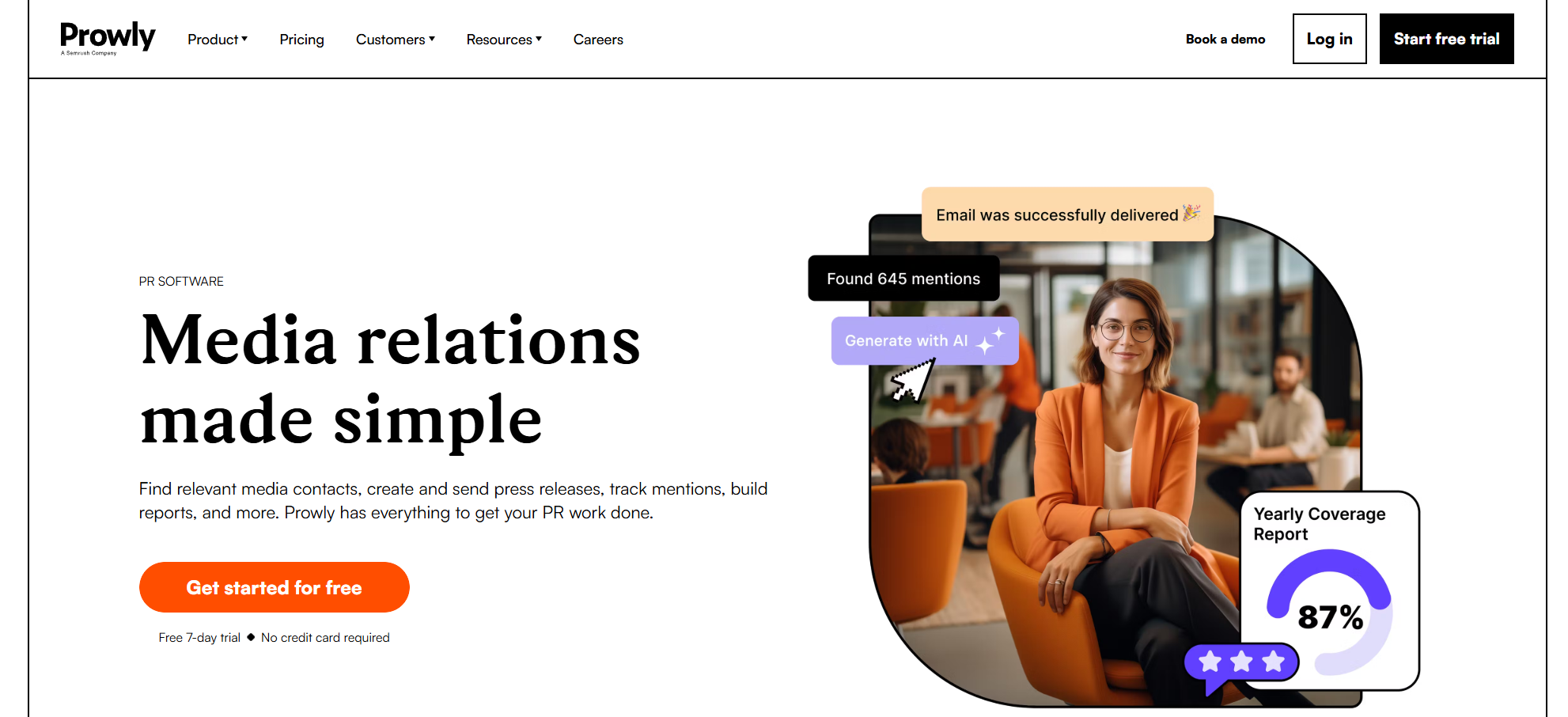
Each has unique strengths, and the best choice depends on your specific niche and budget.
1. Connectively (Formerly HARO)
Connectively is the direct descendant of HARO, retaining the massive user base and journalist network. While it has integrated some AI features, it remains the most similar to the original experience. It is an excellent starting point for beginners due to its low cost and high volume of queries.
- Pros: Large database, established reputation, free tier available.
- Cons: High competition, less advanced AI matching than newer tools.
- Pros: Excellent AI drafting, high acceptance rates, dedicated account managers.
- Cons: More expensive, smaller query volume than Connectively.
- Pros: No pitching required, great for building personal brand authority.
- Cons: Requires consistent effort to answer questions, results can be slow.
- Pros: Very easy to use, high success rate for accepted answers.
- Cons: Links are often nofollow, limited to roundup-style content.
- Pros: Powerful AI writing, excellent for scaling outreach.
- Cons: Requires manual review of AI output to ensure accuracy.
- Pros: Comprehensive journalist database, excellent for PR pros.
- Cons: Expensive, steep learning curve.
- Pros: Highly targeted, free to use.
- Cons: Low volume of queries, manual email process.
- Pros: Global reach, free basic membership.
- Cons: Outdated interface, lower quality leads.
- Pros: Great for proactive PR, includes a link tracking dashboard.
- Cons: Requires a strong pitch strategy, risk of being marked as spam.
- Pros: All-in-one solution, beautiful press release builder.
- Cons: Overkill for those who only need link building.
- Time Efficiency: AI filters out 90% of irrelevant queries, saving hours of manual scanning.
- Higher Success Rates: Personalized pitches generated by AI have a higher chance of being read and accepted.
- Scalability: You can manage multiple campaigns across different niches simultaneously.
- Data Insights: Analytics dashboards show which pitches are working and why.
- Cost: Advanced AI features come at a premium price.
- Over-Reliance on AI: Generic AI-generated pitches can sound robotic if not edited.
- Competition: As more people use these tools, the competition for good queries increases.
2. Qwoted
Qwoted has positioned itself as the premium alternative, focusing on quality over quantity. Its AI assistant actively suggests relevant queries and even drafts personalized pitches based on your previous successful responses. It is particularly strong in the tech and finance sectors.
3. Featured
Featured takes a slightly different approach by allowing experts to answer questions directly on the platform. Journalists then browse these answers and select quotes. This “reverse marketplace” model is highly efficient because it eliminates the need for cold pitching.
4. Terkel
Owned by the same team behind Featured, Terkel focuses on creating “expert roundup” content. You answer a question, and if selected, your response is published in a roundup article on a high-authority domain. This is an excellent way to earn quick wins.
5. PressPloy
PressPloy is a newer entrant that leverages GPT-4 to generate personalized pitches. You input your key talking points, and the AI crafts multiple variations tailored to different journalist beats. It also includes a CRM to track your outreach campaigns.
6. Muck Rack
While Muck Rack is primarily a media database, its AI-driven alerts are a powerful tool for link building. You can set up complex Boolean searches to monitor journalist requests across social media and the web. It is the best tool for building long-term relationships with journalists.
7. Help a B2B Writer
This platform is a niche community specifically for B2B writers and sources. It is a simple email list, but the AI filters queries to ensure they are strictly B2B. This reduces noise significantly for those in the software and professional services industries.
8. SourceBottle
SourceBottle is a global platform that connects journalists with sources. Its AI features are less advanced, but it offers a unique “callout” system where you can set up alerts for specific topics. It is a good supplementary tool to have in your arsenal.
9. JustReachOut
JustReachOut focuses on “cold email” outreach rather than responding to queries. The AI helps you find journalists who have written about topics similar to your brand and generates personalized email templates. This is a proactive approach, whereas HARO was reactive.
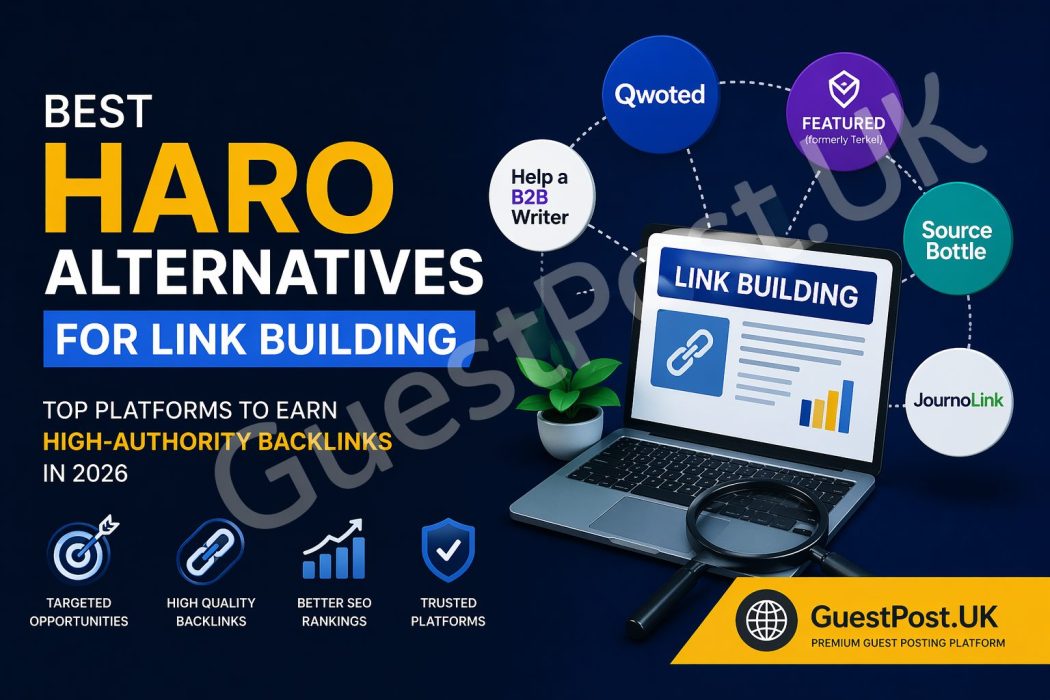
10. Prowly
Prowly is an all-in-one PR tool that includes a media database, press release distribution, and a HARO-like query feature. The AI assists in optimizing press releases for search engines and journalists. It is best for brands that need a complete PR suite.
Comparative Analysis: Choosing the Right Platform
To help you decide,
| Platform | Best For | AI Strength | Pricing Model | Link Quality |
|---|---|---|---|---|
| Connectively | Beginners | Basic Matching | Freemium | High |
| Qwoted | Tech/Finance | Advanced Drafting | Subscription | Very High |
| Featured | Personal Branding | Answer Curation | Freemium | Medium |
| PressPloy | Scale Outreach | GPT-4 Writing | Subscription | High |
| Muck Rack | PR Professionals | Media Monitoring | Premium | Very High |
Step-by-Step Guide to Using AI SEO HARO Alternatives
Simply signing up for a platform is not enough. You need a systematic approach to maximize your success rate.
Step 1: Optimize Your Profile
Your profile is your resume. The AI uses it to match you with queries. Include specific keywords related to your niche, list your past publications, and clearly state your areas of expertise. Avoid vague terms like “marketing expert.” Instead, say “B2B SaaS marketing expert specializing in customer acquisition for early-stage startups.”
Step 2: Set Up Intelligent Alerts
Most platforms allow you to set up keyword alerts. Use long-tail keywords to filter out irrelevant queries. For example, instead of “finance,” use “cryptocurrency regulation for small businesses.” This ensures you only see opportunities that are a perfect fit.
Step 3: Craft the Perfect Pitch
When you find a relevant query, do not rush. Read the journalist’s request carefully. Look at their previous articles to understand their tone. Use the AI tools to draft a pitch, but always personalize it. Mention the specific article you are responding to and provide unique data points that support your argument.
Step 4: Follow Up Strategically
Journalists are busy. If you do not hear back within 48 hours, send a polite follow-up. Many platforms now have AI that can suggest the best time to send this follow-up based on the journalist’s past behavior.
Benefits and Limitations of AI-Driven Link Building
Understanding the pros and cons of these tools is crucial for setting realistic expectations.
Key Benefits
Limitations to Consider
Common Mistakes and How to Avoid Them

Even with the best tools, many marketers fail to see results. Here are the most common pitfalls.
Pitching Without Research
Sending a generic pitch that does not address the specific query is the fastest way to get ignored. Always read the full request and tailor your response.
Ignoring the “Why You” Question
Journalists need a reason to choose you over other experts. Clearly state your credentials, unique experience, or proprietary data in the first two sentences of your pitch.
Focusing Only on Do-Follow Links
Many high-authority sites use nofollow links. While do-follow links are valuable for SEO, nofollow links from reputable sites still drive referral traffic and brand awareness. Do not dismiss them.
Neglecting Relationship Building
Do not treat journalists as one-time transactions. If you get a placement, send a thank-you note. Connect with them on LinkedIn. Building a relationship increases the chances of being contacted directly in the future.
Important Notes on Content Quality and E-E-A-T
Google’s algorithms are increasingly focused on Experience, Expertise, Authoritativeness, and Trustworthiness (E-E-A-T). The backlinks you build through these platforms must lead to content that demonstrates these qualities. If you secure a link to a thin or outdated page, the value of that link diminishes.
Ensure that the page you are linking to provides a comprehensive answer to the query. Include original research, case studies, and expert quotes. This not only satisfies the reader but also signals to Google that your site is a valuable resource, enhancing the power of the backlink you just earned.
Frequently Asked Questions (FAQ)
Is HARO completely dead?
Yes, the original HARO platform was officially shut down in late 2024. Its successor, Connectively, operates on a similar model but with updated technology. All users were migrated to the new platform.
Are AI SEO HARO Alternatives worth the cost?
For businesses that rely heavily on organic traffic, yes. The time saved and the increased success rate typically justify the subscription cost. A single high-quality backlink from a major publication can generate thousands of dollars in organic revenue.
How long does it take to see results from these platforms?
It varies. Some roundup platforms like Terkel can yield results within a week. For major publications, it may take 2-4 weeks for a journalist to respond and publish your quote. Consistency is key; you need to pitch regularly to see a steady flow of links.
Can I use these platforms for local SEO?
Yes, many platforms allow you to filter queries by geographic location. This is useful for earning links from local news sites and regional blogs, which are powerful signals for local search rankings.
What is the difference between a do-follow and no-follow link?
A do-follow link passes on “link juice” and directly impacts your search rankings. A no-follow link contains a tag that tells search engines to ignore the link for ranking purposes. However, no-follow links still provide value through referral traffic and brand exposure.
Conclusion
The landscape of digital PR has changed, but the opportunity for earning high-quality backlinks is greater than ever. The key is to embrace the new technology. AI SEO HARO Alternatives are not just replacements; they are upgrades. They offer smarter matching, faster response times, and better data analytics. By integrating platforms like Qwoted, Featured, and PressPloy into your strategy, you can build a powerful backlink profile that drives sustainable organic growth.
The most successful SEO professionals will be those who combine the efficiency of AI with the irreplaceable human touch of genuine relationship building. Start by selecting one or two platforms that align with your niche, optimize your profiles, and commit to a consistent pitching schedule. The links you earn today will compound into significant search visibility for years to come.
Xem thêm:
- AI SEO Productivity: How Smart Automation Transforms Rankings and Workflows
- AI SEO for Nonprofits: The Complete Guide to Boosting Visibility and Donations
- AI SEO SEO Automation System: The Complete Guide to Scaling Organic Growth in 2025
- Perplexity SEO: How to Rank in AI‑Powered Search Engines and Get Cited
- AI SEO SERP Research: The Complete Guide to Dominating Search Results in 2025
Bài viết cùng chủ đề:

AI SEO SEO Automation with Make: The Complete Workflow Guide

AI SEO SEO Automation with Zapier: The Complete Workflow Guide

AI SEO SEO Automation with n8n: The Complete Workflow Guide
AI SEO SEO Automation with Gemini: The Complete Guide to Scaling Organic Growth

AI SEO SEO Automation with Claude: The Complete Guide to Scaling Content in 2025

AI SEO SEO Automation with ChatGPT: The Complete Playbook for 2025

AI SEO & SEO Automation for Affiliate Sites: The 2025 Playbook for Passive Income Growth
AI SEO & SEO Automation for Bloggers: The Complete Guide to Scaling Your Content

AI SEO & SEO Automation for Agencies: The Complete 2025 Playbook

AI SEO and SEO Automation for Ecommerce: The Complete Playbook for 2025

AI SEO & SEO Automation for WordPress: The Complete Playbook for 2025
AI SEO SEO Automation Strategy: The Complete Playbook for 2025

Mastering the AI SEO SEO Automation Process: A Complete Guide to Scaling Organic Growth
AI SEO SEO Automation System: The Complete Guide to Scaling Organic Growth in 2025
AI SEO SEO Automation Platform: The Complete Guide to Scaling Organic Growth in 2025
AI SEO SEO Automation Software: The Complete Guide to Scaling Organic Growth in 2025















