
No products in the cart.
AI SEO Broken Link Opportunities: The Complete Guide to Automated Link Recovery
10
Aug
Aug
AI SEO broken link opportunities represent one of the most underutilized yet highly effective strategies in modern digital marketing. Finding and exploiting broken links on authoritative websites can dramatically boost your search rankings, referral traffic, and domain authority. With artificial intelligence now powering advanced link analysis tools, the process of discovering these opportunities has become faster, more accurate, and more scalable than ever before. This comprehensive guide explores how AI transforms broken link building, the exact workflows you need, and the pitfalls to avoid when implementing this strategy in 2025.
What Are AI SEO Broken Link Opportunities?
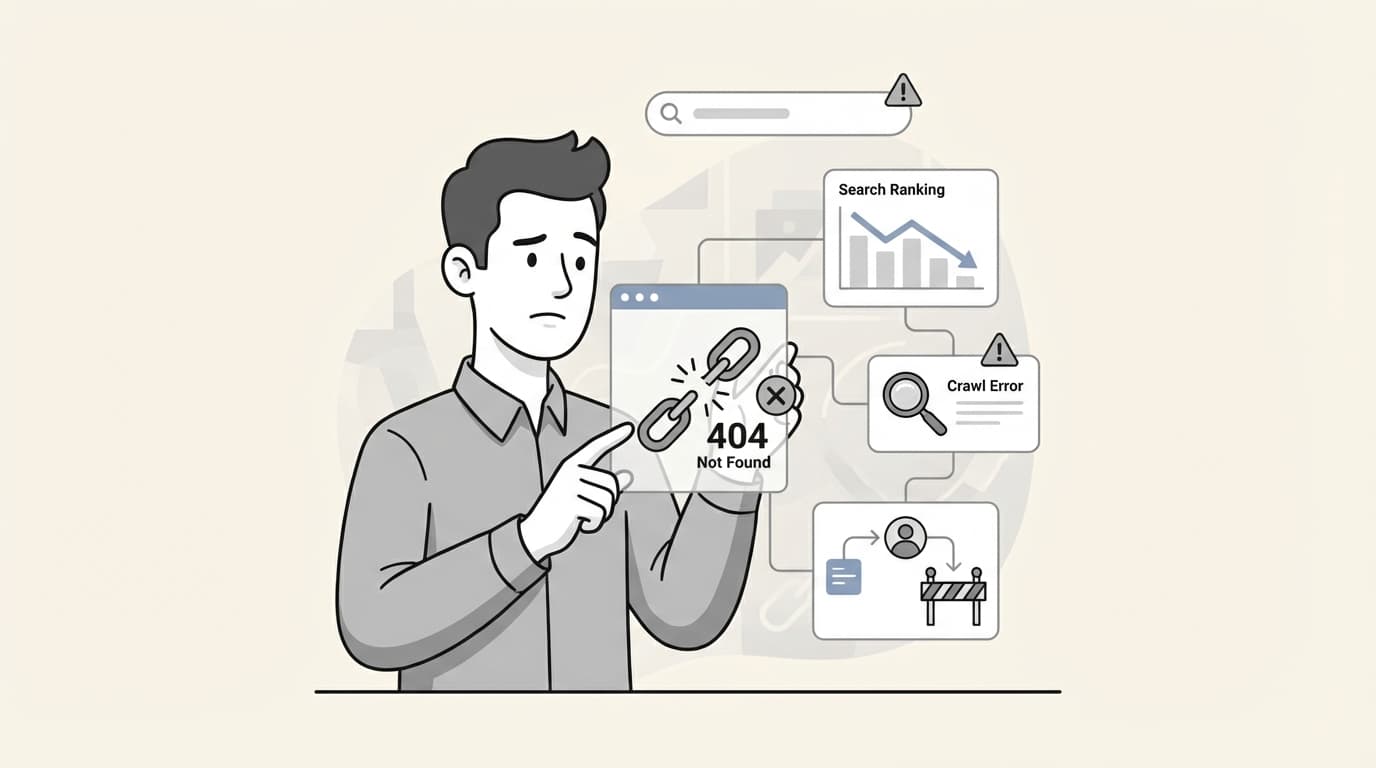
AI SEO broken link opportunities refer to the process of using artificial intelligence algorithms to identify dead links (404 errors) on relevant websites, then contacting those site owners to suggest replacing the broken link with a working link to your content. The AI component automates the discovery phase, which traditionally required hours of manual checking and analysis.
When a website links to a resource that no longer exists, that site loses credibility with both users and search engines. By offering a high-quality replacement, you provide value to the site owner while earning a valuable backlink for your own domain. AI tools scan thousands of pages simultaneously, analyzing link patterns, content relevance, and authority metrics to prioritize the most promising prospects.
How AI Enhances Traditional Broken Link Building
Traditional broken link building involved using browser extensions or basic crawlers to find 404 pages, then manually evaluating each one for relevance. This approach was time-consuming and often yielded poor results because the broken pages rarely matched the searcher’s niche. AI changes this dynamic by applying natural language processing (NLP) to understand the context of the broken page, the linking site’s topical focus, and your content’s semantic relevance.
Machine learning models can predict which broken links are worth pursuing based on historical success rates. They analyze factors like domain authority, page traffic estimates, anchor text patterns, and the likelihood of a response from the webmaster. This predictive capability means you spend your outreach efforts only on opportunities with the highest probability of conversion.
The Core Components of an AI-Driven Broken Link Strategy
Implementing AI SEO broken link opportunities requires understanding the key elements that make this strategy work. Each component plays a critical role in the overall effectiveness of your campaign.
1. Crawling and Discovery Algorithms
AI-powered crawlers operate differently from traditional link checkers. They use reinforcement learning to navigate websites more intelligently, prioritizing pages with high link equity and skipping low-value sections. These crawlers can process millions of URLs per day, checking HTTP status codes and logging the context of each broken link they encounter.
Advanced systems use computer vision to analyze screenshots of archived versions of dead pages. This helps determine what the original content covered, even when the page no longer exists. The AI then matches this visual and textual data against your content library to find the best replacement candidates.
2. Semantic Relevance Scoring
Not all broken links are equal. A broken link on a gardening blog pointing to a seed catalog is far more valuable to a gardening equipment retailer than to a software company. AI semantic scoring evaluates the topical relationship between the linking page, the dead URL, and your potential replacement content.
Natural language processing breaks down the text surrounding the broken link, identifying key entities, topics, and user intent. This analysis produces a relevance score, typically from 0 to 100, that helps you prioritize your outreach list. High-scoring opportunities (80+) deserve personalized emails, while lower scores might warrant automated outreach or elimination.
3. Predictive Outreach Modeling
AI systems analyze historical outreach data to predict response rates for different types of prospects. They consider factors such as the site owner’s past responsiveness, the tone of their content, their social media activity, and even the time of day they are most likely to read emails. This modeling allows you to craft outreach sequences that maximize positive responses.
Some advanced platforms use generative AI to draft personalized email templates based on the specific broken link context. These templates reference the exact content that was lost, compliment the site’s quality, and suggest your replacement in a natural, helpful tone. The result is outreach that feels human and thoughtful, not mass-produced.
Benefits of Using AI for Broken Link Building
The advantages of integrating AI into your broken link strategy extend far beyond simple time savings. Understanding these benefits helps justify the investment in AI tools and demonstrates the strategic value of this approach.
Massive Scalability
A manual broken link campaign might uncover 50 to 100 opportunities per week. AI-powered systems can identify thousands of relevant broken links across your entire niche within hours. This scale allows you to be selective, pursuing only the highest-quality prospects while still maintaining a robust pipeline of potential backlinks.
Higher Success Rates
Because AI filters out irrelevant opportunities before you invest time in outreach, your success rate per contact increases significantly. Instead of sending 100 emails to get 5 responses, you might send 30 highly targeted emails and get 10 responses. This efficiency translates directly into more backlinks acquired per hour of work.
Competitive Intelligence
AI tools can monitor your competitors’ backlink profiles, identifying broken links that point to their content. These represent opportunities to capture links that were previously going to your rivals. By systematically tracking these patterns, you can gradually erode your competitors’ link advantage while building your own authority.
Continuous Monitoring
Broken links appear constantly as websites are redesigned, content is removed, and domains expire. AI systems provide continuous monitoring, alerting you to new opportunities as they emerge. This real-time awareness means you can often be the first to contact a webmaster about a broken link, before other SEOs even notice it exists.
Limitations and Challenges of AI Broken Link Building
While AI dramatically improves the broken link process, it is not a magic solution. Understanding the limitations helps you set realistic expectations and develop strategies to overcome common obstacles.
Quality Control Issues
AI algorithms sometimes flag links as broken when they are actually functioning correctly, or they miss links that are broken due to JavaScript rendering issues. Regular manual audits of a sample of AI-discovered opportunities are essential to maintain quality standards and avoid wasting time on false positives.
Outreach Still Requires Human Touch
No AI can fully replicate the nuance of human communication. While AI can draft emails, the final send should always be reviewed by a human. Webmasters are savvy, and they can detect robotic outreach. Personalized touches, genuine compliments, and a clear understanding of their content are irreplaceable.
Competition for High-Value Links
Because AI makes broken link building accessible to everyone, the best opportunities are often contacted by multiple SEOs simultaneously. This competition means you need to act quickly and offer genuinely superior content to win the link. Simply having a relevant page is no longer enough; your content must be demonstrably better than what was originally linked.
AI SEO Broken Link Opportunities vs. Traditional Methods
Comparing AI-driven approaches to traditional broken link building highlights the transformative impact of this technology. The table below summarizes the key differences.
| Aspect | Traditional Method | AI-Powered Method |
|---|---|---|
| Discovery Speed | 50-100 links per week | Thousands per day |
| Relevance Filtering | Manual review of each link | Automated semantic scoring |
| Outreach Personalization | Manual template creation | AI-generated context-aware drafts |
| Data Analysis | Basic metrics (DA, PA) | Predictive models and NLP insights |
| Scalability | Limited by human capacity | Virtually unlimited |
| Cost | Low tool cost, high labor cost | Higher tool cost, lower labor cost |
The choice between traditional and AI methods depends on your budget, team size, and campaign goals. Many successful SEOs use a hybrid approach, leveraging AI for discovery and initial filtering, then applying human judgment for final selection and outreach.
Practical Guide: How to Implement AI Broken Link Building
Implementing an AI-driven broken link campaign requires a systematic approach. Follow these steps to build a sustainable pipeline of high-quality backlinks.
Step 1: Define Your Target Criteria
Before launching any AI tool, clearly define what constitutes a valuable opportunity for your site. Consider metrics like minimum domain authority (typically 30+), relevance to your niche, traffic estimates, and the type of content you can offer as a replacement. Document these criteria so you can configure your AI tools accordingly.
Step 2: Choose the Right AI Tools
Several platforms offer AI-powered broken link discovery. Look for tools that provide semantic relevance scoring, competitor monitoring, and automated outreach features. Popular options include specialized SEO suites that integrate AI link analysis, as well as standalone broken link finders with machine learning capabilities. Test multiple tools with free trials to find the one that best matches your workflow.
Step 3: Run Initial Discovery and Filtering
Configure your chosen tool to crawl your niche’s top websites, blogs, and resource pages. Set filters for broken links (HTTP 404, 410, etc.) and apply your relevance criteria. The A Review the top 20% of this list manually to ensure quality before proceeding.
Step 4: Create or Identify Replacement Content
For each high-priority broken link, you need a suitable replacement page on your site. This might be an existing blog post, a product page, or a new piece of content you create specifically for this purpose. The replacement must be genuinely useful and topically aligned with the original dead page. If you lack a good match, consider creating a comprehensive resource that covers the same topic.
Step 5: Craft Personalized Outreach Emails
Use AI to draft initial email templates, but customize each one before sending. Mention the specific broken link you found, briefly describe what the original content covered, and explain why your replacement is valuable. Keep the email concise, friendly, and non-pushy. Offer to make the change yourself if the webmaster prefers, but always ask for permission first.
Step 6: Track and Follow Up
Maintain a spreadsheet or use a CRM to track your outreach. Record the date of first contact, response status, and any follow-up actions. Send a polite follow-up email after 5-7 days if you receive no response. After two follow-ups with no reply, move on to other opportunities. AI tools can automate this tracking and even suggest optimal follow-up timing.
Step 7: Measure Results and Iterate
Track the number of links acquired, the quality of referring domains, and the impact on your search rankings. Analyze which types of opportunities yielded the best results and adjust your criteria accordingly. Continuous iteration is key to maximizing the long-term value of your AI broken link strategy.
Common Mistakes and How to Avoid Them
Even with AI assistance, many SEOs make avoidable errors that undermine their broken link campaigns. Recognizing these mistakes is the first step toward correcting them.
Ignoring Relevance for Authority
Chasing high-authority sites that have nothing to do with your niche is a common error. A link from a DA 90 site about cooking will do little for a B2B software company. The AI’s relevance score exists for a reason. Trust it and prioritize topical alignment over raw authority metrics.
Sending Generic Outreach at Scale
Using AI to send hundreds of identical emails is a recipe for low response rates and potential spam complaints. Even if the AI drafts the email, you must review and personalize each one. Reference the specific broken link, the site’s content, and why your replacement is a perfect fit. Generic emails get deleted in seconds.
Offering Low-Quality Replacement Content
If your replacement page is thin, outdated, or clearly inferior to the original resource, webmasters will not link to it. Invest in creating genuinely excellent content that serves the user’s intent. A single outstanding resource can earn dozens of broken link replacements over time.
Neglecting to Monitor Your Own Site
While finding broken links on other sites, do not forget to check your own. Broken internal and external links on your website hurt your SEO and user experience. Use the same AI tools to audit your site regularly and fix any issues promptly.
Failing to Build Relationships
Broken link building is not just a transactional exchange. Engaging with webmasters, commenting on their content, and building genuine relationships leads to more links over time. AI can help you identify prospects, but human relationship building is what turns a one-time link into an ongoing partnership.
Important Notes for Long-Term Success
Several factors influence the long-term effectiveness of your AI SEO broken link opportunities strategy. Keep these considerations in mind as you scale your efforts.
First, always prioritize user experience. The goal is not just to earn links but to provide value to users who click those links. If your content does not satisfy the searcher’s intent, the link will not help your rankings and may even hurt your reputation.
Second, diversify your link building strategies. Broken link building should be one component of a comprehensive SEO approach that includes content marketing, digital PR, and organic relationship building. Relying solely on broken links makes your profile look unnatural and leaves you vulnerable to algorithm updates.
Third, stay updated on AI tool capabilities. The field is evolving rapidly, and new features are released frequently. What was impossible six months ago may now be standard functionality. Regularly review your toolset and upgrade when beneficial.
Fourth, document your processes. As your team grows or changes, having clear documentation ensures consistency. Record your criteria, outreach templates, follow-up sequences, and success metrics. This institutional knowledge is invaluable.
Finally, be patient. Broken link building, even with AI, takes time to produce significant results. The compounding effect of quality backlinks builds over months and years. Do not expect overnight success; instead, focus on consistent execution and continuous improvement.
Frequently Asked Questions
What is the best AI tool for finding broken link opportunities?
The best tool depends on your specific needs and budget. Leading options include Ahrefs with its broken link checker and content gap features, SEMrush with its backlink audit tools, and specialized AI platforms like LinkResearchTools or CognitiveSEO. Many of these tools now incorporate machine learning for relevance scoring and predictive analysis. Test free trials to determine which interface and features work best for your workflow.
How long does it take to see results from AI broken link building?
Results vary based on your niche, the quality of your content, and the effectiveness of your outreach. Some SEOs see their first new backlinks within two to four weeks of starting a campaign. However, meaningful improvements in search rankings typically take three to six months as search engines crawl and index the new links. Consistent effort over six to twelve months yields the most significant results.
Can AI completely automate broken link building?
No, AI cannot fully automate the process. While AI excels at discovery, filtering, and even drafting emails, the final outreach requires human judgment and personalization. Webmasters respond better to genuine human communication. Additionally, creating high-quality replacement content is a human task that AI cannot fully replicate. The most effective approach combines AI efficiency with human creativity and relationship building.
Is broken link building still effective in 2025?
Yes, broken link building remains a highly effective link acquisition strategy. Search engines continue to value natural, editorially placed links, and broken link building provides a legitimate reason for webmasters to link to your content. The strategy is particularly effective when combined with AI for scalability and precision. As long as you focus on relevance and quality, broken link building will continue to deliver results.
How many broken link opportunities should I pursue per week?
The ideal number depends on your team size and capacity for personalized outreach. A solo SEO might effectively manage 20 to 30 targeted opportunities per week. A larger team could handle 100 or more. Quality matters more than quantity. It is better to send 20 highly personalized emails than 200 generic ones. Scale your efforts as you refine your process and see what works.
What types of websites are best for broken link building?
The best targets are websites with high domain authority, relevant content, and a history of linking out to external resources. Resource pages, blog roundups, industry directories, and educational institutions are excellent targets. Avoid sites that are clearly spammy or have no editorial oversight. Focus on sites where a broken link genuinely detracts from the user experience.
Conclusion
AI SEO broken link opportunities represent a powerful convergence of automation and strategic link building. By leveraging artificial intelligence for discovery, relevance scoring, and outreach optimization, you can build a scalable, effective link acquisition system that drives meaningful improvements in search visibility and organic traffic. The key to success lies in combining AI efficiency with human judgment, creating exceptional replacement content, and building genuine relationships with webmasters in your niche.
The landscape of SEO continues to evolve, but the fundamental value of high-quality backlinks remains constant. AI does not replace the need for good content or thoughtful outreach; it amplifies your ability to find and secure those links. Start implementing an AI-driven broken link strategy today, monitor your results, and iterate based on data. With consistent effort, this approach will become a cornerstone of your link building success.
Xem thêm:
- AI SEO Ecommerce Keyword Research: The Complete Playbook for 2025
- AI SEO Archive Optimization: The Complete Guide to Maximizing Legacy Content Value
- Google AI Mode SEO: A Complete Guide to Optimizing for Google’s AI‑Powered Search Shift
- AI SEO Maps Optimization: The Complete Guide to Dominating Local Search in 2025
- AI SERP Features: The Complete Guide to Understanding and Optimizing for AI-Driven Search Results
Bài viết cùng chủ đề:

AI SEO SEO Automation with Make: The Complete Workflow Guide

AI SEO SEO Automation with Zapier: The Complete Workflow Guide

AI SEO SEO Automation with n8n: The Complete Workflow Guide
AI SEO SEO Automation with Gemini: The Complete Guide to Scaling Organic Growth

AI SEO SEO Automation with Claude: The Complete Guide to Scaling Content in 2025

AI SEO SEO Automation with ChatGPT: The Complete Playbook for 2025

AI SEO & SEO Automation for Affiliate Sites: The 2025 Playbook for Passive Income Growth
AI SEO & SEO Automation for Bloggers: The Complete Guide to Scaling Your Content

AI SEO & SEO Automation for Agencies: The Complete 2025 Playbook

AI SEO and SEO Automation for Ecommerce: The Complete Playbook for 2025

AI SEO & SEO Automation for WordPress: The Complete Playbook for 2025
AI SEO SEO Automation Strategy: The Complete Playbook for 2025

Mastering the AI SEO SEO Automation Process: A Complete Guide to Scaling Organic Growth
AI SEO SEO Automation System: The Complete Guide to Scaling Organic Growth in 2025
AI SEO SEO Automation Platform: The Complete Guide to Scaling Organic Growth in 2025
AI SEO SEO Automation Software: The Complete Guide to Scaling Organic Growth in 2025















