
No products in the cart.
AI SEO Archive Optimization: The Complete Guide to Maximizing Legacy Content Value

31
Jul
Jul
AI SEO archive optimization is the strategic process of using artificial intelligence to analyze, restructure, and enhance historical website content so it continues to rank, convert, and drive organic traffic long after its original publication date. For most established websites, archived pages represent 60-80% of total indexed URLs, yet they often receive minimal attention compared to new content creation. This imbalance creates a massive missed opportunity, as search engines increasingly reward comprehensive, updated, and contextually rich resources. By applying AI-driven techniques to archive optimization, businesses can unlock significant organic growth without constantly producing new material from scratch.
Understanding AI SEO Archive Optimization
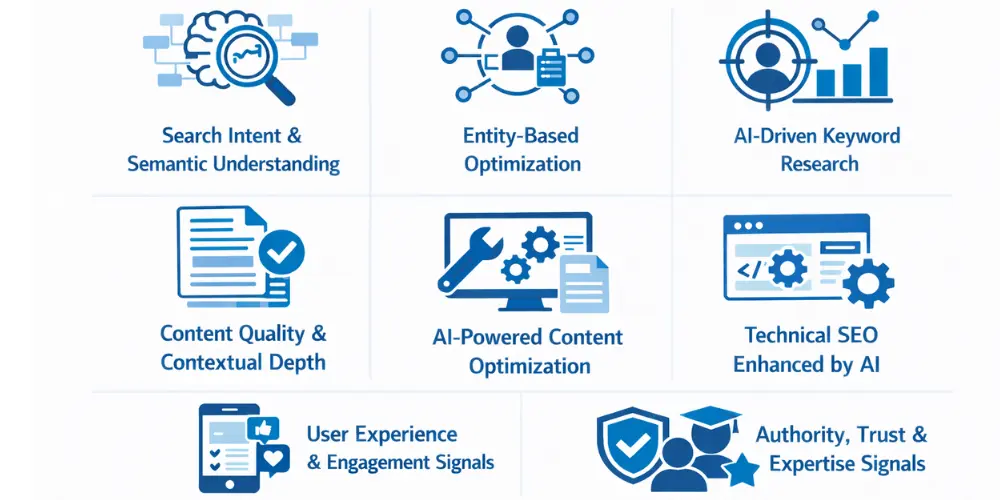
AI SEO archive optimization refers to the application of machine learning algorithms, natural language processing (NLP), and predictive analytics to evaluate and improve the performance of older web pages. Unlike traditional SEO audits that rely on manual reviews and basic metrics, AI systems can process thousands of pages simultaneously, identifying patterns in content decay, keyword drift, and user engagement that human analysts might miss.
The core premise is straightforward: search engines like Google continuously refine their algorithms, user search behavior evolves, and competitor content improves. As a result, pages that once ranked on the first page can gradually lose visibility. AI SEO archive optimization systematically reverses this decline by identifying which pages deserve updates, what specific changes will yield the highest return, and how to repurpose existing assets for new search intents.
Why Archives Matter More Than New Content
Most SEO teams focus on publishing new blog posts or product pages, but the data tells a different story. Studies from various SEO platforms indicate that pages older than one year generate approximately 70-80% of all organic traffic on established domains. This happens because older pages accumulate backlinks, domain authority, and historical engagement signals that new pages simply cannot replicate overnight.
However, without proper maintenance, these same pages suffer from content decay. Information becomes outdated, internal links break, and the page structure no longer aligns with current search engine requirements. AI SEO archive optimization addresses this by treating the existing content library as a high-value asset portfolio rather than digital clutter.
How AI Transforms Archive Optimization
Traditional archive optimization involved manually reviewing each page, checking for outdated statistics, and rewriting paragraphs. This approach is time-consuming, subjective, and nearly impossible to scale across thousands of URLs. AI changes the game by introducing automation, precision, and continuous learning into the process.
Automated Content Auditing at Scale
AI-powered tools can crawl an entire website and evaluate every archived page against dozens of ranking factors simultaneously. These factors include keyword relevance, content freshness, readability scores, internal linking structure, meta data completeness, and semantic coverage. Instead of guessing which pages need attention, AI generates a prioritized list based on potential traffic recovery and revenue impact.
For example, an e-commerce site with 10,000 product pages might discover that 3,000 of them have lost rankings due to missing schema markup or thin content. AI identifies these pages, groups them by issue type, and suggests specific fixes that can be implemented in bulk.
Natural Language Processing for Semantic Relevance
Search engines now understand context and user intent, not just exact keywords. AI SEO archive optimization uses NLP to compare the language in archived content against current top-ranking pages for the same queries. This comparison reveals semantic gaps, such as missing subtopics, outdated terminology, or insufficient coverage of related questions.
If a financial blog published an article about retirement planning in 2019, the AI might detect that current top results include sections on inflation-adjusted withdrawals and Roth IRA conversions. The optimization process then recommends adding these subtopics to the existing article, preserving its authority while updating its relevance.
Predictive Performance Modeling
Advanced AI systems can simulate how changes to an archived page will impact its search performance before any edits are made. By analyzing historical ranking data, click-through rates, and competitor movements, these models predict whether updating a title tag, adding a FAQ section, or restructuring headings will produce meaningful gains.
This predictive capability prevents wasted effort on pages that are beyond recovery and focuses resources on high-potential assets. It also helps prioritize which pages to optimize first based on the expected return on investment.
Key Components of an AI-Driven Archive Optimization Strategy
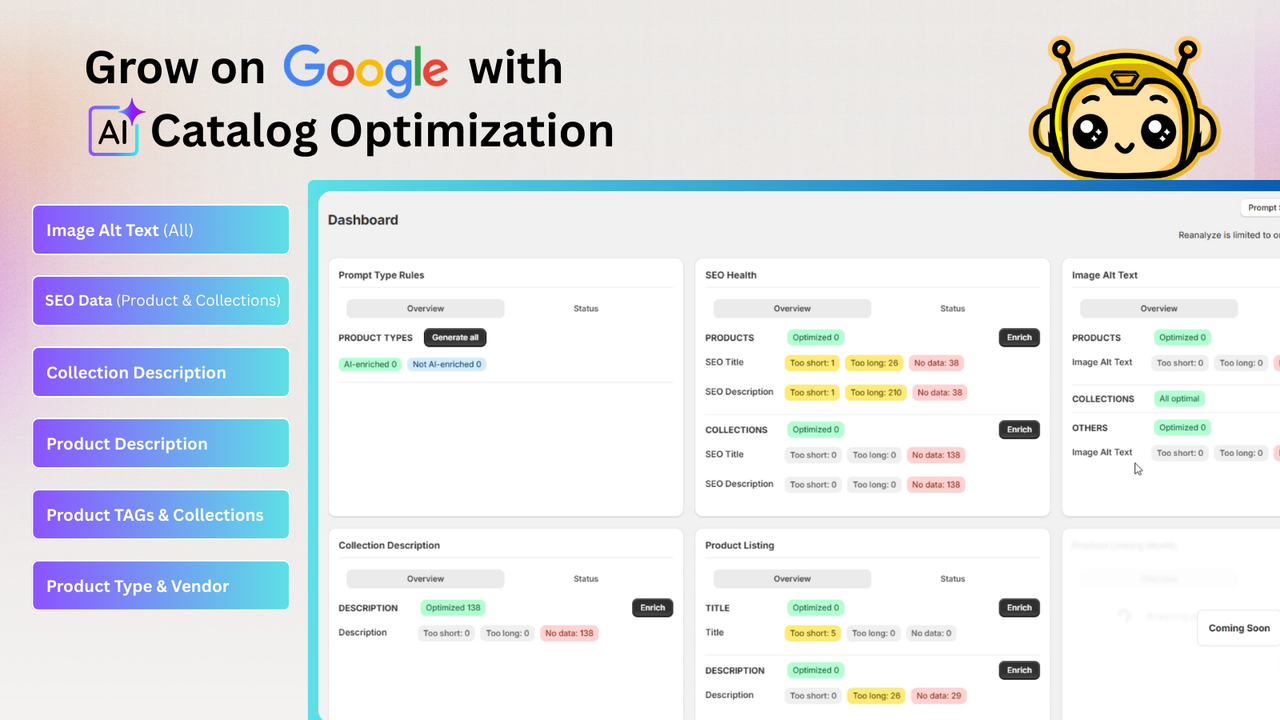
Implementing AI SEO archive optimization requires a structured approach that combines technology, data analysis, and editorial judgment. The following components form the foundation of a successful strategy.
Data Collection and Integration
The first step is aggregating data from multiple sources, including Google Search Console, Google Analytics, backlink databases, and on-page crawlers. AI algorithms need this data to understand current performance baselines, identify traffic trends, and spot anomalies. Integration with content management systems allows the AI to access page content directly for analysis.
Key data points include organic impressions, average position, click-through rate, bounce rate, conversion rate, page load speed, and the number of referring domains. Historical data is equally important, as it shows the trajectory of each page’s performance over time.
Content Decay Detection
AI systems use statistical models to detect content decay patterns. A page might show a steady decline in impressions over six months, a sudden drop after a Google core update, or a gradual loss of rankings to newer competitor content. Each pattern requires a different optimization approach.
For gradual decline, the AI might recommend refreshing statistics and adding new examples. For algorithm-related drops, a more comprehensive rewrite might be necessary. The detection phase classifies each page into categories such as “healthy,” “at risk,” “decaying,” or “critical” to guide subsequent actions.
Keyword and Intent Mapping
Archived content often targets keywords that have changed in meaning or search volume. AI SEO archive optimization remaps each page to its current best-matching keywords and search intents. This involves analyzing the page’s existing rankings, identifying new keyword opportunities, and determining whether the page should target informational, transactional, or navigational queries.
For instance, a page originally written for “best running shoes” might now rank for “best running shoes for flat feet” or “trail running shoes under $100.” The AI identifies these shifts and recommends adjusting the content to capture the more specific, higher-converting queries.
Automated Content Enhancement
Once the AI identifies what needs to change, it can generate recommendations or even draft updated sections. Modern AI writing tools can produce new paragraphs, rewrite outdated sections, generate FAQ blocks, and suggest internal links to newer relevant content. Human editors then review and approve these changes, ensuring quality and brand voice consistency.
This hybrid approach combines AI efficiency with human creativity. The AI handles the repetitive tasks, such as updating statistics or adding schema markup, while humans focus on strategic storytelling and unique insights.
Benefits of AI SEO Archive Optimization
The advantages of applying AI to archive optimization extend beyond simple traffic recovery. Organizations that embrace this approach see improvements across multiple performance indicators.
- Increased organic traffic: Updated pages regain rankings and attract new visitors, often within 2-4 weeks of optimization.
- Higher conversion rates: Refreshed content that addresses current user needs converts better than outdated material.
- Cost efficiency: Optimizing existing pages costs significantly less than creating new content from scratch, with typical savings of 40-60%.
- Improved crawl budget utilization: Search engines allocate more crawl resources to fresh, relevant pages, which benefits the entire site.
- Enhanced domain authority: A library of high-quality, updated resources signals expertise and trustworthiness to search engines.
- Faster time-to-results: Archived pages already have backlinks and indexing history, so improvements compound faster than new pages.
- Optimizing everything at once: Spreading resources too thin dilutes impact. Focus on high-priority pages first.
- Ignoring user intent: Updating content for keywords without considering what users actually want leads to high bounce rates.
- Deleting pages prematurely: Some pages have value that is not immediately visible in traffic data, such as backlink equity or brand mentions.
- Over-optimizing with AI: Stuffing content with keywords or generating unnatural text harms readability and rankings.
- Neglecting technical SEO: Content updates alone cannot fix broken redirects, slow load times, or mobile usability issues.
- Failing to update internal links: Old pages often link to outdated resources, spreading link equity to irrelevant pages.
Limitations and Challenges
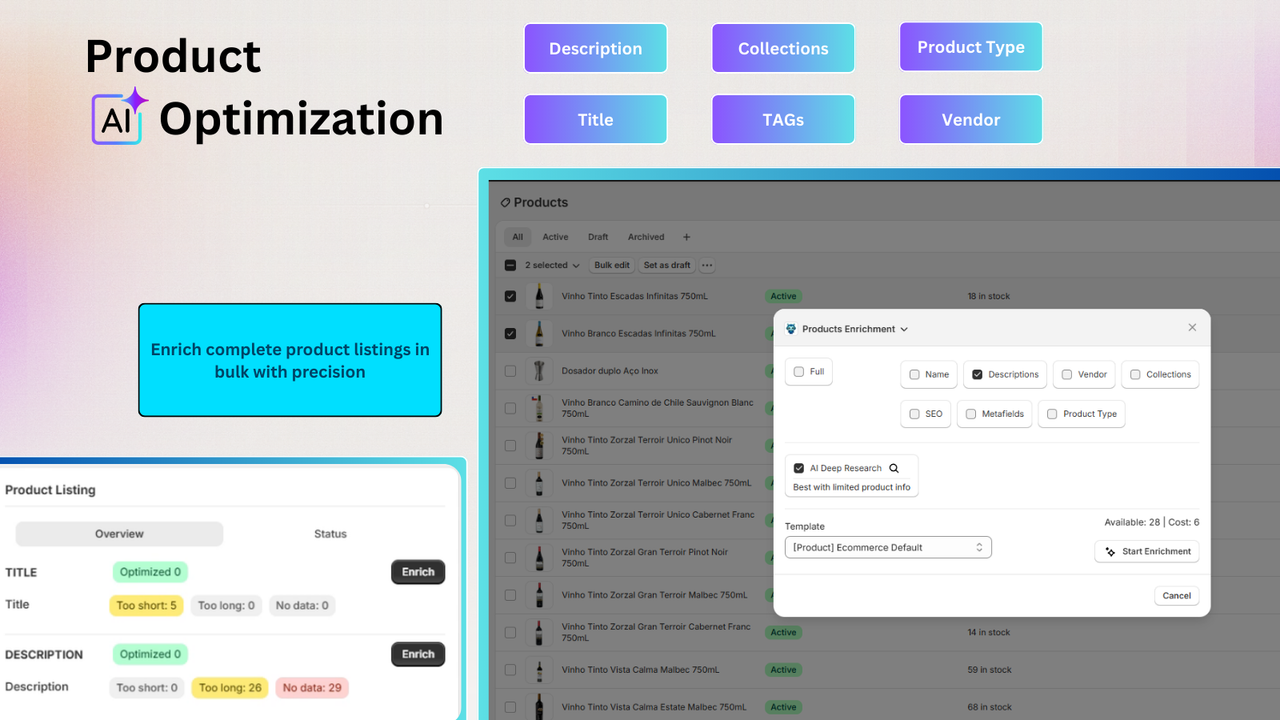
While AI SEO archive optimization offers substantial benefits, it is not without challenges. Understanding these limitations helps set realistic expectations and avoid common pitfalls.
Data Quality Dependencies
AI models are only as good as the data they receive. Incomplete analytics tracking, incorrect URL parameters, or missing historical data can lead to inaccurate recommendations. Organizations must ensure their data collection is robust before relying on AI-driven insights.
Algorithm Limitations
AI cannot fully replicate human judgment regarding brand voice, cultural nuances, or creative storytelling. Automated content generation may produce technically correct but bland text that fails to engage readers. A human review layer is essential for maintaining quality.
Resource Requirements
Implementing AI SEO archive optimization requires investment in software tools, training, and potentially hiring specialists. Small businesses with limited budgets may find the initial costs prohibitive, although many affordable SaaS options exist.
AI SEO Archive Optimization vs. Traditional Methods
Understanding the differences between AI-driven and traditional archive optimization helps clarify the value proposition.
| Aspect | Traditional Archive Optimization | AI SEO Archive Optimization |
|---|---|---|
| Scale | Manual review of 10-50 pages per week | Automated analysis of thousands of pages |
| Speed | Weeks to complete a full audit | Hours to generate prioritized recommendations |
| Accuracy | Subject to human bias and oversight | Data-driven, consistent, and repeatable |
| Content Updates | Full rewrites often required | Targeted, surgical updates based on gap analysis |
| Cost | High labor costs per page | Lower cost per page due to automation |
| Continuous Learning | Static process, requires re-audits | Continuous monitoring and adjustment |
Practical Implementation Guide
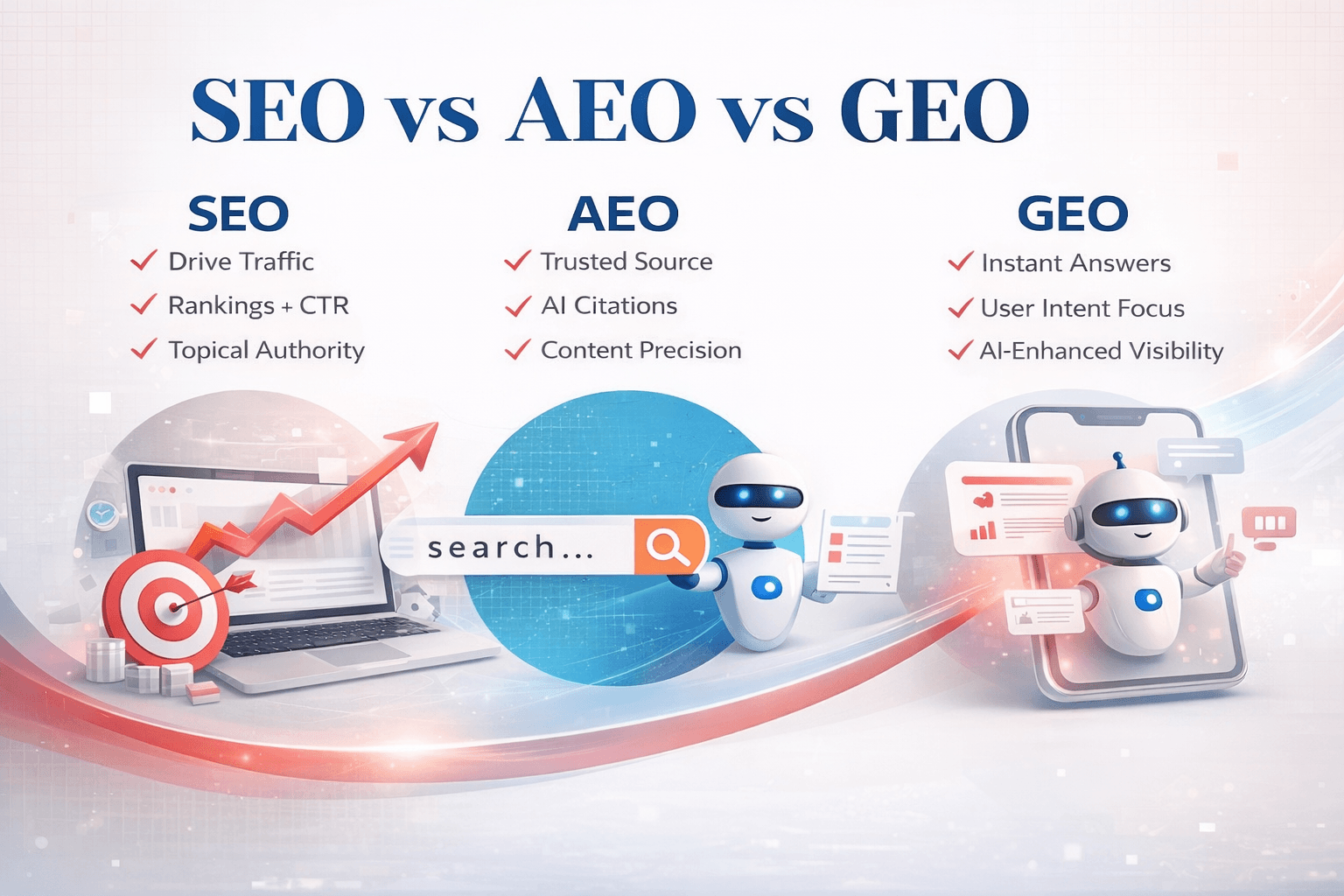
Implementing AI SEO archive optimization involves a clear, step-by-step process that any organization can follow.
Step 1: Inventory Your Archive
Export a complete list of URLs from your CMS or sitemap. Include metadata such as publication date, last modified date, word count, and current traffic levels. This inventory becomes the foundation for all subsequent analysis.
Step 2: Select AI SEO Tools
Choose tools that offer content auditing, keyword gap analysis, and NLP capabilities. Popular options include Clearscope for content optimization, MarketMuse for topic modeling, and custom Python scripts for large-scale data processing. Many enterprise SEO platforms now include built-in AI features.
Step 3: Run Initial Analysis
Feed your URL inventory and content into the AI tools. Generate a comprehensive report that categorizes pages by health status, identifies content gaps, and prioritizes optimization opportunities. Focus on pages with historically high traffic that has declined, as these offer the fastest wins.
Step 4: Create Optimization Tiers
Group pages into tiers based on potential impact. Tier 1 includes pages with high traffic potential and clear optimization paths. Tier 2 includes pages with moderate potential. Tier 3 includes low-value pages that may be candidates for consolidation or removal.
Step 5: Execute Content Updates
For each prioritized page, implement the AI recommendations. This may involve updating title tags, adding new sections, refreshing statistics, improving internal linking, and adding structured data. Use AI writing assistants to draft new content, then have human editors refine it.
Step 6: Monitor and Iterate
Track performance changes over 4-8 weeks. Compare rankings, impressions, and conversions against baseline data. Use AI to identify which changes produced the best results and apply those learnings to subsequent optimization rounds.
Common Mistakes in AI SEO Archive Optimization
Avoiding these frequent errors ensures your optimization efforts deliver maximum value.
Important Notes for Successful Implementation
Several factors influence the success of AI SEO archive optimization initiatives. Keep these considerations in mind throughout the process.
First, ensure alignment between SEO goals and business objectives. Optimizing a page for traffic is pointless if that traffic does not convert into leads or sales. Define clear KPIs for each optimization round, such as revenue per session or goal completions.
Second, maintain a consistent publishing schedule for updates. Search engines favor sites that demonstrate ongoing maintenance. Even small updates, such as adding a new FAQ section or refreshing a date, signal freshness.
Third, document your process and results. This documentation builds institutional knowledge, helps justify tool investments, and provides a framework for future optimization cycles.
Finally, stay informed about AI and SEO developments. The field evolves rapidly, and techniques that work today may become obsolete tomorrow. Subscribe to industry publications, attend webinars, and participate in professional communities.
Frequently Asked Questions
What is AI SEO archive optimization?
AI SEO archive optimization is the use of artificial intelligence technologies, including machine learning and natural language processing, to analyze, update, and improve the search engine performance of older website content. It involves automated audits, semantic gap analysis, and predictive modeling to determine which archived pages need updates and what specific changes will improve their rankings and traffic.
How long does it take to see results from archive optimization?
Results typically appear within 2-6 weeks after implementing changes. Minor updates, such as title tag improvements or adding internal links, can show faster results. Comprehensive content rewrites may take longer, as search engines need time to recrawl and re-index the updated pages. Historical authority and backlink profiles of archived pages often accelerate the recovery process compared to new content.
Can AI fully replace human SEO experts in archive optimization?
No, AI cannot fully replace human expertise. AI excels at data processing, pattern recognition, and generating recommendations at scale. However, human judgment is essential for understanding brand voice, creating compelling narratives, making strategic decisions about content consolidation, and ensuring that automated suggestions align with business goals. The most effective approach combines AI efficiency with human oversight and creativity.
Which types of websites benefit most from AI SEO archive optimization?
Websites with large content libraries, such as e-commerce stores with thousands of product pages, news publishers with extensive article archives, and B2B companies with comprehensive resource sections, benefit the most. Sites with more than 500 indexed pages typically see significant returns. Smaller websites can also benefit, but the investment in AI tools may be harder to justify for sites with fewer than 100 pages.
What is the difference between content decay and content refresh?
Content decay refers to the natural decline in search visibility and traffic that occurs as content ages, competitors improve, and search algorithms evolve. Content refresh is the corrective action taken to reverse this decline. AI SEO archive optimization identifies decay patterns and guides the refresh process by specifying which elements of the content need updating, such as statistics, examples, headings, or internal links.
How does AI determine which archived pages to optimize first?
AI prioritizes pages based on a combination of factors, including historical traffic levels, current ranking positions, backlink authority, conversion potential, and the size of the keyword opportunity. Pages that once ranked on page one but have dropped to page two or three are typically high priorities, as they require minimal changes to recover. The AI also considers the competitive landscape and the effort required for optimization.
Conclusion
AI SEO archive optimization represents a fundamental shift in how websites manage their existing content assets. Instead of treating archived pages as static, forgotten resources, forward-thinking organizations use AI to continuously improve and adapt their content libraries to changing search landscapes. The benefits are clear: increased traffic, better conversion rates, lower content production costs, and a stronger overall domain presence.
The implementation process requires investment in the right tools, a clear strategic framework, and a commitment to ongoing monitoring and iteration. By following the structured approach outlined in this guide, avoiding common mistakes, and leveraging the power of AI for data analysis and content enhancement, any website can unlock the hidden value within its archives. The future of SEO belongs to those who can efficiently maintain and optimize what they already have, not just those who constantly chase new content. Start your AI SEO archive optimization journey today, and watch your legacy content transform into a powerful, compounding traffic asset.
Xem thêm:
- AI SEO Zapier Automation: The Complete Guide to Scaling Your Organic Growth in 2025
- AI SEO Content Accuracy: The Complete Guide to Verifying Machine-Generated Copy
- AI SEO JavaScript SEO: The Complete Guide to Modern Search Optimization
- AI SEO External Links: The Complete Guide to Smarter Link Building in 2025
- AI SEO Landing Page Testing: The Complete Guide to Data-Driven Conversion Optimization
Bài viết cùng chủ đề:

AI SEO SEO Automation with Make: The Complete Workflow Guide

AI SEO SEO Automation with Zapier: The Complete Workflow Guide

AI SEO SEO Automation with n8n: The Complete Workflow Guide
AI SEO SEO Automation with Gemini: The Complete Guide to Scaling Organic Growth

AI SEO SEO Automation with Claude: The Complete Guide to Scaling Content in 2025

AI SEO SEO Automation with ChatGPT: The Complete Playbook for 2025

AI SEO & SEO Automation for Affiliate Sites: The 2025 Playbook for Passive Income Growth
AI SEO & SEO Automation for Bloggers: The Complete Guide to Scaling Your Content

AI SEO & SEO Automation for Agencies: The Complete 2025 Playbook

AI SEO and SEO Automation for Ecommerce: The Complete Playbook for 2025

AI SEO & SEO Automation for WordPress: The Complete Playbook for 2025
AI SEO SEO Automation Strategy: The Complete Playbook for 2025

Mastering the AI SEO SEO Automation Process: A Complete Guide to Scaling Organic Growth
AI SEO SEO Automation System: The Complete Guide to Scaling Organic Growth in 2025
AI SEO SEO Automation Platform: The Complete Guide to Scaling Organic Growth in 2025
AI SEO SEO Automation Software: The Complete Guide to Scaling Organic Growth in 2025















